Why visit Iceland
The things to do in Iceland are mostly outdoors, and that is the reason to go. The island sits on the mid-Atlantic ridge, which gives it active volcanoes, geysers, lava fields and hot springs, while glaciers cover about a tenth of the land (see the Wikipedia overview). It covers roughly 103,000 square kilometres but has only around 400,000 residents, so most of it is empty.
Iceland suits independent travellers who like driving, short hikes and soaking in warm water, and it works for first-time visitors because the main sights are along one road. Reykjavik, the capital, is small and walkable. The trade-offs are high prices, changeable weather and long distances between towns. Two weeks lets you drive the full Ring Road; a week works if you accept choosing between south, north or the west.
Best places to visit in Iceland
The best places to visit in Iceland are spread along the coast road and a few loops inland, so decide your base before you book.
Reykjavik
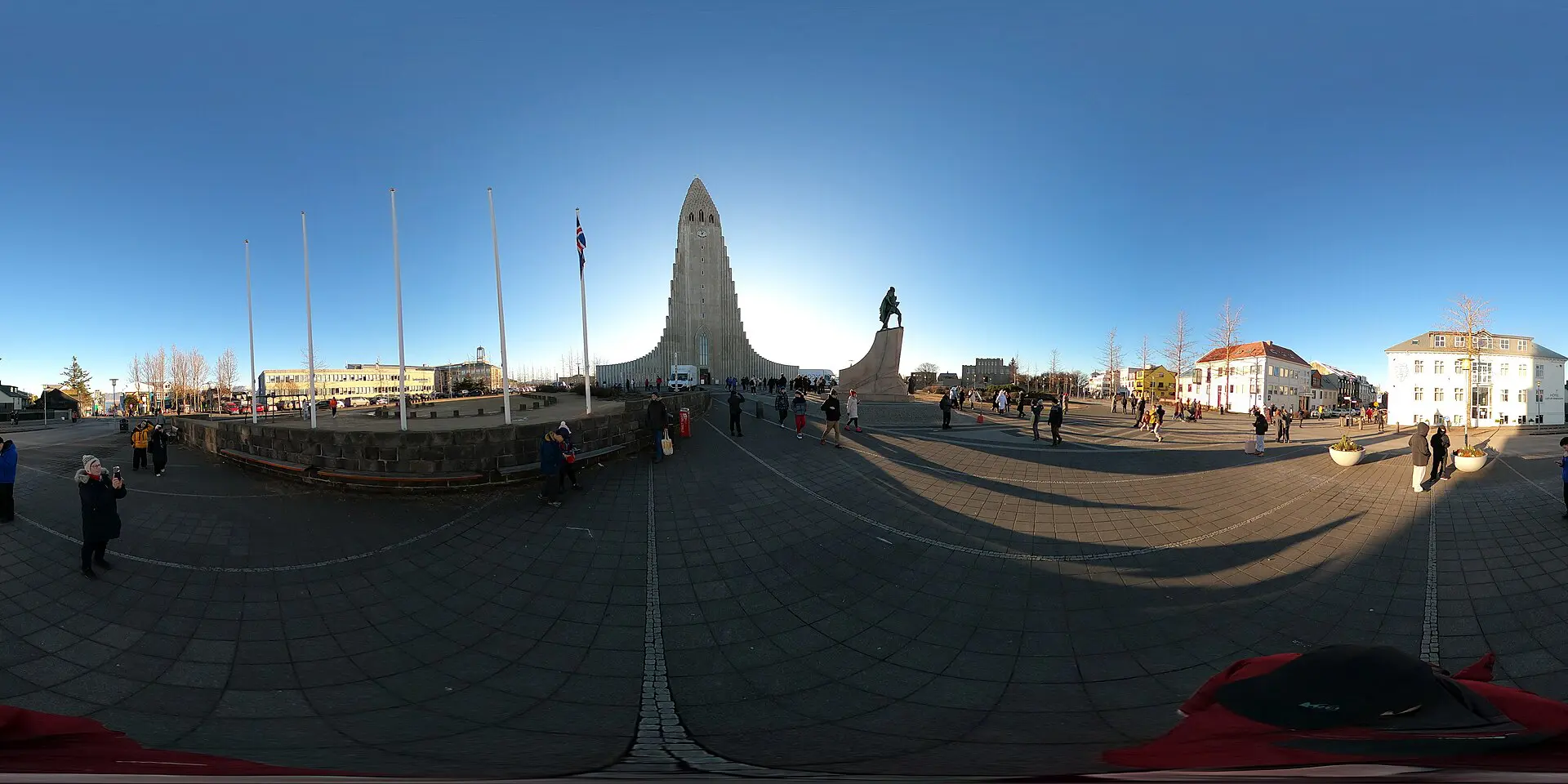
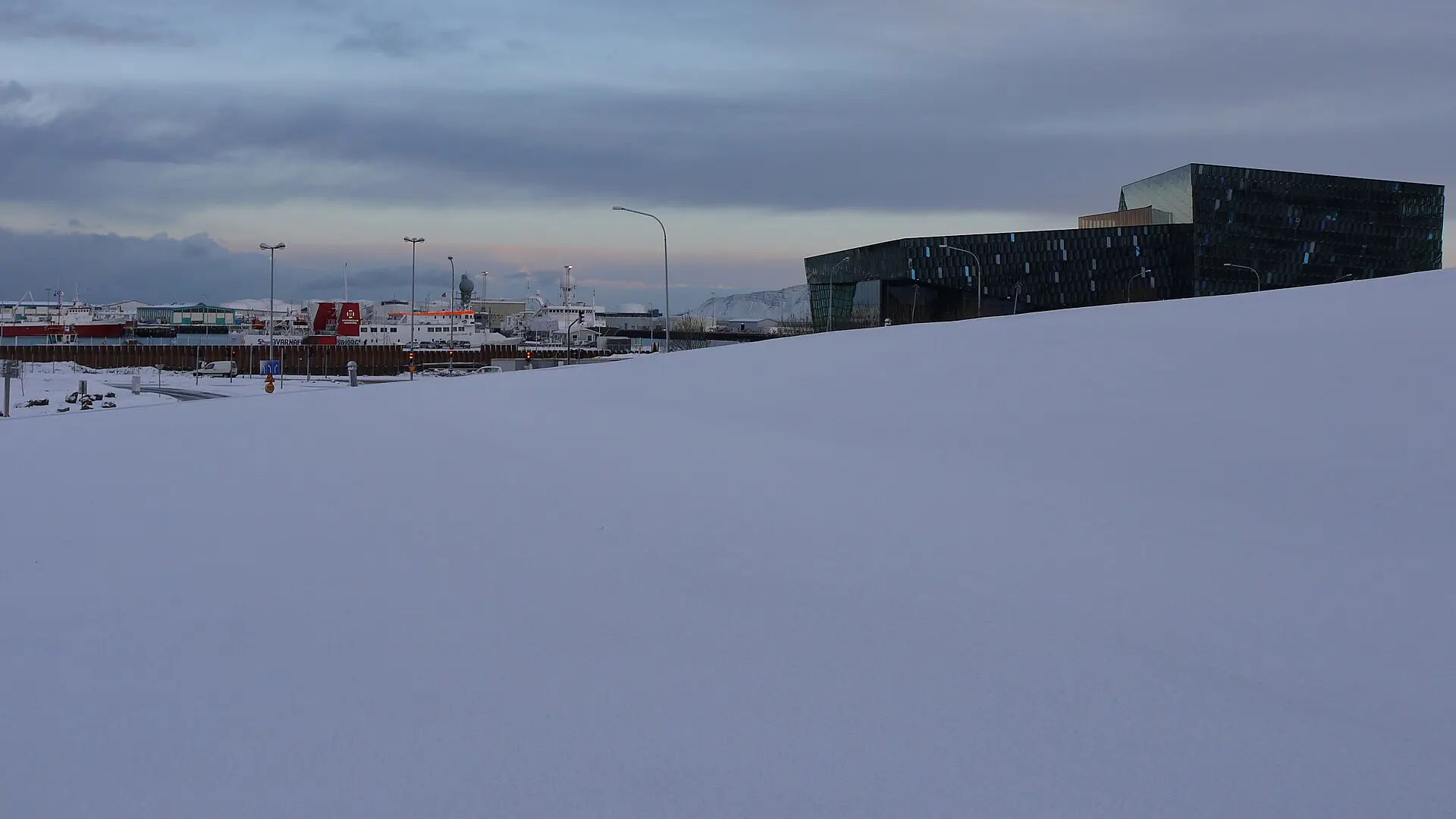
The capital has the Hallgrímskirkja church tower, the Harpa concert hall, museums, bakeries and a lively bar scene. It is the base for the Golden Circle, whale watching and the airport transfers.
Golden Circle
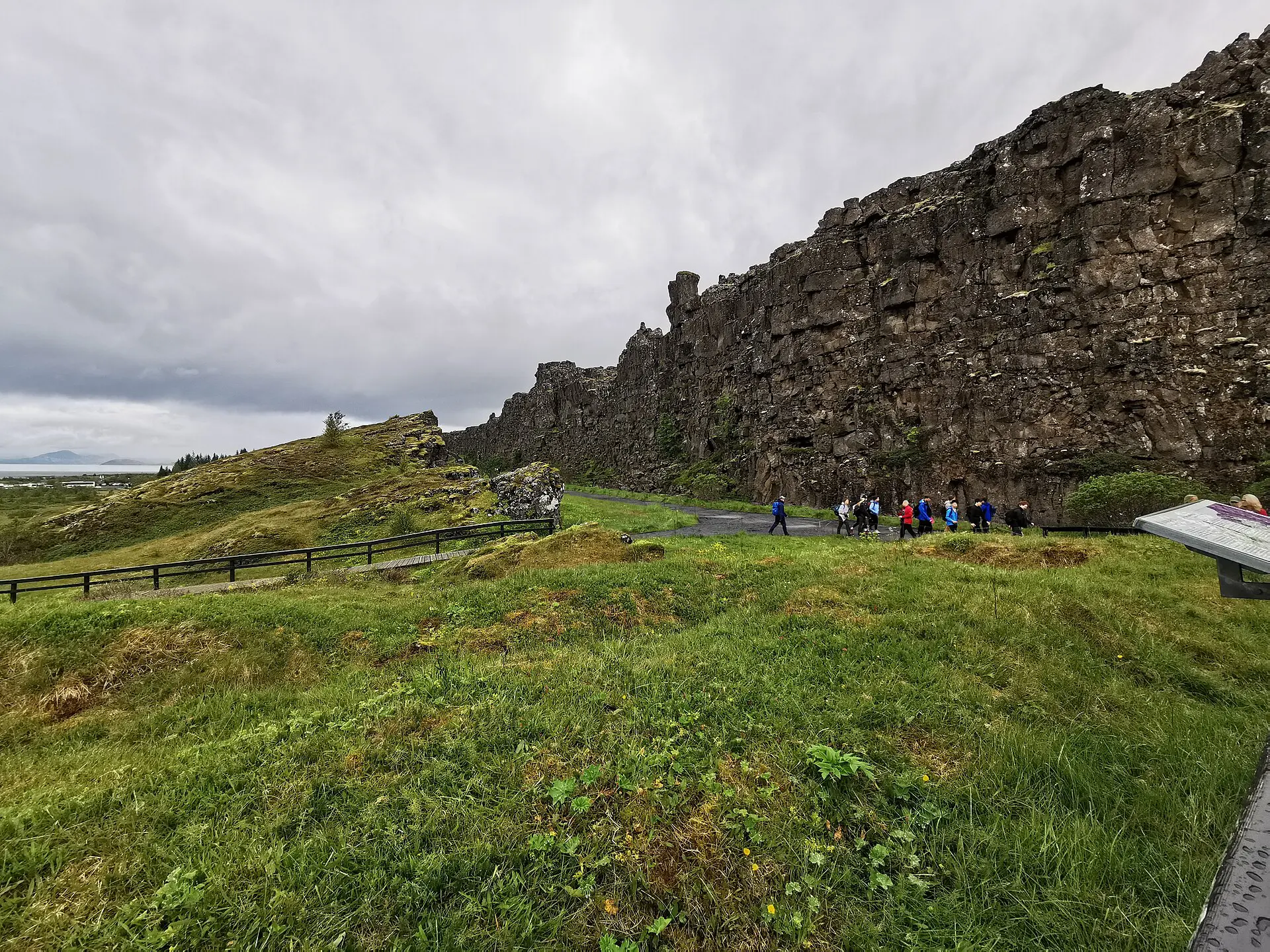
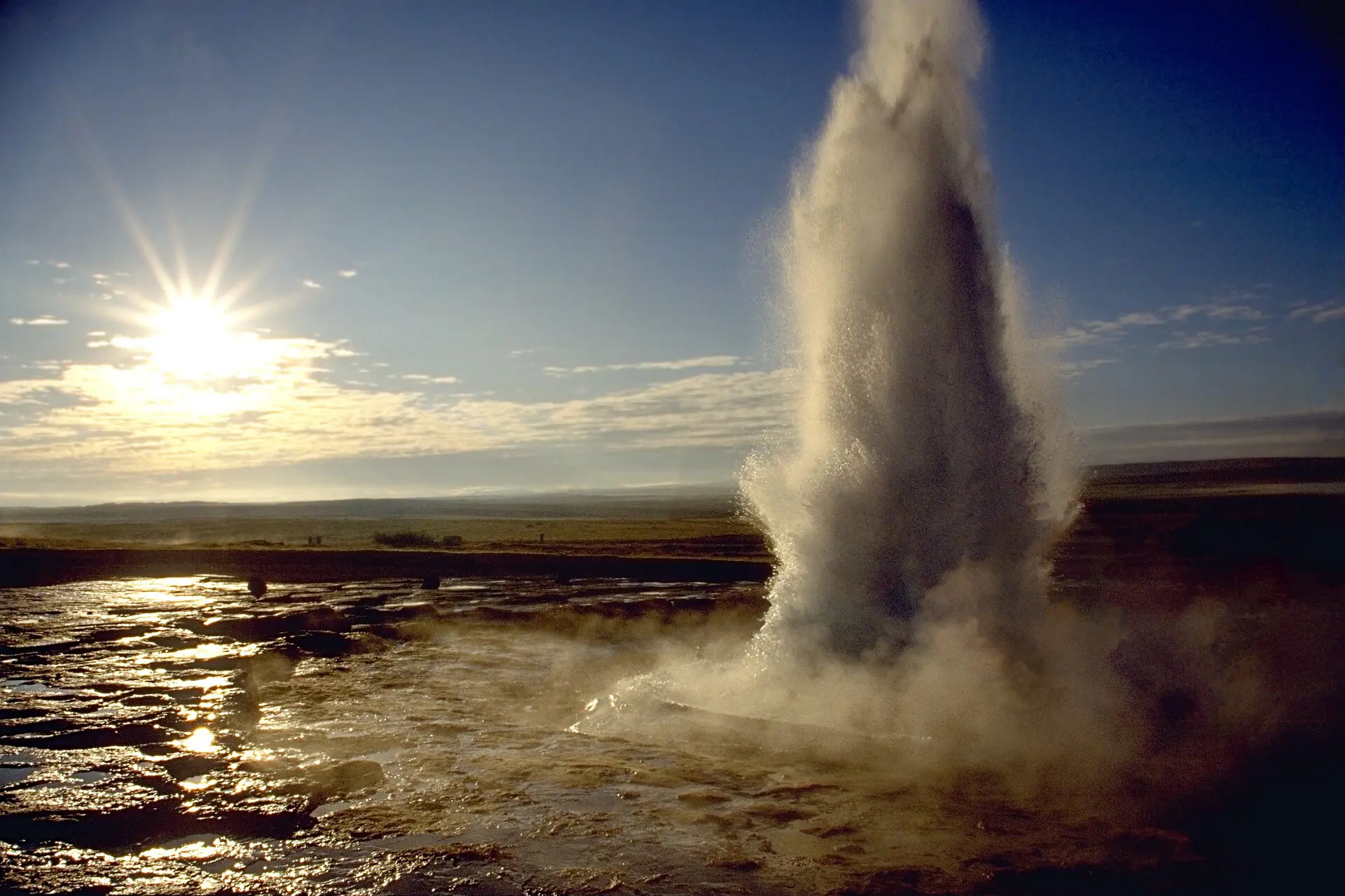
Þingvellir National Park, the Strokkur geyser and Gullfoss waterfall make up the classic day loop from Reykjavik. Þingvellir sits between two tectonic plates and is UNESCO-listed.
South coast
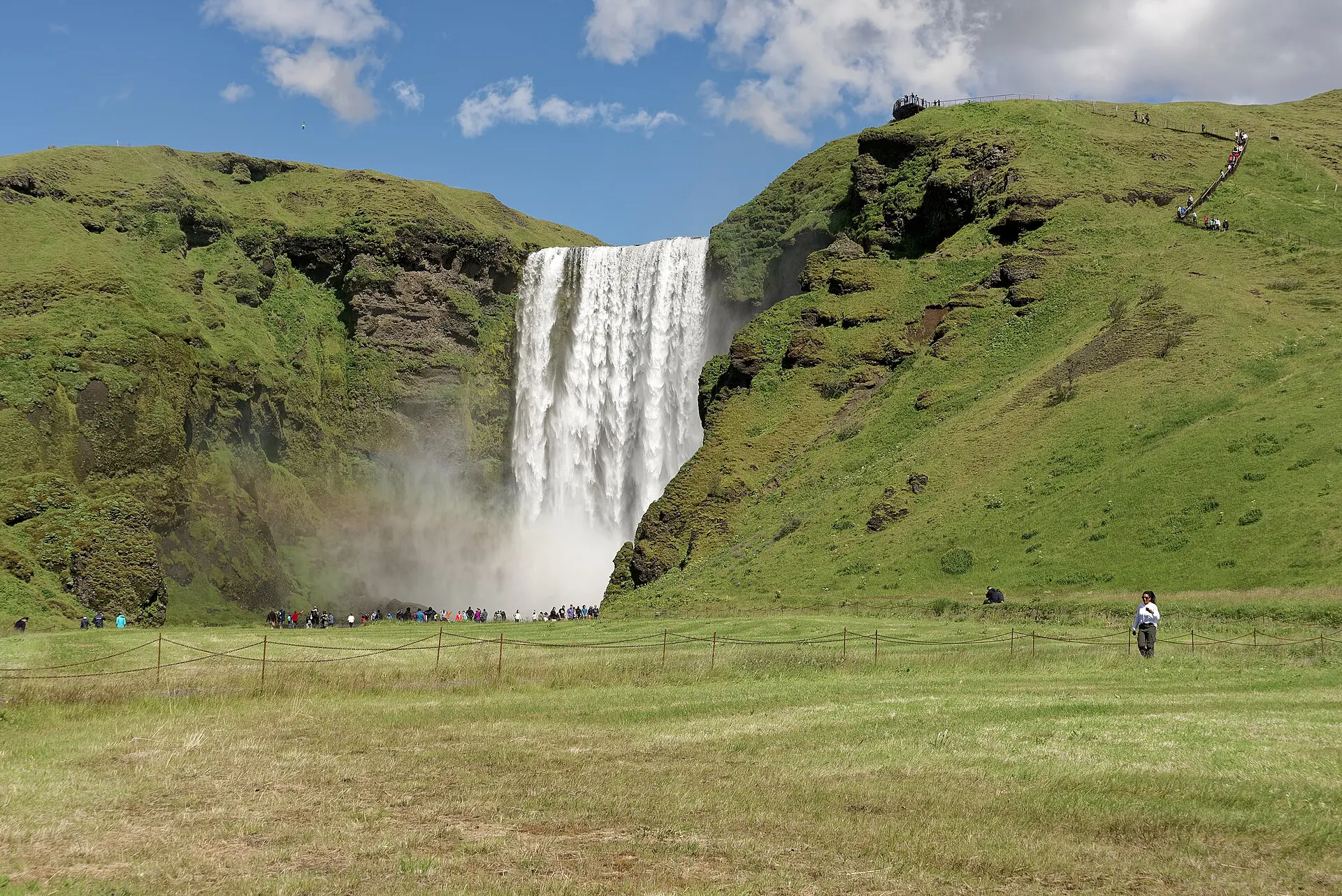
Seljalandsfoss and Skógafoss waterfalls, the village of Vík and Reynisfjara black sand beach come in quick succession along Route 1, about two to three hours from the capital.
Jökulsárlón and the southeast
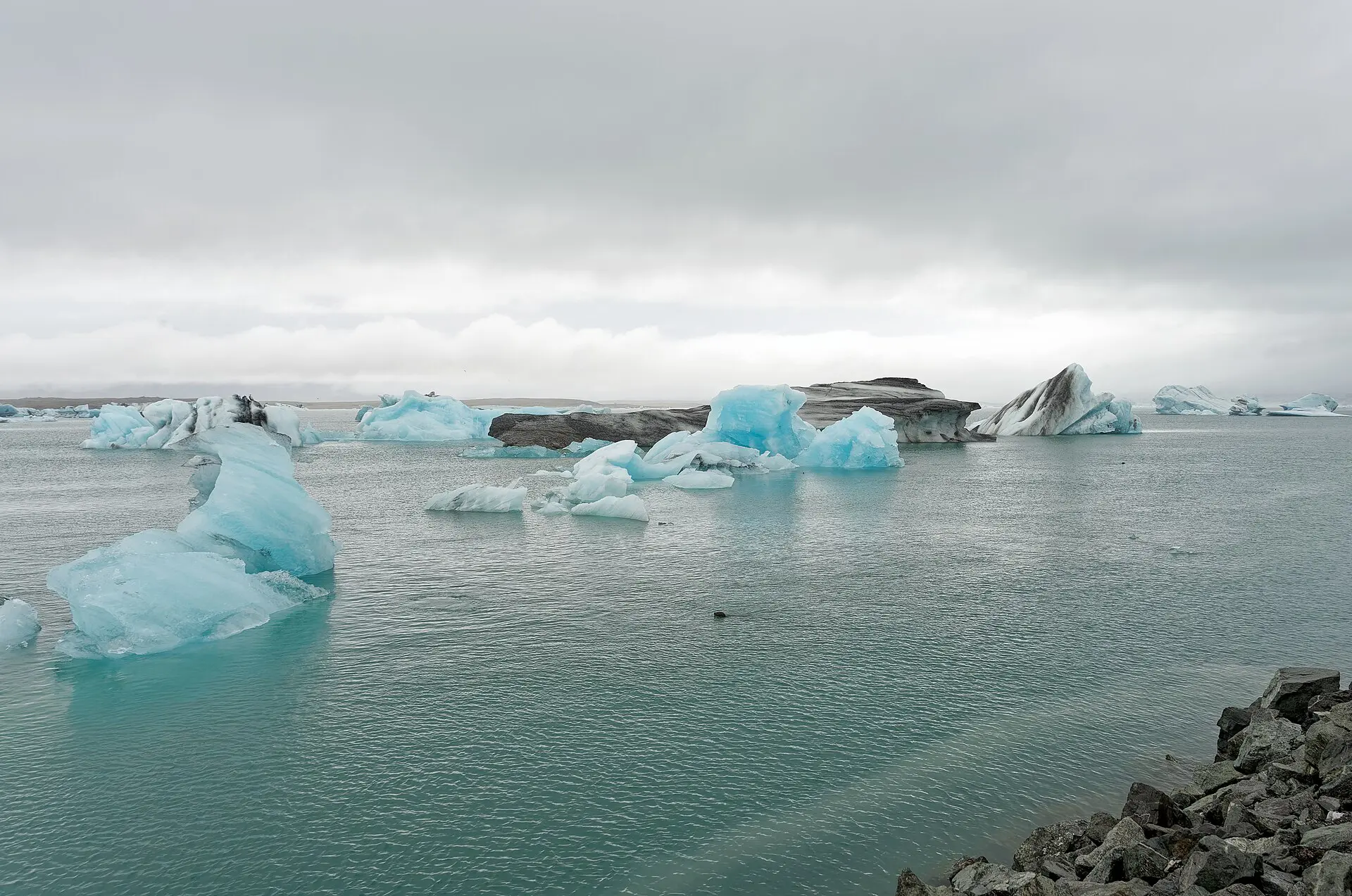
Glacier lagoons and Diamond Beach, where ice washes up on black sand, lie about five hours from Reykjavik. Vatnajökull National Park has guided glacier hikes.
Snæfellsnes peninsula
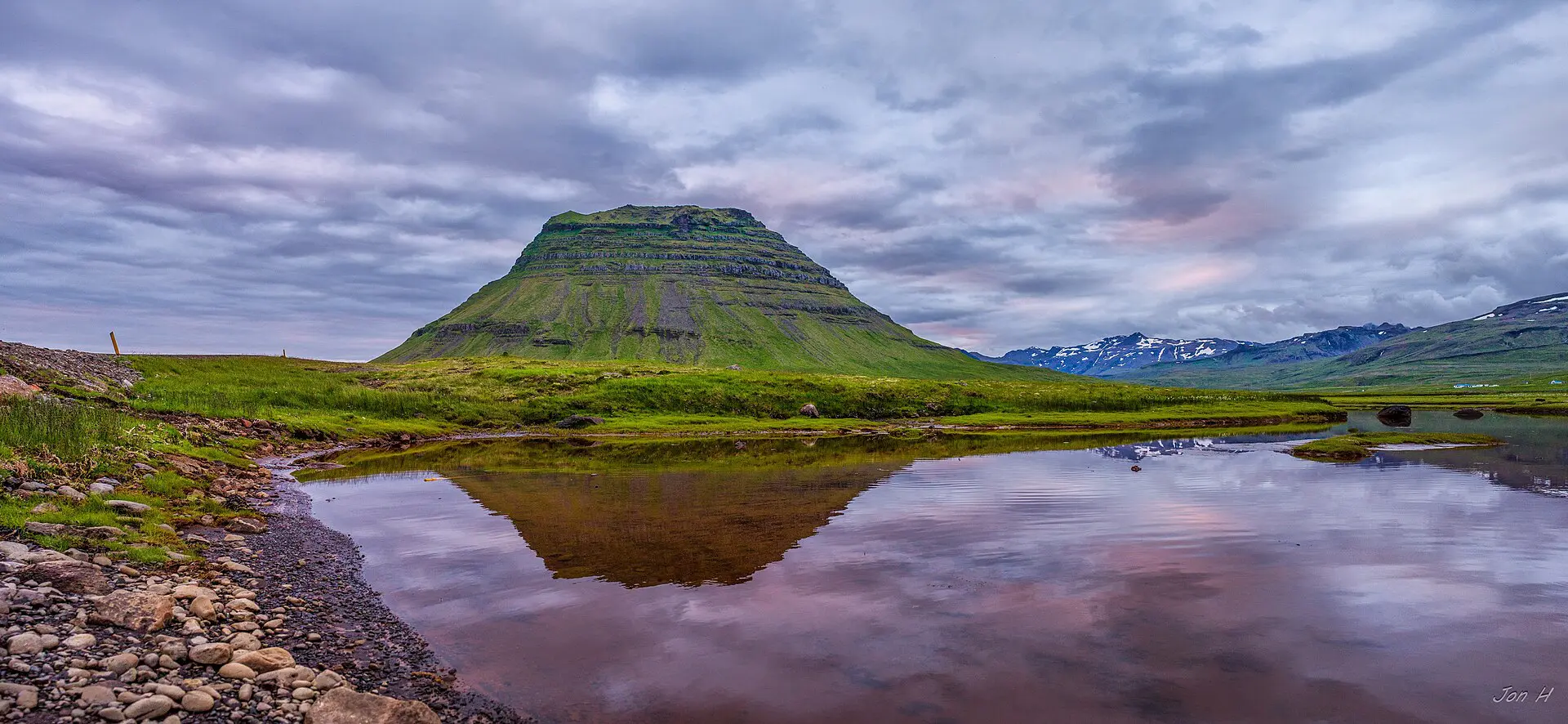
A compact west-coast loop with Kirkjufell mountain, lava beaches and fishing villages, easy as a long day or an overnight.
Akureyri and the north
The northern capital is a base for Lake Mývatn, Goðafoss and whale watching from Húsavík.
Top things to do in Iceland
Choose from these top things to do in Iceland, and keep a weather margin in your plan.
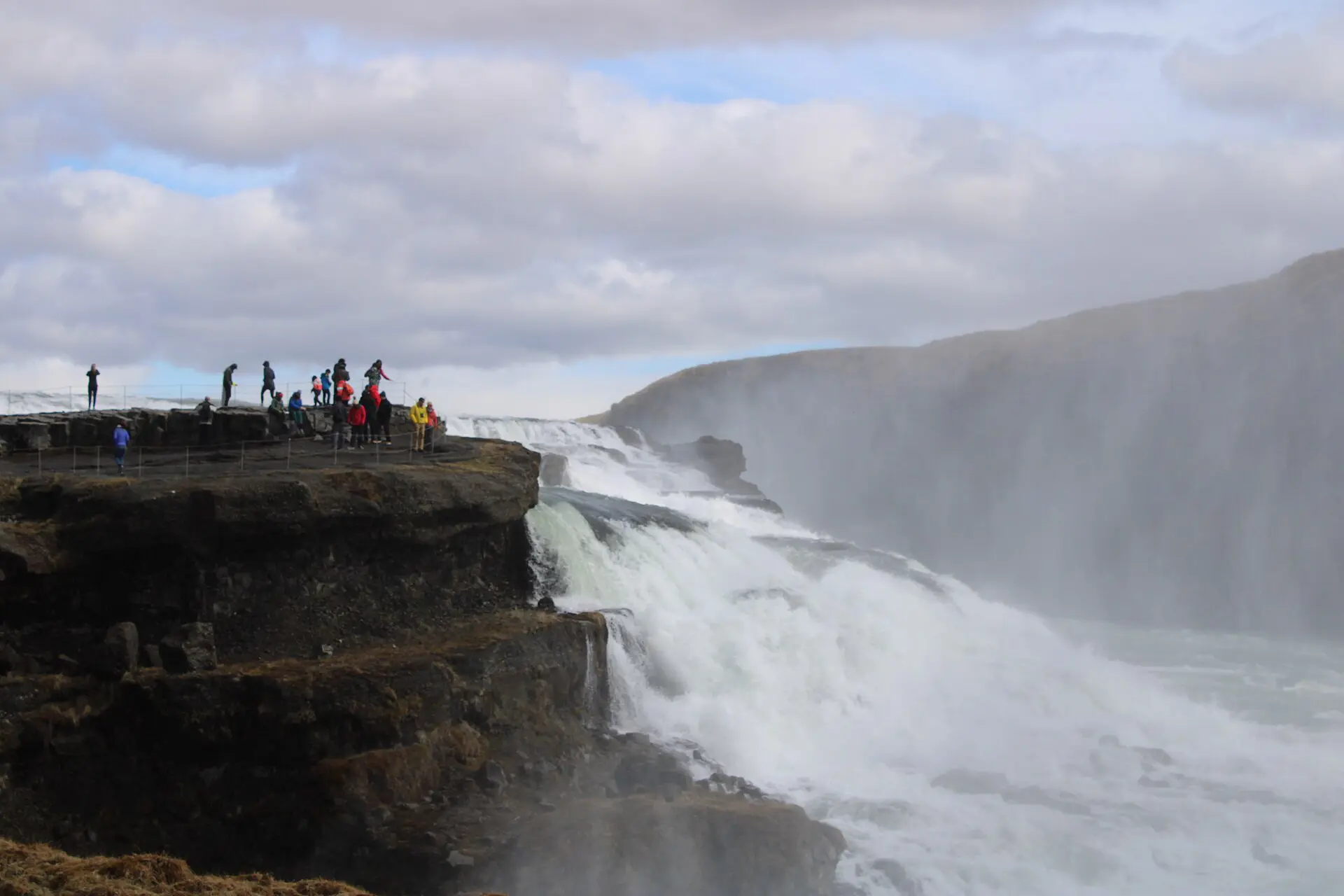
- Drive the Golden Circle: see Þingvellir, Strokkur geyser and Gullfoss in one loop from Reykjavik.
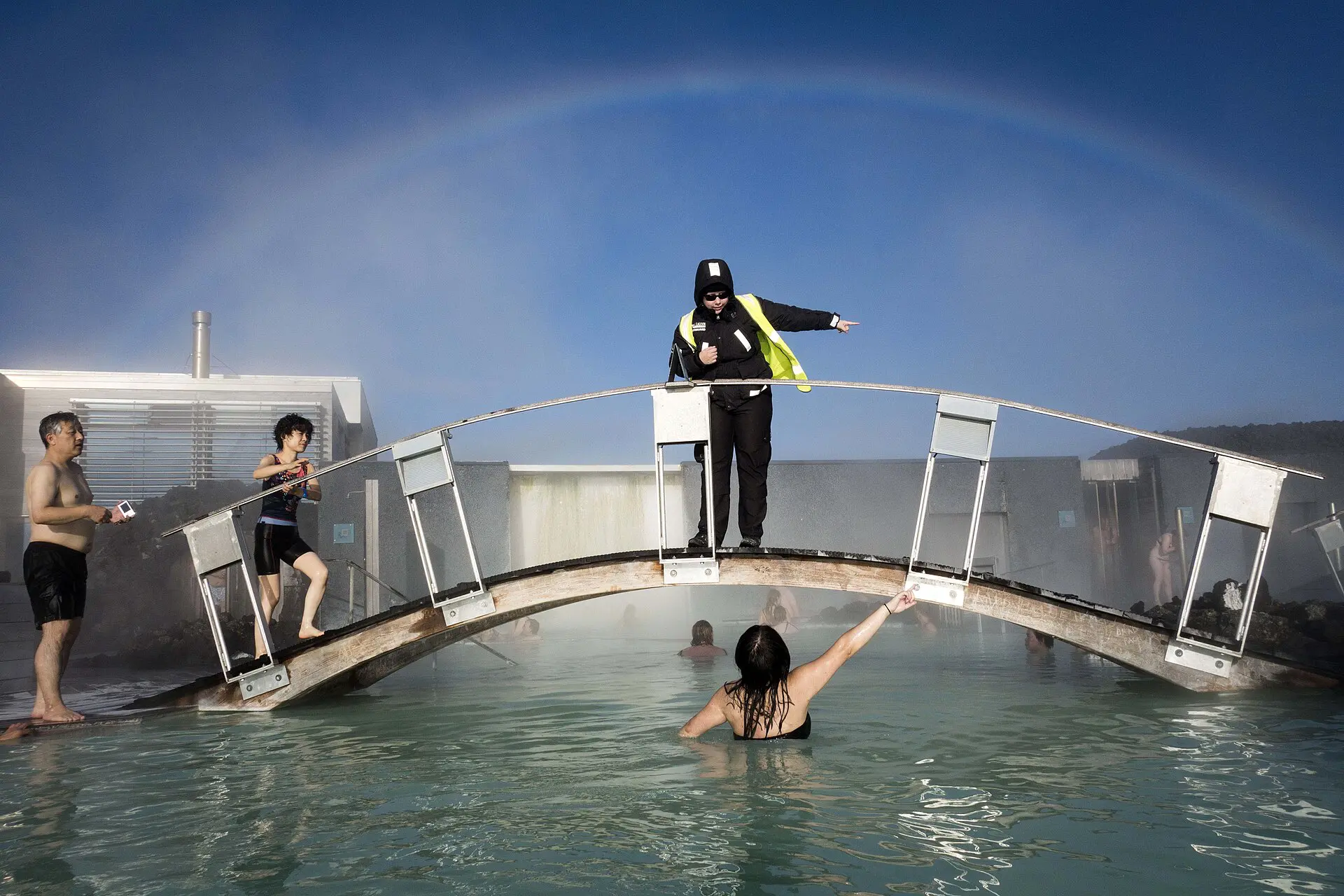
- Soak in a geothermal pool: the Blue Lagoon and Sky Lagoon are the best known, while local swimming pools are cheaper and more typical.
- Walk behind Seljalandsfoss: the path leads behind the falling water, though you will get wet.
- Visit Jökulsárlón: watch icebergs drift out to sea and walk across to Diamond Beach.
- Join a glacier hike: guided trips on Sólheimajökull or Vatnajökull include crampons and ice axes.
- Go whale watching: Húsavík in the north and Reykjavik harbour run tours from spring to autumn.
- Chase the northern lights: from September to March, on clear dark nights away from town lights.
- See puffins: they nest on cliffs from about May to August, notably in the Westman Islands and at Dyrhólaey.
- Hike Landmannalaugar: rhyolite mountains and hot springs, open only in summer.
- Explore Reykjavik: climb Hallgrímskirkja, visit Harpa and try the swimming pools.
- Walk between continents: Þingvellir lets you stand in the rift valley between two plates.
Best time to visit Iceland
The best time to visit Iceland depends on what you want: June to August is best for hiking, highland roads and near-endless daylight, while September to March is best for northern lights. Shoulder months of May and September mix lower prices with usable weather. Weather can change within hours in any season, so treat forecasts as guides.
| Season | Weather | Crowds and prices | Good for |
|---|---|---|---|
| Spring (Apr-May) | Cool, variable, some snow | Moderate; prices fall | Waterfalls, puffins from May, fewer crowds |
| Summer (Jun-Aug) | Mild, around 10 to 15 C, long daylight | Highest prices; book early | Ring Road, highlands, hiking, whales |
| Autumn (Sep-Oct) | Cooler, windy and wetter | Falling | Northern lights, colours, quieter sights |
| Winter (Nov-Mar) | Cold, dark, snow and ice | Low, apart from Christmas | Aurora, ice caves, hot pools |
Highland F-roads usually open from late June or July and close in September, depending on snow. Natural ice caves in Vatnajökull are generally visited from about November to March.
Is Iceland safe to visit?
Yes, Iceland is one of the safest countries for tourists in terms of crime, and the real risks are nature and weather. Check your government’s current travel advice, such as the UK FCDO or US State Department pages, and the Icelandic sites safetravel.is and vedur.is for conditions, alerts and road status.
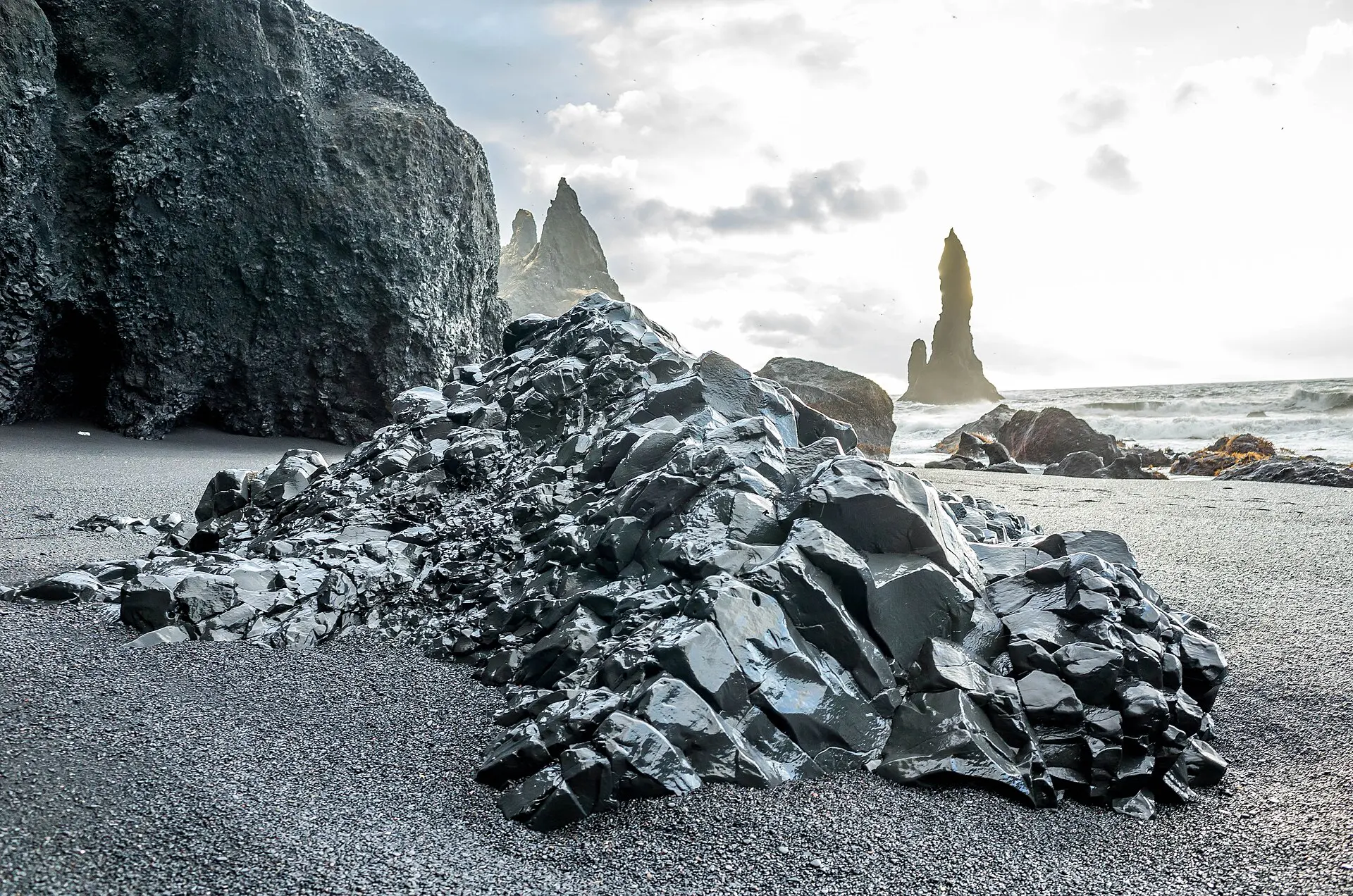
Waves and water. Reynisfjara beach has sneaker waves that sweep people off the sand, and deaths have occurred. Stay well back from the water and obey warning signs. Do not climb on ice at the glacier lagoons.
Weather and roads. Wind can blow open car doors off their hinges, and winter storms close roads. Check road.is before driving, and avoid F-roads without a suitable 4×4 and river-crossing experience.
Volcanic activity. The Reykjanes peninsula has had repeated eruptions since 2021, with some closures near Grindavík. Eruptions can affect access and, occasionally, air travel, so check the latest guidance. Gas and lava zones are fenced for a reason.
Hot springs. Natural geothermal water can scald. Stay on marked paths. Emergency number: 112.
Iceland visa and entry requirements
Iceland visa rules depend on your nationality. Iceland is a member of the Schengen Area, though not of the EU, so citizens of many countries, including the US, UK, Canada and Australia, have generally been able to visit visa-free for up to 90 days in any 180-day period. Citizens of EU and EEA states can enter with a national ID card or passport. Others need a Schengen visa from an Icelandic mission.
Schengen is introducing digital systems, including entry and exit registration and the ETIAS travel authorisation for visa-exempt visitors. Start dates have shifted, so confirm what applies at the time of your trip through the Icelandic Directorate of Immigration or official EU pages. Carry a passport valid for at least three months beyond your stay.
If you rent a car, check that your driving licence is accepted; a national licence in the Latin alphabet is generally enough. The UNESCO page for Iceland lists heritage sites such as Þingvellir and Surtsey but does not cover entry rules.
Getting to and around Iceland
Nearly all visitors fly into Keflavík International Airport, about 45 minutes by road from Reykjavik. Flights come from Europe and North America, with many short-stay stopover options. A few passengers arrive by ferry from Denmark to Seyðisfjörður in the east, on a seasonal route.
There are no passenger trains. The Ring Road (Route 1) circles the island, about 1,320 kilometres, and most visitors drive part or all of it. Allow at least seven days for the full loop and more if you want to stop. A rental car is the most flexible choice. Winter driving needs suitable tyres and confidence on ice, and F-roads need a 4×4 vehicle and can have unbridged river crossings.
Buses connect Reykjavik with many places, and there is a bus from the airport. Domestic flights link Reykjavik with Akureyri and Egilsstaðir, and ferries serve the Westman Islands from Landeyjahöfn. Guided day tours are practical if you do not want to drive, especially in winter.
How much does a trip to Iceland cost?
Iceland is among the most expensive countries in Europe, particularly for food, accommodation and car rental. The currency is the Icelandic króna (ISK), and cards are accepted almost everywhere, even for small purchases. Figures below are rough per-person guides for 2026 and move with the season and exchange rate.
- Budget: around EUR 100 to 150 per day, with hostels or campsites, supermarket food and a shared campervan or bus.
- Mid-range: around EUR 200 to 300 per day, with guesthouses or hotels, a rental car and restaurant meals.
- High-end: from around EUR 400 per day, with upscale hotels, guided activities and tasting menus.
Accommodation and the rental car are the main costs, and prices peak in June to August. Car rental, fuel, tours such as glacier hikes and lagoon entry add up quickly. To save money, travel in May or September, cook some meals, drink tap water (it is excellent), and use the cheap local swimming pools instead of a lagoon every day.
Iceland food and drink
Iceland food is built on lamb, fish and dairy, with a strong tradition of preserved dishes and a modern scene in Reykjavik. Prices are high, so many visitors mix restaurants with supermarket meals and bakeries.
- Kjötsúpa: a lamb and root vegetable soup, found in many cafés and farm restaurants.
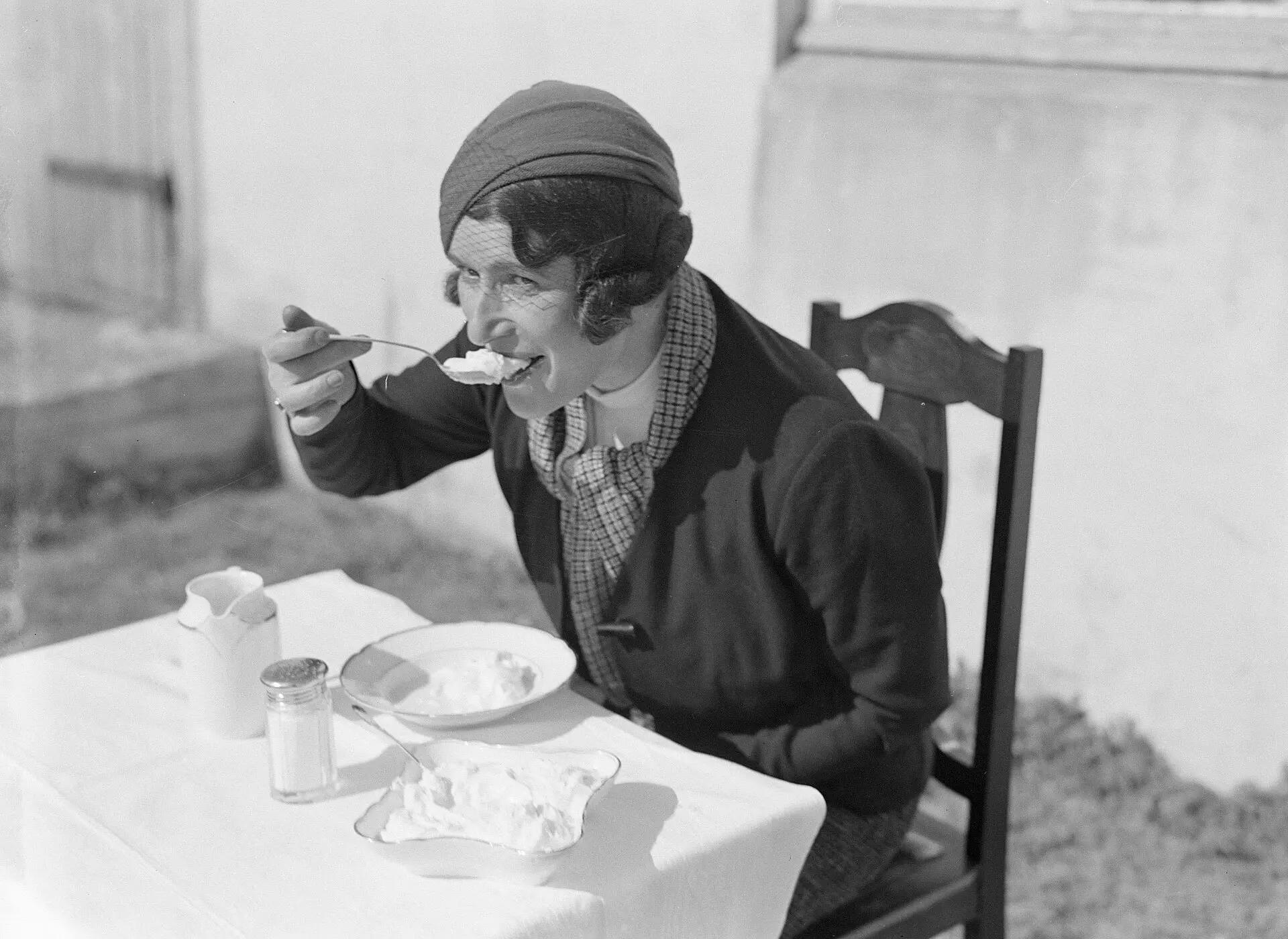
- Skyr: a thick, high-protein dairy product, eaten at breakfast or in desserts.
- Pylsur: Icelandic hot dogs, usually ordered with everything (eina með öllu), from the Bæjarins Beztu stand in Reykjavik.
- Fresh fish: cod, haddock and Arctic char, grilled or pan-fried, and plokkfiskur, a creamy fish mash.
- Rúgbrauð: dense rye bread traditionally baked in geothermal ground, often served with butter and smoked fish.
- Hákarl: fermented shark, a strong-smelling Þorrablót dish that many visitors try once.
- Brennivín and craft beer: caraway schnapps and a growing number of local breweries.
Vegetarians can eat in Reykjavik, with dedicated vegetarian and vegan spots, but rural choices can be limited. Alcohol is sold in state-run Vínbúðin stores and is expensive, so many travellers buy duty-free at the airport on arrival.
Culture, language and etiquette in Iceland
Icelandic is the national language and has changed little since medieval times. English is spoken almost universally, so you will rarely need Icelandic, but takk (thanks) and halló (hello) are welcomed. Icelanders use first names and patronymics, so phone books list people by first name. The sagas, medieval prose stories, remain a source of national pride.
Icelanders are direct and informal, and tend to dislike fuss. The most important local custom is to shower without swimwear before entering a public pool or hot spring, using the soap provided. Staff may remind you. It is part of the local hygiene rules and visitors who skip it are noticed.
Respect nature rules: stay on marked paths to protect fragile moss, do not drive off-road (it is illegal and heavily fined), and take litter with you. Wild camping in a campervan or car is banned in most places, so use designated campsites. Many Icelanders hold folk belief in elves and hidden people, and road projects have occasionally been rerouted around rocks said to be homes. Ask permission before photographing people or entering farmland.
Iceland itinerary: a 7-day route
This route covers Reykjavik, the Golden Circle, the south coast and Snæfellsnes by car without the full Ring Road. It works from late spring to early autumn, and in winter if you are comfortable with ice driving or choose guided tours.
- Day 1, Reykjavik: arrive at Keflavík, collect your car, see Hallgrímskirkja and the harbour, and soak in a local pool.
- Day 2, Golden Circle: visit Þingvellir, the Geysir area and Gullfoss, then stay near Selfoss or Hella.
- Day 3, south coast: stop at Seljalandsfoss and Skógafoss, then walk Reynisfjara and sleep in Vík.
- Day 4, southeast: drive about three hours to Jökulsárlón, take a boat tour or walk Diamond Beach, and return to Vík or Kirkjubæjarklaustur.
- Day 5, back toward the capital: take a glacier hike or stop at Sólheimajökull, and return to Reykjavik.
- Day 6, Snæfellsnes: drive about two hours to Kirkjufell, Arnarstapi and the lava beaches, and overnight in Stykkishólmur or Grundarfjörður.
- Day 7, return: drive back, allowing about two and a half hours plus airport time, or finish with the Blue Lagoon before your flight.
With more days, extend east and north along the Ring Road to Mývatn and Akureyri.
Practical tips for Iceland
- Money: the króna is the currency; cards and contactless payments work almost everywhere, so you rarely need cash.
- SIM and eSIM: prepaid SIMs and eSIMs are available at the airport and in shops, and coverage on the Ring Road is good. EU roaming rules apply for EU residents.
- Plugs: types C and F at 230 V.
- Tipping: not expected, since service is included in prices; leaving a tip is optional.
- Water: tap water is clean and cold; bring a refillable bottle. Hot water has a sulphur smell from geothermal sources, which is harmless.
- Packing: waterproof jacket and trousers, layers, sturdy boots, swimsuit, a hat and gloves even in summer, and an eye mask for midnight sun.
- Driving: keep headlights on at all times, and check road.is and vedur.is daily. Never stop in the road for photos.
- Booking: reserve rental cars, accommodation and popular tours well ahead for June to August.
For wider background, see the Wikivoyage Iceland guide.
FAQ
Q1What is the best time to visit Iceland?
June to August is best for hiking, highland roads and long daylight, while September to March is best for northern lights. May and September offer a balance of lower prices and decent weather. Winter brings short days, snow and some road closures.
Q2What are the best things to do in Iceland?
Top things to do in Iceland include the Golden Circle, south coast waterfalls, Jökulsárlón glacier lagoon, geothermal pools like the Blue Lagoon, glacier hikes, whale watching in Húsavík, puffin viewing in summer and northern lights from autumn to early spring.
Q3What is Iceland food like?
Iceland food focuses on lamb, fresh fish and dairy. Try kjötsúpa lamb soup, skyr, Icelandic hot dogs, Arctic char and rye bread baked with geothermal heat. Hákarl, fermented shark, is an acquired taste. Eating out is expensive, so many visitors use supermarkets and bakeries.
Q4What is a good Iceland itinerary for a week?
A week works for Reykjavik, the Golden Circle, the south coast to Jökulsárlón and Snæfellsnes. The full Ring Road needs about ten days or more. In winter, shorten drives and allow flexibility for storms and road closures.
Q5What are the best places to visit in Iceland?
Reykjavik, the Golden Circle, the south coast waterfalls and Vík, Jökulsárlón, Snæfellsnes and the Akureyri and Mývatn area in the north are the best places to visit in Iceland. Highland spots like Landmannalaugar are for summer only.
Q6Is Iceland safe?
Yes, crime is very low. The risks are natural: sneaker waves at Reynisfjara, icy roads and strong wind, volcanic activity on the Reykjanes peninsula and scalding hot springs. Check safetravel.is, road.is and vedur.is, and follow your government's travel advice.
Q7Do I need a visa for Iceland?
It depends on your nationality. Iceland is in the Schengen Area, and citizens of many countries can stay up to 90 days in 180 without a visa. Others need a Schengen visa. New EU systems like ETIAS are being phased in, so confirm with official sources.