Why visit Finland
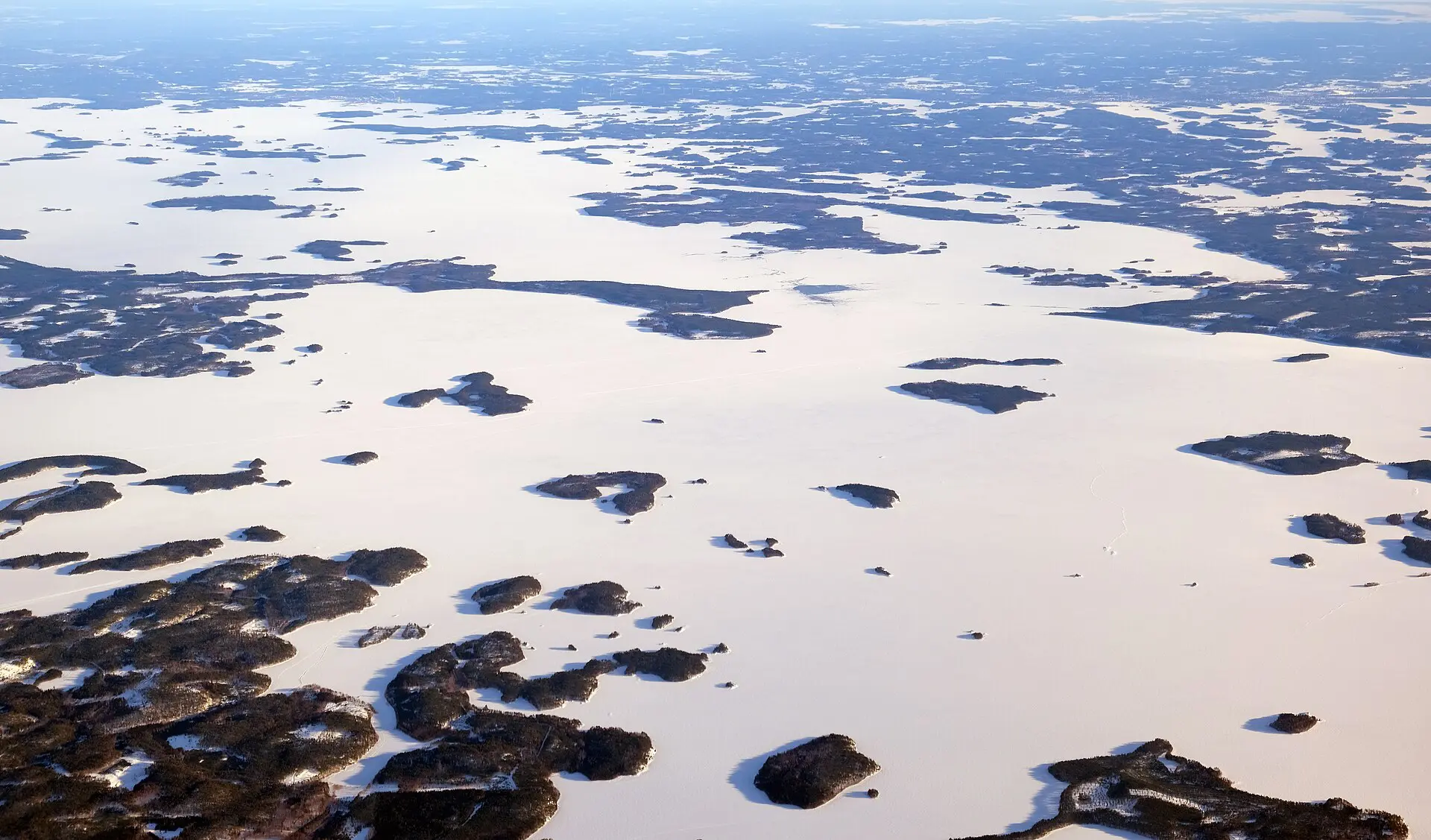
The best things to do in Finland revolve around nature, water and quiet. It is a Nordic country of about 5.7 million people with boreal forest, roughly 188,000 lakes and a similar number of islands, and it reaches far enough north for the midnight sun in summer and the northern lights in winter (see the Wikipedia overview for background). Helsinki, the capital, is compact, and the rest of the country is easy to reach by train, bus and a good domestic flight network.
Finland suits travellers who value space, safety and well-run services: families, hikers, paddlers, winter-sports fans and anyone curious about sauna culture, Nordic design and a language unrelated to its neighbours. It is not a cheap destination, and it is not a nightlife-and-beach country, but it is calm, clean and reliable, and a single trip can combine a city, a lake cottage and the Arctic.
Best places to visit in Finland
The best places to visit in Finland split into a southern belt of cities and coast, a central lake district and the Arctic north.
Helsinki
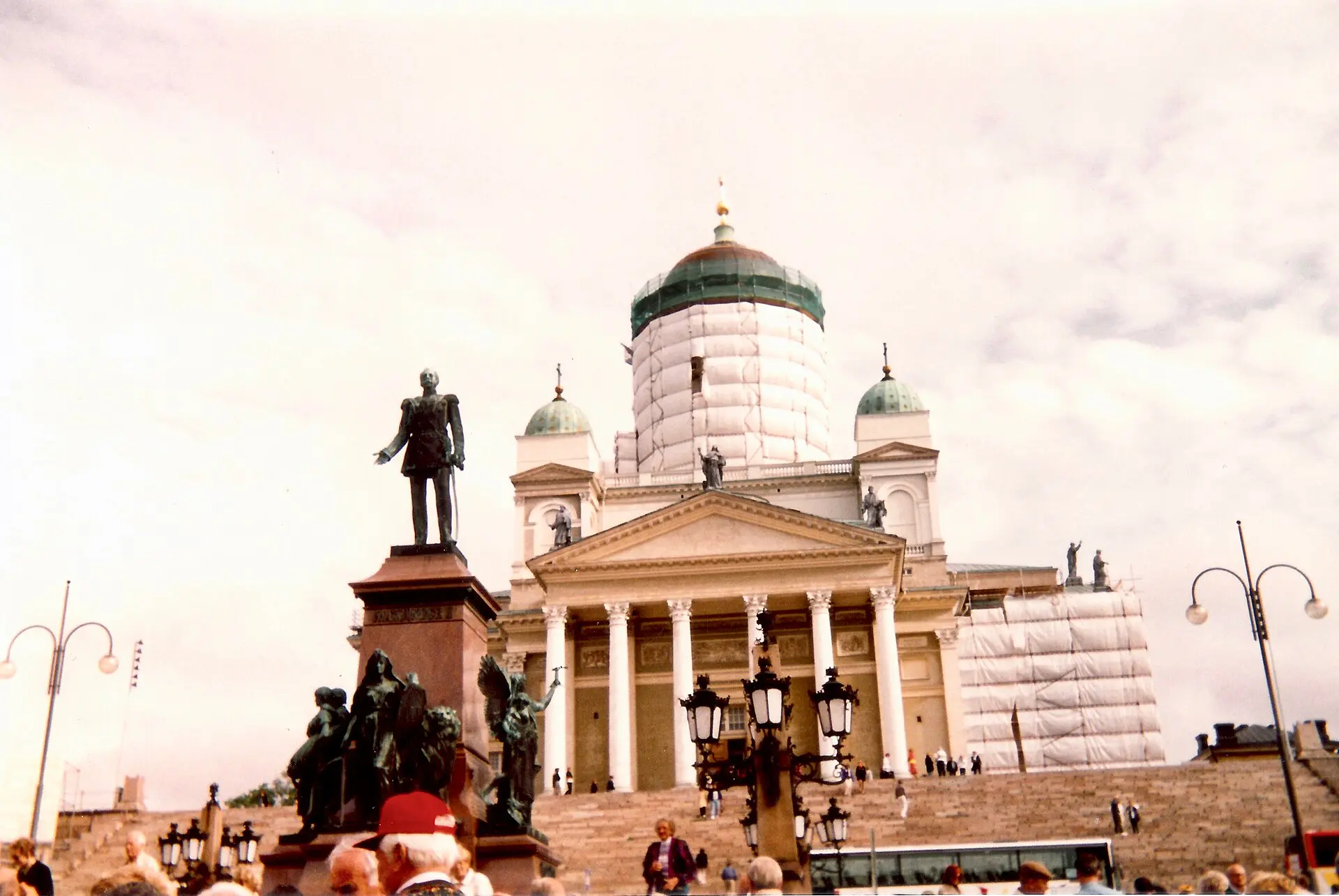
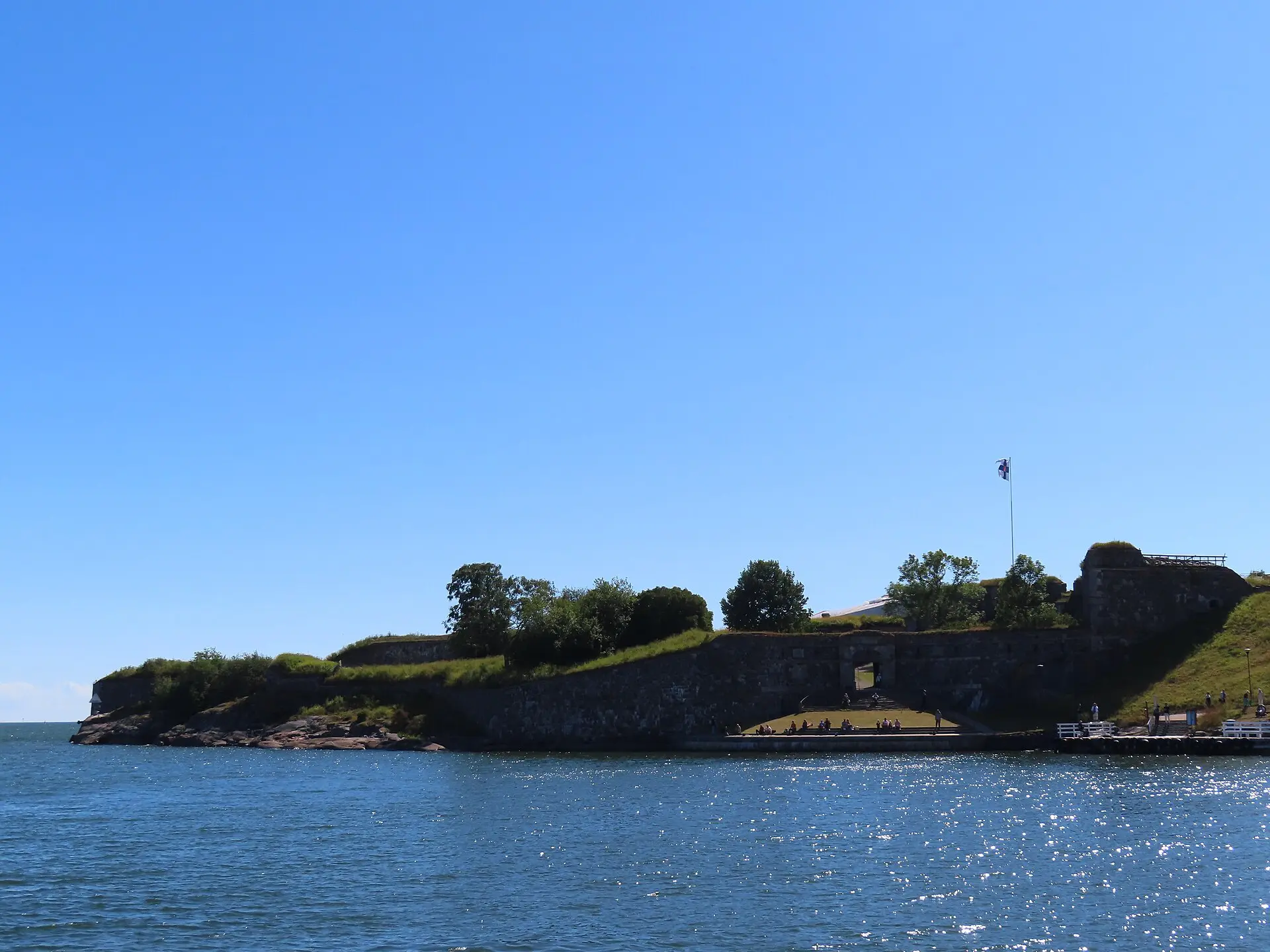
The capital mixes neoclassical streets, Art Nouveau districts, modern design shops and waterfront saunas. Senate Square and its white cathedral anchor the centre, and ferries reach the island fortress of Suomenlinna in about 15 minutes.
Turku and the archipelago
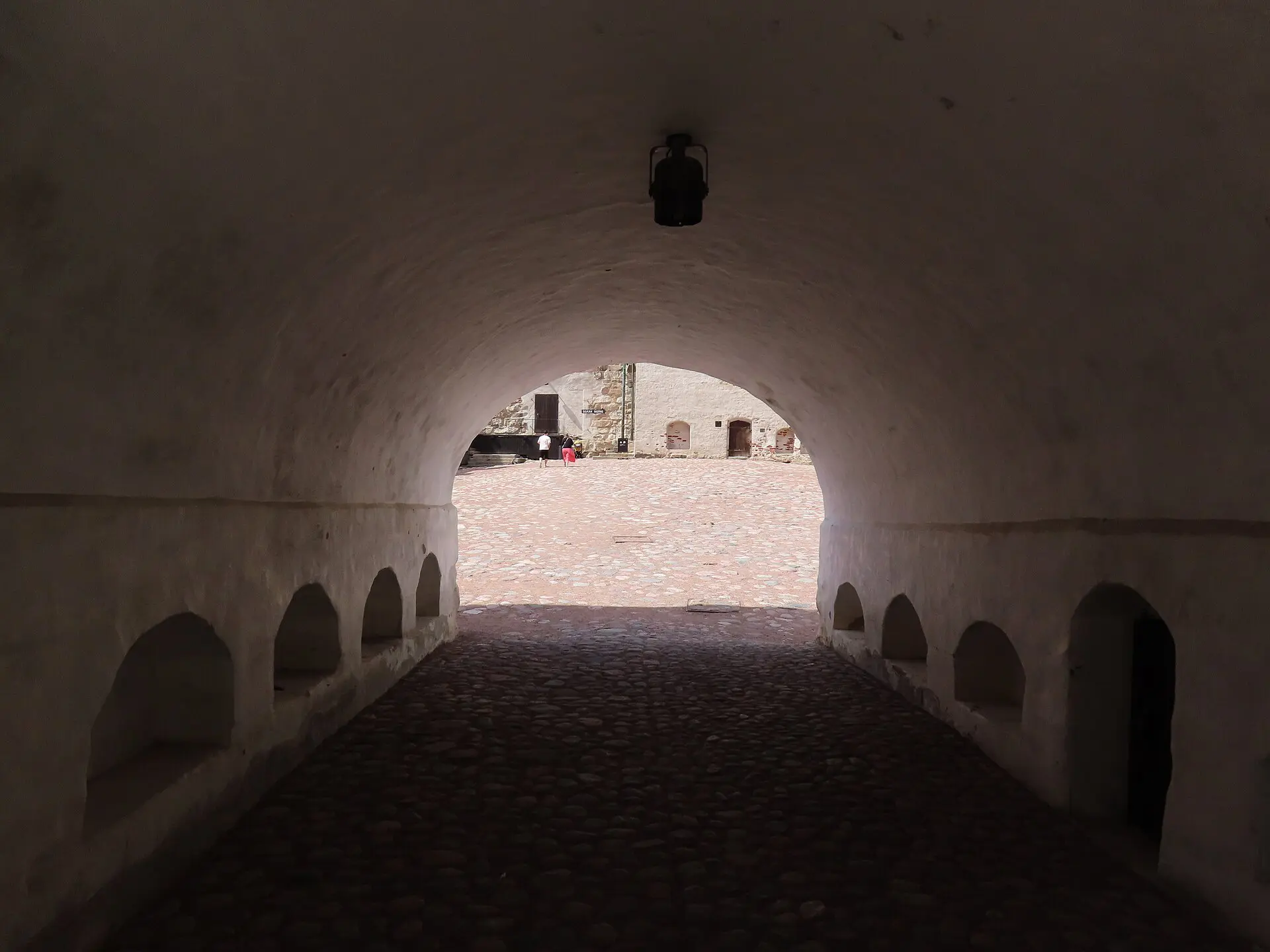
Finland’s oldest city has a medieval castle and a riverside café culture. Beyond it lies a vast archipelago of small islands, best explored by ferry or bike along the Archipelago Trail.
Tampere
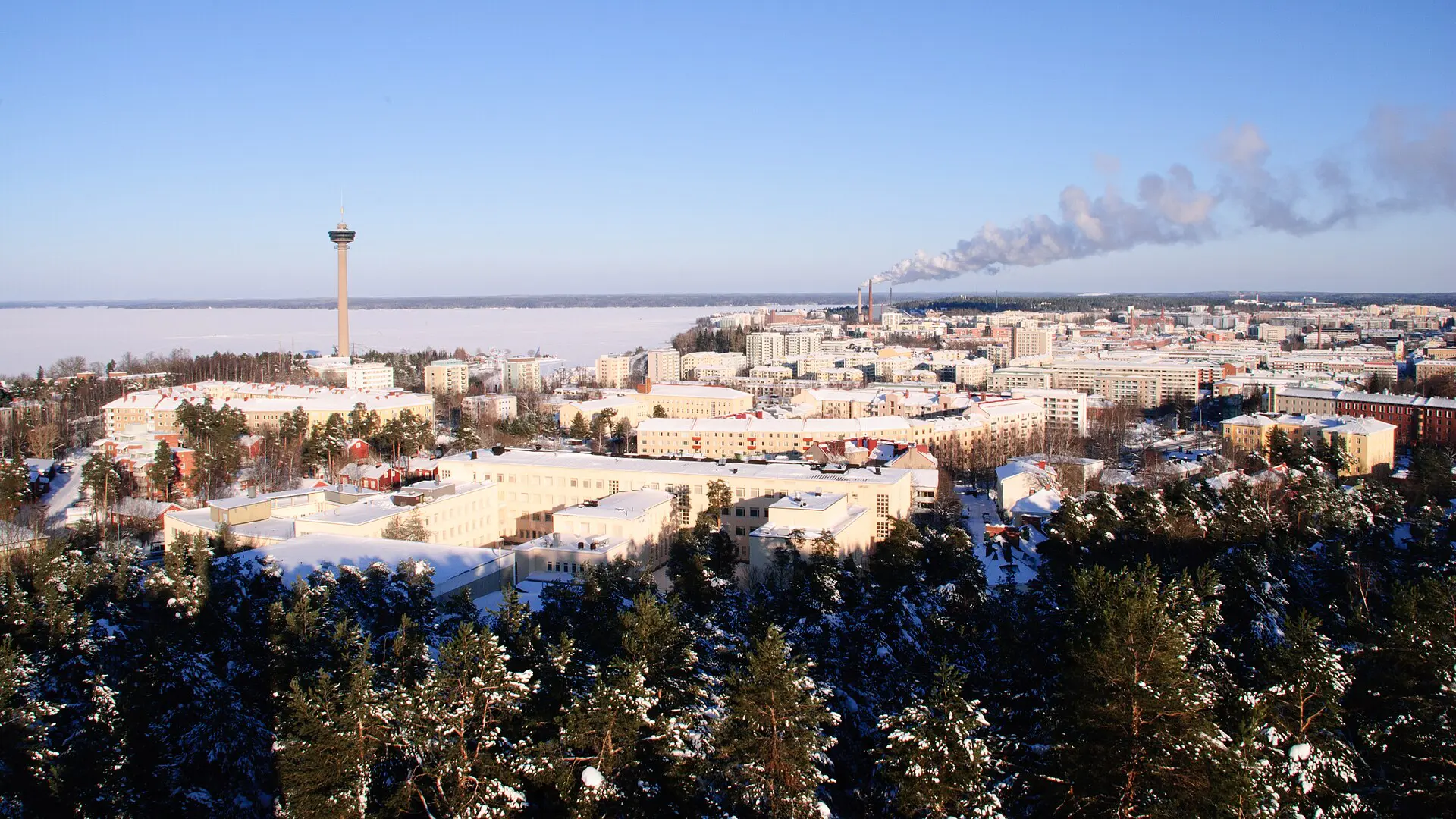
A former industrial city between two lakes, Tampere has red-brick mills turned museums, good coffee and a lively sauna scene.
Savonlinna and the Lakeland
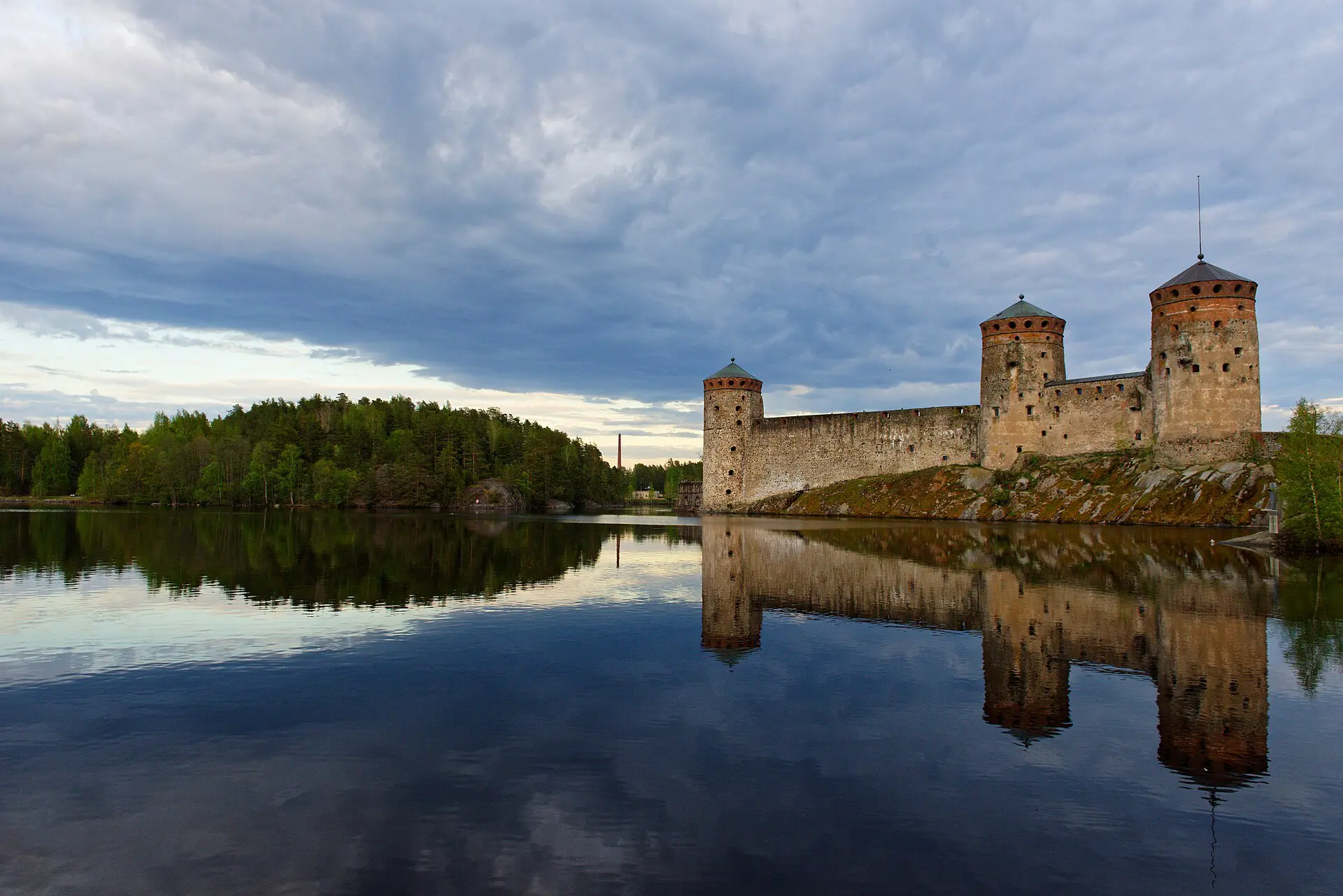
Savonlinna’s Olavinlinna castle stands on a rock between lakes, and Lake Saimaa offers cottage stays, canoeing and the rare Saimaa ringed seal.
Porvoo
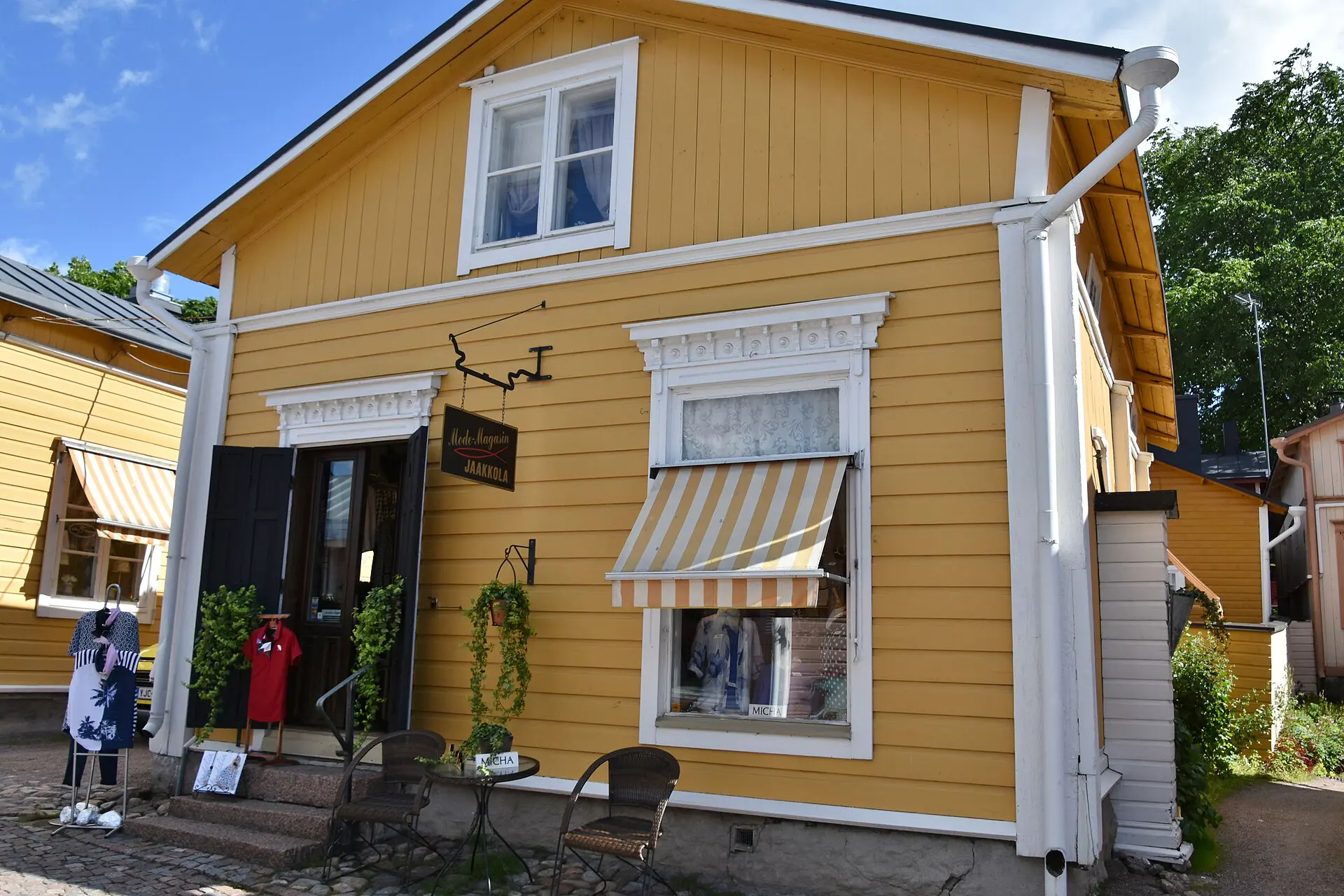
This small town east of Helsinki has a preserved wooden old town and riverside warehouses, an easy day trip.
Rovaniemi and Lapland
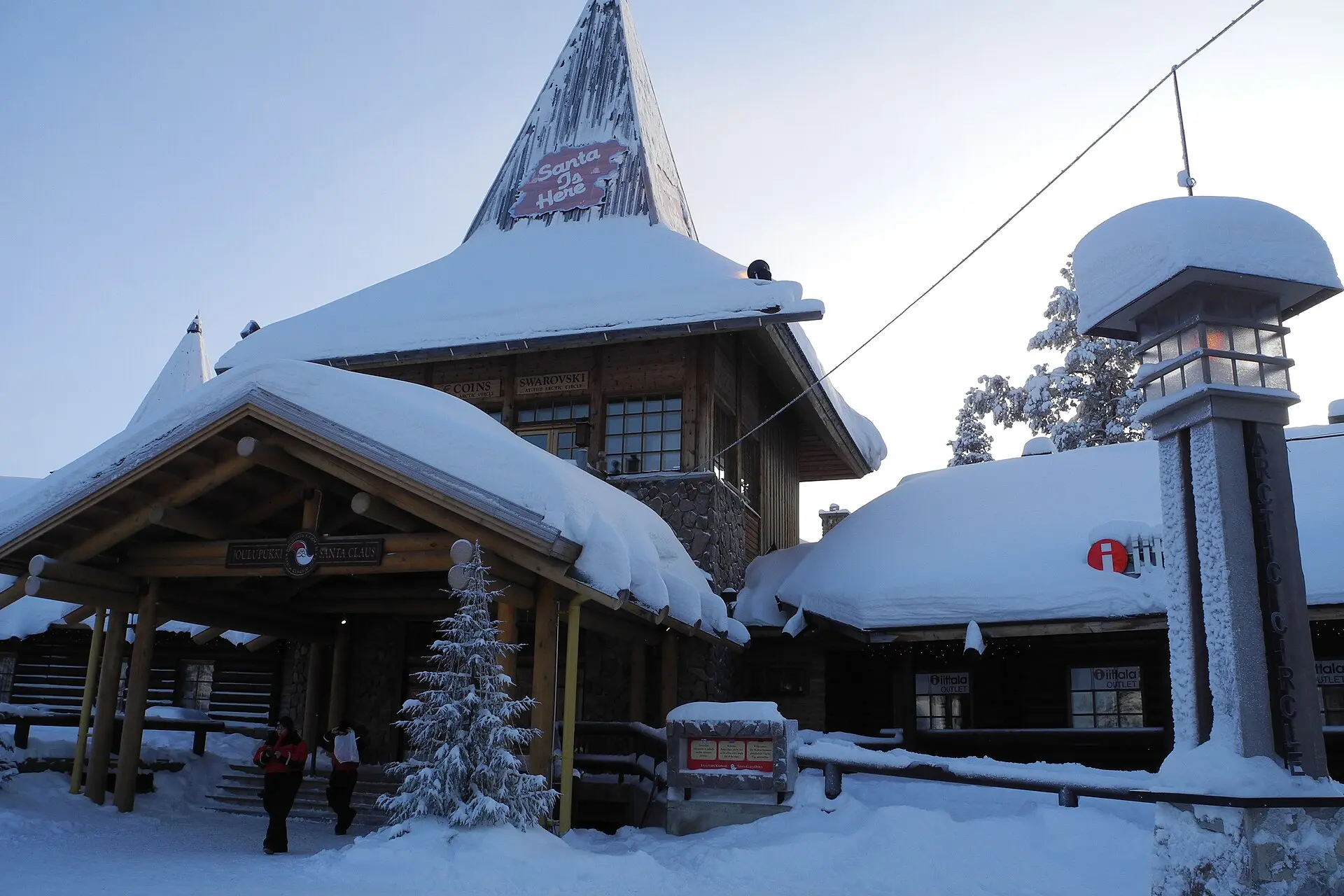
Rovaniemi sits on the Arctic Circle and is the gateway for Santa Claus Village, husky rides and northern lights trips. Further north, the fell resorts suit hiking and skiing.
Things to do in Finland
The top things to do in Finland are mostly outdoors, and many are free thanks to the everyman’s right, which allows walking and berry picking on most land.
- Take a sauna: try a public sauna in Helsinki or a lakeside one at a cottage, followed by a swim or a roll in the snow.
- Visit Suomenlinna: the 18th-century sea fortress is a short ferry ride from Helsinki and takes half a day.
- Hunt for the northern lights: from September to March, head to Lapland on a clear night away from city light.
- Meet reindeer and huskies: farms around Rovaniemi and Levi offer sleigh rides and short safaris.
- Hike in a national park: Nuuksio near Helsinki and Oulanka in the north have marked trails and huts.
- Paddle on Lake Saimaa: rent a canoe for a day or camp on an island for several nights.
- Walk Helsinki’s design district: galleries, shops and the Design Museum show Finnish furniture and glass.
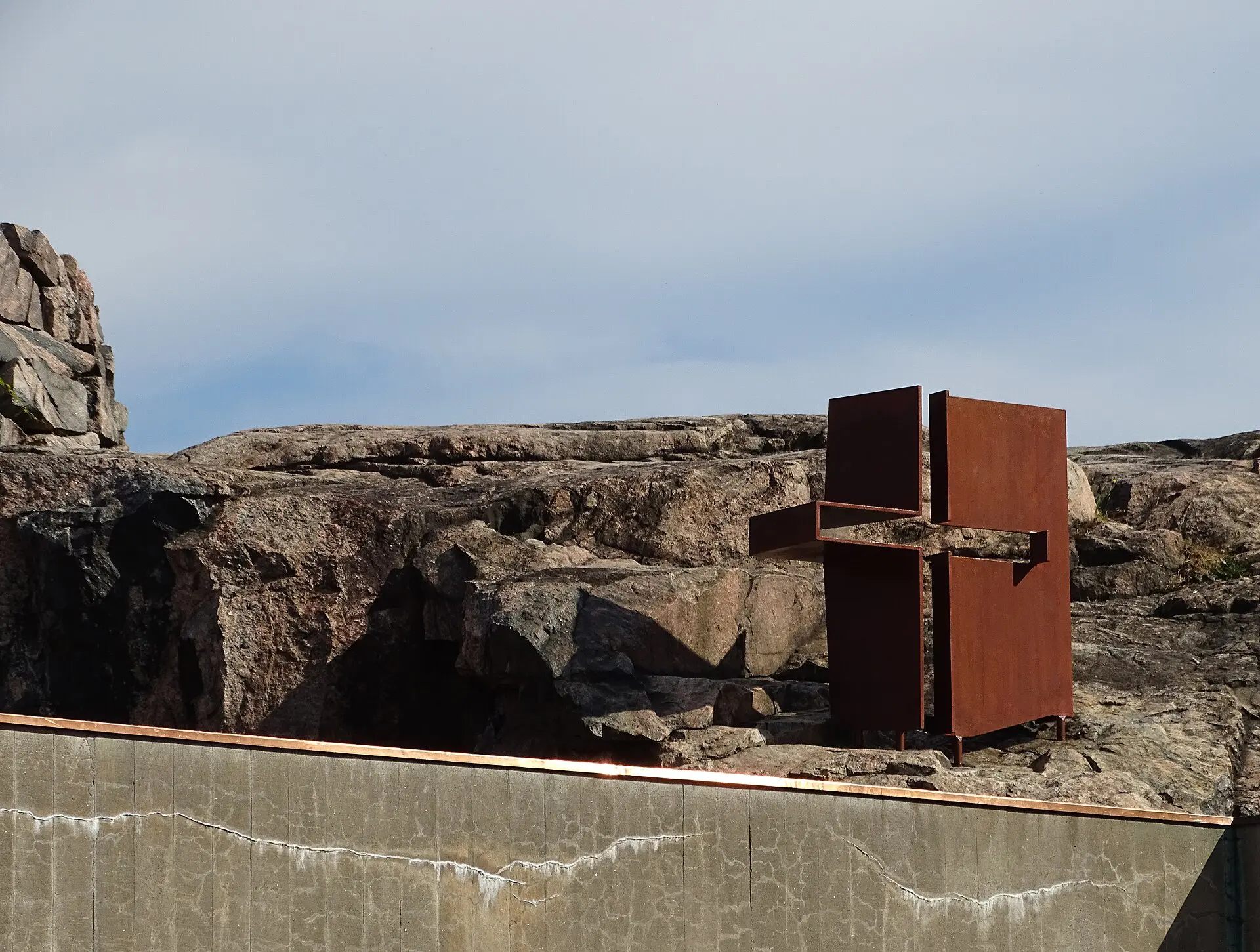
- See Temppeliaukio Church: a church built into solid rock, with a copper dome and strong acoustics.
- Cruise the archipelago: ferries link islands off Turku and Naantali in summer.
- Ski or snowshoe: cross-country trails open across the country from December, with downhill in the north.
- Pick berries: blueberries and lingonberries ripen from July to September in forests.
Best time to visit Finland
The best time to visit Finland depends on what you want: June to August for long days, warm lakes and festivals, or December to March for snow, skiing and the northern lights. In midsummer the sun barely sets in the south and does not set at all for weeks in the far north. Early autumn, in September, brings colour and the best northern-lights odds with fewer crowds.
| Season | Weather | Crowds and prices | Good for |
|---|---|---|---|
| Spring (Apr-May) | Cool, thawing, long days returning | Low; some seasonal sites closed | City breaks, birdwatching |
| Summer (Jun-Aug) | Mild to warm, often 18 to 25 C | High, especially around midsummer | Lakes, hiking, festivals, midnight sun |
| Autumn (Sep-Oct) | Cool and crisp, foliage in Lapland | Falling | Hiking, northern lights, berries |
| Winter (Nov-Mar) | Cold, often below freezing, snow in the north | High around Christmas in Lapland | Skiing, huskies, aurora, saunas |
Mosquitoes are most active in Lapland in July, so pack repellent for hiking.
Is Finland safe?
Yes, Finland is one of the safest countries in Europe for visitors, with low violent crime and a high level of trust in public services. The main risks are natural: winter cold, icy surfaces and wildlife on roads. Check your government’s current travel advice, such as the UK FCDO or US State Department pages, before you book.
Crime. Petty theft exists, mostly pickpocketing in Helsinki’s busy tram and ferry areas, but it is far less common than in many European capitals. Do not leave bags unattended.
Winter. Dress in layers and use proper footwear, as pavements can be very slippery. Driving in snow requires winter tyres, which rental cars carry in the season. Elk and reindeer cross rural roads, especially at dusk, so reduce speed.
Outdoors. Tell someone your route before hiking, carry a charged phone and stay on marked trails in the north. Lake and sea ice is not always safe to walk on; follow local guidance.
Borders. Finland’s land border with Russia has been closed to most crossings since 2023, so do not plan an overland route there.
Finland visa and entry requirements
Finland is part of the Schengen Area, so entry rules depend on your nationality. Citizens of the EU and EEA need only an ID card or passport, and many other travellers, including those from the UK, US, Canada and Australia, have generally been able to visit visa-free for up to 90 days in any 180-day period. Others need a Schengen visa from a Finnish embassy or consulate.
Rules are changing: the EU’s Entry/Exit System is being phased in at external borders, and a travel authorisation called ETIAS is planned for visa-exempt visitors, so confirm the current requirement for your passport with the Finnish Immigration Service and the Ministry for Foreign Affairs before booking. Your passport should be valid for at least three months beyond departure and issued within the last ten years.
Border checks are generally quick for arrivals at Helsinki Airport. For heritage planning, the UNESCO page for Finland lists the country’s World Heritage sites, though it does not cover entry rules.
Getting to and around Finland
Most visitors fly into Helsinki-Vantaa Airport, Finland’s main hub, which has direct flights from many European cities and some from Asia and North America. Ferries link Helsinki with Tallinn in about two hours and Turku with Stockholm overnight. Rovaniemi, Kittilä and Ivalo have airports for Lapland.
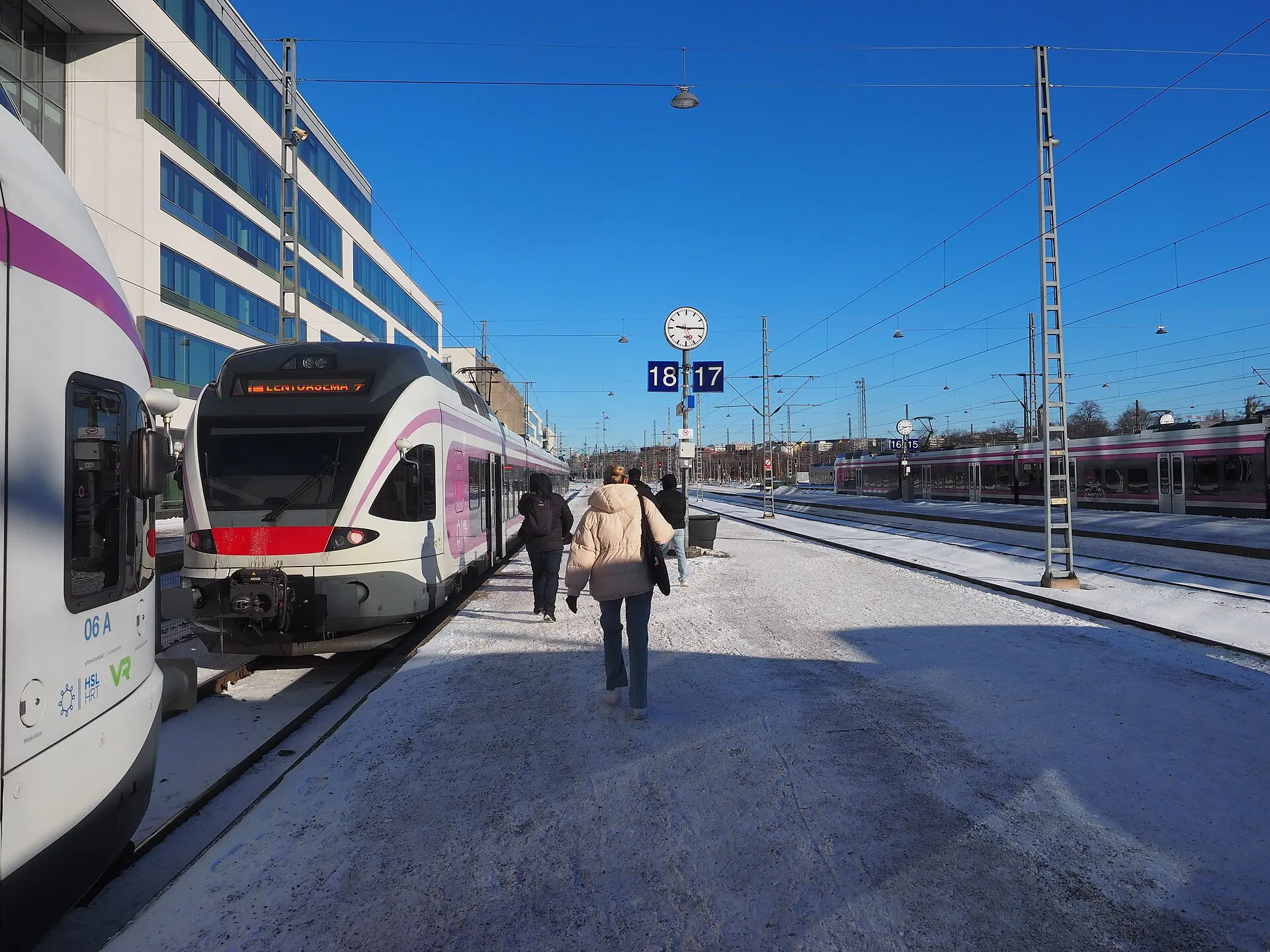
Trains run by VR connect Helsinki with Turku (around two hours), Tampere (about 1.5 to 2 hours) and Rovaniemi (roughly 8 to 12 hours, including an overnight sleeper). Long-distance buses fill gaps where there is no rail. Domestic flights from Helsinki to Rovaniemi take about 1.5 hours and are often cheaper than expected if booked early.
A rental car gives the most freedom in the Lakeland and in Lapland, where public transport is thin. Roads are good, drive on the right, and daytime headlights are required. In winter, allow extra time and carry warm clothing. In Helsinki, the tram, metro and ferry network is easy to use with a single phone-ticket app.
How much does a trip to Finland cost?
Finland is more expensive than southern Europe and similar to the other Nordic countries. The currency is the euro, and cards are accepted almost everywhere, including small kiosks. Figures below are rough per-person guides for 2026, and summer and Christmas in Lapland are the priciest periods.
- Budget: around EUR 55 to 90 per day, with hostels or camping, supermarket meals, lunch deals and public transport.
- Mid-range: around EUR 90 to 150 per day, with private hotel rooms, restaurant meals and some activities.
- High-end: from around EUR 250 per day, with design hotels, glass-igloo stays and guided Arctic safaris.
Accommodation is the biggest cost, followed by food and activities such as husky or snowmobile safaris, which can cost well over EUR 100 each. Lunch menus are good value, and tap water is excellent and free. Many museums and national parks are free or low-cost, and the everyman’s right means camping for a night in the wild costs nothing.
Finland food and drink
Finland food is simple, seasonal and built on rye, fish, dairy, berries and game. Many dishes are easy to try in market halls and lunch restaurants.

- Karjalanpiirakka: thin rye pastries filled with rice porridge, topped with egg butter.
- Lohikeitto: creamy salmon soup with potatoes and dill, served with rye bread.
- Poronkäristys: sautéed reindeer, usually with mashed potatoes and lingonberries.
- Korvapuusti: a cinnamon bun, best with coffee; Finns are among the world’s heaviest coffee drinkers.
- Leipäjuusto: squeaky baked cheese served warm with cloudberry jam.
- Grilled sausage (makkara): a standard sauna snack, often with mustard.
- Salmiakki and Koskenkorva: salty liquorice and a local grain spirit, loved or hated.
Helsinki’s Old Market Hall and Tampere’s Kauppahalli are good first stops. Vegetarian and vegan options are widely available, and menus mark allergens clearly. Stronger alcohol is sold only at the state-run Alko stores, while shops sell beer and ciders.
Culture, language and etiquette in Finland
Finnish and Swedish are the two official languages, and Swedish is spoken mainly along the south and west coasts. Finnish is unrelated to the Scandinavian languages, so signs look unfamiliar, but English is spoken very widely, especially among younger people and in tourism. Useful words are kiitos (thank you) and hei (hello).
Finns value personal space, punctuality and directness. Silence in conversation is comfortable, and small talk with strangers is limited, which is not coldness. Queue in order, keep voices low on public transport and arrive on time.
Sauna is central to life. Rules vary, so follow the signs: mixed public saunas usually require a swimsuit, while single-sex saunas are normally taken without clothes. Shower first, sit on a towel or seat cover and keep voices low. Throwing water on the stones, called löyly, is done with consent from others.
Remove shoes when entering a home. Finland’s Sami people live in the north, and respectful behaviour around reindeer herders and sacred sites is expected.
Finland itinerary: a 7-day route
This route combines Helsinki, the south coast and the Lakeland by train and ferry, and avoids long driving days.
- Day 1, Helsinki: arrive, walk Senate Square and the harbour, and visit the Old Market Hall.
- Day 2, Helsinki: take the ferry to Suomenlinna in the morning, then Temppeliaukio Church and the design district. End with a sauna.
- Day 3, Porvoo: take a bus (about one hour) to the old town, then return to Helsinki.
- Day 4, Turku: travel by train (around two hours), see the castle and walk the river.
- Day 5, Tampere: take the train (about two hours), visit the mills and try a lakeside sauna.
- Day 6, Lakeland: continue by train to Savonlinna (changes needed, a long travel day of 4 to 5 hours) or stay near Tampere for a lake cruise.
- Day 7, return: allow about 3 to 4 hours back to Helsinki-Vantaa Airport.
With an extra three days, fly from Helsinki to Rovaniemi for the Arctic Circle, reindeer and, in winter, the northern lights.
Practical tips for Finland
- Money: the euro is used, and contactless cards work almost everywhere, even for small purchases. Carry little cash.
- SIM and eSIM: mobile coverage is excellent and data is cheap; prepaid SIMs and eSIMs are easy to buy. EU roaming rules apply for EU residents.
- Plugs: types C and F at 230 V.
- Tipping: not expected, as service is included; rounding up is polite.
- Health: tap water is safe to drink, and pharmacies are common. Carry travel insurance, and an EHIC or GHIC card if eligible.
- Packing: layered clothing in every season; thermal base layers and good boots from November; an eye mask for summer light.
- Booking: reserve Lapland accommodation and activities months ahead for December and February.
- Time: Finland uses Eastern European Time, one hour ahead of Central European Time.
For wider background, see the Wikivoyage Finland guide.
FAQ
Q1What are the best things to do in Finland?
Top picks are a traditional sauna, the Suomenlinna fortress in Helsinki, hiking in Nuuksio or Oulanka national parks, paddling on Lake Saimaa and visiting Rovaniemi for reindeer, huskies and the northern lights. Summer suits lakes and hiking, while winter suits snow activities and aurora trips.
Q2What is Finland food like?
Finland food is simple and seasonal, with rye bread, salmon soup, reindeer, karjalanpiirakka rice pasties, cinnamon buns and berries. Lunch menus at market halls are good value, vegetarian options are common, and coffee is a cultural staple. Stronger alcohol is sold only in state Alko shops.
Q3What is the best time to visit Finland?
June to August is best for warm weather, long days and lake activities, while December to March is best for snow, skiing and the northern lights in Lapland. September is a good compromise with autumn colour and aurora chances. Avoid late April and early May if you want snow or flowers.
Q4Is Finland safe?
Yes, Finland is among the safest countries in Europe, with low violent crime and reliable public services. Main risks are icy pavements, winter driving and wildlife on rural roads. Pickpocketing is uncommon but can occur in Helsinki's crowded areas. Check your government's travel advice before you go.
Q5Do I need a visa for Finland?
It depends on your nationality. Finland is in the Schengen Area, and travellers from the EU, UK, US and several other countries can generally stay visa-free for up to 90 days in 180. Others need a Schengen visa. Check the Finnish Immigration Service, and watch for ETIAS rollout.
Q6What are the best places to visit in Finland?
Helsinki is the essential first stop, followed by Turku, Tampere and the Lakeland around Savonlinna. In the north, Rovaniemi is the gateway to the Arctic Circle and Lapland's fells. Porvoo is an easy day trip from Helsinki for a preserved wooden old town.
Q7How many days do you need in Finland?
Seven days is enough for Helsinki, Porvoo, Turku and Tampere at a comfortable pace. Add three to four days for Lapland and the northern lights, since the north is far from the south and flights or sleeper trains take time. Winter trips usually need at least five days in Lapland itself.