Why visit France
The things to do in France are among the most varied in Europe. The country received around 100 million visitors in 2024, more than any other, and the reasons are easy to see: world-class museums and cafés in Paris, Gothic cathedrals, Renaissance châteaux, Roman ruins, vineyards in every direction and coasts from the English Channel to the Mediterranean (see the Wikipedia overview for background). Mont Blanc and the Pyrenees offer serious mountains, and the rail network links most major cities.
France suits almost every kind of traveller: couples and city-breakers who want Paris, families heading to the coast or Disneyland Paris, cyclists and walkers in rural regions, and anyone for whom eating and drinking well is the point of travel. It is expensive in Paris and on the Riviera, but cheaper in smaller towns, and the quality of regional food and wine makes spending feel worthwhile.
Best places to visit in France
The best places to visit in France range from the capital to quiet regions, and most trips combine Paris with one or two others.
Paris
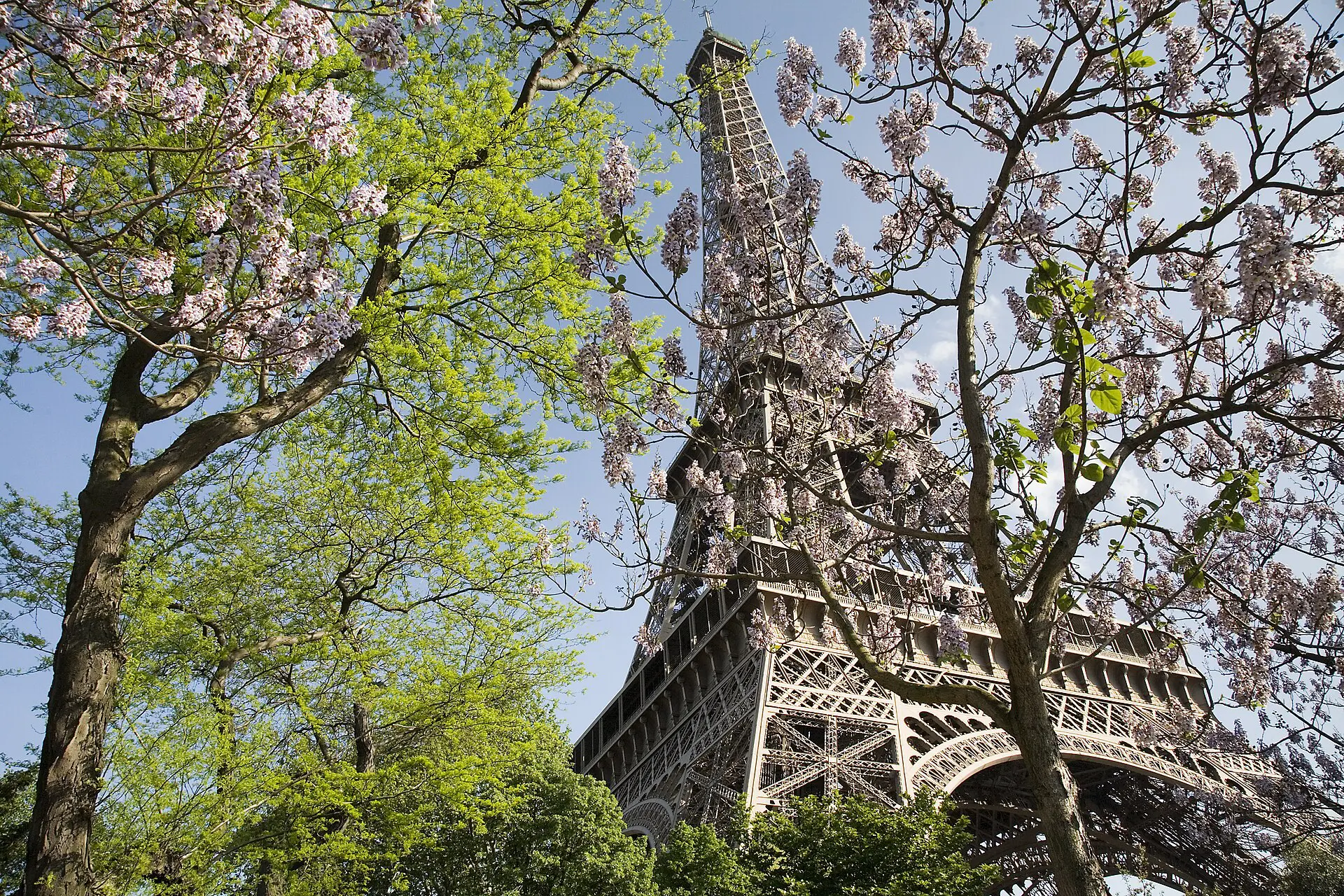
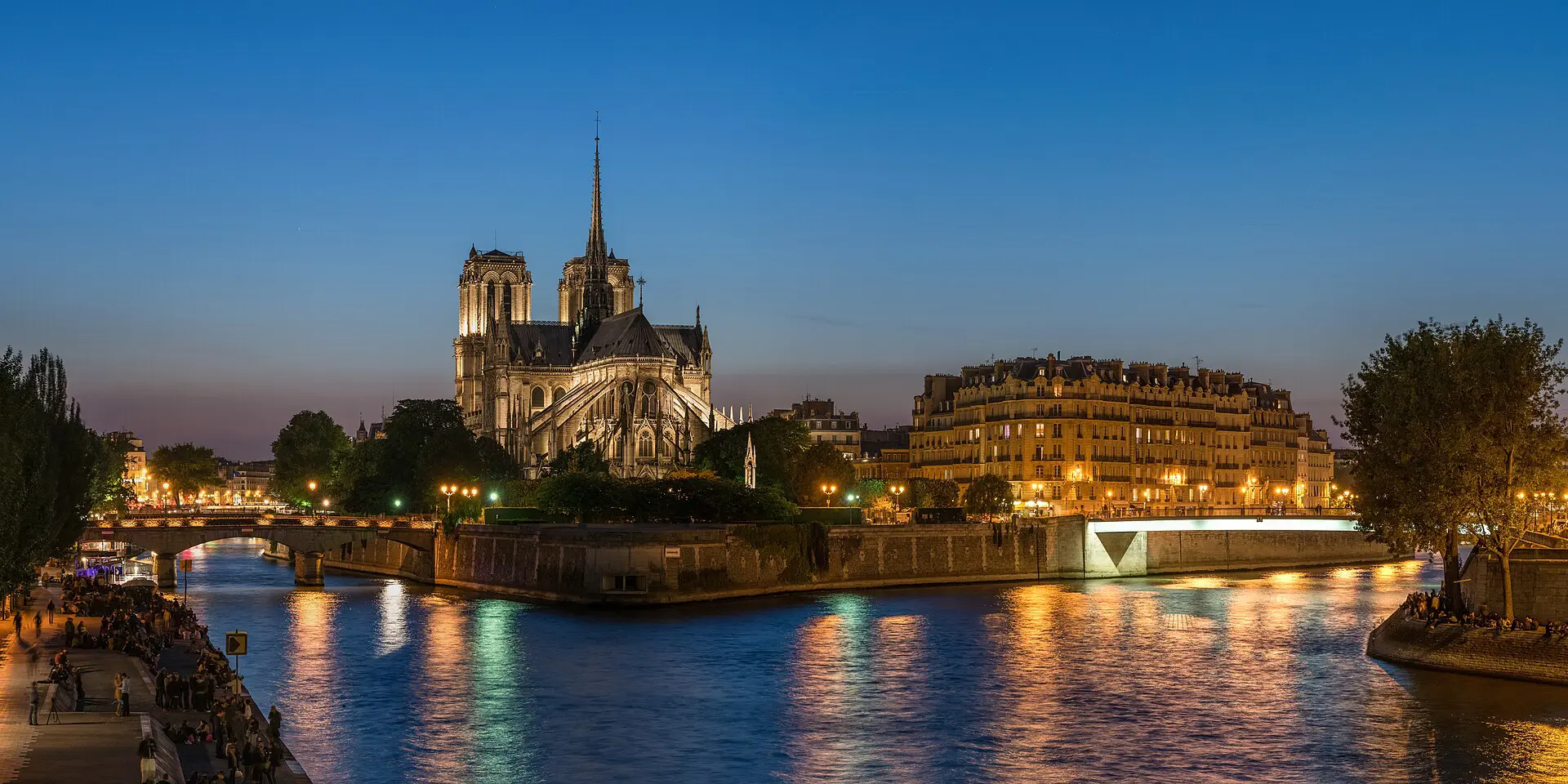
The Eiffel Tower, Louvre, Notre-Dame, Montmartre and the Seine are the highlights, but the real draw is walking between neighbourhoods and stopping at cafés. Allow at least three days.
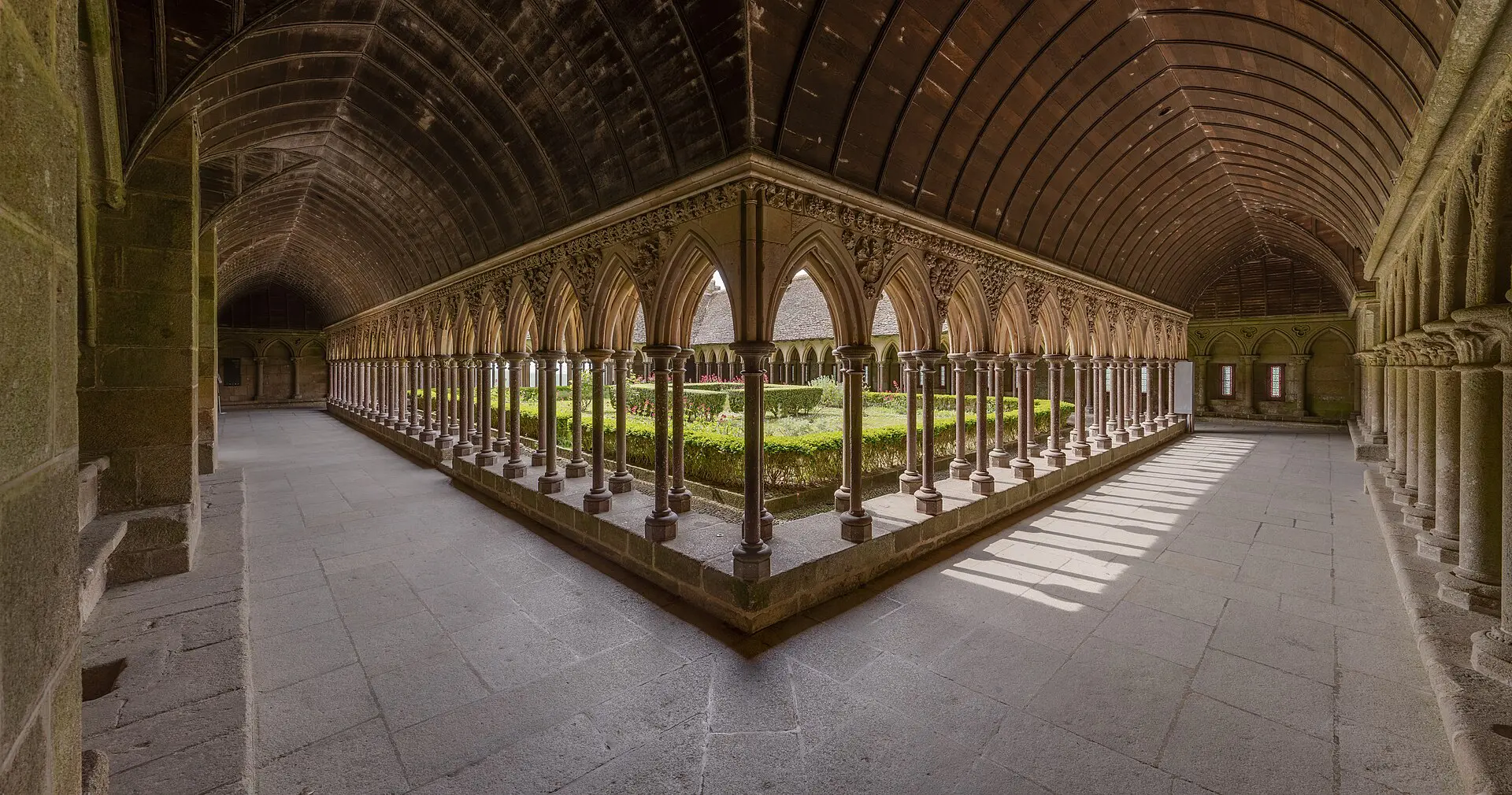
Normandy and Mont-Saint-Michel
Normandy has the D-Day beaches, the Bayeux embroidery and cliff-side Étretat, while the abbey of Mont-Saint-Michel rises from a tidal bay.
The Loire Valley
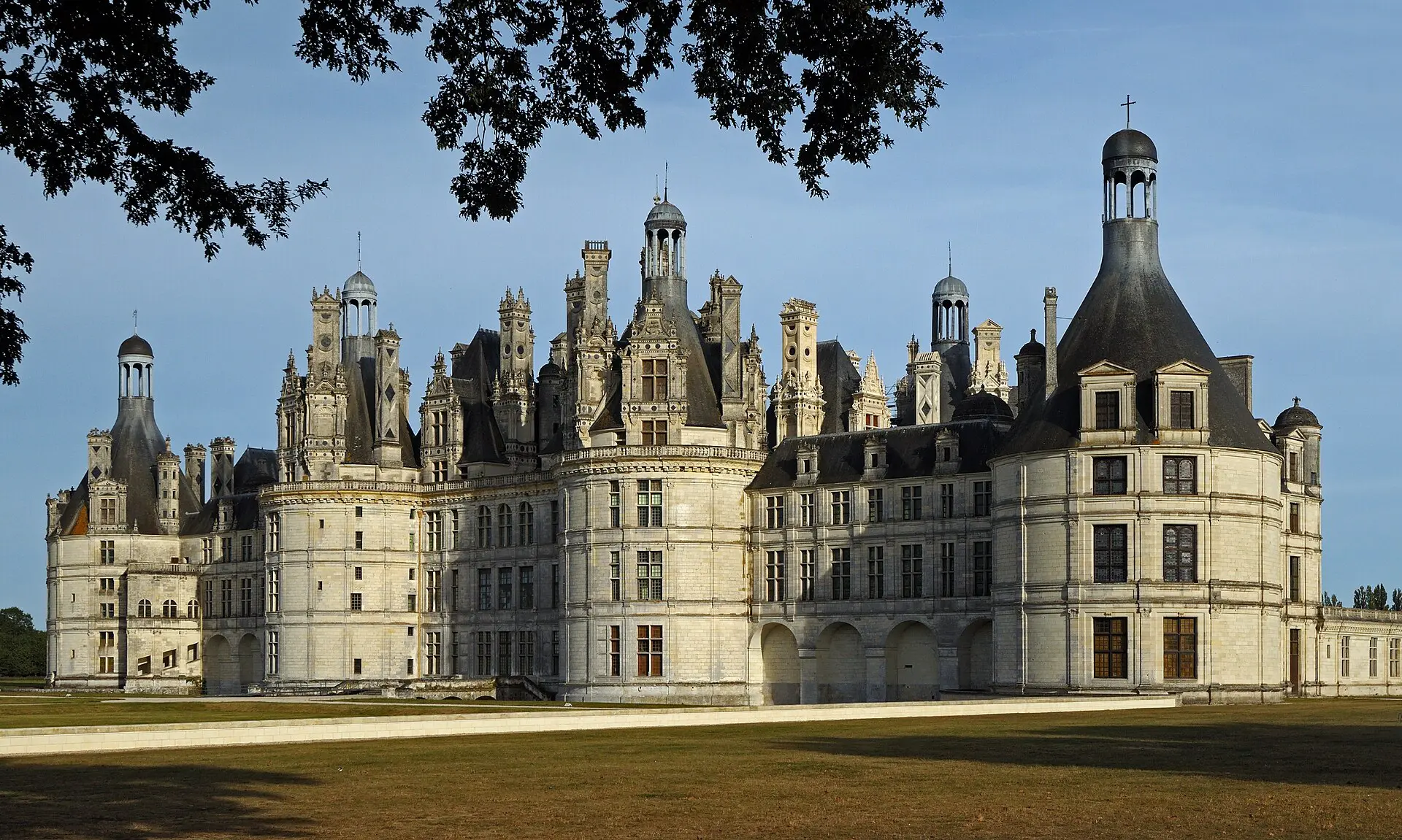
Chambord, Chenonceau and Amboise are the best-known châteaux, set among vineyards and reachable by train from Paris or by bicycle.
Provence and the Riviera
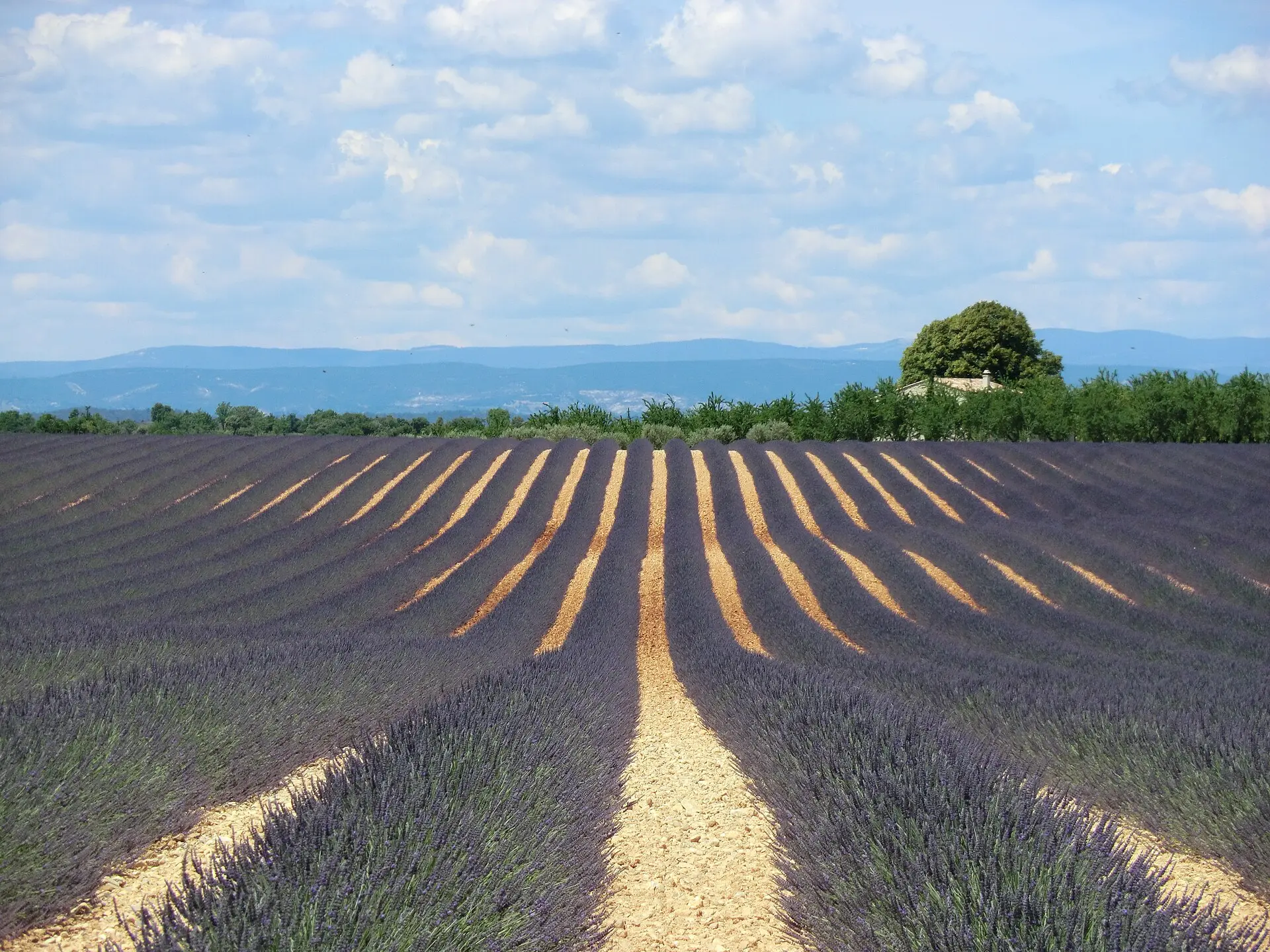
Avignon, Aix-en-Provence and the lavender plateaus of Valensole (blooming in late June and July) sit inland, while Nice, Antibes and Cannes line the coast.
Lyon and Burgundy
Lyon is the gastronomic capital, and Burgundy has the wine towns of Beaune and Dijon.
The Alps and Chamonix
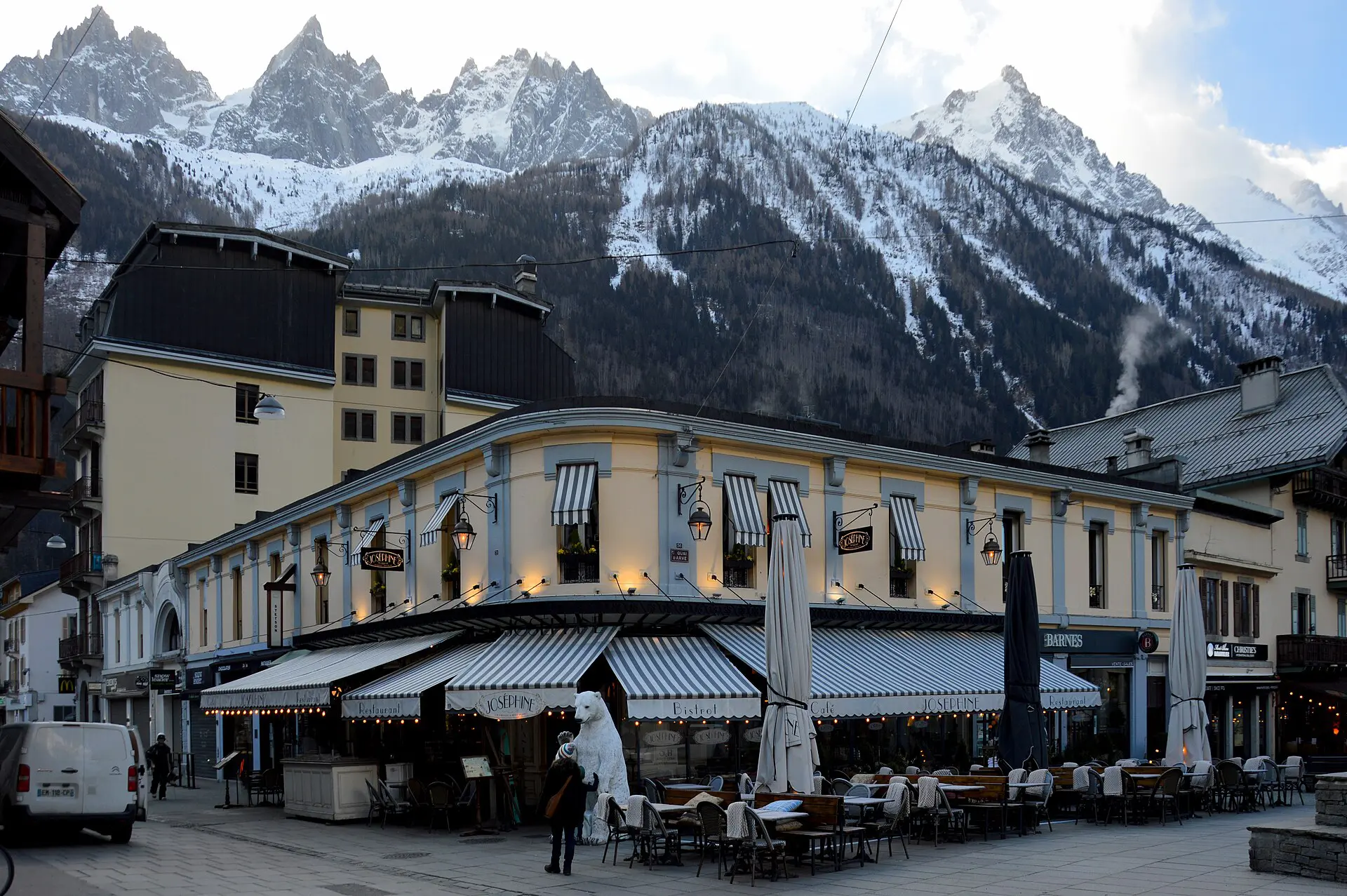
Chamonix sits under Mont Blanc and offers cable cars, hiking in summer and skiing from December to April.
Things to do in France
The top things to do in France combine famous sights with slow, local experiences.
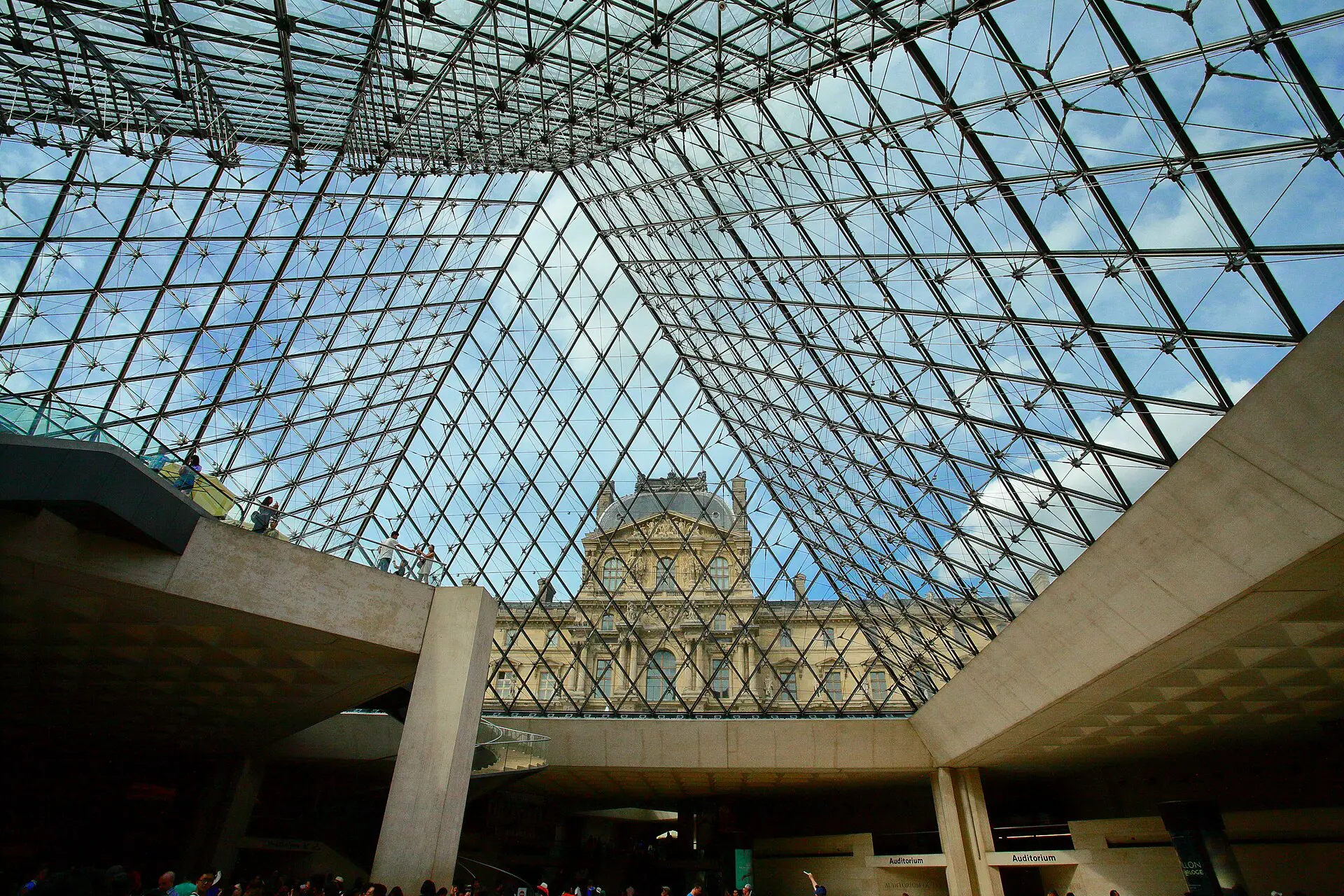
- Visit the Louvre: book a timed ticket and pick a few galleries rather than trying to see everything.
- Climb or photograph the Eiffel Tower: the best views of it are from Trocadéro and the Seine bridges.
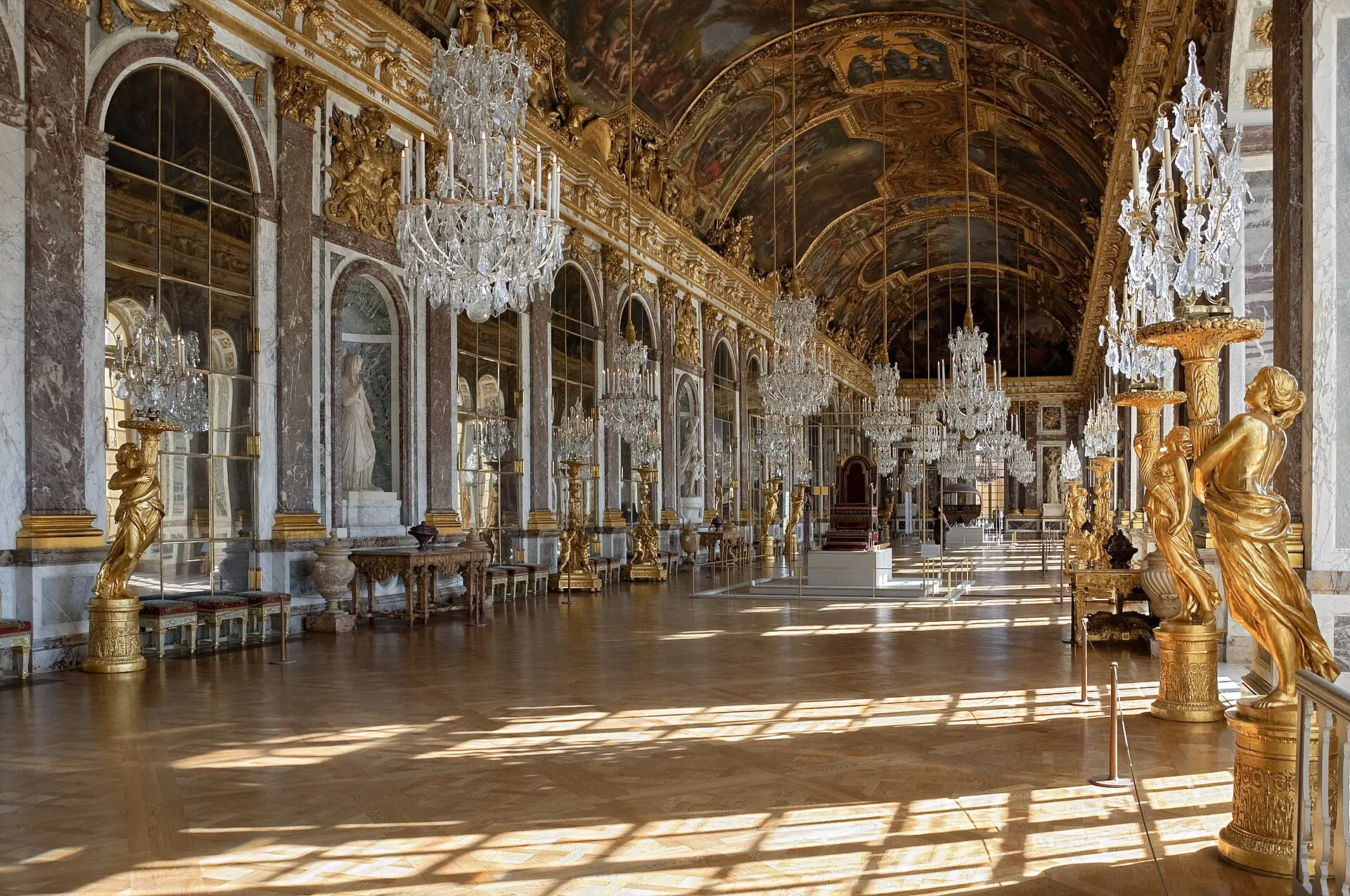
- Tour Versailles: the palace and gardens are a train ride from Paris and take most of a day.
- Explore a Loire château: Chambord’s roofline and Chenonceau’s gallery over the river are the favourites.
- Walk the D-Day beaches: American, British and Canadian sites in Normandy include museums and cemeteries.
- Taste wine in Burgundy or Bordeaux: many estates welcome visitors with a booking.
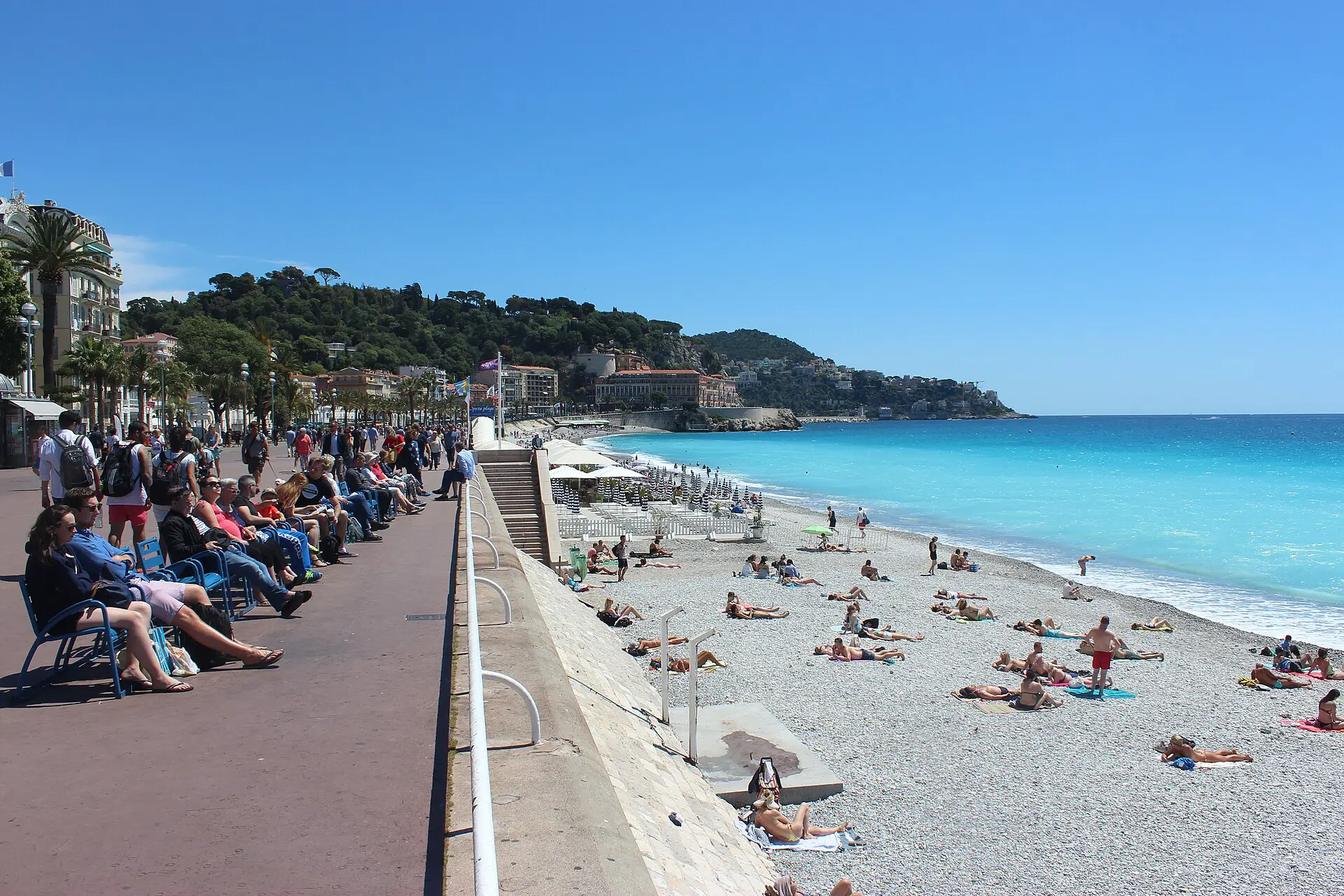
- Stroll the Promenade des Anglais: Nice’s seafront has a long pebble beach and a good old town behind it.
- Hike near Chamonix: cable cars from Chamonix reach viewpoints facing Mont Blanc.
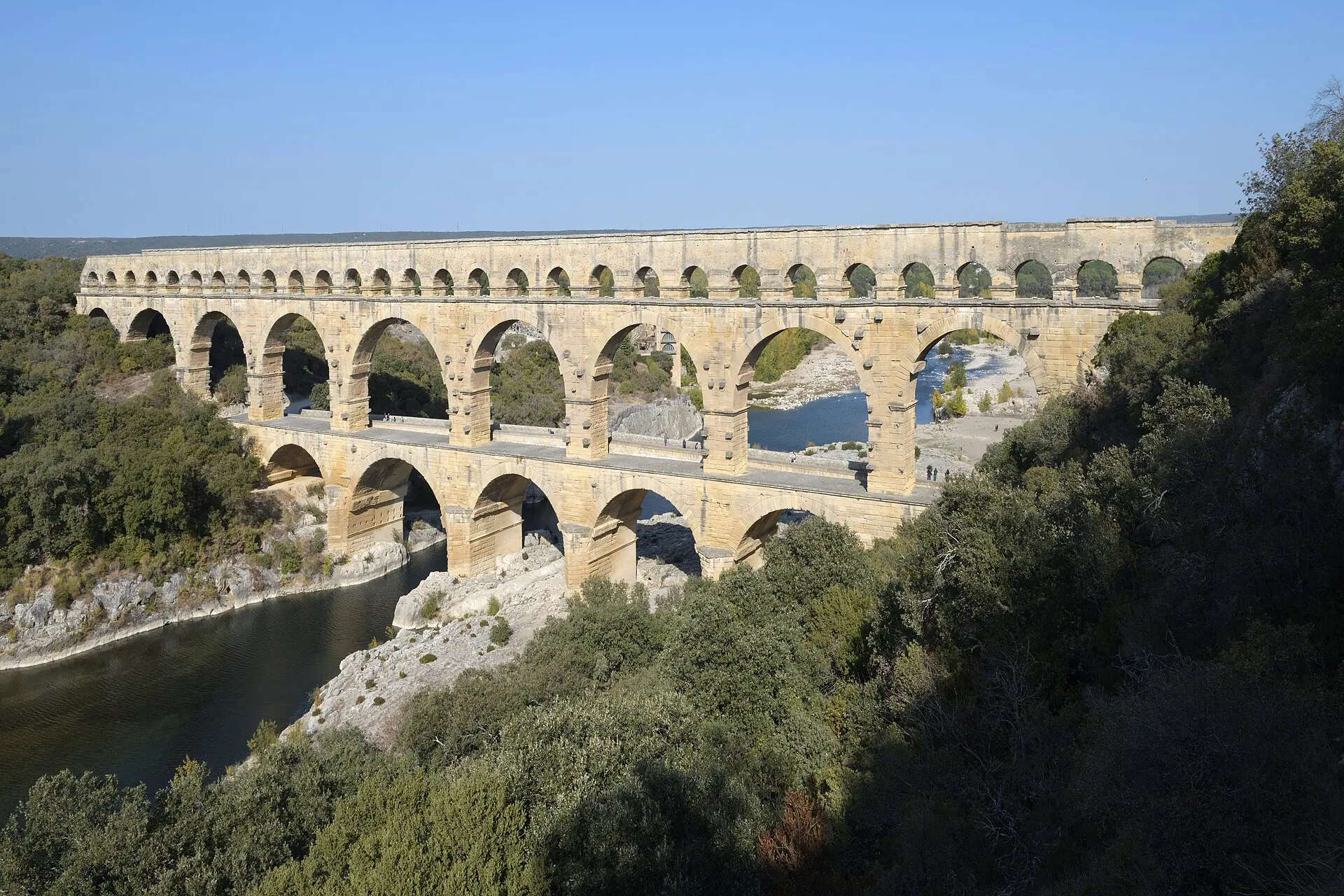
- See the Pont du Gard: the three-tiered Roman aqueduct near Nîmes can be visited and swum beside in season.
- Cycle a canal or vineyard route: flat routes along the Canal du Midi and Loire suit most riders.
- Browse a market: nearly every town has one, and Provence markets are particularly good.
Best time to visit France
The best time to visit France is May to June and September to early October, when the weather is mild, daylight is long and the main sights are less crowded than in midsummer. July and August are hot and busy, and many Parisians leave the city in August, so some small shops close. Ski resorts run from December to April.
| Season | Weather | Crowds and prices | Good for |
|---|---|---|---|
| Spring (Apr-Jun) | Mild, some showers, warm by June | Moderate, rising with Easter and May holidays | Paris, châteaux, lavender in late June |
| Summer (Jul-Aug) | Hot, 28 to 35 C in the south | Highest prices and queues | Coast, Alps hiking, festivals |
| Autumn (Sep-Oct) | Warm to cool, grape harvest | Falling | Wine regions, cities, walking |
| Winter (Nov-Mar) | Cold and grey in the north, snow in the Alps | Low outside ski areas and Christmas | Museums, Christmas markets, skiing |
Check for strikes and school holidays when planning, as they affect trains and prices.
Is France safe?
Yes, France is generally safe for visitors, and most trips pass without trouble. The most common problems are pickpocketing and scams in tourist areas, plus occasional strikes and demonstrations. Check your government’s current travel advice, such as the UK FCDO or US State Department pages, before you book, as they note security levels and updates.
Theft and scams. Pickpockets work crowded metro lines, the Eiffel Tower area, Montmartre and major train stations. Keep phones and wallets in front pockets, and ignore petition signers and friendship-bracelet sellers. Use licensed taxis or ride-hailing apps.
Security. France has faced terrorist attacks in the past, and soldiers sometimes patrol major sites. Follow official instructions and expect bag checks at attractions.
Strikes and protests. Rail and air strikes happen several times a year, and demonstrations can disrupt city centres. Follow announcements and keep travel plans flexible.
Nature. Summer heatwaves, wildfires in the south and mountain weather are real hazards. Take water, sun protection and the right gear in the Alps.
France visa and entry requirements
France is part of the Schengen Area, so entry rules depend on your nationality. EU and EEA citizens need only an ID card or passport, and many other travellers, including those from the UK, US, Canada and Australia, have generally been able to visit visa-free for up to 90 days in any 180-day period. Other nationalities need a Schengen visa, applied for through the French consulate or an authorised visa centre well before travel.
The EU’s Entry/Exit System is being phased in at external borders, and a pre-travel authorisation called ETIAS is planned for visa-exempt visitors, so confirm the current rule for your passport with the official French visa portal or your nearest consulate. Your passport should usually be valid for at least three months after departure and issued within the last ten years.
Bring proof of accommodation, return travel and funds if asked. For heritage planning, the UNESCO page for France lists its World Heritage sites, though it does not cover entry rules.
Getting to and around France
Paris Charles de Gaulle is the main international gateway, with Orly, Nice, Lyon, Marseille and Toulouse handling many more flights. Eurostar trains link Paris with London in about 2.5 hours, and high-speed services connect Paris with Brussels, Amsterdam, Germany and Switzerland.
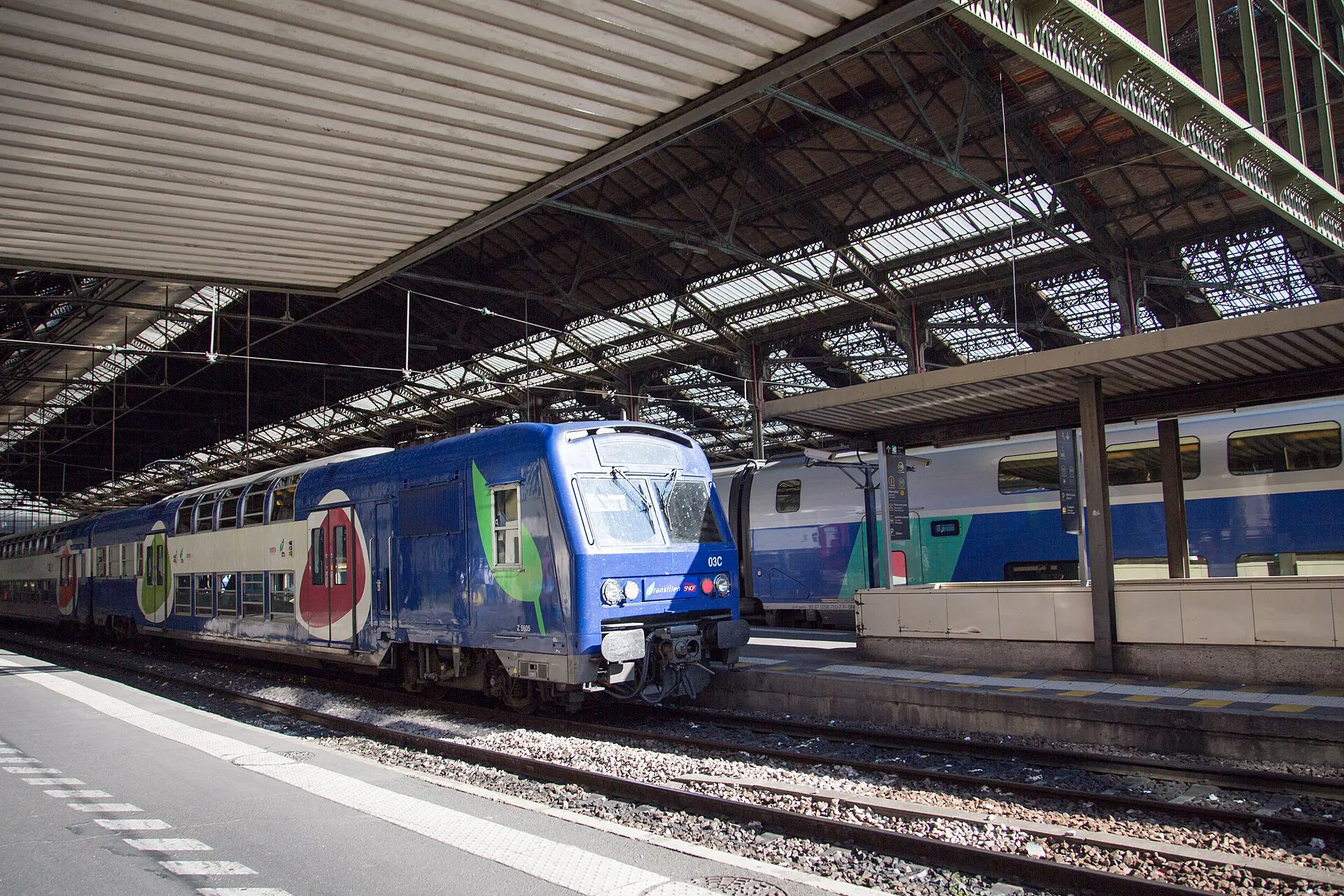
The domestic rail network is the best way to travel between major cities. TGV and Ouigo trains run from Paris to Lyon in around two hours, to Bordeaux in about two, to Marseille in roughly three and to Nice in around six. Book ahead for the cheapest fares, and validate regional tickets where required.
A rental car is useful in rural areas such as Normandy, the Loire, Dordogne and Provence, but it is unnecessary and costly in Paris, where the metro, buses and trams work well. Motorways have tolls, driving is on the right, and an environmental sticker called Crit’Air is required in many city low-emission zones. Intercity coaches are cheaper but slower than trains.
How much does a trip to France cost?
France is one of the pricier European destinations, though costs fall sharply outside Paris and the Riviera. The currency is the euro, and cards and contactless payments are accepted nearly everywhere. Figures below are rough per-person guides for 2026, and summer and school holidays push accommodation up.
- Budget: around EUR 70 to 110 per day, with hostels, bakery lunches, supermarket food and regional trains.
- Mid-range: around EUR 130 to 220 per day, with a three-star hotel, restaurant meals and some entrance fees.
- High-end: from around EUR 350 per day, with boutique hotels, fine dining and private transfers.
Accommodation is the biggest cost, especially in Paris and on the Côte d’Azur in July and August. Fixed-price lunch menus, called formules, offer the best value in restaurants. Major sights such as the Louvre and Versailles charge entrance fees, and many museums are free on certain days or for younger visitors. Train fares vary widely, so book early.
France food and drink
France food is regional, seasonal and taken seriously, and eating well is possible at every price. Cheese, bread, wine and pastry are everyday pleasures rather than treats.
- Croissants and baguettes: buy from a boulangerie early for the best, and try pain au chocolat too.
- Coq au vin and boeuf bourguignon: slow-cooked stews rooted in Burgundy.
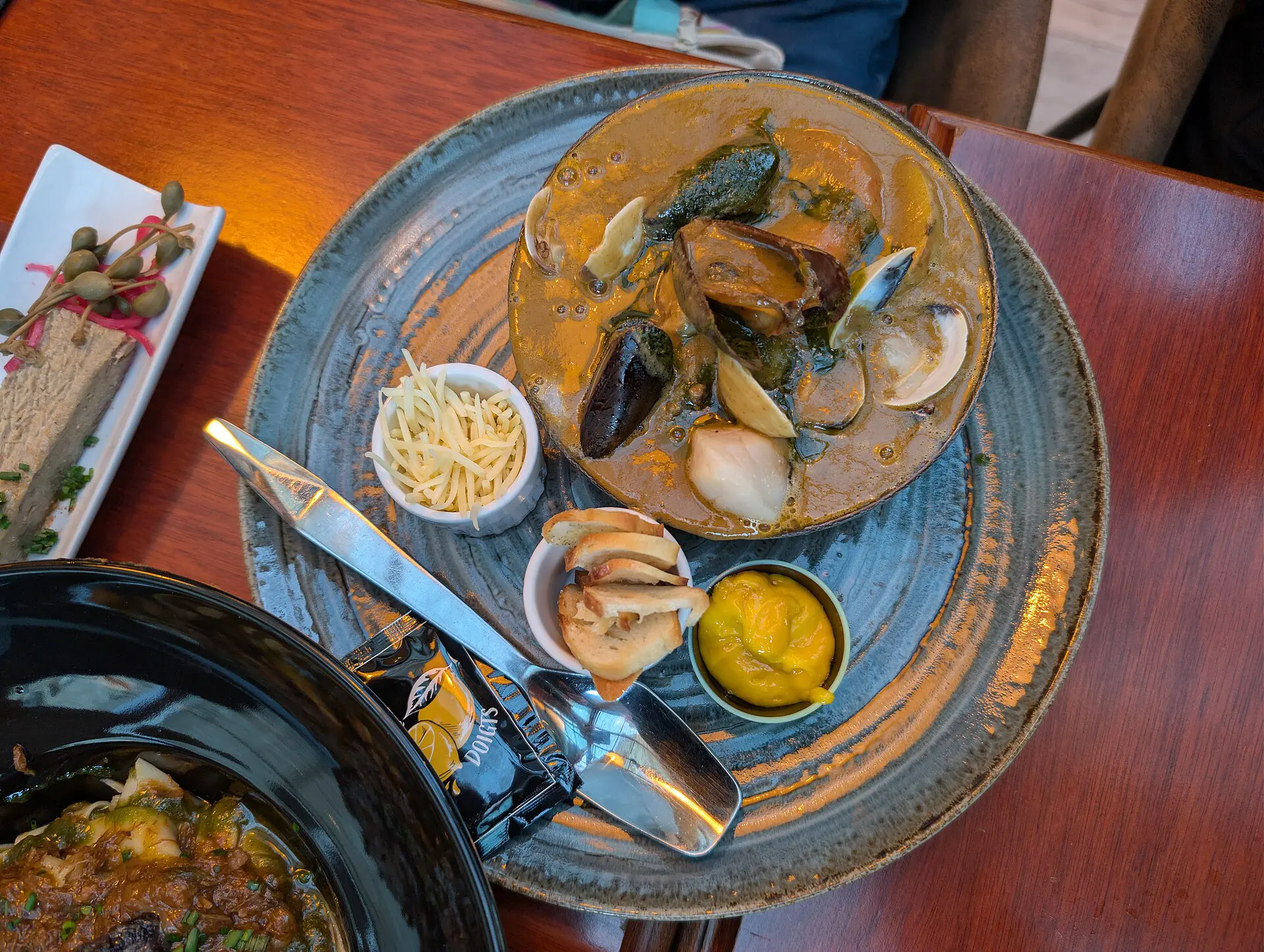
- Bouillabaisse: the Marseille fish stew, served with rouille and bread.
- Cheese: camembert, brie, comté, roquefort and hundreds more, usually after the main course.
- Crêpes and galettes: sweet crêpes and buckwheat galettes are the speciality of Brittany.
- Confit de canard and cassoulet: hearty southwestern dishes with duck and beans.
- Wine and apéritifs: Bordeaux, Burgundy, Champagne, Alsace and the Loire; Pastis is common in the south.
Lunch is the best-value meal, and many restaurants serve set menus on weekdays. Bistros rarely serve food all afternoon, so check hours. Vegetarian options are growing but still limited in traditional places, and it helps to ask about meat stock. Tap water, called une carafe d’eau, is free on request.
Culture, language and etiquette in France
French is the national language, and regional languages such as Breton, Occitan, Basque and Alsatian are also spoken in places. English is widely understood in tourism, but starting with a polite bonjour and a few French words changes the tone of any exchange. Always say bonjour on entering a shop and au revoir on leaving.
The French generally value courtesy, formality and discretion. Address people as monsieur or madame until invited otherwise, and use vous with strangers. Restaurant meals are leisurely, and you may need to ask for the bill, l’addition.
Dress is smart-casual in cities, and shorts and sportswear are fine in resorts but less so in churches or at upscale restaurants. Cover shoulders and knees in religious buildings. France is officially secular, so discussion of religion and politics in public is best left to locals to start.
Meals follow set times: lunch from about noon, dinner after 7:30 pm. Many shops close on Sundays and in the lunch hour in smaller towns, and some businesses close for part of August.
France itinerary: a 7-day route
This route links Paris, Lyon and the south by high-speed train, avoiding long drives.
- Day 1, Paris: arrive, walk the Seine and Île de la Cité, and see Notre-Dame from the outside.
- Day 2, Paris: visit the Louvre in the morning, then Montmartre and the Eiffel Tower at sunset.
- Day 3, Versailles: take the RER (about 45 minutes) to the palace and gardens, then return to Paris.
- Day 4, Lyon: take the TGV (around two hours), then explore the old town and sample a bouchon lunch.
- Day 5, Avignon and Pont du Gard: take the train to Avignon (about 1.5 hours), see the Palais des Papes, and visit the aqueduct by bus or car.
- Day 6, Nice: continue by train (about 3.5 hours), then walk the Promenade des Anglais and old town.
- Day 7, return: fly home from Nice airport, which is a short tram ride from the centre.
With extra days, add the Loire Valley or Normandy from Paris, or the Alps from Lyon.
Practical tips for France
- Money: the euro is used, and contactless cards work almost everywhere. Carry small amounts of cash for markets and bakeries.
- SIM and eSIM: prepaid SIMs and eSIMs are easy to buy and cheap, and coverage is good in towns. EU roaming rules apply for EU residents.
- Plugs: types C and E at 230 V.
- Tipping: service is included in the bill, and leaving a few euros for good service is optional.
- Health: tap water is safe, and pharmacies, marked with a green cross, give advice. Carry travel insurance and an EHIC or GHIC if eligible.
- Booking: reserve the Eiffel Tower, Louvre, Versailles and popular restaurants ahead, especially in summer.
- Packing: comfortable walking shoes for cobblestones, a light rain jacket and a day bag with zips.
- Emergency: dial 112 for any emergency in France.
For wider background, see the Wikivoyage France guide.
FAQ
Q1What is France food like?
France food is regional and built on quality ingredients: bread and pastries from the boulangerie, cheese, wine, stews such as boeuf bourguignon, seafood on the coasts and rich southwestern dishes. Lunch set menus give the best value, and vegetarian choices are growing but still limited in traditional restaurants.
Q2What are the best things to do in France?
Top picks are the Louvre and Eiffel Tower in Paris, Versailles, the Loire châteaux, Mont-Saint-Michel and the D-Day beaches in Normandy, Provence's markets and lavender, the Riviera and hiking near Chamonix. Add wine tasting in Burgundy or Bordeaux for the food and wine side of France.
Q3What is the best time to visit France?
May to June and September to early October are best, with mild weather and fewer crowds than July and August. Summer suits the coast and Alps hiking but is hot and expensive. Winter suits museums, Christmas markets and skiing from December to April. Strikes can affect travel at any time.
Q4What are the best places to visit in France?
Paris is the essential stop, followed by the Loire Valley, Normandy with Mont-Saint-Michel, Provence, the Riviera, Lyon, Burgundy and Chamonix. First-time visitors usually combine Paris with one region reachable by train, such as the Loire or Provence.
Q5Do I need a visa for France?
It depends on your nationality. France is in the Schengen Area, and travellers from the EU, UK, US, Canada and Australia can generally stay visa-free for up to 90 days in 180. Others need a Schengen visa. Check the official French visa portal, and watch for the planned ETIAS authorisation.
Q6Is France safe?
Yes, France is generally safe for tourists. Pickpocketing is the main issue in Paris, on the metro and at big sights, while strikes and protests can disrupt travel. Keep valuables close, use official taxis, and check your government's travel advice and local news before and during your trip.
Q7How many days do you need in France?
Seven days works for Paris plus one or two regions by train, such as Lyon and Provence. Paris alone deserves three to four days. For a first trip that includes Normandy, the Loire and the Riviera, plan at least ten days to avoid rushing between long train rides.