Why visit Liechtenstein
The things to do in Liechtenstein are modest in number but easy to enjoy, because the whole country is only about 160 square kilometres and sits between Switzerland and Austria in the Alps. According to the Wikipedia overview, it is a doubly landlocked microstate with a population of around 40,000, ruled by a prince who holds real political powers. You can walk from a vineyard to a medieval castle to an Alpine ridge in a single day, and visit the capital, Vaduz, between breakfast and lunch.
Liechtenstein suits hikers, skiers, families, stamp collectors and travellers who want a quiet stopover on the way between Zurich, the Arlberg and Lake Constance. It does not suit anyone seeking nightlife, large sights or low prices: the Swiss franc is the currency, and costs match Switzerland. Most visitors spend one to three nights, which is enough to cover the main museums, a castle walk and a mountain day.
Best places to visit in Liechtenstein
The best places to visit in Liechtenstein are all within about 30 minutes of each other by bus, so the choice is mostly about whether you want a town, a castle or the mountains.
Vaduz
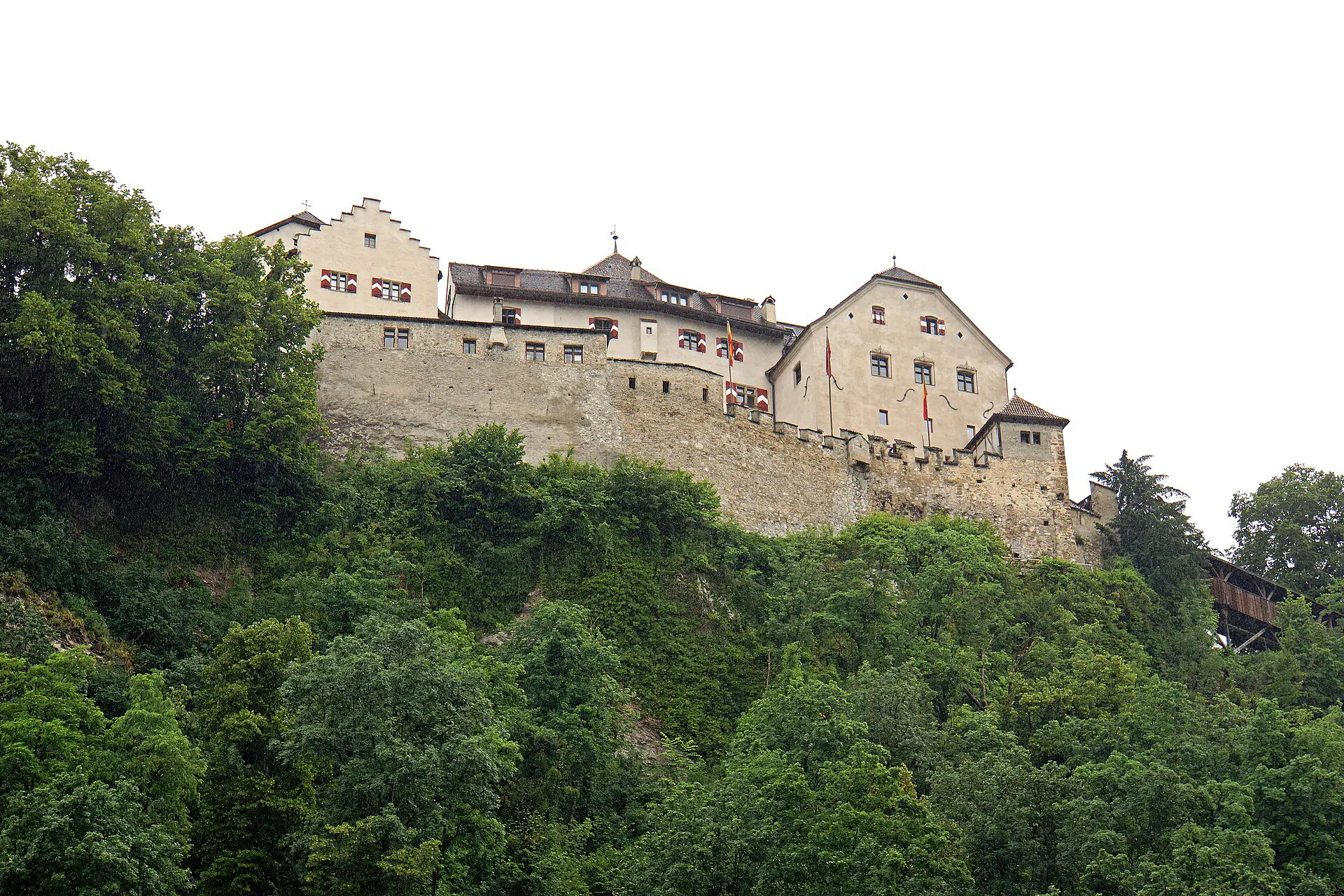
The capital has the national art museum, the national museum, a small pedestrian centre and the prince’s castle on the hill above, which is a private residence and not open to visitors. Shops, cafés and a short sculpture walk fill the centre. The tourist office is a well-known place to get a novelty passport stamp for a small fee.
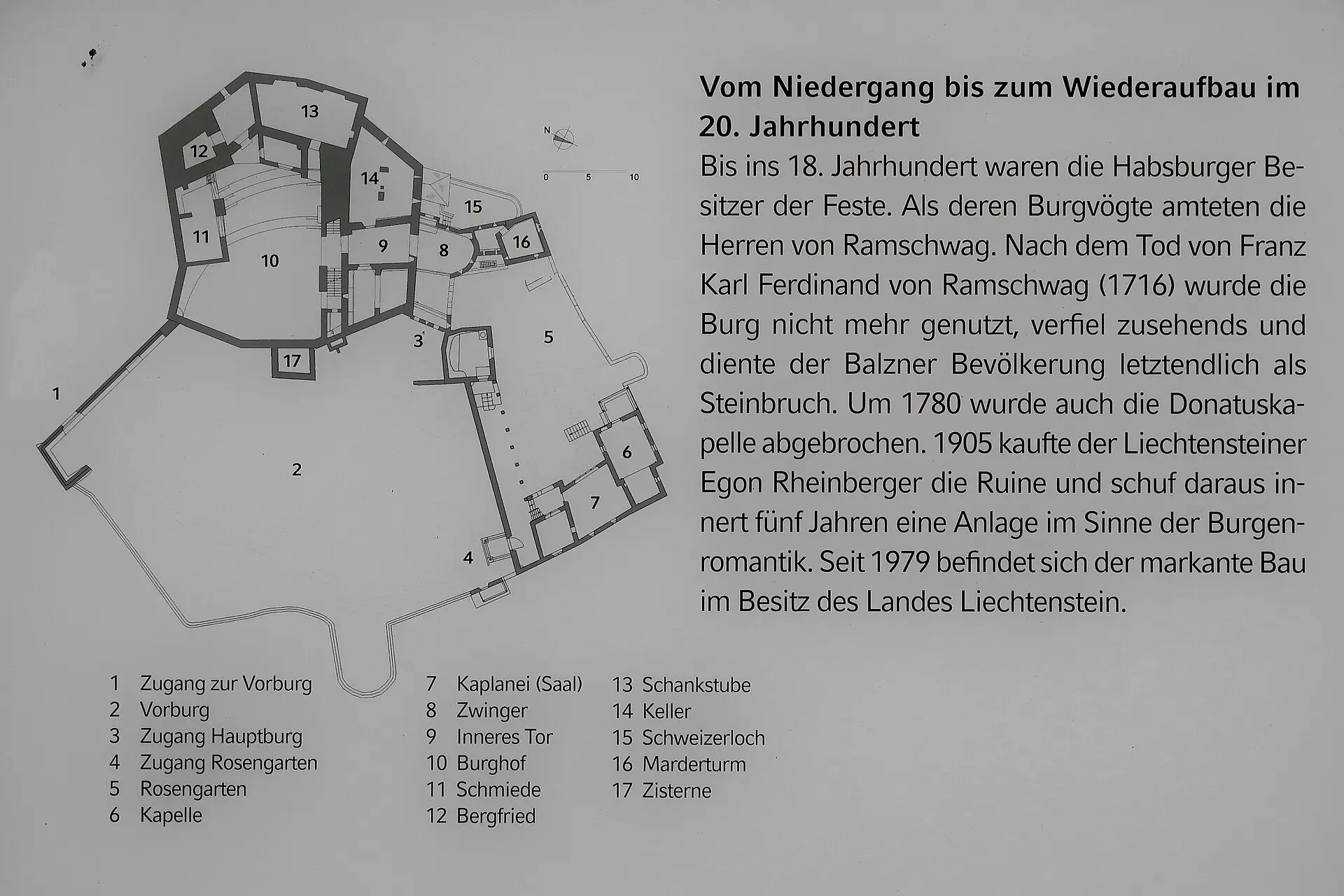
Balzers and Gutenberg Castle
The southernmost village is dominated by Gutenberg Castle, a restored medieval hilltop fortress that is used for events and exhibitions. Opening is limited, so check before going. Paths from the village climb through forest to the walls and give views over the Rhine valley.
Triesenberg
This village sits on a terrace high above the valley and was settled by Walser people from the Valais. A local museum covers their history, dialect and farm life, and the village has views across to Switzerland.
Malbun and the Alpine valleys
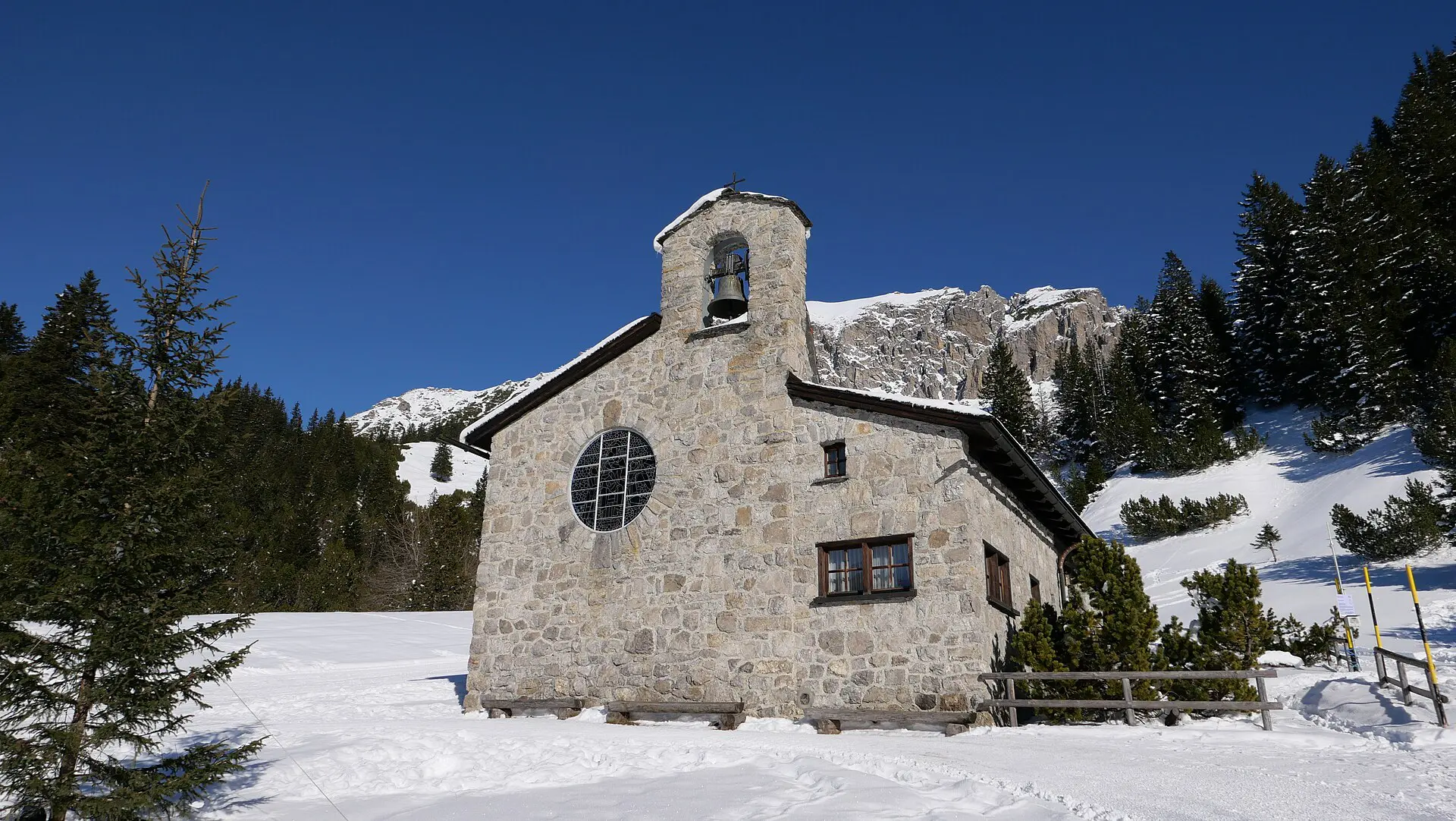
Malbun is the ski resort at the head of a high valley, with lifts in winter and walking trails in summer. Steg, Silum and Sücka lie nearby and give access to ridge paths and the Alpine pastures.
Schaan, Bendern and the lowlands
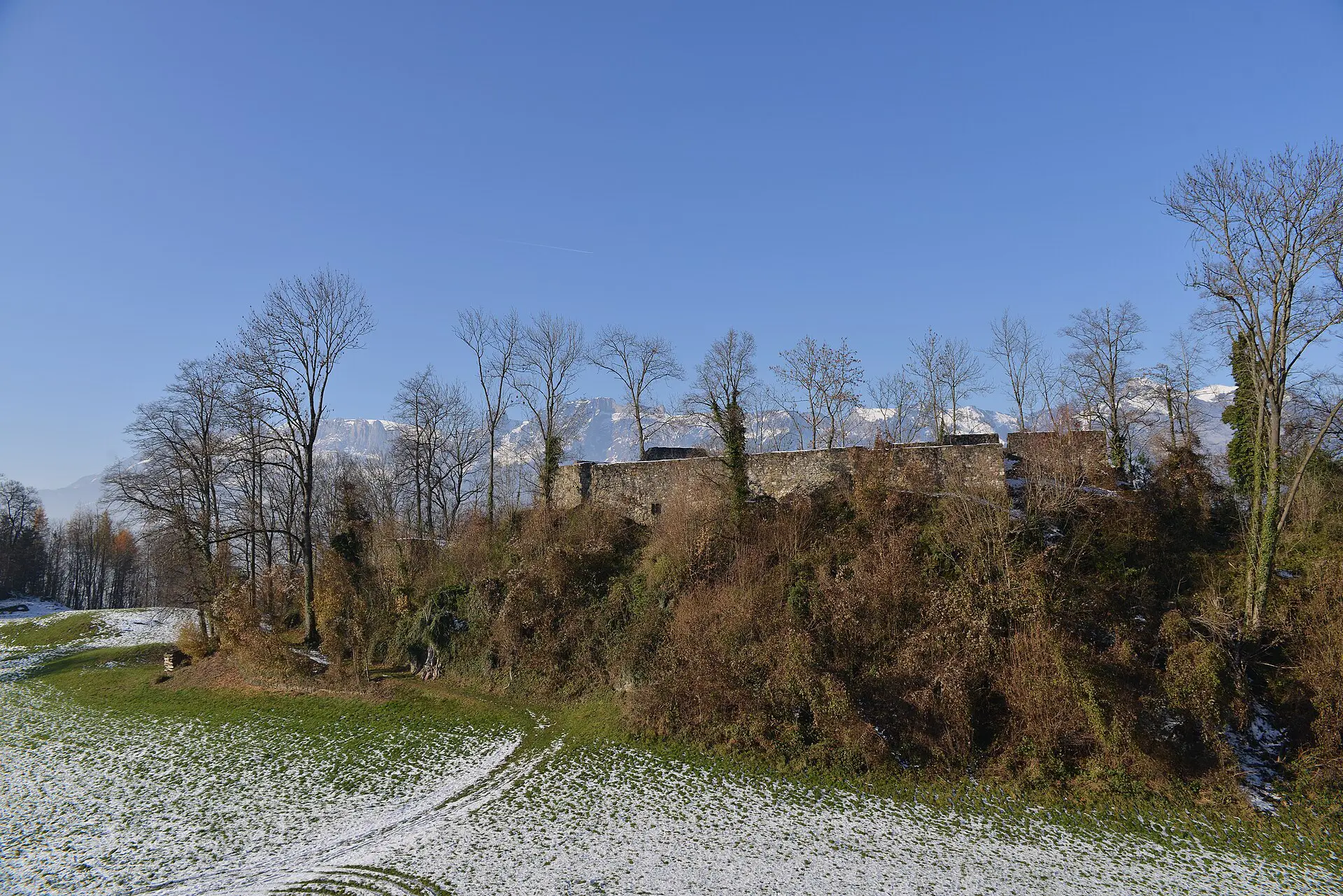
Schaan is the largest municipality and a transport hub. Bendern has a hilltop church above the Rhine plain, and Schellenberg has small museums and a ruined castle hill. These towns work well for gentle cycling.
Top things to do in Liechtenstein
The top things to do in Liechtenstein combine light culture with serious walking, and most can be done by public bus from Vaduz.
- Walk the Liechtenstein Trail: a long-distance route links villages from north to south, and you can do short sections between bus stops.
- Visit the Kunstmuseum Liechtenstein: the black stone building in Vaduz shows modern and contemporary art from the national collection.
- Climb to Gutenberg Castle: the walk from Balzers takes less than an hour and ends on a ridge with valley views.
- Hike a ridge from Malbun: trails from the resort reach peaks above 2,000 metres in summer.
- Go skiing or snowshoeing at Malbun: the slopes are small but quiet, and good for beginners and families.
- Taste local wine: vineyards on the valley slopes produce Pinot Noir and white varieties, and the prince’s winery offers tours in Vaduz.
- See the Postage Stamp Museum: the country’s stamps are famous among collectors, and entry has traditionally been free, though you should check current terms.
- Cycle the Rhine dyke: a flat path follows the river and links to Swiss and Austrian routes.
- Visit the National Museum: exhibits cover regional history in an old inn in Vaduz.
- Try a Walser village walk in Triesenberg: the heritage trail has information boards in English.
Best time to visit Liechtenstein
The best time to visit Liechtenstein is June to September for hiking and sightseeing and December to March if you want to ski. Spring brings blossom in the valley but patchy snow on the paths, while autumn colours arrive in October. National Day, on 15 August, draws crowds and fireworks in Vaduz.
| Season | Weather | Crowds and prices | Good for |
|---|---|---|---|
| Spring (Mar-May) | Variable, snow lingers above 1,500 m | Quiet, normal prices | Valley walks, cycling, museums |
| Summer (Jun-Aug) | Mild to warm, afternoon storms | Busiest, highest hotel rates | Alpine hiking, festivals |
| Autumn (Sep-Oct) | Clear, cool mornings | Quiet and good value | Wine, ridge walks, foliage |
| Winter (Dec-Mar) | Cold, snow in the mountains | Busy at Malbun in holidays | Skiing, snowshoeing, Christmas markets |
The climate is continental, with cold, cloudy winters and cool summers that are often humid, so pack a waterproof in any season.
Is Liechtenstein safe to visit?
Yes, Liechtenstein is one of the safest places in Europe, and crime against visitors is very low. The main dangers are natural: sudden mountain weather, snow and ice on trails, and falls on exposed paths. Check your government’s current advice, such as the UK FCDO page, before you travel.
Everyday safety. Pickpocketing and scams are uncommon, though you should still lock bikes and keep valuables out of parked cars. Emergency number 112 works across the country.
Mountains. The Fürstensteig, a ledge path along the cliffs, is for confident walkers with good shoes, and some stretches have drops. Start early in summer, because storms often arrive by mid-afternoon. In winter, check avalanche reports before leaving marked slopes.
Health. Tap water is excellent. Take travel insurance, because medical care is high quality but expensive for non-residents, and mountain rescue can be costly.
Roads. Traffic is calm, and drivers are disciplined. Motorway-style vignettes apply in Switzerland, not inside Liechtenstein, so check requirements if you drive in from Switzerland.
Liechtenstein visa and entry requirements
The Liechtenstein visa position follows the Schengen rules, because the country belongs to the Schengen Area but not the EU, as Wikivoyage explains. Citizens of EU and EEA countries and Switzerland can enter with a valid passport or ID card. Many other nationalities, including the US, UK, Canada and Australia, have generally been able to visit visa-free for up to 90 days in any 180, while others need a Schengen visa.
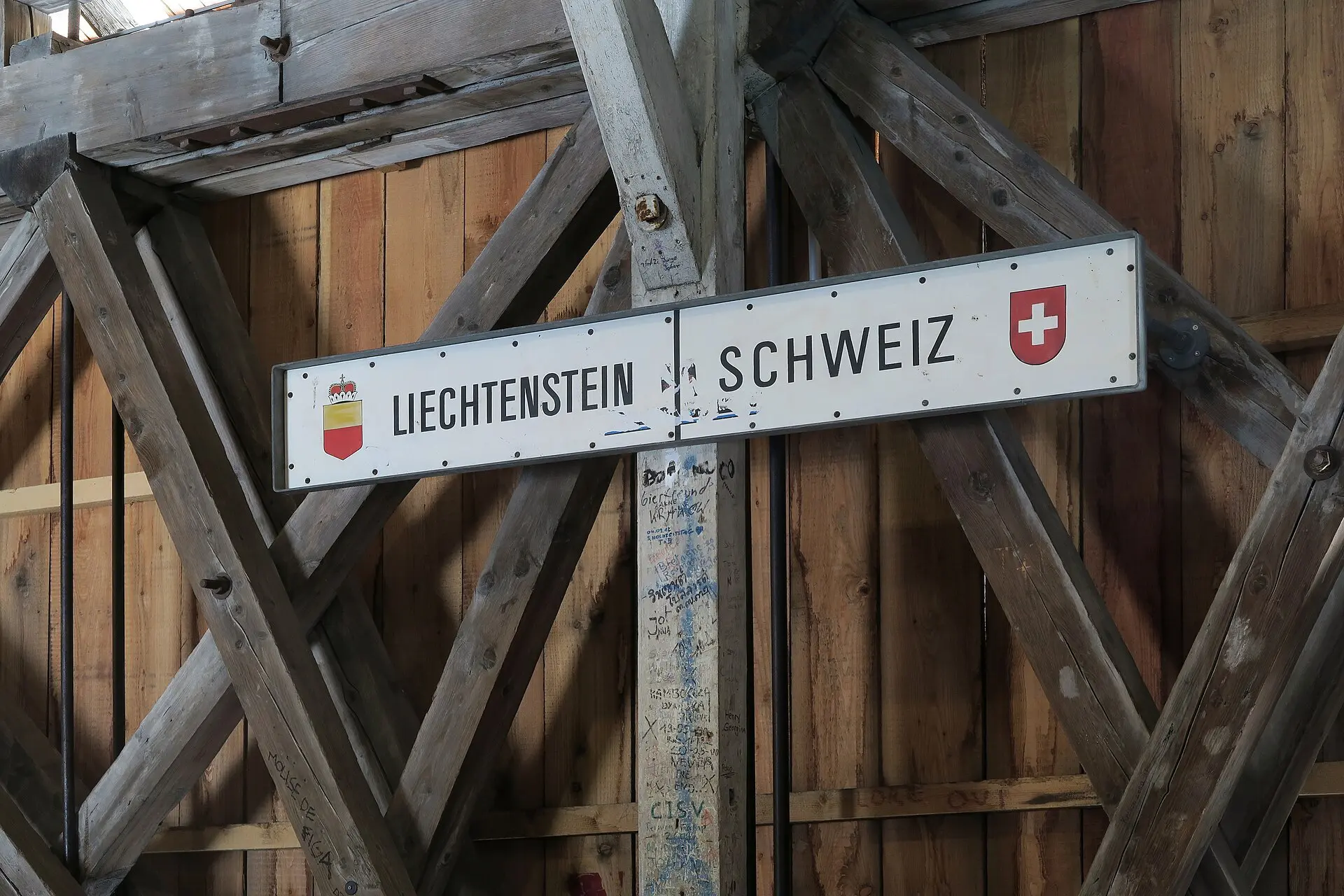
There is no airport and, normally, no border control when you arrive from Switzerland or Austria, but you must carry your passport, because spot checks and temporary controls can occur. A planned European travel authorisation system (ETIAS) is due to apply to visa-exempt travellers entering Schengen, with a start date that has moved several times, so check the official EU source for the current position.
The Schengen visa you hold for Liechtenstein is usually applied for through the Swiss or Austrian embassy network, as Liechtenstein has few embassies of its own. Confirm the process for your passport with the official Liechtenstein or Swiss immigration authorities before booking.
Getting to and around Liechtenstein
Liechtenstein has no commercial airport and no international passenger trains of its own, so you arrive by road or from a neighbouring station. The closest major airport is Zurich, around 1.5 hours away by train and bus, with St. Gallen-Altenrhein and Friedrichshafen as smaller options.
The usual route by rail is to a nearby Swiss station such as Sargans, or an Austrian one such as Feldkirch, and then take a local bus. A short train line crosses the north of the country, but most visitors use the bus network, which links Vaduz, Schaan, Balzers, Triesenberg, Malbun and the Austrian border. Buses are frequent on the main valley route and less so to high villages, and timetables thin out on Sundays and evenings. Swiss rail passes may not cover the bus fares, so check the conditions of your pass.
Distances are tiny: Vaduz to Schaan is about ten minutes by bus, and Vaduz to Malbun about 30 to 40 minutes. Cycling is easy on the Rhine valley paths, and electric bikes can be rented in towns. If you drive, rules are as in Switzerland, with right-hand traffic and strict speed limits.
How much does a trip to Liechtenstein cost?
Liechtenstein is expensive, because it uses the Swiss franc (CHF) and prices are on a par with Switzerland. Figures below are rough per-person guides for the 2026 season and change with the exchange rate.
- Budget: around CHF 100 to 150 per day, using hostel beds (Schaan has one), supermarket meals, buses and free walks.
- Mid-range: around CHF 150 to 250 per day, with a three-star hotel, restaurant lunch or dinner, and museum entry.
- High-end: from around CHF 350 per day, with a four- or five-star hotel in Vaduz and fine dining.
Accommodation is the main cost, and rooms are limited, so many visitors stay across the border in Switzerland or Austria and visit for the day. A restaurant main course typically costs CHF 25 to 45. Free sights include many walking trails and the Postage Stamp Museum, while the Kunstmuseum and National Museum charge modest admission. Hiking and cycling cost almost nothing once you are on the trail.
Liechtenstein food and drink
Liechtenstein food is Alpine and Alemannic, similar to eastern Switzerland and Vorarlberg: filling, cheesy and based on dairy, maize and potatoes. Restaurants range from simple inns to fine dining, and prices are high.
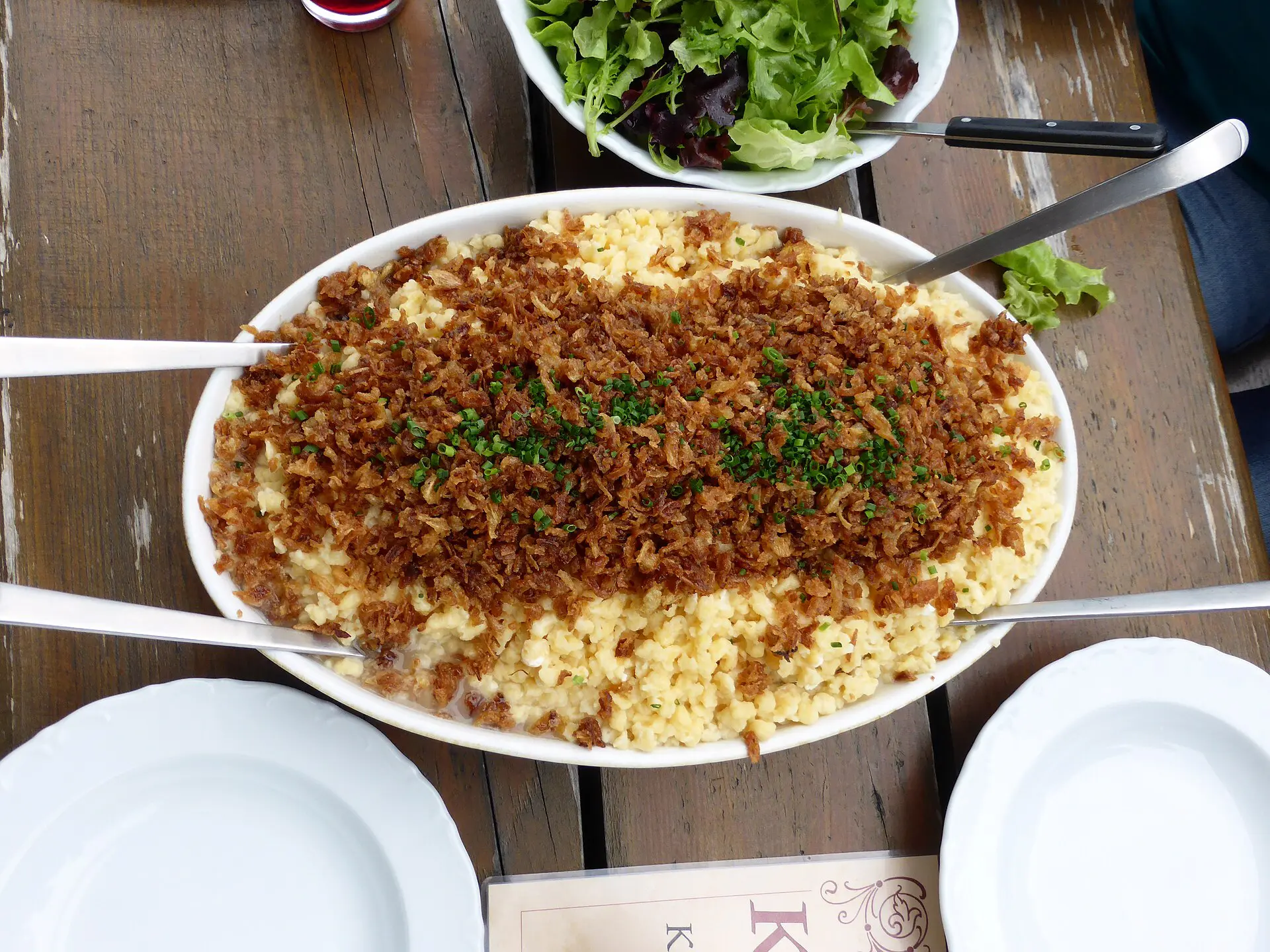
- Käsknöpfle: small cheese dumplings, similar to Spätzle, served with fried onions and often apple sauce. It is the dish most visitors try first.
- Riebel: a rustic dish of coarse maize semolina, fried or baked and eaten with coffee, milk or stewed fruit.
- Sauerkraut and sausage plates: hearty inn dishes found in traditional restaurants, often with potatoes.
- Alpine cheese: Bergkäse from mountain pastures, sold in village shops and dairies.
- Schnitzel and sausages: a standard menu item, often with rösti or fries.
- Apple cake and Alpine desserts: found in cafés and bakeries.
- Wine: Pinot Noir (Blauburgunder), Chardonnay and Müller-Thurgau from the Rhine valley slopes, including the prince’s winery near Vaduz.
Vegetarians can eat well on cheese and potato dishes, though vegan options are limited outside Vaduz. Many cafés close early in the evening, so check opening times, and lunch menus are often better value than dinner.
Culture, language and etiquette in Liechtenstein
German is the official language, but the everyday spoken language is an Alemannic dialect close to Swiss German, which can be hard to follow even for German speakers. Almost everyone also speaks standard German, and English is widely understood in tourist services. Useful greetings are Grüezi (hello) and Danke (thank you).
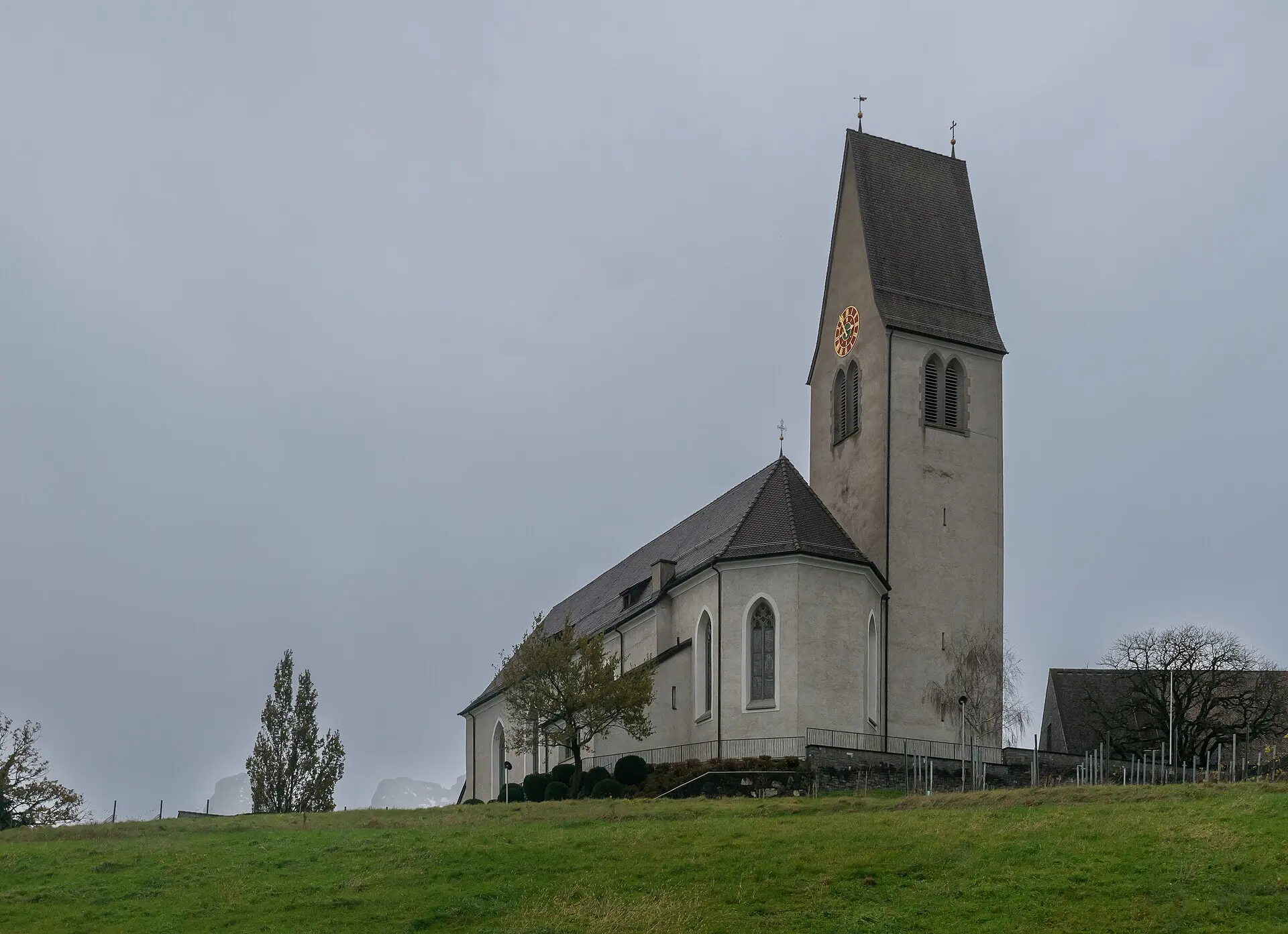
Liechtenstein is a constitutional monarchy in which the prince holds more power than most European monarchs, though the constitution allows the people to vote the monarchy out. Residents are proud of their neutrality and of a history with no wars in modern times. Most people are Catholic, and church bells ring on Sundays.
Manners are formal and punctual: greet shopkeepers on entering, shake hands when you meet someone, and keep noise low in the evening, since many Swiss-style quiet hours apply, especially on Sundays when many shops close. Stay on marked trails, close gates on pasture land and take your rubbish with you. Photography is fine, but the castle above Vaduz is a private home, so do not enter the grounds beyond the signed boundary.
Liechtenstein itinerary: a 7-day route
Liechtenstein can be seen in three days, so this route uses seven days as a relaxed base with day trips into Switzerland and Austria. All transport is by bus, train or on foot.
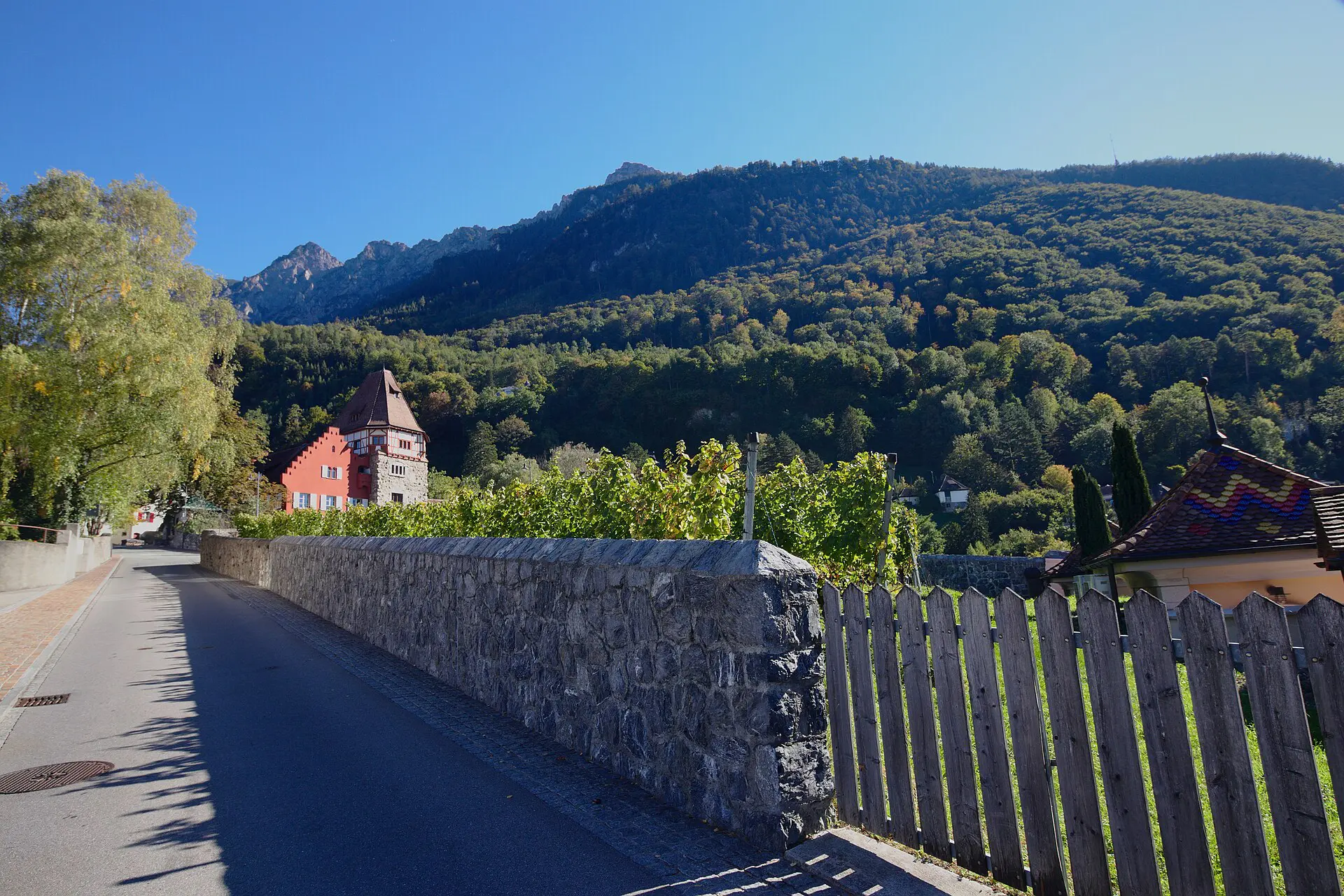
- Day 1, Vaduz: arrive from Zurich or Sargans, walk the centre and visit the Kunstmuseum Liechtenstein.
- Day 2, Vaduz and wine: see the National Museum and Postage Stamp Museum, then take a vineyard walk with a tasting.
- Day 3, Balzers: take the bus south and climb to Gutenberg Castle, returning for dinner in Triesen or Vaduz.
- Day 4, Malbun: bus up to the resort and hike a ridge in summer, or ski and snowshoe in winter.
- Day 5, Triesenberg: visit the Walser museum, then walk the village trail with views over the valley.
- Day 6, Schaan and Bendern: cycle along the Rhine dyke and see the hilltop church, plus a market if it is running.
- Day 7, day trip: go to Feldkirch in Austria or the St. Gallen region in Switzerland before returning to Zurich.
With less time, combine days 1 to 2 and 4 to 5. In bad weather, swap the ridge walk for a museum day and a long lunch.
Practical tips for Liechtenstein
- Money: the Swiss franc is the currency; cards are accepted almost everywhere, and ATMs are common. Euros are sometimes accepted but at a poor rate.
- SIM and eSIM: EU roaming does not automatically cover Liechtenstein, so check your plan or buy a Swiss or regional eSIM.
- Plugs: types C and J at 230 V, as in Switzerland.
- Tipping: service is included, but rounding up or leaving a few francs for good service is normal.
- Health: bring insurance with mountain rescue cover, sunscreen and tick protection for summer hikes.
- Packing: waterproof jacket, hiking boots, warm layers for evenings and a day pack with water.
- Opening hours: shops often close on Sundays and early on Saturdays, and some museums close on Mondays.
- Calling: the country code is +423.
For heritage context, see the UNESCO page for Liechtenstein, though the country has no World Heritage property of its own at the time of writing.
FAQ
Q1What are the best things to do in Liechtenstein?
Walk the Liechtenstein Trail, visit the Kunstmuseum and National Museum in Vaduz, climb to Gutenberg Castle in Balzers, hike from Malbun in summer or ski there in winter, taste local wine and cycle the Rhine dyke. Most are reachable by bus.
Q2What is Liechtenstein food like?
Liechtenstein food is Alpine and cheese-based. Try Käsknöpfle (cheese dumplings with onions), Riebel (maize semolina), Alpine cheese and local Pinot Noir wine. Portions are filling and prices are Swiss-level. Vegetarians can eat well, but vegan choices are limited outside Vaduz.
Q3Do I need a visa for Liechtenstein?
It depends on your nationality, because Liechtenstein follows the Schengen rules. EU, EEA and Swiss citizens need only ID, and many other nationalities can visit visa-free for up to 90 days in 180. Others need a Schengen visa. Confirm with official sources before booking.
Q4Is Liechtenstein safe?
Yes. Liechtenstein has very low crime, and the main risks are mountain weather, ice and falls on hiking trails. Take insurance with mountain rescue cover, start walks early and check your government's travel advice before you go.
Q5When is the best time to visit Liechtenstein?
June to September is best for hiking and sightseeing, with long days and open mountain paths. December to March suits skiing at Malbun. Spring is quiet but wet, and autumn is clear with good prices and colourful foliage.
Q6What are the best places to visit in Liechtenstein?
Vaduz for museums and the castle view, Balzers for Gutenberg Castle, Triesenberg for Walser heritage and valley views, and Malbun for mountains and skiing. Schaan and Bendern suit cycling and quieter lowland walks.
Q7How many days do you need in Liechtenstein?
One full day covers Vaduz and one castle walk, and two to three days allow a mountain hike and a museum day. Many visitors stay in Switzerland or Austria and visit for the day, because accommodation in the country is limited and costly.