Why visit Belgium
The best things to do in Belgium sit close together, which is the country’s main strength. Belgium covers only about 30,700 square kilometres, yet it holds medieval Bruges, Gothic Ghent, Flemish art in Antwerp, the headquarters of the European Union in Brussels and the forested hills of the Ardennes in the south. The Wikipedia overview describes a federal country of more than 11.8 million people with three regions and three official languages: Dutch, French and German.
Belgium is ideal for city breaks, food and drink trips and travellers who like to base themselves in one town and use trains. It is less suited to travellers seeking beach holidays or wilderness, although the North Sea coast and the Ardennes offer both in modest form. Its weather is unpredictable, prices are not low and its politics can be confusing, but the density of art, history and good eating is hard to match for a short trip.
Best places to visit in Belgium
The best places to visit in Belgium are the historic cities of Flanders and Brussels, with the Ardennes and Wallonia as a quieter contrast.
Brussels
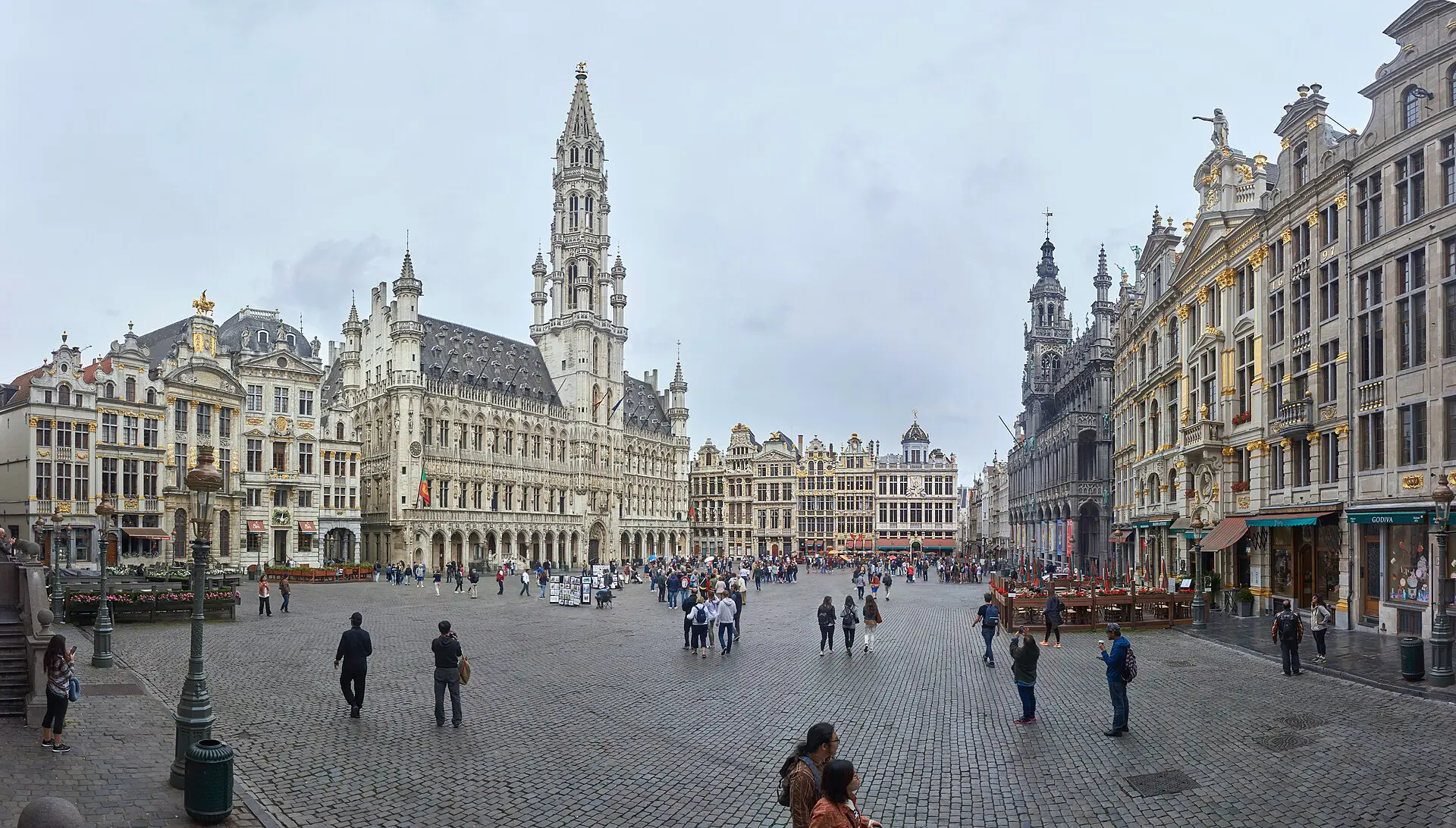
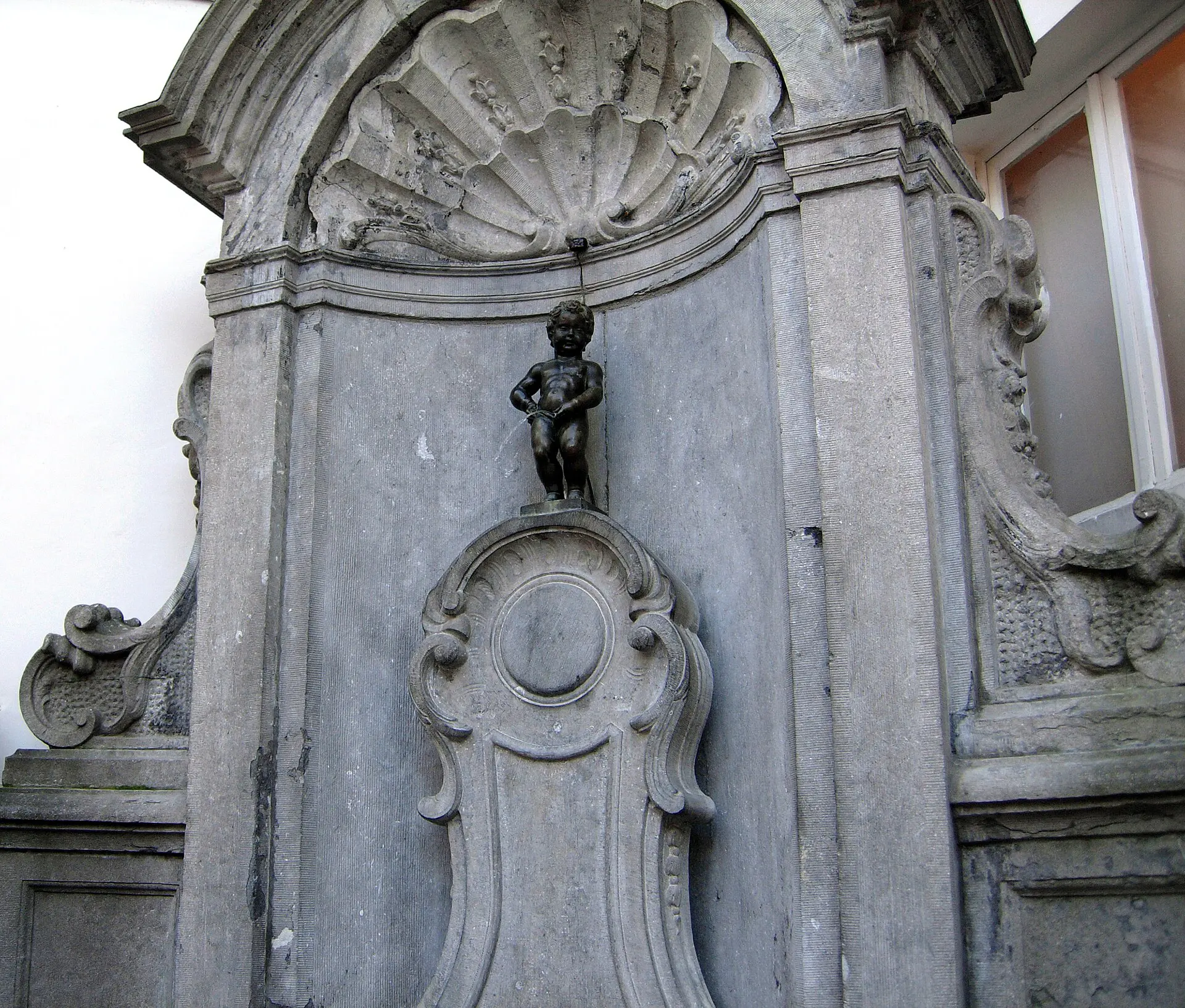
The capital is known for the Grand-Place, comics murals, Art Nouveau houses and EU institutions. Museums include the Royal Museums of Fine Arts and the Magritte Museum. Allow two days, and stay in the centre to walk everywhere.
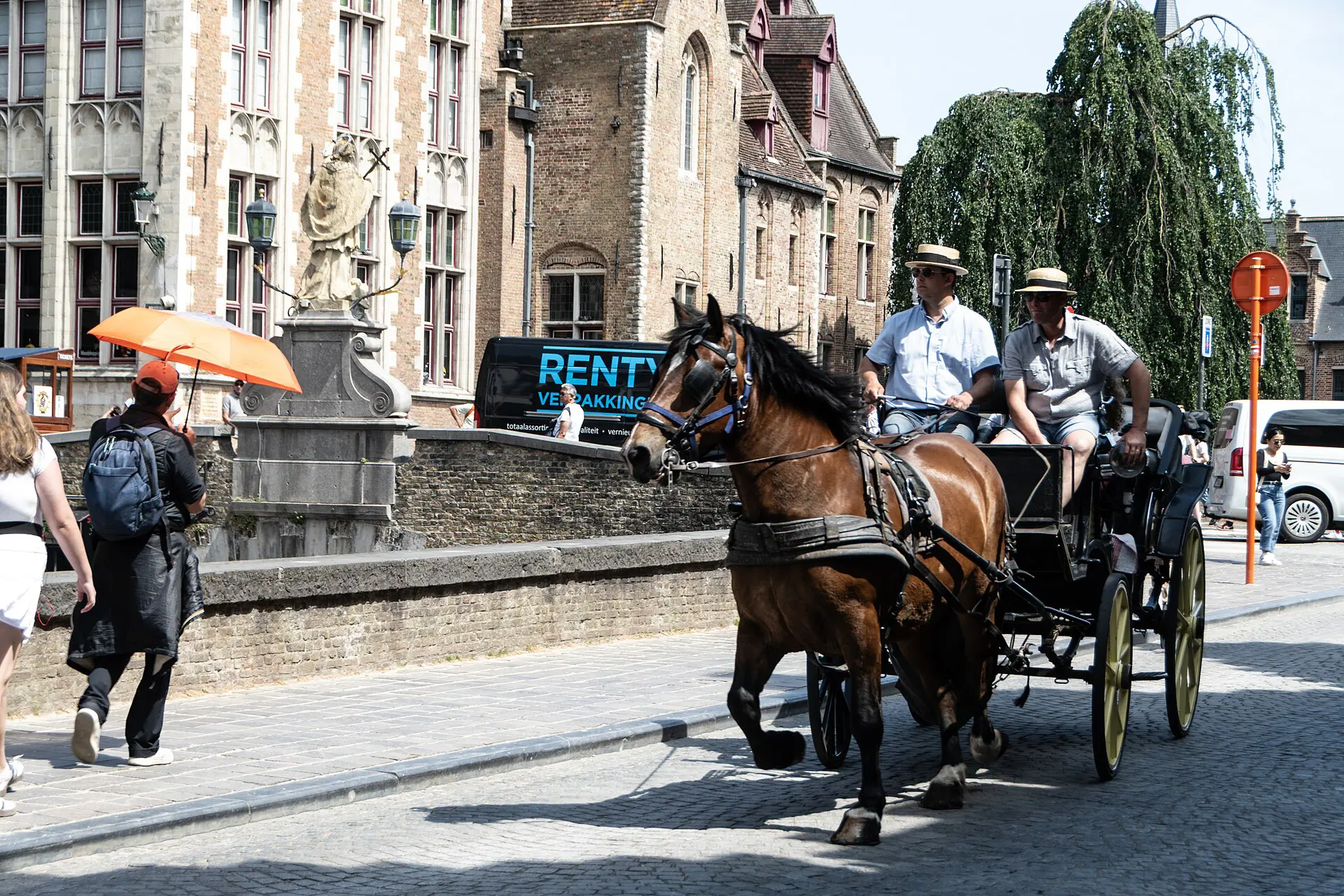
Bruges
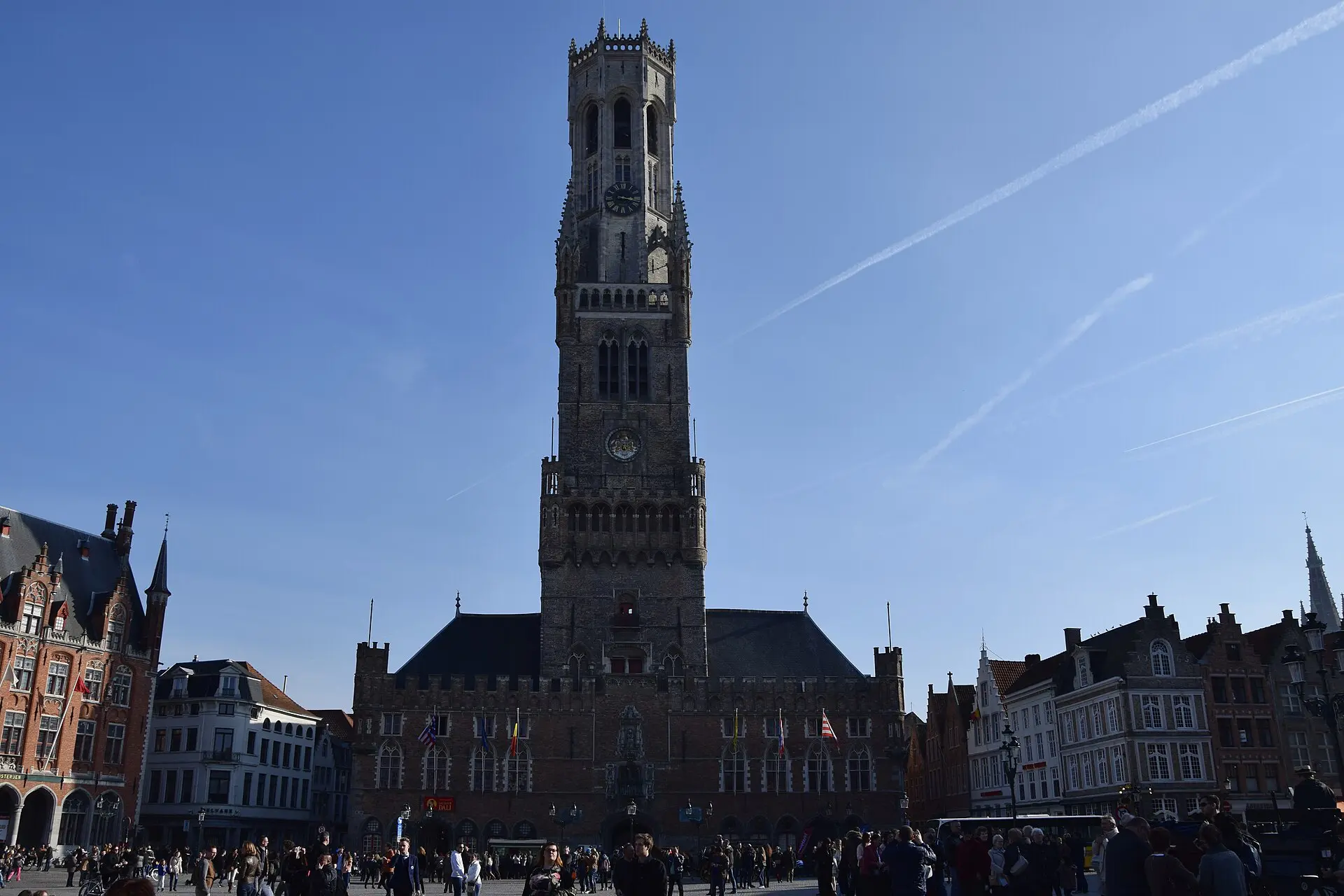
Bruges is a UNESCO-listed medieval centre of canals, lanes and brick houses. It is very busy in the daytime, so stay overnight and walk early or in the evening. The Belfry and the Markt are the main landmarks.
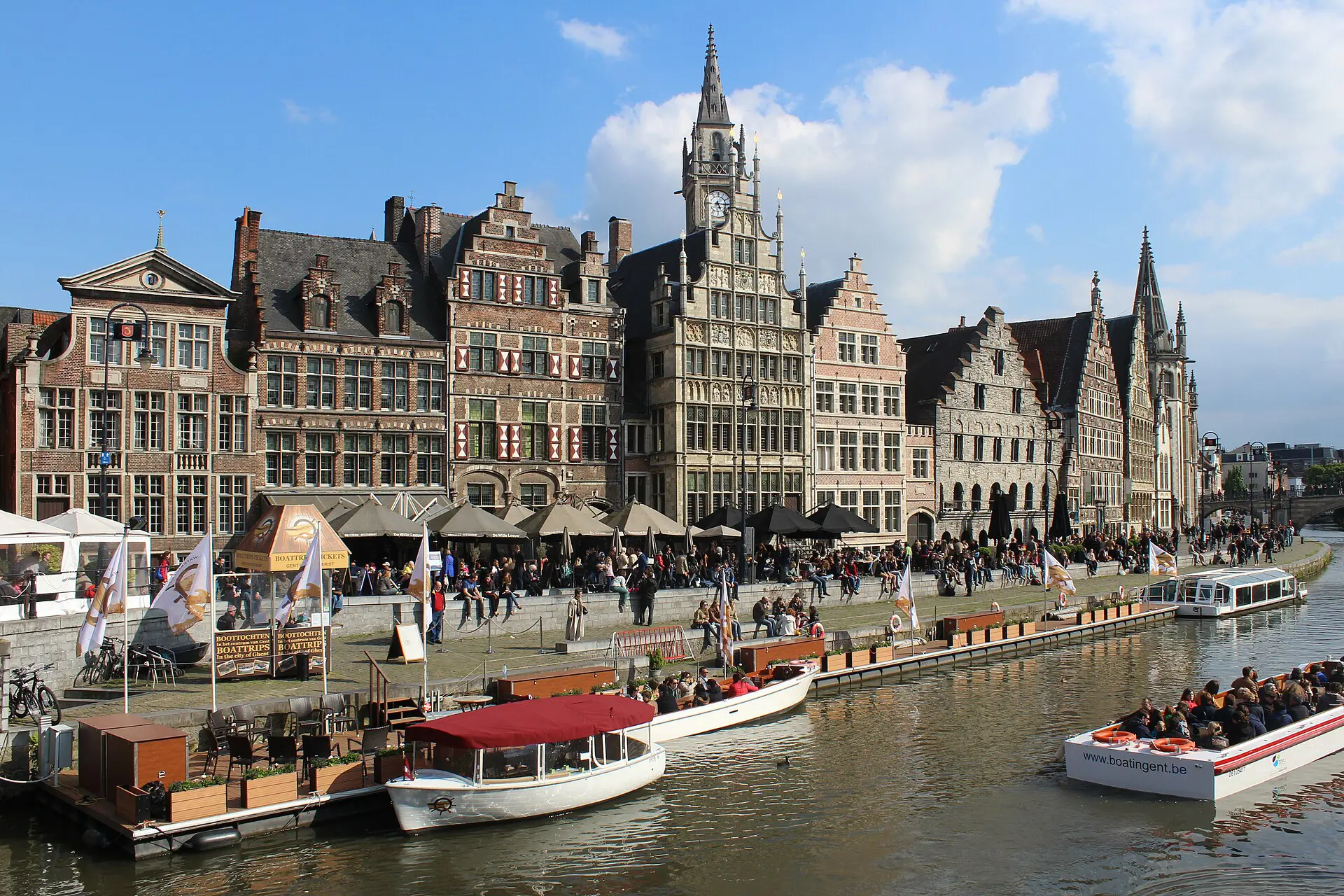
Ghent
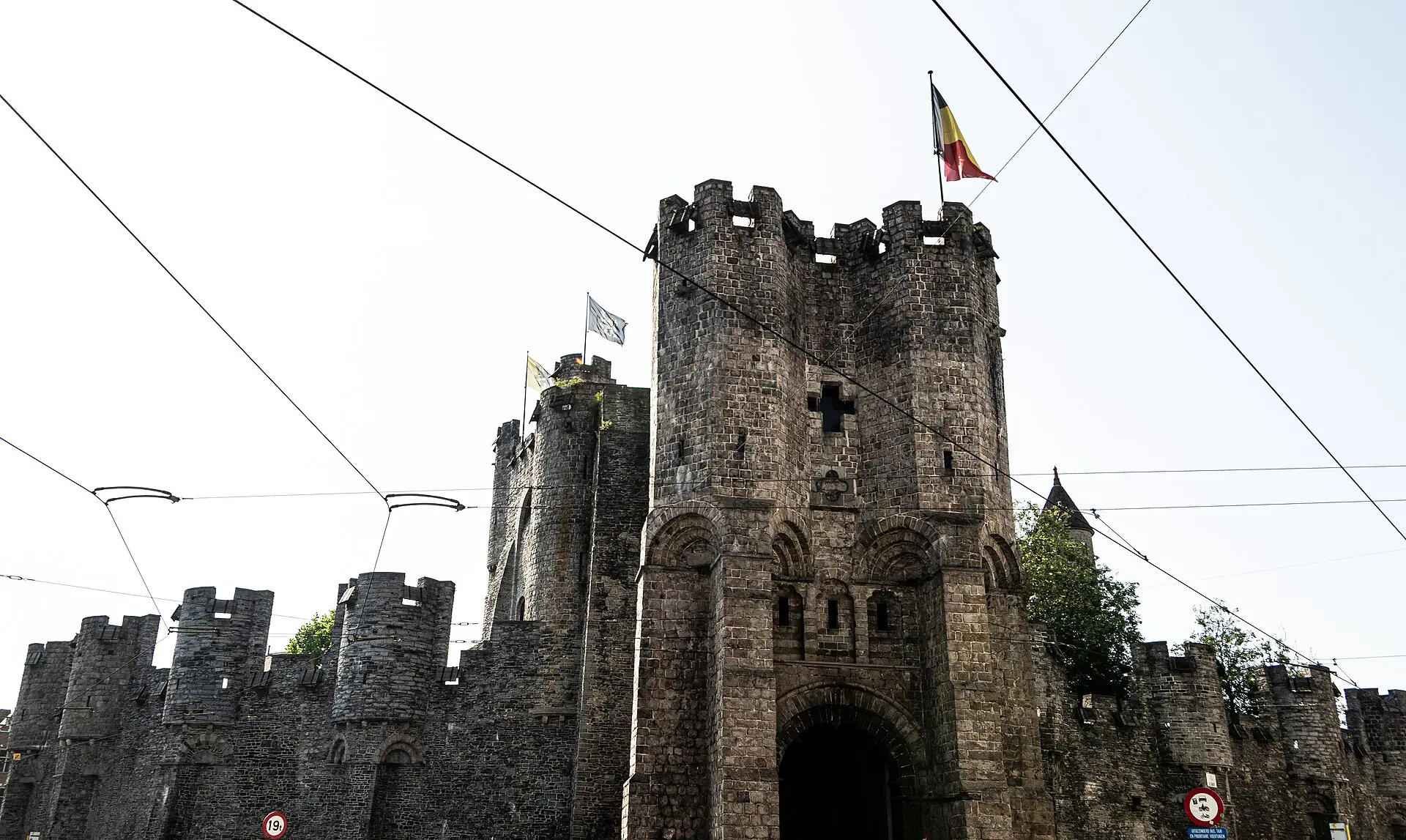
Ghent combines a medieval skyline, a castle, canals and a large student population. It is a mixture of Antwerp and Bruges, and it feels more lived-in than Bruges. Its main draw is the Van Eyck altarpiece in St Bavo’s Cathedral.
Antwerp
Antwerp has a huge cathedral, Rubens heritage, fashion boutiques and a grand railway station. The diamond district and the Port House are other draws.
Leuven, Mechelen and Namur
Smaller cities such as Leuven, Mechelen and Namur give a calmer experience, with historic centres and fewer tourists.
The Ardennes
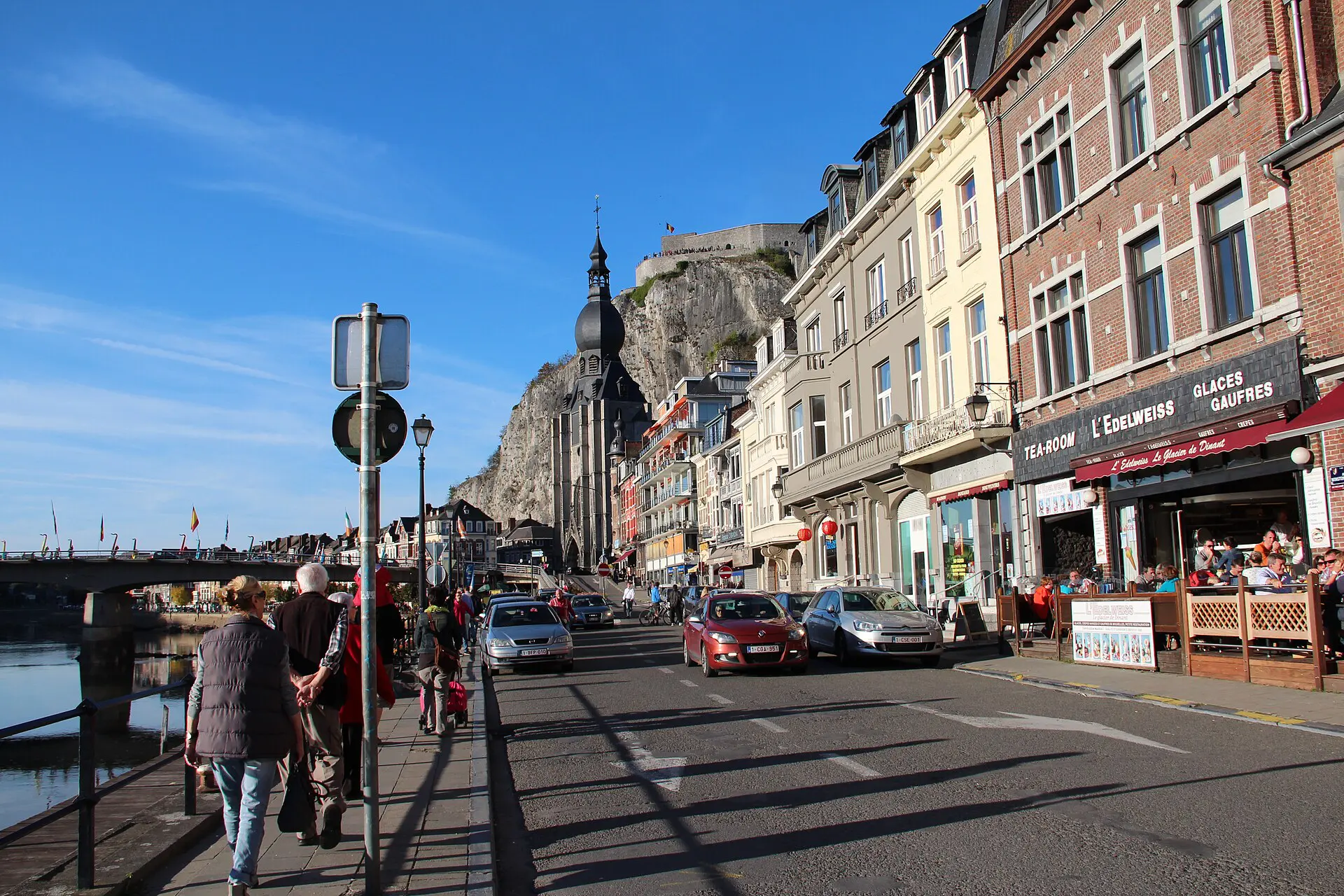
Wooded valleys, castles and river towns such as Dinant and La Roche offer hiking and kayaking.
Top things to do in Belgium
The top things to do in Belgium mix art, architecture, food and gentle outdoor activity, and most can be done by train from Brussels.
- See the Grand-Place: visit this square at night, when the guild houses are lit, and early morning for quiet.
- Take a canal boat in Bruges: a 30-minute tour shows the old town from the water.
- Climb the Belfry of Bruges: 366 steps lead to views across the old town.
- View the Ghent Altarpiece: Van Eyck’s masterpiece is in St Bavo’s Cathedral.
- Visit Gravensteen: Ghent’s medieval castle is intact and has a small museum.
- Admire Antwerp Central Station: often called one of the world’s most beautiful railway stations.
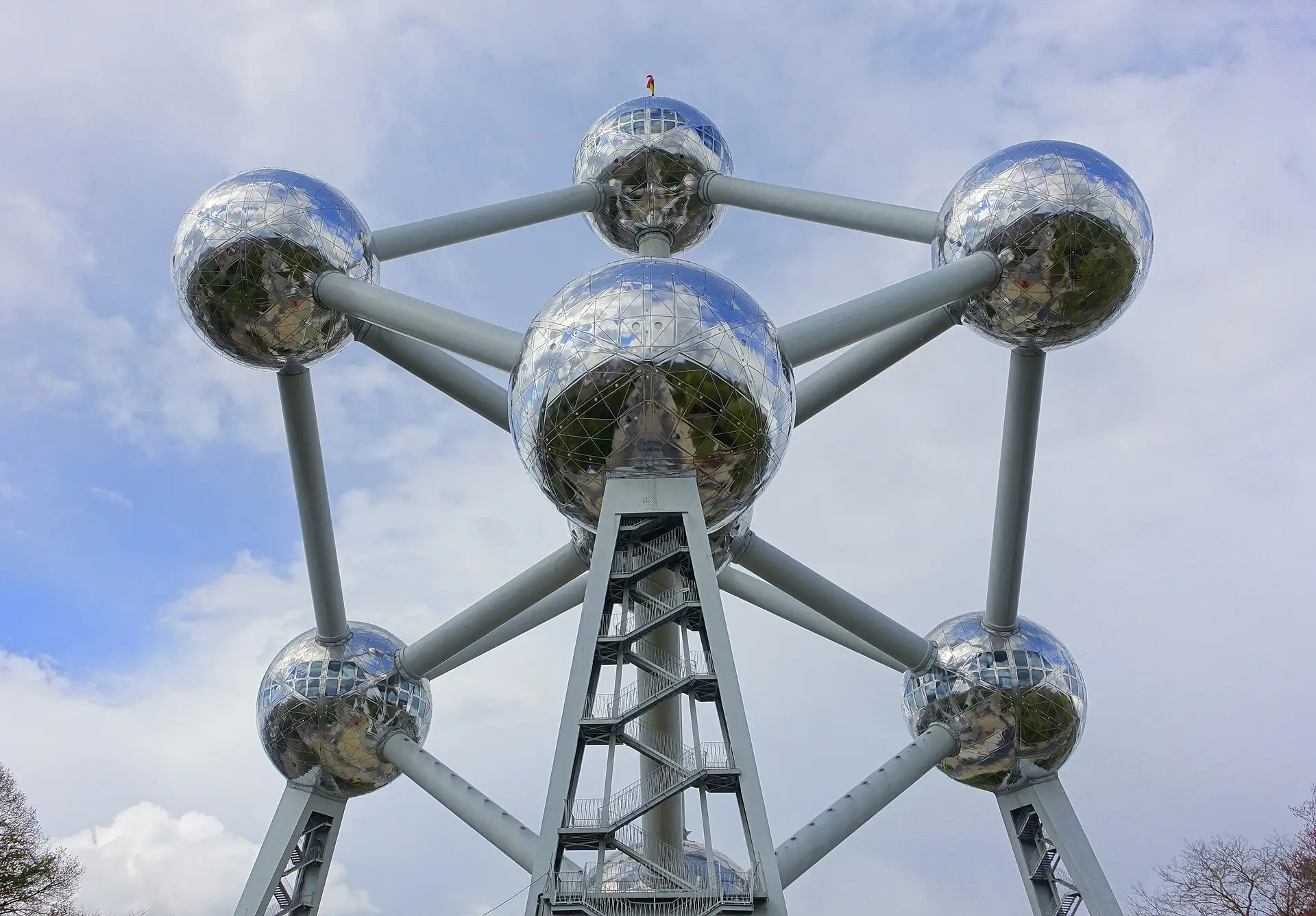
- Go up the Atomium: the steel model of an iron crystal in Brussels has exhibitions and a view.
- Tour a brewery: visit a Trappist or city brewery for a tasting, such as in Bruges or Brussels.
- Hike or kayak in the Ardennes: the Lesse valley near Dinant is a popular route.
- Visit Flanders Fields: Ypres and the museum there commemorate World War I.
- Taste Belgian chocolate: workshops and family shops in Brussels and Bruges offer tastings.
Best time to visit Belgium
The best time to visit Belgium is May to September, when days are long, terraces are open and temperatures are usually 18 to 25 C. Spring and early autumn offer fewer crowds and softer light, although rain is possible at any time of year. Winters are cold and grey, but Christmas markets in December are a draw.
| Season | Weather | Crowds and prices | Good for |
|---|---|---|---|
| Spring (Mar-May) | Cool to mild, showers | Moderate; busy at Easter | Cities, tulip and garden visits |
| Summer (Jun-Aug) | Mild to warm, some rain | Highest, especially Bruges | Festivals, Ardennes, coast |
| Autumn (Sep-Nov) | Cool, increasingly wet | Falling | Beer, food, museums |
| Winter (Dec-Feb) | Cold, grey, occasional snow | Low, except Christmas | Christmas markets, museums, cafés |
Bring a rain jacket in any season. The Flower Carpet in Brussels’ Grand-Place is held in some even years in August, and Ghent’s festival is in July, so check dates when planning.
Is Belgium safe to visit?
Is Belgium safe? Yes, it is a safe country for most visitors, and violent crime against tourists is rare. The most common problem is pickpocketing and bag snatching in crowded places such as Brussels’ Midi and Central stations, metro lines, the Grand-Place and Bruges in high season. Check your government’s current travel advice, such as the UK FCDO or the US State Department, before you go.
Theft. Keep phones and wallets in front pockets, watch bags on trains and café terraces, and do not leave luggage in unattended cars.
Brussels at night. Some districts around Gare du Midi and parts of the north of the city have a worse reputation, and some neighbourhoods have seen shootings linked to drug gangs. Use main streets late at night and take licensed taxis.
Terrorism. The national threat level has been raised at times. Follow local news and instructions from police.
Weather and health. Weather is mild, but heavy rain can disrupt travel. Tap water is safe to drink, and EU health card holders can access state care. Buy insurance if you are not covered.
Belgium visa and entry requirements
Belgium is in the Schengen Area, so entry rules follow the common Schengen system. Citizens of the EU and many other countries, including the UK and the US, can generally enter for tourism without a visa for up to 90 days in any 180-day period, while others need a Schengen visa from a Belgian embassy or consulate. Confirm the rule for your passport with the Belgian Foreign Affairs ministry or the EU’s official travel pages.
The EU has been introducing the Entry/Exit System and a pre-travel authorisation called ETIAS for visa-exempt visitors, and the start dates have moved. Check the current position before you travel, as additional steps may apply. Your passport should usually be valid for at least three months beyond your departure date, and issued within the last ten years.
Carry proof of accommodation, onward travel and sufficient funds, as border officials may ask. Since Belgium has no passport checks within Schengen, you should still carry ID when travelling on from Belgium to the Netherlands, Germany, France or Luxembourg, as spot checks happen. The UNESCO page for Belgium lists the country’s heritage sites, but not entry rules.
Getting to and around Belgium
Brussels Airport is the main gateway, with a rail link to the city in about 20 minutes. Brussels South Charleroi Airport serves budget airlines, with a shuttle bus to the centre in around an hour. Eurostar and Thalys-style high-speed services connect Brussels with London, Paris, Amsterdam and Cologne, and Antwerp and Liège also have international connections.
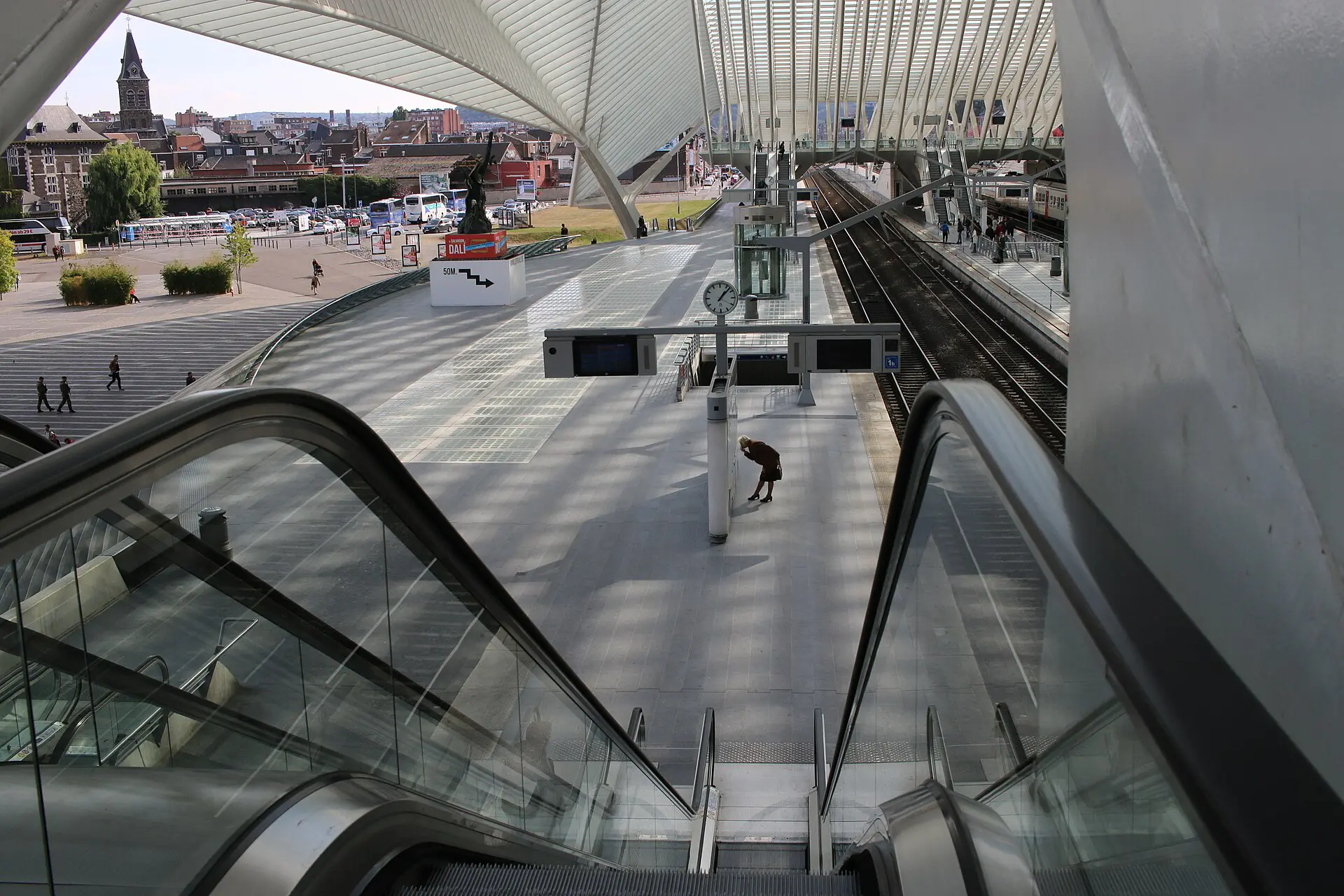
Getting around Belgium is easy by train. The national operator, SNCB, runs frequent services between cities: Brussels to Bruges takes around an hour, Brussels to Ghent about 35 to 45 minutes, Brussels to Antwerp around 35 and Brussels to Liège roughly an hour. Tickets can be bought on the app or at stations, and multi-ride passes are good value. Bruges and Ghent are walkable, and Brussels has a metro, tram and bus network. Bicycles are widely used in Flanders.
Driving is on the right and needed mainly for the Ardennes and smaller towns. Low-emission zones apply in Brussels, Antwerp and Ghent, so check registration for foreign cars. Parking in old towns is limited and costly.
How much does a trip to Belgium cost?
Belgium uses the euro (EUR) and is more expensive than Southern or Eastern Europe, though cheaper than Switzerland or Scandinavia. These figures are rough 2026 guides per person per day, and prices peak in summer and around Christmas in Bruges.
- Budget: around EUR 60 to 90 per day, with hostels, supermarket food, frites and rail passes.
- Mid-range: around EUR 100 to 180 per day, with a three-star hotel, restaurant meals, museum entry and train travel.
- High-end: from around EUR 250 per day, with boutique hotels, fine dining and private tours.
Accommodation is the biggest cost, and Bruges is more expensive than Ghent or Antwerp. Brussels hotels can be cheaper at weekends, because business travel drives midweek rates. A beer costs a few euros, frites are cheap, and a restaurant main course often costs EUR 18 to 30. Museum passes such as the Brussels Card or Bruges City Card can reduce costs if you plan several visits. Tipping is optional, and cards are accepted almost everywhere.
Belgium food and drink
Belgium food is famous for frites, chocolate, waffles and beer, but the cuisine is broader and often hearty. Cooking draws on French technique and Flemish portions, and restaurants range from simple brasseries to Michelin-starred rooms.
- Frites: twice-fried potatoes served in a paper cone with mayonnaise from a frietkot, or with mussels.
- Moules-frites: mussels in white wine or cream with fries, typically eaten from September to April.
- Carbonnade flamande: beef slowly stewed in beer, a classic Flemish dish.
- Waterzooi: a creamy chicken or fish stew from Ghent.
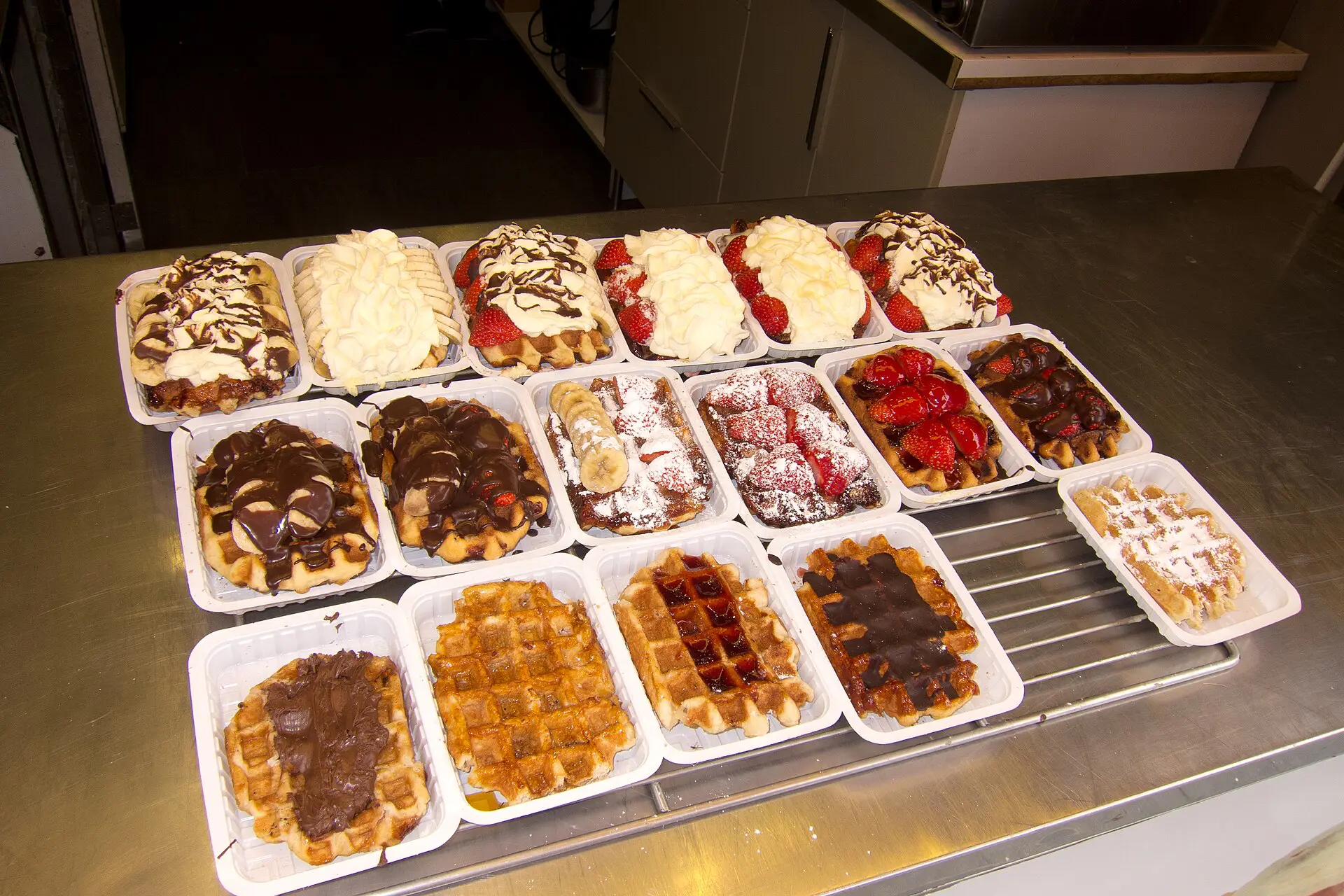
- Waffles: light Brussels waffles and denser, caramelised Liège waffles.
- Chocolate and pralines: made by small chocolatiers in Brussels, Bruges and Antwerp.
- Beer: hundreds of styles, including Trappist ales, lambics, saisons and fruit beers.
Vegetarians can eat well in cities, with vegetarian dishes more common in Ghent, which promotes a weekly veggie day. Try beers in a local café, and note that strong beers can be 8 to 10 percent alcohol.
Culture, language and etiquette in Belgium
Belgium has three official languages: Dutch in Flanders in the north, French in Wallonia in the south and German in a small eastern area. Brussels is officially bilingual in French and Dutch, though French dominates daily life. English is widely spoken, particularly in Flanders and tourist areas, but greeting people in the local language is appreciated.
The Flemish and Walloon communities have different identities and politics, and Belgians can be sensitive about being treated as one group, so avoid commenting on the divide. Politeness matters: say bonjour or goedendag when entering a shop, and expect a handshake at introductions, with cheek kisses among friends in the French-speaking parts.
Service is included in bills, and tipping is modest. Punctuality is expected for appointments, and dinner is often later than in northern Europe. Beer is a serious subject, so order the correct glass, and do not rush a tasting. The country remembers both world wars strongly, and respectful behaviour is expected at memorials, especially around Ypres and Bastogne. Sundays are quiet, with many shops closed outside tourist areas.
Belgium itinerary: a 7-day route
This route uses trains throughout and keeps each hop short, so you can unpack twice and still see the highlights.
- Day 1, Brussels: arrive, walk the Grand-Place and the Galeries Royales Saint-Hubert, and try frites.
- Day 2, Brussels: visit the Magritte Museum or the Royal Museums, then the Atomium or Cinquantenaire Park.
- Day 3, Mechelen and Antwerp: stop in Mechelen for the cathedral, then travel on to Antwerp, about 20 minutes further.
- Day 4, Antwerp: see the cathedral, the central station and the Rubens House, and visit the harbour area.
- Day 5, Ghent: travel about an hour, climb to Gravensteen, view the Altarpiece and walk the quays.
- Day 6, Bruges: go by train in around 25 minutes, climb the Belfry, take a boat tour and have an evening walk.
- Day 7, return: allow around an hour to Brussels and the airport, or take a morning excursion to Ypres.
With extra days, add the Ardennes at Dinant or Namur, or the North Sea coast at Ostend.
Practical tips for Belgium
- Money: the euro is the currency. Cards and contactless payments are accepted almost everywhere, though a few cafés and frietkots prefer cash.
- SIM and eSIM: EU roaming applies for EU SIMs, and prepaid SIMs and eSIMs are available for other travellers. Coverage is excellent.
- Plugs: types C and E at 230 V, as in France and Germany.
- Tipping: service is included, but rounding up or leaving a few euros for good service is common.
- Health: tap water is safe, pharmacies are plentiful and the emergency number across the EU is 112.
- Packing: a waterproof jacket, comfortable walking shoes for cobbles and layers, even in summer.
- Tickets: book popular attractions such as the Atomium or Gravensteen online, and reserve popular restaurants in Bruges and Brussels on weekends.
- Rail: weekend tickets and multi-ride cards are cheaper than single fares.
For wider background, see the Wikivoyage Belgium guide.
FAQ
Q1What are the best things to do in Belgium?
Top picks are the Grand-Place and museums in Brussels, a canal boat trip and Belfry climb in Bruges, the Ghent Altarpiece and Gravensteen castle, Antwerp's station and cathedral, a brewery tour, and hiking or kayaking in the Ardennes. Add frites, waffles and chocolate.
Q2What is Belgium food like?
Belgium food mixes French technique with Flemish portions. Try frites with mayonnaise, mussels with fries, beef carbonnade stewed in beer, Ghent waterzooi, Brussels and Liège waffles, pralines and a wide range of beers. Vegetarian choices are growing in the cities.
Q3What is the best time to visit Belgium?
May to September has the warmest, longest days, with June and September offering fewer crowds. December suits Christmas markets, and winter is cold and grey. Rain is possible all year, so pack a waterproof jacket and allow flexibility in your plans.
Q4What are the best places to visit in Belgium?
Brussels, Bruges, Ghent and Antwerp are the main stops, each reachable by train in about an hour from the capital. Smaller choices include Leuven, Mechelen and Namur, with Dinant and the Ardennes offering river valleys, castles and outdoor activities.
Q5Is Belgium safe?
Yes, Belgium is very safe for most visitors. The main issue is pickpocketing in busy places, especially around Brussels stations, the metro and tourist squares. Some Brussels districts have had gang-related shootings, and the terrorism threat level can rise, so check official advice before travelling.
Q6Do I need a visa for Belgium?
It depends on nationality. Citizens of the EU and many other countries can visit visa-free for up to 90 days in 180 under Schengen rules, while others need a Schengen visa. An online travel authorisation may also be required, so check official sources for your passport.
Q7How many days do you need in Belgium?
Seven days cover Brussels, Antwerp, Ghent and Bruges at a relaxed pace by train. A long weekend is enough for Brussels and Bruges, while ten days allows the Ardennes, Ypres and the coast. Stay overnight in Bruges to enjoy it after the day trippers leave.