Why visit Antwerp
If you are comparing things to do in Antwerp with other Belgian cities, the main difference is energy. Antwerp is the capital of the province of the same name in Flanders, with about 565,000 residents, the most populous municipality in Belgium. It lies on the river Scheldt, about 40 km north of Brussels and 15 km from the Dutch border.
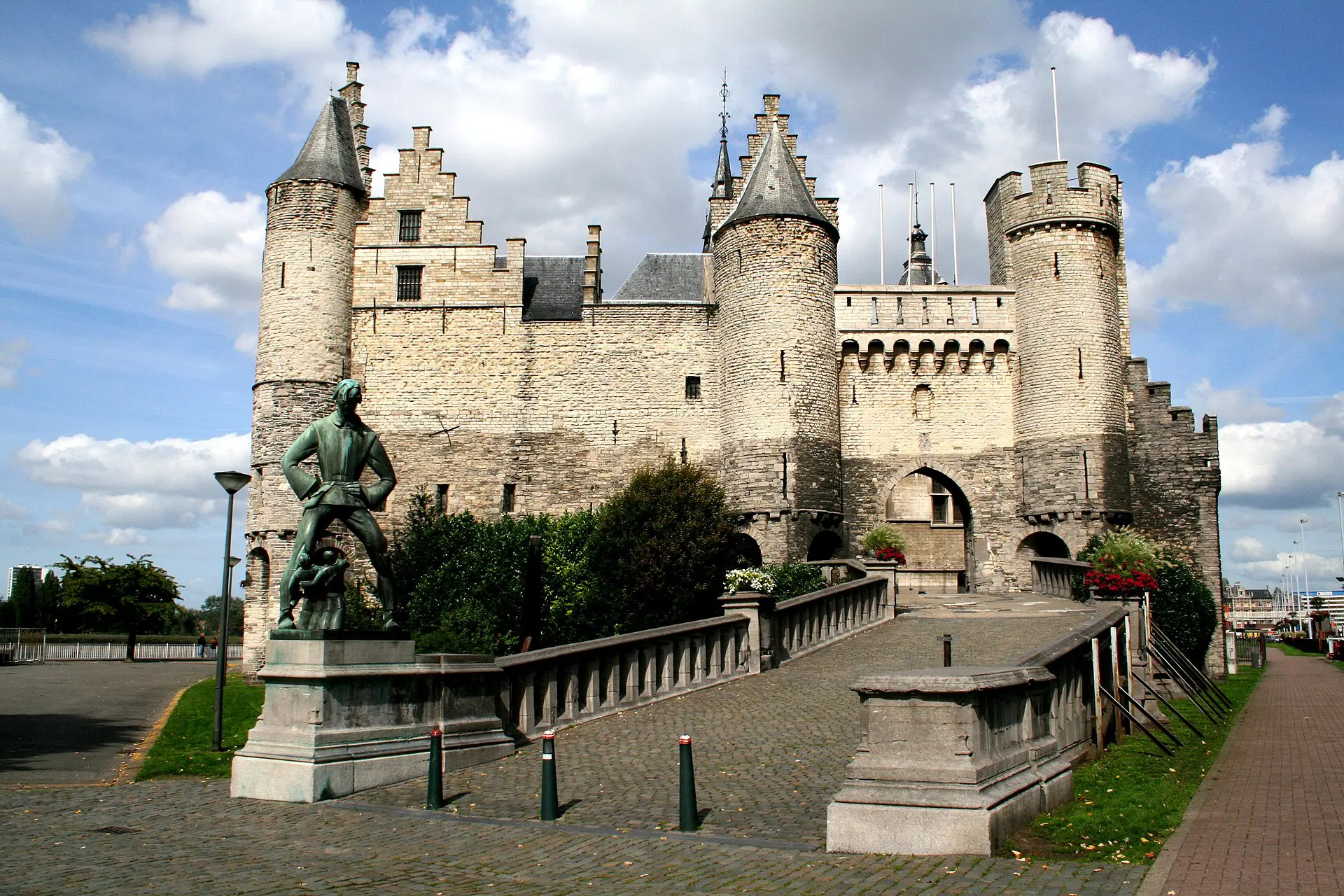
The city has been an important trading centre for centuries, and its port is one of the biggest in the world, second in Europe after Rotterdam. It is also known as the global hub of the diamond trade, and more than 70 percent of diamonds are traded here.
Unlike Bruges or Ghent, it is not a perfectly preserved medieval town. Instead it is a lively, creative city with trendy bars, shops, galleries and artists, and a strong appetite for good food. Historic buildings from different periods sit beside modern design, and the friendly locals make it easy to settle in.
Top things to do in Antwerp
Cathedral of Our Lady
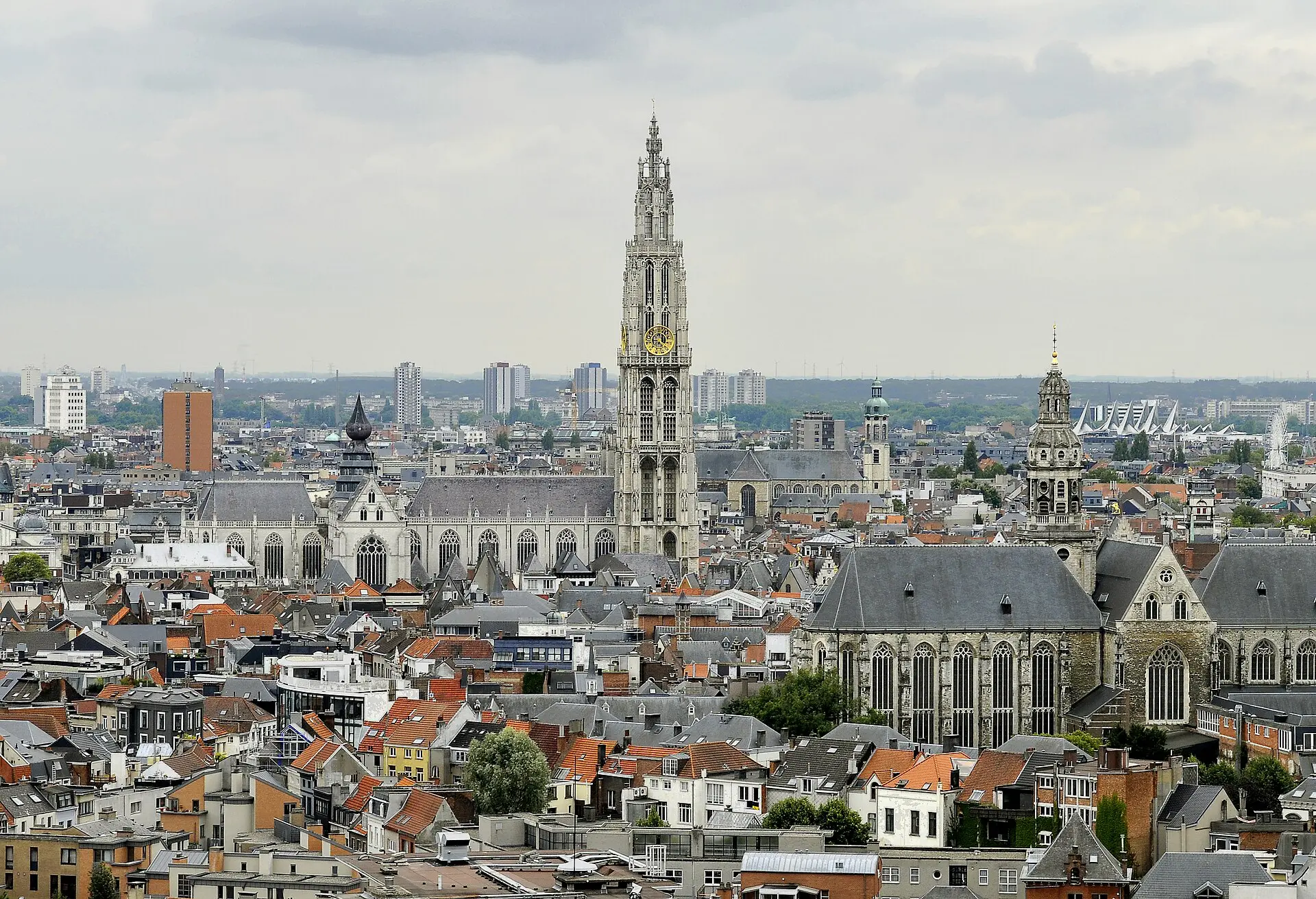
The Gothic cathedral dominates the old town skyline and holds major paintings by Rubens. Allow about an hour. Check the opening hours and ticket arrangements, which change for services and events, and look up at the tower from the surrounding squares.
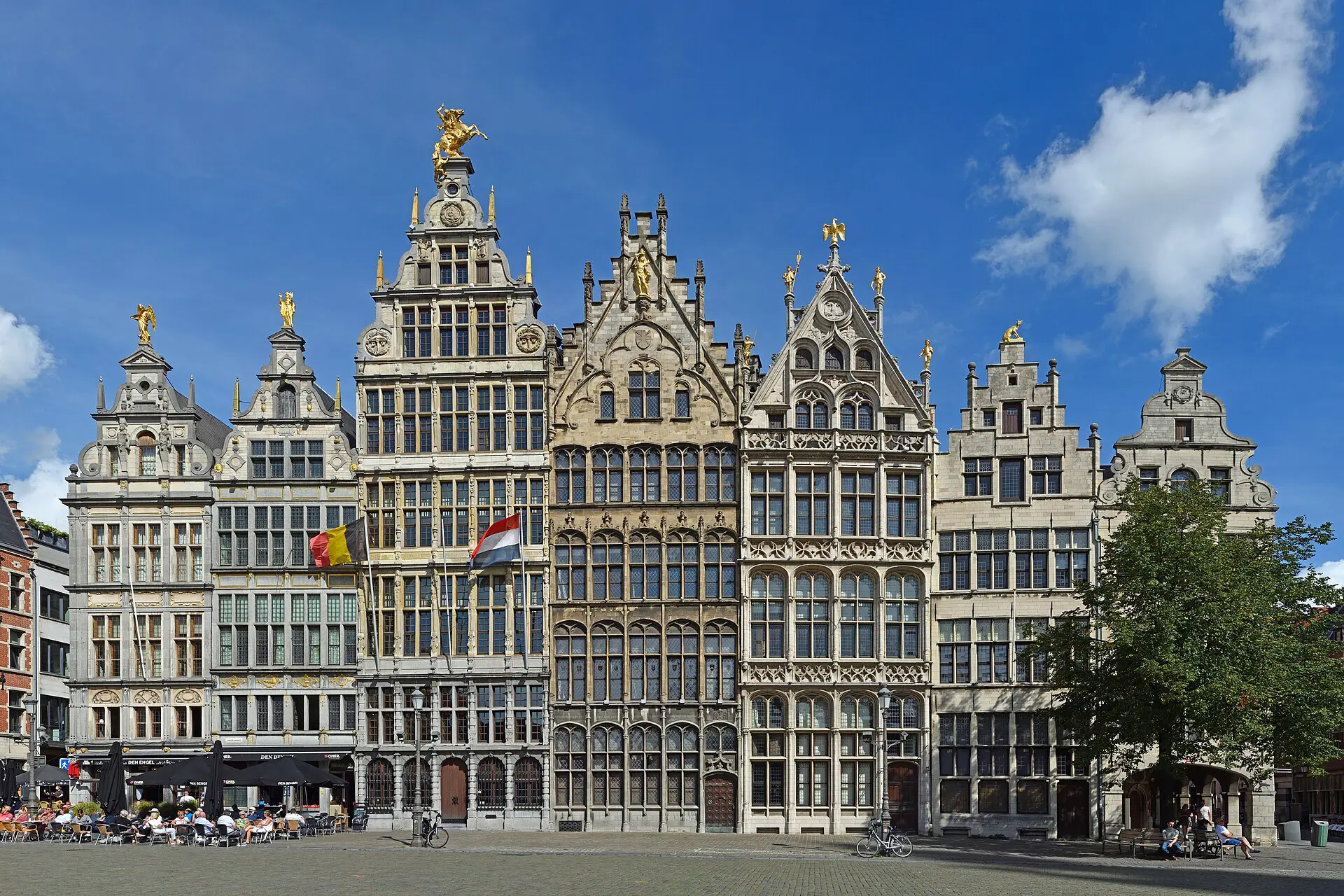
Grote Markt and the old town
The main square is lined with guild houses and the town hall, with a fountain in the middle. The lanes around it are a good place for a first walk. Allow one to two hours, and visit in the early morning for quiet photographs.
Rubens House
The home and studio of the painter Peter Paul Rubens is now a museum, giving a sense of how an artist lived and worked in the city. Allow one to two hours. Check opening days and consider booking tickets in advance in busy months.
Diamond district
The area near the central station is the heart of the global diamond trade, with a dense cluster of dealers and shops. It is a place to observe rather than buy casually. Allow an hour, and avoid pressure sales by shopping only at established, well-reviewed stores.
Museums
Antwerp has museums for fine art, fashion, photography and the port, plus the riverside MAS museum with a viewing terrace. Allow two hours per museum. Check current opening times and exhibitions, and note that some museums close on Mondays.
Fashion and shopping streets
The city has a strong fashion reputation, with designer boutiques, vintage shops and department stores in the central streets and the area around Nationalestraat. Allow a few hours. Many shops close on Sundays, so check opening hours.
Waterfront and the Scheldt
A walk along the river gives views of the port, old fortifications and modern architecture. It works well at sunset. Allow an hour, and bring a layer, since the wind can be cool even in summer.
Best time to visit Antwerp
Antwerp has a temperate maritime climate with mild summers and cool, damp winters. Spring and early autumn are the most pleasant for walking and outdoor cafes, with moderate temperatures and good light. Summer is the warmest period, with long days and festivals, though showers are still possible.
Winter is cold and grey, but the city is quieter and cheaper, and museums, cafes and Christmas markets are appealing. Sundays and public holidays can reduce shop and restaurant hours, so check ahead. Rain can fall in any month, so carry an umbrella or light waterproof, and wear comfortable shoes for cobblestones.
| Season | Weather | Crowds and prices |
|---|---|---|
| Spring and early autumn | Mild, some showers | Moderate, fair prices |
| Summer | Warm, long days | Busier, higher prices |
| Winter | Cold, damp, short days | Quieter, cheaper |
How to get to Antwerp and around
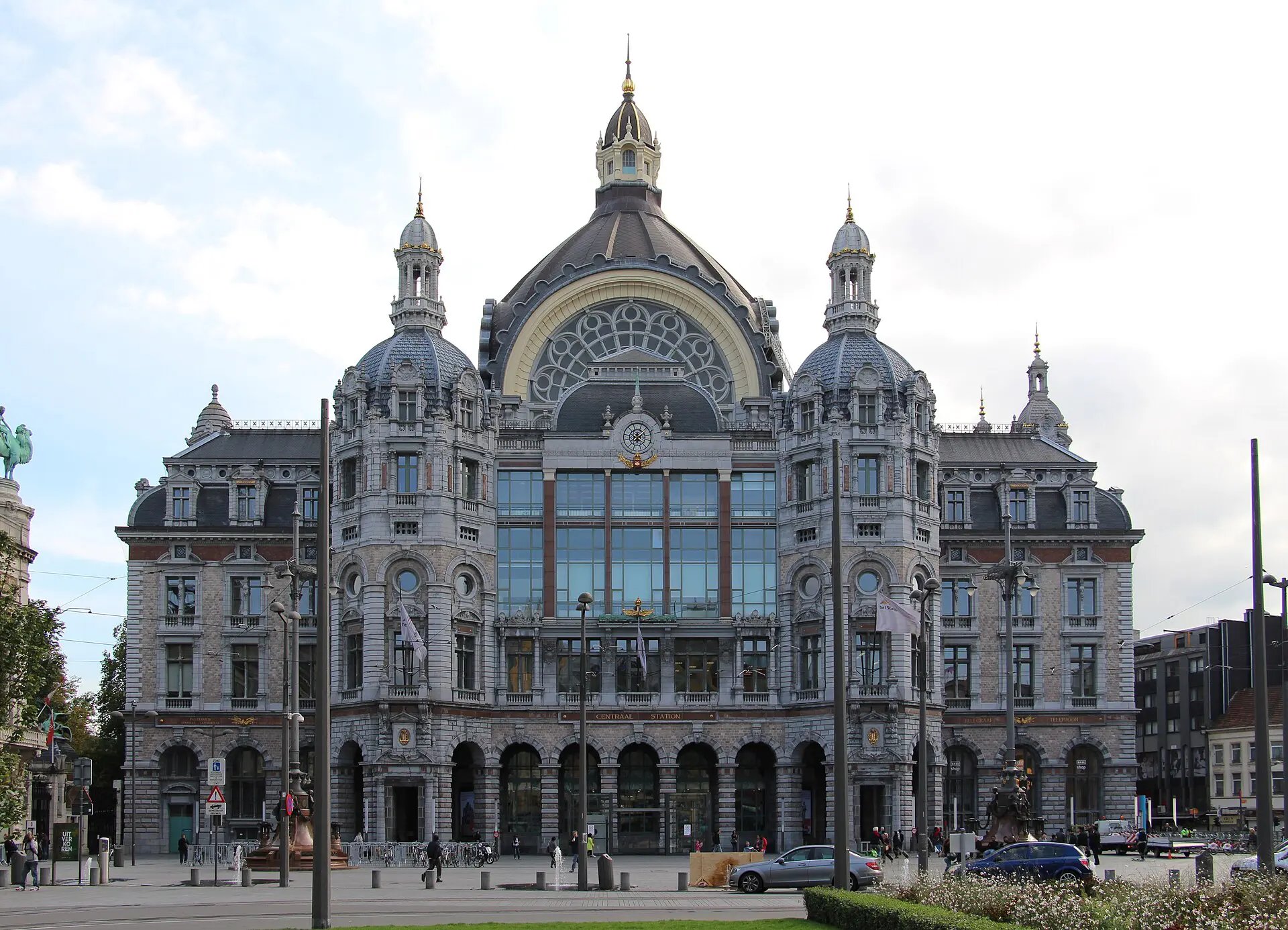
Antwerp-Central is one of the most striking railway stations in Europe and is the main arrival point for most visitors. Fast trains connect it with Brussels in under an hour or so, with international services to the Netherlands and beyond. Brussels Airport is the main international gateway and has direct train links to Antwerp. Check current timetables.
The historic centre is compact and best explored on foot. Trams and buses cover the wider city, and bicycles and shared bikes are common, though watch for tram tracks. Taxis are available but rarely needed. If you arrive by car, use a car park on the edge of the centre, since the city has a low emission zone that affects some vehicles, so check the rules first.
Where to stay in Antwerp
The old town, around the Grote Markt and the cathedral, suits first-time visitors who want sights on the doorstep and plenty of restaurants. Expect higher prices and some evening noise.
The area around the central station and the diamond district is convenient for trains and has many mid-range hotels, though it is less atmospheric after dark. It suits travellers arriving or leaving by rail, or those on a short stay.
The south, including the Zuid neighbourhood near the museums and galleries, is trendier and calmer, with cafes, boutiques and nightlife. It suits visitors who want a more local feel and are comfortable with a short tram ride into the centre. Book ahead for weekends and trade fairs, since rooms can fill quickly.
How many days do you need?
Two days is enough to see the main sights and eat well. One day works if you only want the old town and the cathedral. A third day gives you time for more museums, the waterfront or a day trip, which suits slower travellers.
- Day 1: Grote Markt, the cathedral and Rubens House, then a walk through the old streets and dinner in the centre.
- Day 2: A museum morning (MAS or fine art), shopping and fashion streets in the afternoon, and a riverside walk at sunset.
- Day 3: A day trip to Ghent, Bruges or Brussels, or time for the port area and the diamond district.
Day trips and nearby
Brussels
The capital is roughly 40 km south and reached in under an hour by train. It suits a day of squares, museums and food. Check timetables and start early so you can fit in the Grand-Place and a museum.
Ghent
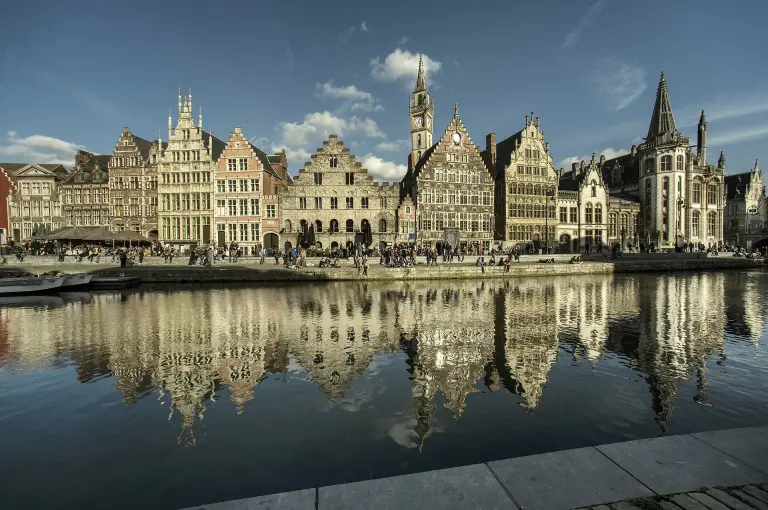
This canal city has a medieval centre, a castle and a lively student scene. Trains run from Antwerp with a change in some cases, so check the route. Allow a full day.
Bruges
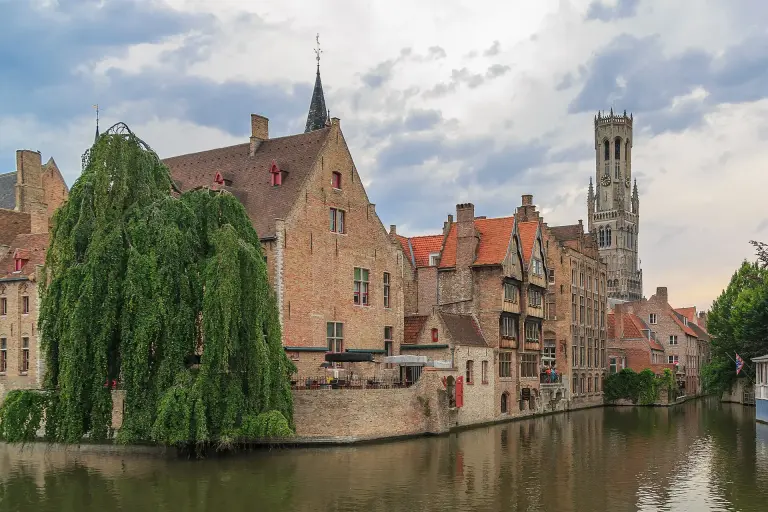
Famous for its medieval centre and canals, Bruges is easy by train but can be crowded. Allow a full day, start early and consider a weekday visit to avoid peak crowds.
Mechelen and Leuven
These smaller cities lie between Antwerp and Brussels, each with a historic centre and a relaxed pace. They work well as half-day trips or stops on a train journey.
FAQ
Q1When is the best time to visit Antwerp?
Spring and early autumn offer the most comfortable weather for walking. Summer is warmest and busiest, while winter is colder but cheaper and quieter. Rain is possible all year, so carry a light waterproof.
Q2How many days do you need in Antwerp?
Two days covers the cathedral, Grote Markt, Rubens House, museums and a good meal or two. Add a third day if you want to see the port area or take a day trip to Ghent, Bruges or Brussels.
Q3How do you get to Antwerp?
Trains run to Antwerp-Central from Brussels and Brussels Airport in under an hour, with services from the Netherlands too. Check current timetables. Once there, the old town is compact and walkable.
Q4Is Antwerp expensive?
Antwerp is moderately priced for western Europe. Hotels and restaurants in the old town cost more, while cafes and markets are cheaper. A mid-range traveller might budget roughly EUR 130-230 per day, though prices change.
Prices, schedules and entry rules change. Check current details with official sources before you travel. Read the Belgium travel guide.