Why visit Bruges
If you are looking for things to do in Bruges, the main draw is the town itself. It is a picturesque city in Flanders, in the northern part of Belgium, and is mainly known for an exceptionally well-preserved historical centre that draws over 400,000 tourists a year.
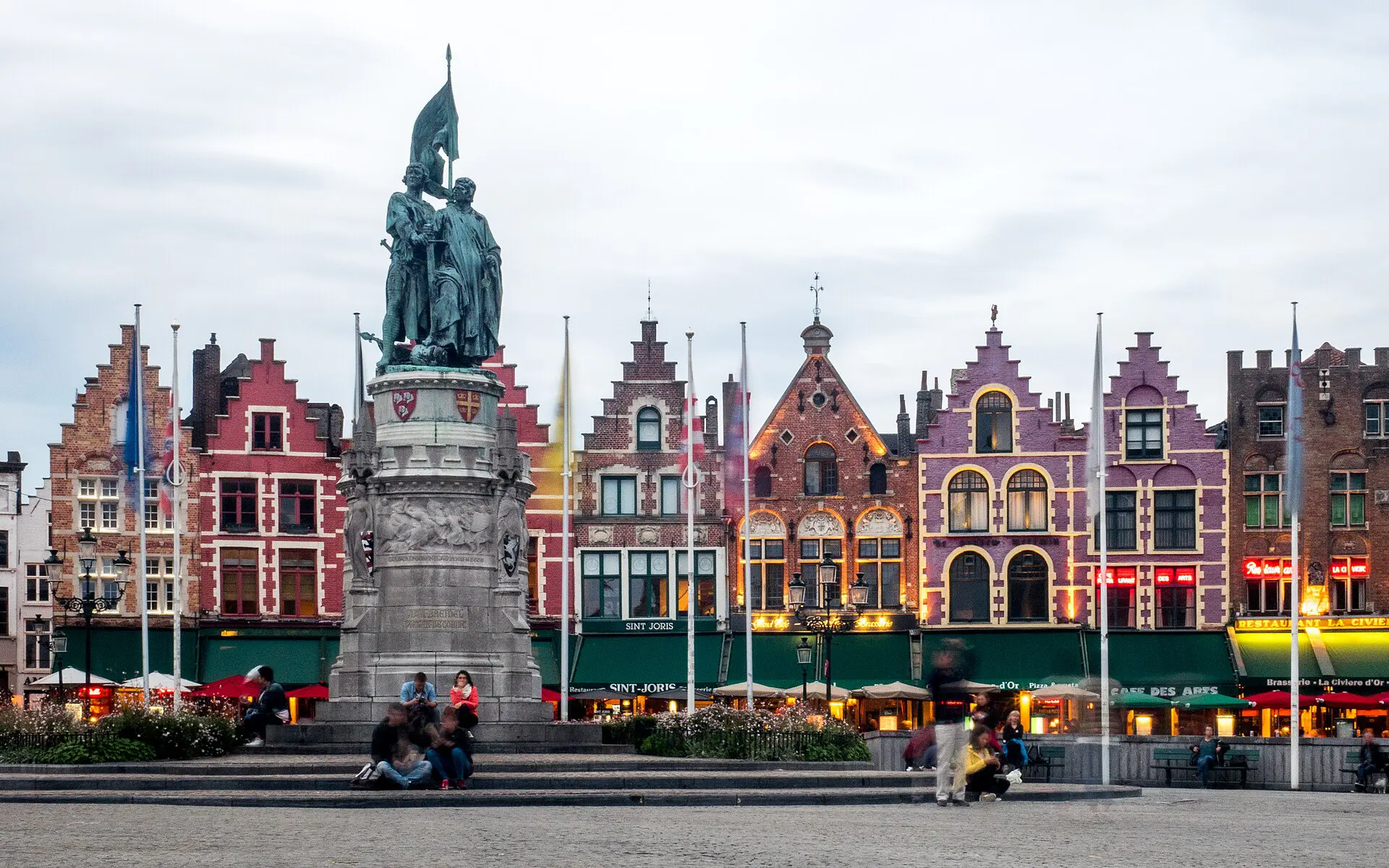
Bruges was once Europe’s richest city. It became the capital of Flanders in 1089, and a storm in 1134 created the tidal canal Zwin, which improved its link to the sea. By the late Middle Ages and early Renaissance it was the economic capital of northwestern Europe, and its golden age left a legacy of buildings and canals.
Today it is compact, quiet in the evenings and easy to enjoy on foot. It is also crowded at peak times, so timing and early starts make a difference.
Top things to do in Bruges
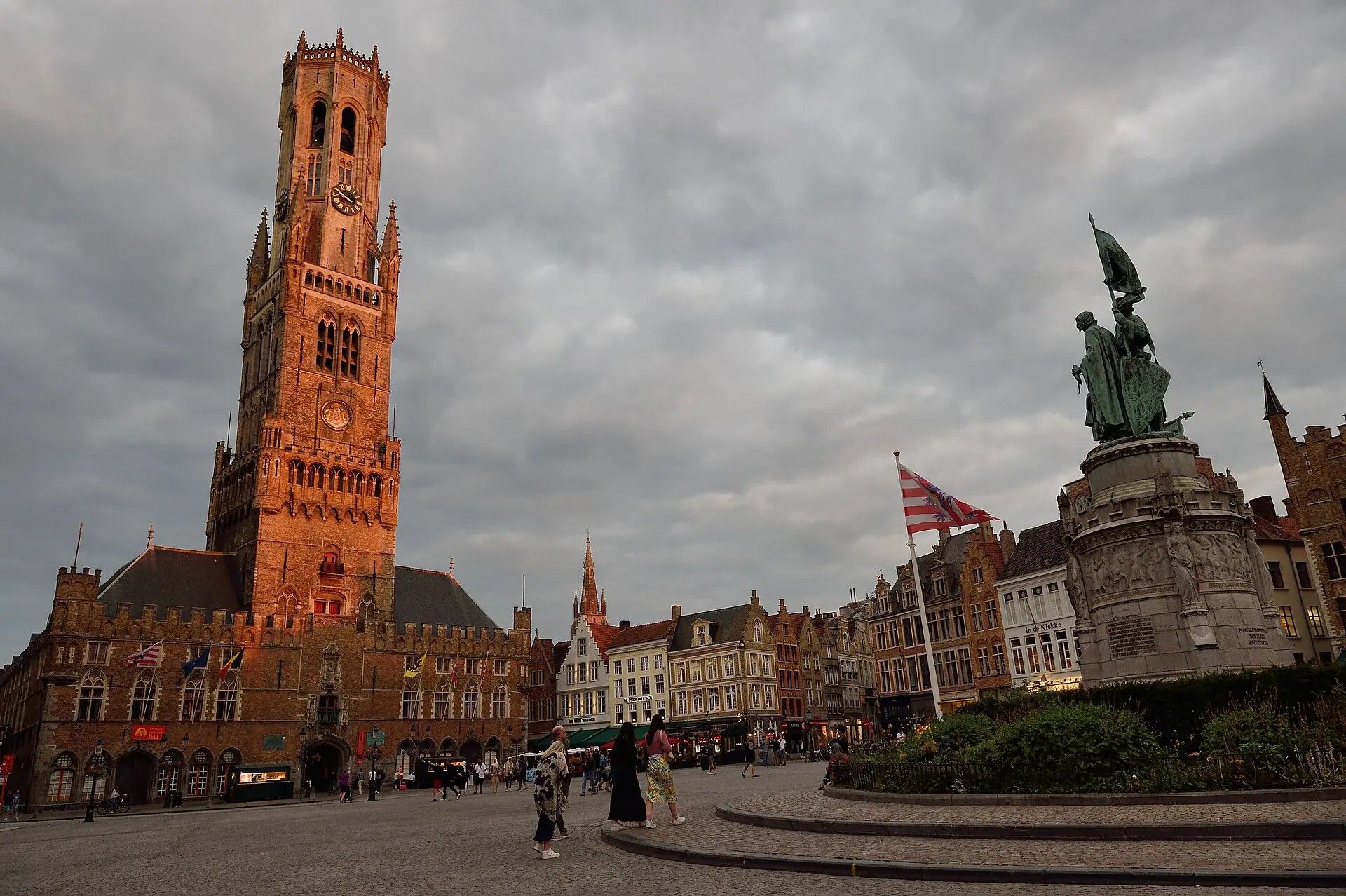
Markt and the Belfry
The main square is lined with gabled buildings, and the Belfry tower rises above it. Climbing the tower gives a view over the roofs. Allow one hour. Tip: the stairs are narrow and steep, so check current opening times and ticket rules, and go early.
Burg square
This smaller square, close to the Markt, has the old city hall and other historic buildings. Allow 30 to 60 minutes. Tip: look at the facades and the carved details rather than rushing through.
Canal boat tour
Short boat trips run along the canals and give a different view of the old houses. Allow 30 to 40 minutes. Tip: queues are long in summer, so go early or late, and check prices on the day.
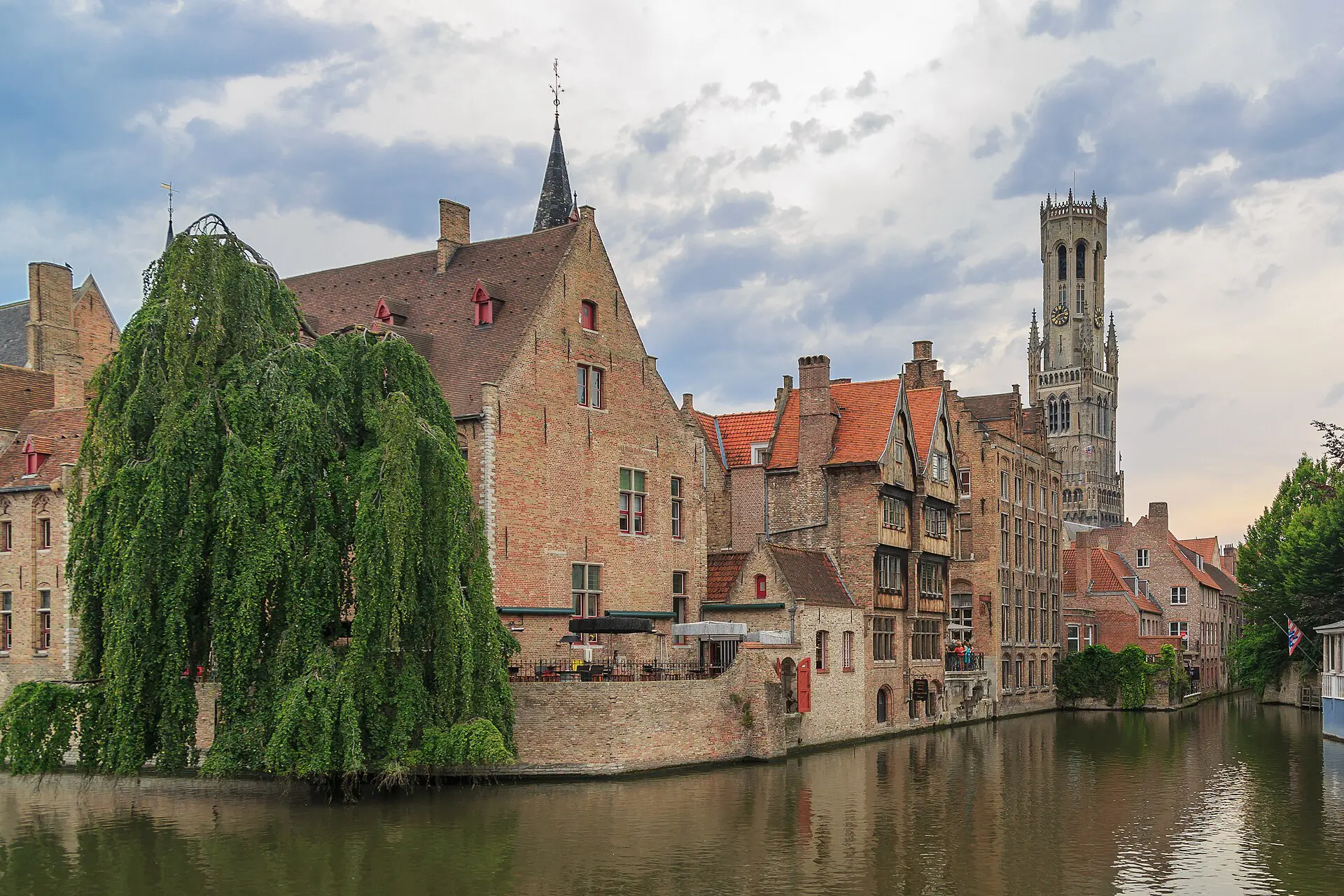
Rozenhoedkaai and the canals
This canal corner is a well-known photo spot, with houses reflected in the water. Allow 30 minutes. Tip: go at sunrise or in the evening for fewer people.
Minnewater and the Begijnhof
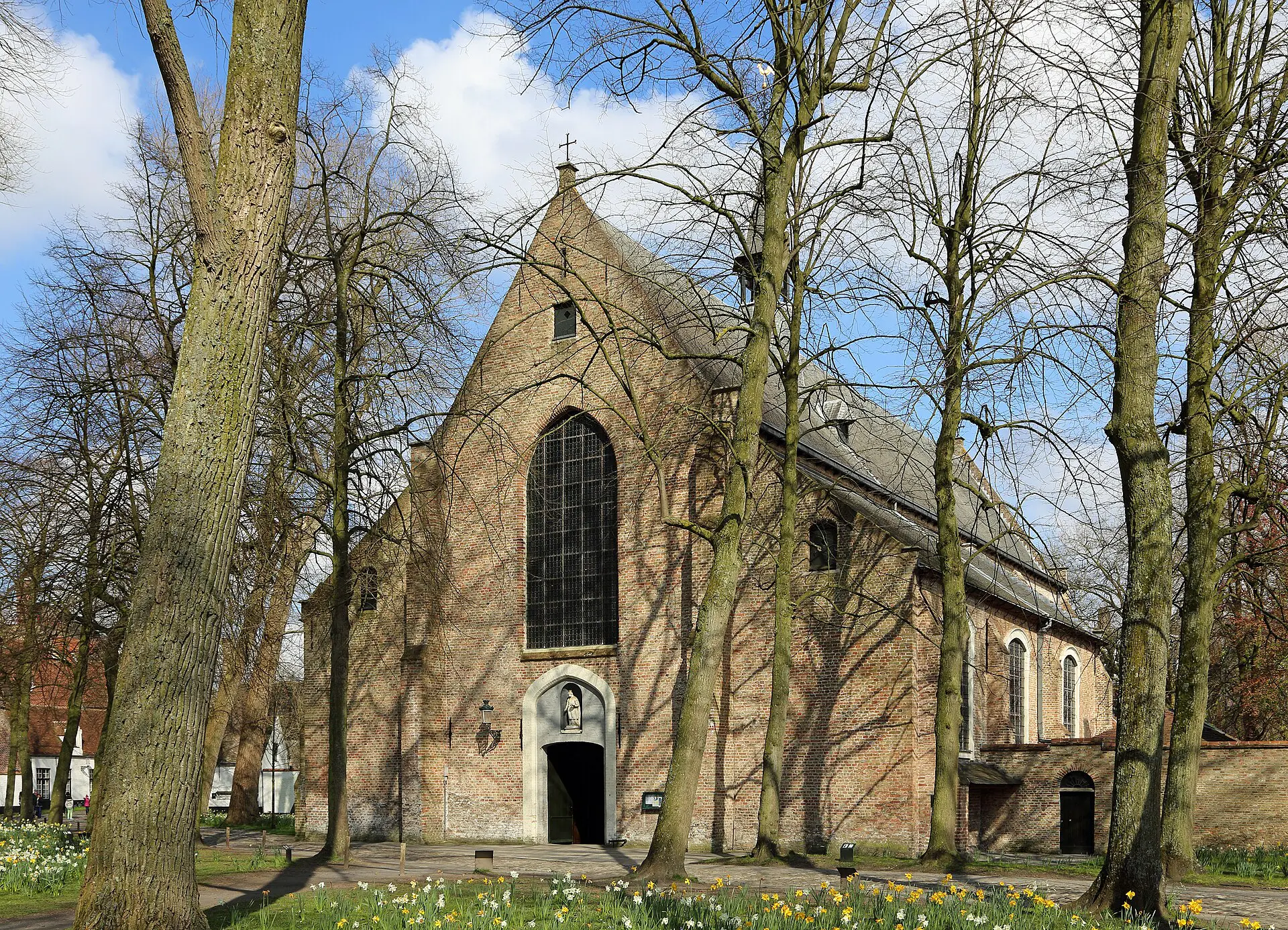
The Minnewater is a calm lake area on the south side of the centre, near the old beguinage. Allow one to two hours. Tip: it is peaceful in the early morning, and the grounds are a quiet place to walk.
Museums and churches
The city has museums of Flemish art and several churches with important works. Allow two hours for each. Tip: pick one or two, and check combined ticket options.
Beer and chocolate
Belgian beer and chocolate are a large part of the visit, with many shops and cafés. Allow an hour or two. Tip: try a local brewery or a small chocolate shop rather than the busiest tourist stalls.
Best time to visit Bruges
Bruges is a year-round city, but the experience changes with the season. Late spring and early autumn are often the best balance, with mild weather for walking and canal views and fewer people than midsummer.
Summer is the busiest, with long days but heavy day-trip crowds in the centre between late morning and late afternoon. Staying overnight and visiting early or late helps. Winter is cold and can be grey and damp, but the city is quieter and has Christmas markets, and cafés and museums are good refuges. The weather in Belgium changes quickly, so bring a waterproof layer whenever you go. Hotel prices rise at weekends and holidays, so book ahead.
How to get to Bruges and around
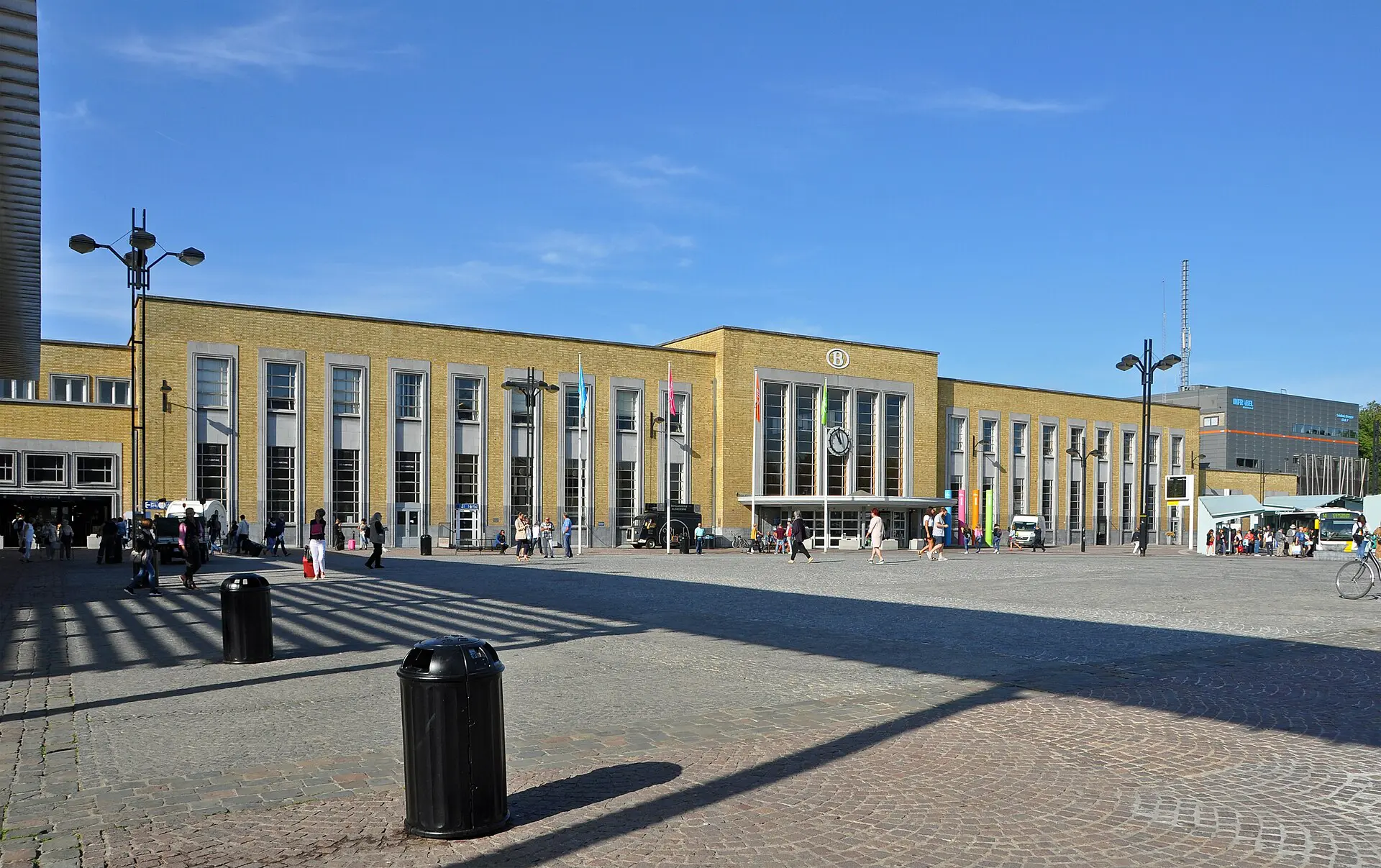
Trains run to Brugge station from Brussels, Ghent and other Belgian cities, with Brussels to Bruges taking roughly an hour, though check current timetables. Brussels Airport is the main international gateway, with onward train links. The station is a pleasant walk or short bus ride from the historic centre.
Once in the centre, you can walk almost everywhere, as it is small and mostly pedestrian-friendly. Cobbled streets can be uneven, so wear comfortable shoes. Bicycles are popular and available to rent, and local buses help for longer distances. Cars are discouraged in the centre, and parking is often on the edge of town.
Where to stay in Bruges
The historic centre suits visitors who want to be among the canals and squares, especially for evenings and early mornings after day visitors leave. It is the most expensive area, and rooms may be small in older buildings.
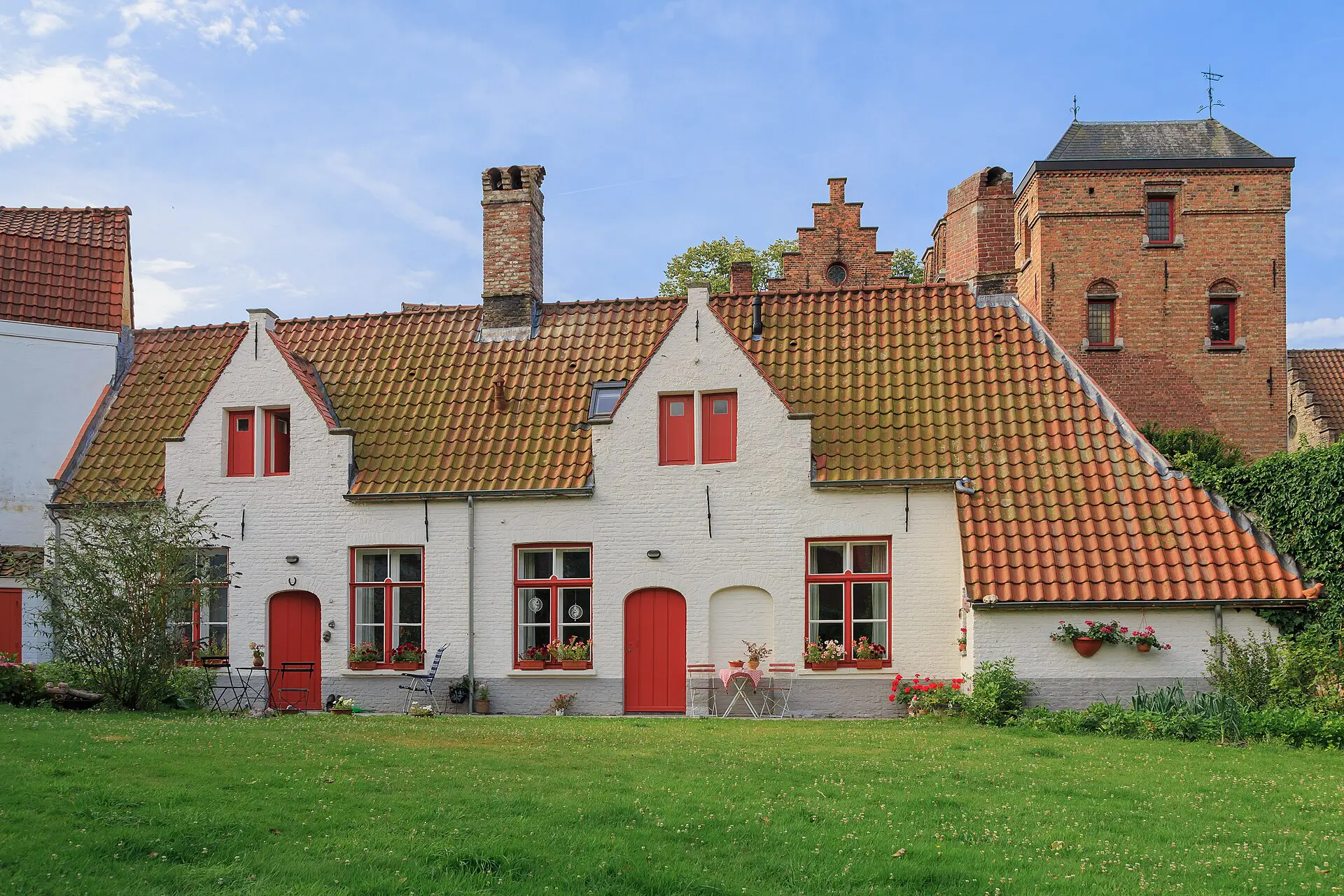
Areas near the railway station are practical for transport and often better value, with a short walk or bus ride to the centre. Quieter streets around the edge of the old town suit those who want calm. Guesthouses and small hotels are common. Book early for weekends, holidays and summer, and check whether breakfast and parking are included.
How many days do you need?
One day covers the main squares, a canal ride and a walk to the Minnewater. Two days lets you see it at a calmer pace, with time for a museum and the quiet hours that day visitors miss.
- Day 1: Markt and Belfry in the morning, Burg square, a canal boat and an evening walk.
- Day 2: Minnewater and the Begijnhof, a museum or church, and a beer or chocolate tasting before you leave.
Day trips and nearby
Ghent
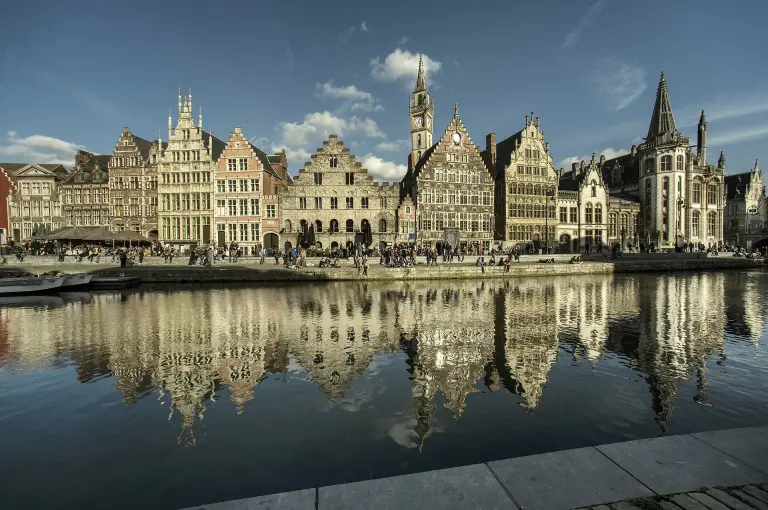
Ghent is another historic Flemish city, a short train ride away, with canals, a castle and a lively student atmosphere. It works well as a half or full day trip.
Brussels
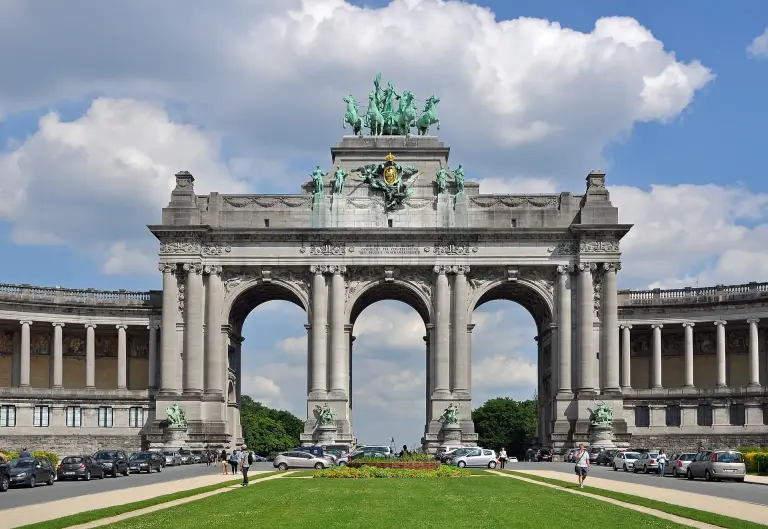
Brussels is the capital and the usual gateway, about an hour by train. It suits a day or more, and combines easily with Bruges if you are staying in either city.
Antwerp
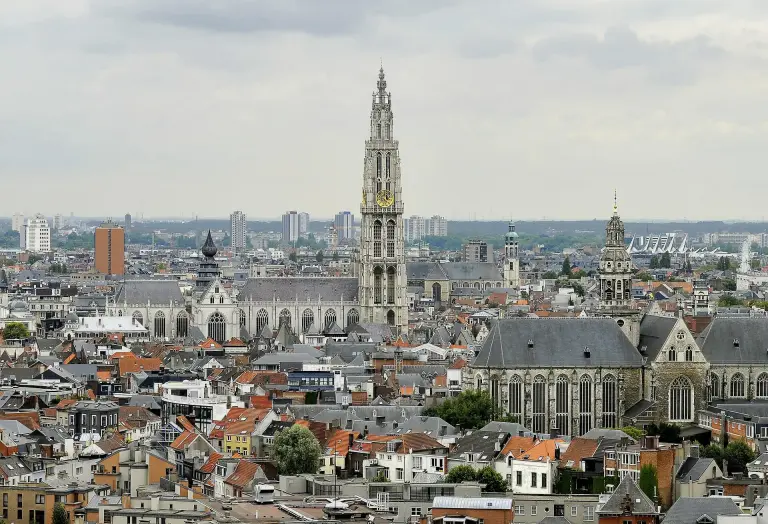
Antwerp is known for its port, fashion and historic centre, and is reachable by train with a change. Check the schedule, and plan a full day.
Ypres
Ypres lies to the south-west and is known for its First World War history. Check current transport options, as it is easier by car or an organised tour than by public transport.
FAQ
Q1When is the best time to visit Bruges?
Late spring and early autumn are often best, with mild weather and fewer crowds than summer. Summer is busy, particularly in the middle of the day. Winter is cold and quiet, with Christmas markets and cosy cafés. Staying overnight helps you avoid day-trip crowds.
Q2How many days do you need in Bruges?
One to two days is enough. One day covers the Markt, Belfry, canal boat and Minnewater. A second day gives you a slower pace, a museum, and time to see the city in the quieter early morning and evening hours.
Q3How do you get to Bruges?
Take a train to Brugge station. Services from Brussels take roughly an hour, and Ghent and other Belgian cities are also connected. Brussels Airport is the main international gateway. Check current timetables, and allow time for the walk or bus to the centre.
Q4Is Bruges worth visiting?
Yes, for its well-preserved medieval centre, canals and compact size. It is crowded at peak times, so go early or stay overnight. It is less suited to travellers who want nightlife or major sights beyond the old town.
Prices, schedules and entry rules change. Check current details with official sources before you travel. Read the Belgium travel guide.