Why visit Ghent
If you are planning things to do in Ghent, start with its past. The city, in East Flanders in Belgium, began where the Scheldt and Leie rivers meet. In the late Middle Ages it became one of the largest and richest cities in northern Europe, with around 50,000 people by 1300, and it was once among the biggest north of the Alps.
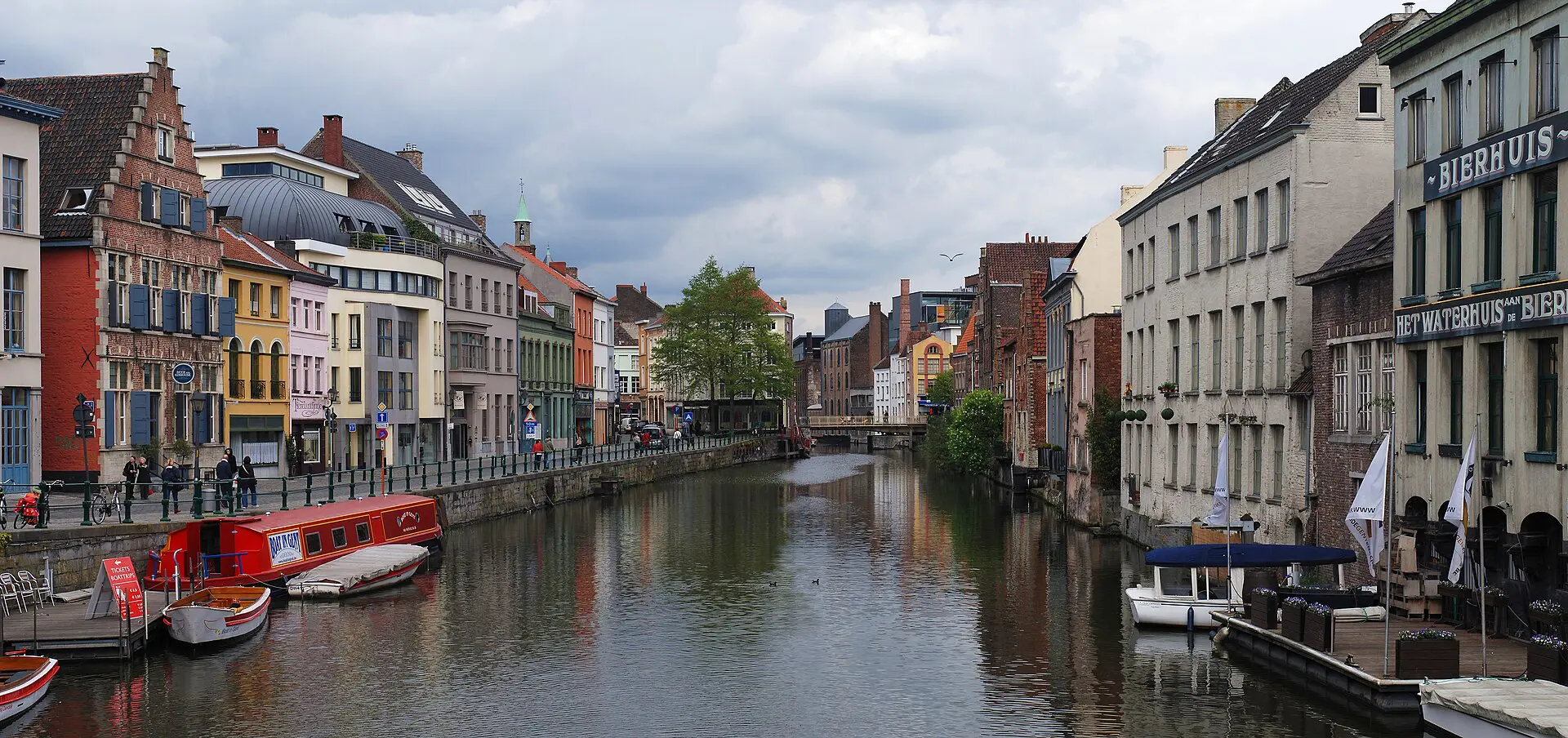
After the late 16th century it lost importance, which is a main reason its historic centre is so well preserved today. Churches, guildhouses and merchants’ homes line the canals, and the centre is largely free of cars, which makes it pleasant for walking.
Ghent is also a port and university city with a large student population, so it has more everyday life than a pure tourist town. With around 270,000 residents, it is Belgium’s second-largest municipality by population. It combines culture, food and nightlife at a manageable scale.
Top things to do in Ghent
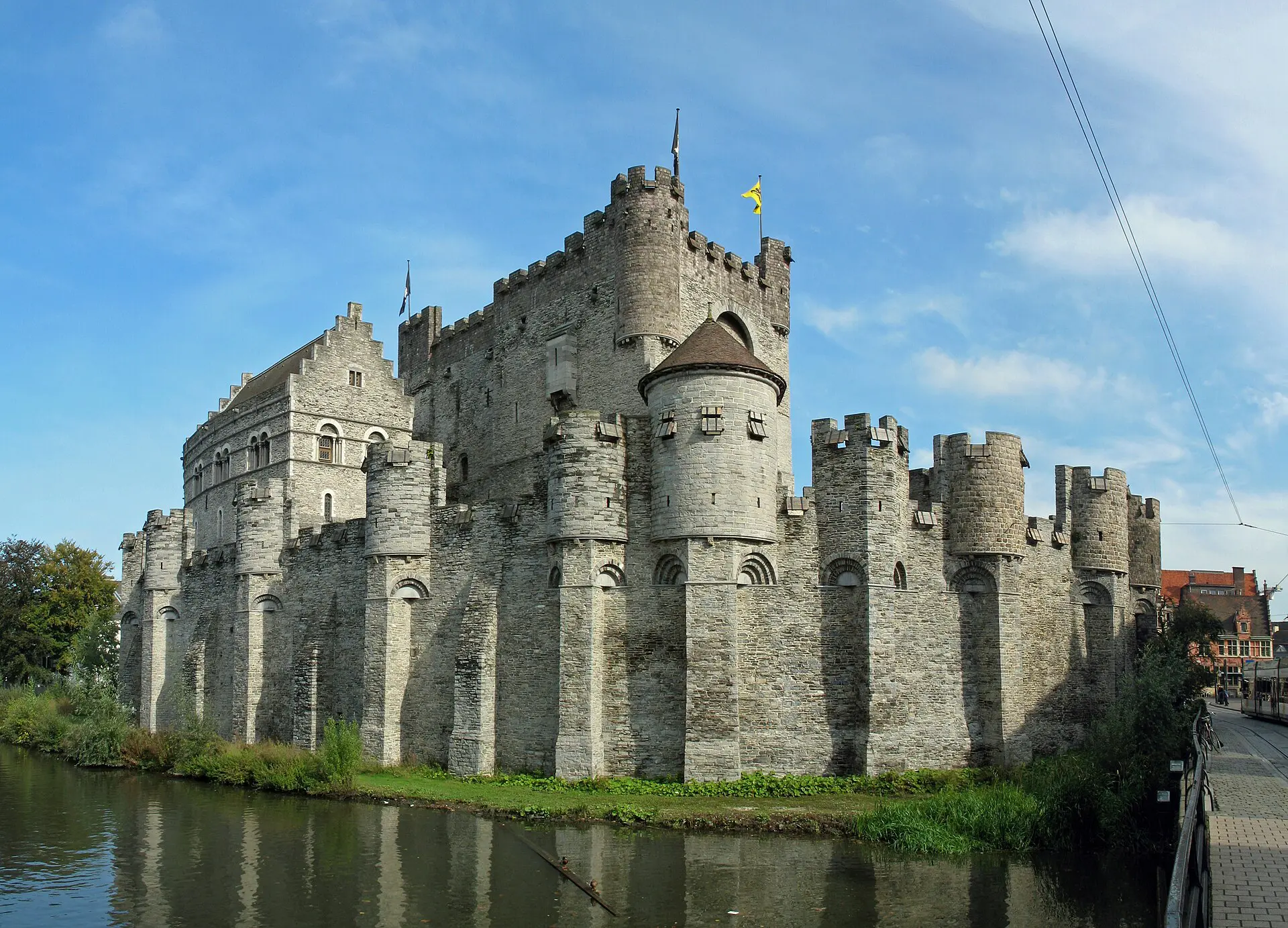
Gravensteen castle
The moated medieval castle of the counts of Flanders sits in the middle of the city. Allow one to two hours. Entry is ticketed, and audio guides are commonly offered. Check opening hours, and expect steps and uneven floors in the keep.
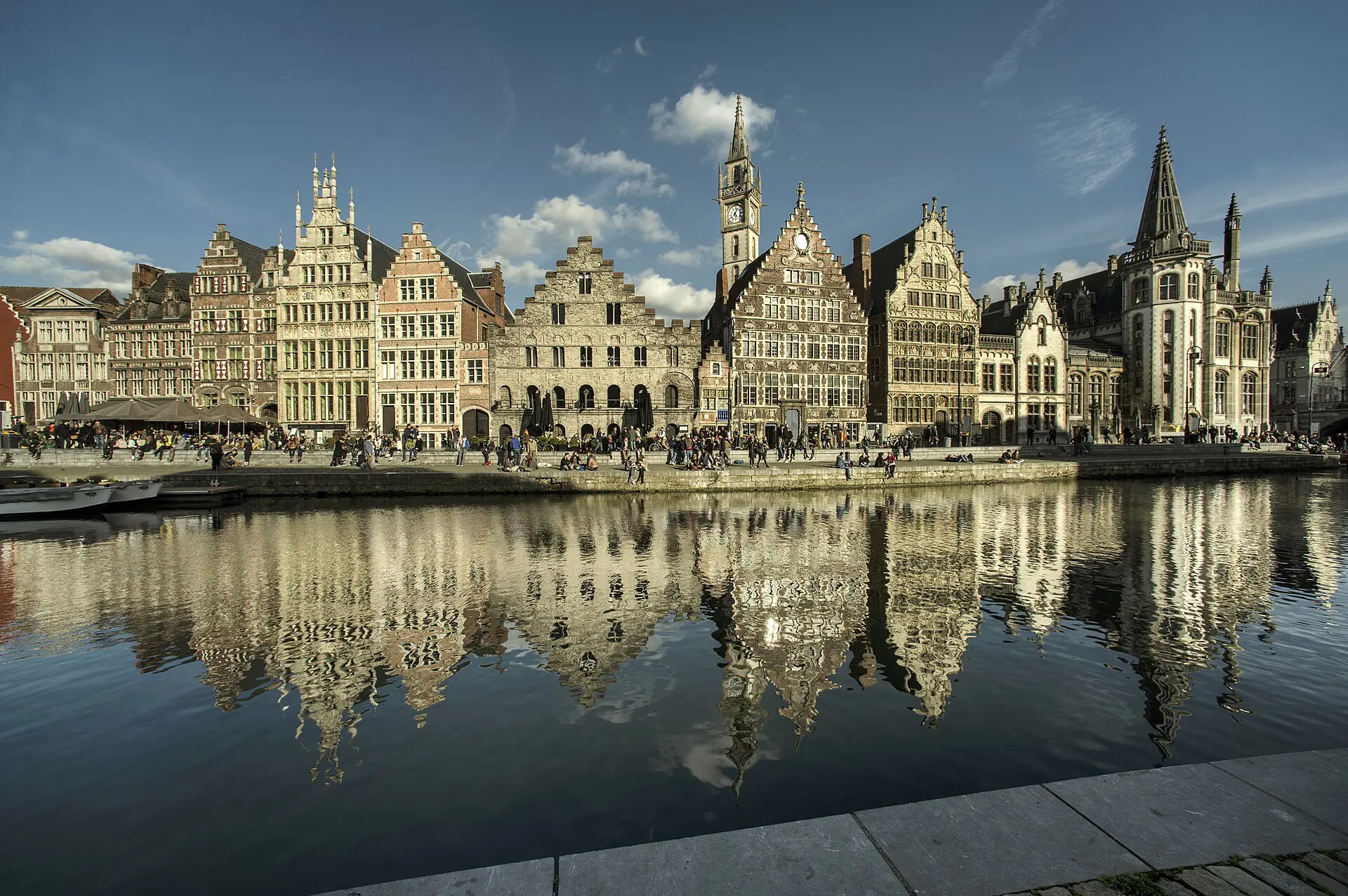
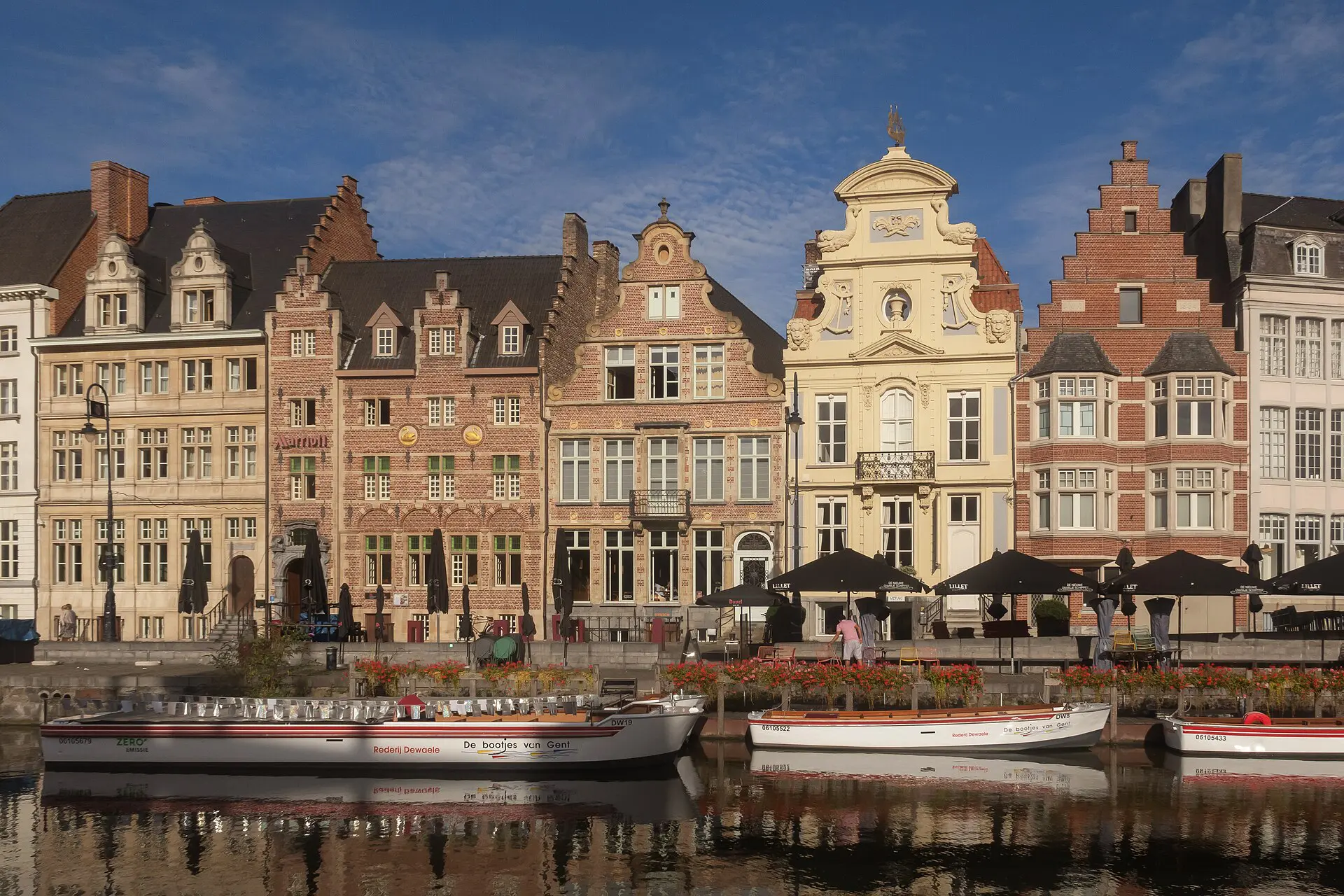
Graslei and Korenlei
These two quays face each other across the Leie river and are lined with historic guildhouses and merchant buildings. Allow 30 to 60 minutes. They are especially photogenic in the evening, and the steps by the water are a popular place to sit.
St Bavo’s Cathedral and the Ghent Altarpiece
The cathedral holds the famous altarpiece known as the Adoration of the Mystic Lamb. Allow one to two hours. Viewing may need a ticket, and access can change during restoration or events, so check before you go.
Belfry and Cloth Hall
The medieval belfry rises over the old centre, next to the Cloth Hall and the main squares. Allow an hour. There are views over the city, and a lift or stairs may be available, so check operating arrangements locally.
Canal boat tour
Boats leave from near the quays and give a different view of the old buildings. Allow around an hour. Prices vary, so compare options and ask about languages and the route before you book.
Patershol district
A small quarter of cobbled lanes just north of the castle, with restaurants and old houses. Allow an hour or an evening meal. It is calm in the daytime and busy at weekends, so book ahead for popular restaurants.
Museums and street art
Ghent has several museums covering art and history, and street art in some alleys. Allow a few hours. Opening days vary, and many museums close on Mondays, so check a schedule first.
Best time to visit Ghent
Ghent has a mild maritime climate, with cool, damp winters and warm summers. It works as a year-round destination, and weather is changeable at any time.
- Spring (April to June): longer days, fresh greenery and outdoor terraces. A good balance of weather and crowds.
- Summer (July and August): the warmest period, with festivals and busier canals. Book accommodation early for festival dates.
- Autumn (September to October): mild weather and fewer visitors. The student year begins, so the city feels lively.
- Winter (November to March): cool and often grey. Museums and cafés are comfortable, and the lighted old centre is atmospheric around Christmas.
Pack a rain jacket in any season, and check local events for peak dates.
How to get to Ghent and around
Ghent has good rail links. The main station, Gent-Sint-Pieters, lies southeast of the centre, with frequent trains to Brussels, Bruges, Antwerp and other Belgian cities. Brussels Airport is the usual gateway for international visitors, with onward train connections that usually take around an hour, though you should check routes.
The historic centre is largely car-free and compact, so walking and cycling are the best ways to see it. Trams and buses connect the station with the centre, and the walk from the station to the old town takes around 30 minutes.
If you arrive by car, use a car park on the edge of the centre. Access to the central area is restricted, and parking rules change, so check signs and local information.
Where to stay in Ghent
Ghent is small enough that most visitors stay in or close to the old centre.
- Historic centre: near the castle, canals and cathedral. Ideal for short stays and first visits, though prices are higher and some streets can be noisy at night.
- Patershol and the quays: atmospheric small hotels and rooms in older buildings. Suits couples and those who want a quiet evening setting.
- Near the station: practical for early trains and budget options, with a tram or a walk into the centre.
- Student districts: cheaper rooms and lively cafés, best for visitors who like a local feel.
Book ahead for summer festivals and weekends.
How many days do you need?
Two days allows a relaxed look at the main sights and an evening in the old town. One day is enough for the essentials if you start early. A third day suits those who want museums, markets or a day trip to nearby cities.
- Day 1: Gravensteen, Graslei and Korenlei, lunch in the centre, then St Bavo’s Cathedral and the belfry.
- Day 2: a canal boat or a museum in the morning, a walk through Patershol, and dinner in the old town.
- Day 3: a day trip to Bruges, Antwerp or Brussels.
Weekday mornings are generally the quietest time at the major sights.
Day trips and nearby
Bruges
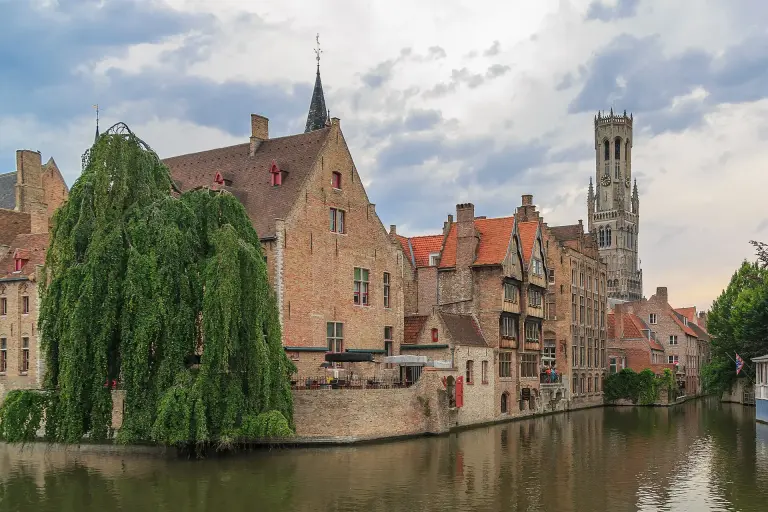
The well-known medieval canal city lies a short train ride northwest of Ghent. It is busier than Ghent, so visit early or late. Many travellers do both cities in one trip, using Ghent as a base.
Brussels
Belgium’s capital is easy to reach by frequent trains. A day trip suits those who want its main square, museums and food. Allow a full day, and check the timetable for the return.
Antwerp
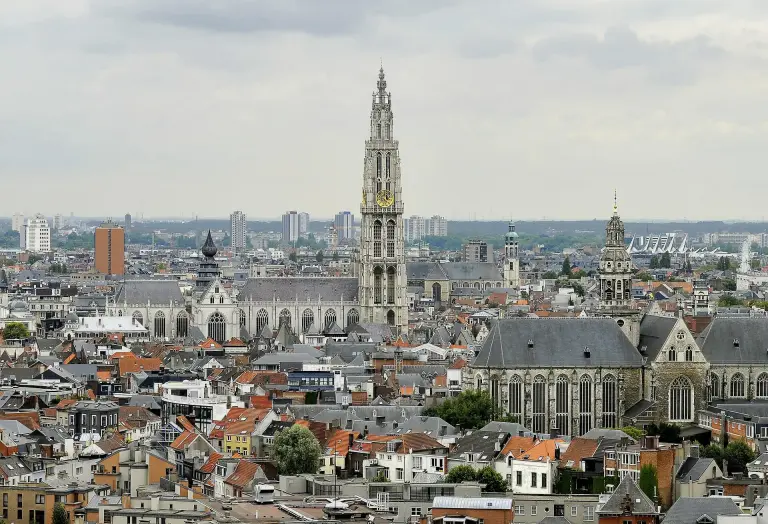
A major port city with fashion, museums and a grand railway station. It is reachable by train in under an hour, and it works well as a day trip for those who like a busy city.
Mechelen and Leuven
Both are smaller historic cities reachable by train, with old centres and a relaxed atmosphere. Leuven is a student city, and Mechelen has a cathedral and a compact centre. Pick one for a half day.
FAQ
Q1When is the best time to visit Ghent?
Late spring and early autumn are usually best, with mild weather and fewer crowds. Summer is warm and festival-heavy, while winter is cool and damp, though Christmas lights make the old centre atmospheric.
Q2How many days do you need in Ghent?
Two days is enough for the castle, quays, cathedral, belfry and a canal boat, with time to eat well. Add a day if you want to visit museums or take a trip to Bruges, Antwerp or Brussels.
Q3How do you get to Ghent?
Fly to Brussels Airport and take a train to Gent-Sint-Pieters station, usually around an hour. Ghent also has frequent trains from Brussels, Bruges and Antwerp. From the station, a tram or a 30-minute walk reaches the centre.
Q4Is Ghent expensive?
Ghent is typically a little cheaper than Brussels or Bruges, though Belgium is not a budget destination. You can save with museum passes, lunch menus and rooms outside the historic core. Check current prices before booking.
Prices, schedules and entry rules change. Check current details with official sources before you travel. Read the Belgium travel guide.