Why visit Brussels
The best things to do in Brussels start in its historic centre, which blends the heritage of a medieval Flemish town with the grand projects that followed when it became the capital of Belgium. Alongside that sit the modern buildings erected for the international institutions based here.
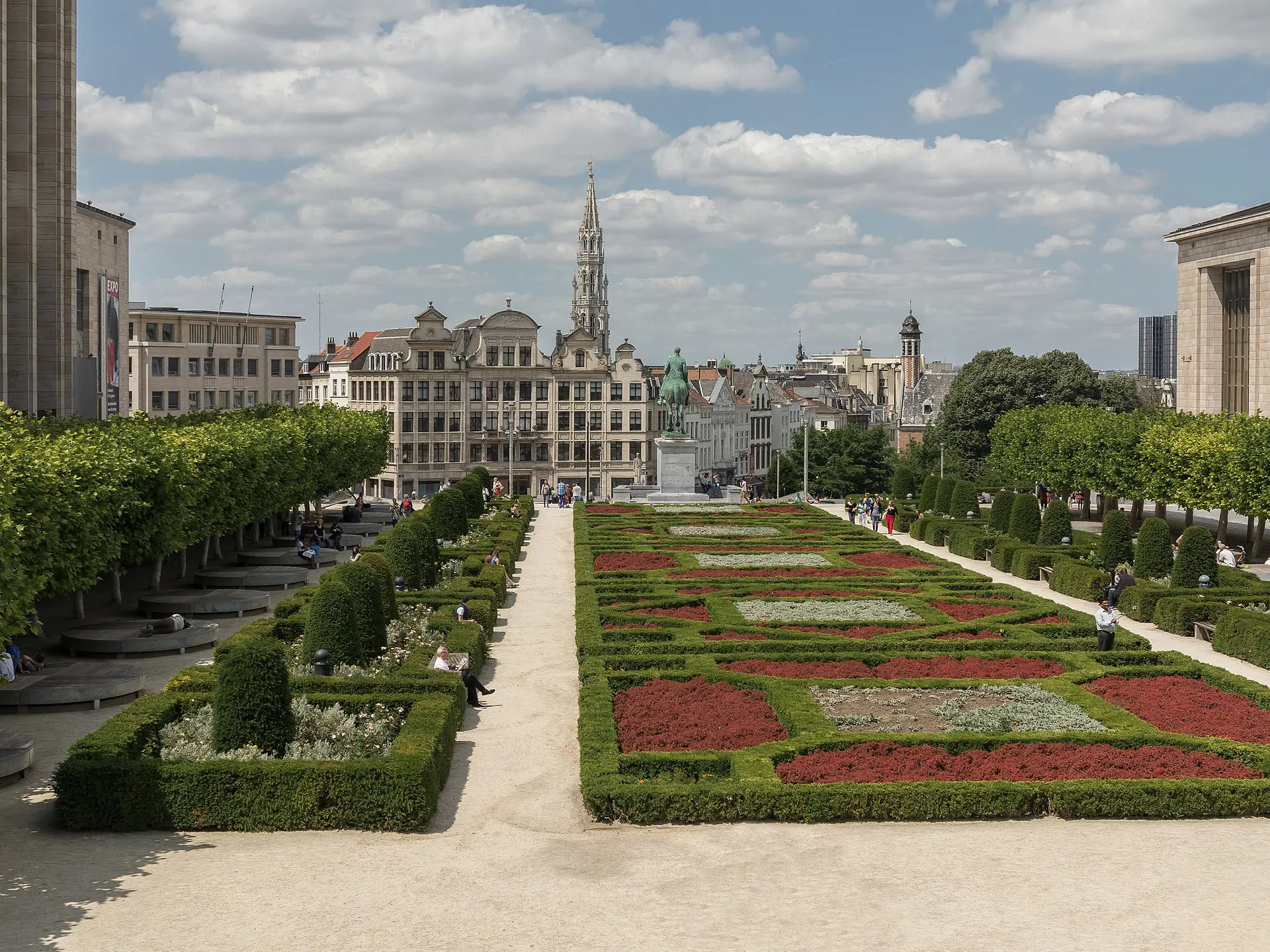
Brussels is the capital of Belgium and one of the country’s three regions, alongside Flanders and Wallonia. It hosts the headquarters of NATO and the core institutions of the European Union, which is why its name is sometimes used as shorthand for the EU.
The city is officially bilingual in Dutch and French, and increasingly international. For visitors, that means a compact centre, many museums, famous food and drink, and easy trips to other cities. It is good for a long weekend, and a useful hub if you are travelling around Belgium.
Top things to do in Brussels
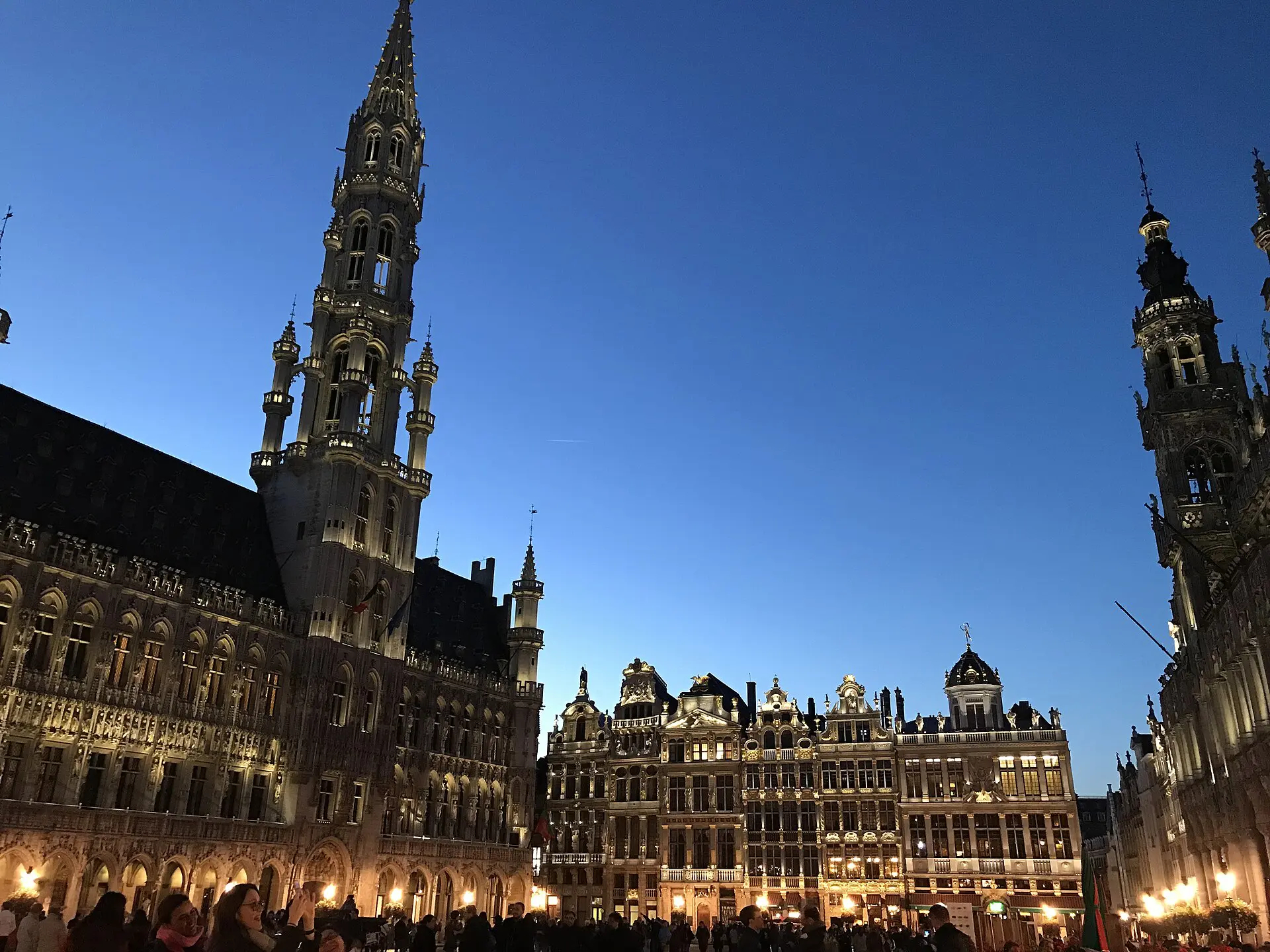
Grand Place
The central square is lined with ornate guildhalls and the town hall, and it is the best-known sight in the city. Allow 30 to 60 minutes. It is busy during the day, so come in the evening when the buildings are lit and the crowds thin.
Manneken Pis and the old centre
The small fountain statue is a quirky stop in the old centre, and it is a short walk from the Grand Place. A visit takes only a few minutes, but the surrounding lanes are worth exploring. Expect crowds and plenty of souvenir shops.
Royal Galleries of Saint-Hubert
This glass-roofed shopping arcade near the Grand Place is home to chocolate shops and cafes. Allow around 30 minutes to browse. Prices for chocolate vary widely, so compare and try small boxes.
Comic strip art and murals
Belgium has a strong comic-strip tradition, and Brussels shows it with murals around the city and a dedicated museum. Allow one to two hours. Pick up a map of the mural route, and check opening days for the museum.
Royal Museums of Fine Arts
This group of museums holds a wide range of art from old masters to modern work. Allow two hours or more, and pick a section. Museums here often close on Mondays, so check ahead.
Parc du Cinquantenaire
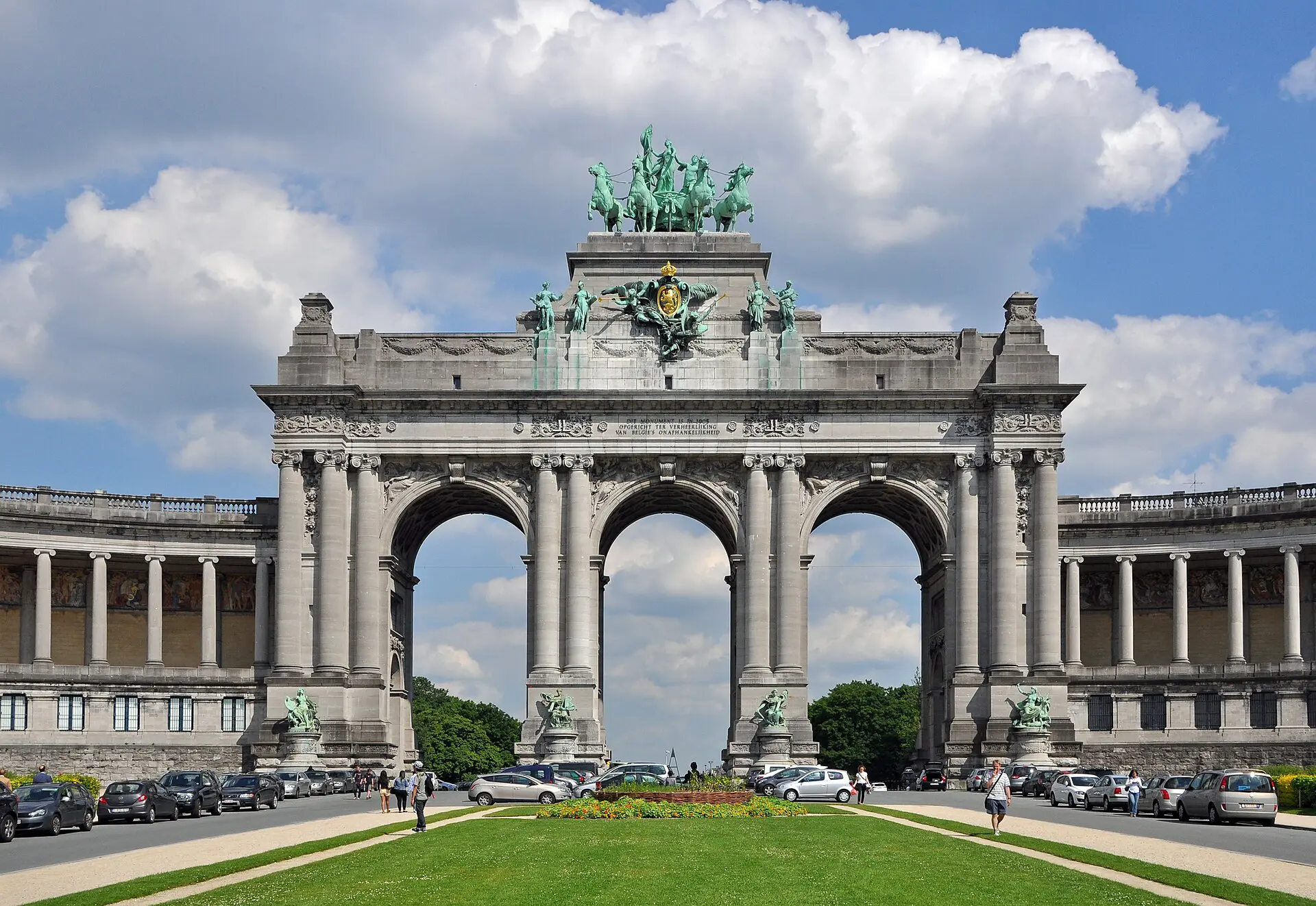
This large park with a triumphal arch sits in the EU quarter and has several museums nearby. Allow an hour or two. It is a pleasant break from the dense centre.
Belgian beer and waffles
Belgium is known for its beer and waffles, and Brussels has plenty of bars and cafes where you can try both. Ask staff for local recommendations, and sample small glasses. Many beers are strong, so pace yourself.
Best time to visit Brussels
Spring through early autumn is the most pleasant, with milder weather and long evenings for walking and sitting outside. Summer sees the biggest crowds in the centre, though many residents also leave in August, and some smaller places may close.
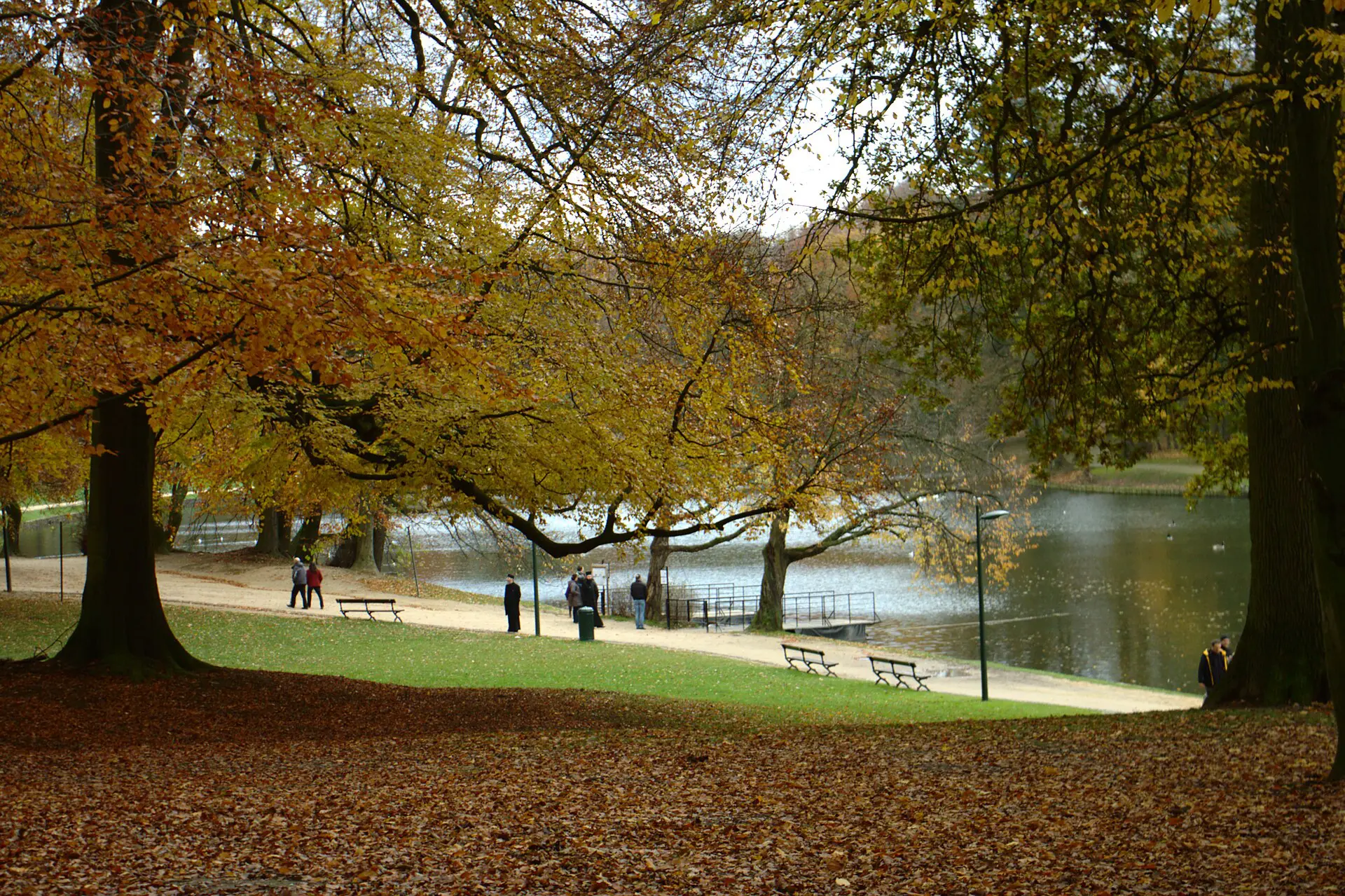
Autumn is a good alternative, with cooler weather and fewer visitors. Winter is cold, grey and often rainy, but it is also a quieter time, with festive markets in December. Always bring a rain jacket, as showers can happen in any season.
| Season | Weather | Crowds and prices |
|---|---|---|
| Spring | Mild, changeable | Moderate |
| Summer | Warm, some showers | Busier, higher prices |
| Autumn | Cool, damp | Moderate |
| Winter | Cold, grey | Quieter, cheaper |
How to get to Brussels and around
Brussels Airport is the main airport and has a direct train link to the centre. Check current train times and ticket types before you travel. A second airport, further south, is served by some low-cost airlines, with bus links to the city.
Brussels is a major rail hub. Brussels-Midi is the main international station for high-speed services, and trains from here connect to other Belgian cities and neighbouring countries. Many domestic trains stop at several central stations.
In the city, the metro, trams and buses cover most areas, and the old centre is walkable. A single travel card or contactless option is usually the easiest way to pay. Check how fares work for your length of stay.
Where to stay in Brussels
The area around the Grand Place and the old centre puts you close to the main sights, restaurants and bars. It is lively and can be noisy at night, so check the room location.
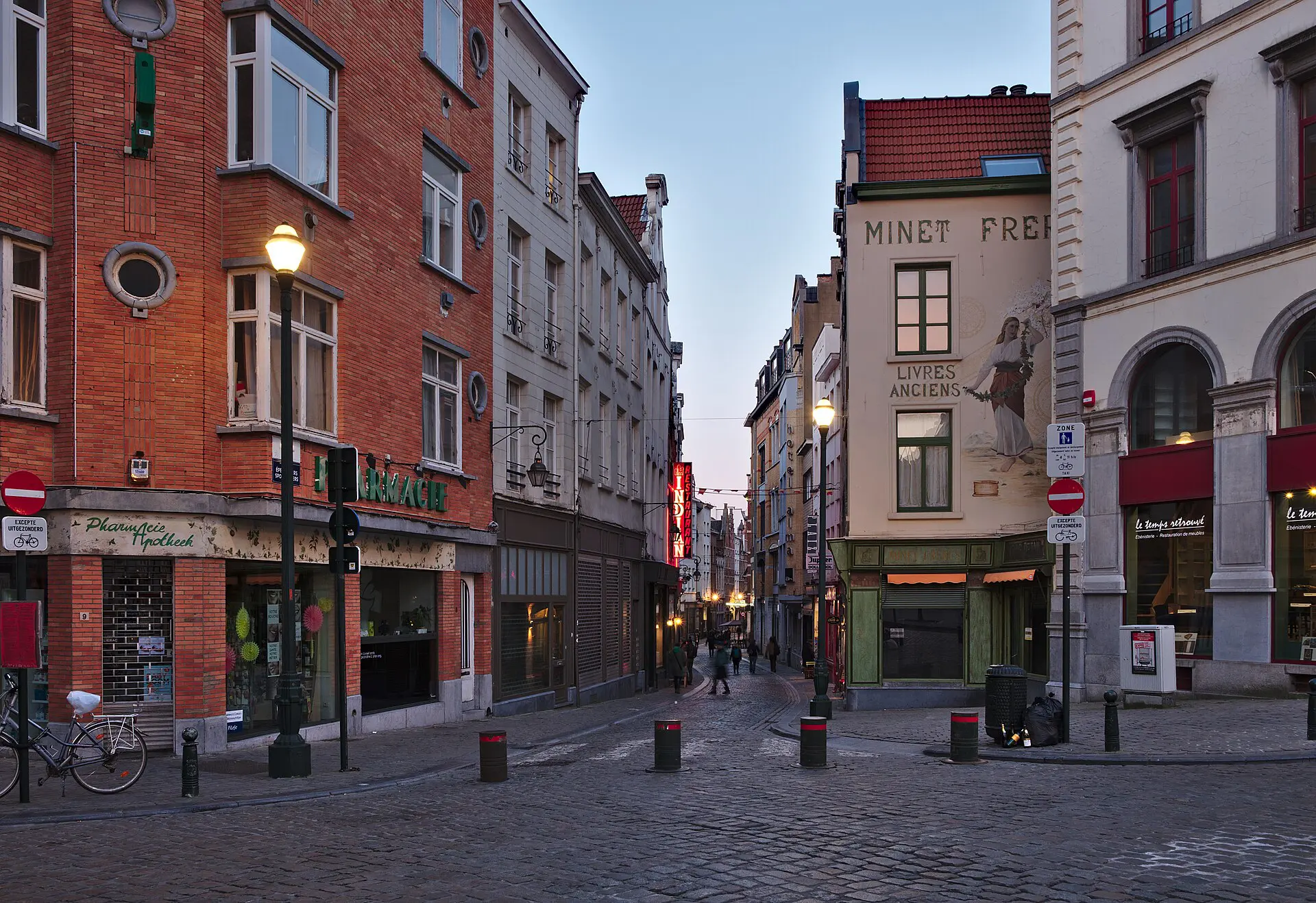
Neighbourhoods just outside the centre suit visitors who prefer a calmer base with local cafes, and these are usually well connected by metro or tram. They often offer better value.
Near the main stations is convenient for onward trips by rail, with plenty of hotels, though some surrounding streets can feel less appealing at night. Business travel affects prices, so weekends can be cheaper than weekdays. Compare dates.
How many days do you need?
Two days covers the Grand Place, the old centre, a museum and the food. A third day lets you add a day trip. If you have only a day, focus on the historic core and one museum.
- Day 1: Grand Place, Manneken Pis, the Galleries of Saint-Hubert and a beer in the old centre.
- Day 2: Fine arts museums or comic-strip art, then Parc du Cinquantenaire.
- Day 3: A day trip to Bruges, Ghent or Antwerp.
Day trips and nearby
Bruges
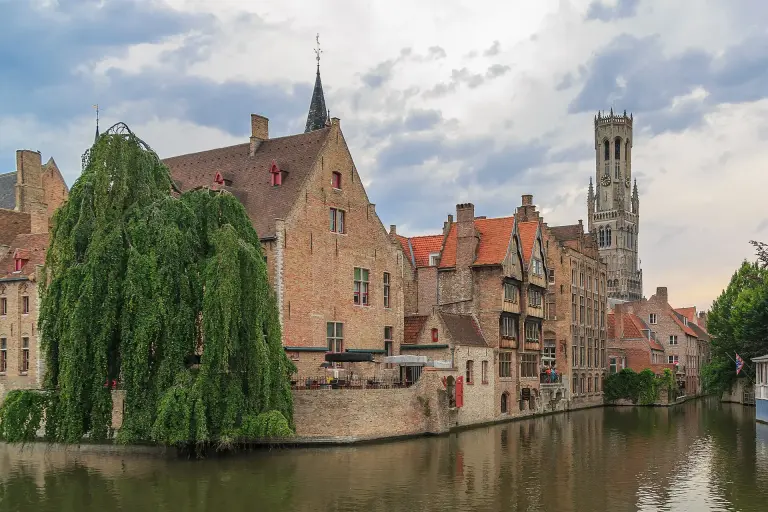
Bruges is known for its canals and well-preserved medieval centre. Trains from Brussels take roughly an hour or so, so it makes an easy day trip. Go early to avoid the largest crowds.
Ghent
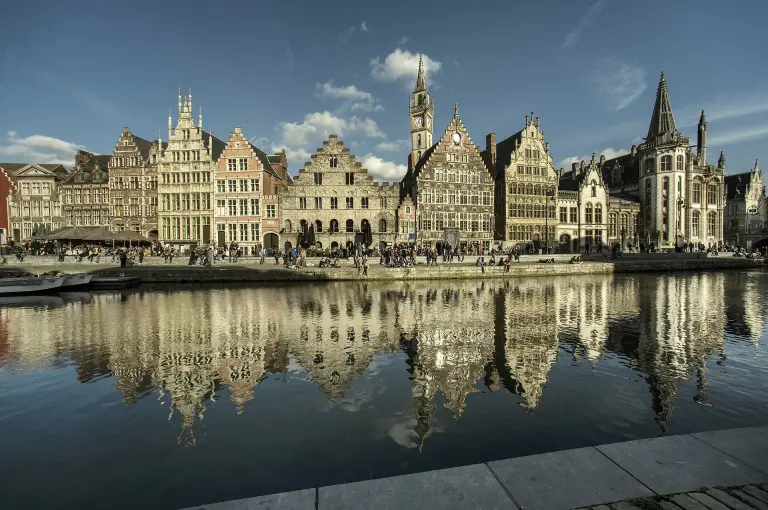
Ghent has a historic centre, canals and a lively university atmosphere. It is a short train ride away and often less crowded than Bruges.
Antwerp
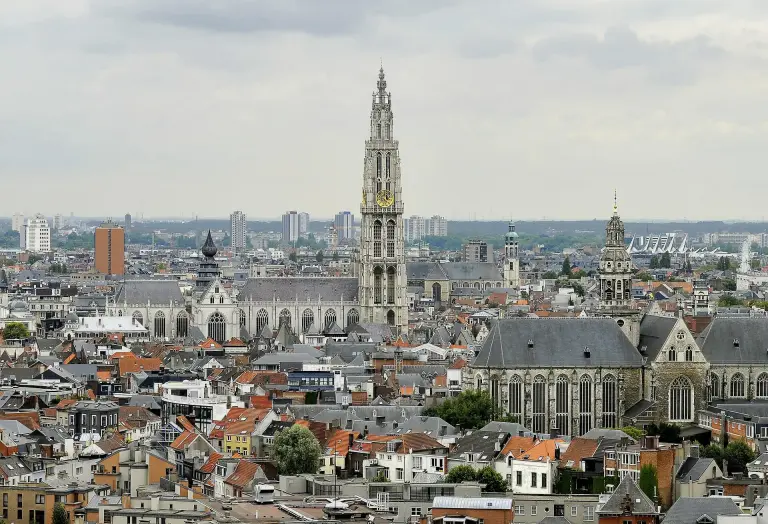
Antwerp is a port city known for fashion, diamonds and its grand railway station. Trains run frequently, and you can see the highlights in a day.
Waterloo
Waterloo, south of the city, is the site of the 1815 battle. It is reachable by train and bus, and suits visitors with an interest in history. Allow half a day.
FAQ
Q1When is the best time to visit Brussels?
Spring through early autumn, roughly April to October, has the mildest weather and long evenings. Winter is cold and grey but quiet, with festive markets in December. Bring a rain jacket in any season.
Q2How many days do you need in Brussels?
Two days covers the Grand Place, the old centre, a museum and the food. A third day lets you add a day trip to Bruges, Ghent or Antwerp. One day is enough for the highlights only.
Q3How do you get from Brussels Airport to the centre?
A direct train links the airport to the centre and is usually the quickest and cheapest option. Buses and taxis are also available. Check current ticket types and journey times before you travel.
Q4Is Brussels worth visiting?
Yes, especially for a short city break with great food, beer, architecture and museums, plus easy access to other Belgian cities. It suits two to three days, and it also works well as a base for day trips.
Prices, schedules and entry rules change. Check current details with official sources before you travel. Read the Belgium travel guide.