Why visit Jamaica
The list of things to do in Jamaica is longer than most beach islands manage. Jamaica covers 10,991 square kilometres, making it the third-largest island in the Caribbean (see the Wikipedia overview), and it has enough room for rainforest, mountains above 2,000 metres, limestone caves, river valleys and a long coastline of beaches and cliffs. It is also the birthplace of reggae, ska and dancehall, and Kingston’s music heritage is as much a reason to come as the sand.
Jamaica suits couples, friends travelling together, music fans, cooks and anyone who wants more than a week of sunbathing. English is the official language, flights from North America and Europe are frequent, and the tourism industry is mature. Visitors who leave the resort strip usually remember the food, the music and the hospitality more than the hotel. The trade-off is that independent travel needs planning, because public transport is limited and personal safety needs attention.
Best places to visit in Jamaica
The best places to visit in Jamaica are grouped around the north coast, the west, the south coast and the capital, so most trips focus on two or three bases.
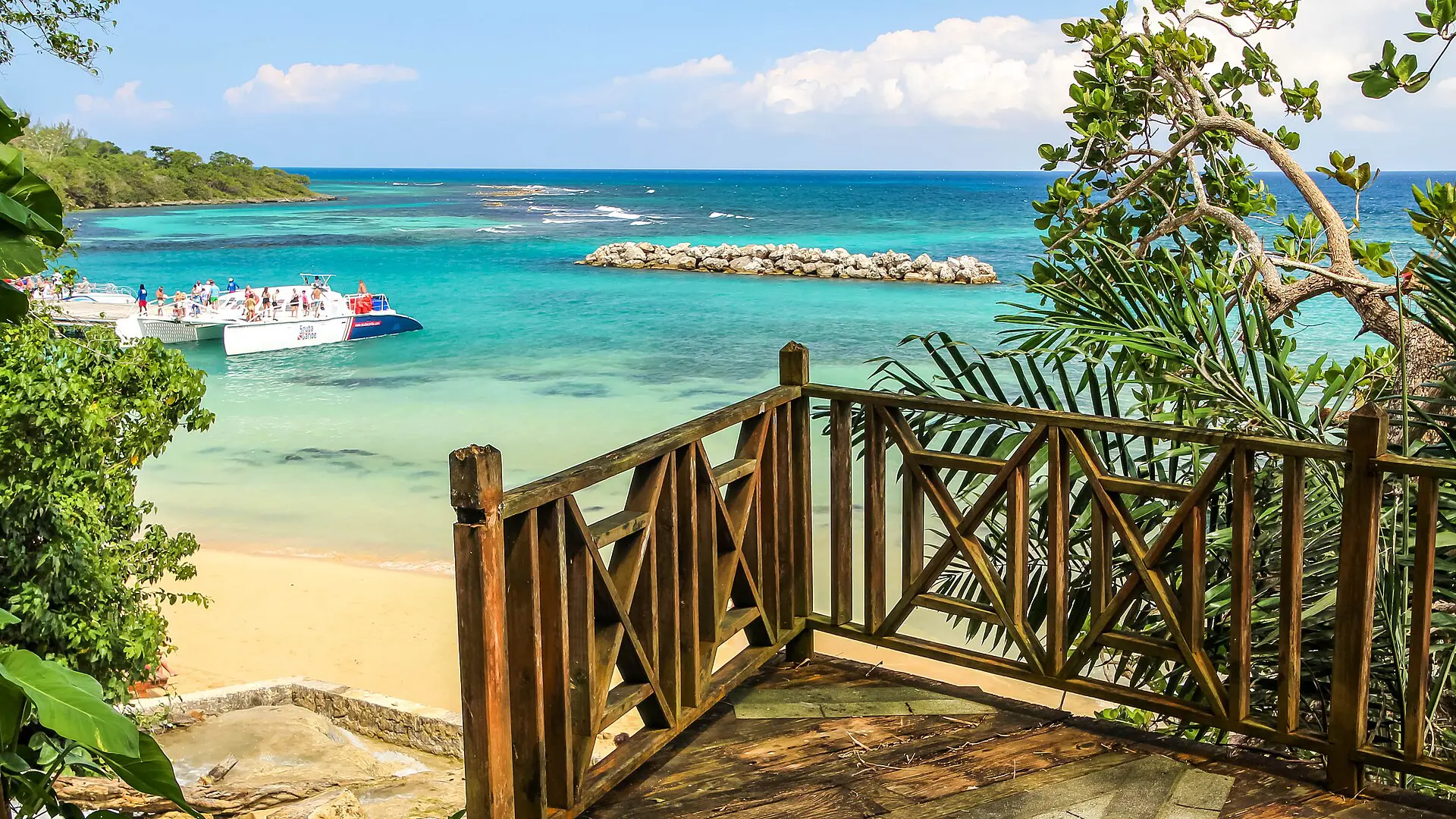
Negril
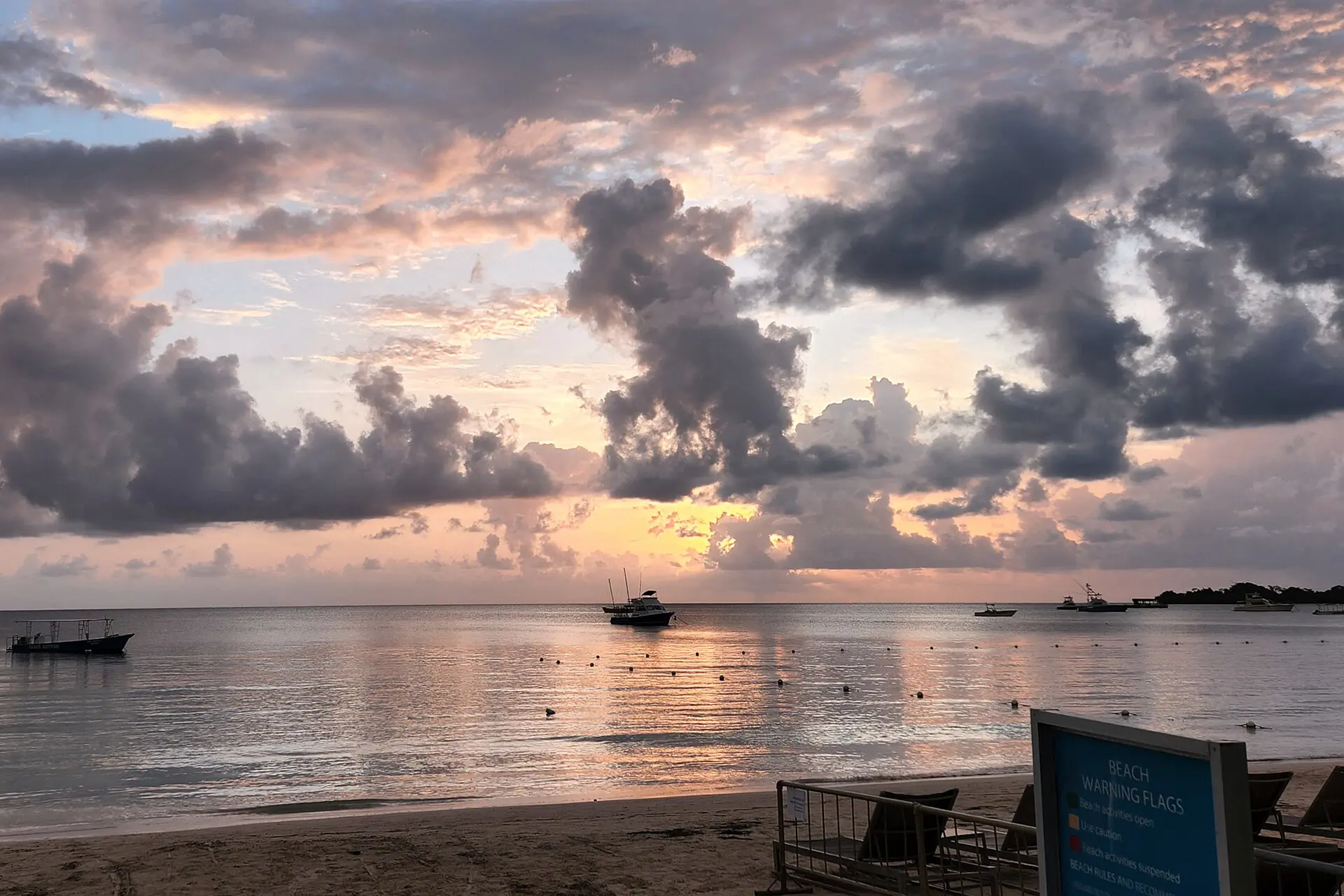
Negril sits at the island’s western tip and is known for a beach of roughly seven miles, shallow water and cliff-top bars that face the sunset. The mood is relaxed, with small hotels and guesthouses mixed in with larger resorts. It suits swimming, snorkelling and unhurried evenings.
Montego Bay
The island’s main tourist gateway has Sangster International Airport, resorts, golf courses and the Hip Strip along Gloucester Avenue. It is a practical base for trips to Rose Hall, rafting on the Martha Brae River and the beaches of the north coast.
Ocho Rios
Ocho Rios is the centre of the north coast’s waterfalls and cruise traffic. Dunn’s River Falls is the best-known stop, and the surrounding hills hold gardens, plantations and zip-line parks. Arrive early to avoid ship crowds.
Port Antonio
On the green north-east coast, Port Antonio is quieter and wetter than the rest of the north. Its famous Blue Lagoon, river rafting and hillside villas attract travellers who want atmosphere instead of resorts.
Kingston and the Blue Mountains
Kingston is the capital, a working city with the Bob Marley Museum, Devon House and a lively music and food scene. The Blue Mountains rise above it and produce the island’s famous coffee. Treasure Beach, on the south coast, is the low-key alternative to the north.
Top things to do in Jamaica
The top things to do in Jamaica range from easy beach days to full-day excursions, and a short trip can include several of them.
- Climb Dunn’s River Falls: a guided climb up tiered limestone cascades that end at the beach near Ocho Rios.
- Visit the Bob Marley Museum: the singer’s former home and studio on Hope Road in Kingston is the best introduction to reggae.
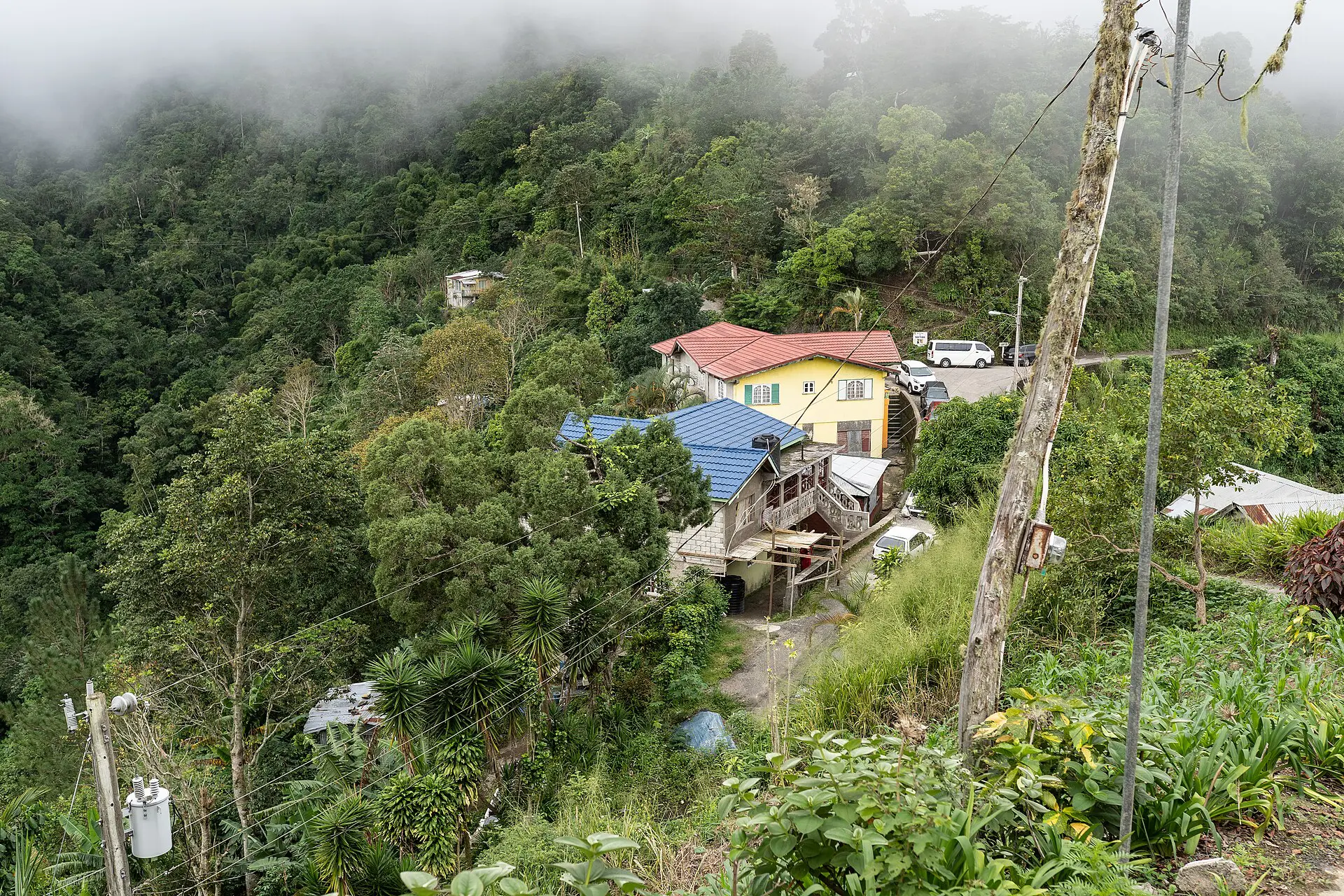
- Hike in the Blue Mountains: a pre-dawn walk to Blue Mountain Peak, at about 2,200 metres, rewards you with sunrise views on clear days.
- Watch the sunset in Negril: the cliff bars on the West End are the classic place for it.
- Raft the Martha Brae: a slow bamboo-raft float through jungle near Falmouth.
- Swim at Blue Lagoon: a deep, colour-shifting cove near Port Antonio.
- Tour a coffee farm: Blue Mountain estates explain how the beans are grown and roasted.
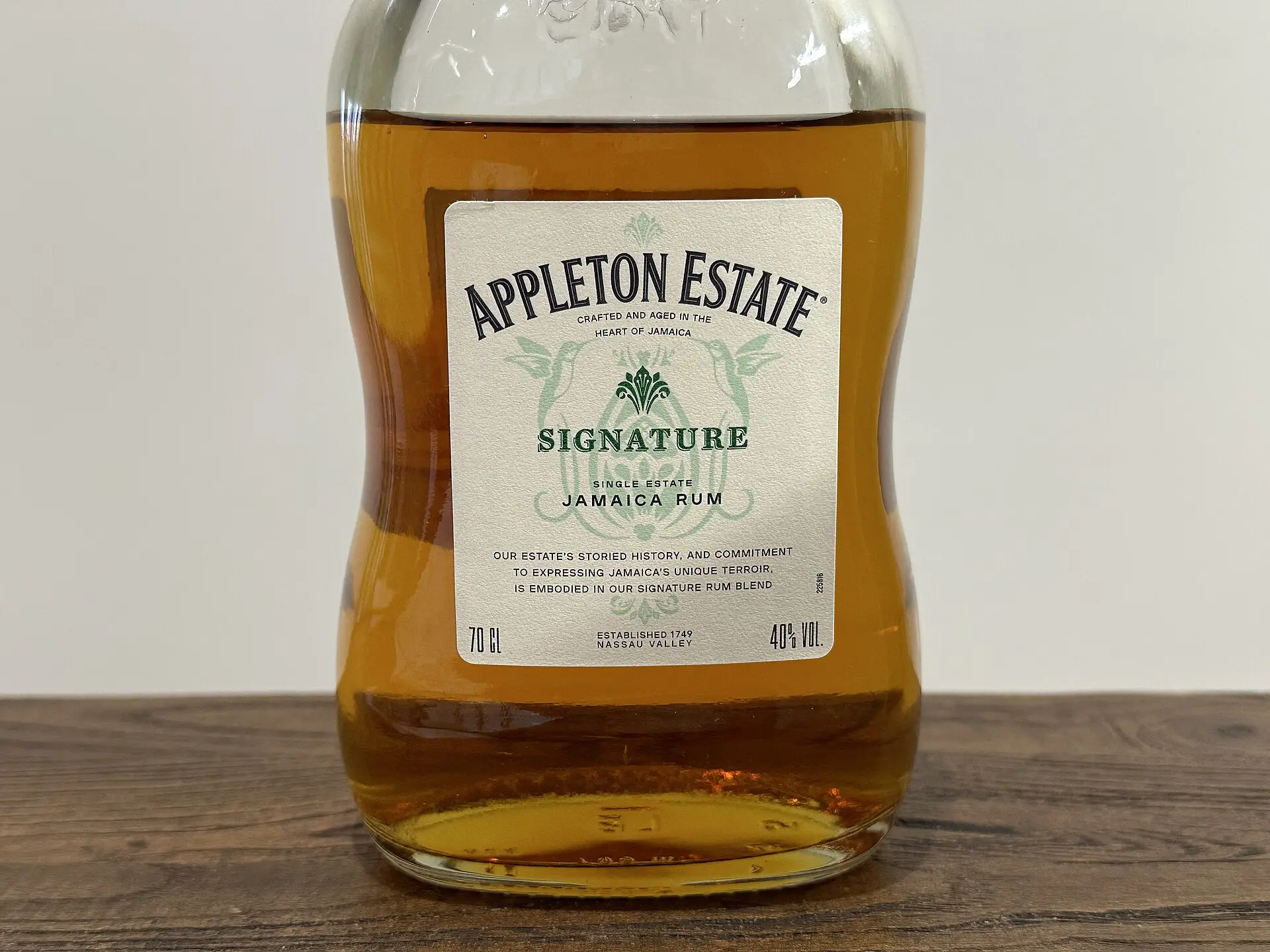
- Visit a rum distillery: Appleton Estate in St Elizabeth offers tours and tastings.
- Eat at a roadside jerk stand: smoke, pimento wood and scotch bonnet pepper define the island’s best-known dish.
- Snorkel in a marine park: Montego Bay Marine Park and Negril’s reefs have clear water in calm weather.
Best time to visit Jamaica
The best time to visit Jamaica is December to April, when the weather is dry, humidity is lower and seas are calm. Prices peak from mid-December to Easter. Hurricane season officially runs from June to November, with the highest risk in August to October, so travel insurance with weather cover is wise if you go then. Temperatures stay warm all year, with coastal highs around 30 C.
| Season | Weather | Crowds and prices | Good for |
|---|---|---|---|
| Dec-Apr | Dry, sunny, lower humidity | Highest prices and crowds | Beaches, hiking, sightseeing |
| May-Jun | Hotter, short heavy showers | Falling prices | Good-value beach trips |
| Jul-Aug | Hot and humid, Atlantic storm risk begins | Mixed; family season | Reggae Sumfest in Montego Bay, swimming |
| Sep-Nov | Wettest period, peak hurricane risk | Lowest prices | Budget stays if flexible |
Check the forecast and the National Hurricane Center before travelling in the wet season, and keep your plans flexible.
Is Jamaica safe to visit?
Is Jamaica safe? Mostly yes for visitors who stay in resort areas or use organised tours, but Jamaica has one of the higher violent-crime rates in the Caribbean, and governments advise extra care. Most incidents involve residents, yet tourists can be targeted by theft and pressure to buy. Check the UK FCDO or US State Department advice for current area warnings.
Crime. Avoid walking alone at night, do not display jewellery or cash, and stay out of inner-city areas of Kingston and Spanish Town unless a trusted local takes you. Some parishes have had states of emergency, which bring checkpoints and curfews.
Hustlers. Beach vendors and touts can be persistent. A calm, firm no works; agree prices before any service, including taxis and guided tours.
Roads. Traffic drives on the left, roads are narrow and winding, and minibuses overtake aggressively. Many visitors prefer licensed transfers over self-driving.
Nature and health. Hurricanes, heavy rain and landslides affect the island, and rip currents occur on some beaches. Use bottled or filtered water outside resorts, and take insect repellent because of mosquito-borne illnesses such as dengue.
Jamaica visa and entry requirements
Jamaica visa rules depend on your nationality. Citizens of the US, UK, Canada and most EU countries have generally been able to enter without a visa for tourist stays, commonly up to 90 days, but this can change. Confirm the current rule for your passport with the Passport, Immigration and Citizenship Agency of Jamaica or the nearest Jamaican embassy before you book.
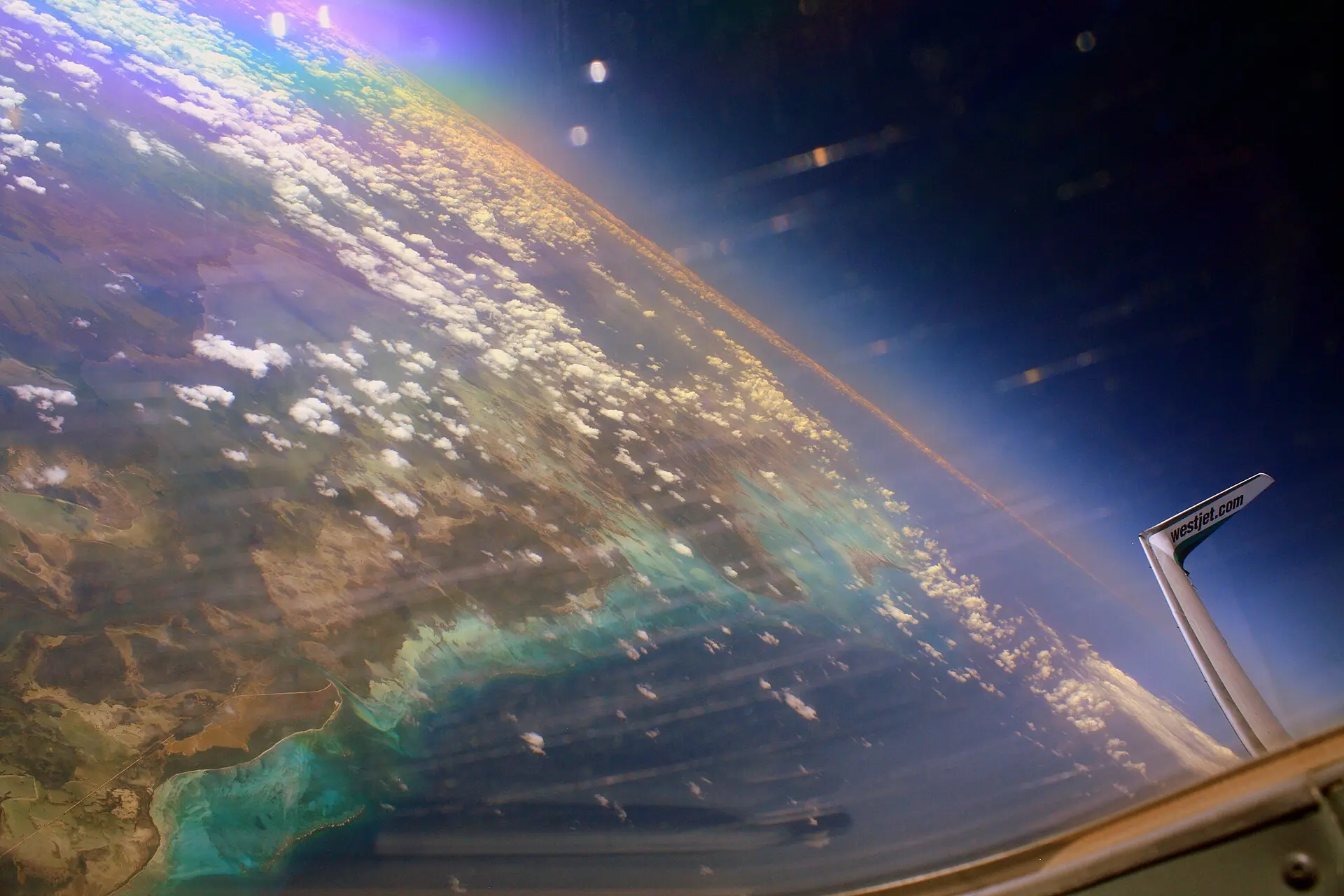
Bring a passport valid for the length of your stay, and keep proof of accommodation and a return or onward ticket, because airlines and officers may ask for them. Jamaica has used electronic immigration and customs declaration forms for arriving travellers, so check whether you need to complete one before you fly. Some entry or health requirements may apply if you have recently been in a country with yellow fever.
If you plan to see heritage sites, the UNESCO page for Jamaica lists the Blue and John Crow Mountains, which carry both natural and cultural designation. It does not cover entry rules.
Getting to and around Jamaica
Most visitors arrive at Sangster International Airport in Montego Bay, which serves the north coast and Negril, or at Norman Manley International Airport in Kingston, closer to the capital and the Blue Mountains. Ian Fleming Airport near Ocho Rios handles smaller flights, and cruise ships call at Falmouth, Ocho Rios and Montego Bay.
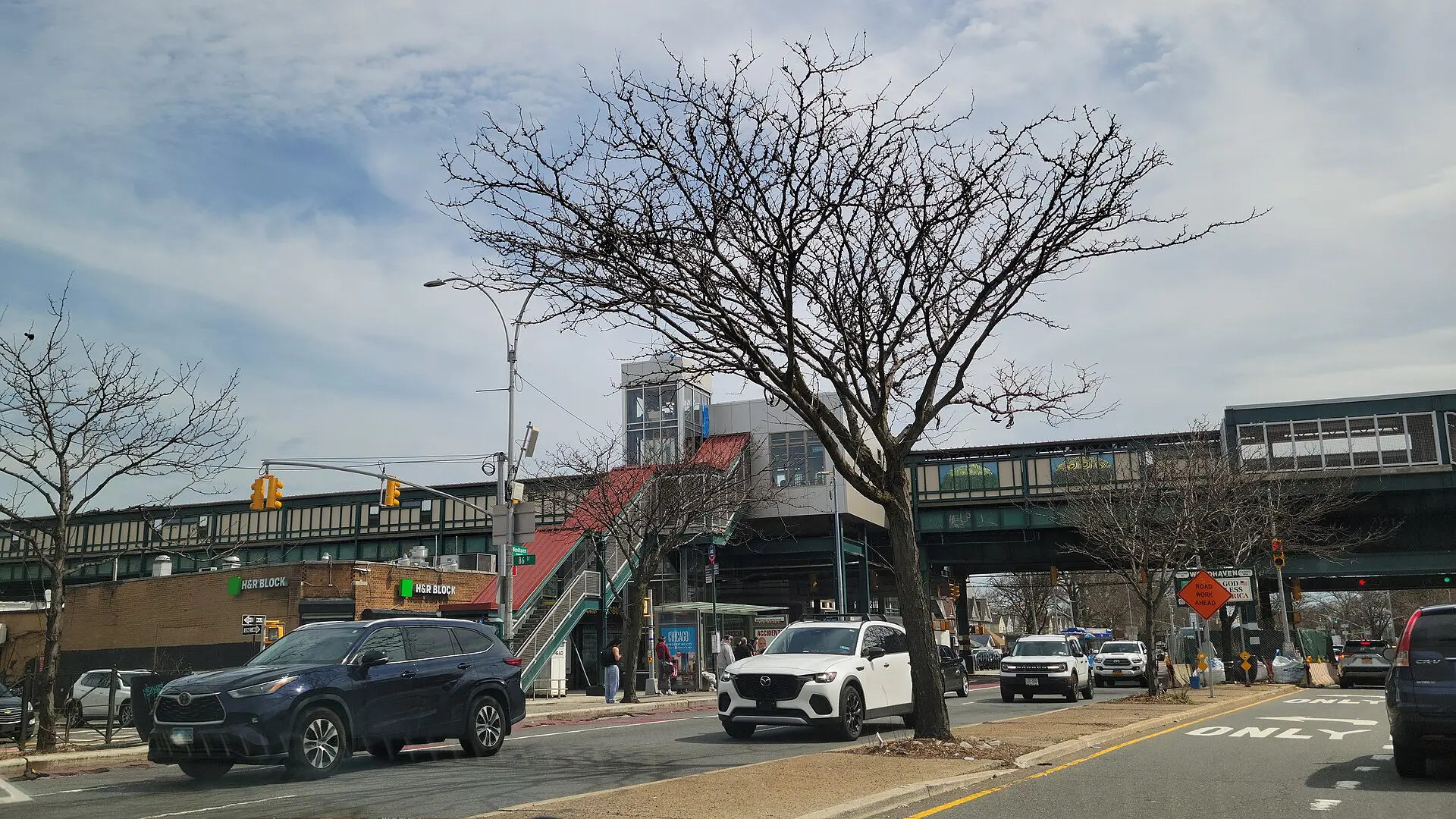
Jamaica has no passenger rail. Public transport relies on route taxis and minibuses, which are cheap but crowded and hard to use with luggage. Visitors usually book private transfers, hire a licensed driver for the day or rent a car. The north-coast highway between Montego Bay and Ocho Rios is fast, while mountain roads are slower than the map suggests.
Rough drive times are Montego Bay to Negril about 1.5 hours, Montego Bay to Ocho Rios about 1.5 to 2 hours, Ocho Rios to Kingston about 2 hours, and Kingston to Port Antonio about 2 hours. Driving is on the left. Use only licensed taxis, identifiable by red plates, or arrange pickups through your accommodation.
How much does a trip to Jamaica cost?
Jamaica is not a bargain island, and resort prices are close to other Caribbean destinations. The currency is the Jamaican dollar (JMD), but US dollars are widely accepted in tourist areas; you will usually get better prices in local currency for small purchases. The figures below are rough per-person guides for 2026 and rise sharply at Christmas.
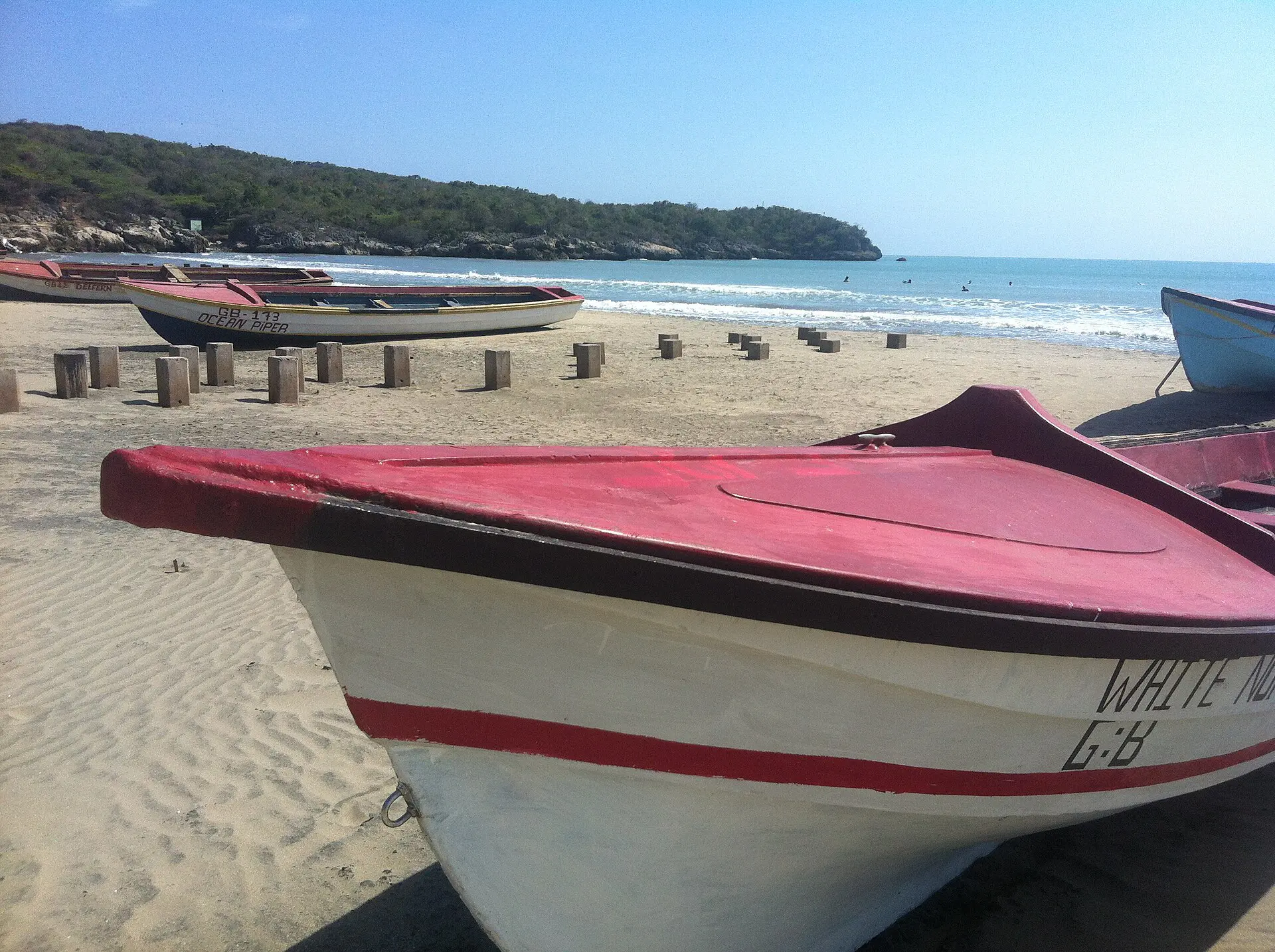
- Budget: around USD 70 to 120 per day, with guesthouses, local food and shared transport. Treasure Beach and Port Antonio are the cheapest bases.
- Mid-range: around USD 120 to 250 per day, with boutique hotels, tours and private transfers.
- High-end: USD 400 or more per day at all-inclusive luxury resorts and private villas.
Accommodation is the biggest cost, followed by transfers and organised excursions. Entry to popular attractions such as Dunn’s River Falls usually costs a few tens of US dollars, and local meals cost far less than restaurant dinners aimed at tourists. All-inclusive packages can offer good value if you plan to stay on site.
Jamaica food and drink
Jamaica food combines African, Indian, British and Indigenous influences, and it is spicier and more varied than most visitors expect. Pimento (allspice), scotch bonnet pepper, thyme and coconut appear again and again.
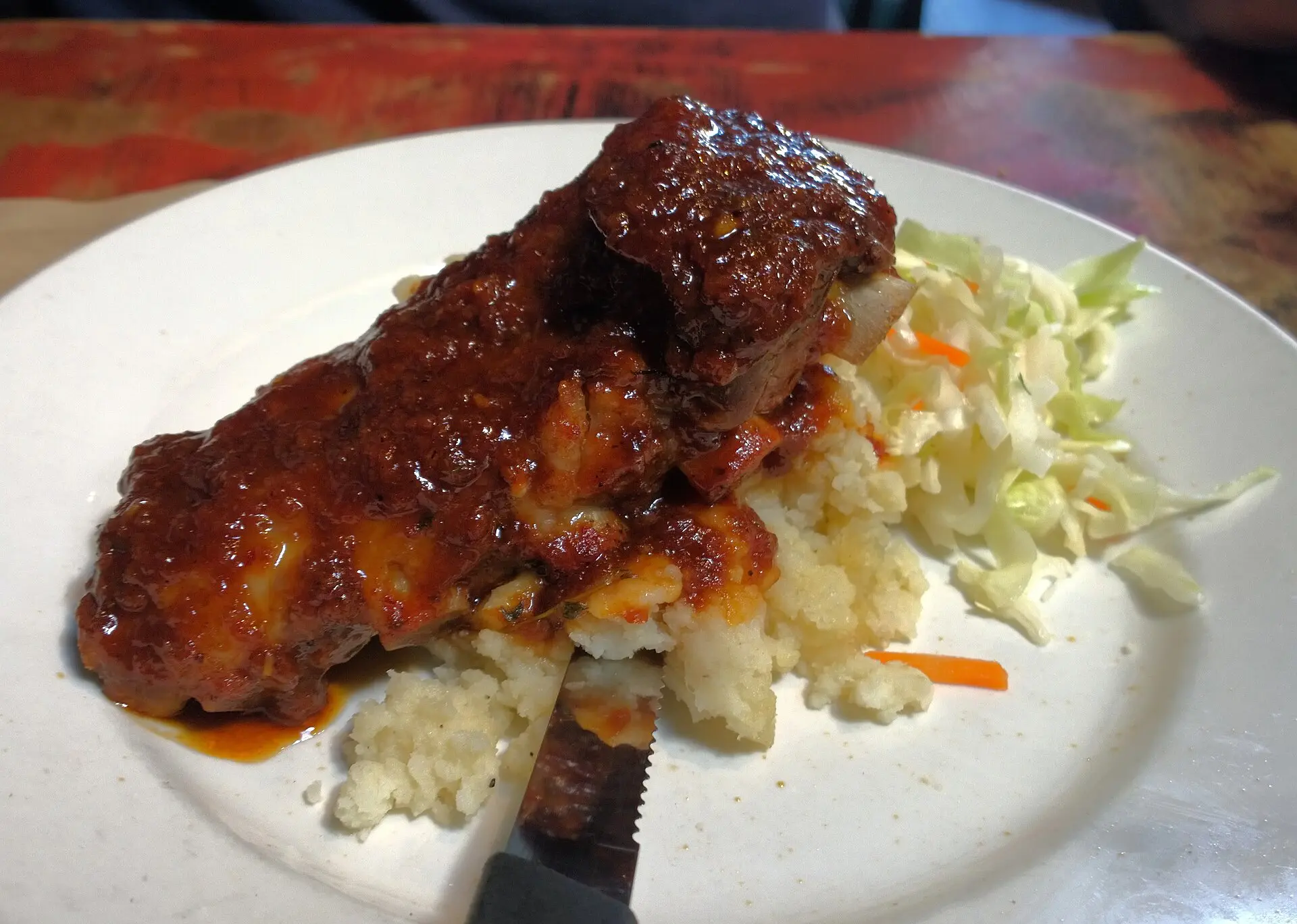
- Jerk chicken or pork: meat marinated in pimento and chilli, then slow-smoked over wood. Boston Bay near Port Antonio is a well-known jerk centre.
- Ackee and saltfish: the national dish, made with a soft fruit that scrambles like eggs, served at breakfast.
- Patties: flaky pastry filled with spiced beef, chicken or vegetables, often eaten in coco bread.
- Curry goat: a slow-cooked, fragrant stew served with rice, linked to the island’s Indian heritage.
- Escovitch fish: fried fish topped with pickled onions and peppers.
- Rice and peas: rice cooked with kidney beans and coconut milk, the standard Sunday side.
- Drinks: Blue Mountain coffee, Red Stripe beer, Appleton rum, ginger beer and fresh coconut water.
Vegetarians can eat Ital food, a Rastafarian plant-based style found at many small restaurants, and fresh fruit is excellent. Roadside stands and cookshops give the best value; sit-down tourist restaurants charge more. Check spice levels before ordering.
Culture, language and etiquette in Jamaica
English is the official language, but most Jamaicans also speak Jamaican Patois, an English-based creole with African influences. Visitors are usually understood in English, and locals enjoy it when you try a few phrases such as “wah gwaan” (what’s going on). Greet people before asking for anything, and expect conversation to take its time.
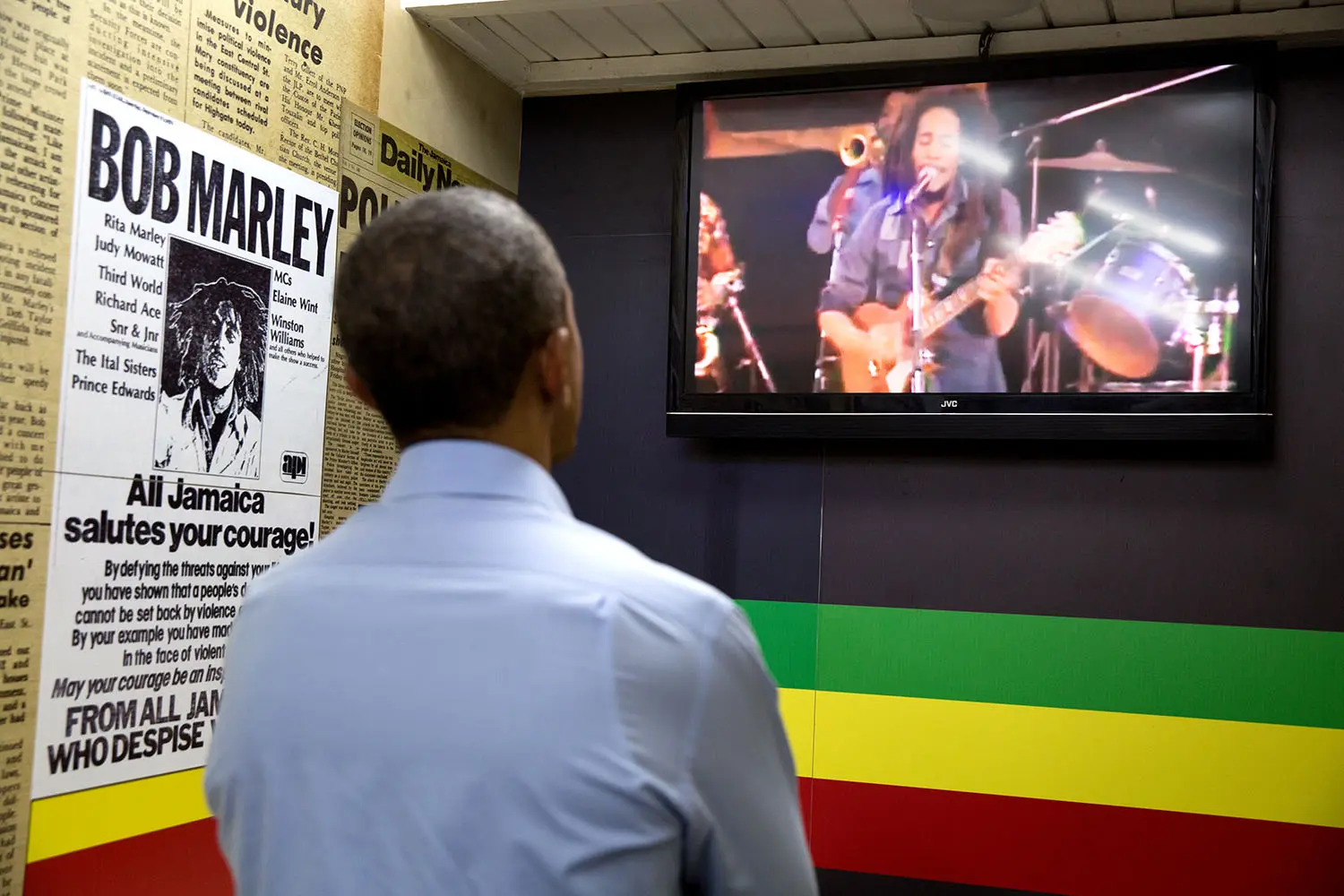
Music is part of daily life, from reggae and dancehall to gospel in church on Sunday. Rastafari, a religion and way of life that developed in Jamaica in the 1930s, has shaped the island’s culture, including Ital food and dreadlocks. The country is largely Christian and fairly conservative about dress away from the beach, so cover up when you leave resort areas.
Photographing people without asking is considered rude, and vendors may expect a tip. Cannabis was decriminalised for small amounts in 2015 and is legal for Rastafari sacramental use, but buying and carrying it still carries restrictions, and it cannot be taken on flights. Respect local rules and do not buy from strangers on the street. Be mindful of the island’s history of slavery when visiting plantation houses and museums.
Jamaica itinerary: a 7-day route
This route runs west to east and uses private transfers or a rental car. It avoids the areas governments advise visitors to avoid, and stays on main tourist routes.
- Day 1, Montego Bay: arrive at Sangster airport and transfer to Negril, about 1.5 hours. Swim and watch the sunset.
- Day 2, Negril: snorkel or take a boat trip in the morning, then visit the cliff bars at the West End.
- Day 3, Martha Brae and Falmouth: raft the river, then continue east to Ocho Rios.
- Day 4, Ocho Rios: climb Dunn’s River Falls early, then visit a nearby garden or try a local jerk stand.
- Day 5, Blue Mountains: drive to the Kingston side, about two hours, and tour a coffee estate.
- Day 6, Kingston: visit the Bob Marley Museum, Devon House and a live music venue in the evening.
- Day 7, return: allow about four hours to Montego Bay by road, or fly home from Kingston.
With extra time, add Port Antonio for the Blue Lagoon and Boston Bay jerk, or Treasure Beach for a quiet south-coast stay.
Practical tips for Jamaica
- Money: the Jamaican dollar is the local currency; ATMs are common in towns, cards work at hotels and larger restaurants, and cash helps at roadside stands. Keep small US or Jamaican notes for tips.
- SIM and eSIM: local prepaid SIMs and eSIMs are cheap and coverage is good along main routes. Check roaming charges if you rely on your home plan.
- Plugs: types A and B at 110 V, the same as in North America. Visitors from Europe and the UK need adaptors and may need voltage converters.
- Tipping: around 10 to 15 percent in restaurants unless a service charge is already added; tip drivers and guides.
- Health: bring insurance with medical evacuation cover, sunscreen and repellent. Pharmacies are common in towns.
- Packing: lightweight clothes, water shoes for river and waterfall excursions, a rain jacket and a warm layer for the Blue Mountains.
- Booking: reserve north-coast hotels early for December to April, and use a driver recommended by your hotel.
For more background, see the Wikivoyage Jamaica guide.
FAQ
Q1What are the best things to do in Jamaica?
Top picks are climbing Dunn's River Falls, watching sunset in Negril, visiting the Bob Marley Museum in Kingston, hiking in the Blue Mountains, rafting the Martha Brae River and eating jerk at a roadside stand. Together they cover beaches, music, nature and food.
Q2Is Jamaica safe?
Mostly yes for visitors in resort areas and on organised tours, but violent crime is high in some urban zones and governments advise extra care. Avoid walking at night, keep valuables out of sight, use licensed taxis and check your government's current travel advice before you go.
Q3What is Jamaica food like?
Jamaica food is bold and spiced, with jerk chicken, ackee and saltfish, curry goat, patties, escovitch fish and rice and peas as staples. Scotch bonnet pepper adds heat. Vegetarians can try Ital food, and Blue Mountain coffee and rum are local specialities.
Q4What is the best time to visit Jamaica?
December to April is best, with dry weather and calm seas, though prices peak. May to June offers lower prices and warm weather. September to November is the wettest and the most exposed to hurricanes, so it is cheaper but riskier for plans.
Q5What are the best places to visit in Jamaica?
Negril is best for beaches and sunsets, Ocho Rios for waterfalls, Port Antonio for a quieter green coast, Kingston for music and food, and the Blue Mountains for hiking and coffee. Montego Bay is the practical gateway with an airport, beaches and tours.
Q6Do I need a visa for Jamaica?
It depends on your nationality. Citizens of the US, UK, Canada and most EU countries have generally entered without a visa for short tourist stays, often up to 90 days. Rules change, so confirm with the Jamaican immigration authority or your embassy before booking.
Q7How many days do you need in Jamaica?
Seven days lets you combine Negril, Ocho Rios and Kingston with the Blue Mountains without rushing. Five days works for one coast, such as Montego Bay and Negril. Add extra days if you want Port Antonio or Treasure Beach, where travel times are longer.