Why visit Falmouth
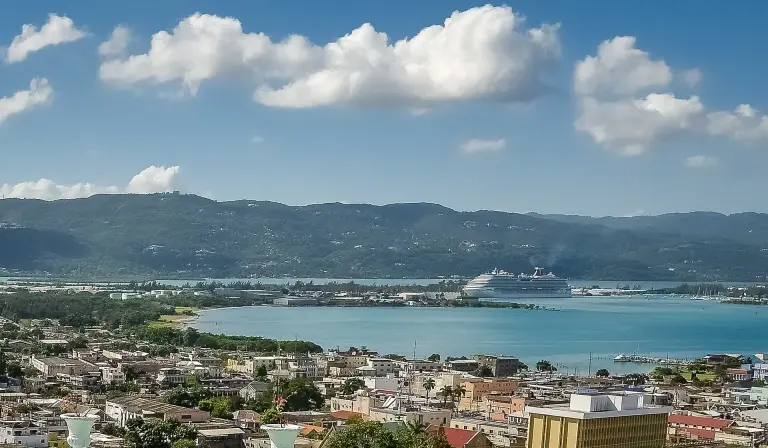
If you are planning things to do in Falmouth, Jamaica, begin with its architecture. It is the chief town of Trelawny parish on the north coast, 29 km east of Montego Bay, and it is one of the Caribbean’s best-preserved Georgian towns. It was planned from the start, with wide streets in a regular grid and public buildings, and it had piped water earlier than New York City.
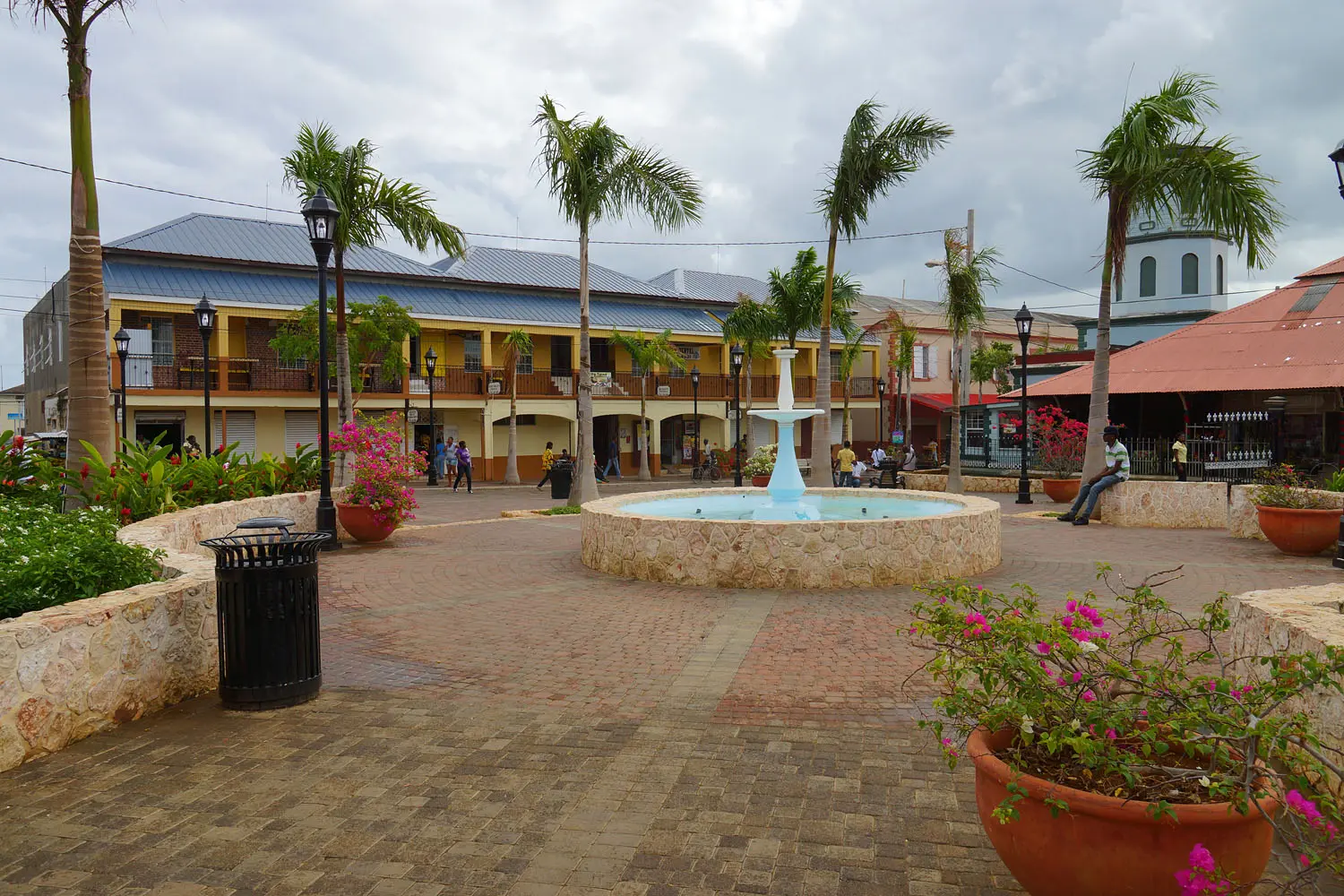
Founded in 1769, Falmouth flourished as a port and market centre when Jamaica was the world’s leading sugar producer. Its waterfront district is a National Heritage Site with buildings dating from the 1760s to 1840.
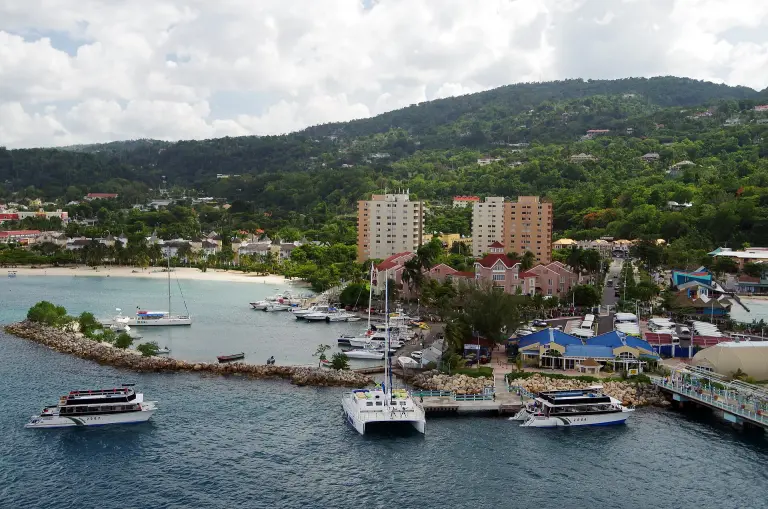
It is a small port, and it is a call for cruise ships, so the centre can be busy on ship days. It also sits between Montego Bay and Ocho Rios, which makes it a practical base for rivers, caves and beaches along the coast.
Top things to do in Falmouth
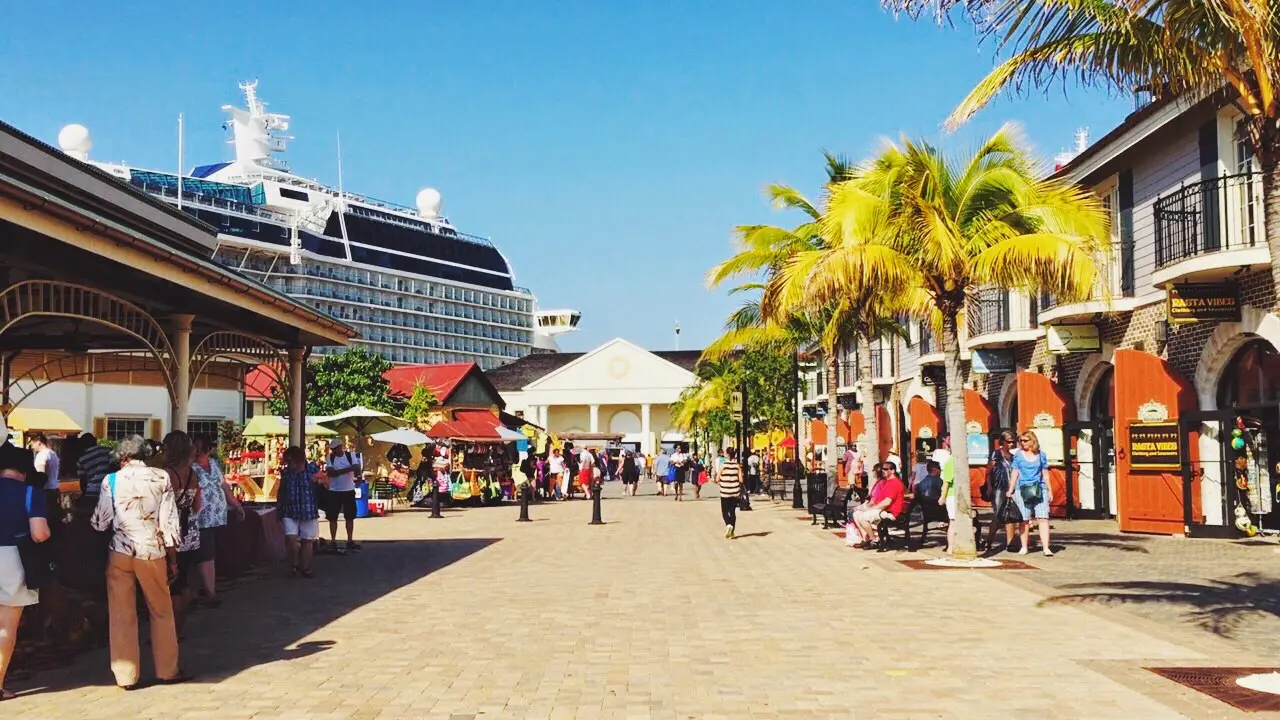
Walk the historic centre
The regular grid of streets holds Georgian-era buildings, churches and public buildings from the town’s boom years. A walking tour takes one to two hours. Tip: go in the morning before the heat, and ask your lodging or a local guide about the history of specific buildings.
Visit the waterfront
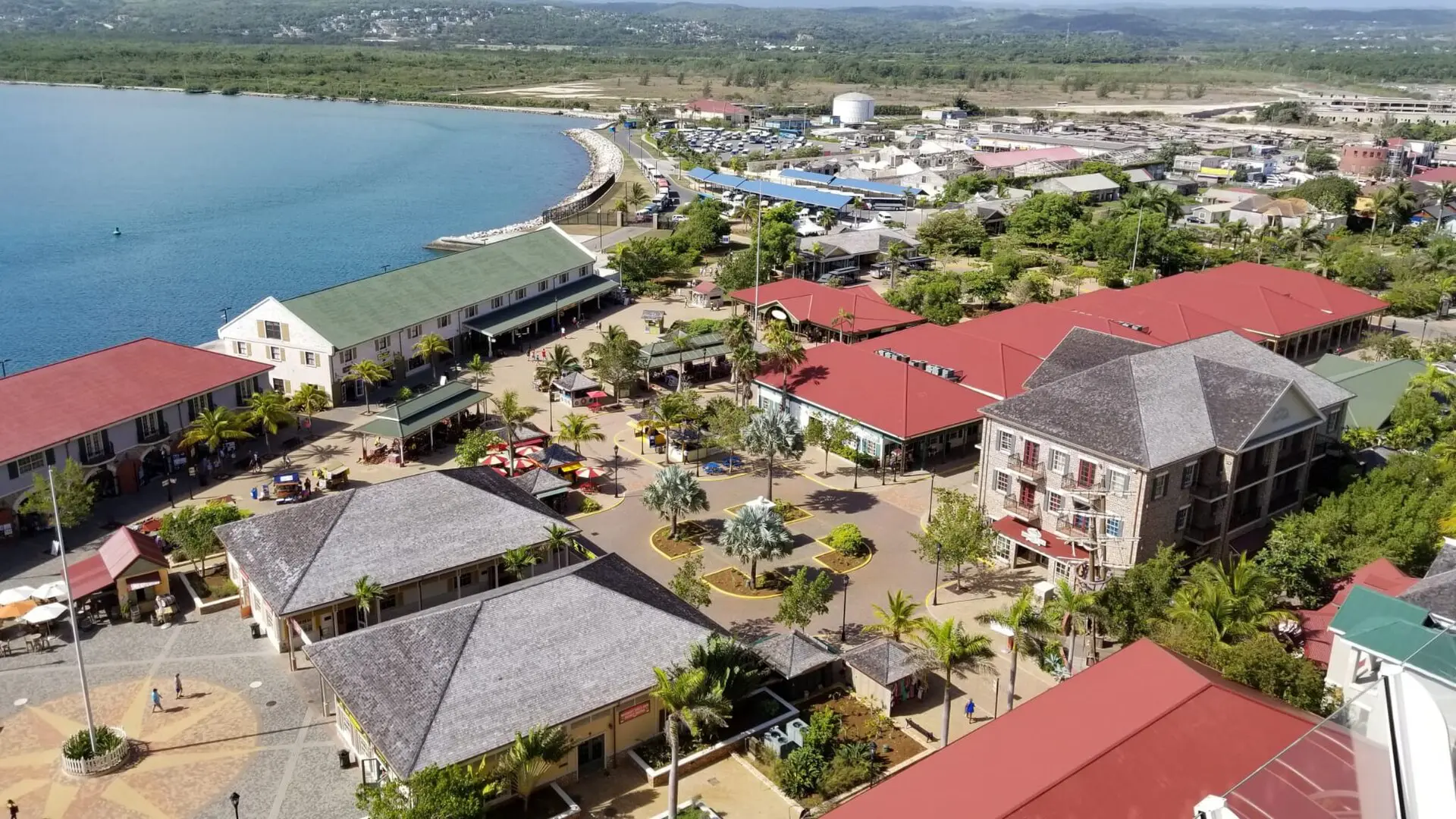
The waterfront district was the heart of the port, where sugar, rum and coffee were exported. It is now a heritage area, as well as a cruise pier. Allow an hour. Tip: check whether a cruise ship is in port, as the area is livelier and more crowded then.
See Georgian churches
Falmouth has several churches from the town’s early years. Opening hours vary and some may be closed except for services, so check ahead. Allow half an hour each. Tip: dress modestly and ask permission before photographing inside.
Take a river trip
Rivers in Trelawny support rafting and boat trips run by local operators. The Martha Brae area is nearby, and the town itself was built on a place previously known as Martha Brae Point. Allow a half day. Tip: agree prices and what is included before you set out.
Go to the beach
Beaches lie along the north coast between Falmouth, Montego Bay and Ocho Rios. Choose a public beach or a paid one with facilities. Allow half a day. Tip: bring sun cover and keep valuables secure.
Learn about the sugar and rum story
The parish was the most important region for sugar and rum in the 18th century, and the history is central to the town. The heritage here includes difficult aspects, including the role of enslaved people. Tip: look for guides who can speak about this history with context.
Try local food
Jamaican food is a draw in itself, and small restaurants and stalls near the centre serve local dishes. Tip: ask what is freshly made, and carry cash for smaller places.
Best time to visit Falmouth
The dry, cooler months from December to April are the most comfortable and the busiest, with the highest prices. Daytime temperatures are warm and humidity is lower, which suits walking tours and excursions.
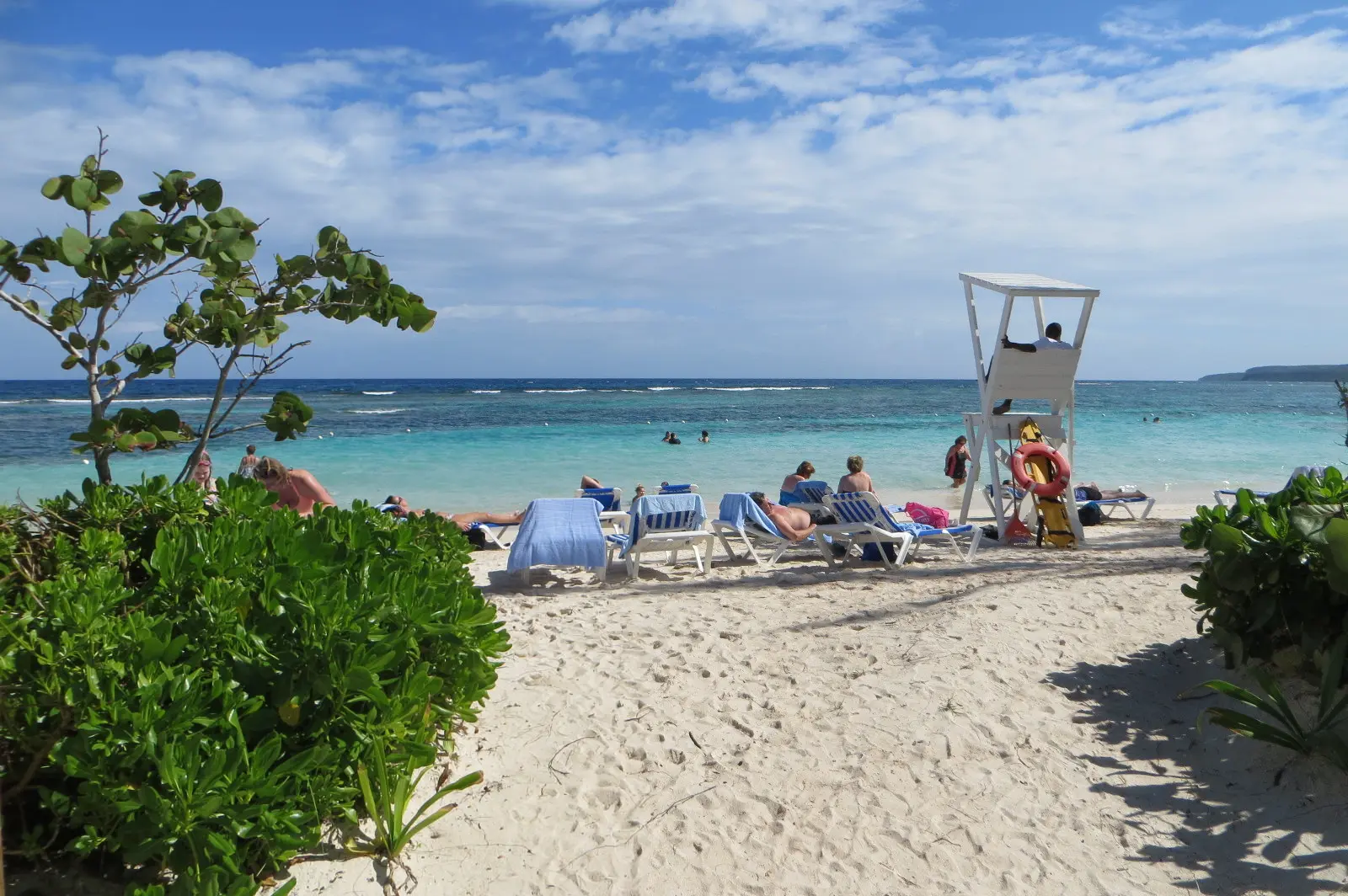
May to November is hotter, more humid and wetter, with the Atlantic hurricane season running from June to November and the highest risk usually from August to October. Check forecasts and your insurance terms if you travel then. Prices are lower, and the town is quieter apart from cruise-ship days.
Cruise arrivals shape the rhythm of the waterfront: on port days, shops and attractions are busier, and on other days the town is calm. Check the cruise calendar if you want crowds or quiet.
How to get to Falmouth and around
Falmouth is a port of call for cruise ships, and many visitors arrive that way. By air, the nearest major airport is Sangster International in Montego Bay, about 31 km west by road. A taxi or pre-booked transfer takes roughly 30 to 45 minutes depending on traffic; check current options and fares.
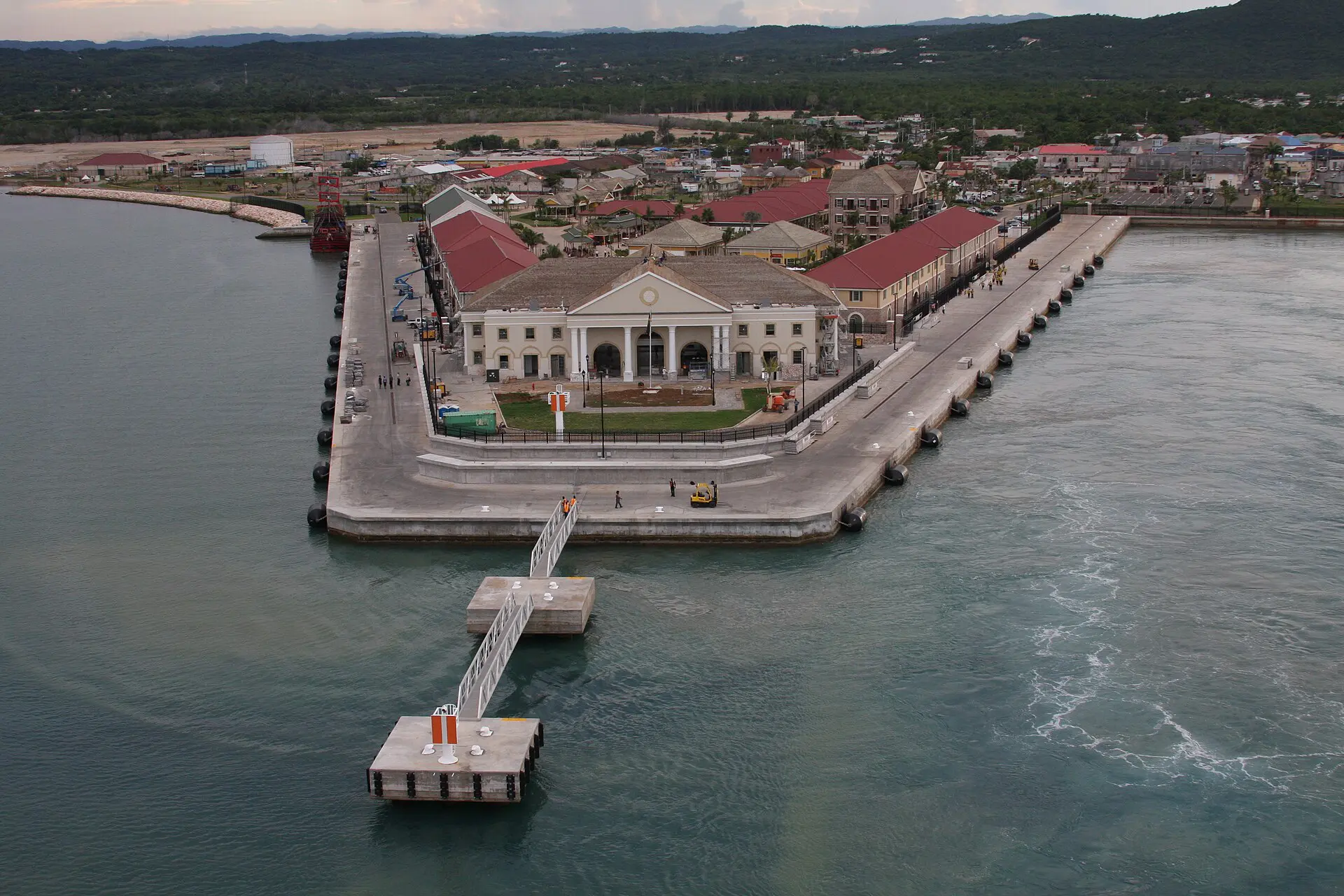
The town sits on the north coast highway, so it is also reachable by road from Ocho Rios and other parts of the island. Many taxis, buses and chartered vehicles operate around the town.
Within the town, most sights are within walking distance. For rivers, beaches and attractions outside town, use a licensed taxi or a pre-arranged tour. Agree fares before you set out, and avoid driving at night unless you know the roads, as conditions vary.
Where to stay in Falmouth
Staying in or near Falmouth suits travellers who want a quiet base with local character rather than a resort. Lodging in the town itself is limited, so check recent reviews and book ahead.
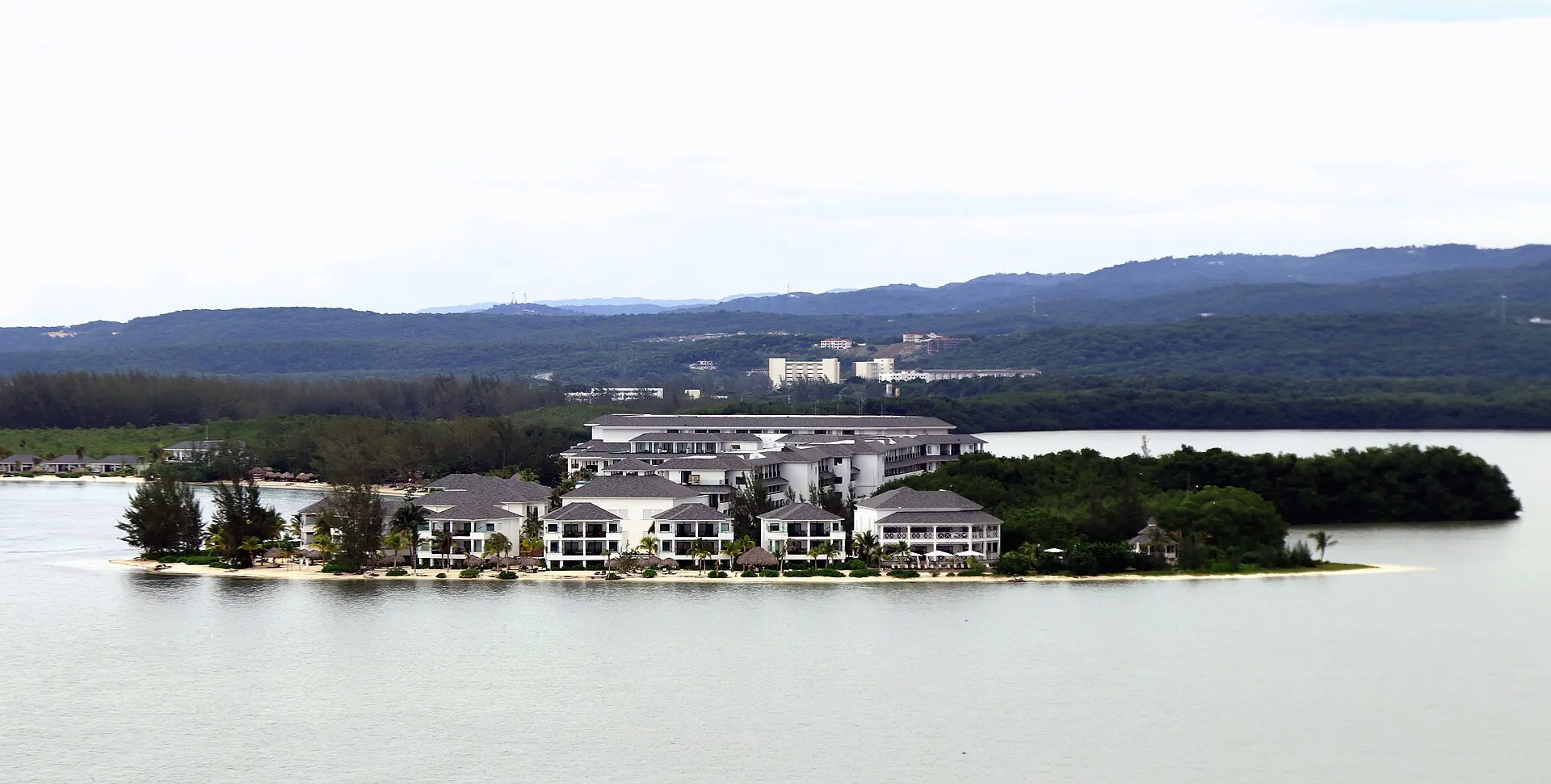
Montego Bay, about 29 km west, has the widest choice of hotels and restaurants and is the easiest base if you arrive by air. It suits travellers who want resort facilities and easier transfers, though it is busier and more commercial.
Ocho Rios to the east is another option, with its own attractions and lodging. If you want a beach resort, look along the coast between the main towns, where all-inclusive properties are common. Consider how much time you will spend in transit before choosing, and book early for December to April.
How many days do you need?
A half day covers the old town and waterfront, which is why many cruise visitors spend only a few hours here. If you are staying on land, two or three days lets you add river or coast excursions. Because the surrounding area is rich in attractions, many travellers treat Falmouth as one stop on a longer north-coast trip.
- Day 1: Walk the historic centre, visit the waterfront and have lunch locally.
- Day 2: Take a river trip or spend the day at a beach nearby.
- Day 3: Visit Montego Bay or Ocho Rios for a day trip.
Day trips and nearby
Montego Bay
Montego Bay lies about 29 km west and is Jamaica’s main tourist gateway, with beaches, restaurants and an international airport. A day trip is easy by taxi or tour. Check transport times, which depend on traffic.
Ocho Rios
Ocho Rios lies east along the north coast and is known for waterfalls and attractions. It is a popular excursion from Falmouth. Allow a day, and check opening hours and ticket prices.
Dunn’s River Falls
Dunn’s River Falls is near Ocho Rios and is one of the best-known natural attractions on the island. It is usually busy, especially on cruise days. Go early, check current access rules and wear water shoes.
Runaway Bay
Runaway Bay lies along the coast between Falmouth and Ocho Rios and has beaches and resorts. Allow a half day. Check how to get there, as public transport is limited and a taxi or tour is easier.
FAQ
Q1When is the best time to visit Falmouth, Jamaica?
December to April is the driest and most comfortable period, though prices are higher. May to November is hotter and wetter, with hurricane season from June to November and the highest risk usually in August to October. Check forecasts and the cruise schedule.
Q2How many days do you need in Falmouth?
A few hours to a half day covers the old town and waterfront. Two or three days works if you want river trips, beaches and day trips to Montego Bay or Ocho Rios. Many travellers combine Falmouth with other north-coast stops.
Q3How do you get to Falmouth?
Fly into Sangster International Airport at Montego Bay, about 31 km west, and continue by taxi, transfer or car. Falmouth is also a cruise port. Check current transfer options and fares, and avoid unfamiliar roads at night.
Q4Is Falmouth worth visiting?
Yes, if you are interested in Georgian architecture and Jamaican history, since it is one of the Caribbean's best-preserved Georgian towns. It is small, so combine it with the coast. If you want resort beaches only, other areas may suit you better.
Prices, schedules and entry rules change. Check current details with official sources before you travel. Read the Jamaica travel guide.