Why visit Spain
This Spain travel guide starts with range: the country covers about 506,000 square kilometres and combines Roman aqueducts, Moorish palaces, Gothic cathedrals, modernist architecture, ski-capable mountains and beaches on four different seas and oceans (see the Wikipedia overview for background). Madrid, the capital, sits in the centre, while Barcelona, Seville and Valencia each have a distinct character, language or cuisine.
Spain suits almost every kind of traveller, from first-time Europe visitors to repeat visitors who want regional food and walking routes. It works especially well for city breaks, family beach holidays, road trips and anyone who cares about eating and drinking late and well. Be ready for long lunches, late dinners, strong summer heat in the south and large crowds at the best-known sites between June and August.
Best places to visit in Spain
The best places to visit in Spain are spread across a large country, so most trips link two or three regions by high-speed train or short flights.
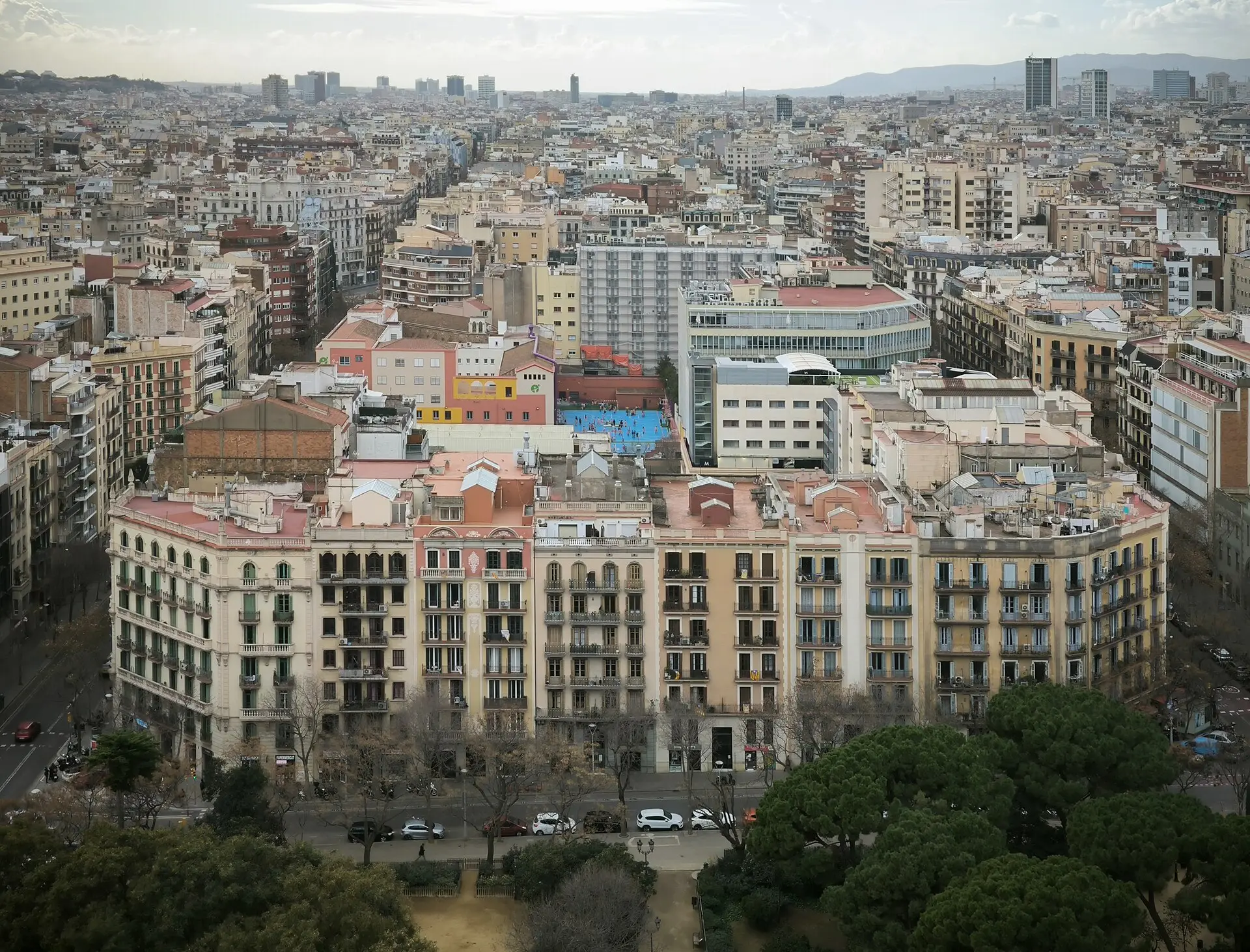
Barcelona
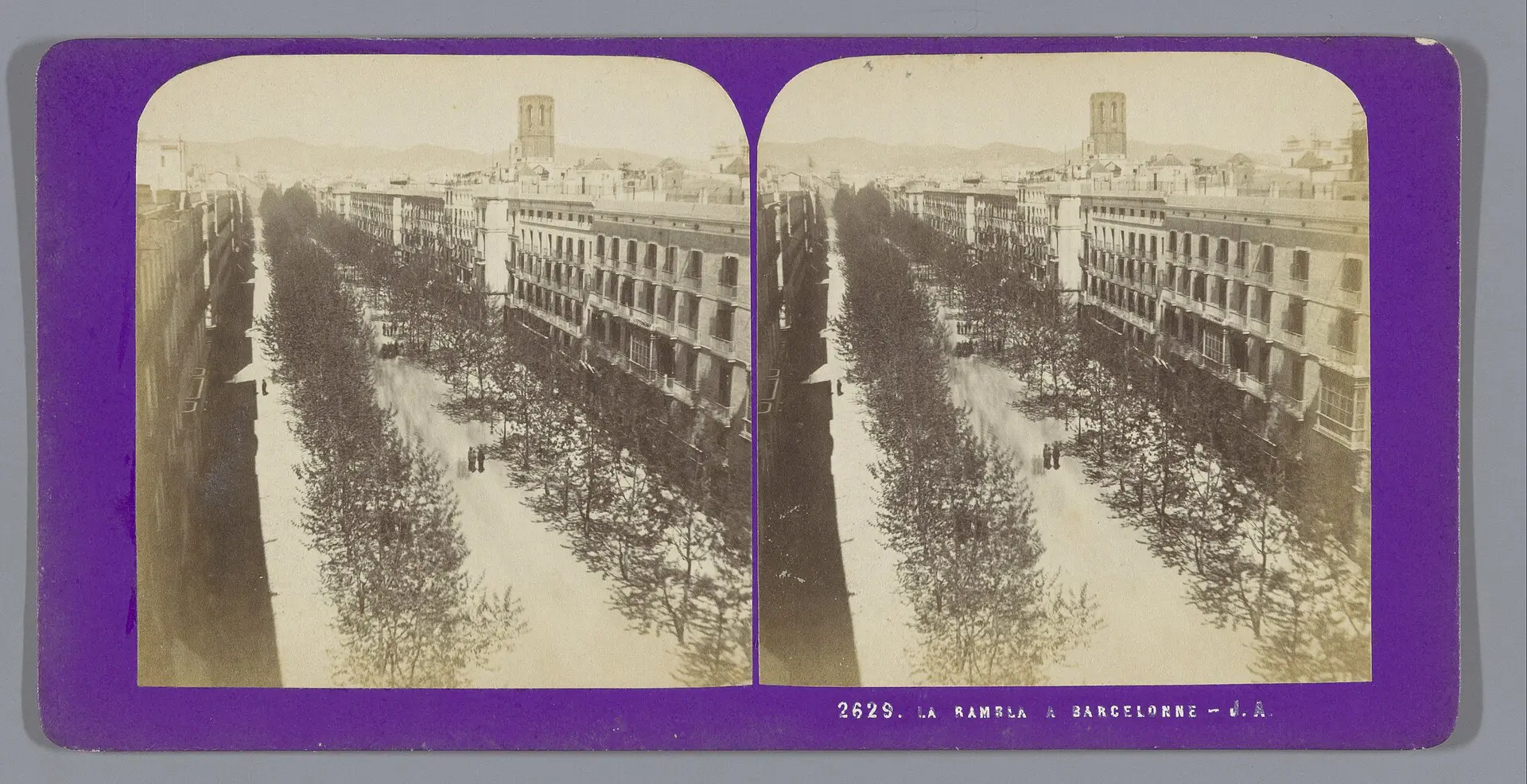
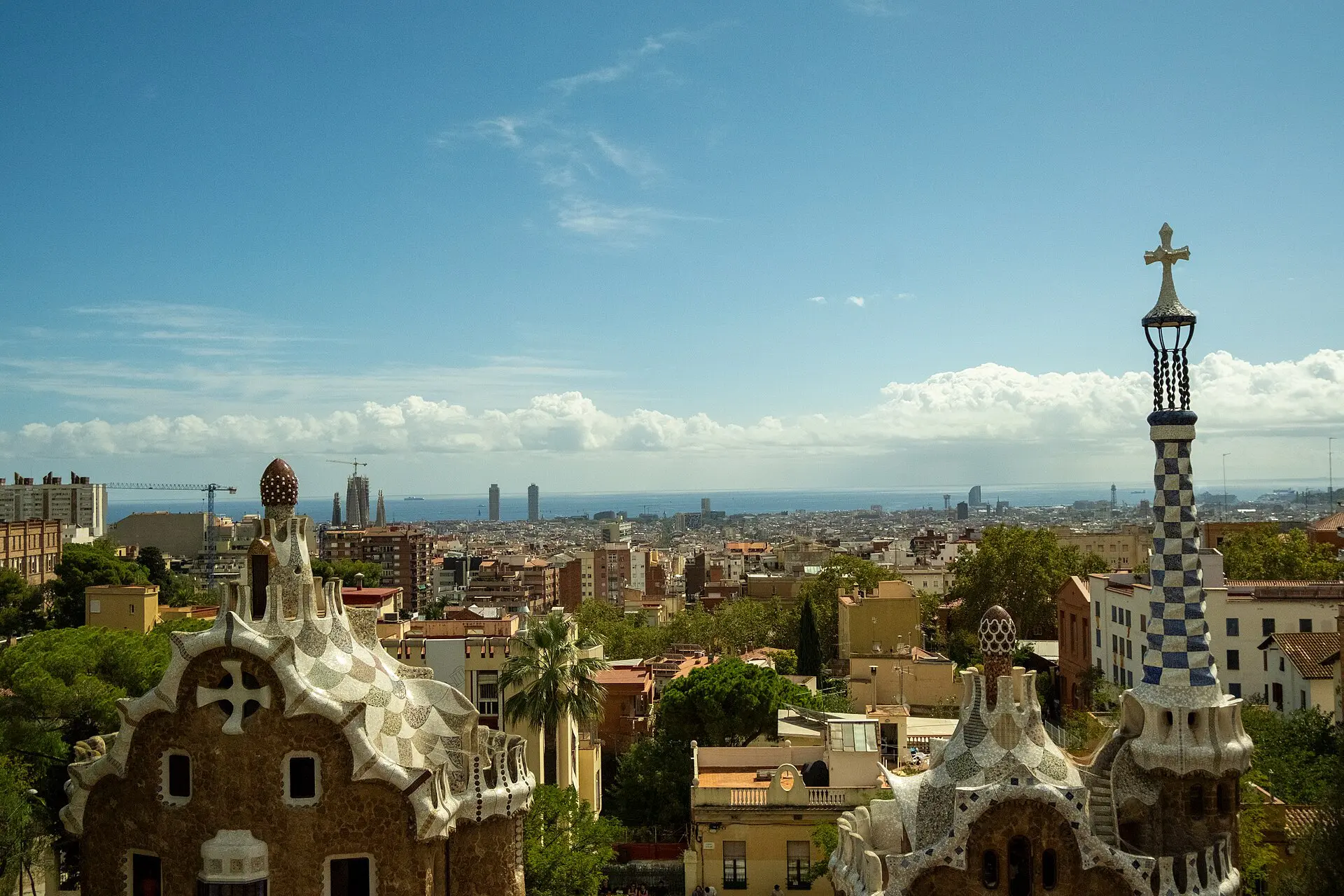
The Catalan capital combines Gaudí’s Sagrada Família and Park Güell with a Gothic Quarter, city beaches and some of Spain’s best restaurants. Book major attractions ahead, and allow at least three nights.
Madrid
The capital has the Prado, Reina Sofía and Thyssen-Bornemisza museums, a royal palace, large parks such as Retiro and a late-night dining scene. Toledo and Segovia are easy day trips by train or bus.
Seville and Andalusia
Seville has its cathedral and Giralda tower, the Real Alcázar and flamenco bars. Nearby, Córdoba’s Mezquita and Granada’s Alhambra are the highlights of Moorish Spain, and white villages fill the hills inland.
Valencia
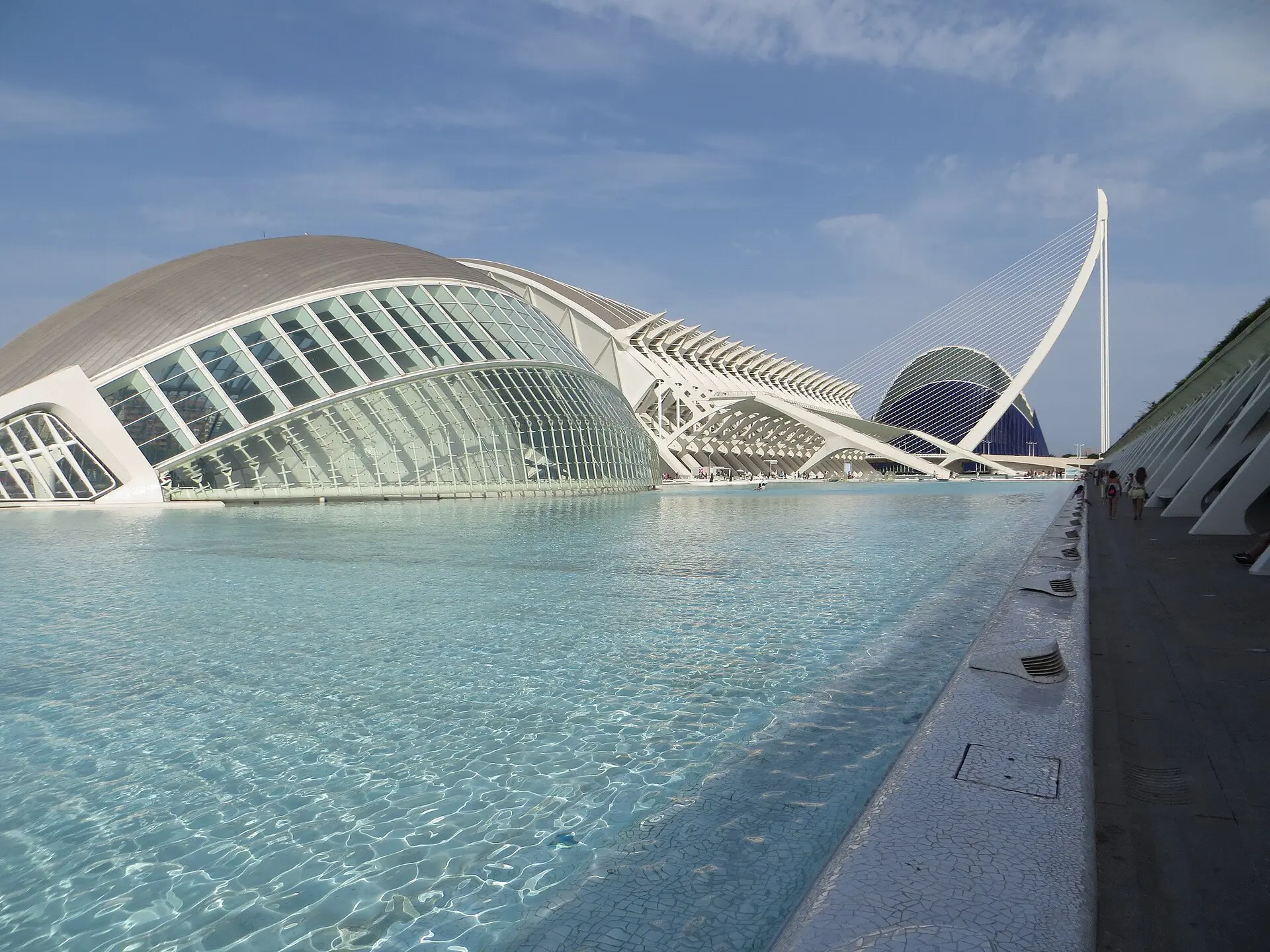
A relaxed coastal city with the futuristic City of Arts and Sciences, a long beach and the home of paella. It is under two hours from Madrid by train.
San Sebastián and the north
The Basque coast has beaches, pintxos bars and many Michelin-starred restaurants, while Bilbao has the Guggenheim Museum. Galicia, further west, is known for seafood and the end of the Camino de Santiago.
Balearic and Canary Islands
Mallorca, Menorca and Ibiza offer Mediterranean beaches and coves, while Tenerife and other Canary Islands have year-round warmth and volcanic scenery.
Top things to do in Spain
The top things to do in Spain mix art, architecture, food and outdoors, with enough variety to fill several trips.
- Tour the Alhambra: tickets are limited and sell out, so book early, and allow half a day for palaces and gardens.
- See the Sagrada Família: reserve a timed entry and climb a tower for the city view.
- Visit the Prado Museum: Madrid’s main art museum holds works by Velázquez, Goya and El Greco.
- Go on a tapas crawl: order small plates and a drink at several bars in Seville, Granada or Madrid.
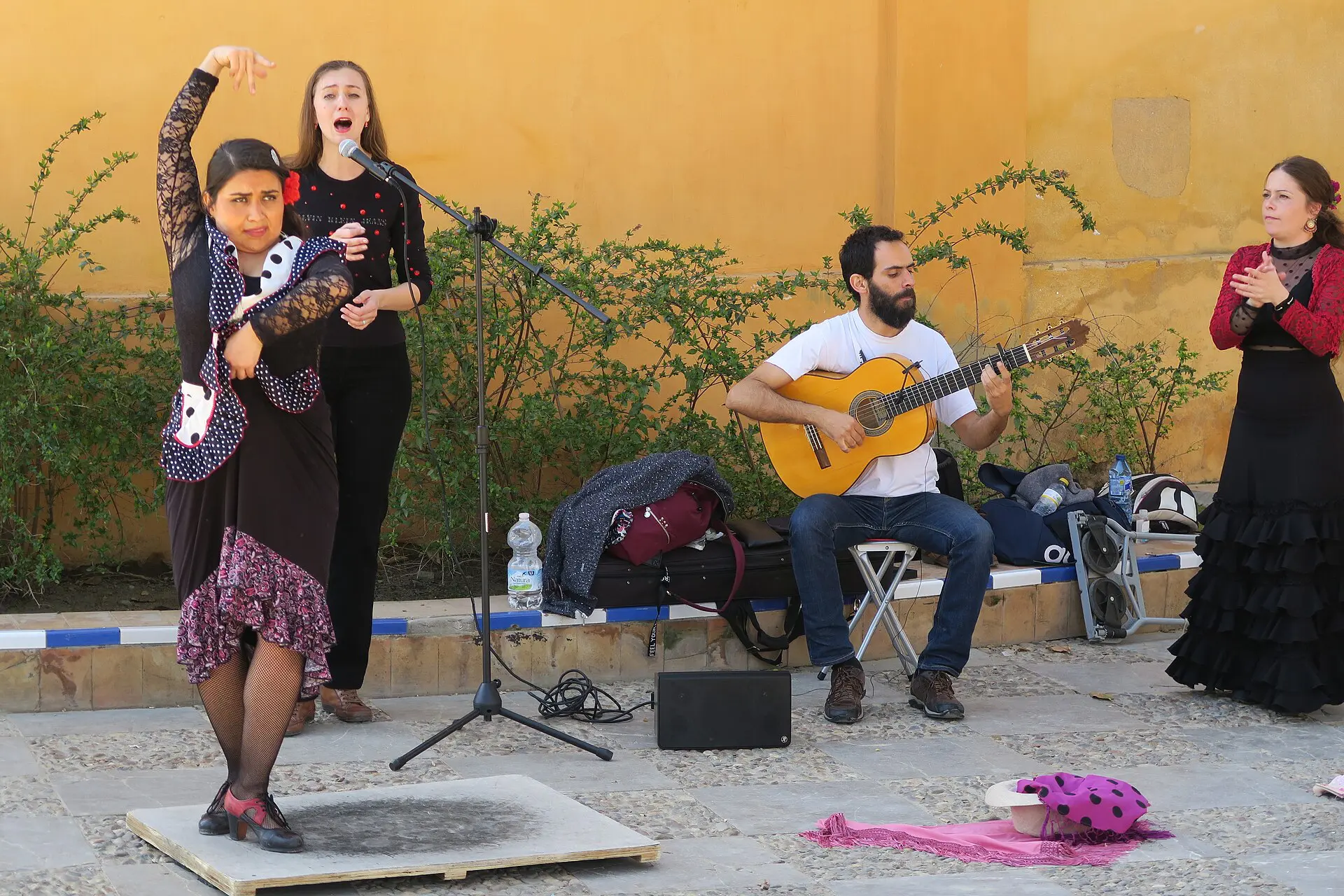
- Watch flamenco: small venues in Seville and Granada are often better than big tourist shows.
- Walk part of the Camino de Santiago: the last 100 kilometres into Santiago de Compostela suit most walkers.
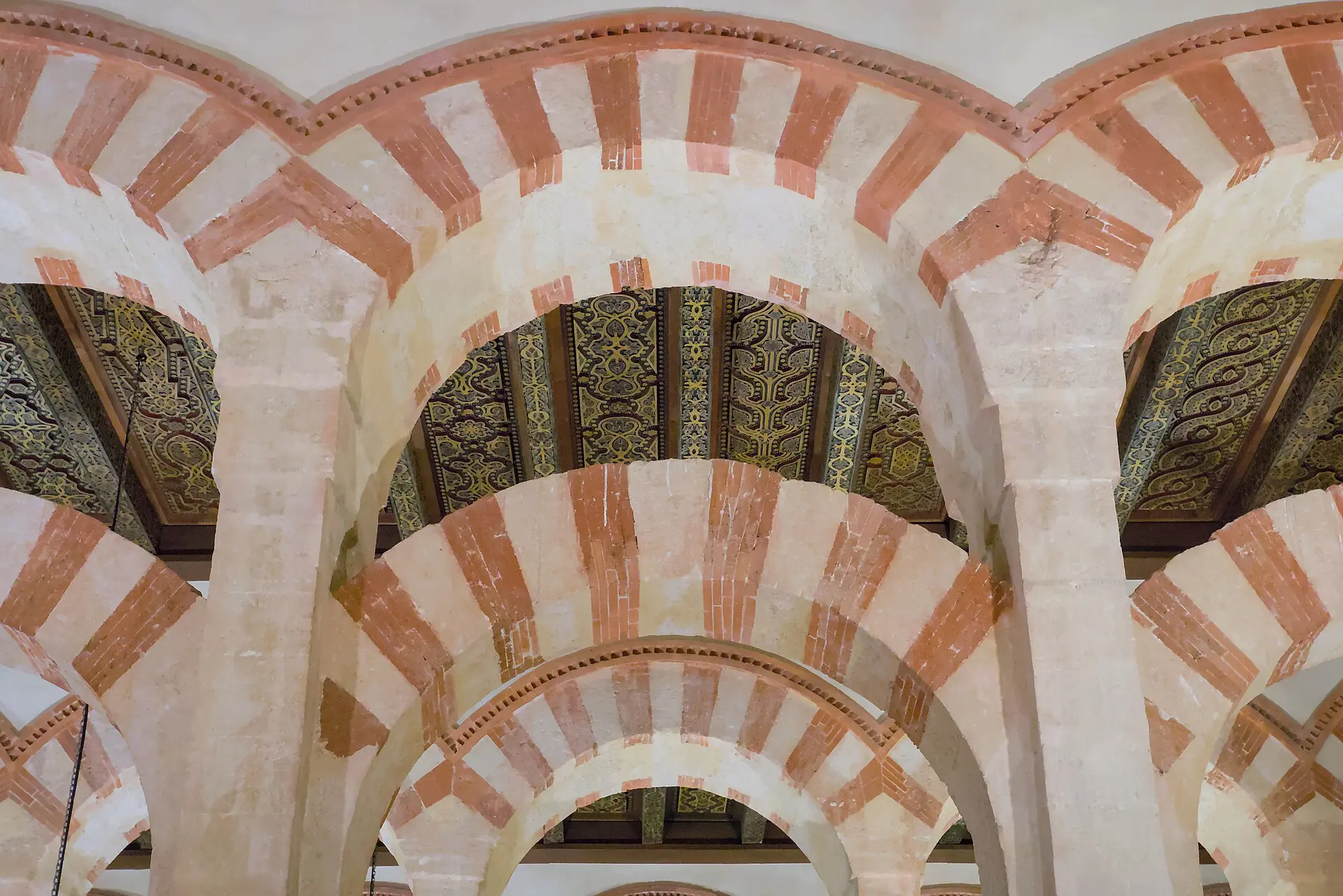
- Visit the Mezquita in Córdoba: the former mosque holds a forest of red-and-white arches.
- Hike in the Picos de Europa: limestone peaks in the north have day walks and the Cares Gorge trail.
- Swim on a Mallorca cove: pick weekday mornings in June or September to avoid crowds.
- Climb Teide in Tenerife: Spain’s highest peak can be reached by cable car for views over the volcanic landscape.
Best time to visit Spain
The best time to visit Spain is April to June and September to October, when temperatures are comfortable for sightseeing and the sea warms from June. July and August are very hot in the interior and south, often above 35 C, and coastal resorts are crowded and expensive. Winter is mild in the Canary Islands and parts of Andalusia but cold in Madrid and the north.
| Season | Weather | Crowds and prices | Good for |
|---|---|---|---|
| Spring (Mar-May) | Mild to warm, some rain in the north | Moderate; high at Easter and the Seville fairs | Cities, Andalusia, hiking |
| Summer (Jun-Aug) | Hot, very hot inland and in the south | Highest prices and crowds on the coast | Beaches, islands, northern coast |
| Autumn (Sep-Nov) | Warm, sea still warm in September | Falling after mid September | Cities, food, wine harvest |
| Winter (Dec-Feb) | Cool to cold, mild in the south and Canaries | Low, except ski resorts and Christmas | Canary Islands, museums, skiing |
Spanish regional holidays such as Semana Santa (Holy Week) and the August holiday period fill hotels and trains, so book early.
Is Spain safe to visit?
Yes, Spain is safe to visit, and violent crime against tourists is uncommon. The main problems are pickpocketing and bag snatching in busy areas, summer heat and wildfires. Check your government’s current travel advice, such as the UK FCDO or US State Department pages, before you book.
Theft and scams. Barcelona, Madrid and other cities have organised pickpockets who work on metros, near major sights and on crowded beaches. Keep bags zipped and in front of you, avoid leaving phones on cafe tables and be wary of distraction tricks. Use licensed taxis or ride-hailing apps, and check bills in tourist-heavy restaurants.
Heat and fire. Heatwaves are increasingly common in July and August, particularly in Andalusia, Madrid and Extremadura. Plan outdoor sightseeing for early morning, drink water and follow local warnings. Wildfires can close roads and trails in summer, and swimmers should heed beach flags, since currents can be strong on the Atlantic coast.
Other points. Spain has had a long-running threat of terrorism like other European countries, and demonstrations can happen in major cities, so avoid large protests. Healthcare is good, and an EHIC or GHIC card helps some European visitors, though insurance is still worthwhile.
Visa and entry requirements for Spain
Spain is part of the Schengen Area, so entry rules follow Schengen standards and depend on your nationality. Citizens of the EU and EEA enter with an ID card or passport. Many other visitors, including those from the UK, the US, Canada and Australia, can generally stay up to 90 days in any 180-day period without a visa, but some nationalities need a Schengen visa.
The EU has been introducing the Entry/Exit System (EES), which registers non-EU travellers at the border, and the ETIAS pre-travel authorisation for visa-exempt visitors is planned after it. Dates have shifted several times, so confirm the current position with the Spanish Ministry of Foreign Affairs, the EU’s official travel pages or your nearest Spanish consulate before you travel.
Your passport should normally be valid for at least three months beyond your planned departure and issued within the previous ten years. Border officers may ask for proof of accommodation, funds and return travel. Non-EU visitors who plan to drive should check whether an International Driving Permit is needed alongside their licence.
Getting to and around Spain
Madrid-Barajas and Barcelona-El Prat are the largest airports, with many intercontinental and low-cost connections, and Málaga, Alicante, Palma, Seville, Valencia and Bilbao also handle large numbers of international flights. Ferries run from Barcelona, Valencia and Dénia to the Balearic Islands and from Algeciras and Tarifa to Morocco. Land borders are open to France, Portugal and Andorra.
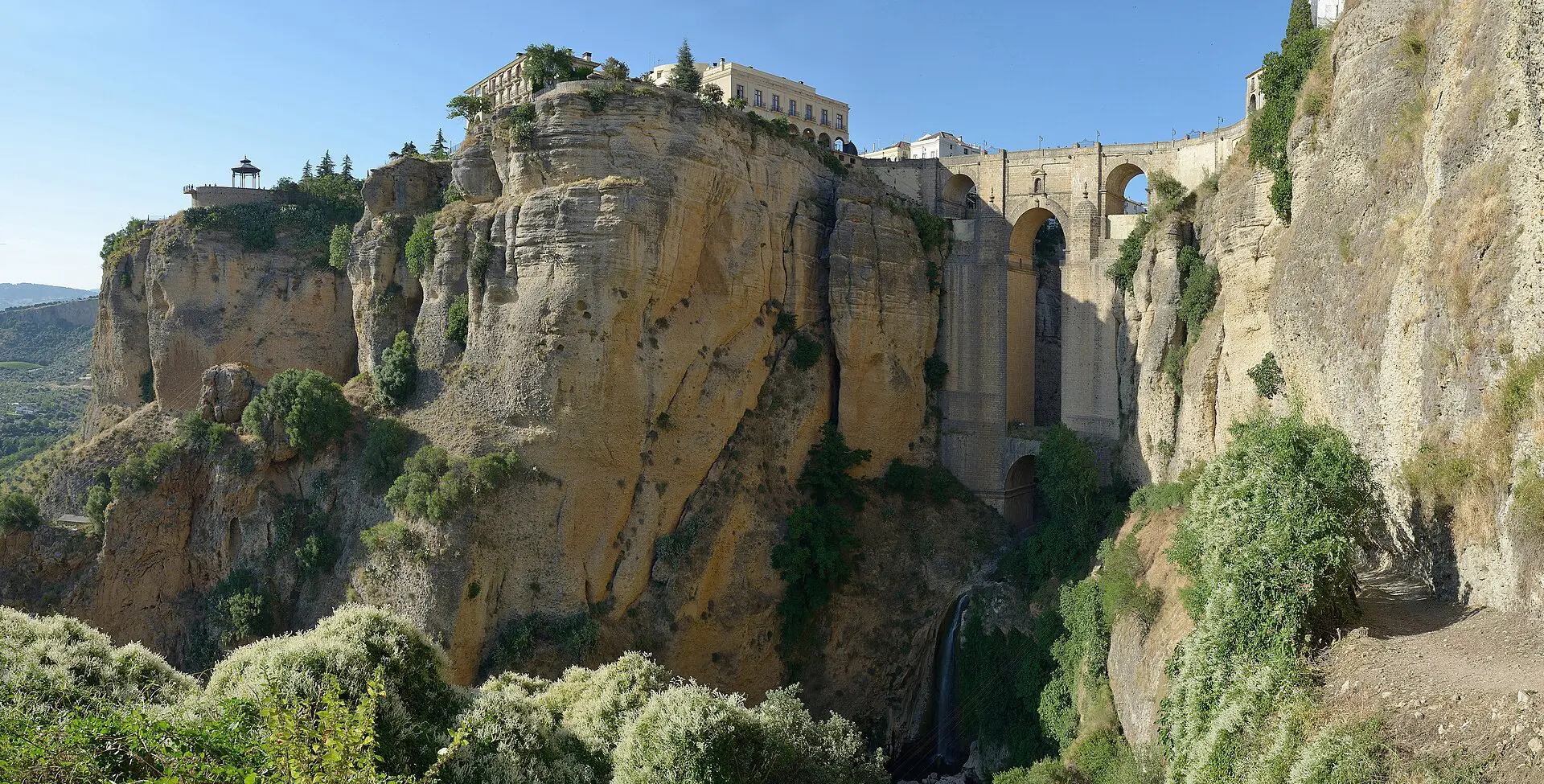
Spain’s high-speed AVE and other fast rail services connect Madrid with Barcelona (about 2.5 hours), Seville (about 2.5 hours), Valencia (about 1.5 hours) and Málaga (about 2.5 hours). Booking ahead gives the lowest fares, and several operators compete on the main lines. Regional trains are slower, and some rural areas have limited service.
Long-distance buses are cheap and reach many towns that trains do not. A rental car is the best way to see the white villages of Andalusia, Galicia and the islands, and drivers use the right-hand side. Motorways may have tolls, and historic city centres often restrict traffic. Inter-island flights serve the Canary Islands, and ferries link some of the Balearics.
How much does a trip to Spain cost?
Spain costs less than France, Switzerland or the UK, but prices have risen and are highest in Barcelona, Madrid, the Balearic Islands and coastal resorts in summer. The currency is the euro (EUR). Figures below are rough per-person guides for the 2026 season and vary with the month.
- Budget: around EUR 55 to 90 per day, with hostels, bus travel, set-lunch menus and free or cheap sights.
- Mid-range: around EUR 100 to 180 per day, with three-star hotels, restaurant meals and train tickets.
- High-end: from around EUR 250 per day, with boutique or luxury hotels, rental cars and fine dining.
Accommodation is the biggest swing factor, particularly in July and August and during major events. Intercity trains booked early are good value. Meals cost far less at lunch, because the menú del día is often a fixed-price multi-course meal. Many museums are free at certain hours, but big attractions such as the Alhambra and Sagrada Família have fixed ticket prices.
Spain food and drink
Spain food is regional, so what you eat varies a lot between the Basque Country, Andalusia, Catalonia and Valencia. Meals run late, with lunch around 2 pm and dinner often after 9 pm, and many kitchens close in the afternoon.
- Tapas and pintxos: small plates or bar snacks; pintxos on bread are the Basque version and are paid for by the stick or plate.
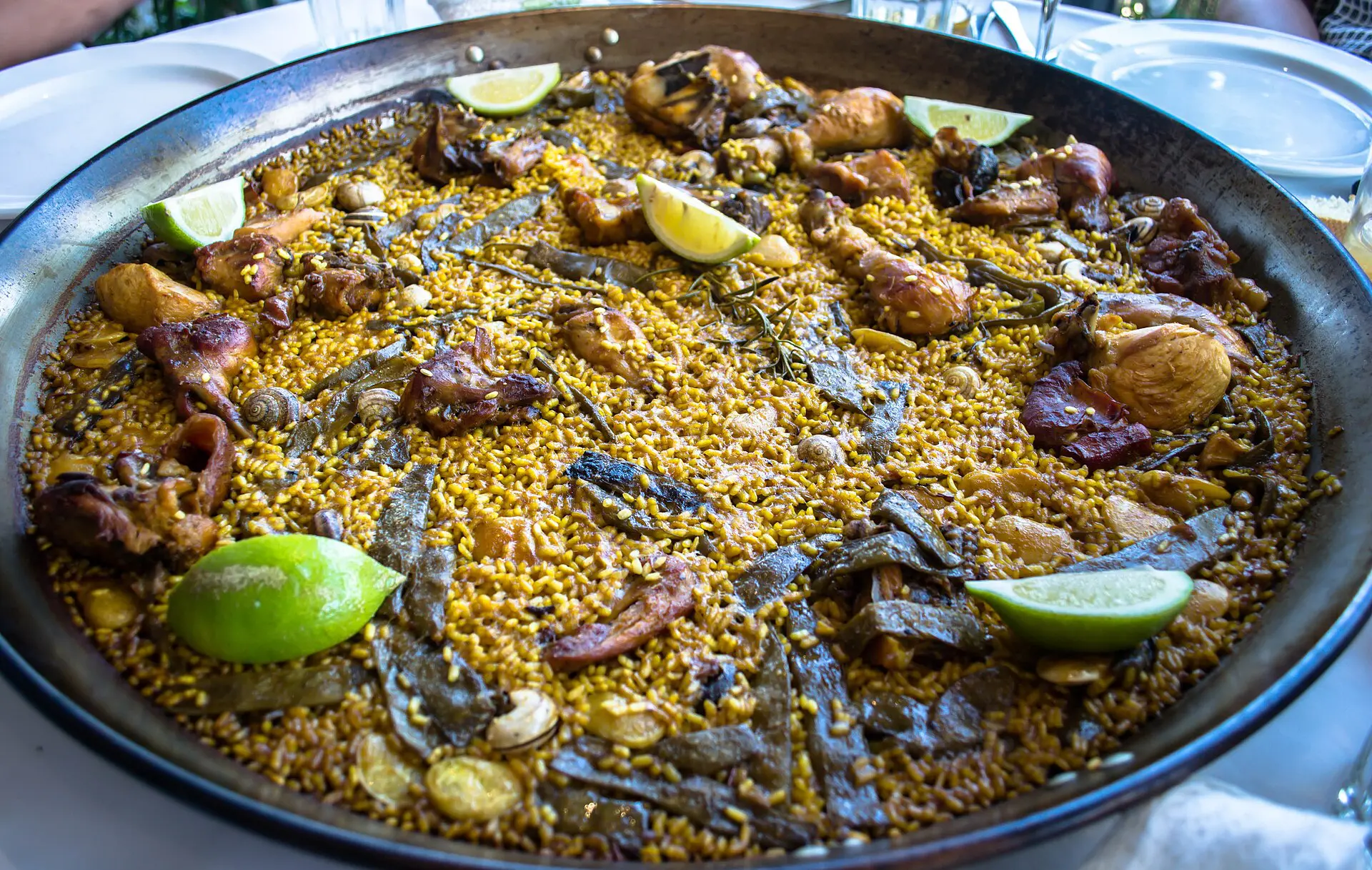
- Paella: the rice dish from Valencia, traditionally cooked with rabbit, chicken and beans, with seafood versions on the coast.
- Jamón ibérico: cured ham sliced thin, best from acorn-fed pigs.
- Tortilla española: a thick potato and egg omelette, served warm or cold.
- Gazpacho and salmorejo: cold tomato soups from Andalusia, ideal for hot days.
- Churros con chocolate: fried dough with thick hot chocolate for breakfast or late night.
- Wine, sherry and vermouth: Rioja and Ribera del Duero are the best-known wines, Jerez makes sherry, and sidra is the Asturian cider.
Vegetarians can find it harder, since ham and fish appear in many dishes, but vegetable tapas and dedicated restaurants are common in larger cities. Ask for the menú del día at lunch for the best value.
Culture, language and etiquette in Spain
Spanish (Castilian) is the official national language, and several regions have co-official languages, including Catalan in Catalonia and the Balearic Islands, Valencian in Valencia, Galician in Galicia and Basque in the Basque Country. English is common in tourist areas and among younger people, but a few Spanish phrases such as hola, por favor and gracias go a long way.
Daily life runs late. Shops often close for a midday break in smaller towns, and the evening paseo (stroll) is a social ritual. Greet people when entering a shop or small restaurant, and expect cheek kisses between friends, though a handshake is normal for visitors. Dining is relaxed, and waiters usually bring the bill only when you ask for it.
Dress modestly in churches and cathedrals, with shoulders and knees covered. Regional identity is strong, particularly in Catalonia and the Basque Country, so avoid calling regional languages dialects and avoid political jokes. Bullfighting is legal in many places but controversial, and opinions about it vary widely.
Spain itinerary: a 7-day route
This route links three major cities by high-speed train and avoids the need for a car.
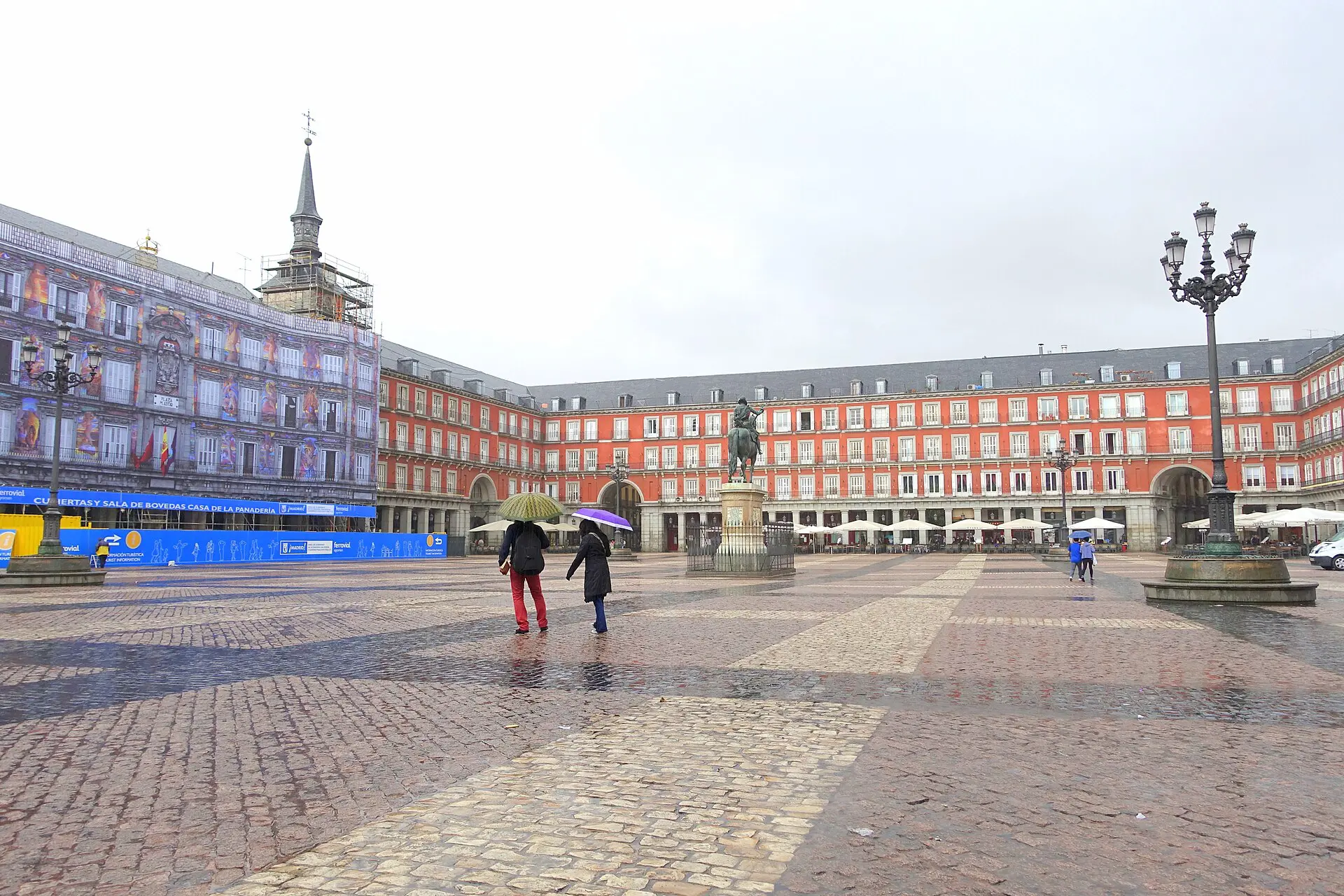
- Day 1, Madrid: arrive, walk Plaza Mayor and the old centre, and have a late tapas dinner.
- Day 2, Madrid: visit the Prado or Reina Sofía, stroll Retiro Park and watch sunset at a rooftop bar.
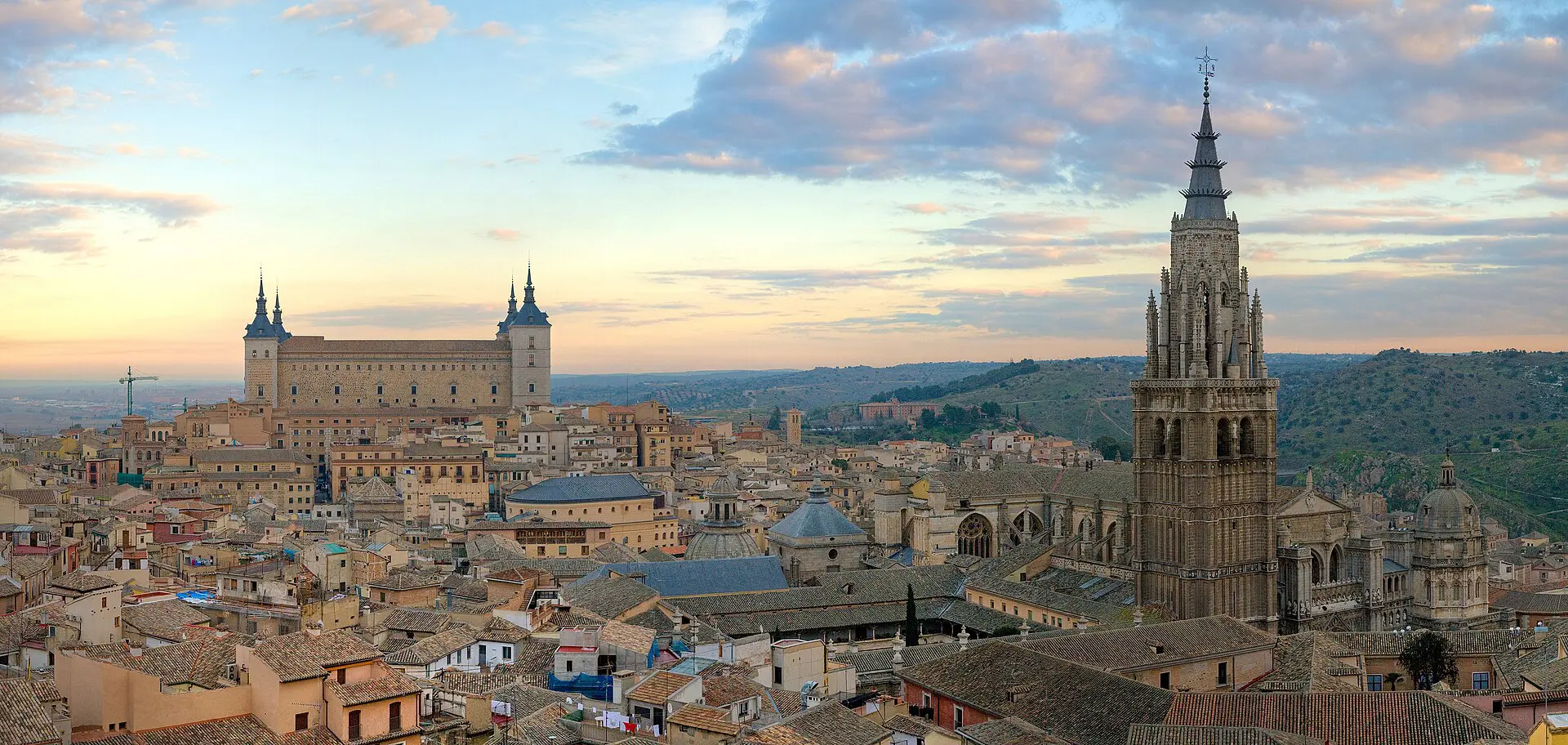
- Day 3, Toledo: take a short train trip to the walled city, see the cathedral and return to Madrid in the evening.
- Day 4, Seville: take the AVE south (about 2.5 hours), visit the cathedral and Real Alcázar, and see flamenco at night.
- Day 5, Córdoba and Granada: stop at the Mezquita in Córdoba in the morning, then continue to Granada by train or bus.
- Day 6, Granada: tour the Alhambra on a pre-booked ticket, then explore the Albaicín quarter.
- Day 7, return: fly from Granada or Málaga, or travel to Madrid or Barcelona for an onward flight.
With more days, add Barcelona by high-speed train, or the Basque coast. In summer, swap Córdoba and Granada for cooler northern stops, such as San Sebastián.
Practical tips for Spain
- Money: the euro is the currency; cards are accepted widely, and ATMs are common. Carry a little cash for small bars, markets and rural areas.
- SIM and eSIM: prepaid SIMs and eSIMs are cheap, and coverage is good in cities and along main roads. EU visitors can usually roam at home rates.
- Plugs: types C and F at 230 V, as in most of continental Europe.
- Tipping: not obligatory; rounding up or leaving small change is common, and about 5 to 10 percent is generous in restaurants.
- Opening hours: many shops close for a midday break in small towns, and many places close on Sundays.
- Health: tap water is safe in most places, pharmacies are plentiful, and sun protection matters from spring to autumn.
- Packing: comfortable shoes for cobbles, a light layer for evenings, a hat and sunscreen in summer and a rain jacket for the north.
- Booking: reserve the Alhambra, Sagrada Família, Park Güell and high-speed trains early, since slots sell out.
For wider background, see the Wikivoyage Spain guide.
FAQ
Q1Is Spain safe to visit?
Yes. Spain is safe for most visitors, and violent crime against tourists is uncommon. The main risks are pickpocketing in busy areas such as Barcelona and Madrid, summer heat and wildfires. Keep bags zipped, use licensed taxis and check your government's travel advice before you go.
Q2What is the best time to visit Spain?
April to June and September to October are best, with warm weather and fewer crowds than summer. July and August are very hot inland and expensive on the coast. Winter suits the Canary Islands and cheaper city breaks, though the north and Madrid are cold and wet.
Q3What are the best places to visit in Spain?
Barcelona and Madrid are the best-known cities, Seville, Córdoba and Granada show Moorish Spain, and Valencia and San Sebastián are good for food. For beaches, try the Balearic Islands, the Costa del Sol or the Canary Islands, depending on the season.
Q4Do I need a visa for Spain?
It depends on your nationality. Spain is in the Schengen Area, and many visitors can stay up to 90 days in any 180 without a visa. The EU is rolling out EES and ETIAS, so check official sources for current requirements before you travel.
Q5How much does a trip to Spain cost?
Mid-range travellers should plan on roughly EUR 100 to 180 per day for a hotel, meals and local transport, with budget travel possible at around EUR 55 to 90. Summer coastal rooms, the Balearic Islands and big-city hotels are the main cost drivers.
Q6What is Spain food like?
Spain food varies by region. Expect tapas and pintxos, paella in Valencia, jamón ibérico, tortilla, cold tomato soups in the south and fresh seafood on the coasts. Lunch is the main meal, dinner is late and the menú del día gives good value.
Q7How many days do you need in Spain?
Seven days is enough for Madrid, Seville and Granada, or for Barcelona plus one other region, using high-speed trains. Add three or four days for the north, Valencia or an island. Spain is large, so choose regions rather than trying to see everything.