Why visit Ibiza
If you are planning things to do in Ibiza, you will find more variety than the party reputation suggests. It is a Spanish island in the Mediterranean, around 150 kilometres off the coast near Valencia, and the third largest of the Balearic Islands by area.
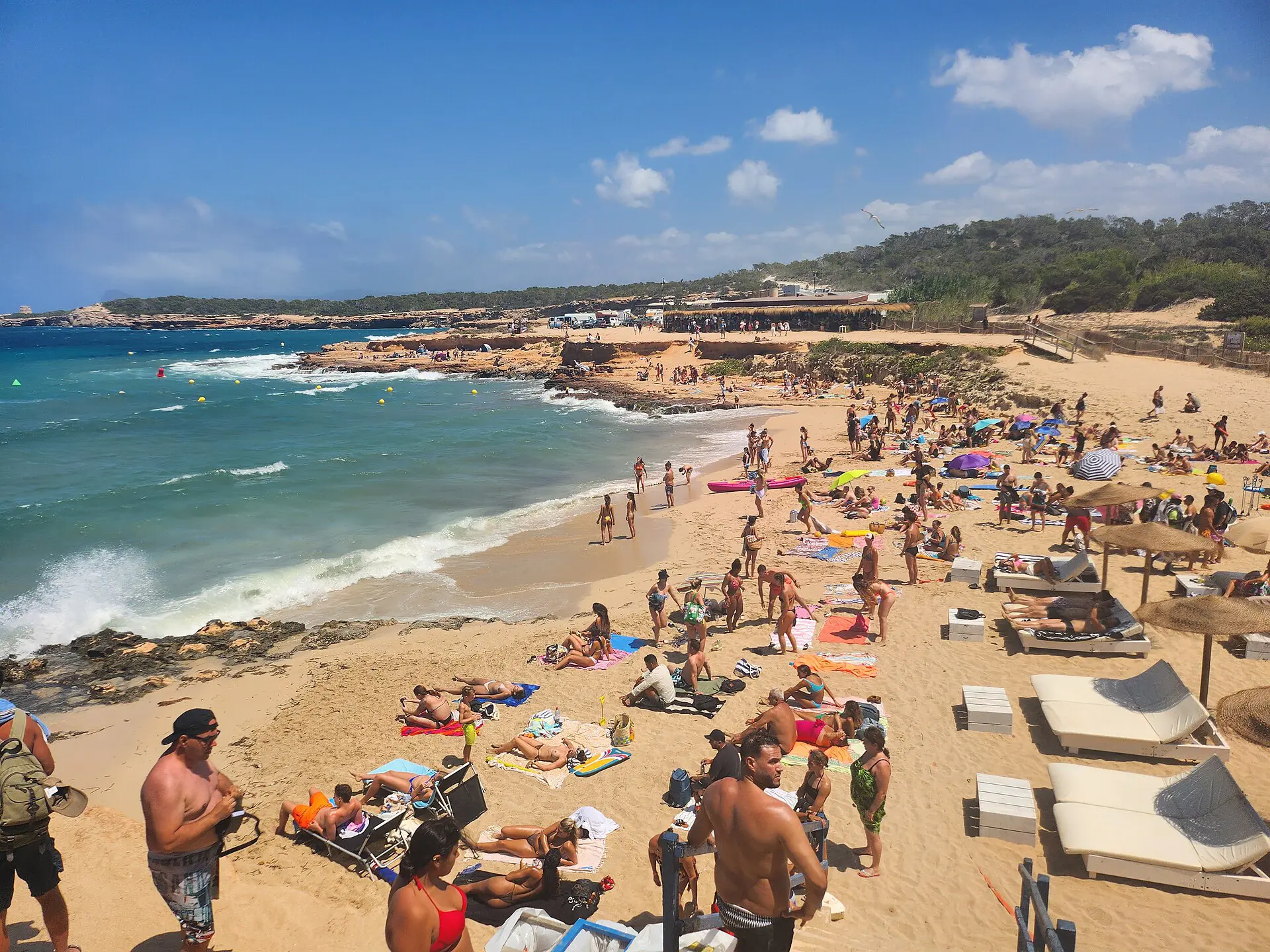
It is well known for its summer nightlife and electronic dance music clubs, and that draws large numbers of visitors. But the island’s government and the Spanish tourist office have also promoted family-oriented tourism, and it is a good holiday for families and couples as well as groups of friends.
Away from the clubs there are long beaches, small coves, pine-covered hills, historic towns and quiet villages. Ibiza and nearby Formentera are known as the Pine Islands, and the island’s old town and archaeological sites form a UNESCO World Heritage listing. Which side of Ibiza you see depends on where you stay and when you travel.
Top things to do in Ibiza
Dalt Vila, Ibiza Town
The fortified old town sits on a hill above the harbour, with narrow lanes, a cathedral and viewpoints. Allow two to three hours. It is steep and the stone paths are uneven, so wear comfortable shoes, and visit in the morning or evening in summer.
Beaches of the south and west
Ses Salines, Cala Comte and Cala Bassa are among the most popular beaches, with clear water and beach clubs. Allow half a day each. They get crowded in July and August, so arrive early or visit outside high season.
Sunset at Sant Antoni and Cala Comte
The west coast is known for its sunsets, with bars and viewpoints facing the sea. Plan to arrive an hour or more before sunset in summer to secure a spot. Check parking and access, since popular places can be restricted at peak times.
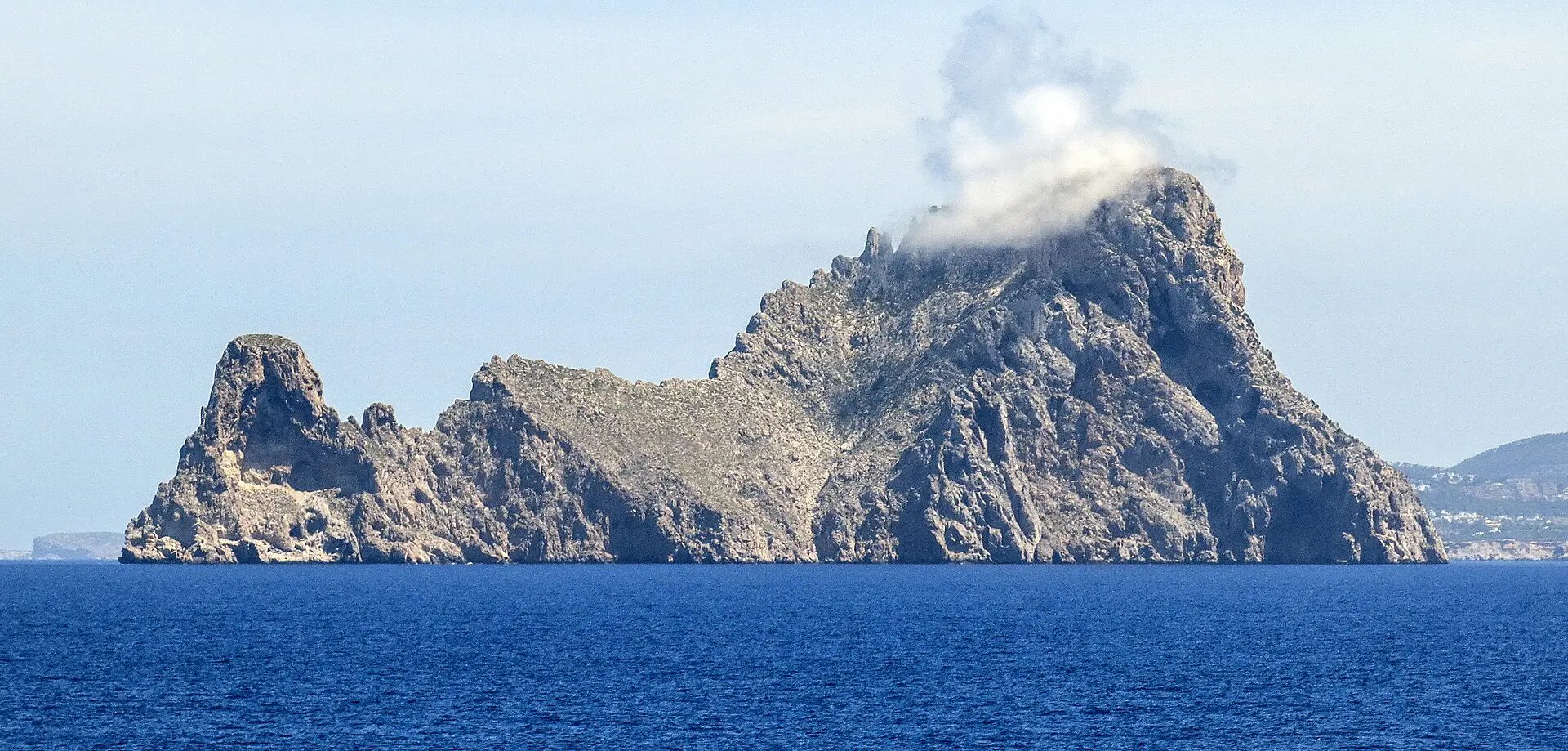
Es Vedra viewpoints
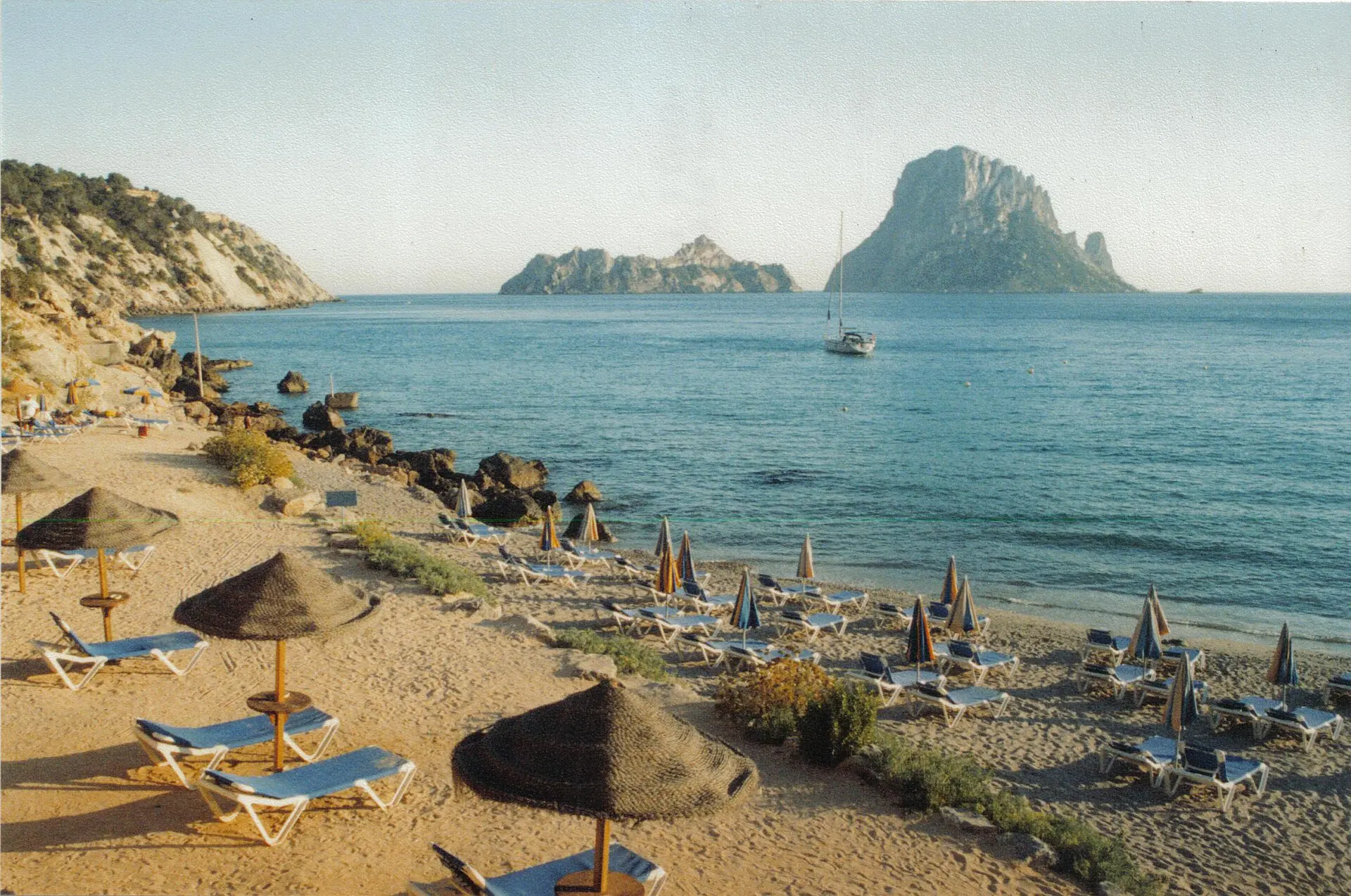
The rocky islet off the southwest coast is one of Ibiza’s best-known sights. You can see it from viewpoints near Cala d’Hort, taking an hour or so. Footpaths are rough, and heat can be strong, so bring water.
Santa Eularia and the east coast
The east is calmer, with a walkable town, a promenade and small coves nearby. It suits families and slower days. Allow half a day, and consider cycling or walking along the coast.
North coast villages
The north has smaller villages, hill roads and coves such as Portinatx and Benirras. It feels quieter than the south. A car makes it easiest to explore, and parking at beaches can be limited.
Clubs and nightlife
Famous clubs operate mostly from late spring to early autumn, with big-name DJs. Tickets and drinks can be expensive, so check the current club calendars and book ahead. Plan transport home in advance, as taxis can be scarce.
Best time to visit Ibiza
Ibiza has a Mediterranean climate with hot, dry summers and mild winters. The island’s tourist season runs roughly from May to October, and many clubs, beach restaurants and boat trips operate only in that period.
May, June and September are often the best balance, with warm weather, open venues and fewer people than July and August, which are the hottest, busiest and most expensive months. Winter is quiet, and many hotels and restaurants close, but it can suit walkers and those wanting a calm break.
| Season | Weather | Crowds and prices |
|---|---|---|
| Spring (Apr-Jun) | Mild to warm | Rising; good value early on |
| Summer (Jul-Aug) | Hot, dry | Peak crowds and prices |
| Autumn (Sep-Oct) | Warm, sea still warm | Moderate; closings late October |
| Winter (Nov-Mar) | Cool, some rain | Quiet; many closures |
How to get to Ibiza and around
Ibiza Airport (IBZ) lies south of Ibiza Town and receives many direct flights from European cities, especially in summer, plus domestic flights from the Spanish mainland. Ferries link the island with Barcelona, Valencia, Mallorca and Formentera, with more services in the warmer months. Book early in July and August, and check schedules.
On the island, buses connect Ibiza Town with the main resorts and some beaches, but services are limited in the evening and to remote coves. A rental car or scooter gives the most freedom, though parking at beaches can be hard in peak season. Taxis are available but can be costly and hard to find late at night, so plan your return trip ahead.
Where to stay in Ibiza
Ibiza Town suits travellers who want restaurants, history, nightlife and a port setting, with the old town close at hand. Hotels range from boutique to large, and it is a good base for day trips by bus.
Sant Antoni de Portmany is lively and known for its sunsets and budget-friendly package options, but it can be noisy and party-oriented. Santa Eularia des Riu on the east is calmer and better for families and couples who want beaches and a quieter evening.
For peace, look at rural fincas and small hotels in the north and interior, usually with a car. Prices rise steeply in July and August, so book early, and check minimum-stay rules and parking at the property.
How many days do you need?
Three days is enough for Ibiza Town, a couple of beaches and a sunset, but four to seven days lets you explore different sides of the island and add Formentera. If you want to visit clubs, add an extra recovery day.
- Day 1: Dalt Vila and the harbour in Ibiza Town, with dinner in the old town.
- Day 2: Beaches on the south or west coast, finishing with a sunset on the west side.
- Day 3: The north coast villages and coves, or a quiet day in Santa Eularia.
On a day trip from elsewhere, focus on Dalt Vila and one beach.
Day trips and nearby
Formentera
The smaller island to the south is reached by a ferry of around 30 minutes to an hour, and has long white beaches and cycling paths. A day trip works, but an overnight stay is better.
Boat trips around the coast
Many operators run boat tours with swimming stops, from half day to full day. Compare itineraries, check what is included and book in advance in summer.
Mallorca
The largest Balearic island is reached by short flights or ferry. It has mountains, coves and Palma, and is better as a separate trip of several days than as a day excursion.
Valencia and Barcelona
The mainland cities are reached by flight or ferry, and make good extensions to a trip. Allow time for the crossing, and check seasonal schedules when planning.
FAQ
Q1How many days do you need in Ibiza?
Four to seven days is a good range. Three days covers Ibiza Town, a couple of beaches and a sunset, while a longer stay lets you see the quieter north and east coasts and take a trip to Formentera.
Q2When is the best time to visit Ibiza?
May to June and September offer warm weather, open venues and fewer crowds than July and August. Midsummer is the hottest and most expensive. Winter is quiet, and many hotels, restaurants and clubs close.
Q3Do you need a car in Ibiza?
A car or scooter gives the most freedom, especially for northern coves, but it is not essential. Buses link Ibiza Town with major resorts, and taxis fill the gaps. Parking at popular beaches is limited in high season.
Q4Is Ibiza expensive?
Ibiza is one of Spain's pricier destinations, especially in July and August when accommodation, clubs and beach clubs charge premium rates. Visiting in shoulder months, eating away from the beachfront and using buses can lower costs.
Prices, schedules and entry rules change. Check current details with official sources before you travel. Read the Spain travel guide.