Why visit Australia
The best things to do in Australia are hard to match in one country: you can swim on the Great Barrier Reef, watch the sun set on Uluru, drive a coastal road past limestone stacks and eat very well in some of the world’s most liveable cities, all in a single trip if you plan your flights. Australia is the only country that occupies an entire continent and the sixth-largest by area, with landscapes that range from central deserts to tropical rainforest (see the Wikipedia overview for background).
It suits travellers who like the outdoors, wildlife, beaches and good food, and who accept that it is not cheap and that distances are enormous. Sydney to Perth is further than London to Cairo, so most visits focus on one or two regions rather than the whole country. Indigenous cultures here go back more than 50,000 years, and meeting them through guided experiences adds real depth to a trip.
Best places to visit in Australia
The best places to visit in Australia are clustered around a few gateway cities and national parks, so pick a region and go deep rather than trying to see everything.
Sydney
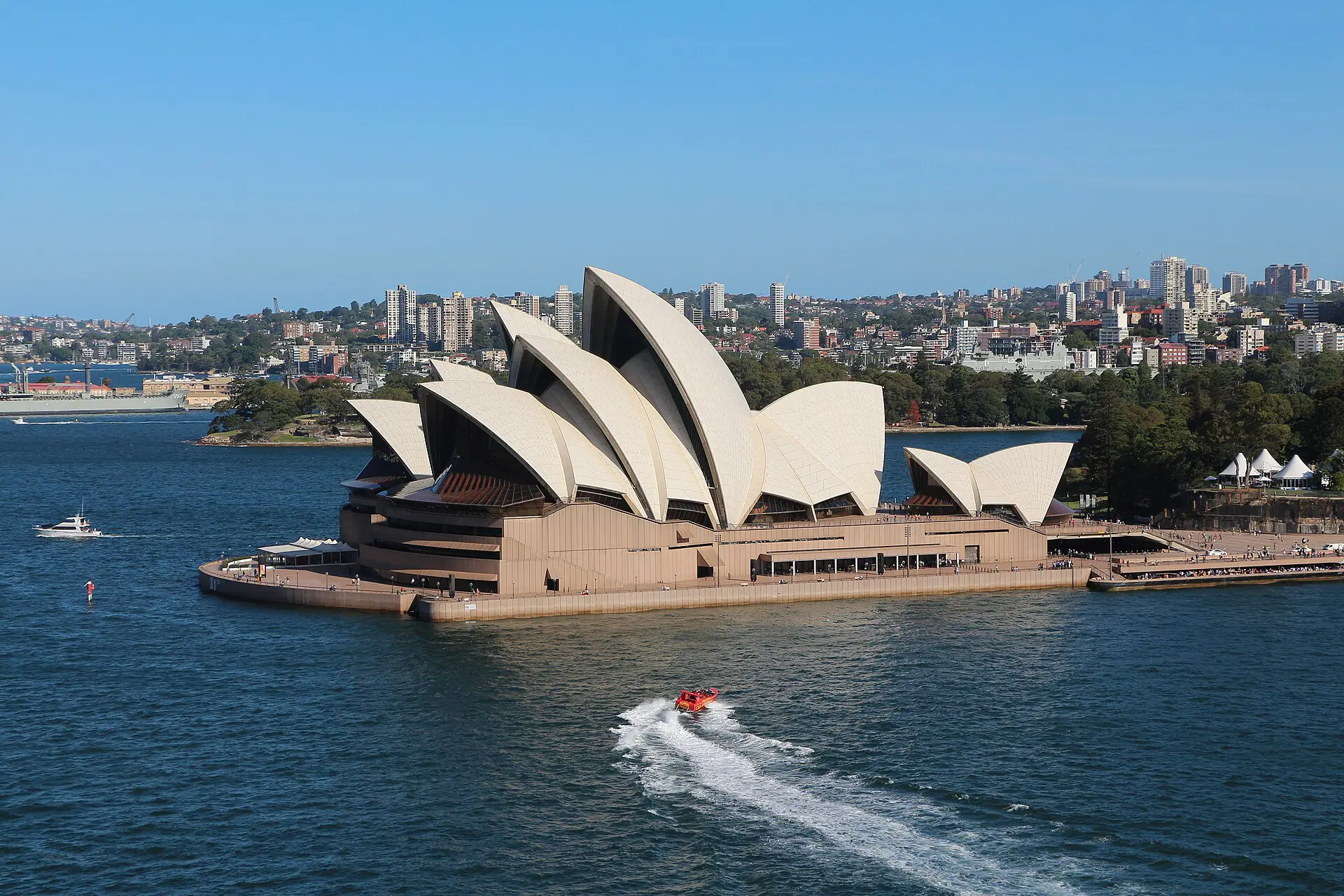
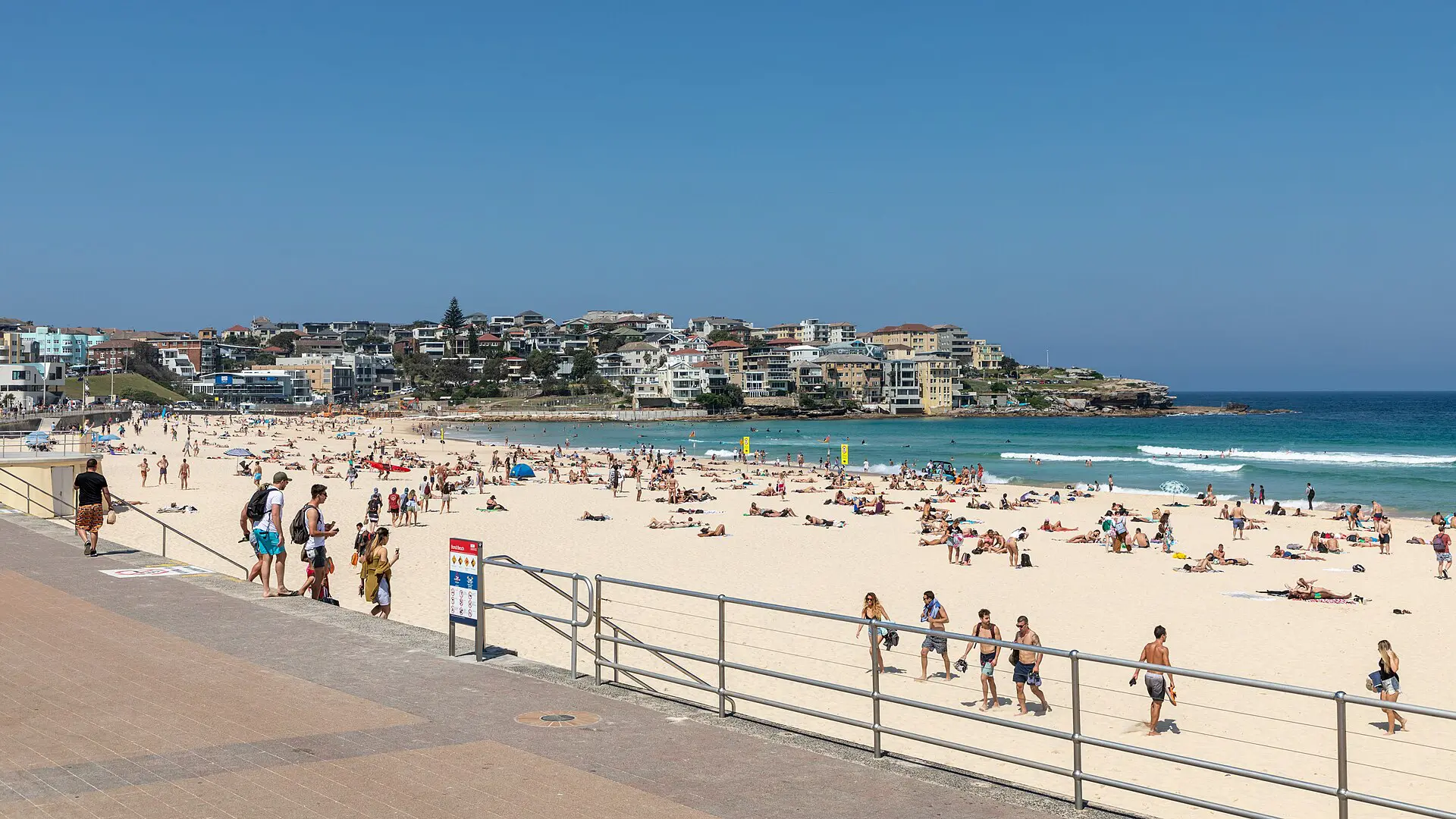
Australia’s oldest and best-known city is built around its harbour. The Opera House and Harbour Bridge are the icons, Bondi to Coogee is the classic coastal walk, and ferries to Manly make an easy half day. Allow three nights.
Melbourne
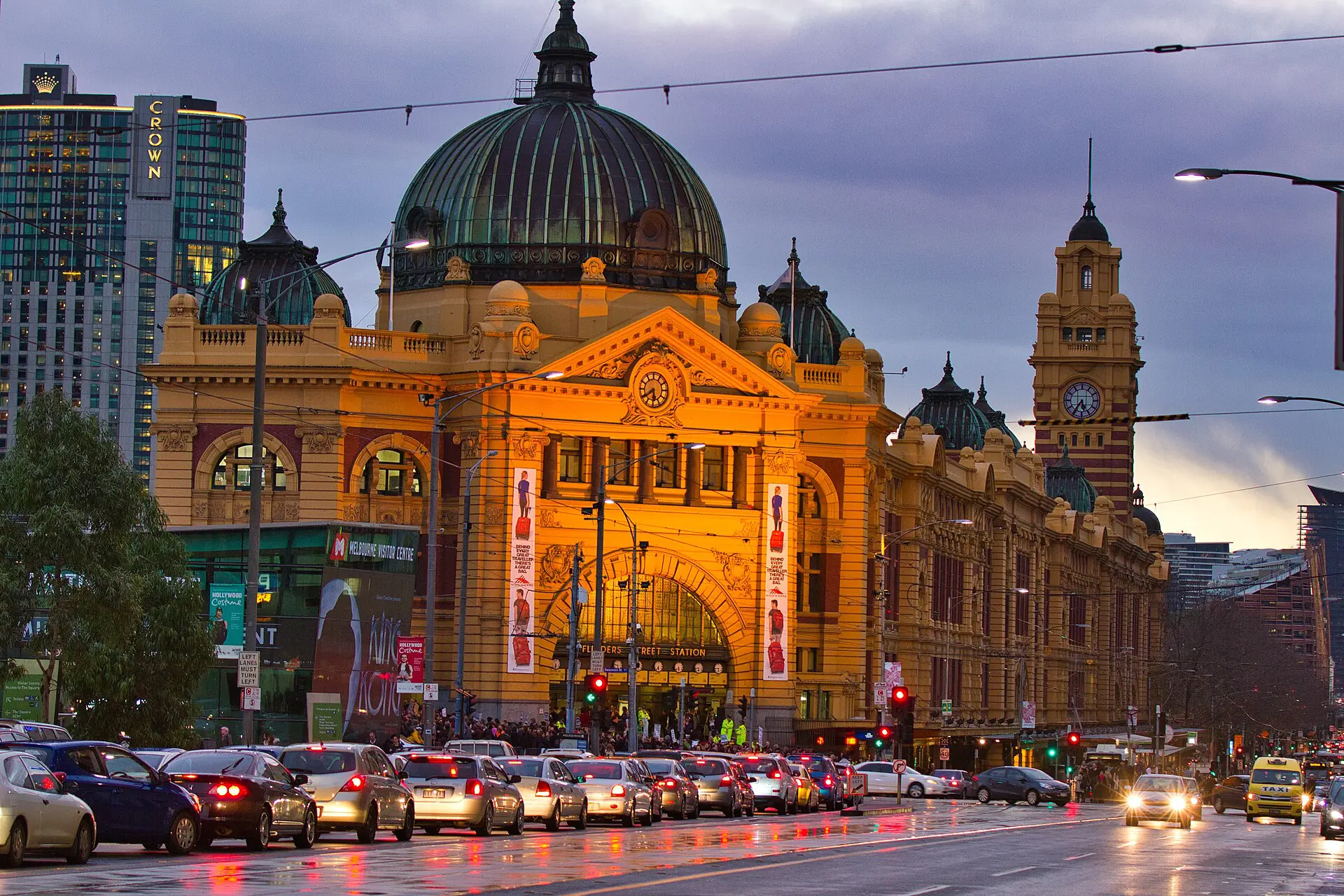
Often called the country’s coffee and culture capital, Melbourne is known for laneway cafés, street art, sport and food from every cuisine. It is also the base for the Great Ocean Road and the Yarra Valley wine region.
Great Barrier Reef and Tropical North Queensland
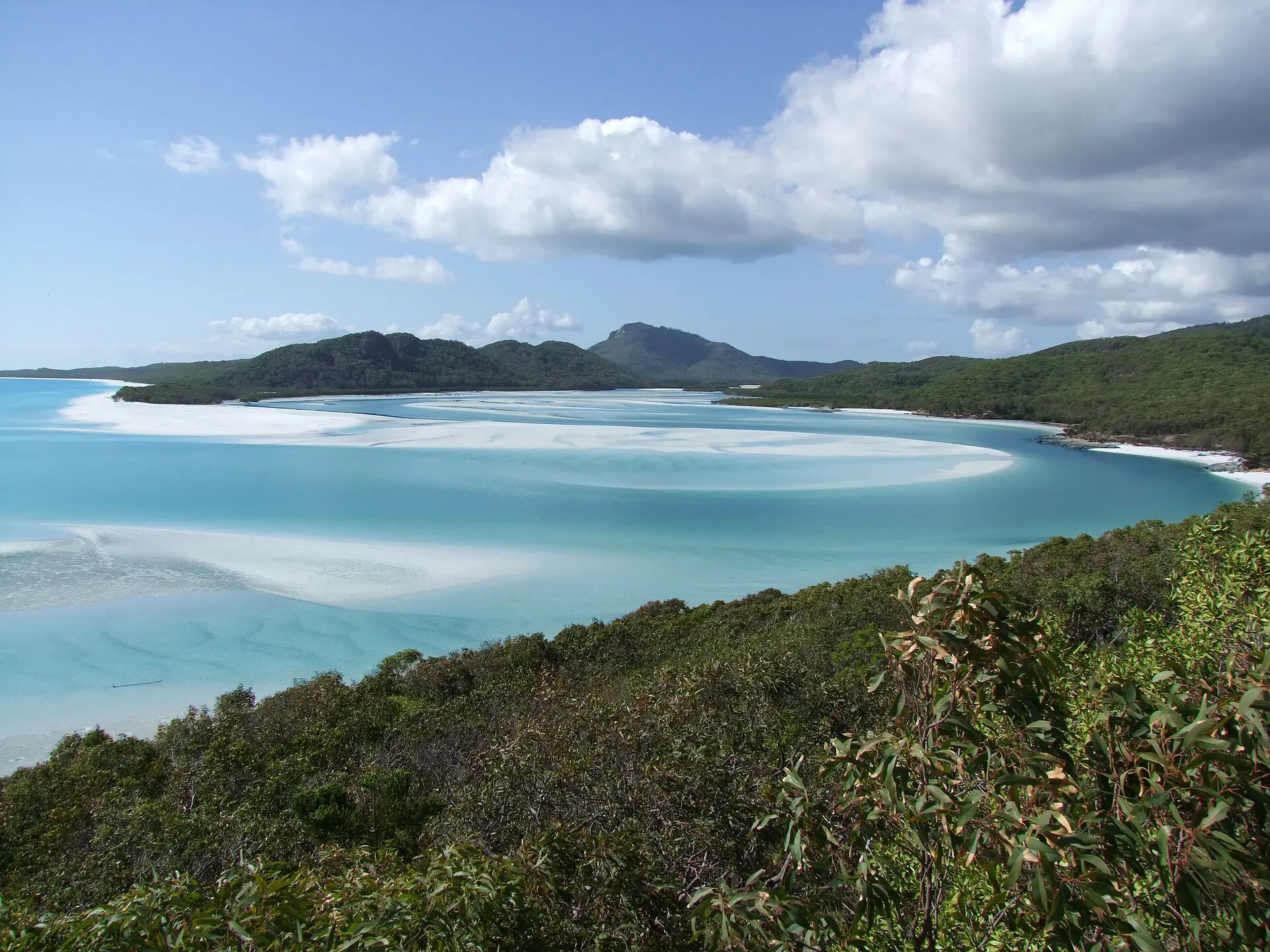
Cairns and Port Douglas are the usual bases for reef trips, and the Daintree Rainforest sits just north. The Whitsunday Islands further south are better for sailing and beaches.
Uluru and the Red Centre
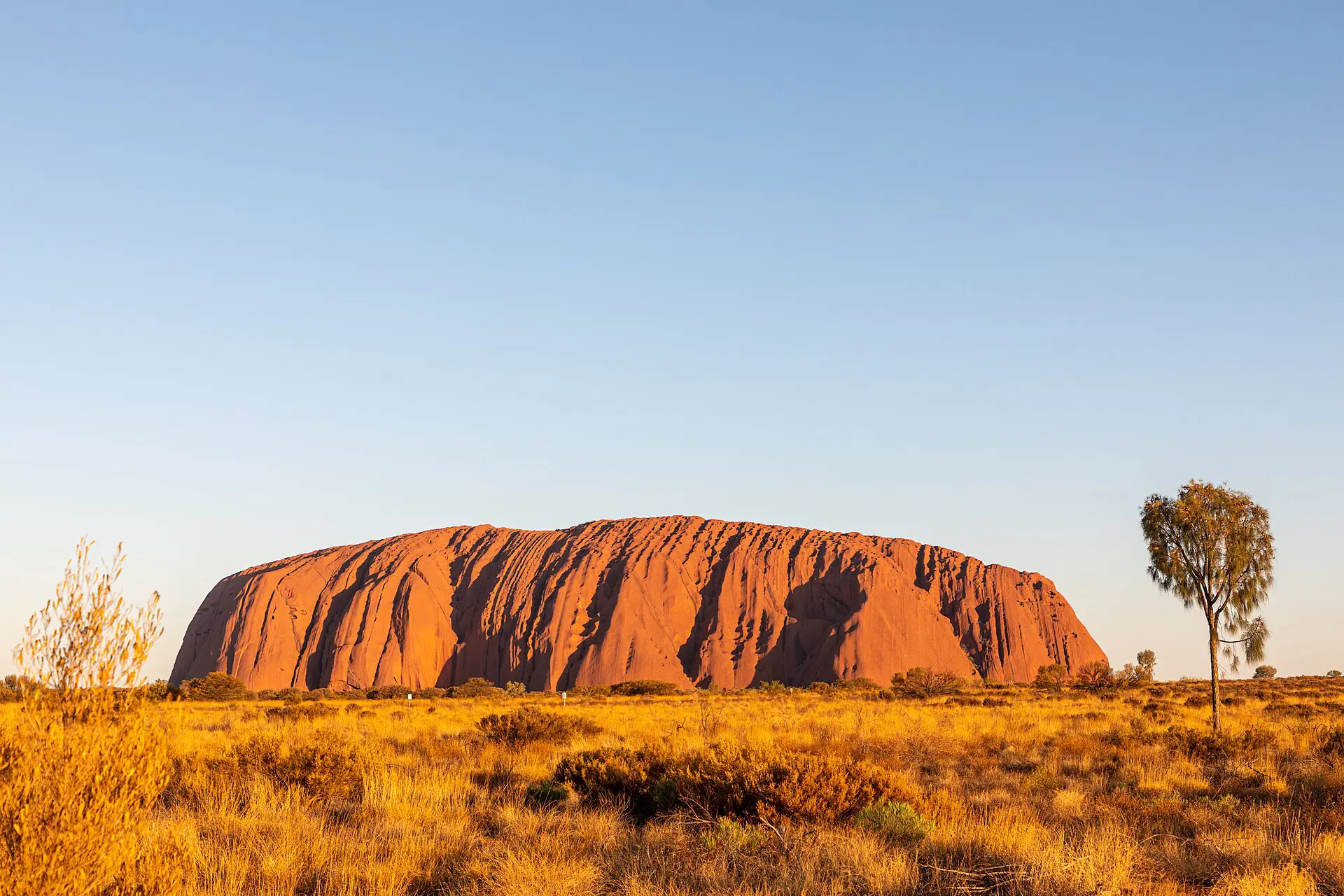
Uluru and Kata Tjuta rise out of the desert in the Northern Territory. Plan at least two nights near the park, and allow time for the sunrise and sunset viewing areas and the walks around the base.
Tasmania
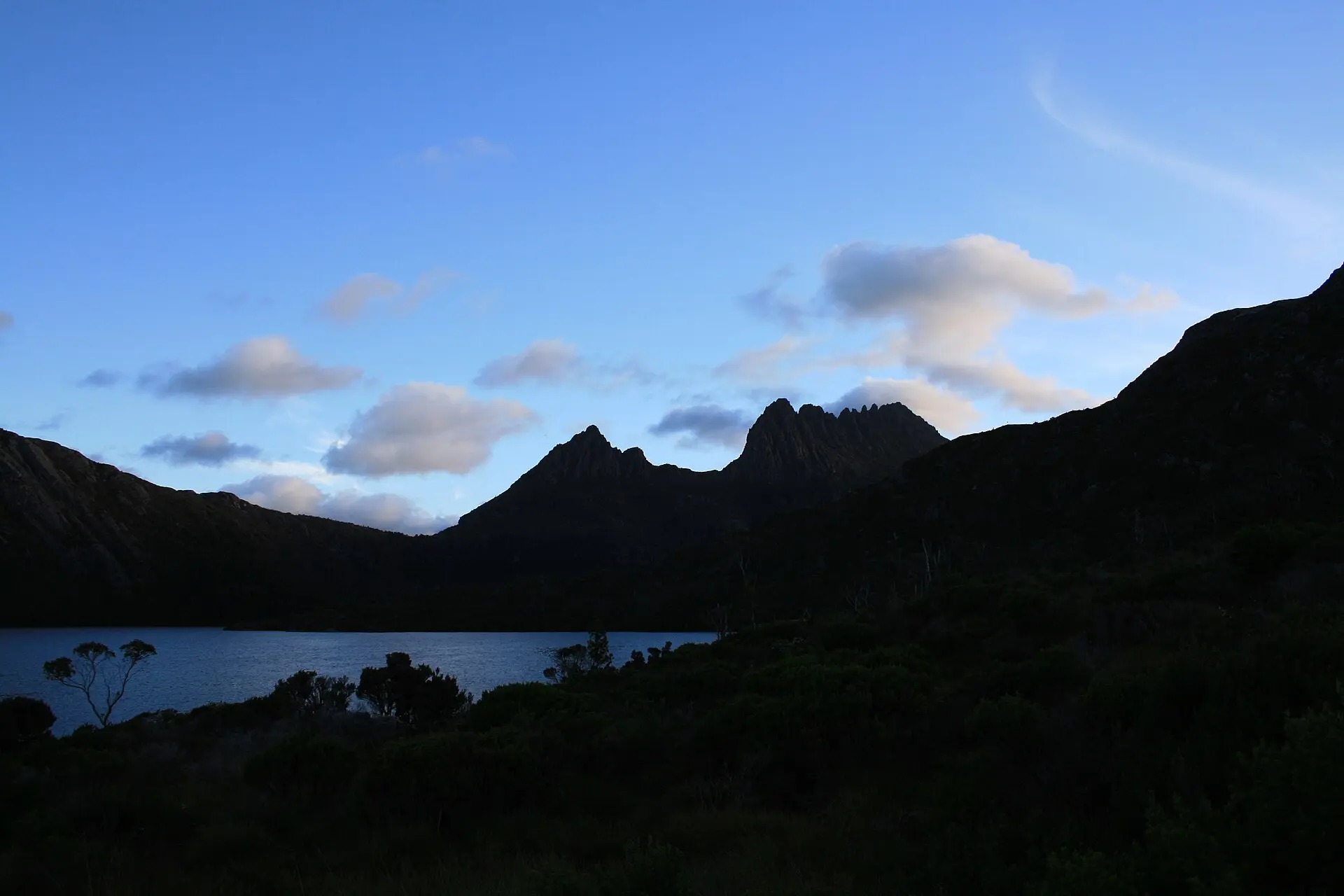
Hobart has a strong food and art scene, and the island has big walking country at Cradle Mountain and Freycinet, with cooler weather than the mainland.
Perth and Western Australia
Perth has the sunniest big-city climate, plus Rottnest Island and the Margaret River wine and surf region within a day’s trip.
Things to do in Australia
The top things to do in Australia combine big landscapes with city life, and most can be booked as day tours or self-drive trips.
- Walk to the Sydney Opera House: take a harbour ferry for the best views of the Opera House and Harbour Bridge together.
- Snorkel or dive the Great Barrier Reef: day boats leave from Cairns and Port Douglas, and operators must be reef-accredited.
- See Uluru at sunrise: walk the base track and learn about Anangu culture at the cultural centre.
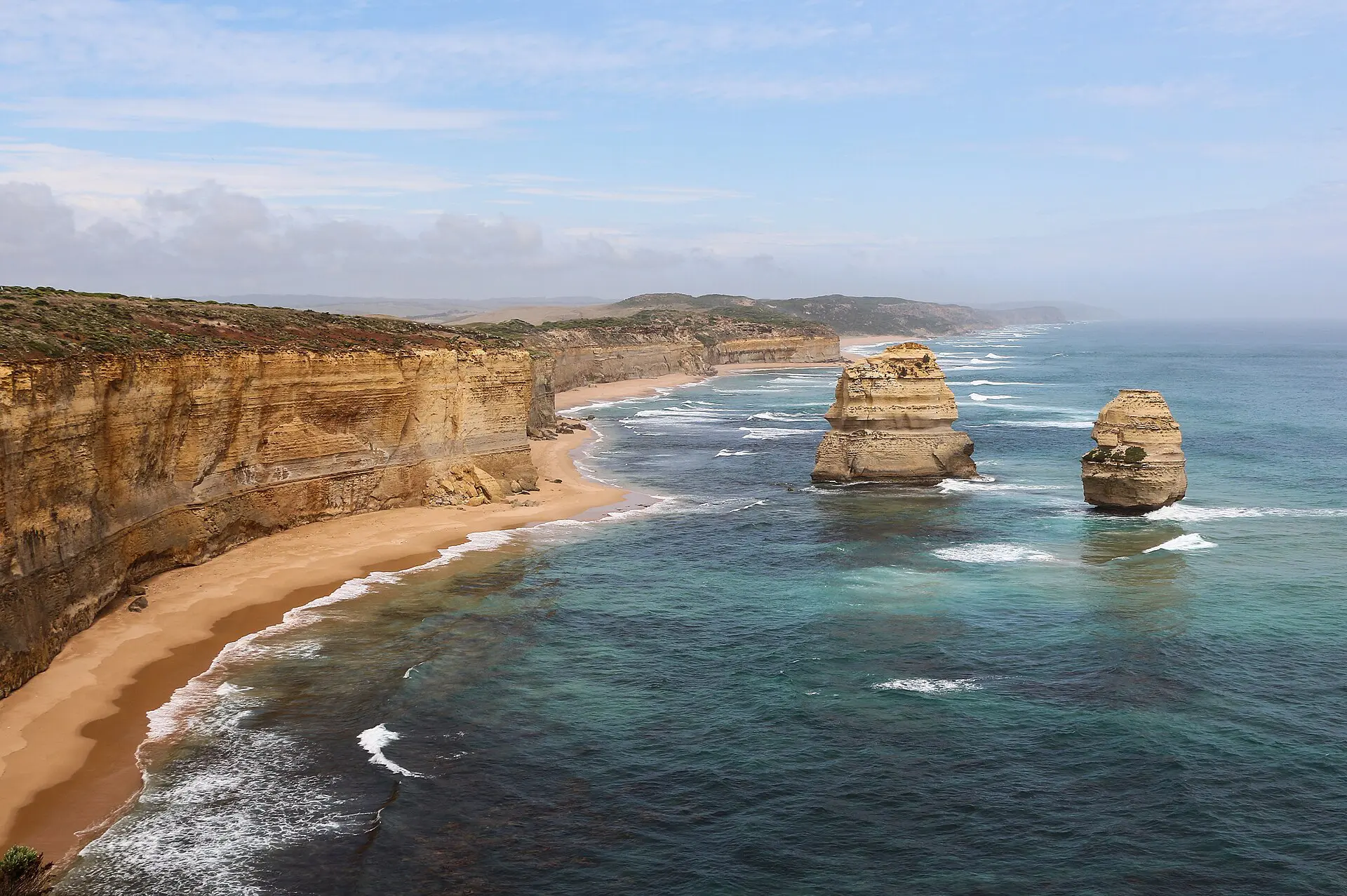
- Drive the Great Ocean Road: the route from Torquay passes surf beaches and the Twelve Apostles rock stacks.
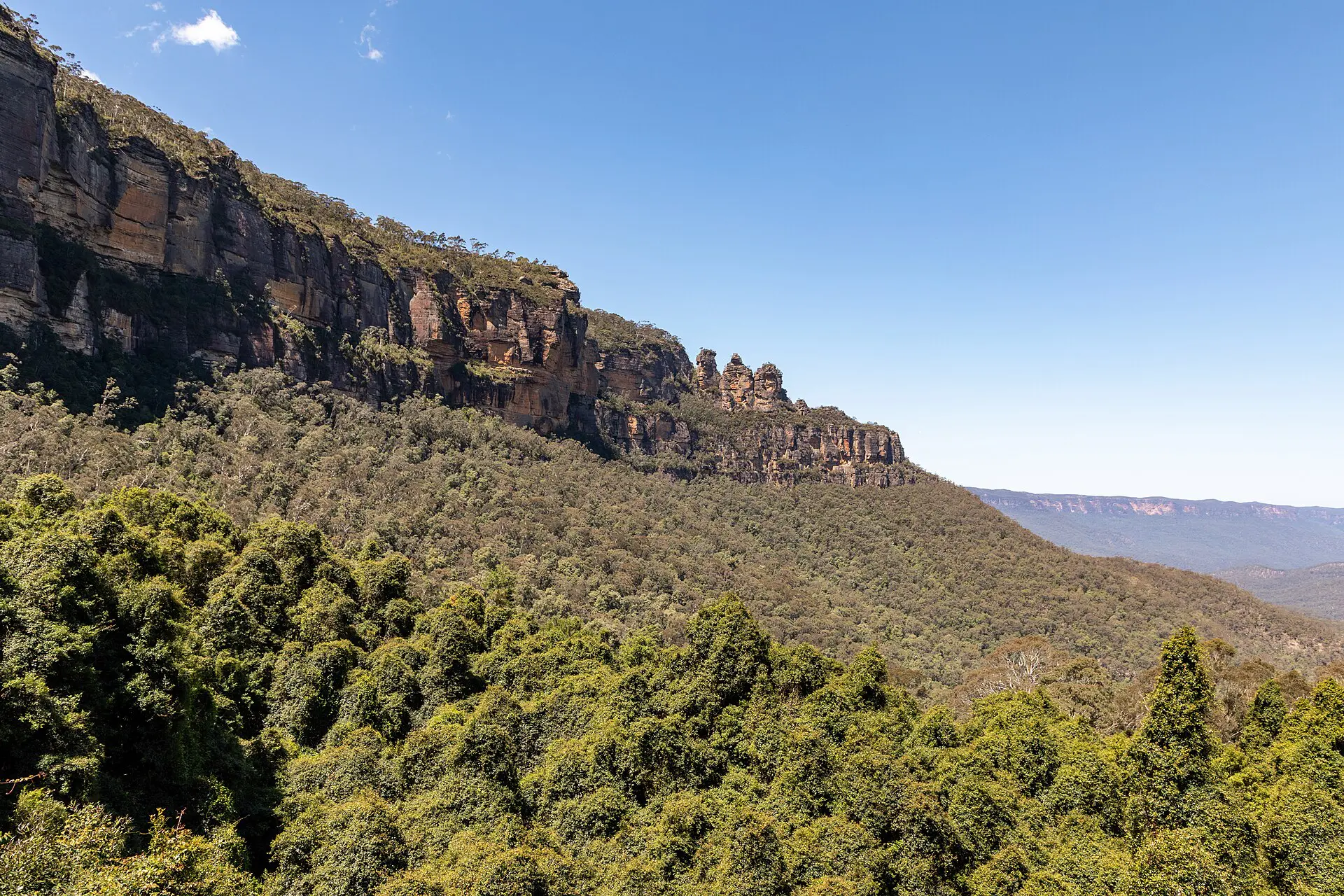
- Hike in the Blue Mountains: the Three Sisters lookout and valley walks are a day trip from Sydney.
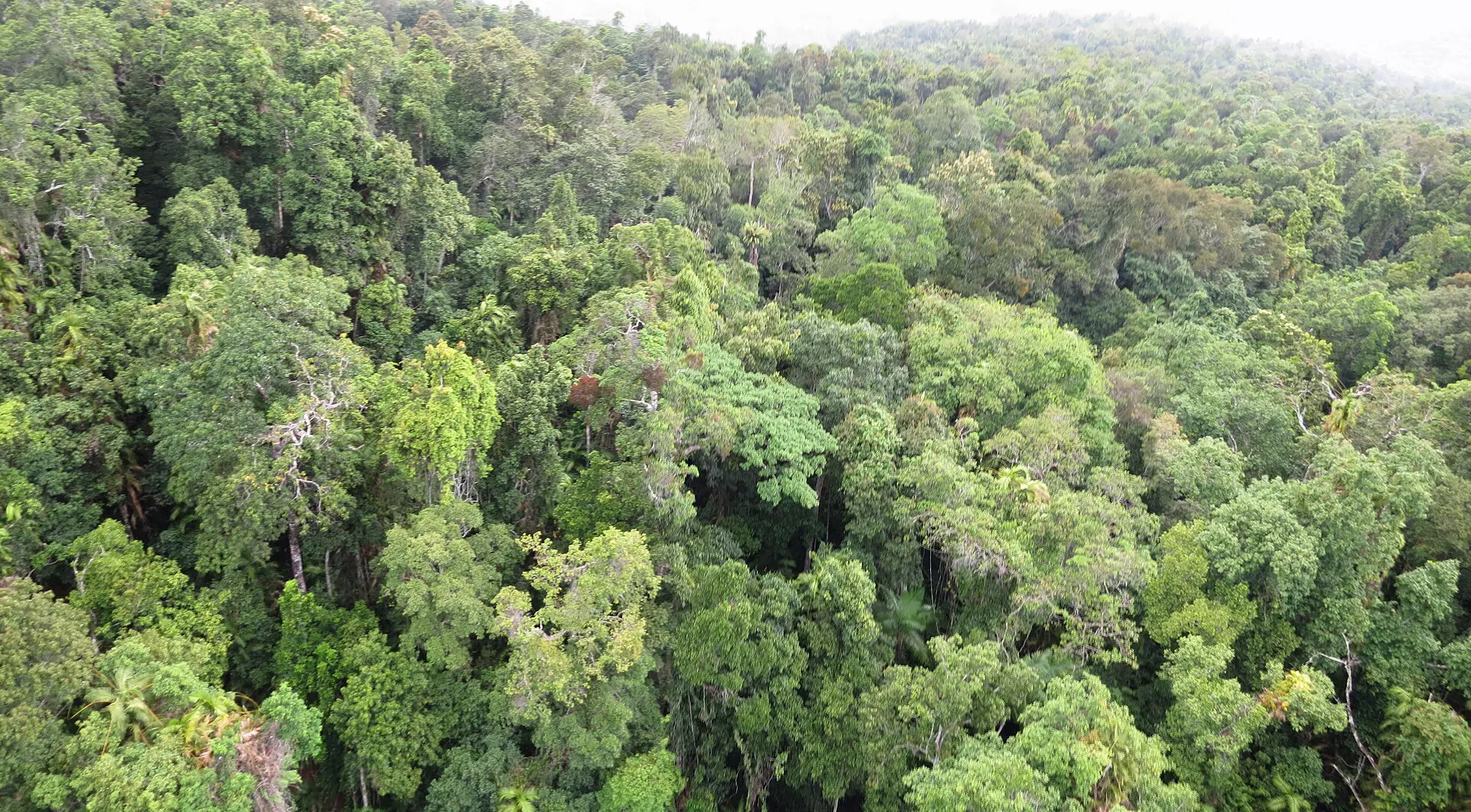
- Explore the Daintree Rainforest: boardwalks and guided night walks show off rare plants and birds.
- Meet native wildlife: kangaroos, koalas and wombats are easiest to see at sanctuaries or on Kangaroo Island.
- Swim at Bondi and surf a lesson: beginner lessons run daily on patrolled beaches.
- Join an Indigenous-led tour: Kakadu and Uluru both offer experiences run by local people.
- Taste wine: the Barossa Valley, Margaret River and Yarra Valley all take cellar-door visits.
- Walk Cradle Mountain in Tasmania: the Dove Lake loop takes about two hours.
Best time to visit Australia
The best time to visit Australia depends on where you go, because the south and the tropical north have opposite seasons. For most trips, September to November and March to May give mild weather and smaller crowds, while December to February is peak summer and the main school holiday period. Seasons are reversed from the northern hemisphere.
| Season | Weather | Crowds and prices | Good for |
|---|---|---|---|
| Summer (Dec-Feb) | Hot in the south, humid and wet in the north | Peak prices and crowds | Beaches, Tasmania, Sydney |
| Autumn (Mar-May) | Warm and settled | Moderate | Cities, Great Ocean Road, Melbourne |
| Winter (Jun-Aug) | Cool south, dry and warm north | High in the north, lower in the south | Uluru, reef, Kakadu, Cairns |
| Spring (Sep-Nov) | Warming, wildflowers in the west | Moderate, rising by November | Hiking, whale watching, road trips |
The tropical north is best in the dry season from May to October. From roughly November to April it is hot, humid and wet, with cyclone risk and stinger jellyfish in the sea.
Is Australia safe to visit?
Yes, Australia is safe for most visitors, with low rates of violent crime and strong emergency services. The real risks come from nature: sun, surf, heat, remote driving and wildlife. Check your government’s current advice, such as the UK FCDO or US State Department pages, before booking.
Sun and heat. UV levels are high; wear sunscreen, a hat and sunglasses, and carry plenty of water on any walk.
Water. Swim between the red and yellow flags on patrolled beaches, because rip currents are the main danger. In tropical areas, saltwater crocodiles live in estuaries and rivers, so obey warning signs. From about November to May, stinger suits are advised for swimming in the north.
Roads. Traffic drives on the left. Distances are long and fatigue is a real hazard, so rest often. In the outback, carry extra water, fuel and a satellite phone, and avoid driving at dusk and dawn, when kangaroos are active.
Bushfires and flooding. The fire season runs through summer in the south, and floods can close roads, so check state fire and emergency services apps. Most snakes and spiders avoid people, so wear closed shoes on bush walks.
Australia visa and entry requirements
The Australia visa rules depend on your nationality, but almost all visitors need permission before they fly. Many passport holders can apply for an electronic travel authority, and travellers from the UK, the US, Canada, Japan and several other countries generally use the Electronic Travel Authority (ETA) app. Citizens of EU countries and some others use a similar eVisitor application. New Zealanders can usually enter without applying beforehand. Other nationalities apply for a Visitor visa.
Fees and processing times change, so apply only through the Australian Department of Home Affairs website or its official app, and ignore lookalike sites that charge extra. Apply well before departure, since most approvals are quick but not guaranteed.
Bring a passport that is valid for your stay, and expect to declare food, plant material and animal products on arrival. Australia has strict biosecurity rules, and fines for undeclared items can be heavy. Check the Wikivoyage Australia page for background on entry and customs, but confirm the current rules officially.
Getting to and around Australia
Most visitors arrive by air, with Sydney, Melbourne, Brisbane and Perth the main international airports. Canberra is the capital, but it is not the main gateway. Flights from Europe take around 22 hours with a stop, and from the US west coast about 15 hours.
Domestic flights are the only practical way to cover long distances, and budget airlines link the main cities. Sydney to Melbourne takes about 1 hour 30 minutes by air, and Sydney to Cairns about 3 hours. Trains such as the Indian Pacific and the Ghan are scenic journeys rather than quick transport.
Within cities, trains, trams, buses and ferries accept contactless or card payments. Sydney, Melbourne and Brisbane have good networks, but outside the cities, public transport is thin, and a rental car is the best way to see national parks and the coast. Remember to drive on the left, and check rental insurance for unsealed roads.
Campervans are popular on the east coast and in Western Australia. Book early for peak summer, and plan fuel stops carefully in remote areas.
How much does a trip to Australia cost?
Australia is one of the more expensive places to travel, and the main cost drivers are flights, accommodation and car hire. The currency is the Australian dollar (AUD). Figures below are rough per-person guides for the 2026 season and rise in December and January.
- Budget: around AUD 120 to 180 per day, with hostel dorms, supermarket meals, public transport and free outdoor activities.
- Mid-range: around AUD 250 to 400 per day, with a private hotel or apartment, café and restaurant meals, a rental car or domestic flights and paid tours.
- High-end: from around AUD 600 per day, with boutique hotels, reef charters and guided outback trips.
Domestic flights and long car rentals add up quickly, so budget separately for them. Eating out is pricey, but food courts and bakeries cut costs, and many beaches, coastal walks and parks are free. Entry to some national parks, such as Uluru, requires a paid pass. Tipping is not expected, and prices in shops include sales tax.
Australia food and drink
Australia food reflects the country’s immigrant history, so you can eat excellent Greek, Vietnamese, Italian, Chinese and Lebanese cooking alongside fresh seafood and bush ingredients. Coffee culture is serious, especially in Melbourne.
- Meat pie: a hand-sized pastry filled with minced beef and gravy, sold at bakeries and sports grounds.
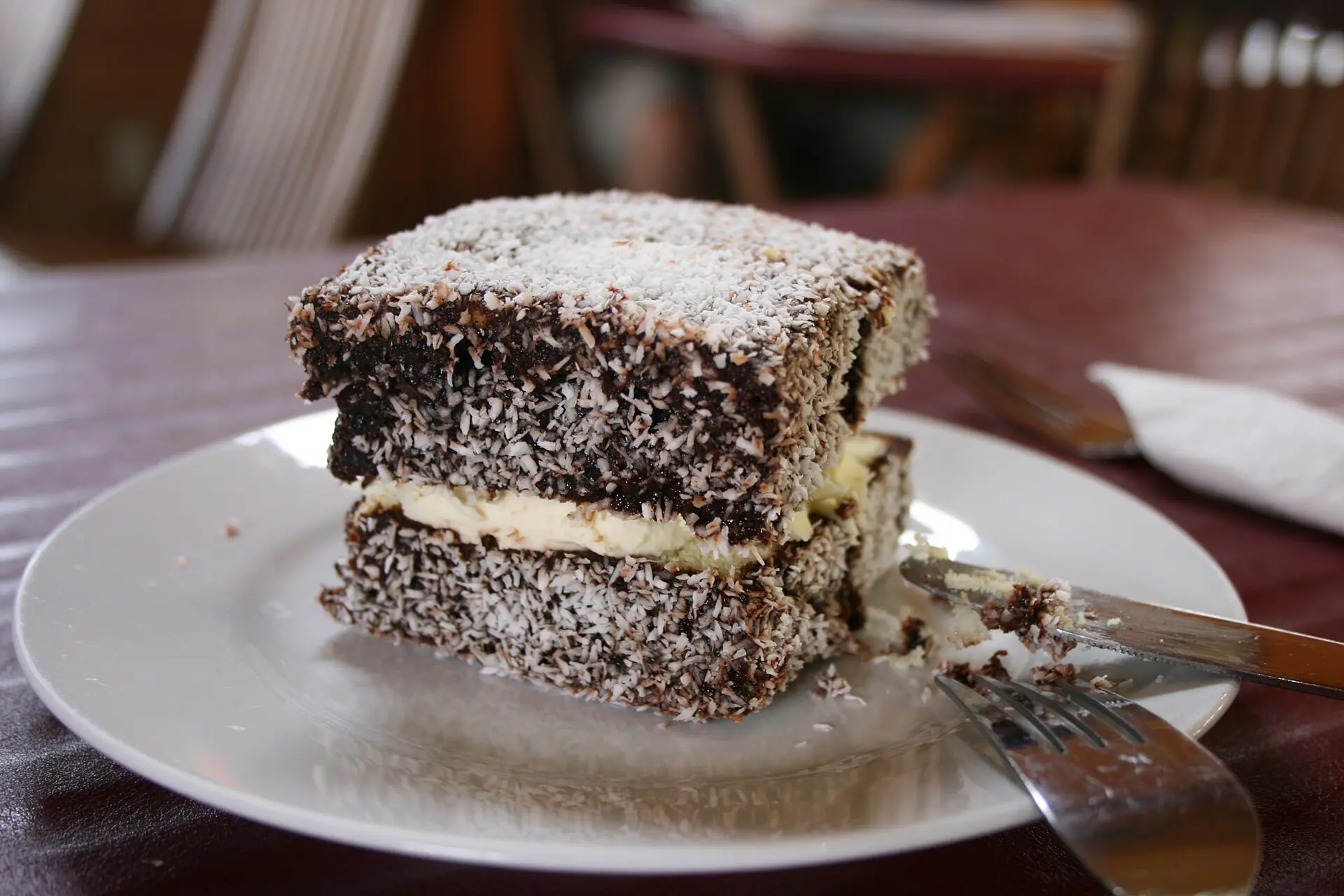
- Lamington: sponge cake dipped in chocolate and rolled in coconut.
- Barramundi: a mild white fish, often grilled, from the northern coasts.
- Flat white: a milk coffee that Australians and New Zealanders both claim to have invented.
- Vegemite on toast: a salty yeast spread that divides visitors; use a thin layer.
- Fish and chips: best eaten by the beach, with snapper or flathead.
- Pavlova: a meringue dessert topped with cream and fruit.
- Wine and craft beer: Barossa shiraz, Margaret River cabernet and local pale ales are strong picks.
Vegetarians, vegans and people with allergies are well catered for in cities, and menus are clearly labelled. In rural areas, choices are shorter, so check ahead.
Culture, language and etiquette in Australia
English is the main language, spoken in a distinct Australian accent with plenty of slang, such as arvo for afternoon and servo for petrol station. Many Indigenous languages are still spoken, and more than 250 existed when British settlement began.
Australians are informal, direct and usually friendly. Greetings are casual, queues are respected, and humour is dry and often self-mocking. Tipping is optional, and service staff are paid a proper wage.
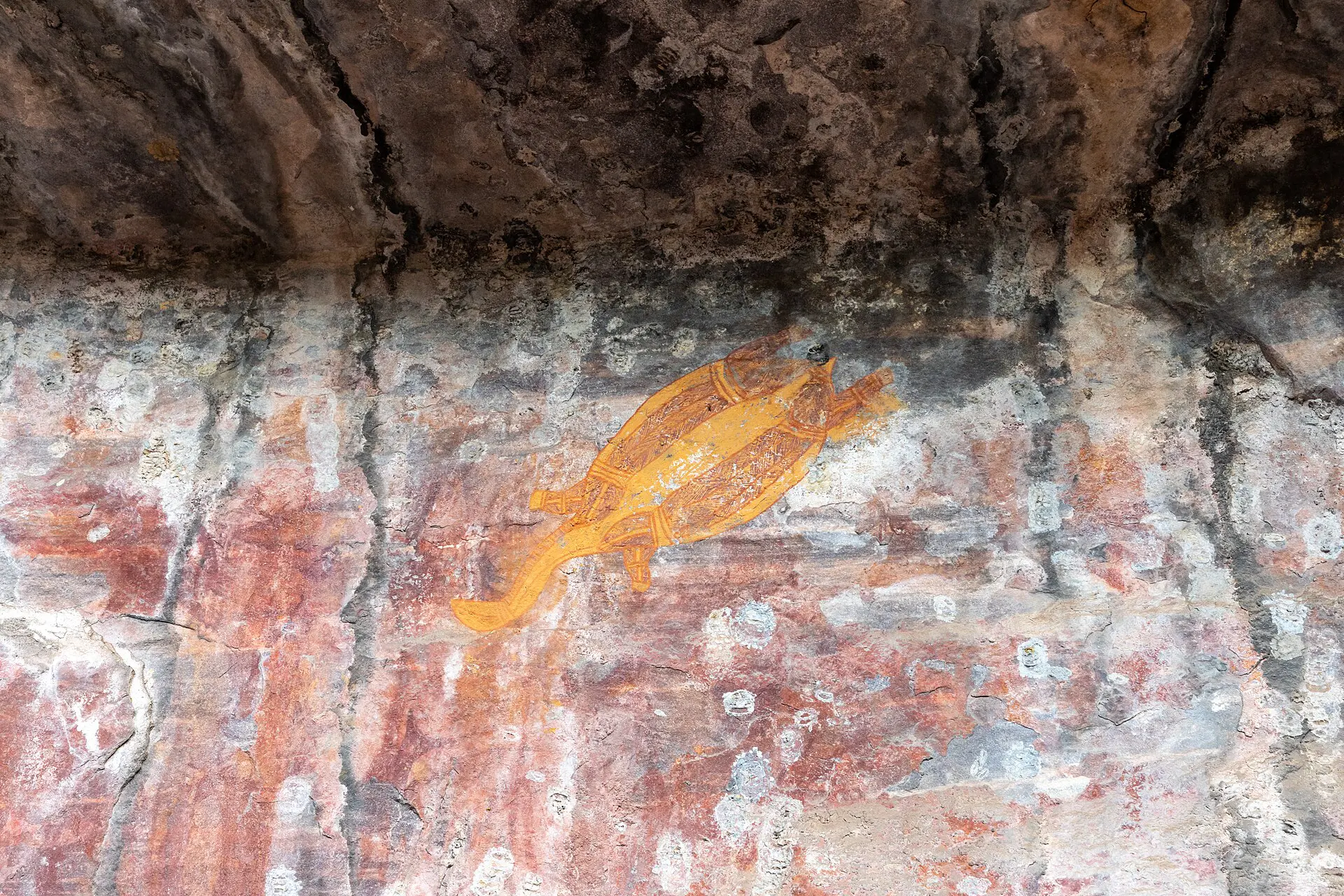
Show respect for Aboriginal and Torres Strait Islander cultures. Many places, including Uluru and Kakadu, have sacred sites where photography or access is restricted, so follow signs and ranger advice. Visiting with a local Indigenous guide is the best way to learn about the land.
On the beach, swim between the flags and follow lifeguards’ instructions. Smoking is banned in many public spaces, and fines for littering and for breaking biosecurity rules are real. Alcohol is sold in licensed shops and venues, and drink-driving limits are strictly enforced.
Australia itinerary: a 7-day route
With only a week, focus on the east coast rather than crossing the continent. This route uses two domestic flights and a short drive.
- Day 1, Sydney: arrive, walk around Circular Quay and the Opera House, and take a harbour ferry at sunset.
- Day 2, Sydney: hike the Bondi to Coogee coastal path, then swim and eat near the beach.
- Day 3, Blue Mountains: take the train about two hours to Katoomba, walk to the Three Sisters and return in the evening.
- Day 4, fly to Cairns: the flight takes about three hours, with the afternoon free for the esplanade and a night market.
- Day 5, Great Barrier Reef: book a full-day boat trip with snorkelling or an introductory dive.
- Day 6, Daintree Rainforest: drive about two hours north with a guide or rental car, and join a river cruise or rainforest walk.
- Day 7, return: fly back via Sydney or Brisbane, allowing a long buffer for international connections.
For a southern trip instead, swap Cairns for Melbourne and the Great Ocean Road. Outside the dry season, choose that option rather than the tropical north.
Practical tips for Australia
- Money: the Australian dollar is the currency. Cards and contactless payments are accepted almost everywhere, and ATMs are common in towns; carry a little cash for remote areas.
- SIM and eSIM: prepaid SIMs and eSIMs are easy to buy, and coverage is excellent in cities but patchy in the outback. Download offline maps before long drives.
- Plugs: type I at 230 V. Bring an adapter if your devices use other plug types.
- Tipping: not expected; round up or leave around 10 percent for excellent service.
- Health: bring travel insurance with medical cover, since care for visitors can be costly. Apply sunscreen daily and carry insect repellent in the tropics.
- Packing: layers for cool evenings and southern winters, a rain jacket, sturdy walking shoes, a hat and swimwear.
- Booking: reserve accommodation, reef trips and Uluru stays well ahead for December to January and school holidays.
- Time zones: Australia spans three main time zones, and several states change clocks in summer, so check before booking connections.
For more background, see the UNESCO page for Australia to plan World Heritage stops.
FAQ
Q1What are the best things to do in Australia?
Top picks are visiting the Sydney Opera House and Bondi, snorkelling the Great Barrier Reef, seeing Uluru at sunrise, driving the Great Ocean Road, hiking in the Blue Mountains and walking in the Daintree Rainforest. Add wildlife encounters and an Indigenous-led tour for more depth.
Q2What is the best time to visit Australia?
September to November and March to May suit most regions, with mild weather and fewer crowds. Winter from June to August is the best season for Uluru and the tropical north, while summer from December to February is better for southern beaches and Tasmania but is the busiest and most expensive period.
Q3Do I need a visa for Australia?
Almost every visitor needs a visa or electronic authority before travel. UK, US and many other passport holders usually apply for an ETA, EU citizens for an eVisitor, and New Zealanders can generally enter without applying. Rules and fees change, so apply only through the official Australian Department of Home Affairs website or app.
Q4What is Australia food like?
Australia food is varied and multicultural, with excellent Greek, Vietnamese, Italian and Chinese cooking, fresh seafood and strong coffee. Try a meat pie, lamington, barramundi, fish and chips and a flat white. Cities cater well for vegetarians, vegans and allergies, and menus are labelled clearly.
Q5What are the best places to visit in Australia?
Sydney and Melbourne are the best city bases, the Great Barrier Reef and Daintree suit the tropical north, Uluru anchors the Red Centre, and Tasmania and Western Australia offer hiking, wine and beaches. With limited time, pick two regions and fly between them.
Q6Is Australia safe?
Yes. Violent crime against tourists is rare and cities are safe. The main risks are sun, rip currents, long remote drives, bushfires and wildlife, including crocodiles in the tropical north. Swim at patrolled beaches, carry water, avoid driving at dusk and check your government's current travel advice.
Q7How many days do you need in Australia?
Seven days is enough for Sydney plus one region, such as the Blue Mountains or Cairns and the reef. Two weeks allows Sydney, Melbourne and Uluru or the tropical north. Because flights between cities take hours, fewer destinations with more time in each works best.