Why visit Canberra
If you are planning things to do in Canberra, expect a different kind of Australian city. It is the capital of Australia, built for the purpose after federation and chosen as a compromise between Sydney and Melbourne, the country’s two largest cities. It is the nation’s largest inland city, with an estimated population of around 485,000.

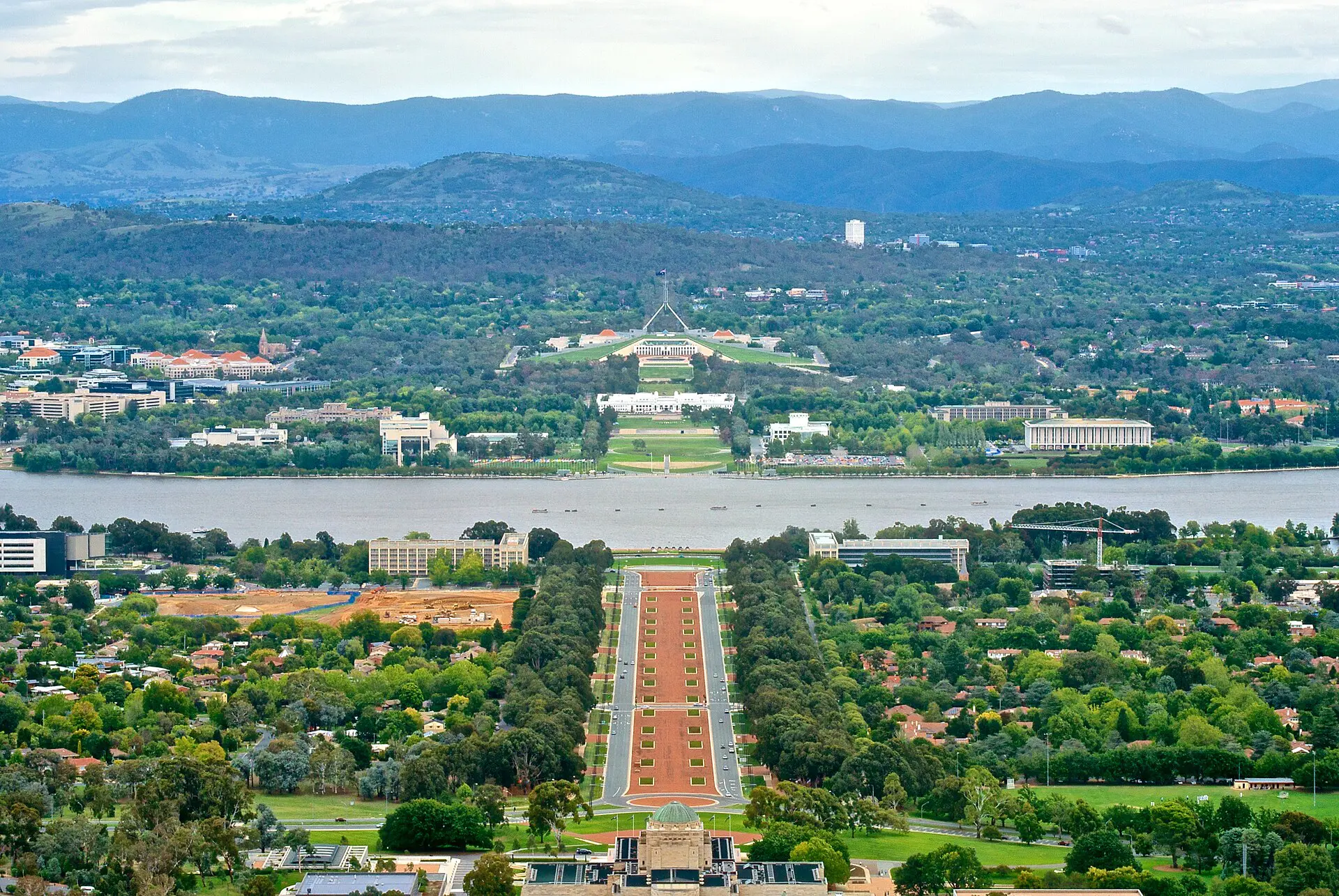
The city is laid out around large man-made lakes, with national monuments, museums and galleries gathered in the centre. It is also known as the bush capital, and bushwalking, cycling, gardens and nature reserves are all close to the urban area. To the south and west, the Brindabella ranges form the northern edge of the Australian Alps.
The area has been home to Aboriginal Australians for thousands of years, including the Ngunnawal and Ngambri peoples. That longer story sits alongside the national institutions, which makes Canberra a place for learning as much as sightseeing.
Top things to do in Canberra
Parliament House
Australia’s federal Parliament is open to visitors, and you can learn how the system works and often watch proceedings when it is sitting. Allow one to two hours. Security checks apply, and tours and sitting days vary, so check the schedule first.
Australian War Memorial
This memorial and museum covers Australia’s military history and is one of the capital’s most visited sites. Allow two to three hours or more. Check current opening hours and any daily ceremonies, and plan to visit earlier in the day.
National Gallery of Australia
The national gallery holds Australian and international art, including a strong collection of Aboriginal and Torres Strait Islander work. Allow two hours. Entry to the permanent collection has generally been free, but check, as special exhibitions usually need tickets.
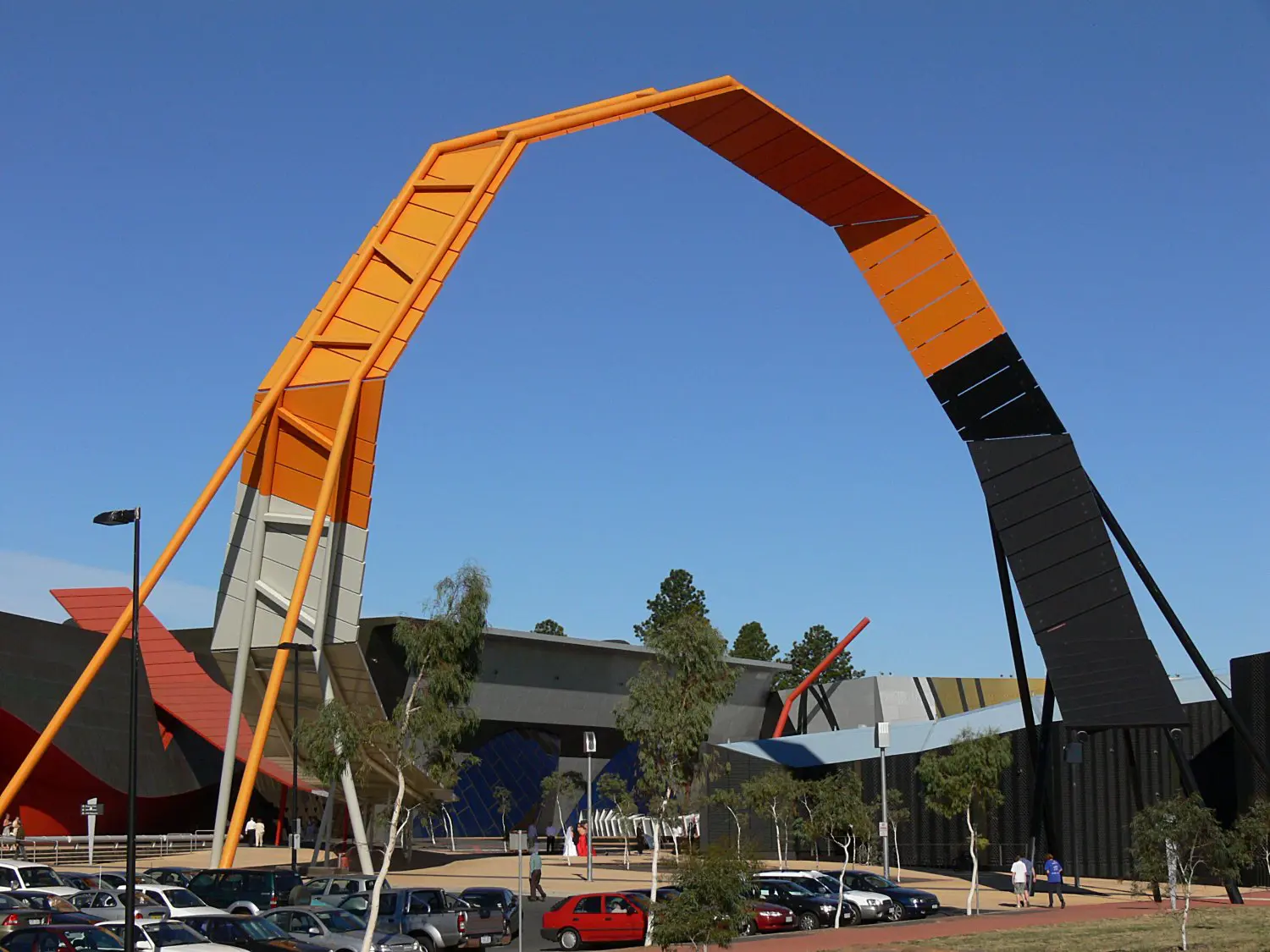
National Museum of Australia
Set on the lake edge, this museum covers the country’s history, people and environment. Allow two hours. Look at the programme for current exhibitions and events, and check opening times.
Lake Burley Griffin
The central lake is a good place for walking, cycling and boat trips, with paths around much of the shoreline. Allow an hour for a short stroll, or half a day if you hire a bike. Wear a hat in summer, as shade can be limited.
Botanic gardens and Mount Ainslie
The Australian National Botanic Gardens focus on native plants, and the lookout at Mount Ainslie gives a clear view along the city’s central axis. Allow one to two hours for each. Check the weather first, as clear days make the best views.
Bushwalks and nature reserves
Canberra Nature Park and the surrounding reserves have walking tracks within minutes of the centre, and the Brindabellas offer longer routes. Allow a half day. Carry water, sun protection and a map, and be aware that wildlife and weather vary by season.
Best time to visit Canberra
Canberra has four distinct seasons. Spring, from September to November, brings flowers and mild days, and autumn, from March to May, is known for colour and clear weather. Both suit walking and outdoor sightseeing.
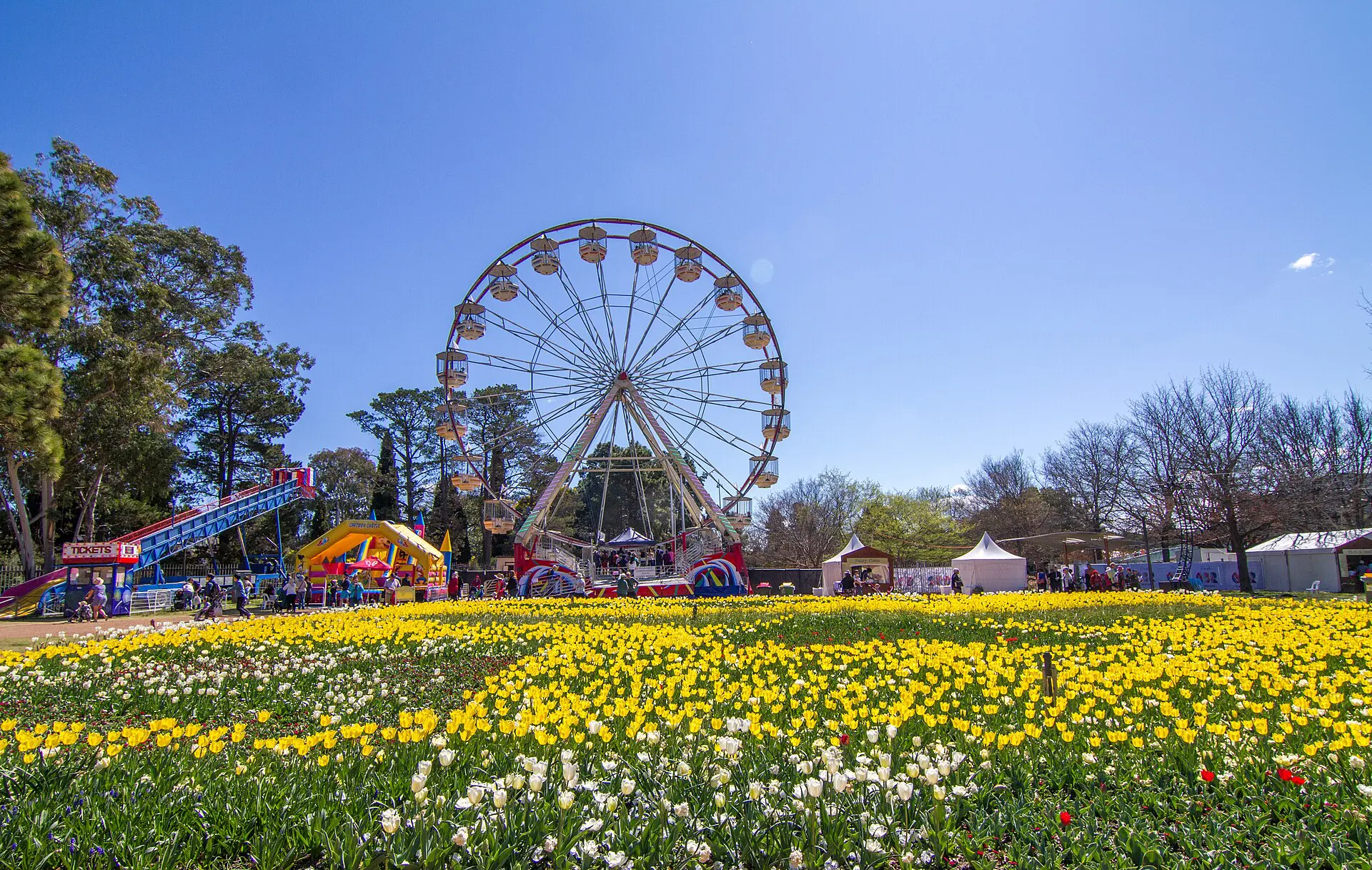
Summer can be hot and dry, so plan outdoor activities for the morning and use museums in the heat of the day. Winter is cold, especially at night, with frosts and occasionally snow on the nearby ranges, but days are often sunny and indoor attractions are comfortable. Check events calendars, because school holidays and major festivals can raise accommodation prices.
| Season | Weather | Crowds and prices |
|---|---|---|
| Spring | Mild, flowers in bloom | Busier at festivals, fair prices |
| Summer | Hot, dry | Moderate, holiday peaks |
| Autumn | Mild, clear | Moderate, fair prices |
| Winter | Cold, frosty nights | Quieter, often cheaper |
How to get to Canberra and around
Canberra Airport has domestic flights from Sydney, Melbourne and other cities, and some international services. Check which routes are currently operating. The city is also roughly three to four hours by road or coach from Sydney, and the drive is straightforward.

Within the city, buses and a light rail line serve the main corridors, but the layout is spread out, so a car or ride share is often the easiest way to move between attractions. The central area around the lake is good for cycling, and paths are well signed. Allow extra time to cross town during rush hours, and check parking arrangements at major sites.
Where to stay in Canberra
The city centre, known as Civic, has the widest choice of hotels, restaurants and bars and is good for first-time visitors without a car. It is also close to public transport links.
Areas near the lake and the national institutions, such as Kingston and Barton, suit visitors who want a quieter base near museums and dining, with a short ride to the centre. Check distances, since the city is spread out.
Suburban and outer districts offer lower prices and more space, and suit families or drivers. If you plan bushwalks and day trips, a base with parking is useful. Book ahead during school holidays and major events.
How many days do you need?
Two days covers the headline institutions, while three days lets you add bushwalks and a day trip. One day is possible if you focus on a few museums. Many visitors treat Canberra as a long weekend stop between Sydney and Melbourne.
- Day 1: Parliament House in the morning, the National Museum or the National Gallery after lunch, and a walk by Lake Burley Griffin.
- Day 2: Australian War Memorial, then the botanic gardens or the Mount Ainslie lookout at sunset.
- Day 3: A bushwalk in a nature reserve, or a day trip towards the coast or the nearby ranges.
Day trips and nearby
Sydney
Sydney is the nearest major city, about three to four hours by road or coach. It is better as a separate stay than a day trip, but a long day is possible if you start early. Check current coach and rail options.
Jervis Bay
The Jervis Bay Territory is a small coastal area about three hours’ drive away and is known for beaches and clear water. It suits an overnight stay more than a rushed day trip. Check road and weather conditions before you drive.
The Brindabella ranges
The ranges south and west of Canberra form the northern part of the Australian Alps, with forest drives and walking tracks. Allow a half or full day. Check road status and the weather first, as conditions can change quickly.
FAQ
Q1When is the best time to visit Canberra?
Spring and autumn are best, with mild weather for walking and outdoor sights. Summer is hot and dry, while winter is cold, with frosty nights but often sunny days. Check events and school holidays, which can push up prices.
Q2How many days do you need in Canberra?
Two to three days is enough for the main museums, Parliament House, the lake and a nature outing. A single day covers only a few highlights. Add extra time if you want to explore the nearby ranges or the coast.
Q3How do you get to Canberra?
Canberra Airport has domestic flights from major Australian cities. You can also drive or take a coach from Sydney in roughly three to four hours. Check current flight, coach and rail services, since schedules change.
Q4Is Canberra worth visiting?
Yes, if you like national museums, galleries, politics and easy outdoor time. It is calmer than Sydney or Melbourne and rewards a slower pace. If you mainly want beaches or nightlife, other cities may suit you better.
Prices, schedules and entry rules change. Check current details with official sources before you travel. Read the Australia travel guide.