Why visit Brisbane
If you are searching for things to do in Brisbane, start with the river. The capital of Queensland and the third most populous city in Australia, Brisbane sits on a looping stretch of the Brisbane River, around 15 kilometres from Moreton Bay, and almost everything worth seeing is on or near the water.
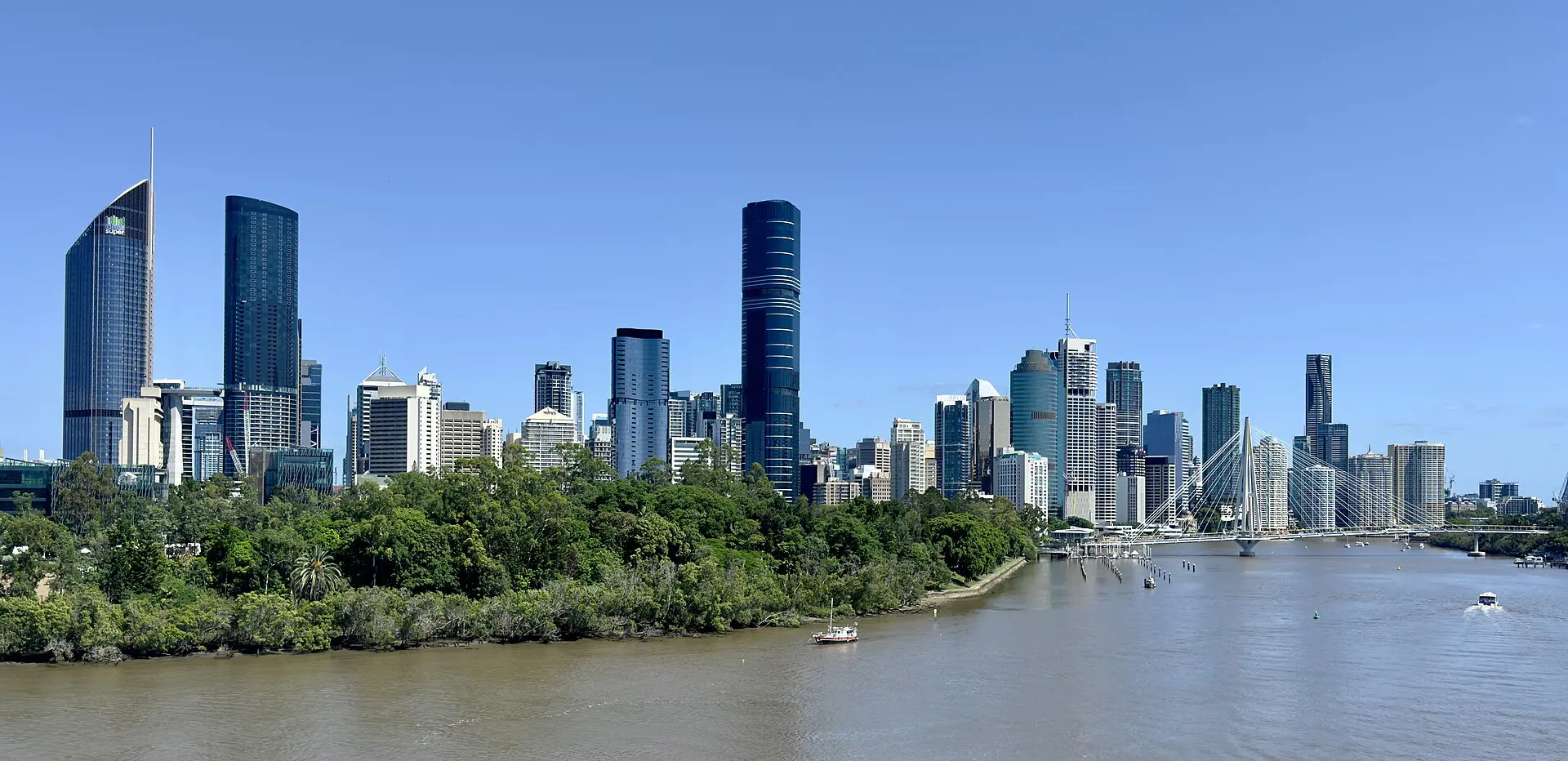
It is often called a “garden metropolis”, and that fits: leafy parks, riverside paths and a warm subtropical climate make it easy to spend most of the day outdoors. The city is large enough to have major galleries, a strong food scene and a busy events calendar, yet it feels more relaxed than Sydney or Melbourne.
Brisbane is also a practical base. Ferries, trains and short drives reach island beaches, mountain rainforest and the Gold Coast, so a few nights here can cover both city life and the coast. The city is also due to host the 2032 Summer Olympics, and building work around town reflects that.
Top things to do in Brisbane
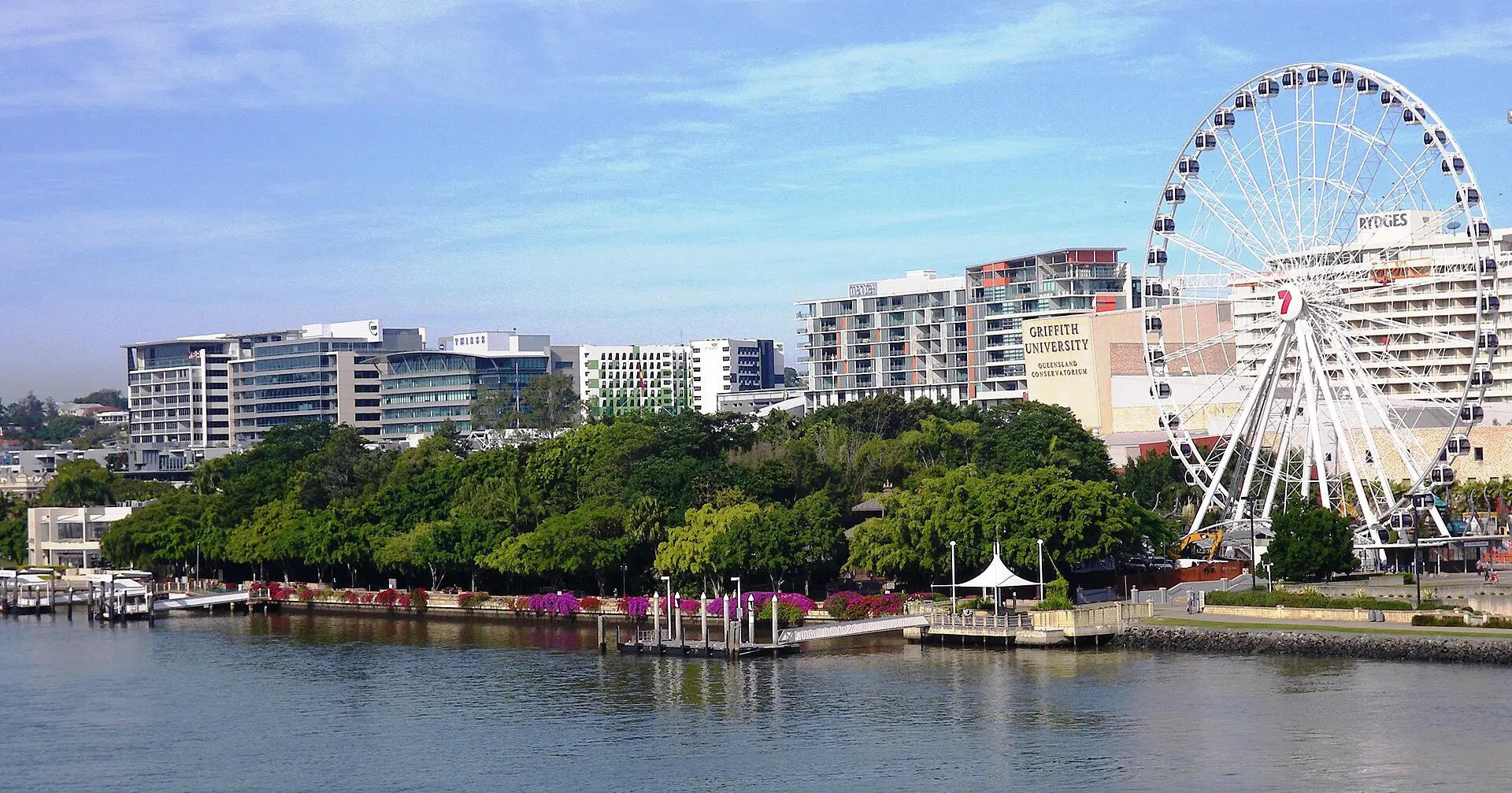
South Bank Parklands
This riverside precinct is the easiest first stop. It has gardens, cafes, a man-made lagoon beach with free swimming, and a large Ferris wheel. Allow two to three hours, longer if you want to swim or visit the museum nearby. Bring a hat and sunscreen, as shade is patchy at midday.
Gallery of Modern Art and Queensland Art Gallery
The two galleries sit side by side at the Cultural Precinct near South Bank, and general entry to the permanent collections has typically been free, though special exhibitions are ticketed. Plan about half a day for both. They are a good wet-weather or hot-afternoon option, so check the current program before you go.
Lone Pine Koala Sanctuary
One of the best-known places to see koalas up close, in the western suburbs. Expect two to three hours with kangaroos, wombats and other Australian animals alongside. You can reach it by bus or by a river cruise from the city centre, which turns the trip into a half day. Book timed koala encounters ahead in busy periods.
Mount Coot-tha Lookout
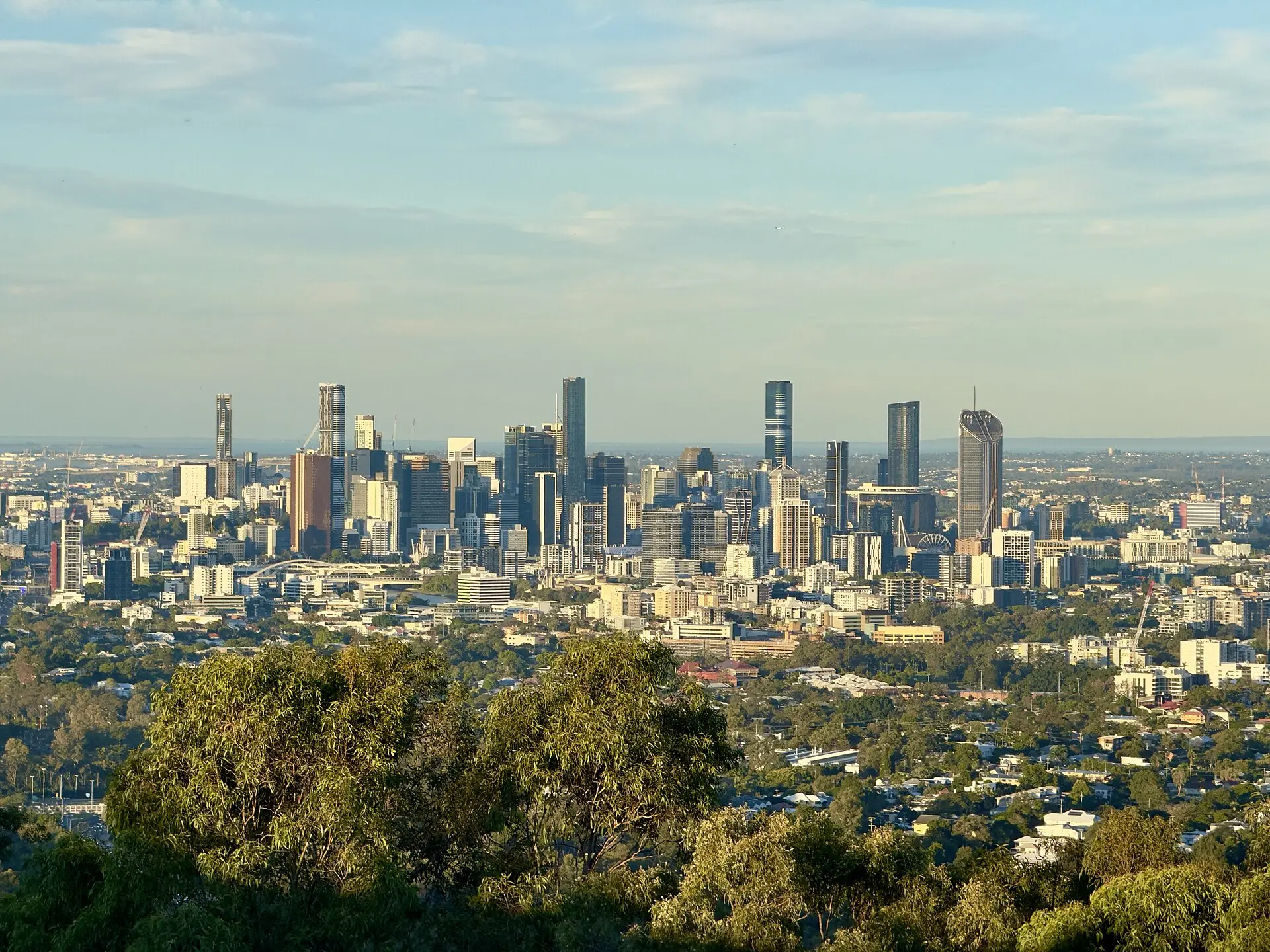
The lookout above the western suburbs gives wide views over the city, river and out toward Moreton Bay. Go late afternoon so you catch daylight and city lights. It takes an hour or so including the botanic gardens next door. Public buses run there, or you can drive and park.
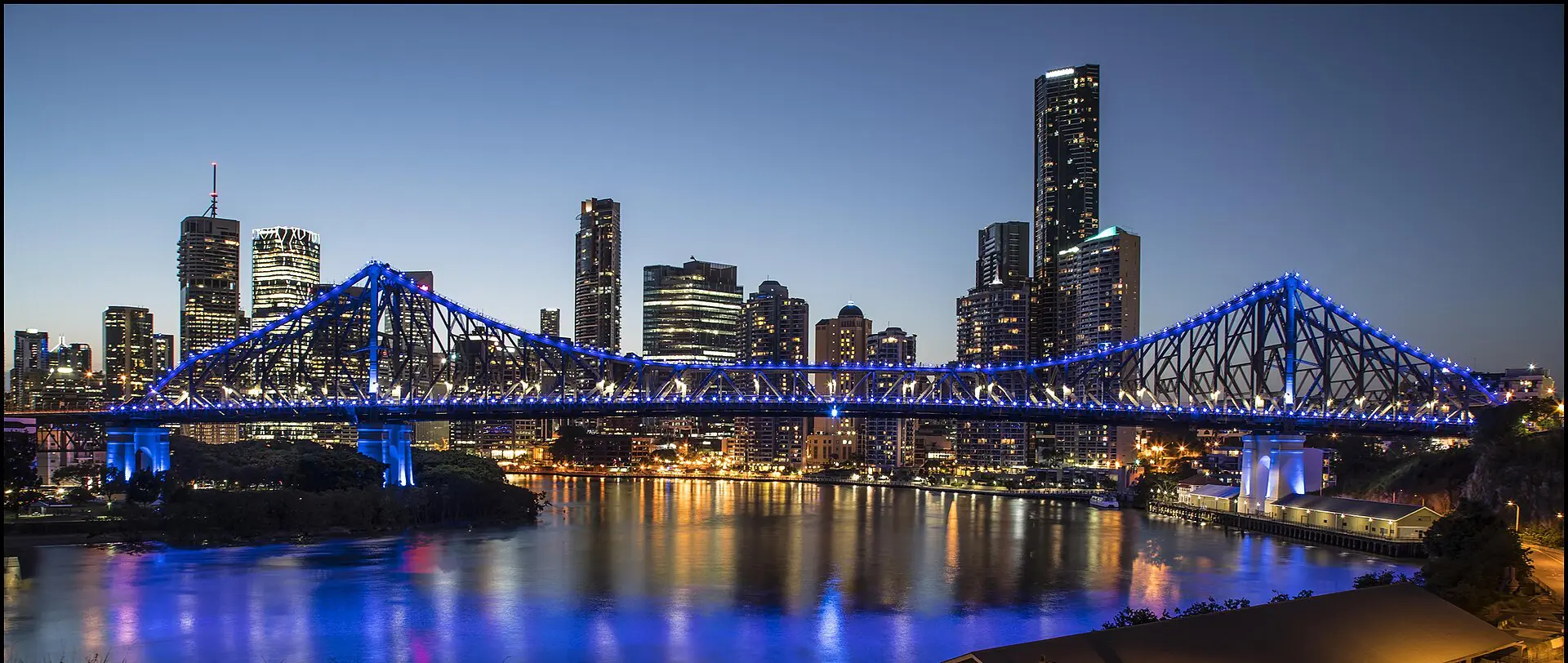
Story Bridge and Howard Smith Wharves
The steel Story Bridge is the city’s signature structure, and the restored wharves beneath it hold bars and restaurants with views. Walking the riverside path from the centre takes about 30 minutes. A guided bridge climb is available, so check booking and weather conditions in advance.
CityCat river ferry ride
The fast CityCat catamarans run up and down the river, and a one-way ride works as a cheap sightseeing trip, past Kangaroo Point cliffs, New Farm and the city skyline. Allow an hour or so. Tap on and off with a transit card rather than buying single tickets, and sit on the open rear deck for photos.
Brisbane City Hall and the CBD
The sandstone city hall in King George Square has a clock tower with a viewing platform and a small museum inside. It takes around an hour with the surrounding pedestrian streets and arcades. Opening arrangements and tour times change, so check before you go.
West End and Fortitude Valley
For cafes, markets, live music and nightlife, head to these two inner-city neighbourhoods. West End is leafier and more laid-back, while the Valley is louder and busier at night. Allow an evening for either. Both are a short ride from the centre by bus or ride-share.
Best time to visit Brisbane
Brisbane has a subtropical climate, so the real question is humidity and storms rather than cold. The dry, sunny months from roughly April to October are the most comfortable for sightseeing, and winter days are mild and bright even when nights are cool.
Summer, from December to February, is hot and humid, with afternoon thunderstorms common and occasional heavy rain. It is also the main domestic holiday period, so some prices rise. If you travel then, do outdoor activities early and keep afternoons for galleries and cafes.
| Season | Weather | Crowds and prices |
|---|---|---|
| Summer (Dec-Feb) | Hot, humid, storms | Busy around school holidays; higher prices |
| Autumn (Mar-May) | Warm, drying out | Moderate |
| Winter (Jun-Aug) | Mild, dry, sunny | Moderate; good value |
| Spring (Sep-Nov) | Warm, comfortable | Moderate, rising late in the year |
How to get to Brisbane and around
Most international visitors arrive at Brisbane Airport (BRI), which has an airport train line to the city centre taking roughly 20 minutes, plus buses, taxis and ride-share. Domestic flights link Brisbane with all the other Australian capitals, and long-distance trains and coaches run along the east coast, although they are slow compared with flying.
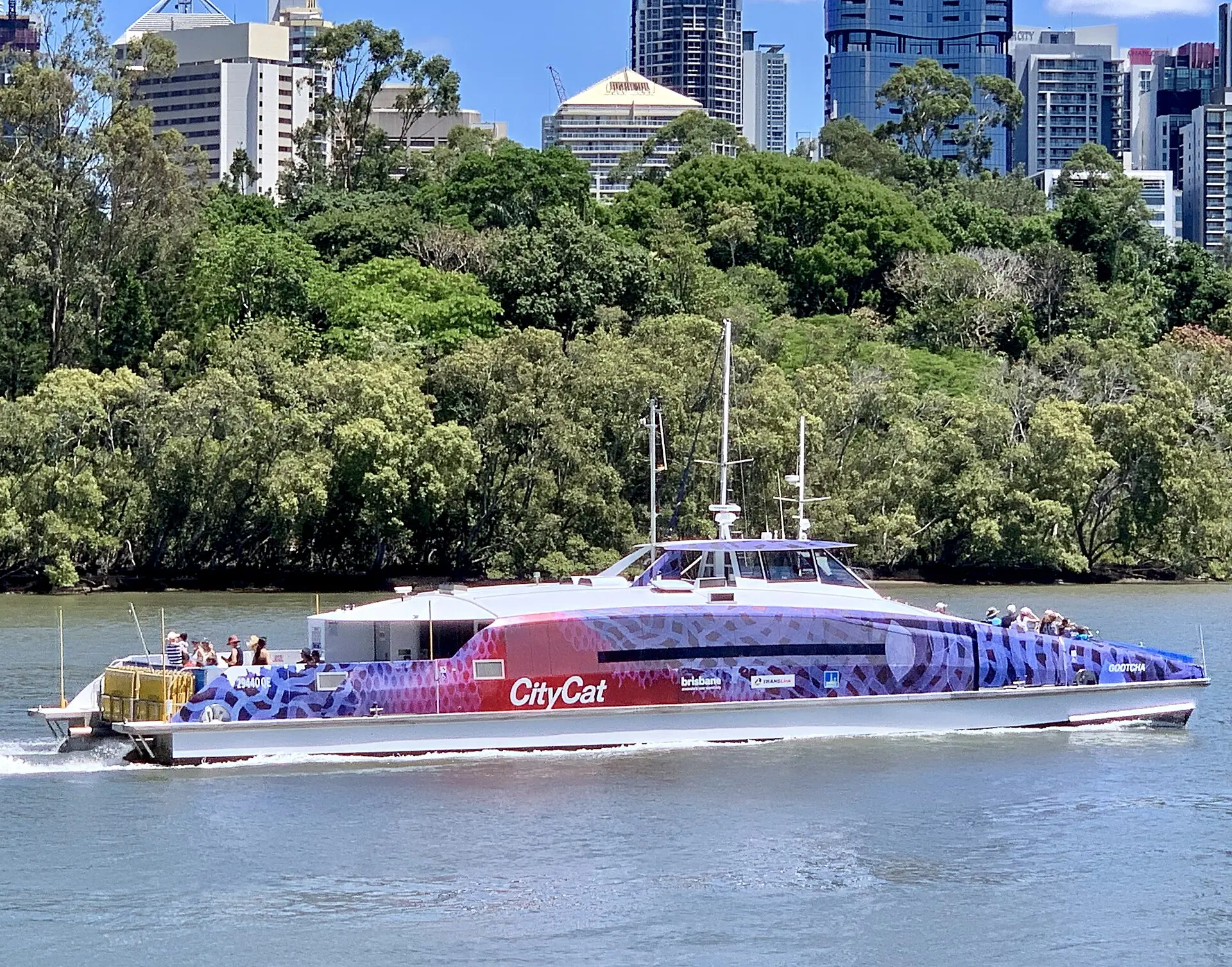
Within the city, the public network of buses, suburban trains and river ferries is run under one ticketing system, and a contactless card or transit card is the simplest way to pay. The CityCat ferries are both transport and sightseeing. The central area is compact enough to walk, but heat and humidity make a bus or ferry welcome between sights. Ride-share and taxis are widely available at night. You rarely need a car unless you plan to explore the hinterland or coast.
Where to stay in Brisbane
The CBD and the Kangaroo Point and South Bank side suit first-time visitors who want to walk to the river, galleries and transport. You will find a wide range of hotels and apartments there, from budget to high-end, and it is the most convenient option for short stays.
Fortitude Valley and New Farm suit travellers who want restaurants, bars and nightlife on the doorstep, with riverside parks and the CityCat nearby. West End is a good fit if you prefer cafes, markets and a relaxed, slightly alternative feel, with easy bus access to the centre.
If you are travelling with a car or want a quieter base, look at the leafy suburbs along the river, which are still served by ferry or train. Book early for major events and school holiday weeks, and compare prices for weeknight against weekend stays.
How many days do you need?
Two full days cover the main sights, and three give you time for a koala sanctuary and a slower evening or two. Add one or two more if you want to include an island or the Gold Coast. A simple plan:
- Day 1: South Bank Parklands, the galleries, a CityCat ride and dinner at Howard Smith Wharves or in the Valley.
- Day 2: Morning at Lone Pine Koala Sanctuary, then Mount Coot-tha Lookout for late-afternoon views.
- Day 3: A day trip to Moreton Island or North Stradbroke Island, or an easy day in West End and New Farm.
If you only have one day, focus on South Bank, the river and one gallery, and finish with the Story Bridge at dusk.
Day trips and nearby
Moreton Island
A large sand island in Moreton Bay, reached by ferry from the Brisbane area. It is known for sand dunes, shipwreck snorkelling and quiet beaches. Most visitors go on an organised day trip or camp overnight, so check ferry and tour schedules in advance.
North Stradbroke Island
Another Moreton Bay island, with beaches, coastal walks and seasonal whale watching. It is reached by a vehicle or passenger ferry from the bayside suburbs, and a day trip is realistic, though an overnight stay gives you more time.
Gold Coast
Around an hour south by road or train, the Gold Coast offers long surf beaches, theme parks and a high-rise skyline. It suits a day out or a beach stay. Check travel times at weekends, as the motorway can be busy.
Glass House Mountains and the Sunshine Coast
North of the city are the dramatic volcanic peaks of the Glass House Mountains and the Sunshine Coast beaches. You can drive to both in around an hour or so, and combine a lookout stop with a seaside lunch. A car makes this much easier.
FAQ
Q1When is the best time to visit Brisbane?
April to October is the best period, with dry, sunny weather and comfortable temperatures. Summer from December to February is hot and humid with frequent storms, and prices rise around school holidays. Winter is mild enough for beaches and outdoor sightseeing without the summer heat.
Q2How many days do you need in Brisbane?
Two to three days is enough for the main sights: South Bank, the galleries, a CityCat ride, a koala sanctuary and a lookout. Add one or two days if you want to visit an island such as Moreton Island or head to the Gold Coast.
Q3How do I get from Brisbane Airport to the city?
The airport train runs to the city centre in around 20 minutes and is usually the quickest option. Buses, taxis and ride-share are also available. Check current fares and timetables on the official transport pages before you travel, as prices change from year to year.
Q4Is Brisbane expensive to visit?
Brisbane is moderately expensive by international standards, but usually cheaper than Sydney. Many of the best experiences, such as the South Bank lagoon, parks and gallery entry, are free or low cost. Accommodation is the biggest expense, so book early for peak periods.
Prices, schedules and entry rules change. Check current details with official sources before you travel. Read the Australia travel guide.