Why visit Melbourne
Anyone planning things to do in Melbourne should expect a city built around culture, food and sport. It is often called Australia’s cultural capital and is its second biggest city, with Victorian-era architecture, extensive shopping, museums, galleries, theatres, and large parks and gardens.
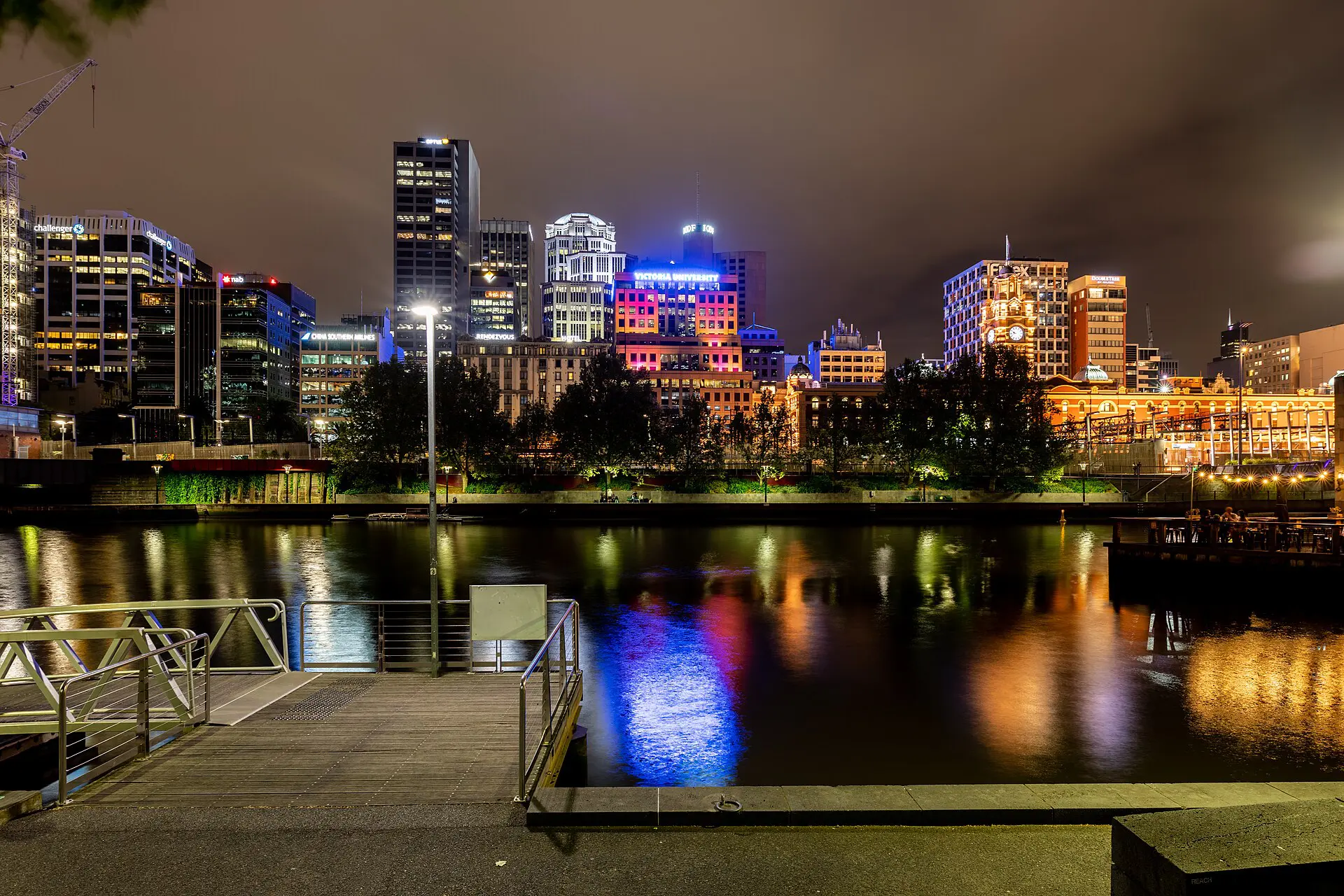
The city lies at the head of Port Phillip Bay, and its greater urban area has more than 5 million residents. It is the capital of the state of Victoria. The land is the traditional home of the Wurundjeri, Boonwurrung and Woiwurrung peoples, and the Woiworrung name for the area is Naarm.
Many visitors arrive for a major sporting event, and the city also consistently ranks highly on livability lists. The grid of the central business district is easy to navigate, and trams make travel straightforward. Beyond the city itself, Melbourne is a convenient base for Grampians National Park, the Great Ocean Road and Phillip Island, each of which suits a separate day or overnight trip.
Top things to do in Melbourne
Laneways and street art
The central city is known for its narrow laneways lined with cafes, bars and street art. Allow two to three hours to wander, ideally in the morning for coffee or in the evening for bars. Art changes often, so what you see will vary from visit to visit.
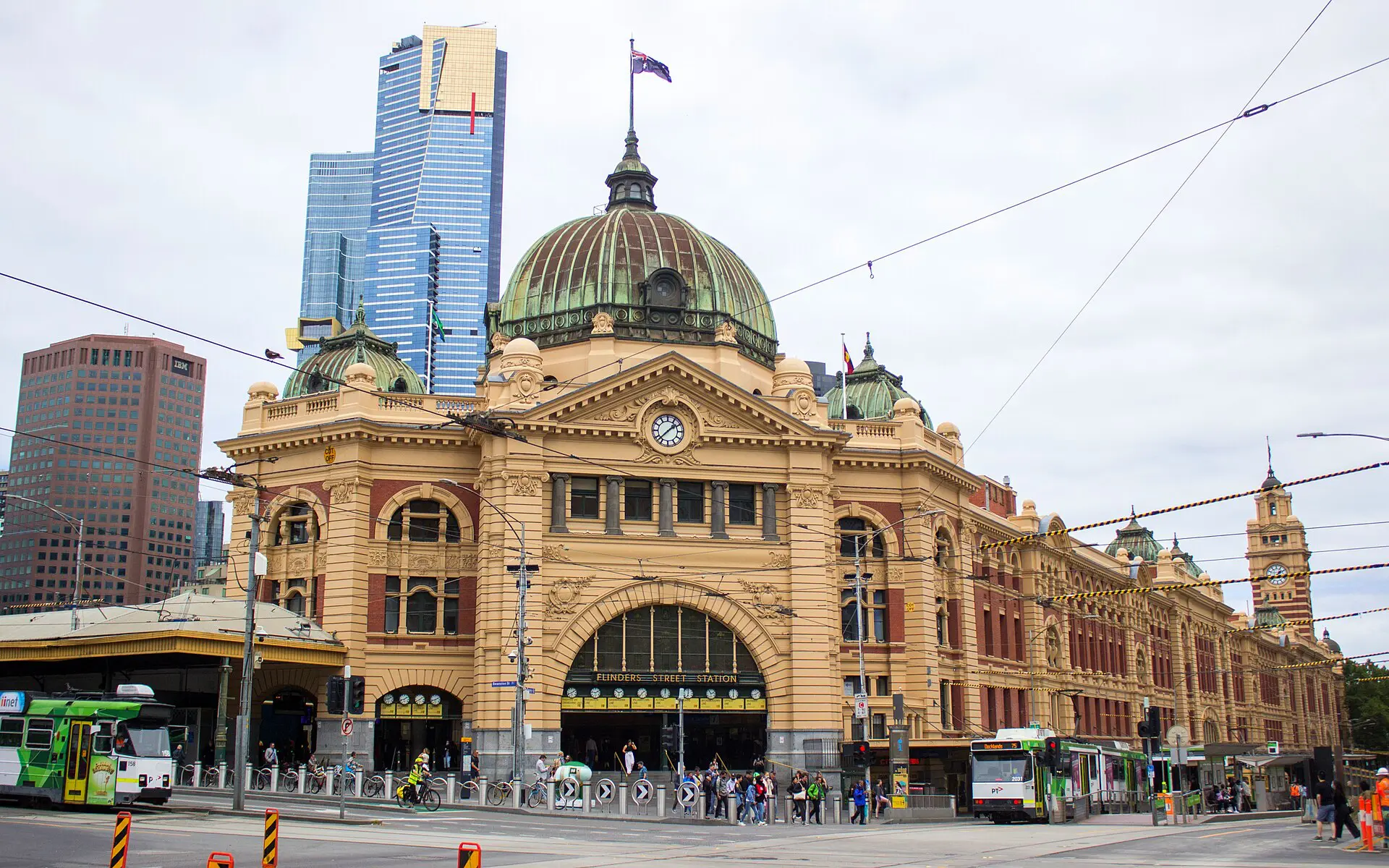
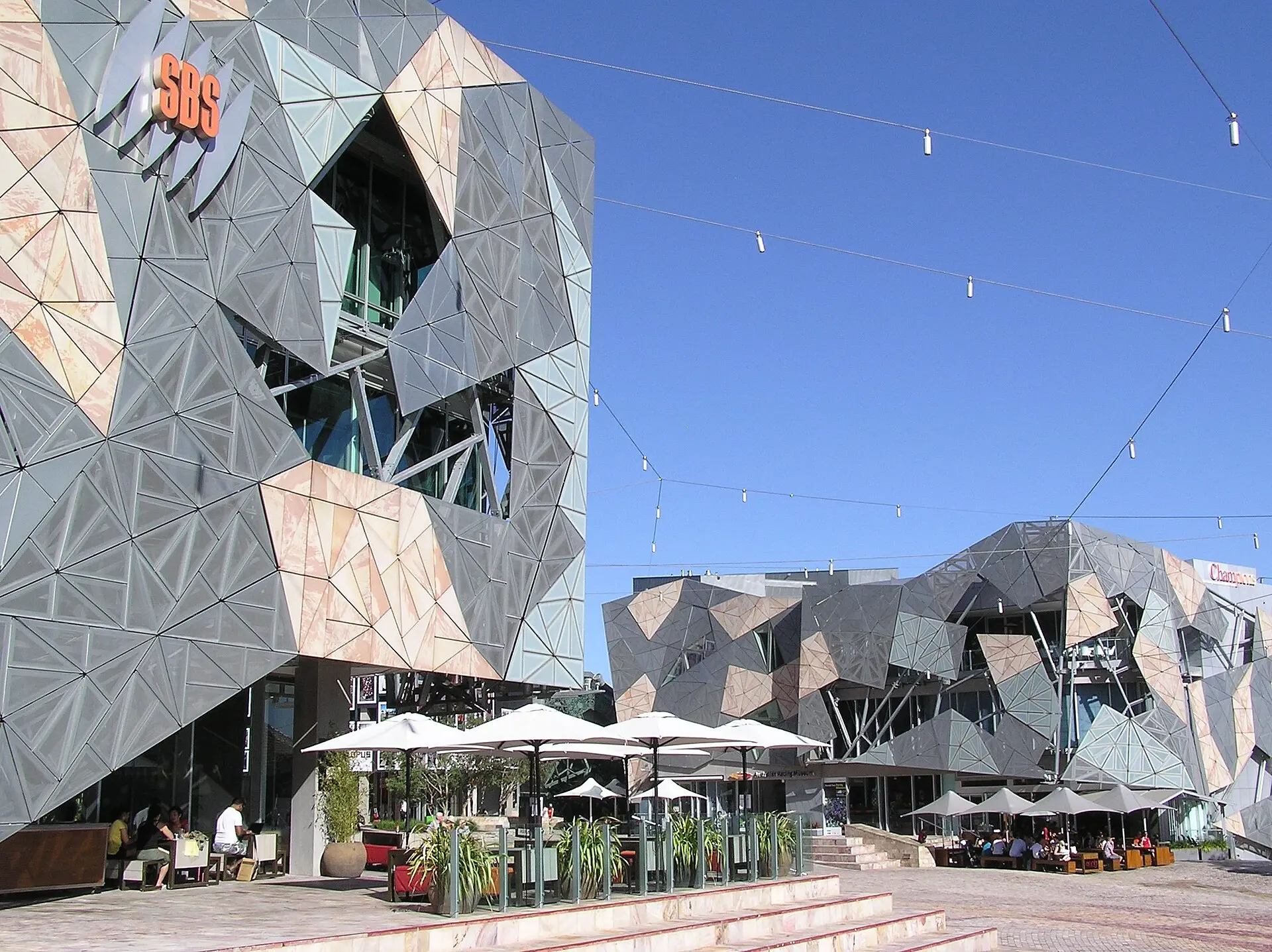
Flinders Street Station and Federation Square
These landmarks sit across from each other on the edge of the Yarra and make a natural meeting point. Allow an hour, and combine them with a walk along the river. Galleries and events are often held nearby, so check the programme.
National Gallery of Victoria
The major art gallery is a central stop for anyone interested in art, with collections ranging from Australian to international works. Allow two to three hours, and check opening hours, since temporary exhibitions may need separate tickets.
Royal Botanic Gardens and the Yarra
The parks and gardens near the river provide a quiet break from the city. Allow an hour or two for a walk, and consider a picnic. The gardens are free to enter, though some events and guided tours may charge.
Queen Victoria Market
A large market with fresh produce, street food and souvenirs, which can fill a morning. Go early for the best choice, and check which days it trades, as opening days vary by season and section.
Sport at the MCG
Many residents are sports-mad. If you can attend an Australian rules football or cricket match, book ahead and check the fixture list. Even outside match days, stadium tours can be arranged for those interested.
St Kilda and the bay
The beachside suburb of St Kilda has a pier, a promenade and cafes, and it is a short tram ride from the centre. Allow half a day. The bay water can be cool, so it suits walking and sunsets more than long swims for most of the year.
Best time to visit Melbourne
Melbourne is known for changeable weather and the saying that you can experience four seasons in a day applies, so carry a light layer whenever you go. Seasons are reversed from the northern hemisphere.
| Season | Weather | Crowds and prices |
|---|---|---|
| Summer (December to February) | Warm to hot, sometimes very hot | Peak events; higher prices |
| Autumn (March to May) | Mild, often settled | Good value; food and arts events |
| Winter (June to August) | Cool, grey, some rain | Quieter; sport season |
| Spring (September to November) | Variable, warming | Busy around major sporting and racing events |
Hotel prices rise during major sporting weekends and festivals, so book early if your dates coincide with one.
How to get to Melbourne and around
Most international and domestic visitors arrive at Melbourne Airport at Tullamarine, roughly 20 km northwest of the city centre. Airport coaches, taxis and ride-hailing connect it with the centre, and journey times depend on traffic, so allow extra at peak hours. A smaller airport at Avalon serves some low-cost flights.
Long-distance trains and coaches connect Melbourne with regional Victoria and with other states, and Southern Cross Station is the main terminal. Driving is the best way to see the Great Ocean Road, though tours are an option if you prefer not to drive on the left.
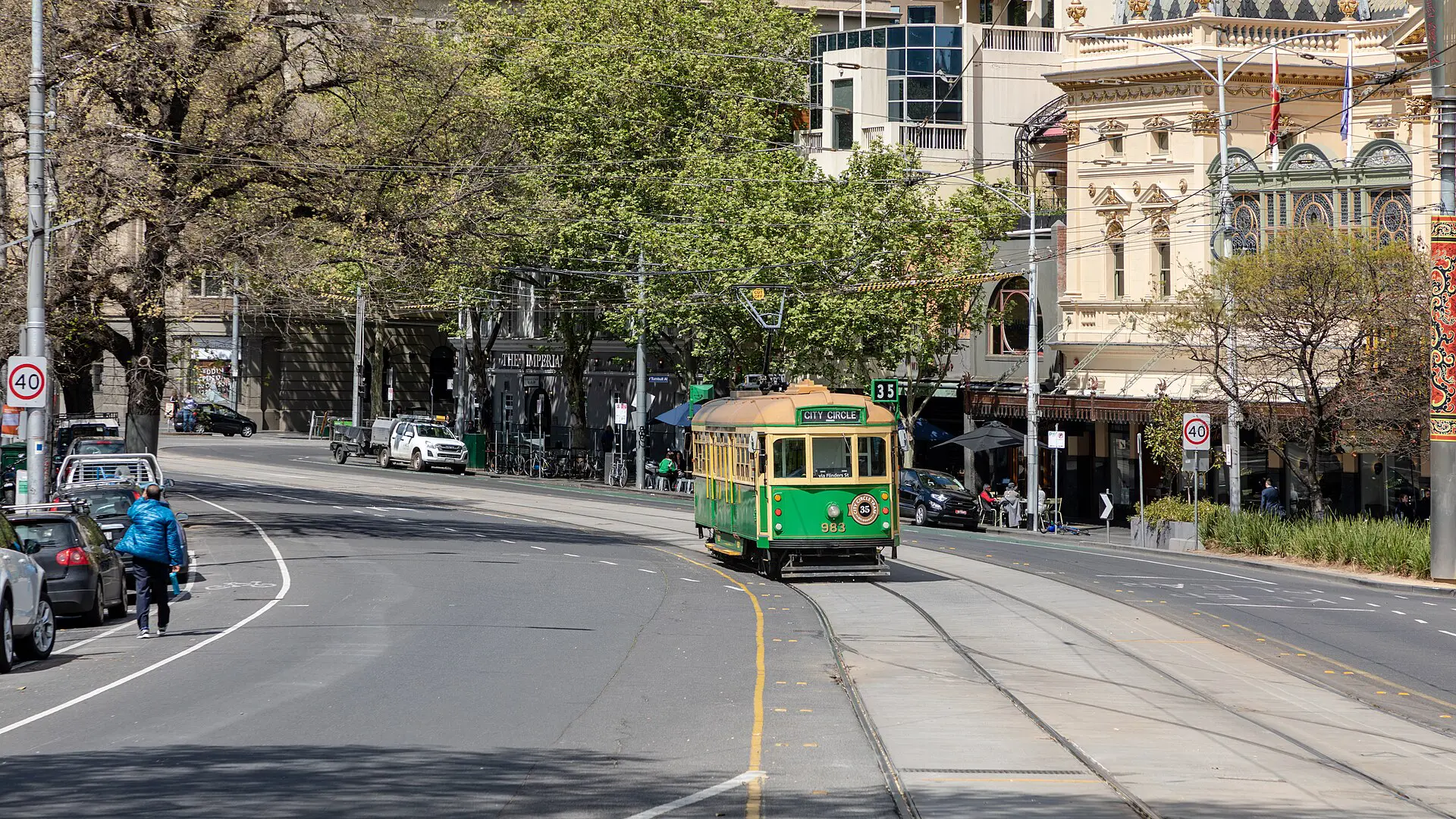
In the city, trams, trains and buses are the main public transport, and a rechargeable card is used for fares. Check whether a free tram zone currently applies in the central area. The centre is flat and easy to walk, and cycling along the Yarra is popular.
Where to stay in Melbourne
The central business district is the most convenient base, with trams, restaurants and attractions on the doorstep. It suits short stays and first-time visitors, though weekday noise and higher prices are common.
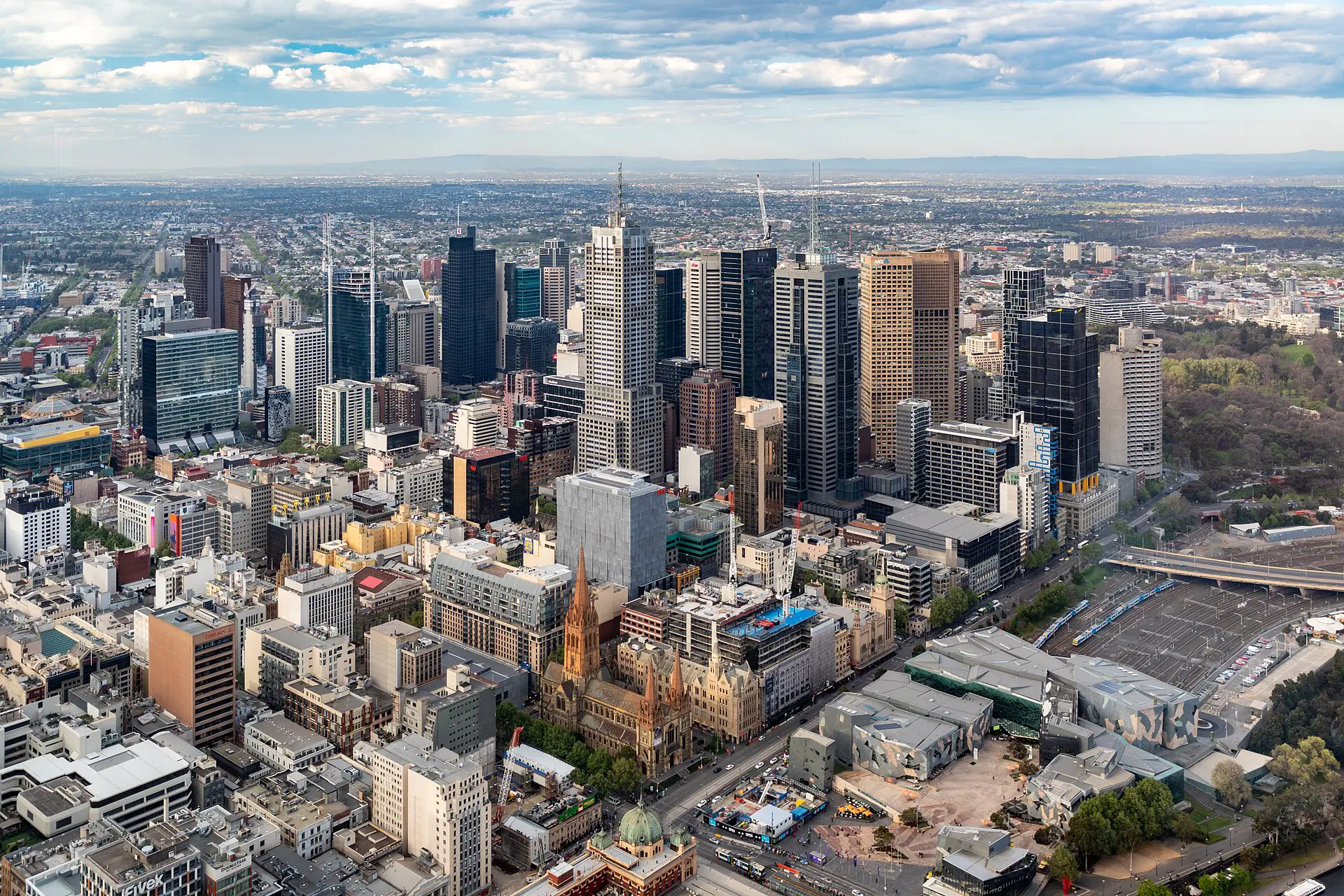
Southbank and Docklands offer river or harbour views and larger hotels, which suit travellers who want facilities and are happy to walk or tram into the centre. Fitzroy, Carlton and Collingwood to the north have a more neighbourhood feel, with cafes, bars and independent shops, and suit people who prefer local character.
St Kilda is the choice for a beachside stay, with plenty of apartments and guesthouses, and a tram ride into town. Prices rise during major events, so book early if you are visiting for sport or festivals, and check transport options at night.
How many days do you need?
Three days covers the central sights, a gallery, a market and a neighbourhood or two. Add one or two days for the Great Ocean Road or Phillip Island, since both are long trips. If you only have two days, concentrate on the centre and the laneways, and leave the day trips for another visit.
- Day 1: Federation Square, the laneways, a gallery and an evening at a bar or restaurant.
- Day 2: Queen Victoria Market, the Royal Botanic Gardens and the Yarra, then a sporting event or show.
- Day 3: St Kilda in the morning, or a day trip to the coast or the Dandenong area.
Day trips and nearby
Great Ocean Road
A coastal drive southwest of the city, known for limestone stacks and sea views. It is possible in one very long day, but an overnight stop is more relaxed. Check road conditions, and allow plenty of time for stops and for driving on the left.
Phillip Island
The island’s penguin parade is a draw. It is a long day trip or an overnight stay, and tickets for the parade are best booked ahead. Dress warmly, because the evenings can be cold and windy.
Grampians National Park
A mountain range in western Victoria with walking trails and views. It is further away, so an overnight stay is usually better than a day trip. Check trail and weather conditions before setting out.
Other cities
Melbourne is a hub for flights to Sydney, Hobart, Adelaide and Canberra, each reached by a short flight, which makes it easy to extend a visit into a longer Australian itinerary.
FAQ
Q1When is the best time to visit Melbourne?
Autumn (March to May) and spring (October and November) are generally the most pleasant, with mild weather and events on. Summer can be hot and busy, winter is cool and grey, and the weather can change quickly in any season.
Q2How many days do you need in Melbourne?
Three days is enough for the main sights, laneways, a gallery, a market and a beach suburb. Add one or two extra days if you want to drive the Great Ocean Road or visit Phillip Island rather than rush them.
Q3How do you get from Melbourne Airport to the city?
The airport is roughly 20 km from the centre, and coaches, taxis and ride-hailing apps run regularly. Journey times depend on traffic, and fares vary, so check current options on arrival and allow extra time at peak hours.
Q4Is Melbourne expensive?
Melbourne is generally a mid-to-high cost destination, particularly for hotels during major events. Eating out, trams and many outdoor sights can be inexpensive. Costs depend on exchange rates, so check recent prices before you set a budget.
Prices, schedules and entry rules change. Check current details with official sources before you travel. Read the Australia travel guide.