Why visit Philippines
The best things to do in Philippines are built around water and landscape. The country has about 7,641 islands, split into Luzon, the Visayas and Mindanao, with coral reefs, limestone karst, active volcanoes and highland rice terraces. Manila is the capital, and background on the country is on Wikipedia.
It suits divers, island hoppers, backpackers and anyone who wants tropical scenery with good English. Filipino is the national language alongside English, so signs, menus and tour desks are easy to use. Food and rooms are cheap by regional standards. The trade-off is logistics: distances are big, ferries and flights drive the itinerary, and weather can rearrange plans, so pick two or three areas rather than trying to see everything.
Best places to visit in Philippines
The best places to visit in Philippines cluster in a few island groups. Palawan and the Visayas are the usual starting points for first-timers.
El Nido and Palawan
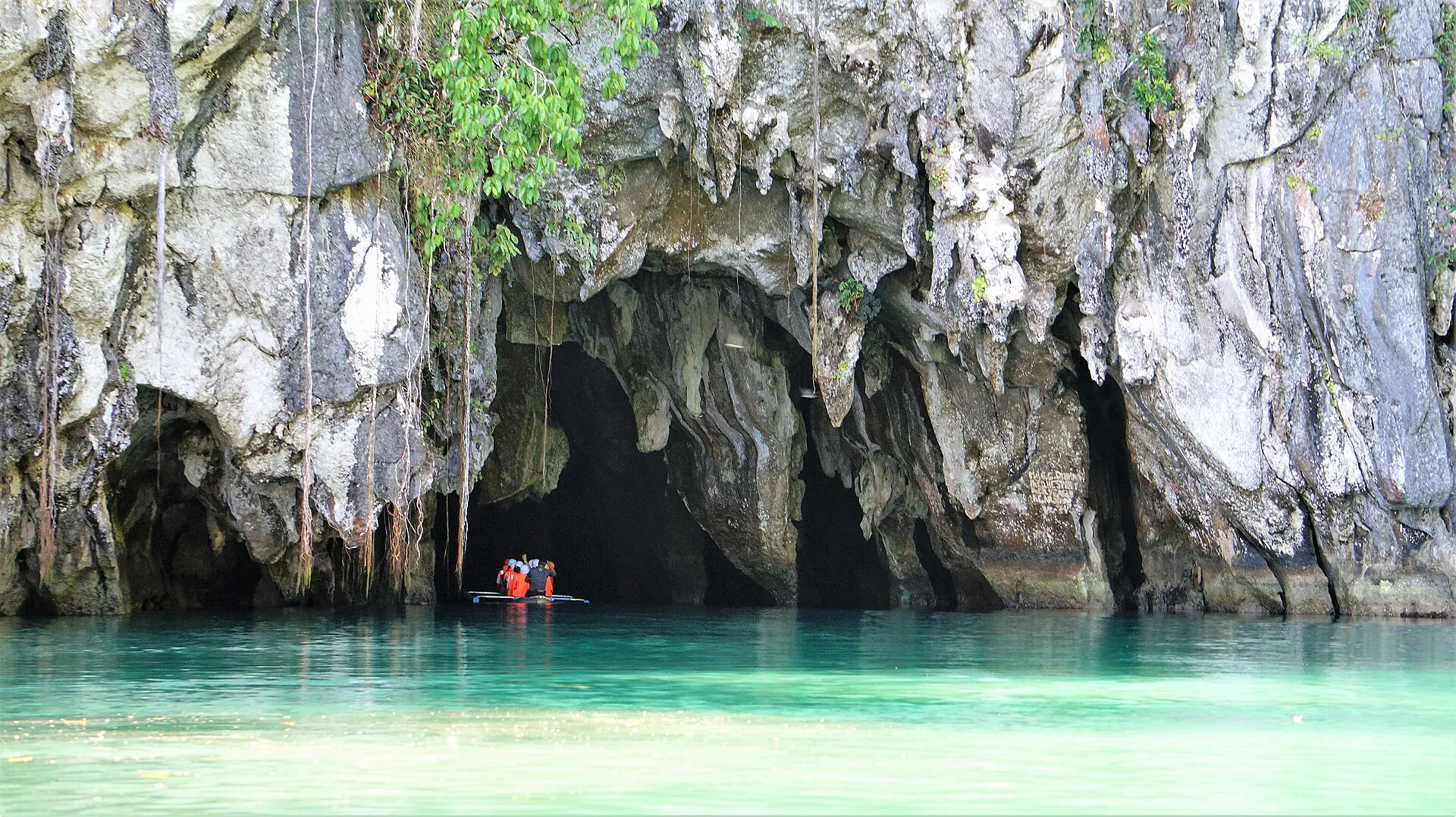
El Nido sits beside Bacuit Bay, a maze of limestone islands, lagoons and hidden beaches reached by day boats. Further south, Puerto Princesa has the Underground River, a UNESCO-listed cave system. Palawan is remote, so allow time for transfers.
Cebu and Bohol
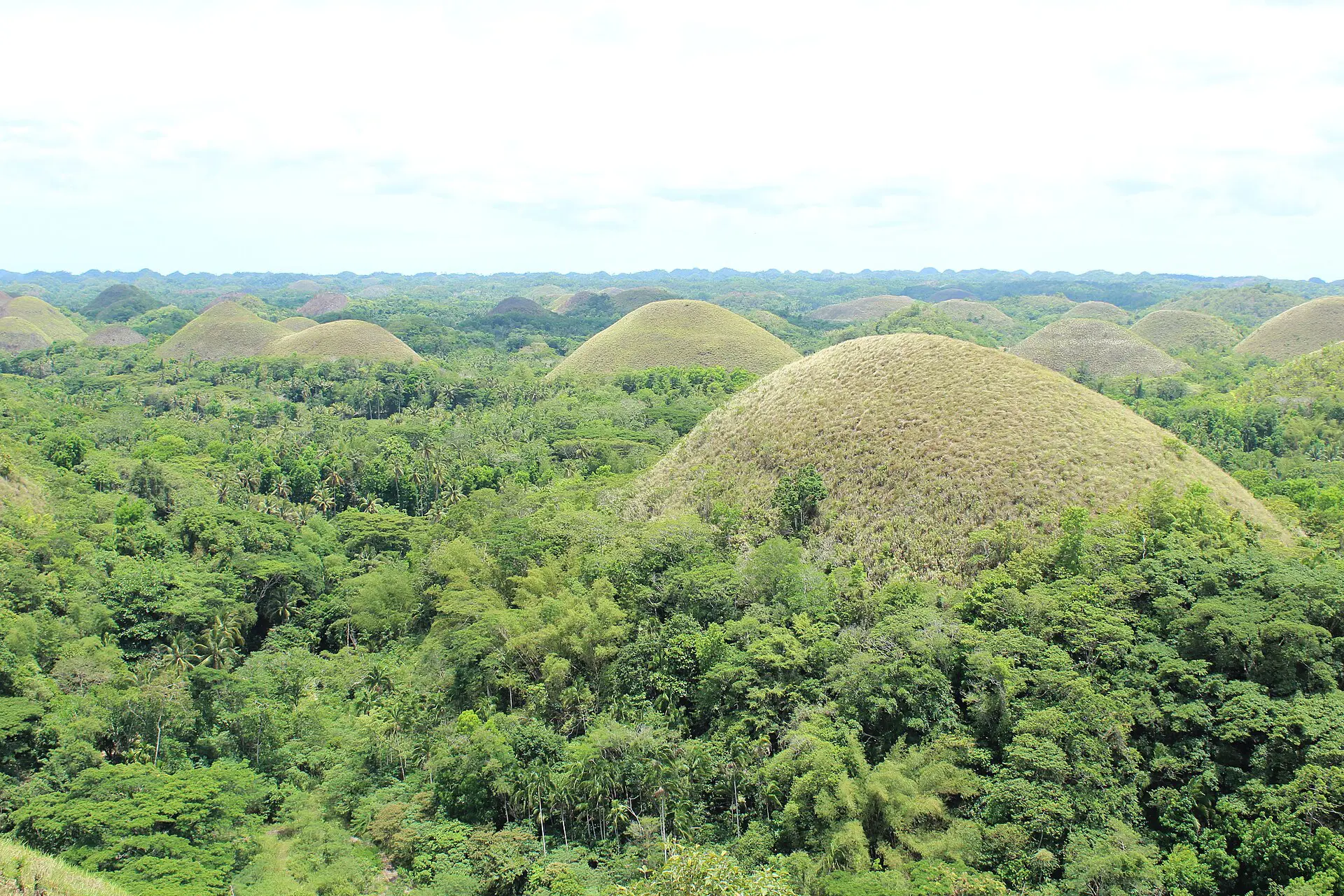
Cebu is the Visayas hub, with diving at Moalboal, canyoneering at Kawasan and Spanish-era sights in Cebu City. Nearby Bohol offers the Chocolate Hills, tarsier sanctuaries and the beaches of Panglao Island.
Banaue and the Cordilleras
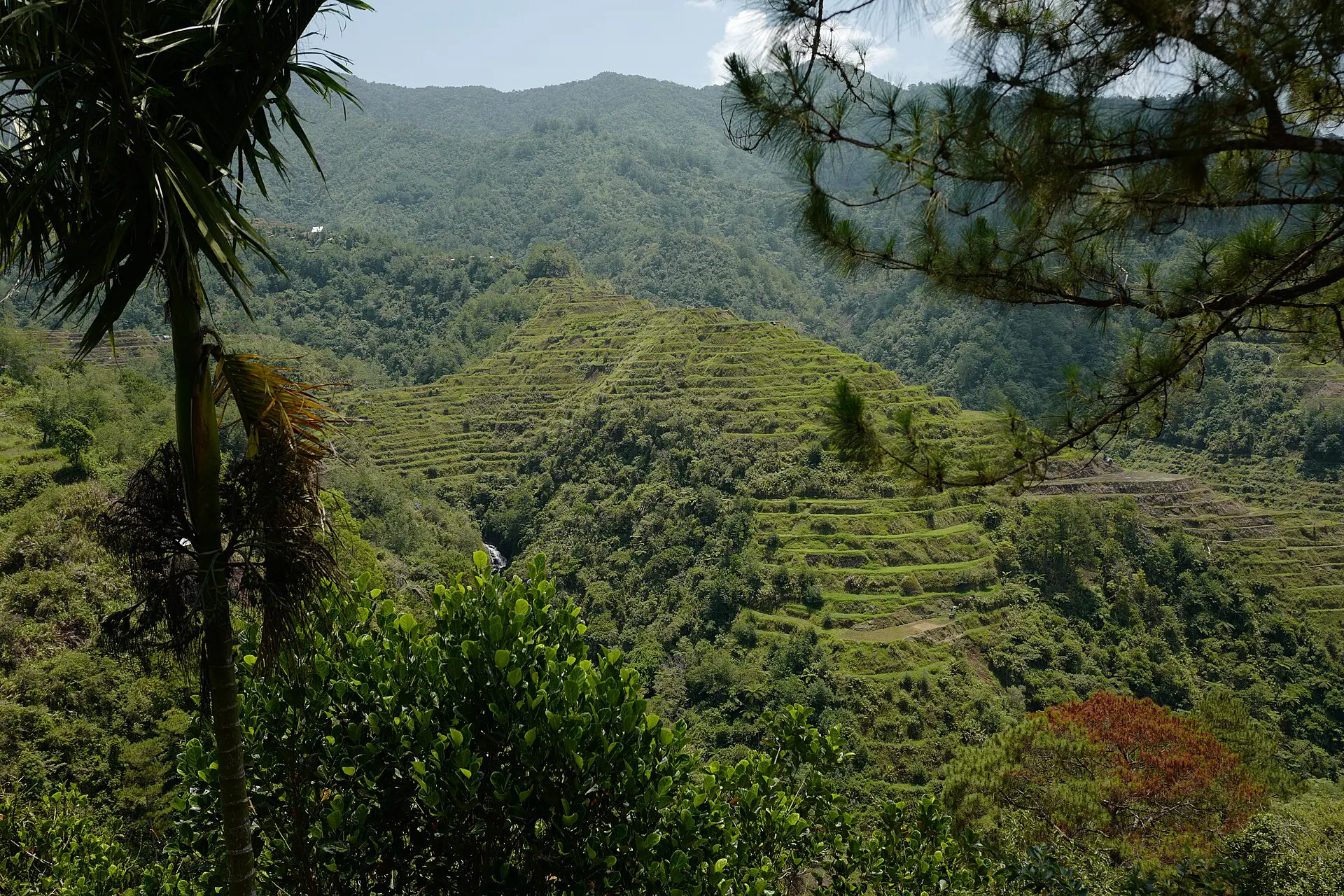
In northern Luzon, the Banaue rice terraces were carved by Ifugao communities over centuries and are a UNESCO site. Sagada, Batad and Baguio add mountain villages and cool air.
Vigan
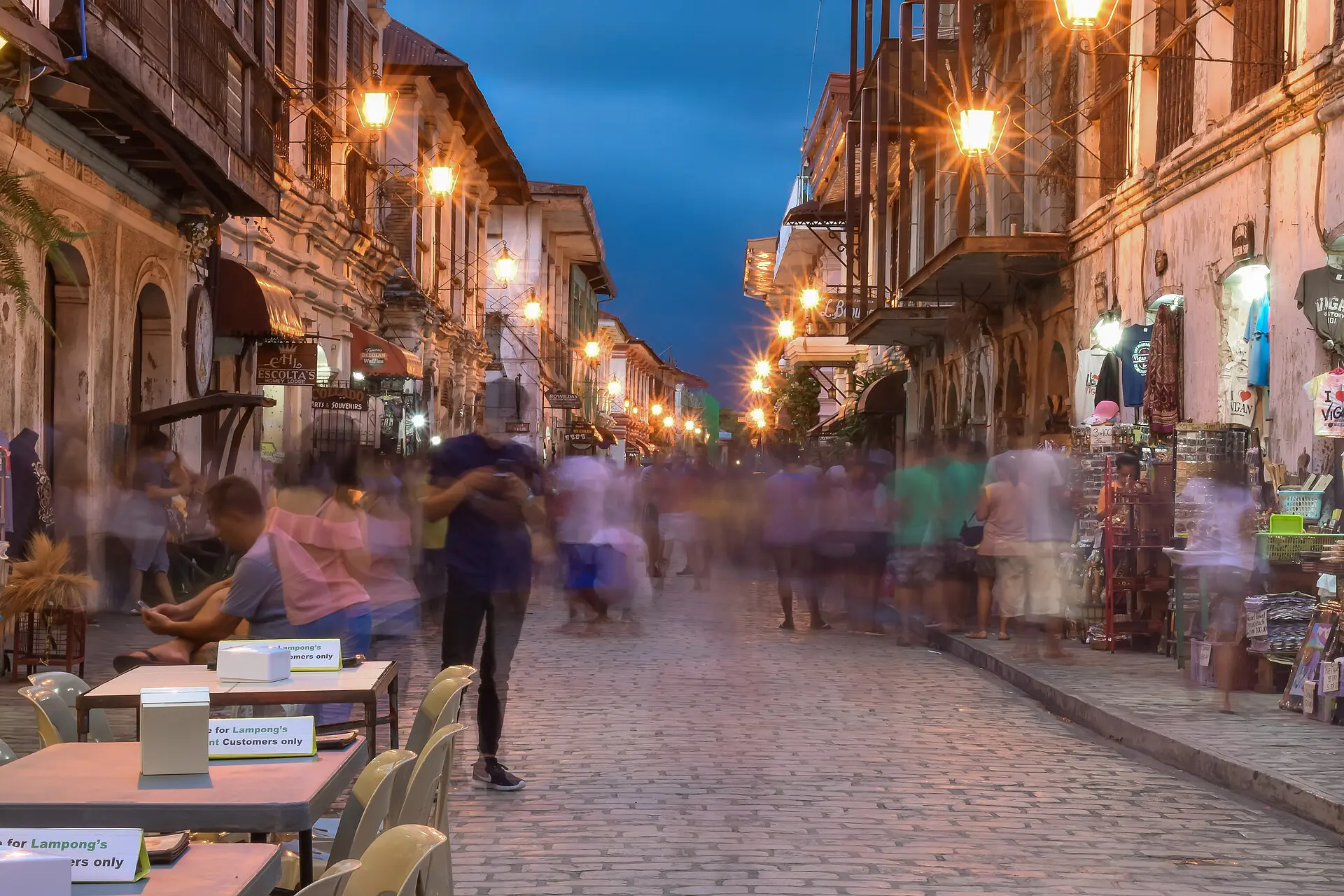
Vigan, in Ilocos Sur, keeps cobbled streets and Spanish colonial mansions, and is one of the best-preserved colonial towns in Asia.
Boracay
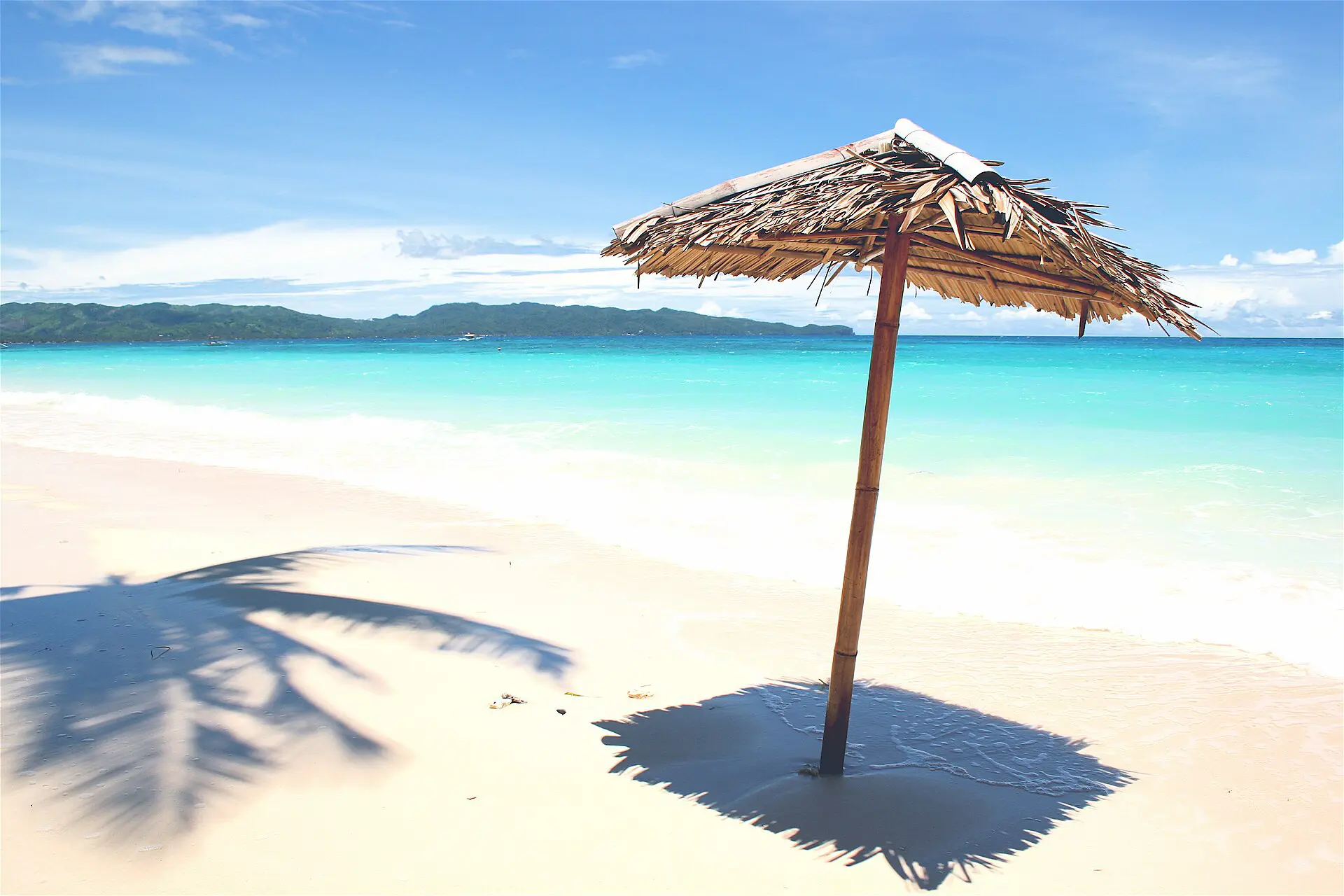
Boracay is the best-known beach resort, famous for White Beach and sunsets, and busy with nightlife and watersports.
Manila
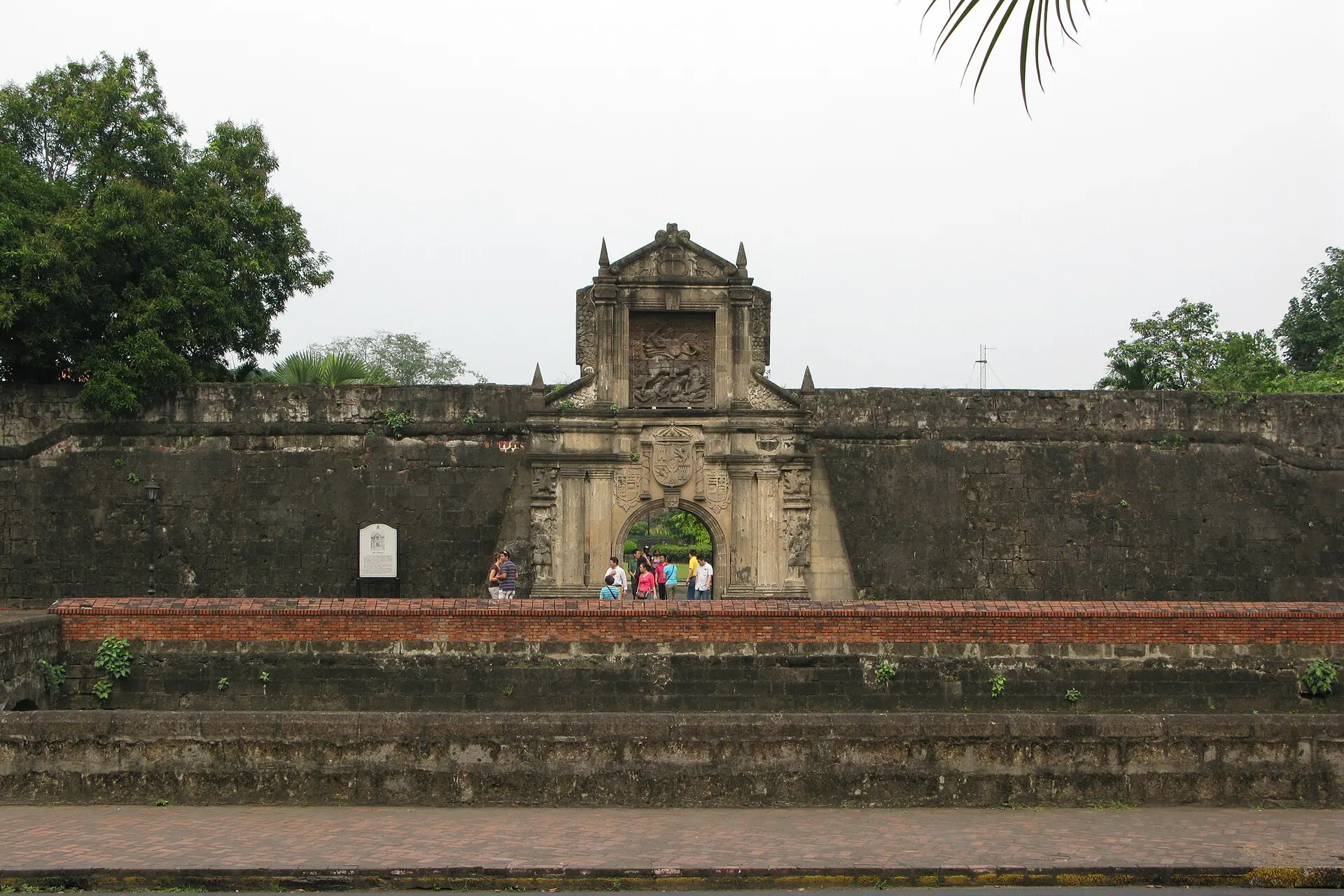
Metro Manila is mainly a gateway, but Intramuros, the walled Spanish quarter, and its museums reward a day.
Top things to do in Philippines
The top things to do in Philippines mix reefs, caves, volcanoes and colonial history, and many can be combined in one island group.
- Island hop around El Nido: standard boat tours visit lagoons, beaches and snorkelling spots in Bacuit Bay.
- Visit the Puerto Princesa Underground River: a boat trip takes you into a long limestone cave; book permits ahead.
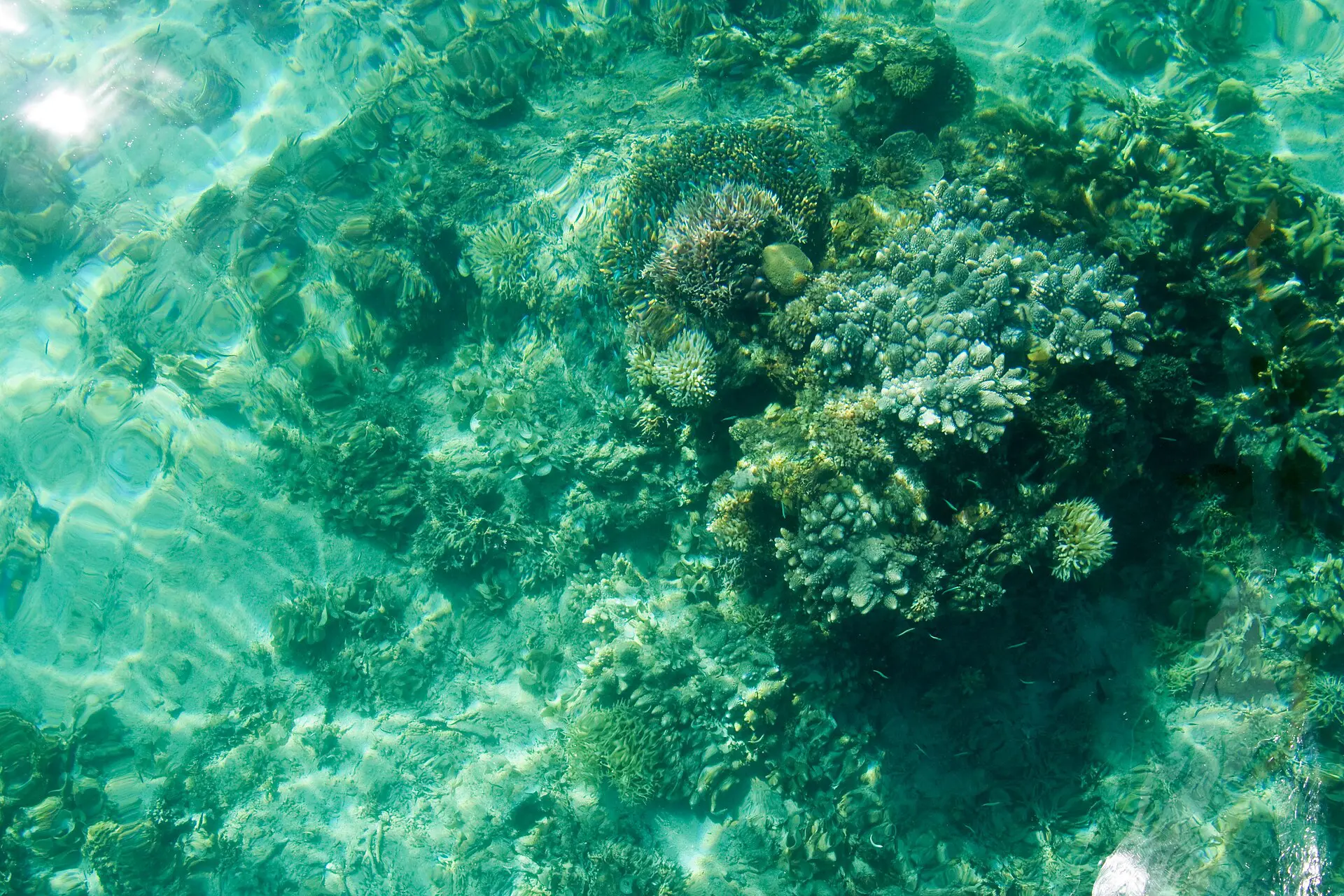
- Dive or snorkel at Moalboal: the famous sardine run is visible close to shore almost year-round.
- See the Chocolate Hills: viewpoints in Bohol overlook more than a thousand grassy domes.
- Walk the Banaue and Batad rice terraces: trails link the stepped fields and small Ifugao villages.
- Swim with whale sharks: Donsol and Oslob offer encounters, though ethical standards vary, so choose operators who keep distance rules.
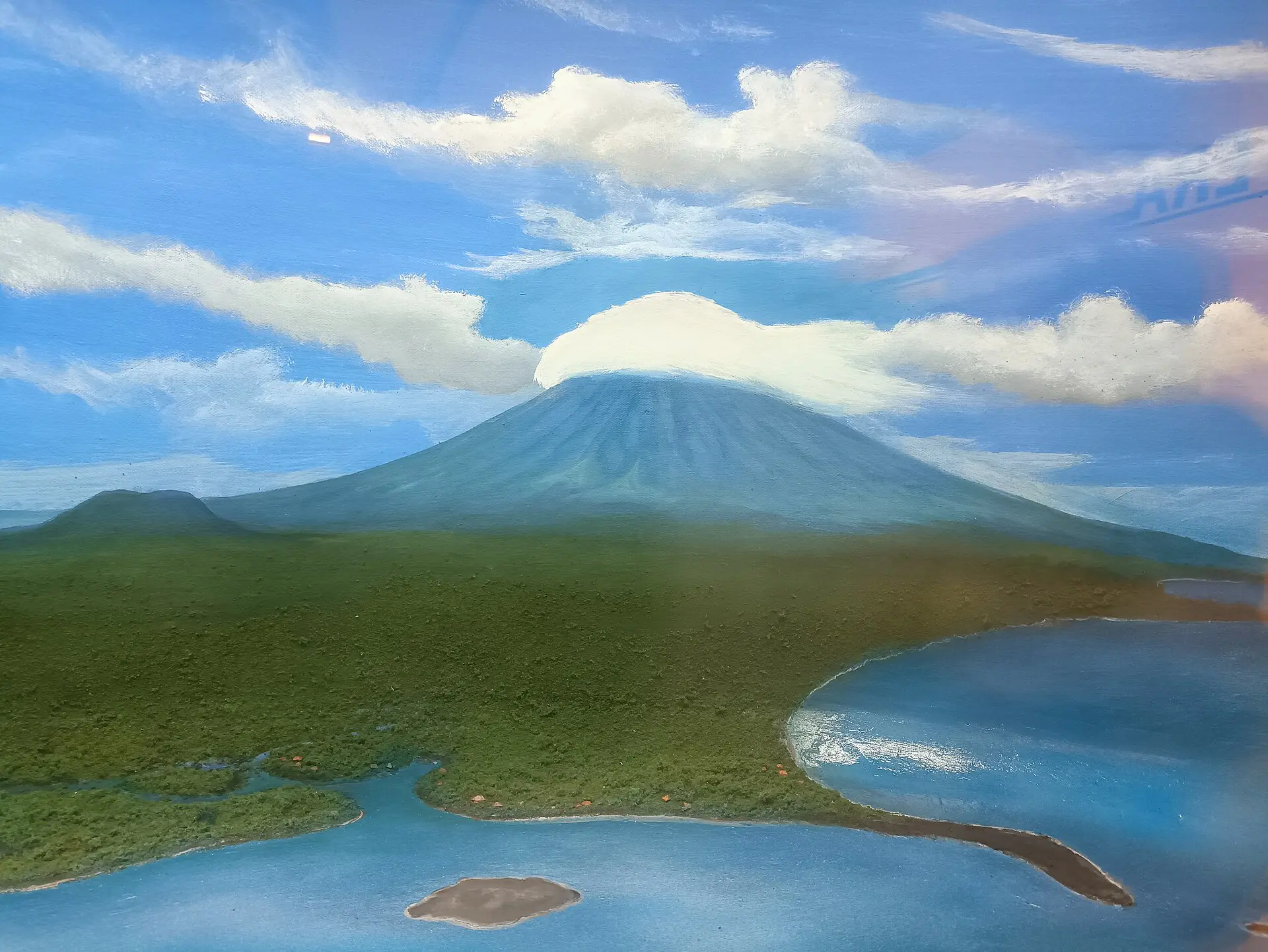
- Admire Mayon Volcano: the near-perfect cone rises above Albay province in Luzon.
- Stroll Vigan’s Calle Crisologo: take a horse-drawn calesa past ancestral houses.
- Tour Intramuros in Manila: Fort Santiago and San Agustin Church are the main stops.
- Relax on Boracay’s White Beach: best on weekdays and outside holidays.
Best time to visit Philippines
The best time to visit Philippines is the dry season from about December to May, with the most reliable sea conditions between February and May. The wet season runs roughly June to November, and typhoons are most likely from July to October, especially in the north and east. Southern areas such as Palawan and Mindanao are less often hit.
| Season | Weather | Crowds and prices | Good for |
|---|---|---|---|
| Dec-Feb | Cooler, dry, calm in most regions | Peak around Christmas and New Year | Beaches, cities, hiking in Cordilleras |
| Mar-May | Hot and dry, very sunny | High; Holy Week is very busy | Island hopping, diving, Boracay |
| Jun-Sep | Humid, frequent rain, typhoon risk | Lower prices and fewer visitors | Budget travel, surfing in Siargao |
| Oct-Nov | Rain easing, still some typhoons | Low to moderate | Diving, quieter stays |
Check forecasts and keep flexible days when travelling in the typhoon months, as flights and ferries are cancelled when storms approach.
Is Philippines safe to visit?
Is Philippines safe? For most tourists, yes, in the main destinations such as Palawan, Cebu, Bohol, Boracay and Manila, though some regions are not. Governments, including the UK FCDO and US State Department, advise against travel to parts of Mindanao and the Sulu islands, and you should read their current advice before booking.
Security. Terrorism and kidnapping risks exist in the southwest. Stay away from areas flagged in advisories and avoid border zones with armed groups.
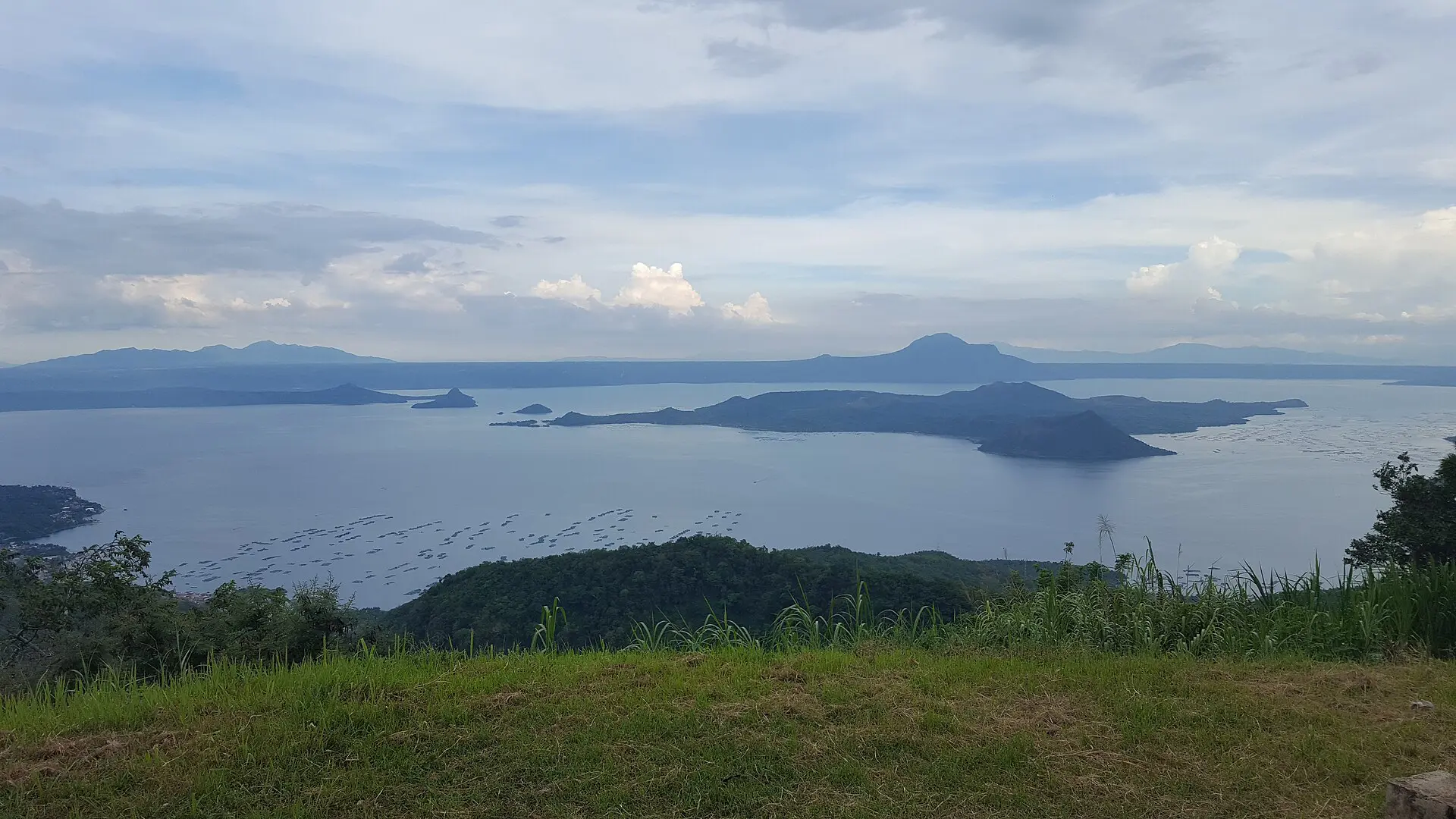
Typhoons and quakes. The country lies on the Pacific Ring of Fire and gets frequent typhoons, earthquakes and volcanic activity. Follow local warnings and keep an eye on ferries.
Crime and scams. Pickpocketing, taxi overcharging and bag snatching occur in Manila and busy cities. Use ride-hailing apps, keep phones out of sight and avoid walking alone late at night in rough areas.
Roads and sea. Traffic is heavy and road accidents are common, including motorbike crashes. Use well-maintained ferries and boats with life jackets.
Health. Dengue is present, so use repellent. Drink bottled or filtered water, and buy travel insurance that covers medical evacuation.
Philippines visa and entry requirements
Philippines visa rules depend on your nationality. Citizens of many countries, including the US, UK, EU states and Australia, have generally been allowed visa-free entry for an initial stay of around 30 days, while others must apply for a visa in advance. Confirm the rule for your passport with the Bureau of Immigration or the nearest Philippine embassy before you book.
Your passport should be valid for at least six months beyond your arrival, and airlines may ask for proof of onward travel. At the time of writing, arrivals have been asked to complete an online registration called eTravel before landing, and the requirement can change, so check it a few days before departure. Tourist stays can usually be extended through immigration offices for a fee.
If you plan to visit UNESCO sites, the UNESCO page for the Philippines lists them, though it does not cover entry rules.
Getting to and around Philippines
Most travellers arrive at Ninoy Aquino International Airport in Manila, or at Mactan-Cebu International Airport near Cebu City. Other international airports include Clark, Davao and Kalibo for Boracay, with links to Asian hubs.
Because the country is an archipelago, domestic flights are the fastest way between island groups, with several airlines connecting Manila, Cebu, Puerto Princesa and many smaller towns. Book ahead for holidays and check baggage limits on small planes. Ferries link nearby islands, for example Cebu to Bohol in around two hours, while longer routes take overnight trips. Weather can cancel sailings.
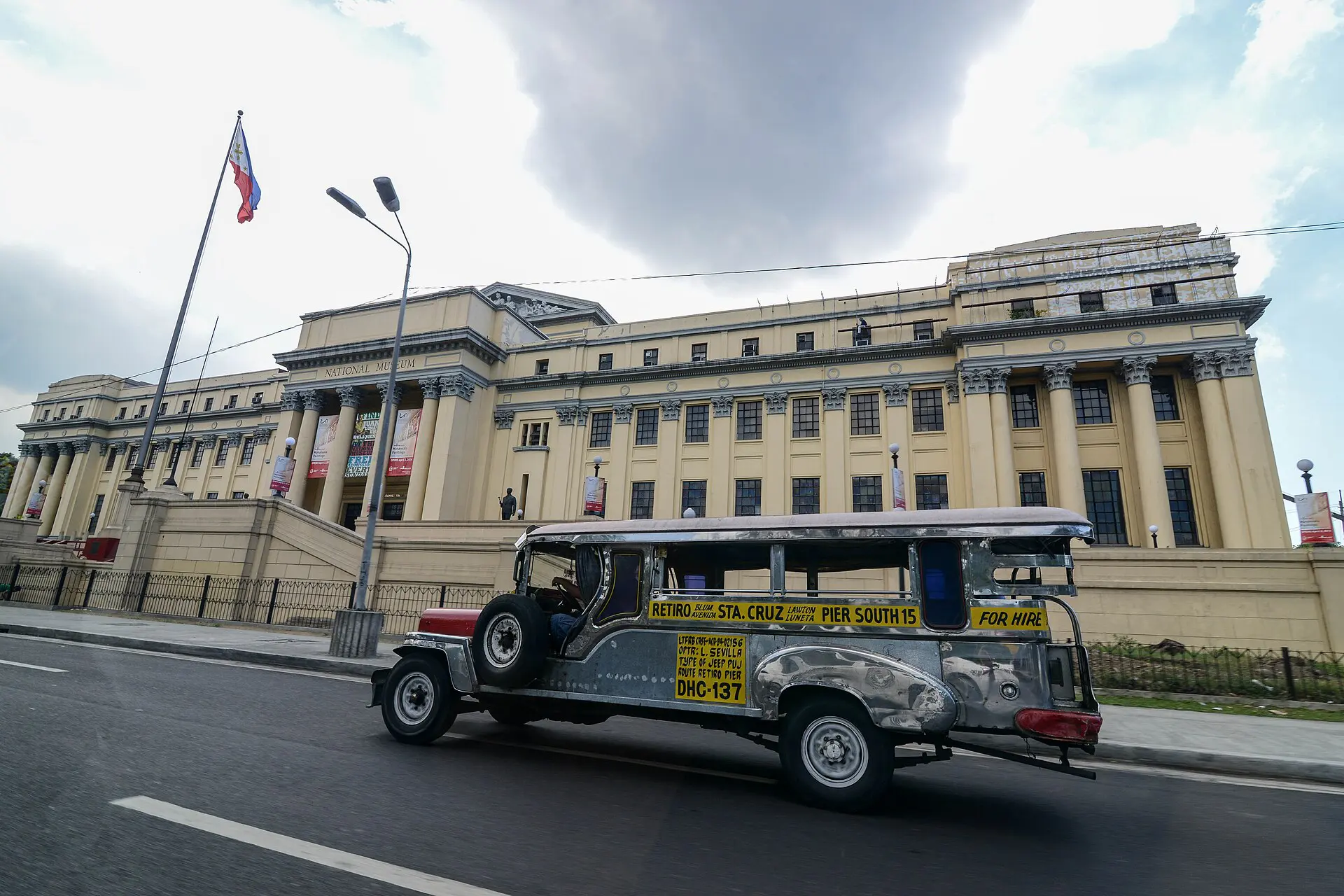
On land, vans, buses and jeepneys cover most routes. Tricycles and ride-hailing apps work in towns. Long overland trips, such as El Nido to Puerto Princesa, take about five to six hours. In Manila, traffic is heavy, so use the elevated light rail or MRT lines where possible. Motorbikes can be rented on many islands, but check your licence and insurance, since accident rates are high. The country drives on the right.
How much does a trip to Philippines cost?
The Philippines is one of the cheaper Southeast Asian destinations for food and accommodation, but domestic flights and island tours raise the total. The currency is the Philippine peso (PHP). The figures below are rough per-person daily guides for 2026 and exclude international flights.
- Budget: around USD 25 to 40 per day, with hostels or simple rooms, local eateries, vans and ferries.
- Mid-range: around USD 40 to 90 per day, with a private air-conditioned room, restaurant meals, tours and the occasional domestic flight.
- High-end: from around USD 150 per day, with beach resorts, private boats and car transfers.
The biggest costs are accommodation in El Nido, Boracay and Siargao in high season, plus internal flights and day tours. Meals at local restaurants are inexpensive, and entrance fees are modest. Tourist environmental fees are charged on many islands, so keep small cash for them.
Philippines food and drink
Philippines food combines Malay, Chinese and Spanish influences, with a love of sour, salty and sweet flavours and rice at almost every meal. Regional dishes are strong, so try local specialities in each area.
- Adobo: chicken or pork braised in vinegar, soy sauce and garlic, often called the national dish.
- Sinigang: a sour soup, usually with pork or shrimp and tamarind.
- Lechon: spit-roasted pig with crisp skin, best known in Cebu.
- Kinilaw: raw fish cured in vinegar and citrus, similar to ceviche.
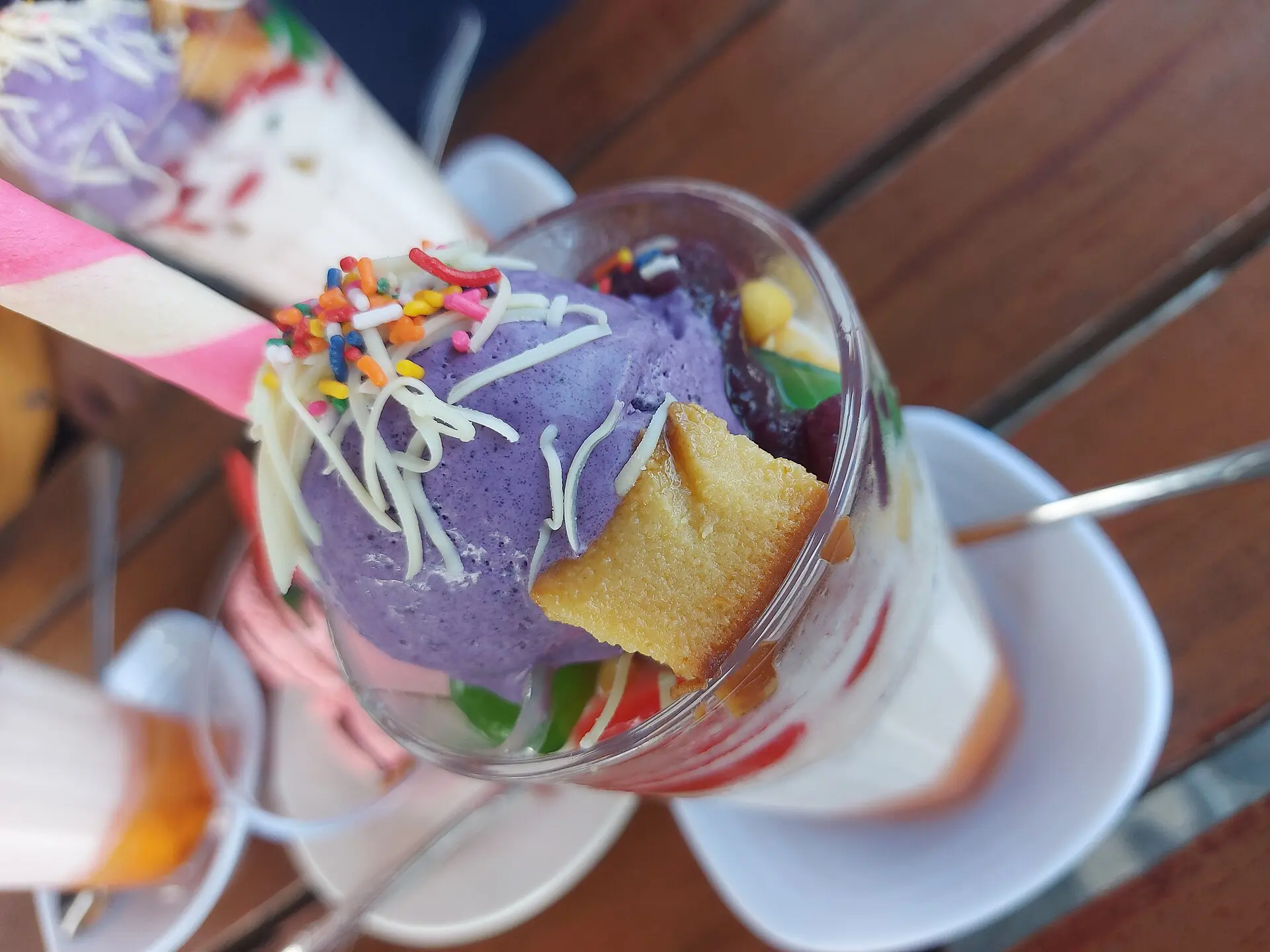
- Halo-halo: shaved ice with sweet beans, fruit, leche flan and ice cream.
- Chicken inasal: grilled chicken from Bacolod, marinated with lemongrass and calamansi.
- Balut: a fertilised duck egg sold on the street, adventurous but common.
- San Miguel beer and tuba: San Miguel is the standard beer; tuba is a coconut palm wine.
Eat at carinderias (small local canteens) for cheap meals. Vegetarians may find menus meat-heavy, but vegetable dishes and fruit such as mango are easy to find. Eat from busy stalls and use bottled water.
Culture, language and etiquette in Philippines
The official languages are Filipino and English, and more than 100 regional languages are spoken, including Cebuano, Ilocano and Tagalog, which is the base of Filipino. English is widely understood in tourism, business and education. Useful words include salamat (thank you) and po, a polite particle added to show respect to elders.
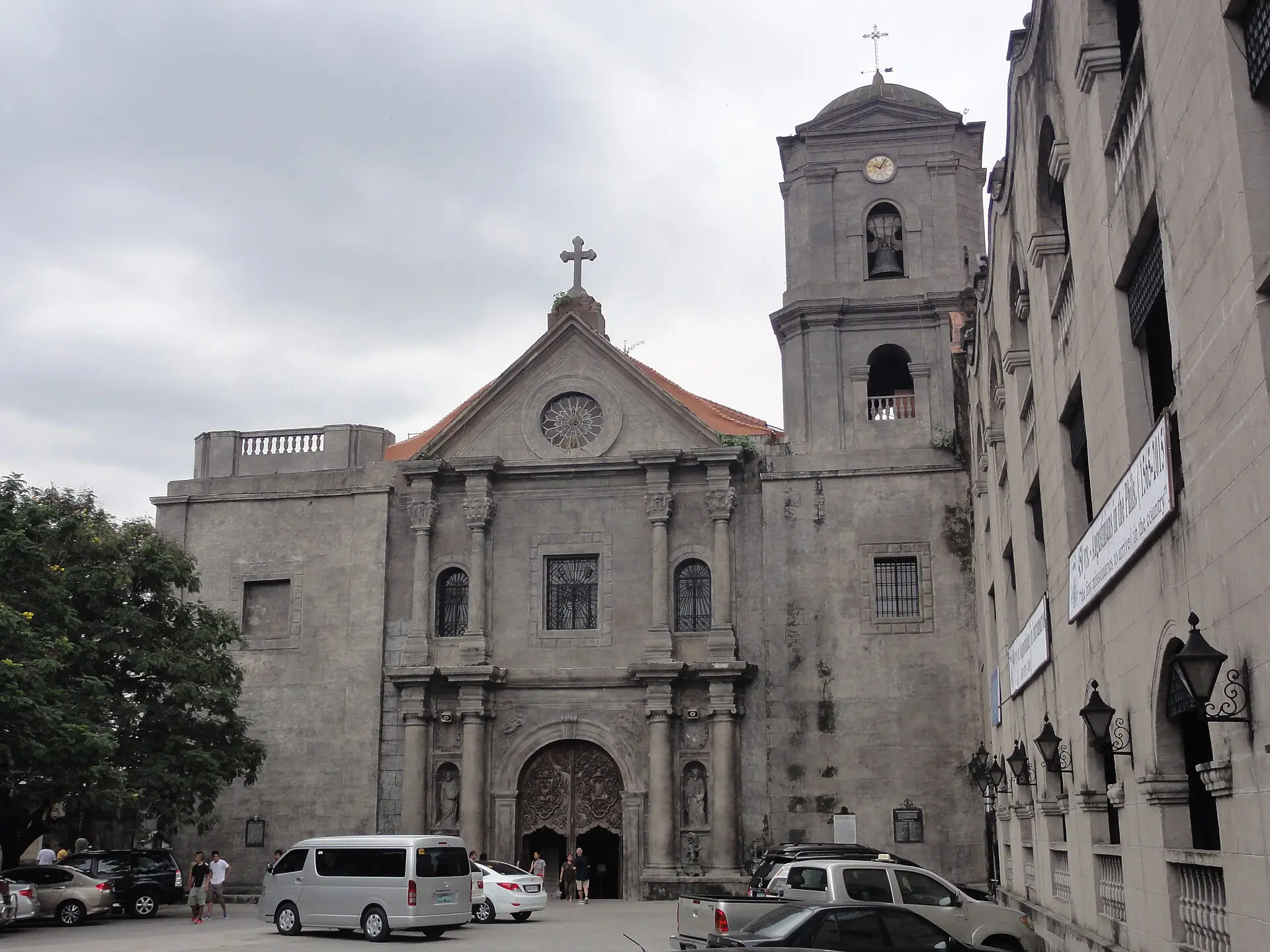
The Philippines is mostly Catholic, with a significant Muslim minority in the south and strong Spanish-era influence in churches, festivals and surnames. Fiestas are central to community life, and Holy Week and Christmas are the biggest holidays; Christmas celebrations start in September.
Filipinos are known for hospitality and humour. Keep a calm, polite tone, because raising your voice is considered rude and causes loss of face. Remove your shoes when entering a home, dress modestly in churches, and avoid pointing with your finger; people may point with their lips. Ask before photographing people. Politics and religion are fine topics if handled respectfully, but avoid insulting local officials or the church.
Philippines itinerary: a 7-day route
This route covers Manila, the Visayas and Palawan using flights, and avoids areas covered by government advisories. Check flight connections, as some links go through Manila and change by season.
- Day 1, Manila: arrive, then walk Intramuros and visit Fort Santiago.
- Day 2, Cebu: fly to Cebu, then take a transfer to Moalboal and snorkel with the sardines.
- Day 3, Cebu to Bohol: ferry to Tagbilaran in about two hours, then see the Chocolate Hills and tarsiers.
- Day 4, Panglao: beach and island-hopping day from Panglao, with dolphin or snorkelling boats in the morning.
- Day 5, fly to Puerto Princesa: use flights via Cebu or Manila, and spend the evening in town.
- Day 6, Underground River: take a morning tour, then travel by van to El Nido in around five to six hours.
- Day 7, El Nido: take an island-hopping tour in Bacuit Bay, and plan your onward flight for the next day.
For a different focus, replace the Visayas leg with the Cordilleras and Vigan in northern Luzon.
Practical tips for Philippines
- Money: the peso is the currency. ATMs are common in towns, but small islands may have none, so bring cash. Cards work in hotels and malls.
- SIM and eSIM: local SIMs and eSIMs are cheap, and coverage is good in cities but patchy on remote islands.
- Plugs: types A, B and C at 220 V, so a universal adapter helps.
- Tipping: not required; a service charge is sometimes added, and rounding up is common.
- Health: use insect repellent against dengue, apply reef-safe sunscreen and carry basic medicines.
- Packing: light clothes, a rain jacket, water shoes for rocky beaches and a dry bag for boat trips.
- Booking: reserve boat tours, Underground River permits and Holy Week accommodation well ahead.
- Flexibility: leave a buffer day before international flights in case of weather delays.
For further background, see the Wikivoyage Philippines guide.
FAQ
Q1What is Philippines food like?
Philippines food mixes Malay, Chinese and Spanish influences. Expect rice with adobo, sinigang sour soup, lechon roast pork, fresh seafood and kinilaw, plus halo-halo for dessert. Flavours are sour, salty and sweet rather than very spicy, and regional specialities differ across islands.
Q2What is the best time to visit Philippines?
December to May is best, with dry weather and calm seas; March to May is hottest and busiest. June to November is rainy, and typhoons are most likely from July to October. Southern areas such as Palawan are less exposed than the north and east.
Q3What are the best things to do in Philippines?
Top options are island hopping in El Nido, visiting the Puerto Princesa Underground River, diving at Moalboal, seeing the Chocolate Hills in Bohol, trekking the Banaue rice terraces and walking through colonial Vigan. Many visitors also add Boracay or Siargao.
Q4What are the best places to visit in Philippines?
Palawan (El Nido and Puerto Princesa), Cebu, Bohol, Boracay and the Banaue terraces are the most popular. Vigan suits culture lovers, Siargao attracts surfers and Manila is the main gateway. Most first trips combine two or three island groups.
Q5Is Philippines safe for tourists?
Main tourist areas are generally safe with normal precautions against theft and traffic. Governments advise against travel to parts of Mindanao and the Sulu islands because of terrorism and kidnapping. Typhoons and earthquakes are also hazards, so check official advice and buy insurance.
Q6Do I need a visa for the Philippines?
It depends on your nationality. Many visitors can enter visa-free for around 30 days, with an online arrival registration and a passport valid for several months, while others need a visa in advance. Confirm with the Bureau of Immigration or an embassy before booking.
Q7How many days do you need in the Philippines?
Ten to fourteen days is ideal for two island groups, such as Palawan plus the Visayas. A week works if you limit yourself to one region and use flights. Allow extra buffer days in the typhoon season, since weather often delays flights and ferries.