Why visit El Nido
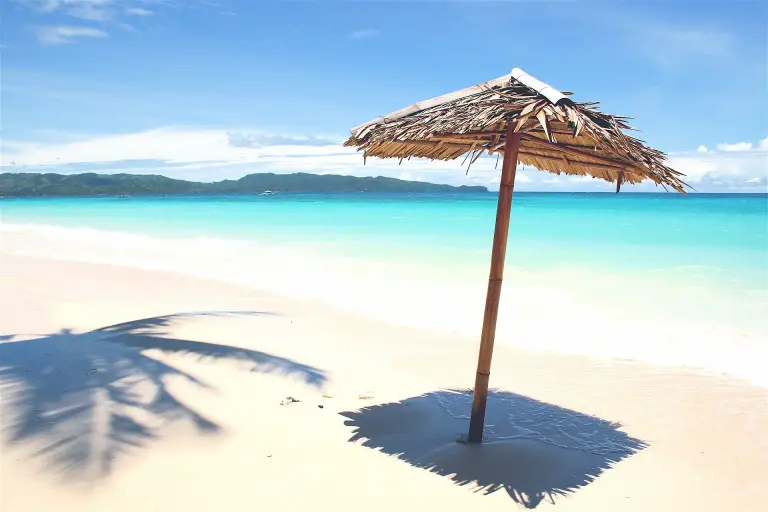
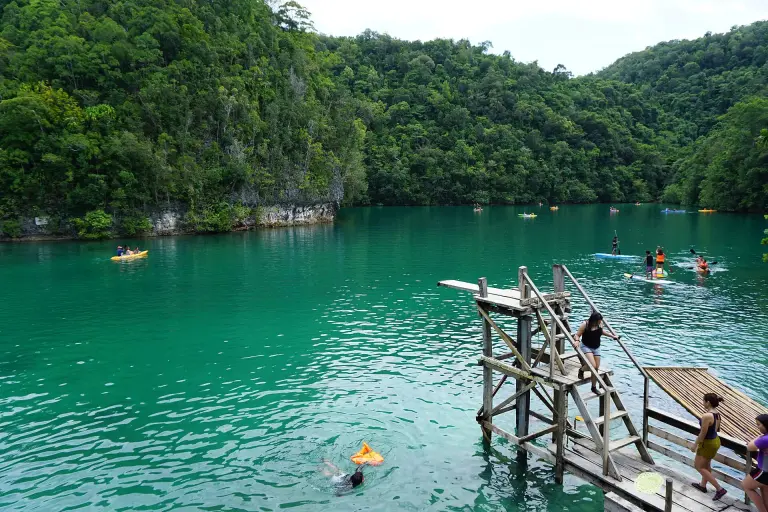
Things to do in El Nido are built around the sea. The municipality in northern Palawan is a managed resource protected area known for white-sand beaches, coral reefs and limestone cliffs, and it is the gateway to the Bacuit archipelago. It had a population of around 51,000 at the 2024 census.
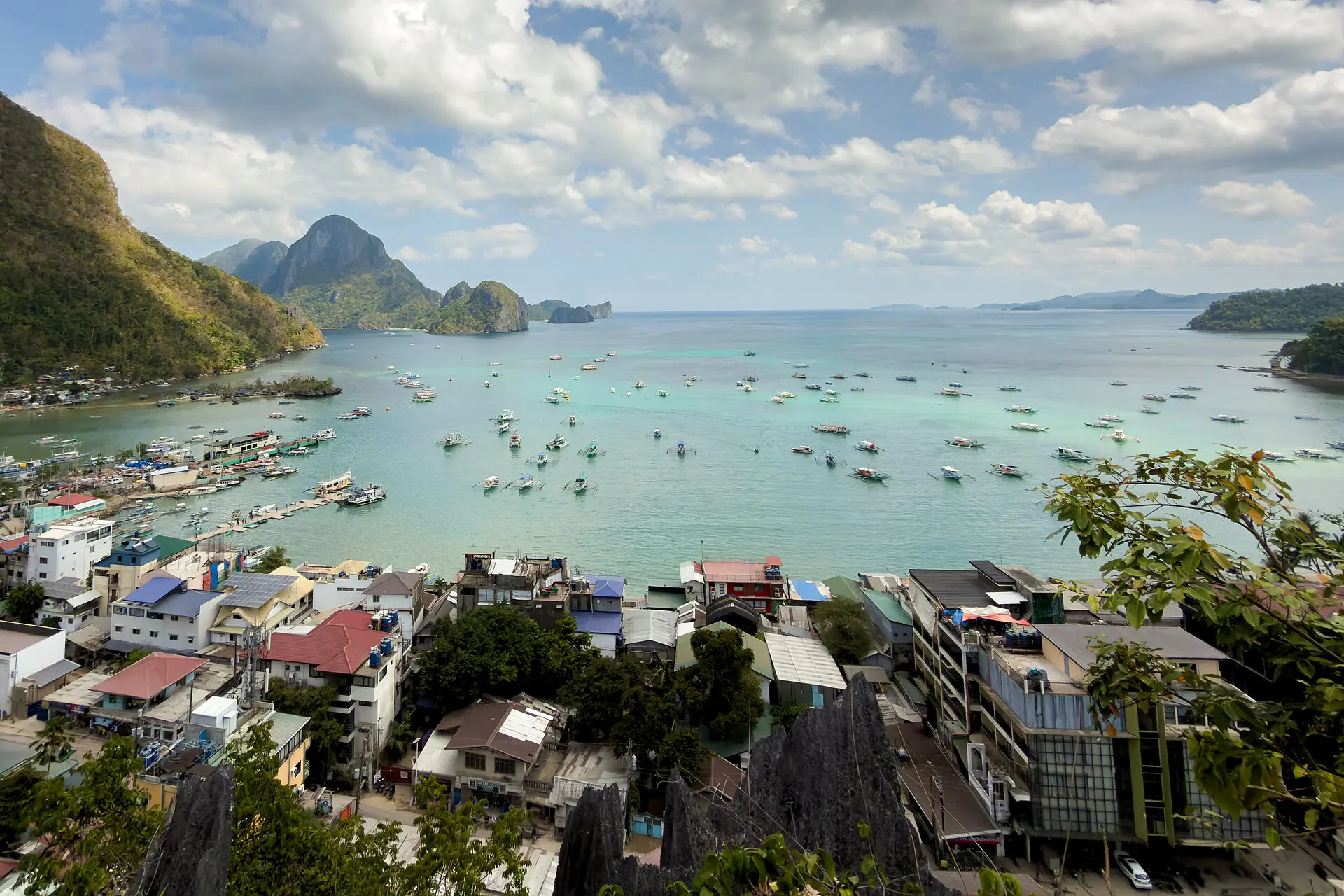
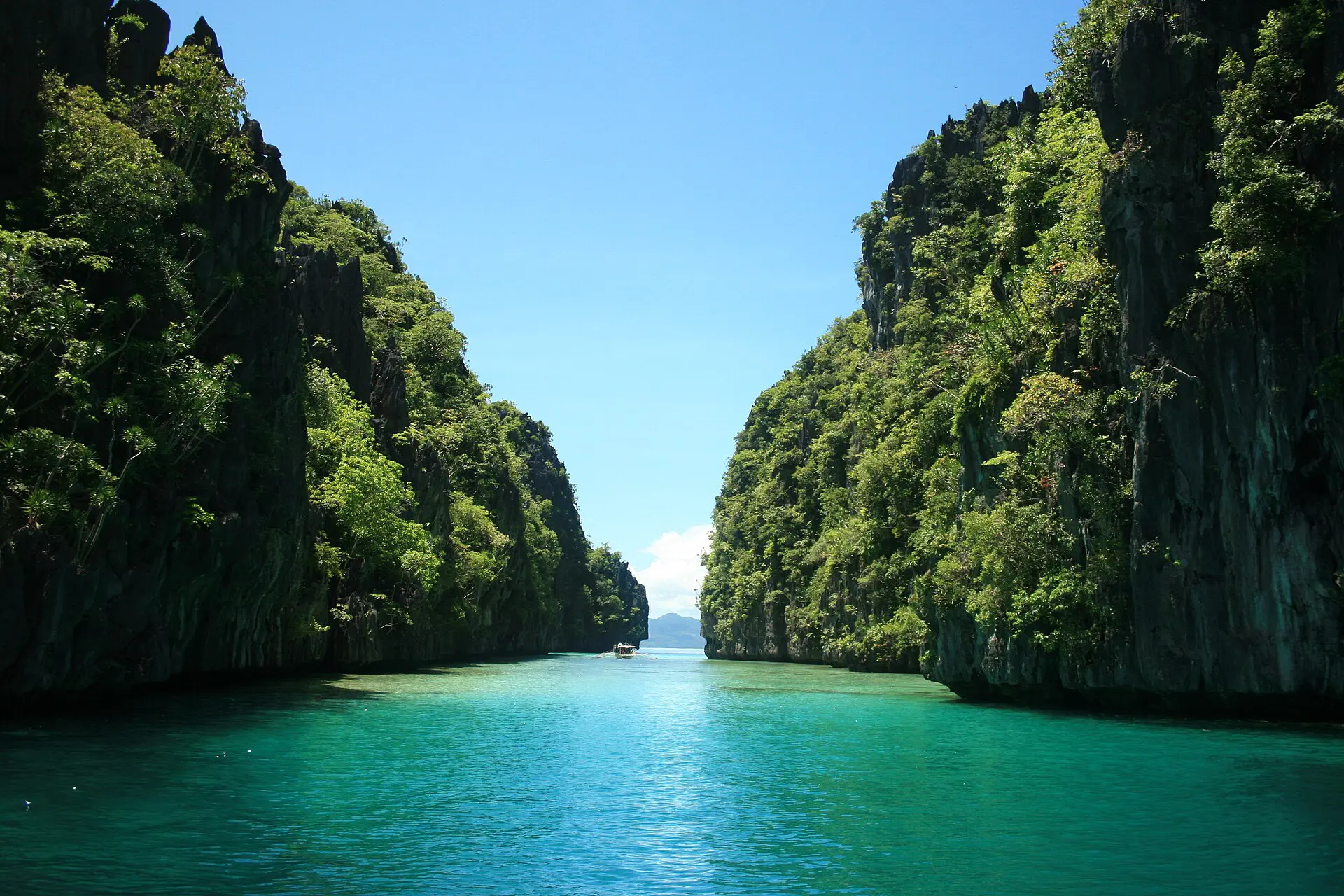
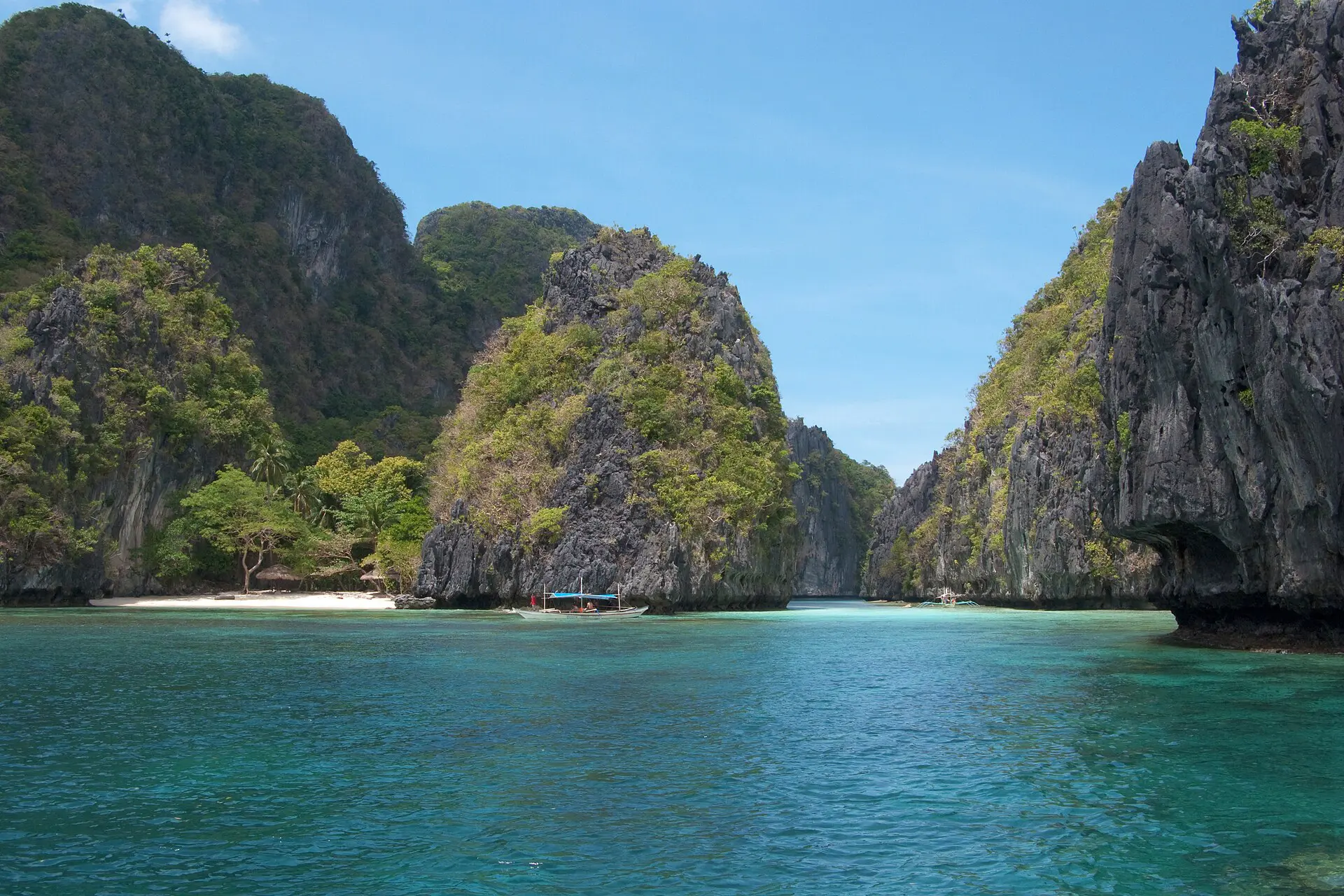
The area comprises 45 islands and islets, with karst scenery similar to Ha Long Bay, Krabi and Guilin. Beaches, clear water, jungle and steep inlets combine into one of the world’s most beautiful seascapes.
The town has been inhabited since at least 2800 BC, and for a long time lived off fishing and harvesting swiftlet nests, called nidos, which give the place its Spanish name, meaning the nest. Tourism is now the main income, and authorities are trying to keep it sustainable. Some regions of the Philippines carry government travel warnings, so check your own government’s current advice before booking.
Top things to do in El Nido
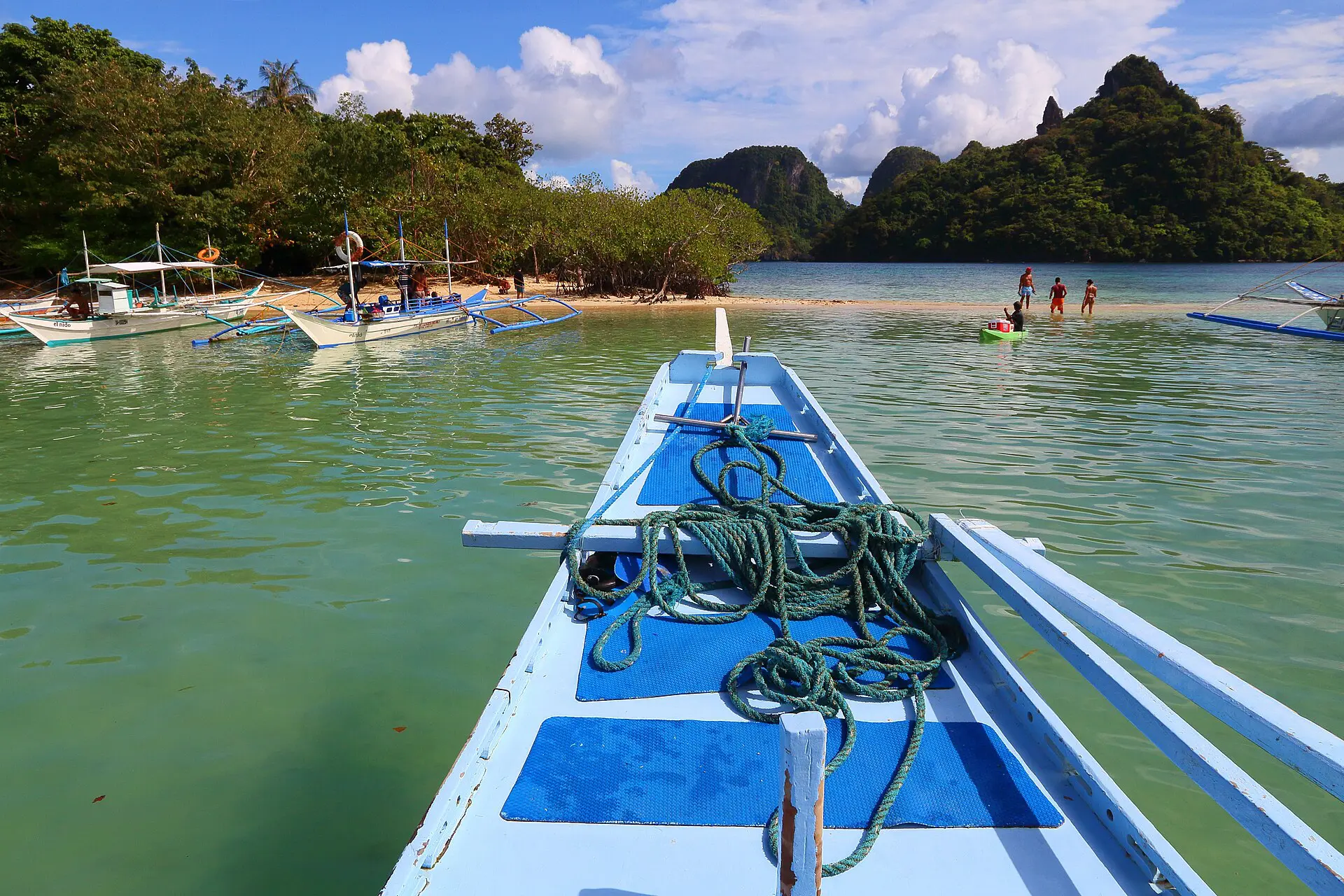
Island hopping tours
Day tours cover lagoons, beaches and snorkelling spots around Bacuit Bay, and are usually sold as lettered routes. Allow most of a day. Compare routes, bring reef-safe sunscreen and a dry bag, and book through a licensed operator.
Snorkelling
Reefs and clear shallows around the islands suit snorkelling, and most tours include gear and stops. Wear a life jacket if you are not a confident swimmer, and avoid touching coral or standing on it.
Diving
Dive operators in town run trips to reefs and walls in the bay. Choose a centre that briefs carefully and checks equipment. Newcomers can try an introductory dive, but allow a full morning and confirm what is included.
Kayaking
Paddling around the coast and in calm bays is a quieter way to see the cliffs. Rent equipment locally, stay close to shore, and check wind and tide before starting. Go in the morning when the water is calmer.
Beaches near town
Nacpan and other beaches lie a ride from town, with long sand and fewer boats. Allow half a day, bring water and cash, and ask about road conditions, as rides can be bumpy.
Viewpoints and short hikes
Short climbs above town give views over the bay. Go early or late in the day to avoid heat, wear proper footwear, and bring water. Some trails charge a small fee, so carry cash.
Town food and sunset
The waterfront is the place to watch sunset and try seafood. Spend an evening there, ask about prices before ordering, and book ahead in peak months.
Best time to visit El Nido
The drier months, roughly December to May, are the best time for boat trips, with calmer seas and clearer water. The hottest weather arrives around April and May. Holy Week is a busy period when many Filipinos travel to El Nido, so book early.
The wetter months, roughly June to October, bring more rain and rougher seas. Tours can be cancelled at short notice, and some transfers slow down. Prices are often lower and the beaches quieter. Typhoon systems can disrupt flights and boats, so keep your dates flexible.
Whenever you go, allow a spare day for weather, since the tour boats are the main activity and the first thing to be affected.
| Season | Weather | Crowds and prices |
|---|---|---|
| Dec to Feb | Drier, cooler, calmer seas | Busy, higher prices |
| Mar to May | Hot, mostly dry | Peak around Holy Week |
| Jun to Oct | Rain, rougher seas | Quieter, often cheaper |
How to get to El Nido and around
El Nido Airport has flights to and from Manila and Cebu, and is best booked through the operator’s website. It handles only small aircraft, so prices tend to be higher than for larger planes, and schedules change. Check current options.
The cheaper alternative is to fly to Puerto Princesa and take a van to El Nido. The road is long, and the trip takes several hours. Boat links also run from Coron, depending on the weather.
In town, you can walk to most places. Tricycles cover short distances and rides to nearby beaches. Island tours use small boats arranged through operators in town, so most travellers do not need a car. Carry cash, as card acceptance is limited.
Where to stay in El Nido
El Nido is small, so the choice is between the town and quieter beaches. Hotel chains are largely absent, which means a mix of guesthouses, small resorts and homestays.
- El Nido town: close to tour operators, restaurants and the waterfront. Suits first-time visitors and budget travellers.
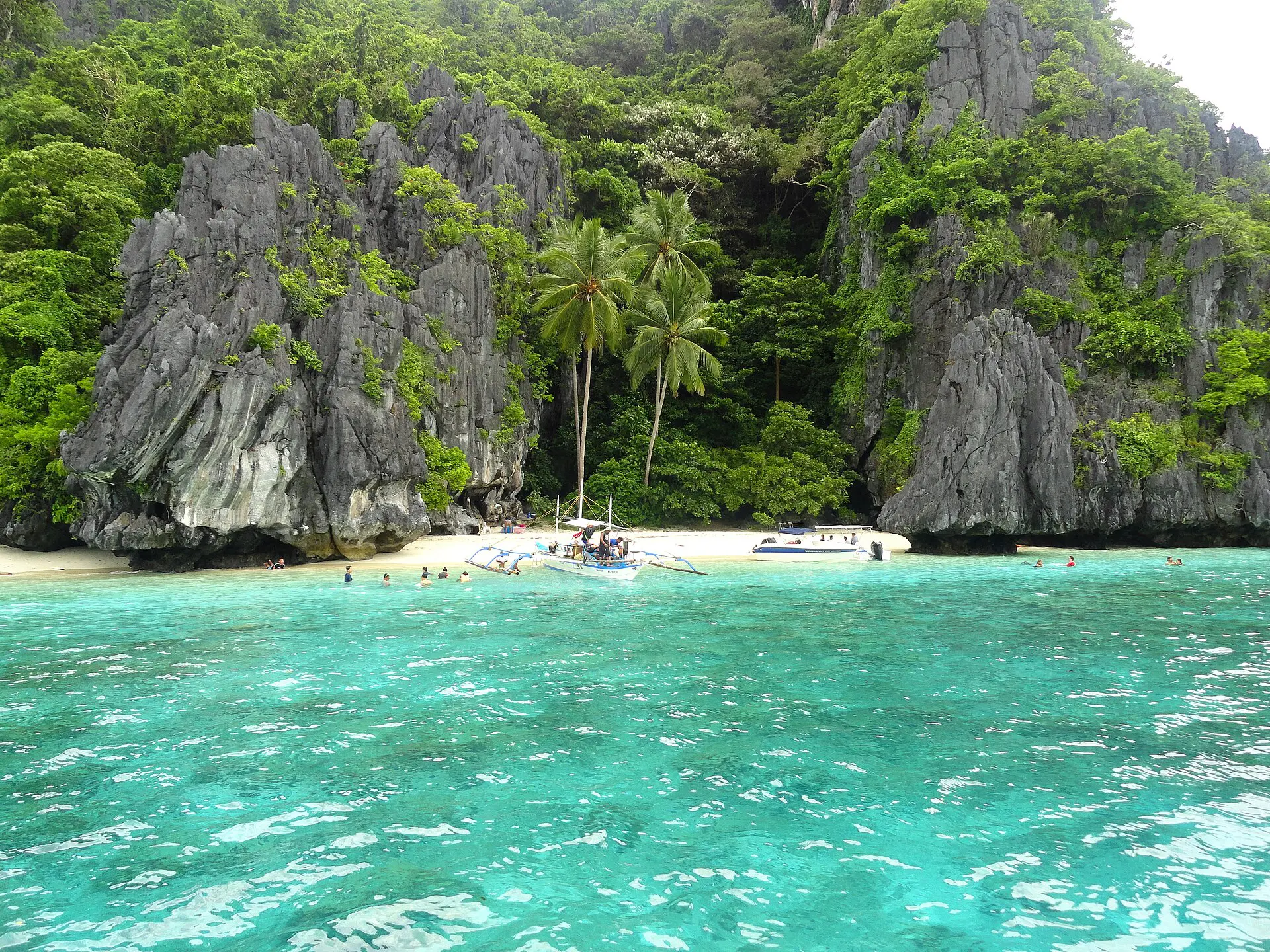
- Beaches near town: calmer, with sea views, a short ride from the centre. Suits couples and those who want a quieter evening.
- Nacpan and farther beaches: remote, with limited dining. Suit travellers who want peace and are happy with simple accommodation.
- Island resorts: suited to higher budgets and short, relaxed stays. Book well ahead.
How many days do you need?
Three days covers one or two island-hopping trips and a beach afternoon. Five days lets you add diving, kayaking and a quieter beach stay, with room for weather delays. Anything shorter than two nights is hard to justify given the journey.
- Day 1: Arrive, walk the town, book tours, and watch sunset on the waterfront.
- Day 2: Island-hopping tour in Bacuit Bay with snorkelling and a beach lunch.
- Day 3: Second tour on a different route, or a beach day at Nacpan.
Day trips and nearby
Coron
A hub in the Calamian Islands, known for lagoons and wreck diving. It is a long boat ride or a flight away, so treat it as a separate stop of two or three nights.
Puerto Princesa
Palawan’s capital is home to the Underground River and the main airport. It is several hours away by road, so most visitors pass through at the start or end of their trip.
Nacpan Beach
A long beach north of town, reached by a short ride. It works as a half-day trip, with fewer crowds than the main bay.
Boracay and Cebu City
Both are reachable by air from the wider Philippine network and fit a longer island-hopping itinerary, not a short trip from El Nido.
FAQ
Q1When is the best time to visit El Nido?
December to May is the best period, with calmer seas, clearer water and more reliable boat trips. April and May are hot, and Holy Week is crowded. June to October is wetter and quieter, but tours may be cancelled.
Q2How many days do you need in El Nido?
Three days allows one or two island-hopping tours and a beach day. Five days lets you add diving, kayaking and spare time for weather delays. With less than two nights, the journey takes up most of your trip.
Q3How do you get to El Nido?
Fly from Manila or Cebu to El Nido Airport, which takes only small aircraft, or fly to Puerto Princesa and take a van of several hours. Boats also link Coron. Check schedules before booking, as they change.
Q4Is El Nido expensive?
Costs depend on the season and style of travel. Guesthouses and tours suit moderate budgets, but flights on small aircraft and peak-season rooms cost more. Island tours are a major expense, so compare operators and routes.
Prices, schedules and entry rules change. Check current details with official sources before you travel. Read the Philippines travel guide.