Why visit Kenya
The things to do in Kenya are led by wildlife: the Maasai Mara, Amboseli and Tsavo hold lions, elephants, leopards, giraffes and the vast wildebeest herds of the Great Migration. But Kenya covers about 580,000 square kilometres (see the Wikipedia overview), and the country offers much more than game drives, including snow-capped Mount Kenya, flamingo lakes in the Rift Valley, Swahili old towns and warm Indian Ocean beaches. It is also a modern East African hub with a lively capital in Nairobi.
Kenya suits first-time safari travellers because the infrastructure is mature, with lodges, camps, guides and domestic flights at all price levels. It also suits active travellers, birdwatchers, beach holidaymakers and visitors interested in Maasai, Samburu and Swahili cultures. English and Swahili are both official languages, so communication is easy. The trade-offs are the cost of safaris, long road journeys and the need to take health and security advice seriously.
Best places to visit in Kenya
The best places to visit in Kenya cluster in the southwest for wildlife, the Rift Valley and highlands for scenery, and the coast for beaches and history.
Maasai Mara
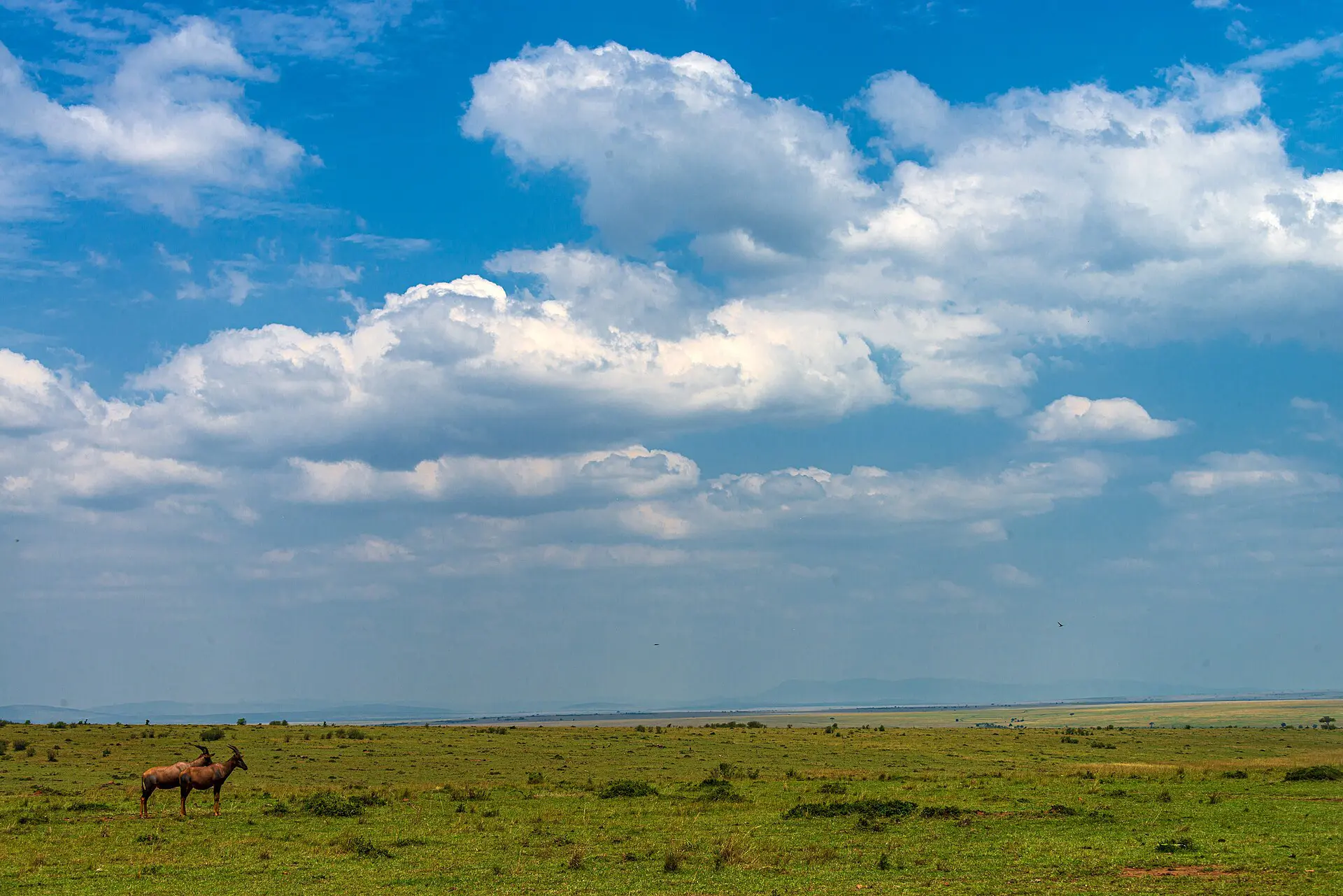
Kenya’s top safari destination is known for dense predator populations and the Mara River crossings of the Great Migration, usually between July and October. Conservancies around the reserve offer fewer vehicles and walking safaris.
Amboseli
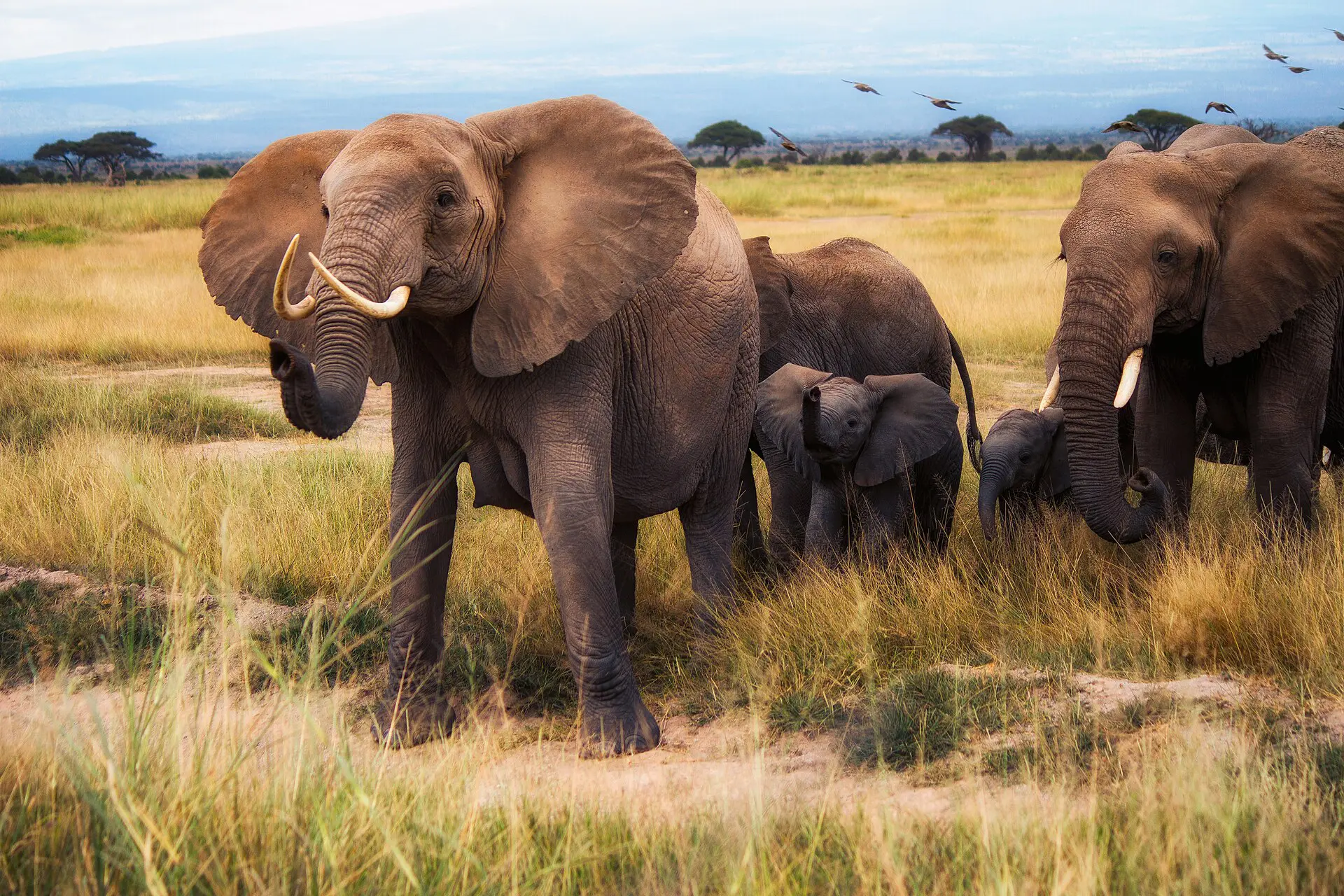
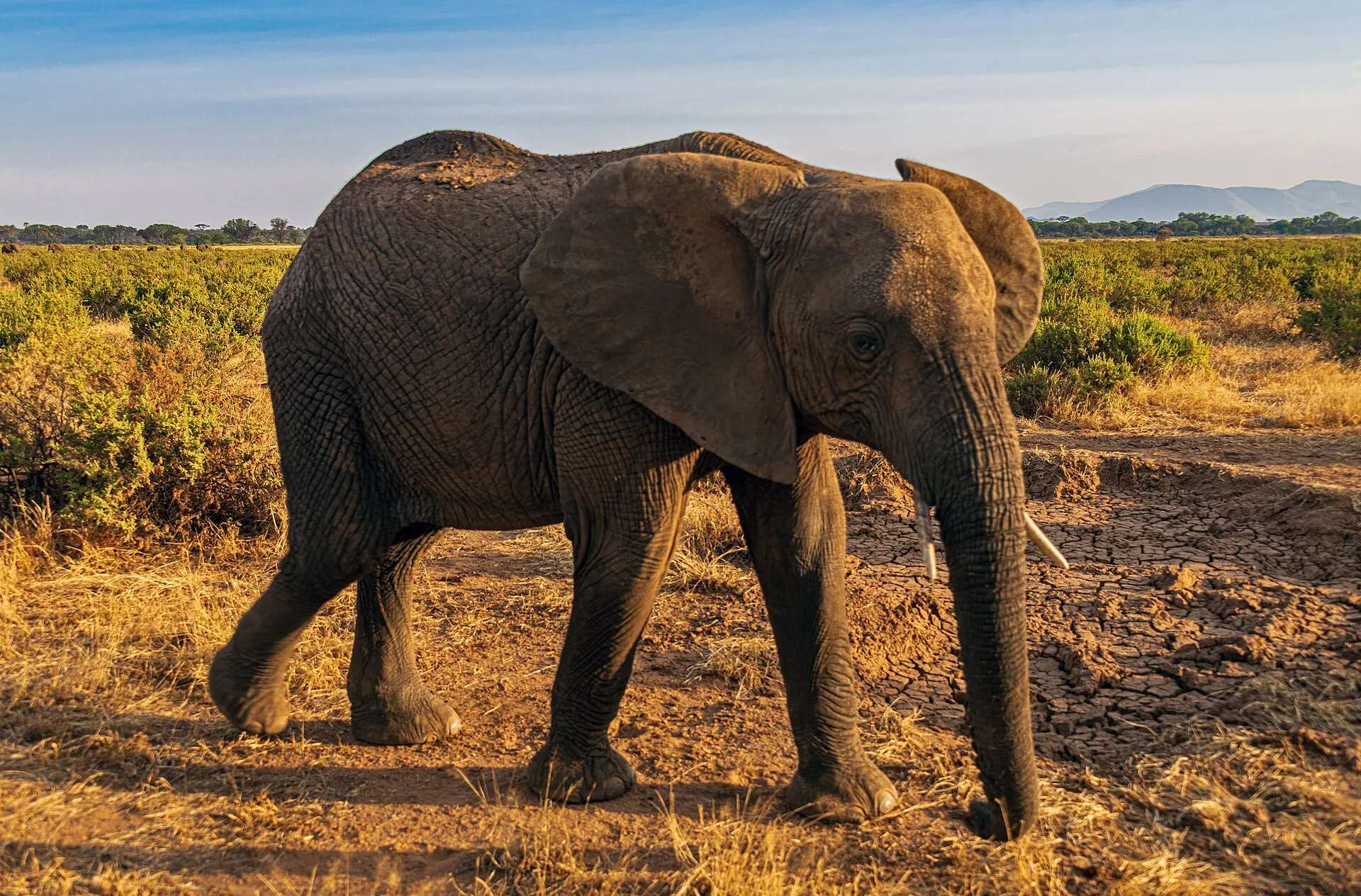
Famous for large elephant herds beneath Mount Kilimanjaro, Amboseli is flat, dusty and photogenic, and works well as a shorter trip from Nairobi.
Lake Nakuru and Naivasha
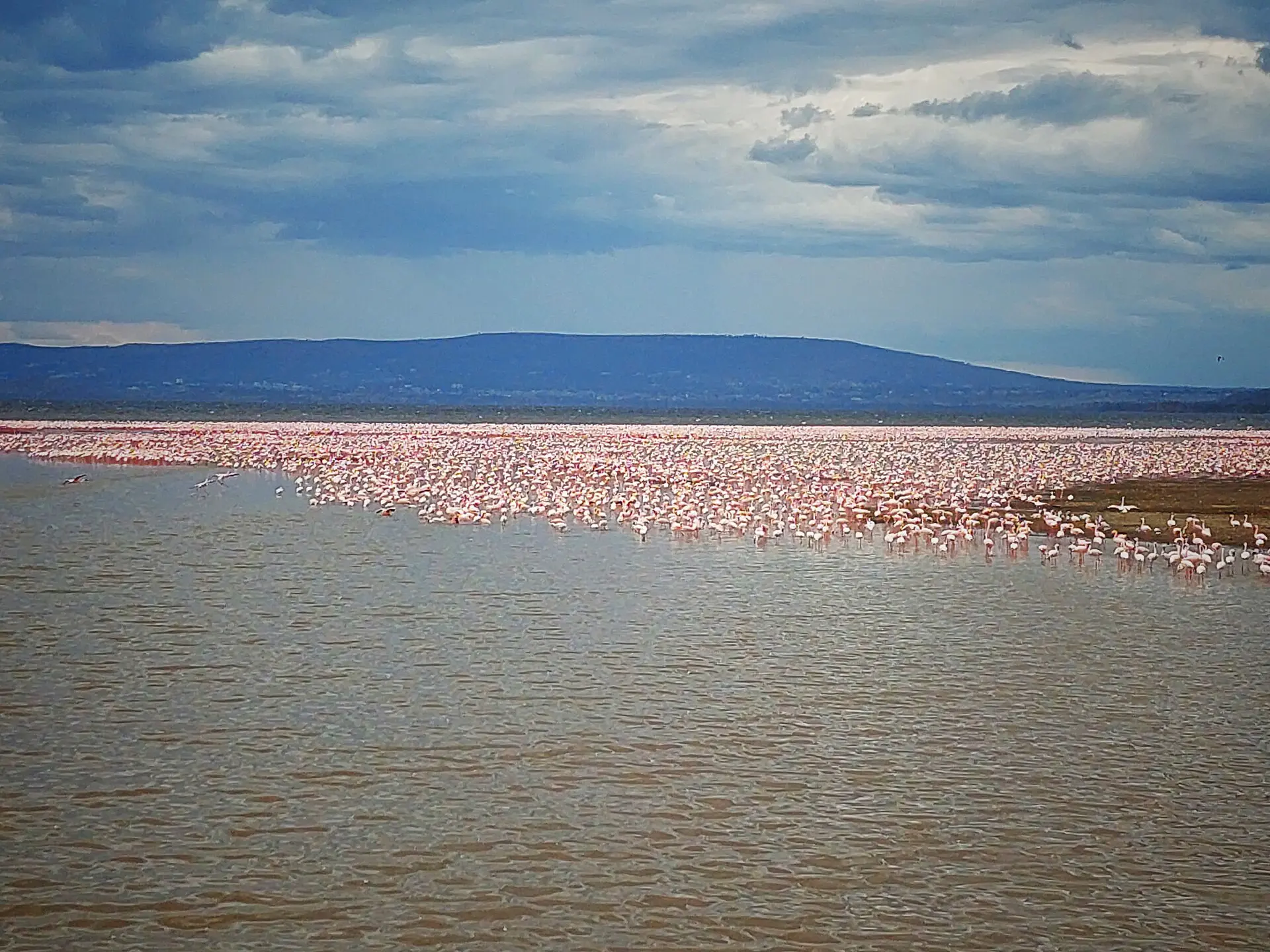
Nakuru National Park has rhinos, leopards and, depending on water levels, flamingos. Naivasha offers boat trips, birdwatching and cycling in Hell’s Gate National Park.
Samburu and Laikipia
The northern reserves have dry-country species such as Grevy’s zebra and reticulated giraffe, and Laikipia’s conservancies offer night drives and walking safaris.
Mount Kenya
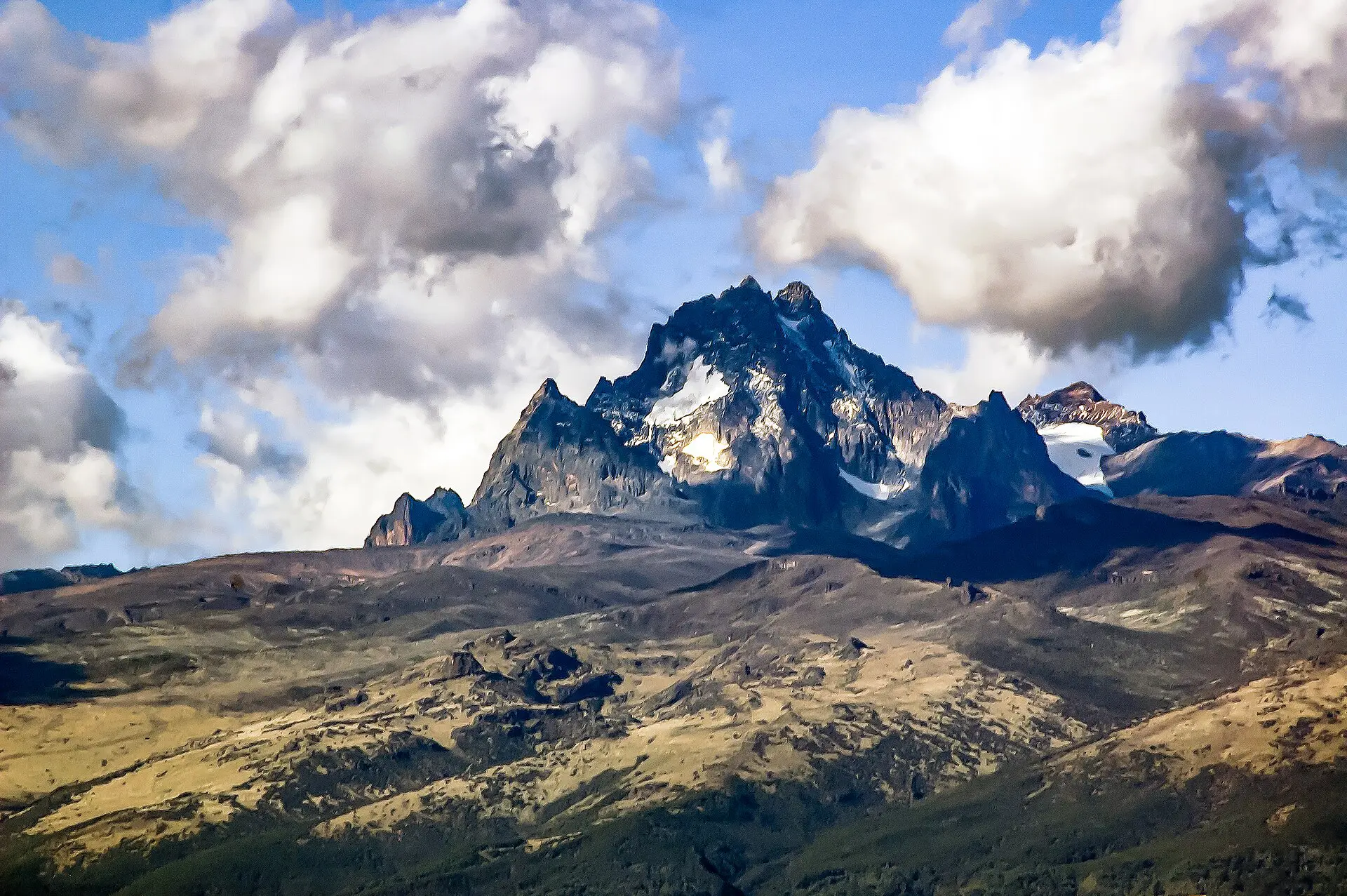
Africa’s second-highest mountain draws trekkers for the Sirimon and Chogoria routes, with views of glaciers and alpine moorland.
Mombasa, Diani and Lamu
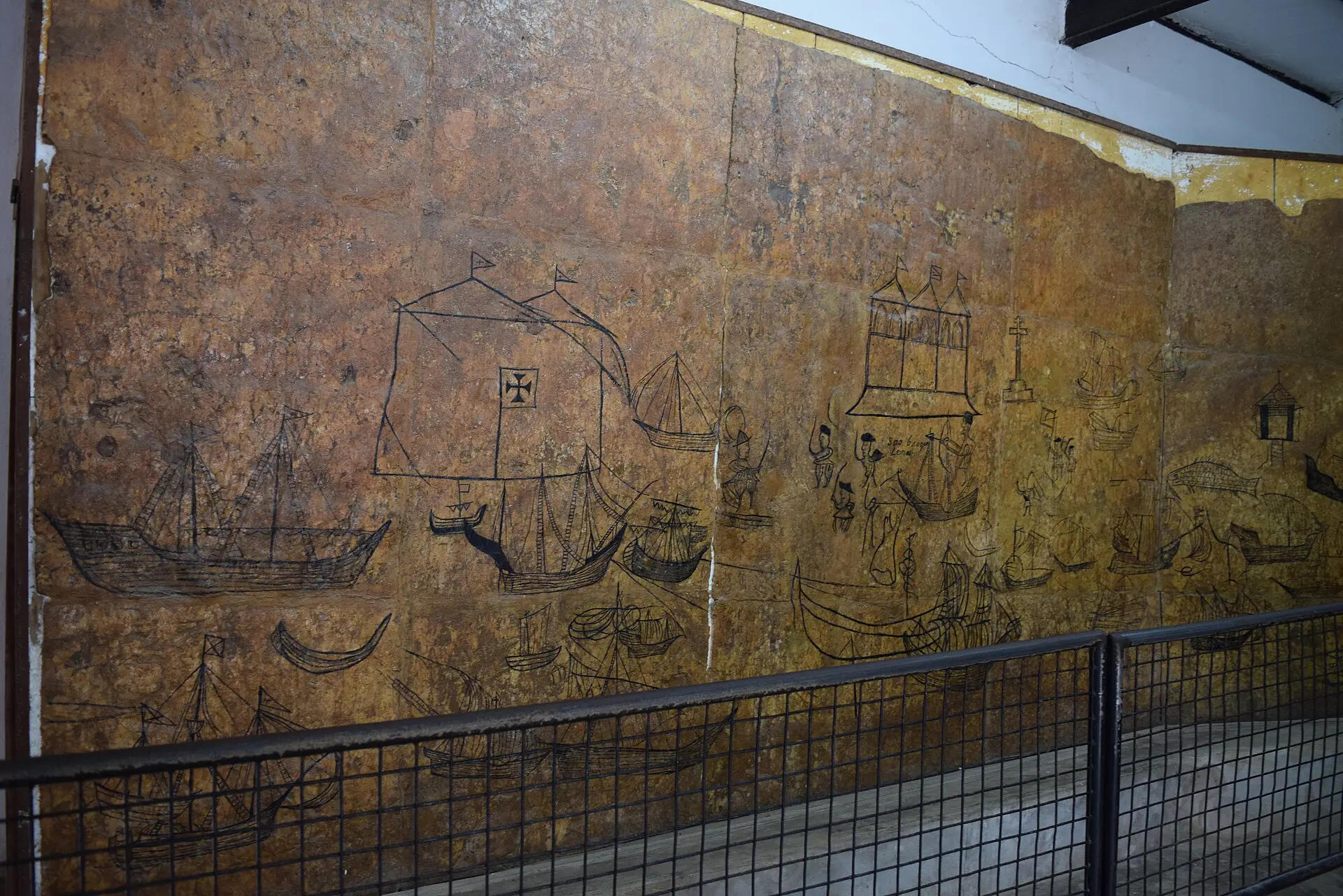
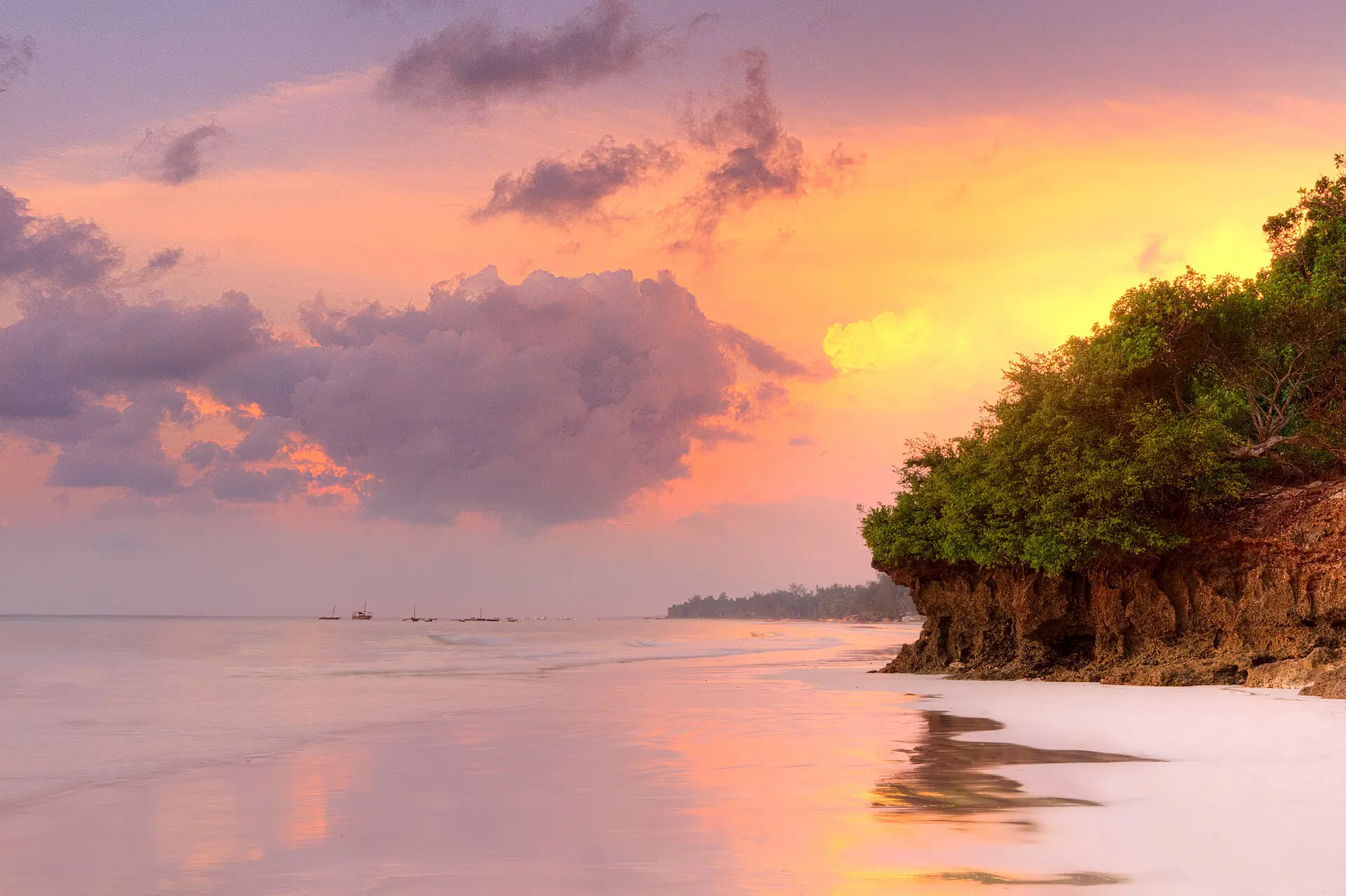
Mombasa has Fort Jesus and an old town, Diani has long white beaches, and Lamu Old Town is a UNESCO-listed Swahili settlement with car-free lanes and dhow boats.
Top things to do in Kenya
The top things to do in Kenya revolve around wildlife, landscapes and the coast, and most trips can mix all three.
- Go on a Maasai Mara game drive: early-morning and late-afternoon drives give the best chances of big cats.
- Watch the Great Migration: from about July to October, herds cross the Mara River between Tanzania and Kenya.
- See Amboseli’s elephants: photograph herds with Kilimanjaro behind them on clear mornings.
- Take a hot-air balloon flight over the Mara: a sunrise flight with a bush breakfast is a popular splurge.
- Visit the Giraffe Centre and Sheldrick Trust in Nairobi: feed giraffes and see orphaned elephants being cared for.
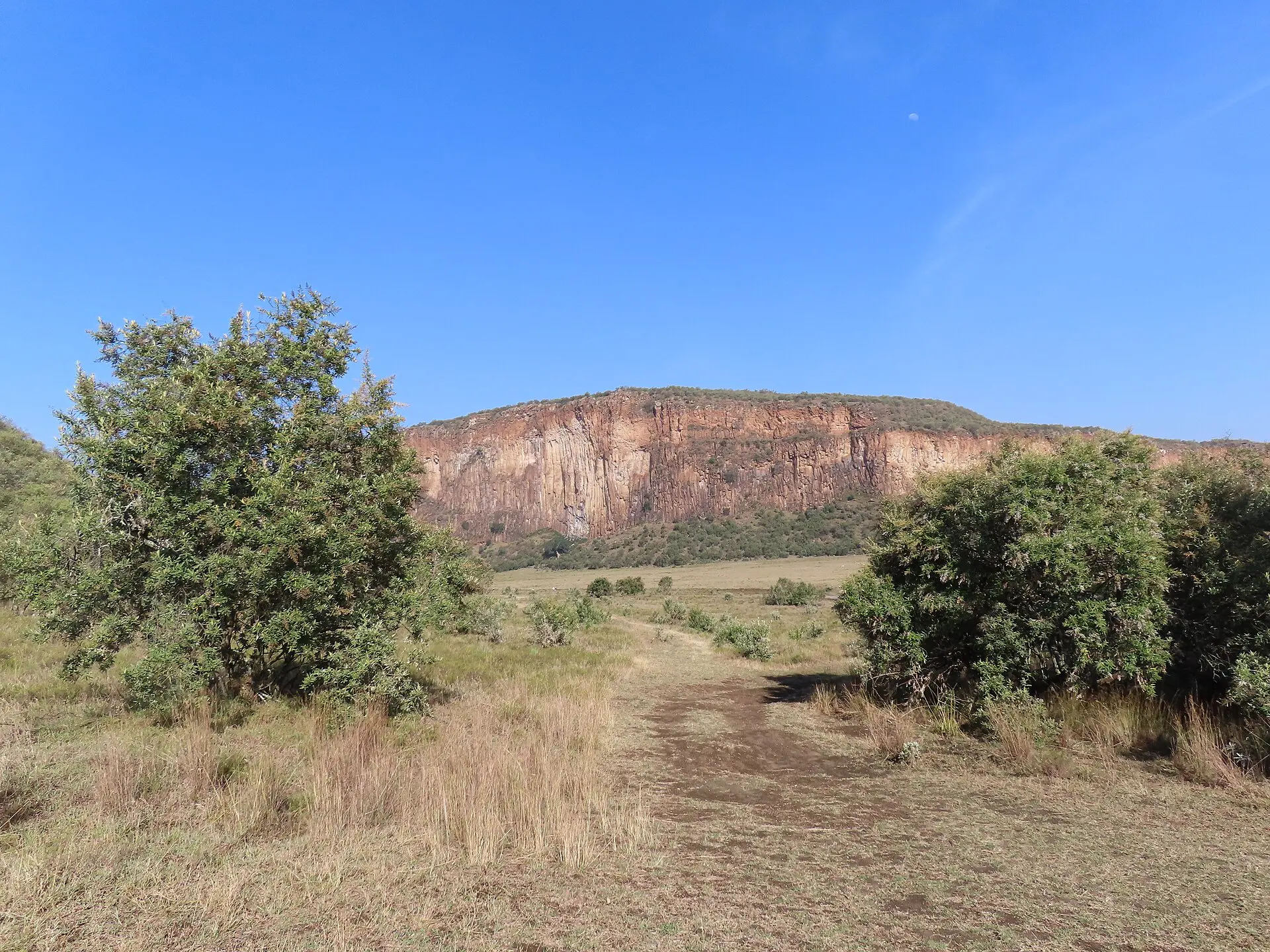
- Cycle in Hell’s Gate: bike between cliffs and zebras in a small park near Naivasha.
- Trek Mount Kenya: a three- to five-day hike for fit walkers, with Point Lenana reachable without technical climbing.
- Explore Lamu Old Town: walk narrow lanes, ride a dhow and see Swahili architecture.
- Relax at Diani Beach: swim, snorkel and try kitesurfing.
- Meet Samburu or Maasai communities: choose community-run visits that pay villagers fairly.
Best time to visit Kenya
The best time to visit Kenya for wildlife is the dry season from June to October, with a second shorter window from January to February. Animals gather around water, grass is shorter and roads are easier. The Great Migration usually reaches the Mara between July and October. The long rains fall from March to May and the short rains from November to December, when prices are lower but some camps close and roads can become muddy.
| Season | Weather | Crowds and prices | Good for |
|---|---|---|---|
| Jan-Feb | Hot and dry | Busy; high prices | Safari, coast, birdlife |
| Mar-May | Long rains, humid | Lowest prices, few visitors | Budget stays, green scenery |
| Jun-Oct | Dry, cool mornings | Peak from July to September | Migration, game viewing, Mount Kenya trekking |
| Nov-Dec | Short rains, then dry | Rising towards Christmas | Birding, quieter safari, beach holidays |
Weather patterns have become less predictable, so book flexible arrangements and ask your operator about road conditions.
Is Kenya safe to visit?
Is Kenya safe? For most visitors on standard safari, beach and city itineraries, yes, with sensible precautions, but risks vary by region. Governments advise against travel to areas near the Somalia border and parts of Lamu County and northeastern Kenya because of terrorism and kidnapping. The main safari parks, Nairobi and the southern coast are outside these areas. Check the UK FCDO or US State Department pages before you book and again before you travel.
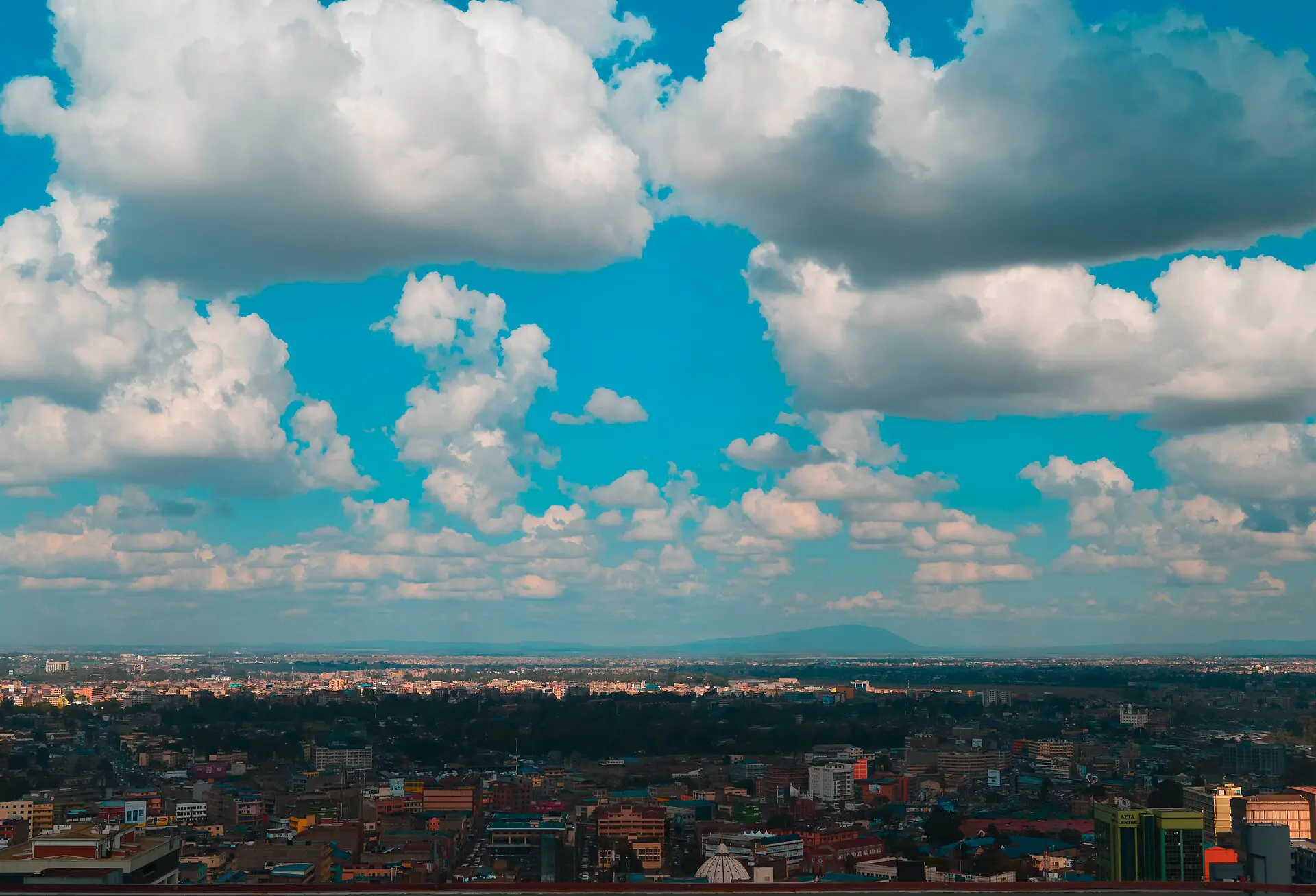
Crime. Petty theft, phone snatching and muggings occur in Nairobi and Mombasa, especially after dark. Use ride-hailing apps instead of walking at night, keep phones out of sight and avoid displaying valuables.
Roads. Road accidents are a major risk. Overland journeys are slow, and night driving is dangerous. Many visitors use domestic flights or reliable operators.
Wildlife. Follow guide instructions, stay in vehicles in parks and never approach animals on foot unless on a guided walk.
Health. Malaria is present in many areas, so ask a doctor about prophylaxis and use repellent. A yellow fever certificate may be required if you arrive from an affected country. Drink bottled water. Politically, protests can occur around elections and can turn violent in cities.
Kenya visa and entry requirements
The Kenya visa system changed in 2024. Kenya removed traditional visas for most travellers and replaced them with an electronic travel authorisation (eTA) that must be approved online before you fly. Rules differ by nationality, and citizens of some East African Community countries do not need one. Because fees, processing times and exemptions change, confirm the current process on the official Kenyan government eTA portal or with your nearest Kenyan embassy, and avoid third-party sites that charge extra.
Apply several days before travel, and carry a printed or digital approval. You will normally need a passport valid for at least six months, proof of accommodation, an onward or return ticket and sometimes proof of funds. Single-entry authorisations are typically valid for a limited stay, and extensions can be requested through immigration.
A yellow fever certificate is required if you arrive from a country with a risk of transmission. Cross-border trips to Tanzania, Uganda or Rwanda may need separate rules. Heritage sites such as Lamu and Fort Jesus appear on the UNESCO page for Kenya, which does not cover entry rules.
Getting to and around Kenya
Most visitors arrive at Jomo Kenyatta International Airport (NBO) in Nairobi, one of East Africa’s busiest hubs. Moi International Airport in Mombasa handles some international and many domestic flights, and Kilimanjaro Airport in Tanzania is an alternative for Amboseli.

For safari travel, many visitors fly from Nairobi’s Wilson Airport to airstrips in the Mara, Samburu and elsewhere, about 45 to 60 minutes each way on small planes. Road transfers are cheaper but long: Nairobi to the Mara is about 5 to 6 hours, Nairobi to Amboseli about 4 hours, Nairobi to Lake Nakuru about 3 hours and Nairobi to Naivasha about 1.5 to 2 hours.
The Standard Gauge Railway runs between Nairobi and Mombasa in about 5 hours and is comfortable and reliable, so book tickets in advance. Buses and shared minibuses (matatus) are cheap but crowded and not recommended for tourists with luggage. In Nairobi use ride-hailing apps. Driving is on the left. Self-driving is possible but difficult on rural roads, so most visitors use a safari vehicle with a driver-guide.
How much does a trip to Kenya cost?
Kenya’s costs depend mostly on whether you go on safari. The currency is the Kenyan shilling (KES), but safari lodges price in US dollars. Figures below are rough per-person guides for 2026 and rise in peak season from July to October and at Christmas.
- Budget: around USD 80 to 150 per day on shared camping or budget safaris, and USD 30 to 60 per day in cities or on the coast using local transport and hostels.
- Mid-range: around USD 200 to 450 per day, covering comfortable lodges, a driver-guide and park fees.
- High-end: from USD 600 to well above USD 1,000 per day for luxury tented camps, conservancies and flights.
Park fees are a major factor. Non-resident entry to the Maasai Mara costs well over USD 100 per person per day in high season, and other parks charge less. Accommodation, transport and fees explain most of the price, while meals in town are cheap. Booking with a registered operator, travelling outside peak season or choosing shared vehicles reduces cost. Do not forget tips for guides and staff.
Kenya food and drink
Kenya food is built on simple staples, grilled meat and fresh produce, with strong coastal and Indian influences. Most meals are filling and inexpensive.

- Nyama choma: grilled goat or beef, served with kachumbari salad and ugali, a social meal eaten across the country.
- Ugali and sukuma wiki: a firm maize-meal cake with sautéed collard greens, an everyday staple.
- Githeri: a stew of maize and beans, common in central Kenya.
- Chapati and mandazi: flatbread and lightly sweet fried dough, eaten for breakfast or with stews.
- Pilau and biryani: spiced rice dishes from the Swahili coast and Indian community.
- Coastal seafood: fish, prawns and coconut-based curries, especially in Mombasa, Diani and Lamu.
- Drinks: Kenyan tea (chai), highland coffee, Tusker beer and fresh passion fruit or sugarcane juice.
Safari lodges serve buffets and set menus with good vegetarian options, and Nairobi has a wide range of restaurants. Street food is cheap and tasty but choose busy stalls. Vegetarians do well on the coast and in cities, but rural areas may have limited choices, so tell your lodge in advance about dietary needs.
Culture, language and etiquette in Kenya
Kenya has two official languages, English and Swahili, and more than 40 ethnic groups with their own languages. Swahili is the shared language, and visitors who try greetings such as jambo (hello), asante (thank you) and karibu (welcome) are warmly received. English is spoken throughout tourism and business.
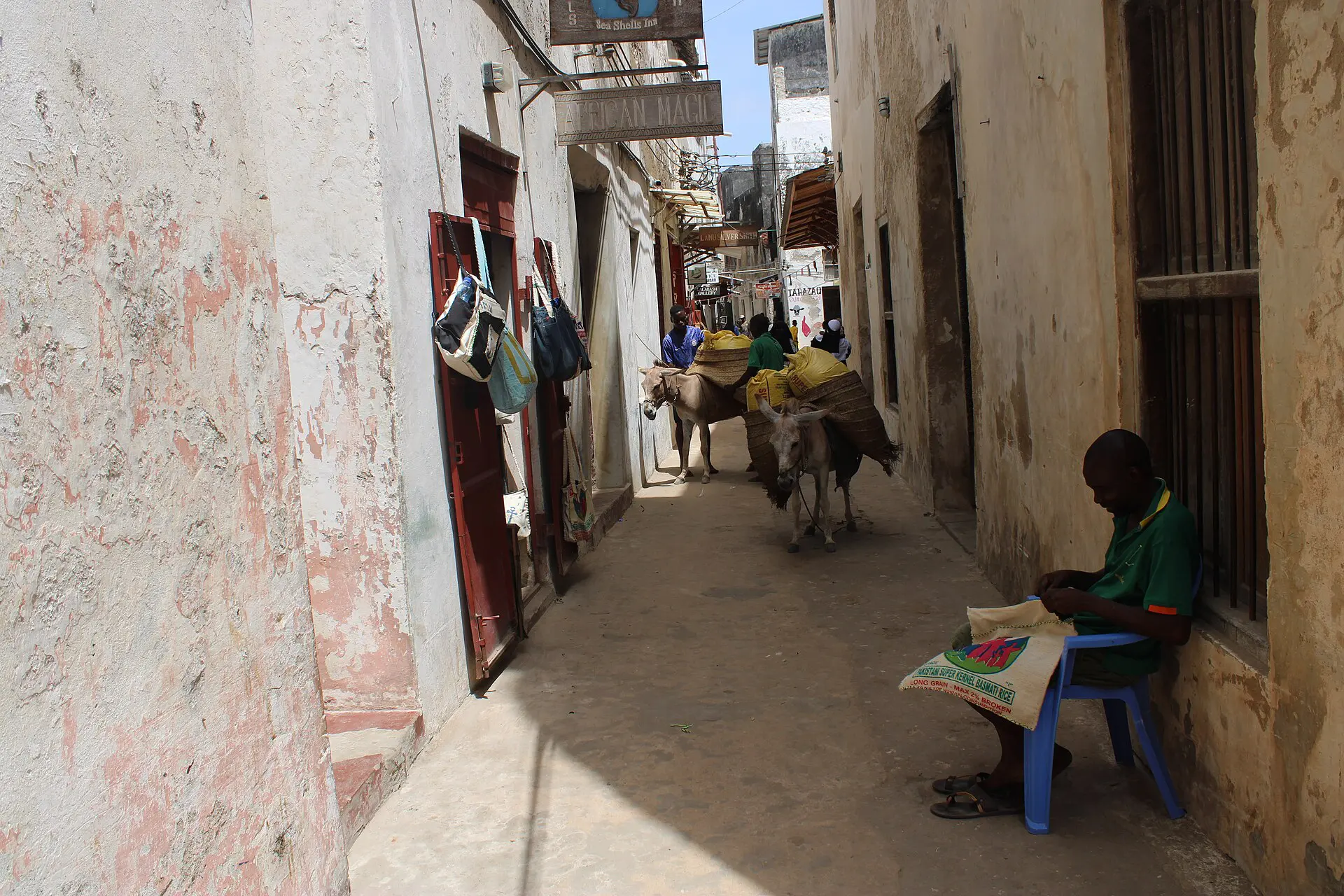
Greetings matter. Take time to say hello and ask how someone is before moving to business. Handshakes are common, often with a longer grip, and the right hand is used for giving and receiving. Dress modestly in towns and rural areas, and cover shoulders and knees on the Muslim coast, especially in Lamu and Mombasa. Beachwear belongs on the beach.
Always ask permission before photographing people, especially Maasai and Samburu, and expect to pay a fee at some community visits. Do not photograph government buildings, soldiers or airports. Public displays of affection are best kept discreet, and same-sex relations are criminalised, so LGBTQ travellers should take care. Respect wildlife rules in parks, avoid giving gifts to children directly and support community-run projects that pay local people fairly.
Kenya itinerary: a 7-day route
This safari-focused route stays in the main parks and uses a mix of road and air transfers.
- Day 1, Nairobi: arrive, then visit the Giraffe Centre and Sheldrick elephant orphanage, and rest.
- Day 2, Nairobi to Amboseli: drive about 4 hours and take an afternoon game drive with Kilimanjaro views.
- Day 3, Amboseli: do dawn and late-afternoon drives, with a rest in the middle of the day.
- Day 4, Amboseli to Nairobi to Mara: return to Nairobi by road, then fly to the Maasai Mara in the afternoon.
- Day 5, Maasai Mara: take a full-day game drive, or a balloon flight at sunrise.
- Day 6, Maasai Mara: go to the Mara River in migration season, or visit a conservancy for a walking safari.
- Day 7, return: fly back to Wilson Airport, about 45 minutes, and connect to your flight home.
With extra days, add Lake Nakuru and Naivasha or finish with a beach stay at Diani, reached by flight from Nairobi to Ukunda. Check security advice before choosing northern or coastal add-ons.
Practical tips for Kenya
- Money: the Kenyan shilling is the local currency. M-Pesa mobile money is everywhere, but tourists mostly use cards and ATMs in cities. Carry small notes in US dollars or shillings for tips and rural purchases.
- SIM and eSIM: Safaricom and Airtel SIMs and eSIMs are cheap, and coverage is good in towns but patchy in parks.
- Plugs: type G at 240 V, as in the UK.
- Tipping: around 10 percent in restaurants if no service charge is added, and roughly USD 10 to 20 per day for a safari guide plus a smaller amount for camp staff.
- Health: see a travel clinic well before departure for malaria prophylaxis and vaccine advice. Use repellent, a hat and sunscreen, and drink bottled water.
- Packing: neutral-coloured clothes, a warm layer for dawn drives, binoculars and a soft bag for light aircraft, which often have luggage limits.
- Booking: choose a licensed operator, confirm what park fees include and book Mara camps early for July to October.
For more background, see the Wikivoyage Kenya guide.
FAQ
Q1Do I need a visa for Kenya?
Most visitors need an electronic travel authorisation (eTA) approved online before arrival, which replaced traditional visas in 2024. Rules and fees depend on your nationality and change, so confirm on the official Kenyan government portal and avoid third-party sites that add charges.
Q2Is Kenya safe?
Mostly yes in the main safari parks, Nairobi and the southern coast with precautions. Petty crime occurs in cities, road accidents are a major risk, and governments advise against travel near the Somali border and parts of Lamu County. Check current advice before you book.
Q3What are the best things to do in Kenya?
Go on game drives in the Maasai Mara and Amboseli, watch the Great Migration from July to October, visit Nairobi's Giraffe Centre, cycle in Hell's Gate, trek Mount Kenya, explore Lamu Old Town and relax at Diani Beach.
Q4What is Kenya food like?
Kenya food is built on grilled meat, maize and greens. Try nyama choma with ugali and kachumbari, sukuma wiki, githeri, chapati, pilau and coastal seafood. Kenyan tea and coffee are good, and safari lodges offer vegetarian options if you ask ahead.
Q5What is the best time to visit Kenya?
June to October is best for wildlife, including the Great Migration, with a second window in January and February. March to May has long rains and fewer visitors, while November and December bring short rains. Peak prices apply from July to September.
Q6Is Kenya safe to visit for tourists?
Yes, millions of tourists visit safely, mostly on organised safari and beach trips. Avoid walking at night in cities, use reputable operators and ride-hailing apps, and stay away from border regions that governments advise against. Carry travel insurance and take malaria precautions.
Q7How many days do you need in Kenya?
Seven days covers Nairobi, Amboseli and the Maasai Mara at a comfortable pace. Four or five days is enough for a single safari region. Add three to five days for Lake Nakuru, Mount Kenya or a beach stay on the coast.