

Why visit Nairobi
If you are planning things to do in Nairobi, start with the fact that it is the political, financial and media capital of Kenya. A city of 4.8 million inhabitants (as of 2024), it is the largest and fastest growing city in the country and one of Africa’s largest.
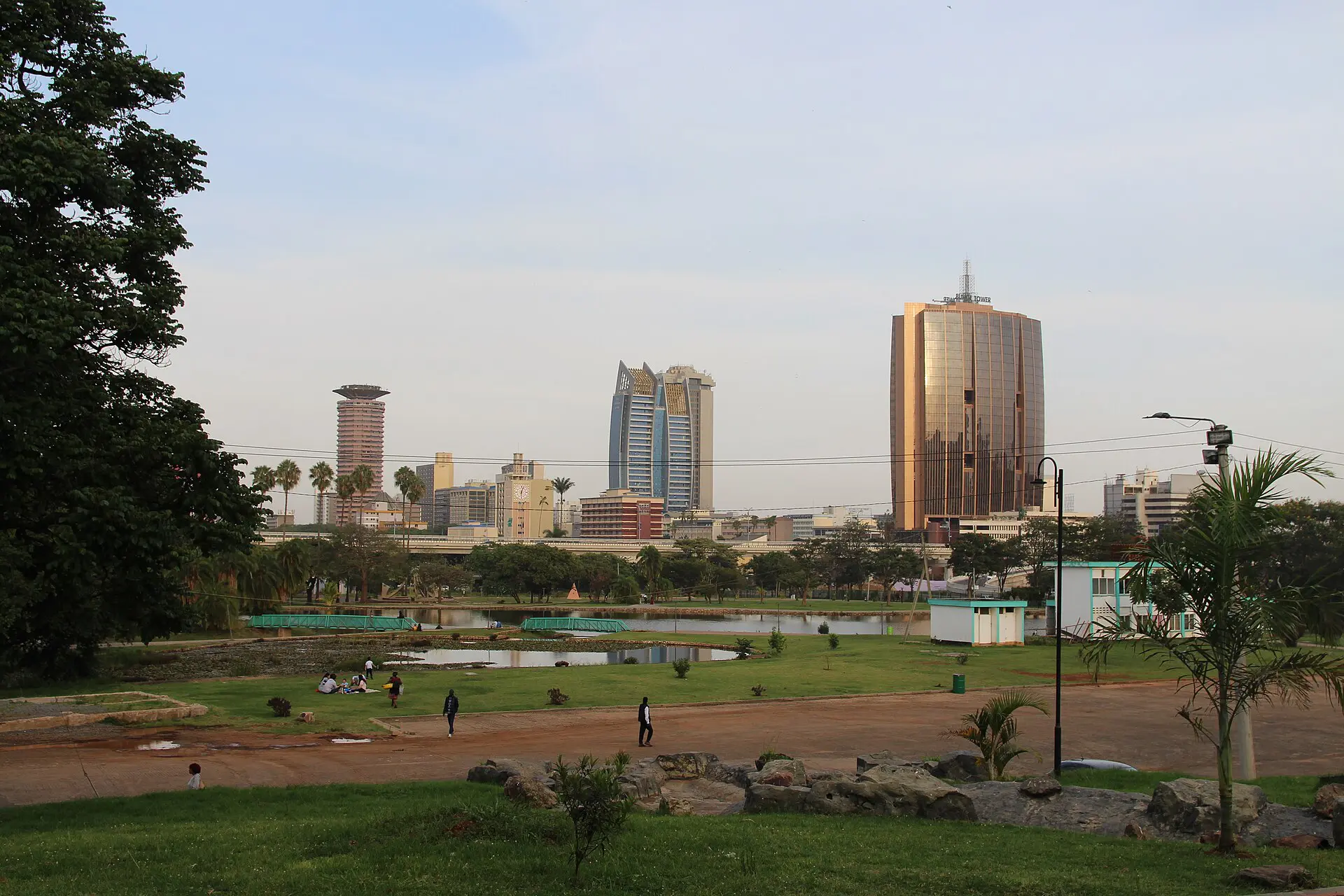

It lies on the Nairobi River at an altitude of 1,795 m (5,889 ft) above sea level, which makes it one of the highest national capitals in the world. Altitude also means evenings can be cool, even though you are close to the equator. The name comes from a Maasai term meaning cool waters, and the area was once swamp before the city was founded.
Most travellers to Kenya pass through Nairobi, but it is certainly worth taking a few days to experience this bustling metropolis. Wildlife can be seen within the city limits, sanctuaries and museums are easy to reach, and the food and arts scene is lively. It is also a good place to arrange safaris and to prepare for onward travel.
Top things to do in Nairobi
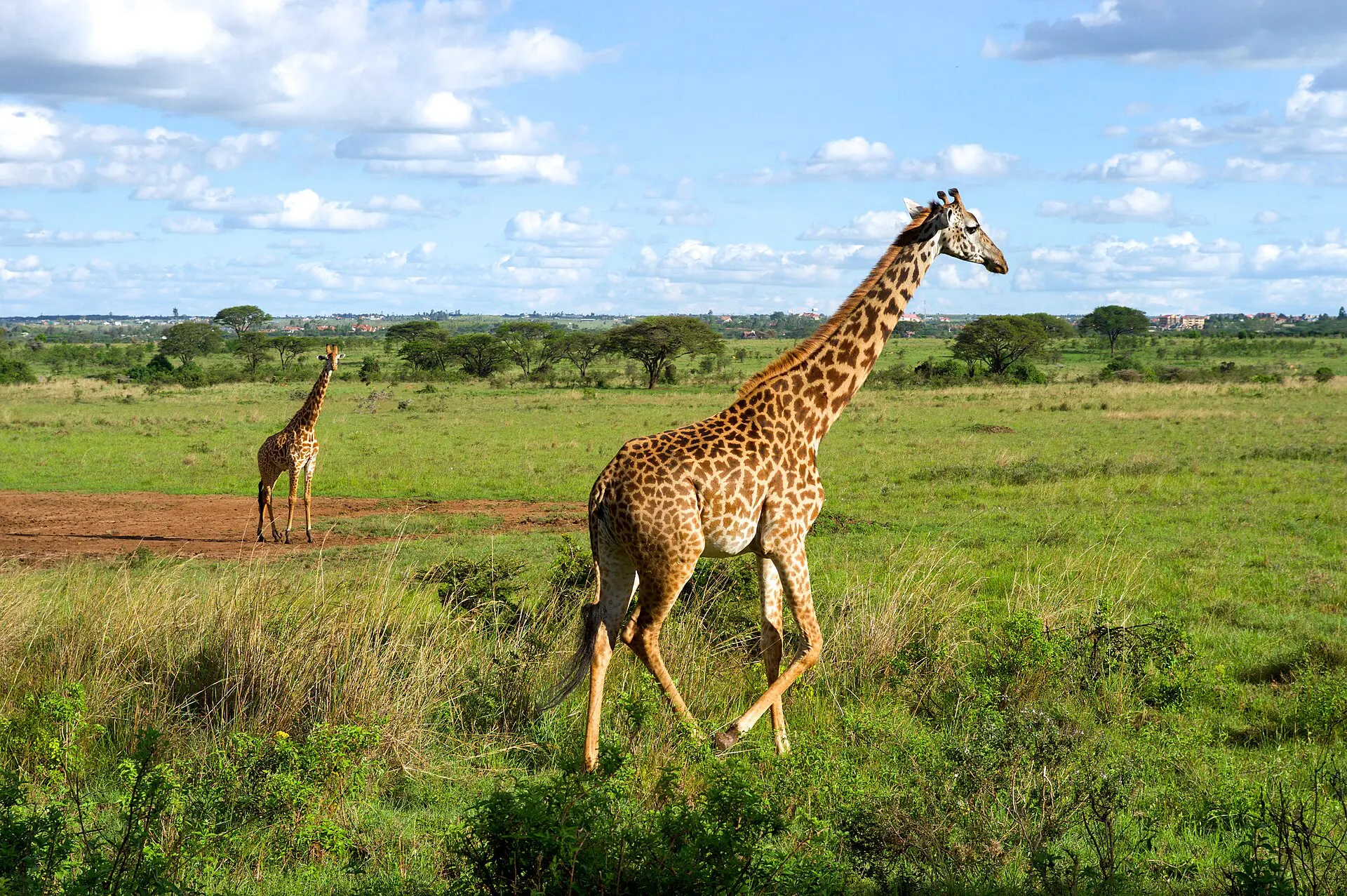

Nairobi National Park
This wildlife park lies on the edge of the city, where animals graze with skyscrapers visible in the distance. Allow a half day for a game drive. Book a vehicle with a guide, go early, and check current entry rules and fees.
Giraffe Centre
You can feed and watch Rothschild’s giraffes from a raised platform, and learn about conservation. Allow one to two hours. Go early in the day, bring small change if needed for food, and check opening hours before you set off.
David Sheldrick elephant orphanage
The orphanage cares for young elephants and other animals, with limited public viewing hours. Allow about an hour. Check booking and visiting rules in advance, since access is controlled and times are short.
Nairobi National Museum
The museum covers Kenyan history, culture, nature and art, with fossils and ethnographic displays. Allow two hours. It is a good rainy-day option, and a combined ticket may cover a snake park or gardens nearby.
Karen Blixen Museum area
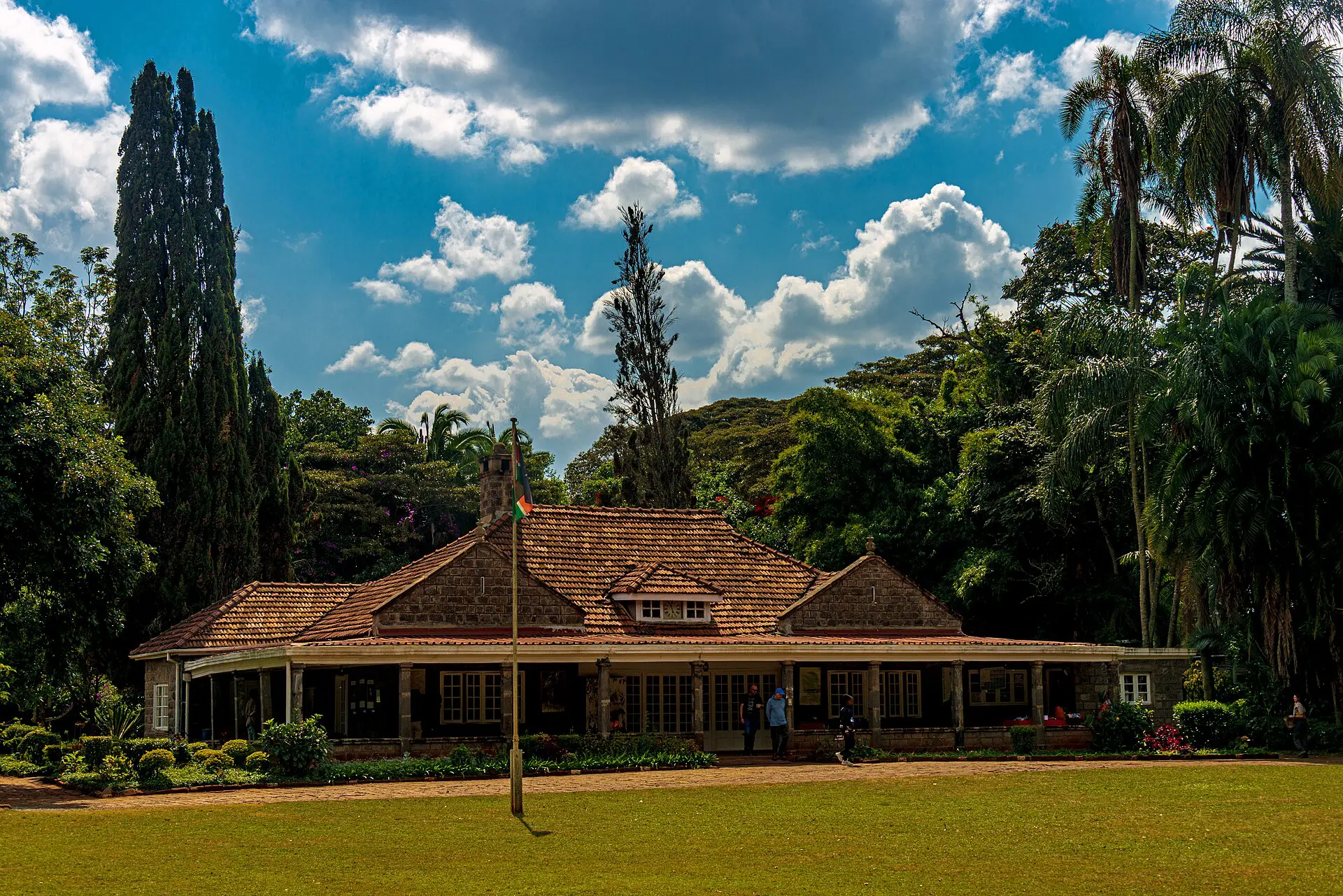
The former farmhouse in the Karen suburb is linked to the author of Out of Africa. Allow an hour. The surrounding suburb has cafes and craft shops, making it a pleasant stop with the nearby wildlife centres.
Markets and crafts
Craft markets sell carvings, beadwork and textiles. Allow one to two hours. Bargaining is expected, so compare a few stalls, and keep valuables out of sight in crowded areas.
Food and nightlife
The city has a strong food scene, including nyama choma grilled meat, coastal dishes and international options. Plan an evening out. Use a taxi or app ride rather than walking at night, and keep your phone out of sight.
Best time to visit Nairobi
The city has a mild climate thanks to its altitude. The drier months, roughly June to October and January to February, are the most comfortable and the best time for wildlife viewing in the national park. These periods also overlap with peak safari season, so prices and demand can rise.
The long rains usually fall from March to May, and short rains around November. Showers can disrupt road travel and make game drives muddier, although the landscape turns green, and some hotels and tours drop rates. Nights can feel cool throughout the year, so pack a light jacket. Traffic in Nairobi can be heavy at any time, especially during rain, so leave extra time for airport transfers.
| Season | Weather | Crowds and prices |
|---|---|---|
| June to October | Dry, mild, cool nights | Busy, higher prices |
| January to February | Warm and mostly dry | Moderate to busy |
| March to May | Long rains, cloudy | Quieter, lower prices |
| November | Short rains | Moderate |
How to get to Nairobi and around
Jomo Kenyatta International Airport is the main gateway, with flights from Europe, the Middle East, Asia and across Africa. A second airport handles many domestic and regional flights, so check which one your connection uses. Transfers to the centre usually take under an hour, but they can take much longer in heavy traffic.


Nairobi is also a hub for roads and rail, with routes to the coast and other parts of Kenya. Check current schedules for trains and long-distance buses.
Within the city, app-based taxis are generally the simplest option, especially at night. Local minibuses are cheap but confusing for visitors. Traffic is a major issue, so plan sightseeing by area and avoid rush hours. Walking is fine in some districts during the day, but take local advice about where to go.
Where to stay in Nairobi
Suburbs such as Karen and Langata put you near the wildlife sites, with quiet leafy streets and guesthouses. They suit travellers focused on animals and nature, though you will need transport for the centre.

Westlands and the surrounding areas have restaurants, bars, shopping malls and a wide choice of hotels. They suit travellers who want nightlife and convenience, and are generally easy for taxis.
The city centre is convenient for business and some sights, but it can be hectic. Near the airport, you will find hotels useful for early or late flights. Options range from budget hostels and guesthouses to international chains and boutique lodges. Ask about security, airport transfers and parking, and book early in peak safari months.
How many days do you need?
Two to three days is enough to enjoy the wildlife sites and museums, particularly if you are heading on to a safari. One day can work between flights if you plan carefully. Longer stays suit people who want to explore the food scene and neighbourhoods.
- Day 1: Nairobi National Park game drive in the morning, then the museum in the afternoon.
- Day 2: Giraffe Centre, the elephant orphanage and the Karen area, with lunch in a cafe.
- Day 3: Markets and a food evening, or a day trip beyond the city.
Allow extra time for traffic between sights.
Day trips and nearby
Maasai Mara
Kenya’s best-known safari area lies west of Nairobi. It is usually visited on a multi-day trip, although some travellers fly in for a day. Check current transport and park fees.
Nanyuki
The town north of Nairobi sits near Mount Kenya and conservancies. It is usually a stay of one or more nights rather than a day trip.
Mombasa and the coast
The coastal city and beaches lie far from Nairobi and are reached by flight or train. They suit a separate stay of several days, perhaps after a safari.
Lamu and Malindi
These coastal destinations are best treated as separate stages on a longer Kenya trip. Some governments advise against travel to parts of Lamu County, so check current official advice and local conditions before you plan.
FAQ
Q1What is the best time to visit Nairobi?
June to October and January to February are the driest and most comfortable months, and good for wildlife viewing. The long rains usually fall from March to May, with shorter rains around November. The altitude keeps evenings cool all year.
Q2How many days do you need in Nairobi?
Two to three days covers Nairobi National Park, the giraffe and elephant centres and a museum. One day can work between flights if you plan carefully. Allow extra time for traffic, which can be heavy at any hour.
Q3How do you get to Nairobi?
Most visitors fly into Jomo Kenyatta International Airport, which has links to Europe, the Middle East, Asia and Africa. A second airport serves many domestic flights. Allow more than an hour for transfers when traffic is heavy.
Q4Is Nairobi worth visiting?
Yes. Few capitals have a national park on their edge, and the city adds wildlife sanctuaries, museums and a good food scene. Use taxis at night, keep valuables out of sight and take sensible local advice on safety.
Prices, schedules and entry rules change. Check current details with official sources before you travel. Read the Kenya travel guide.