Why visit Indonesia
The things to do in Indonesia range from ninth-century Buddhist temples to active volcanoes and some of the richest coral reefs on Earth. Indonesia is the world’s largest archipelago, with thousands of islands spread across about 1.9 million square kilometres, and the fourth most populous country (see the Wikipedia overview). Jakarta is the capital, and the national language is Indonesian, although hundreds of local languages are spoken.
Indonesia suits travellers who want variety: Bali for beaches, yoga and temples, Java for history and volcanoes, Lombok and the Gili Islands for quieter coasts, Flores and Komodo for wildlife and diving. It rewards slow travel and fewer destinations. Distances are large, ferry and flight schedules shift, and weather differs by island, so choose two or three places rather than trying to see the country in one trip. Most visitors start in Bali or Java and add one more island.
Best places to visit in Indonesia
The best places to visit in Indonesia cluster around Java, Bali and the islands east of Bali, which are linked by frequent flights.
Bali
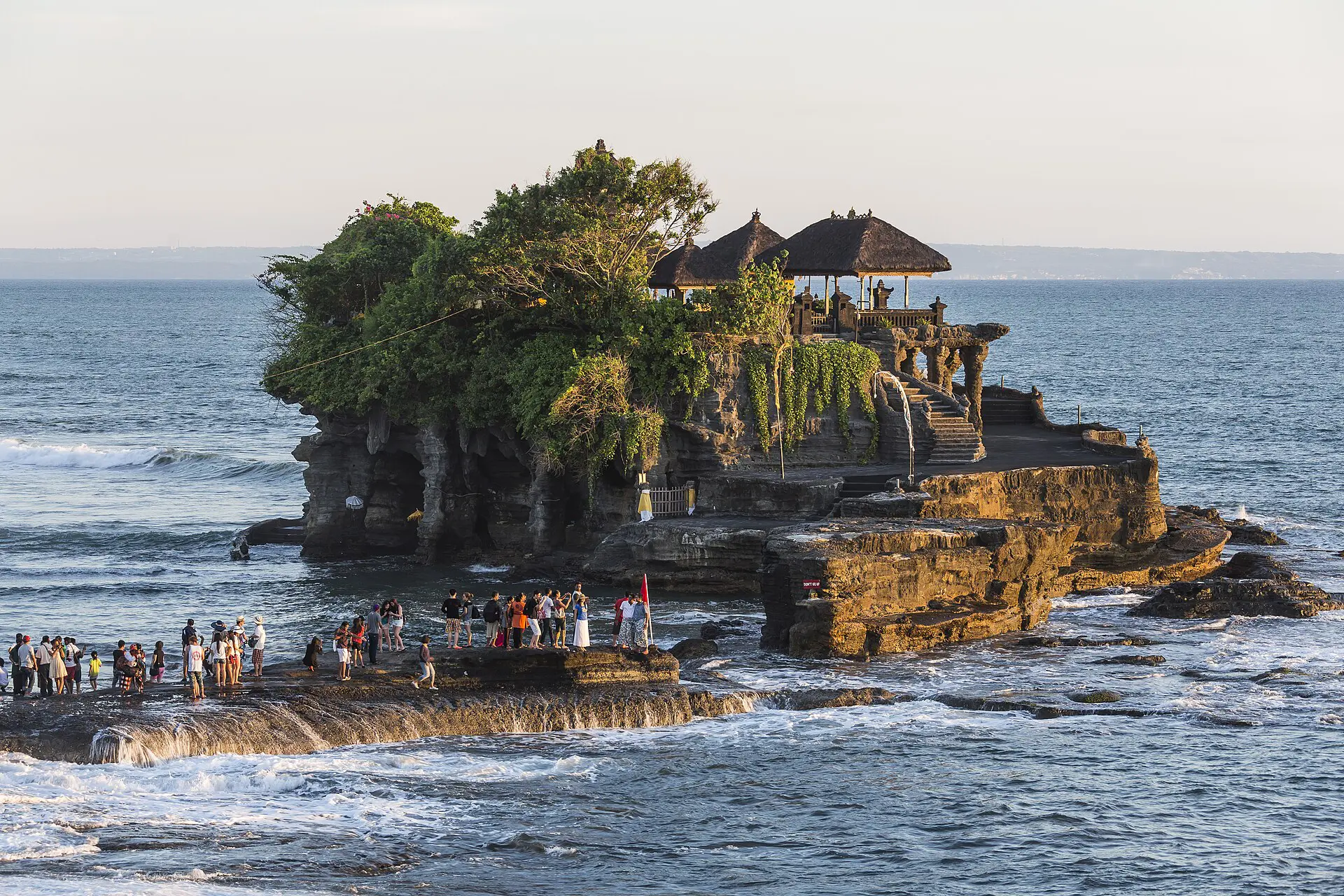
The best-known island combines Ubud’s rice terraces and arts scene, the surf towns of Canggu and Uluwatu, Sanur and Nusa Dua for calmer beaches, and Hindu temples such as Tanah Lot. Quieter areas lie in the north and east.
Yogyakarta and central Java
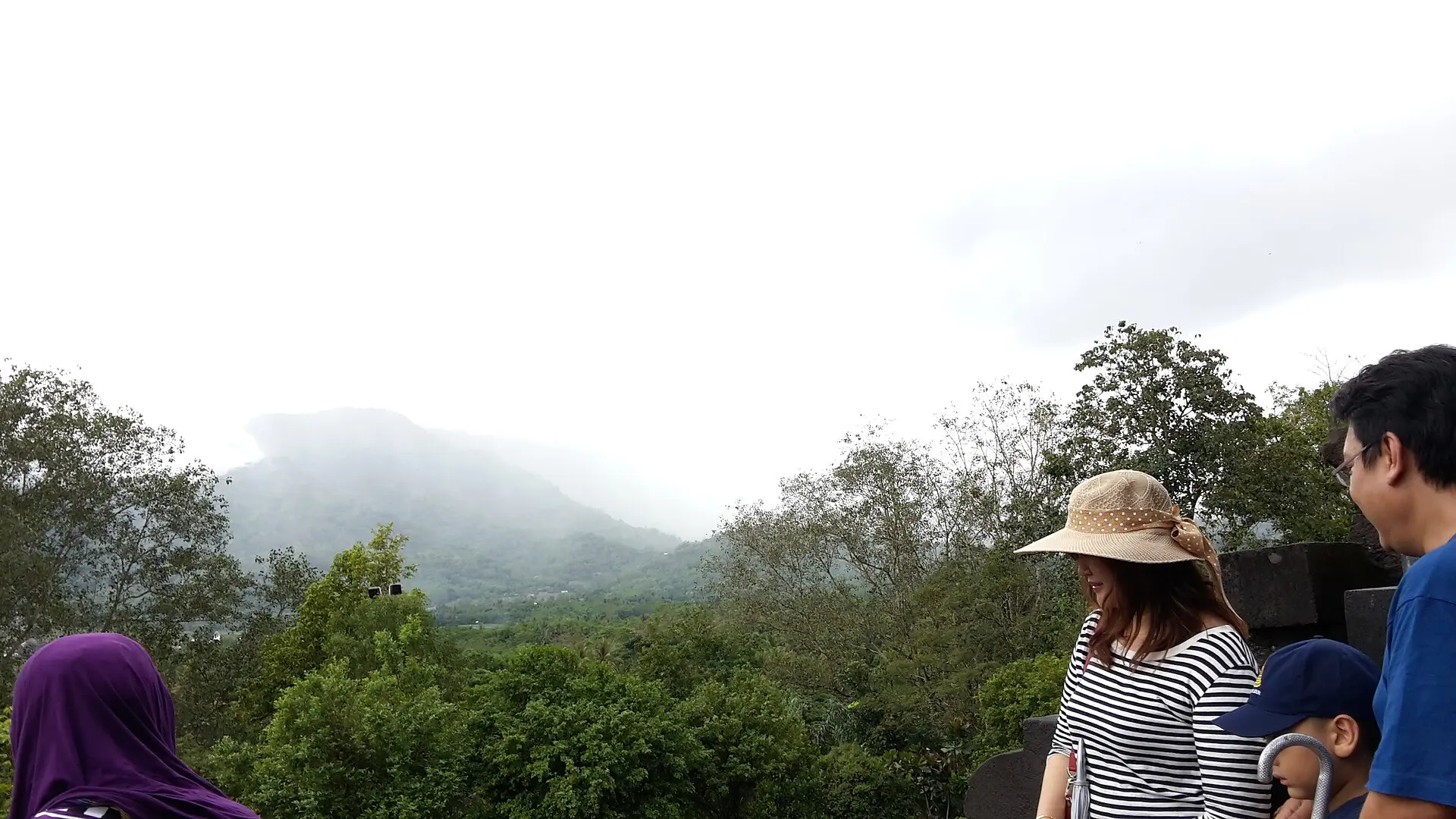
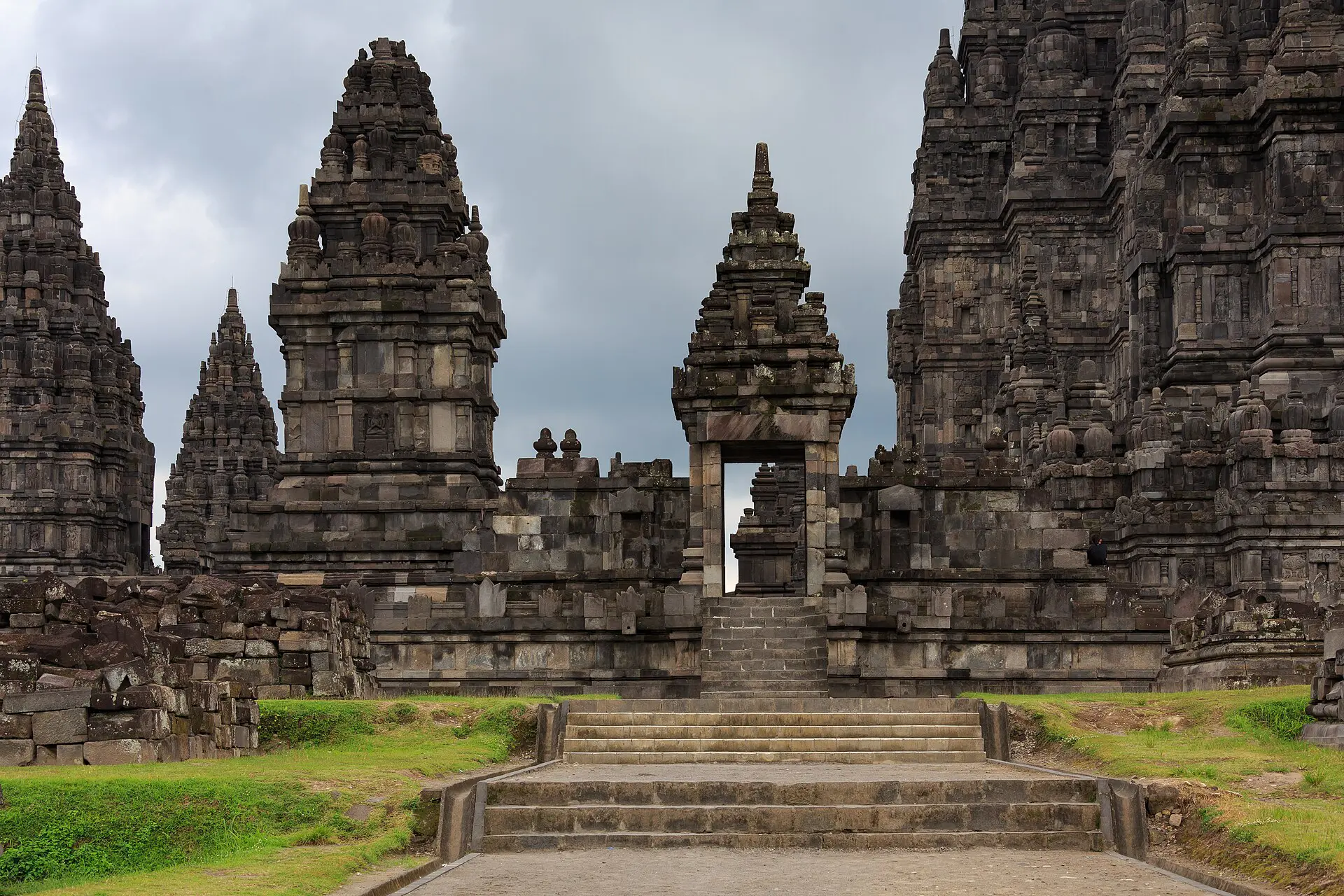
A cultural centre with the Sultan’s palace (Kraton), batik workshops and day trips to Borobudur, the world’s largest Buddhist temple, and the Hindu temples of Prambanan. Both are UNESCO-listed.
Mount Bromo and East Java
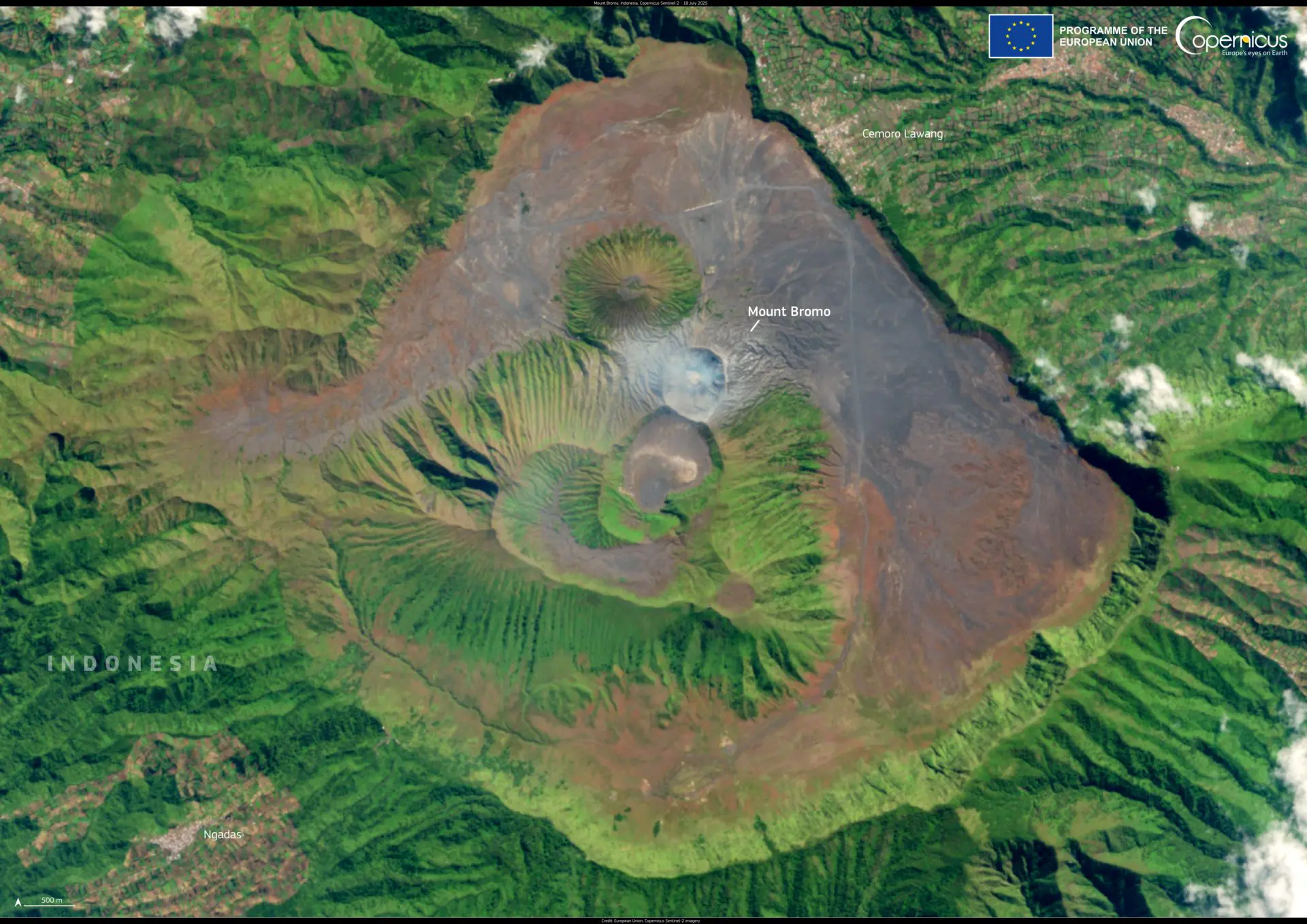
Pre-dawn jeep trips cross a sea of volcanic sand to a viewpoint above Bromo’s smoking crater. The Ijen crater, with its blue flames and turquoise lake, is a hardier hike.
Lombok and the Gili Islands
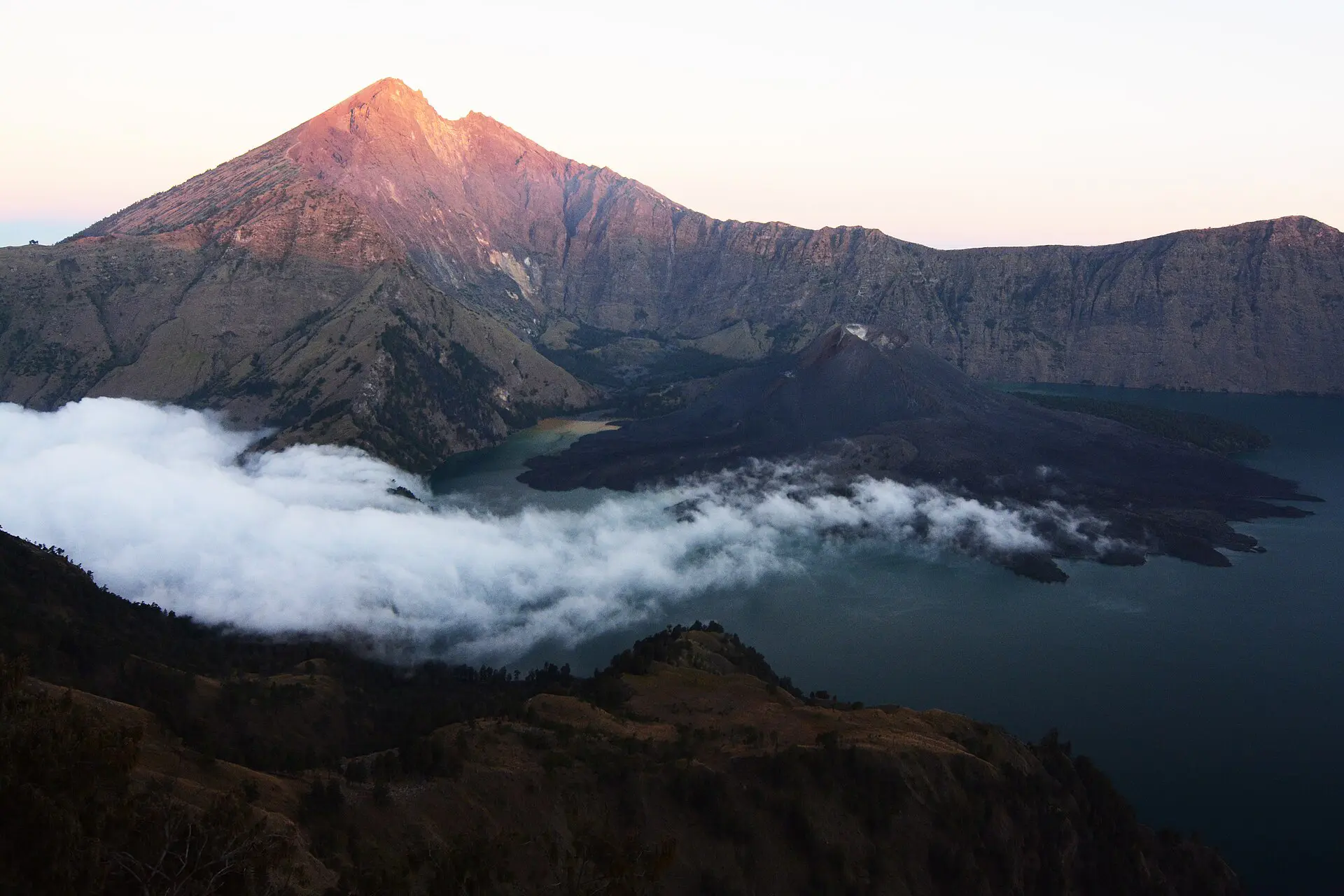
Lombok has Mount Rinjani, a demanding two- or three-day trek, and beaches in the south. The Gili Islands are small, car-free and popular for snorkelling.
Komodo and Flores
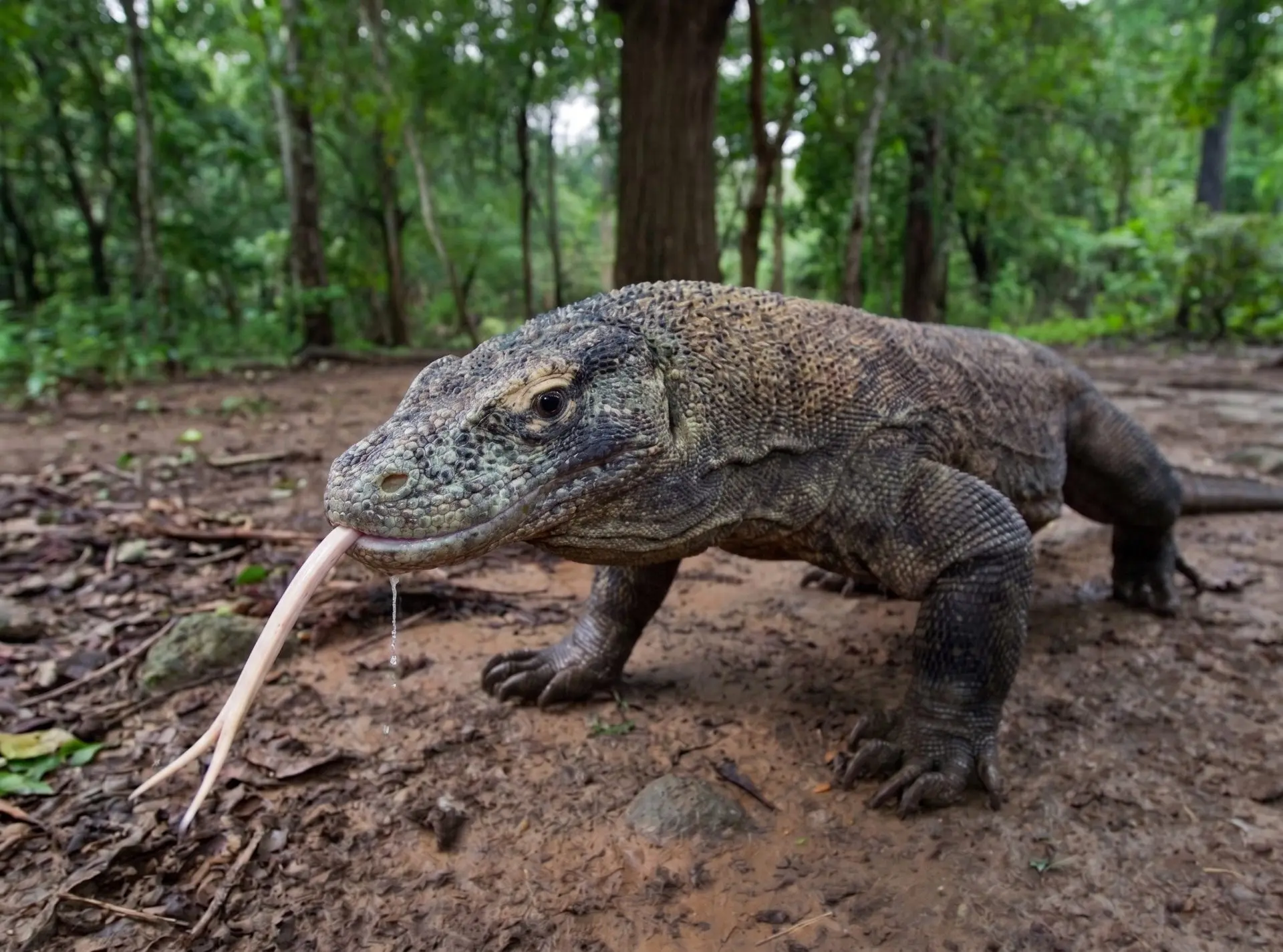
Labuan Bajo is the base for boat trips to Komodo National Park, home to the Komodo dragon, with pink-sand beaches and manta ray dives.
Sumatra and Sulawesi
Lake Toba and orangutans in Sumatra, and Tana Toraja’s funeral traditions in Sulawesi, suit longer trips.
Top things to do in Indonesia
These are the top things to do in Indonesia, and most can be combined on a two-island trip.
- Visit Borobudur at sunrise: timed entry and a limit on climbers apply, so book through official channels.
- Explore Prambanan: spires of the 9th-century Hindu temple compound glow at sunset.
- Watch sunrise at Mount Bromo: jeeps leave Cemoro Lawang or Probolinggo around 3 am.
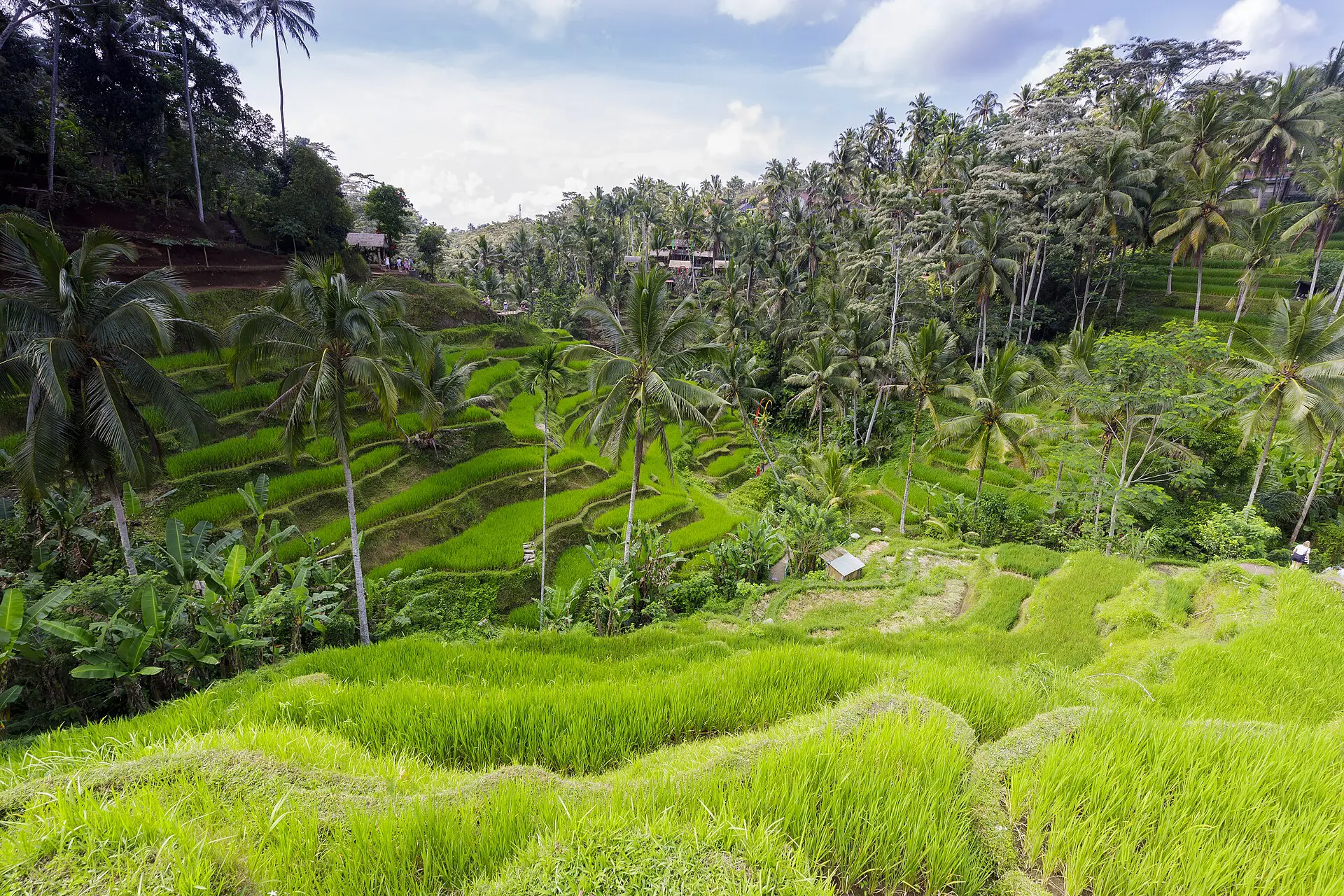
- Walk the Tegalalang rice terraces: go early, as tour buses arrive by mid-morning.
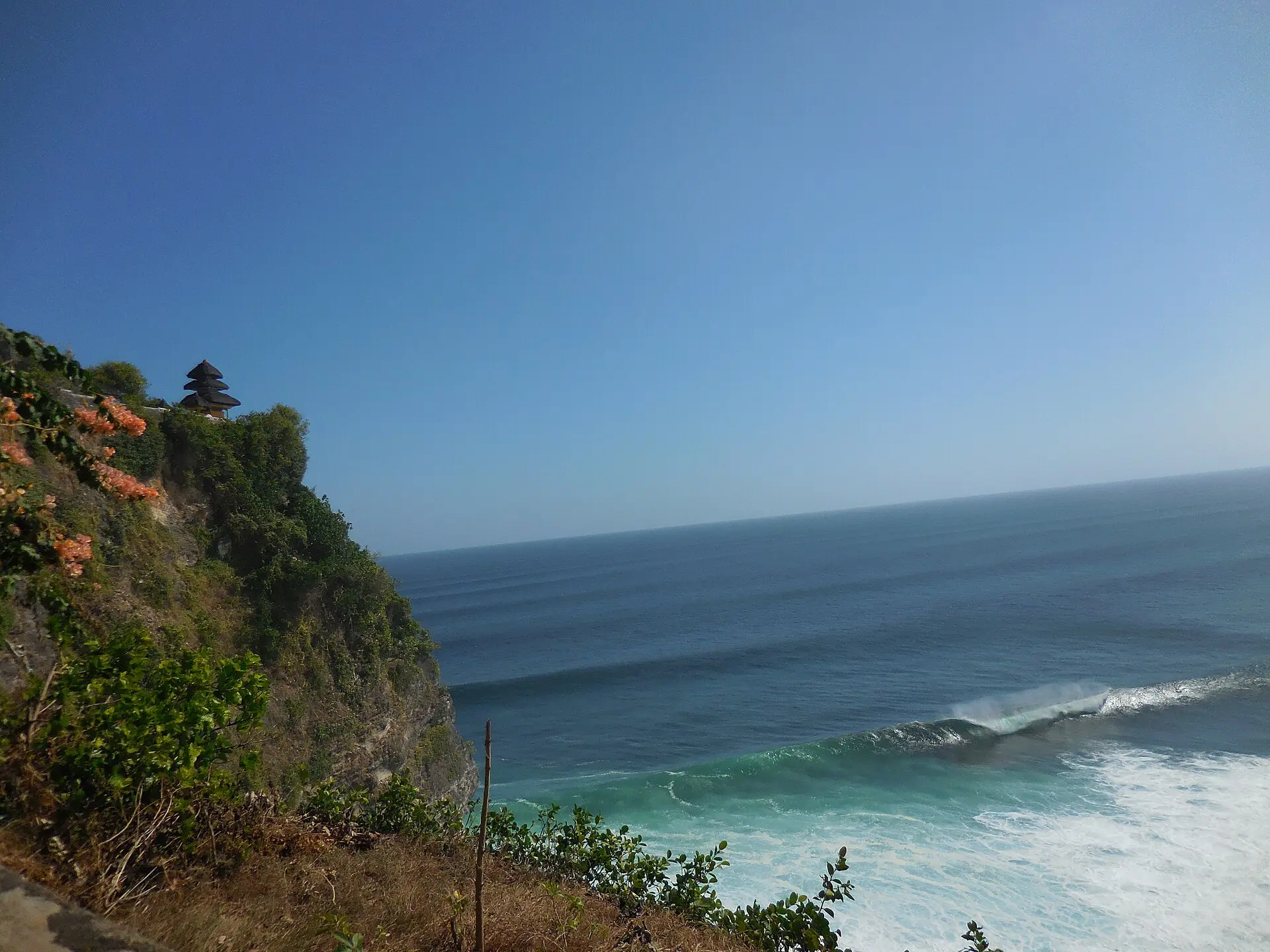
- Watch a Kecak dance at Uluwatu: held at sunset above a sea cliff temple.
- Snorkel or dive: options include Gili Islands, Nusa Penida’s manta rays, Raja Ampat and Wakatobi.
- See Komodo dragons: join a day or multi-day boat trip from Labuan Bajo with a park ranger.
- Trek Mount Rinjani: guided two- and three-day routes cross the crater rim and lake on Lombok.
- Visit Ubud’s markets and workshops: try batik, silver, woodcarving and cooking classes.
- Surf in Bali or Lombok: beginner waves at Kuta and Canggu, advanced breaks at Uluwatu.
- Meet orangutans: Tanjung Puting in Kalimantan and Bukit Lawang in Sumatra offer guided visits.
Best time to visit Indonesia
The best time to visit Indonesia for most travellers is April to October, the dry season in Bali, Java, Lombok, Flores and Komodo. July and August are busiest and most expensive. The wet season, from about November to March, brings heavy showers, higher humidity and rough seas, but also lower prices and fewer visitors. The country spans the equator, so some regions, such as parts of Sumatra and Maluku, follow different patterns.
| Season | Weather | Crowds and prices | Good for |
|---|---|---|---|
| Dry season (Apr-Jun) | Sunny, lower humidity | Moderate; rising in June | Temples, volcano treks, diving |
| Peak (Jul-Aug) | Dry, clear, cooler nights | Highest prices and crowds | Beaches, Komodo, surfing in Bali |
| Late dry (Sep-Oct) | Dry, warming up | Falling | Diving, beaches, fewer crowds |
| Wet season (Nov-Mar) | Heavy afternoon rain, humid | Low; good deals | Budget stays, waves for some surfers |
Volcano treks, such as Rinjani, close during the wet season, and some boat routes pause. The Gili Islands and Nusa Penida can be rough to reach in strong swell, so keep a spare day.
Is Indonesia safe to visit?
Yes, Indonesia is generally safe for most visitors, and millions visit Bali and Java each year. The main risks are road accidents, petty theft, natural hazards and strict drug laws. Check your government’s current travel advice, such as the UK FCDO or US State Department pages, especially if you plan to travel beyond Bali and Java.
Roads and sea. Motorbike accidents injure many tourists, so wear a helmet, hold a valid licence with motorbike category and check that your insurance covers riding. Fast boats to the Gili Islands and Nusa Penida vary in safety standards, so choose operators with life jackets and check sea conditions.
Natural hazards. Indonesia lies on the Pacific Ring of Fire and has frequent earthquakes and active volcanoes, such as Merapi and Agung. Follow local alerts, and expect trek closures when activity rises.
Crime and scams. Watch for bag snatching from motorbikes, unfair currency exchange and drink spiking at beach bars. Use licensed exchange counters and ride-hailing apps.
Law. Drug penalties are severe, including long prison sentences, and Indonesia has a new criminal code, so check rules on behaviour and cohabitation. Tap water is not safe to drink.
Indonesia visa and entry requirements
Indonesia visa rules depend on your nationality. Many visitors can get a visa on arrival (VOA) at major airports and seaports, or apply for an electronic version online before travel, for stays of about 30 days that can usually be extended once. Citizens of some countries can enter visa-free for short stays, and other nationalities need a visa from an Indonesian embassy. Fees are set in rupiah and have changed in recent years, so confirm the amount before you go.
Use only the official immigration website or app, because copycat sites charge extra. Before arrival, travellers have generally had to complete an online arrival declaration, and Bali also charges a separate tourist levy per visitor. Check the current rules for both. Your passport should have at least six months of validity and blank pages, and you may be asked for proof of onward travel.
Working remotely or staying longer needs a different visa type, and overstaying brings daily fines. The UNESCO page for Indonesia lists its heritage sites but does not cover entry rules.
Getting to and around Indonesia
Main international gateways are Jakarta (Soekarno-Hatta), Bali (Ngurah Rai in Denpasar) and Surabaya, with others at Yogyakarta, Medan and Makassar. Many visitors fly into Bali, then head to other islands. Overland routes exist from Malaysia and Timor-Leste, and ferries link Singapore with the Riau Islands.
Domestic flights are the practical way to cover long distances, with frequent services between Jakarta, Yogyakarta, Bali, Lombok and Labuan Bajo. On Java, trains are comfortable and reliable: Jakarta to Yogyakarta takes about seven to eight hours on a day train, and Yogyakarta to Surabaya about four to five. Buses and shared minivans suit shorter routes.
Fast boats link Bali with Nusa Penida, Lombok and the Gilis, taking one to two hours, though sea conditions can cancel them. In towns, use ride-hailing apps for cars and motorbikes. Driving is on the left. Traffic is heavy in Jakarta and southern Bali, so a car with driver, often reasonably priced for a day, saves stress. Allow slack time for any ferry or flight connection.
How much does a trip to Indonesia cost?
Indonesia is affordable, with Bali more expensive than Java or Lombok. The currency is the rupiah (IDR), and large denominations mean you will handle thousands of units for small purchases. Figures below are rough per-person guides for 2026 and move with exchange rates and season.
- Budget: around USD 25 to 40 per day, with hostels or simple guesthouses, local warung meals and shared transport.
- Mid-range: around USD 40 to 90 per day, with private rooms and pools, restaurant meals, drivers and some excursions.
- High-end: from around USD 150 per day, with villas, resorts, private boat trips and guided treks.
Accommodation, internal flights and activities such as diving, boat tours and Komodo trips drive costs. Entrance fees for Borobudur, Prambanan and national parks are higher for foreigners. Prices spike in July, August and around Christmas, and drop in the wet season. Street food and local restaurants are inexpensive, while beach clubs and imported goods cost more.
Indonesia food and drink
Indonesia food varies by island but is built on rice, chilli, coconut, peanuts and fragrant spice pastes. The best meals are often from a warung, a small family-run eatery, or a street stall.
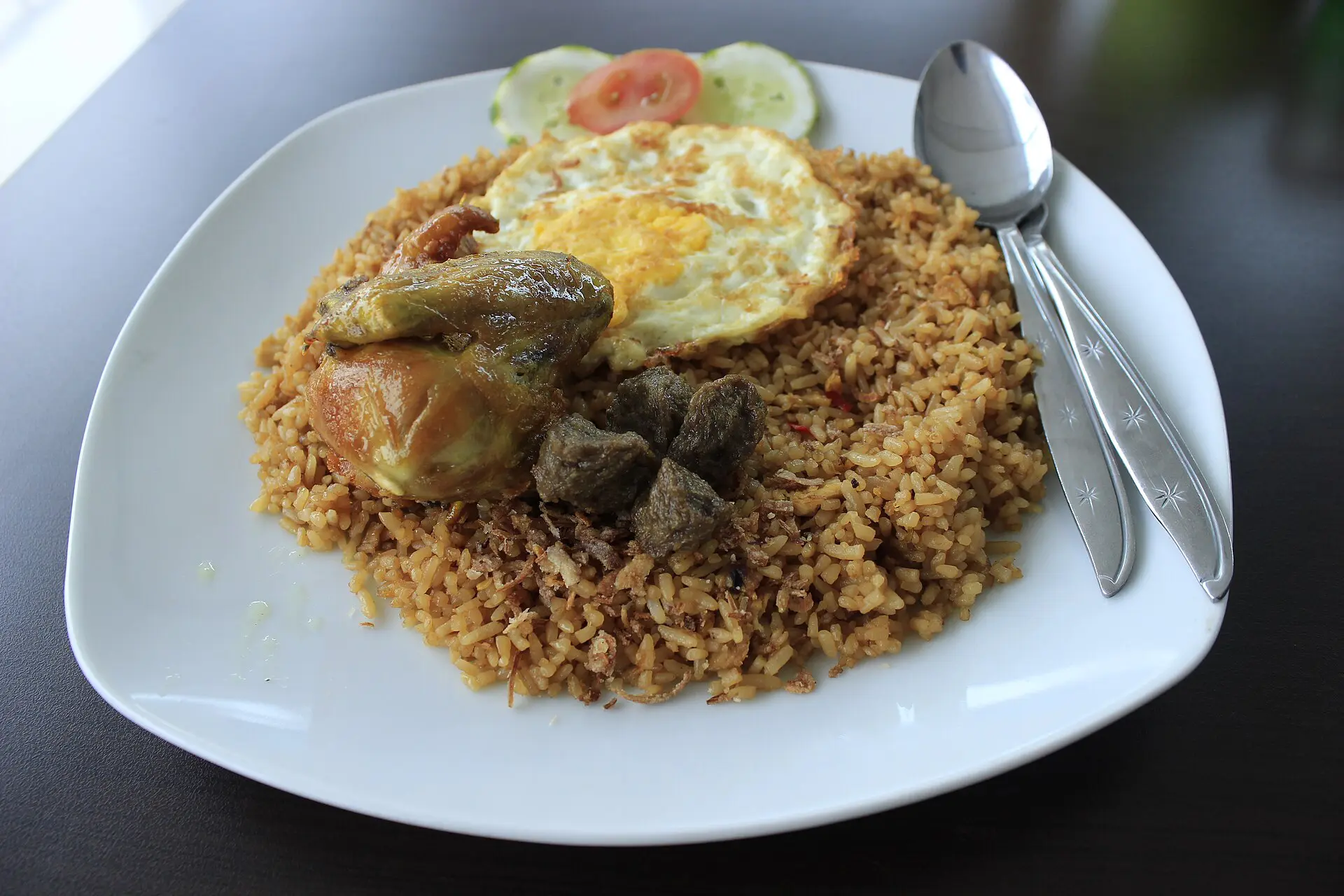
- Nasi goreng: fried rice with an egg, a national staple at any hour.
- Mie goreng: stir-fried noodles with vegetables and egg.
- Satay (sate): grilled skewers with peanut sauce, with variations from Madura to Bali.
- Rendang: a slow-cooked, dry beef curry from West Sumatra, often ranked among the world’s great dishes.
- Gado-gado: blanched vegetables with peanut sauce, a good vegetarian choice.
- Babi guling: Balinese roast suckling pig, found in specialist warungs in Ubud.
- Bakso and soto: meatball soup and spiced chicken soup.
- Kopi and es teh: strong local coffee, and sweet iced tea.
Indonesia is the largest Muslim-majority country, so pork is rare outside Bali and non-Muslim regions, and most places serve halal food. Alcohol is available in Bali and tourist areas but is expensive and restricted elsewhere. Vegetarians do well with tempeh, tofu, gado-gado and vegetable dishes. Drink bottled water and be cautious with ice from unknown sources.
Culture, language and etiquette in Indonesia
Indonesian, or Bahasa Indonesia, is the national language and is easy to start with: terima kasih (thank you), selamat pagi (good morning) and tolong (please) will earn smiles. Javanese, Balinese and hundreds of other languages are spoken at home. English is common in Bali and tourist areas and less so elsewhere.
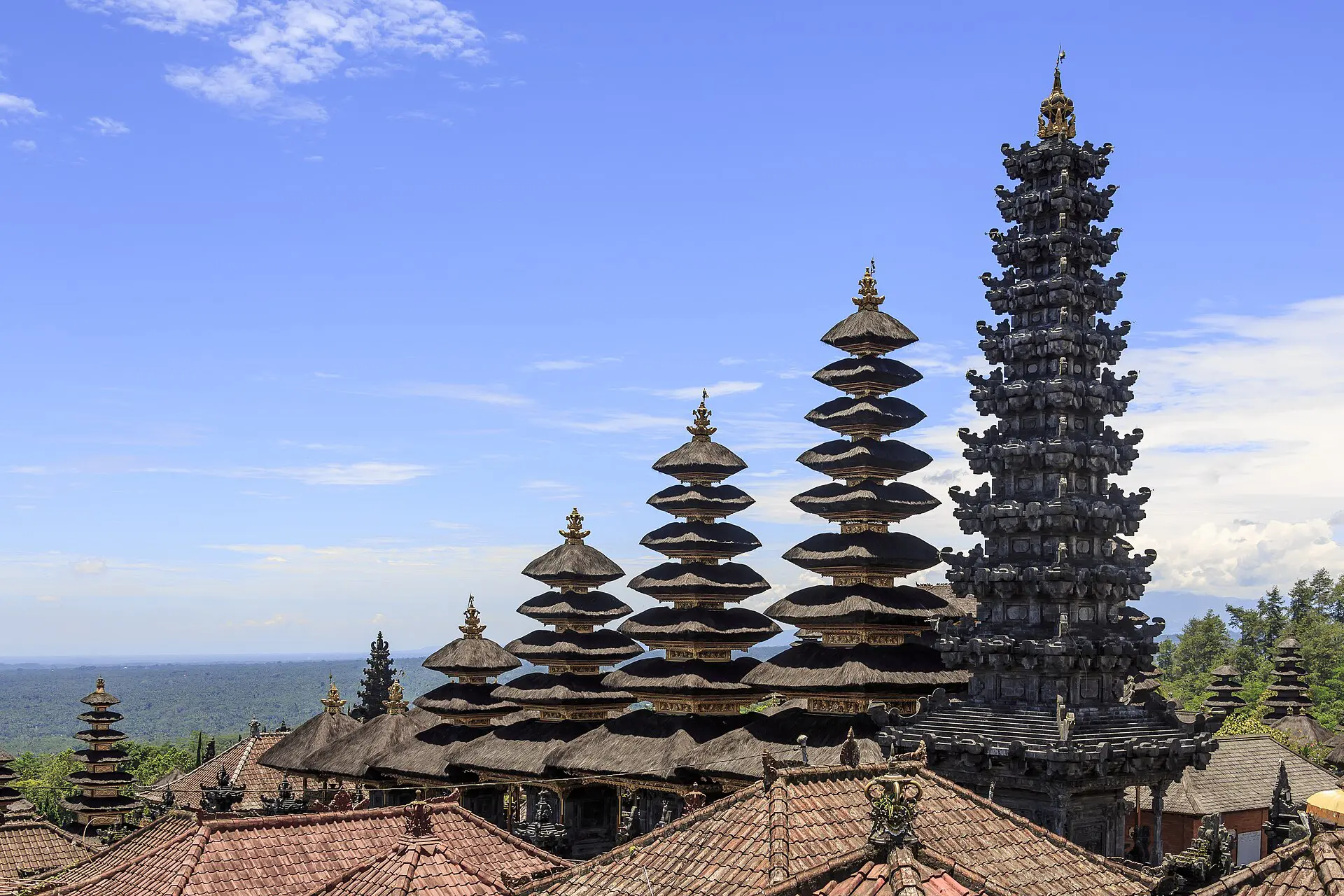
Islam is the majority religion, while Bali is mostly Hindu, and religious life shapes daily routine, including daily offerings on Balinese pavements. Dress modestly away from beach areas, and cover shoulders and knees at temples, where a sarong and sash are required and often provided. Do not step on offerings, climb on sacred structures or take photos during prayer without permission.
Use your right hand to give, receive and eat, and avoid pointing with a finger or touching people’s heads. Smile, speak softly and avoid losing your temper in public, which is considered a loss of face. During Ramadan, eat and drink discreetly in front of fasting people in Muslim-majority areas. Nyepi, Bali’s Day of Silence, closes the airport and shuts public activity for 24 hours, so check dates if you travel in March or April.
Indonesia itinerary: a 7-day route
This route combines Java’s heritage with Bali’s coast and uses one domestic flight. It works best from April to October.
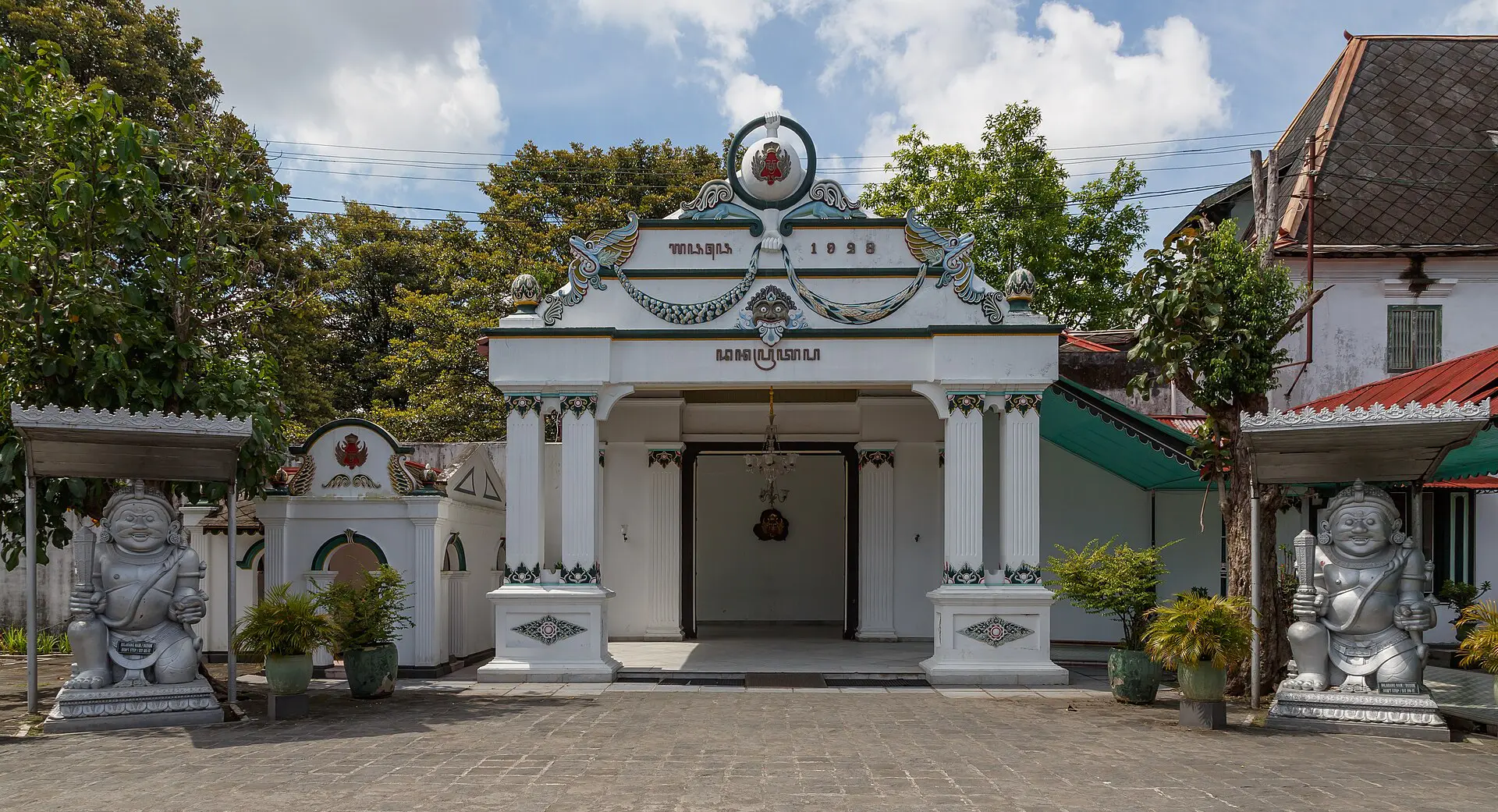
- Day 1, Yogyakarta: arrive, visit the Kraton palace and walk the old city and Taman Sari water castle.
- Day 2, Borobudur and Prambanan: see Borobudur at sunrise if possible, then Prambanan in the afternoon.
- Day 3, fly to Bali: take a short flight of about an hour and a half, transfer to Ubud, and walk to the Monkey Forest or a market.
- Day 4, around Ubud: visit Tegalalang rice terraces early, then a cooking class or art village such as Mas.
- Day 5, Nusa Penida: take a fast boat from Sanur, see Kelingking and Crystal Bay on a day trip or overnight.
- Day 6, Uluwatu: relax on a southern beach and watch a Kecak dance at the cliff temple at sunset.
- Day 7, departure: transfer to Ngurah Rai airport, allowing for heavy traffic.
If you prefer volcanoes to beaches, replace Days 5 and 6 with an East Java trip to Bromo by flight to Surabaya. Add Lombok or Komodo with extra days.
Practical tips for Indonesia
- Money: the rupiah is the currency; ATMs are common but may have low limits and fees, and cards are accepted in hotels and tourist restaurants but not in small warungs. Use authorised exchange offices and count notes.
- SIM and eSIM: prepaid SIMs and eSIMs are cheap and have good coverage in main areas. Foreign phones may need registration after a period, so check current rules.
- Plugs: types C and F at 230 V.
- Tipping: not obligatory; around 5 to 10 percent in tourist restaurants if no service charge is included, and small tips for drivers and guides.
- Health: see a travel clinic about vaccines, use insect repellent against dengue-carrying mosquitoes, avoid tap water and avoid contact with stray dogs and monkeys, which can carry rabies.
- Packing: light clothing, a sarong, reef-safe sunscreen, a rain jacket, and sturdy shoes for volcano hikes.
- Booking: reserve Komodo boat trips, Rinjani treks and Bali accommodation early for July and August.
For wider background, see the Wikivoyage Indonesia guide.
FAQ
Q1What is Indonesia food like?
Indonesia food is built on rice, chilli, coconut and spice pastes. Popular dishes include nasi goreng, satay, rendang, gado-gado, bakso soup and Balinese babi guling. Most food is halal outside Bali, and vegetarians can eat well with tempeh, tofu and vegetable dishes.
Q2Is Indonesia safe?
Yes, for most visitors. Main risks are motorbike accidents, petty theft, rough seas, volcanic and earthquake activity, and strict drug laws. Use licensed transport and exchange offices, follow local alerts and check your government's current travel advice.
Q3Do I need a visa for Indonesia?
It depends on your nationality. Many visitors can get a visa on arrival or an e-visa for about 30 days, extendable once, and some enter visa-free. Fees and arrival forms change, so use only the official Indonesian immigration site and check before travel.
Q4What are the best things to do in Indonesia?
Top things to do in Indonesia include seeing Borobudur and Prambanan, watching sunrise at Mount Bromo, exploring Ubud and Bali's temples, diving or snorkelling, trekking Rinjani, taking a boat trip to see Komodo dragons and meeting orangutans in Sumatra or Borneo.
Q5What is the best time to visit Indonesia?
April to October is best for Java, Bali, Lombok and Komodo, with dry weather and calm seas. July and August are busiest. November to March is wetter and cheaper, with rough seas and some trek closures. Regional patterns differ in Sumatra and Maluku.
Q6What are the best places to visit in Indonesia?
Bali is the most popular, followed by Yogyakarta with Borobudur and Prambanan, Mount Bromo, Lombok and the Gili Islands, and Komodo National Park near Labuan Bajo. Raja Ampat and Tana Toraja suit longer, more adventurous trips.
Q7Is Indonesia safe to visit for solo travellers?
Solo travellers, including women, generally travel Indonesia safely, particularly in Bali, Java and Lombok. Take care with motorbikes, drinks at bars and isolated beaches at night, dress modestly in conservative areas and use ride-hailing apps. Keep a copy of your insurance details.