Why visit Brunei
The things to do in Brunei are few but distinctive, and they come with an absence of crowds. The country, formally Brunei Darussalam, is a sultanate on the north coast of Borneo, entirely surrounded by the Malaysian state of Sarawak except for its South China Sea coast (see the Wikipedia overview for background). It has about 466,000 people, wealth from oil and gas, and a government that keeps a conservative, religious society.
Brunei suits travellers who want to combine it with Sarawak or Sabah, culture seekers interested in Malay Islamic life, and anyone who wants rainforest without the visitor numbers of neighbouring states. It does not offer grand man-made attractions, so it is not for those chasing nightlife or shopping spectacle. Two to four days is the usual stay.
Best places to visit in Brunei
The best places to visit in Brunei are concentrated around the capital, with the rainforest of Temburong district a short boat ride away.
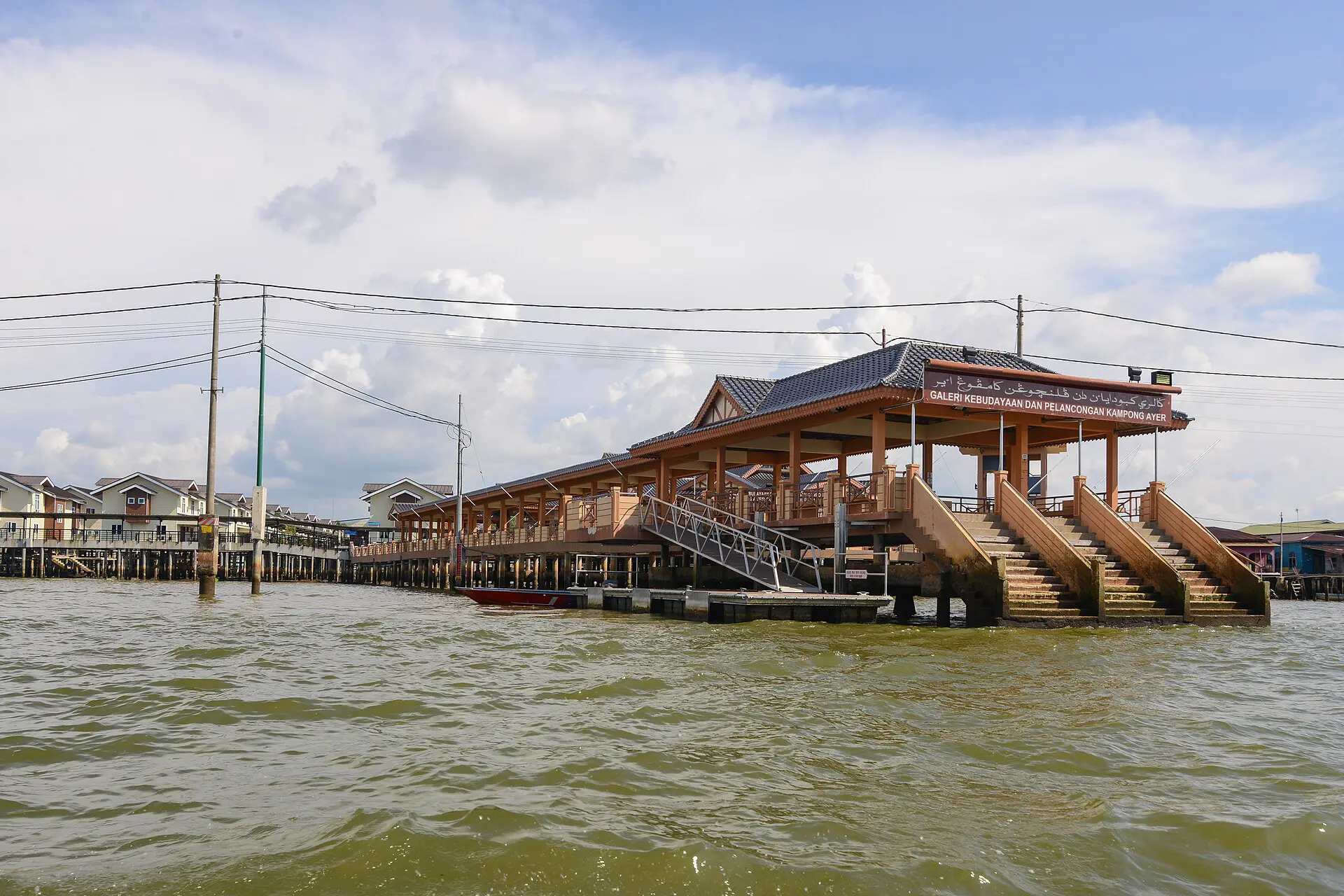
Bandar Seri Begawan
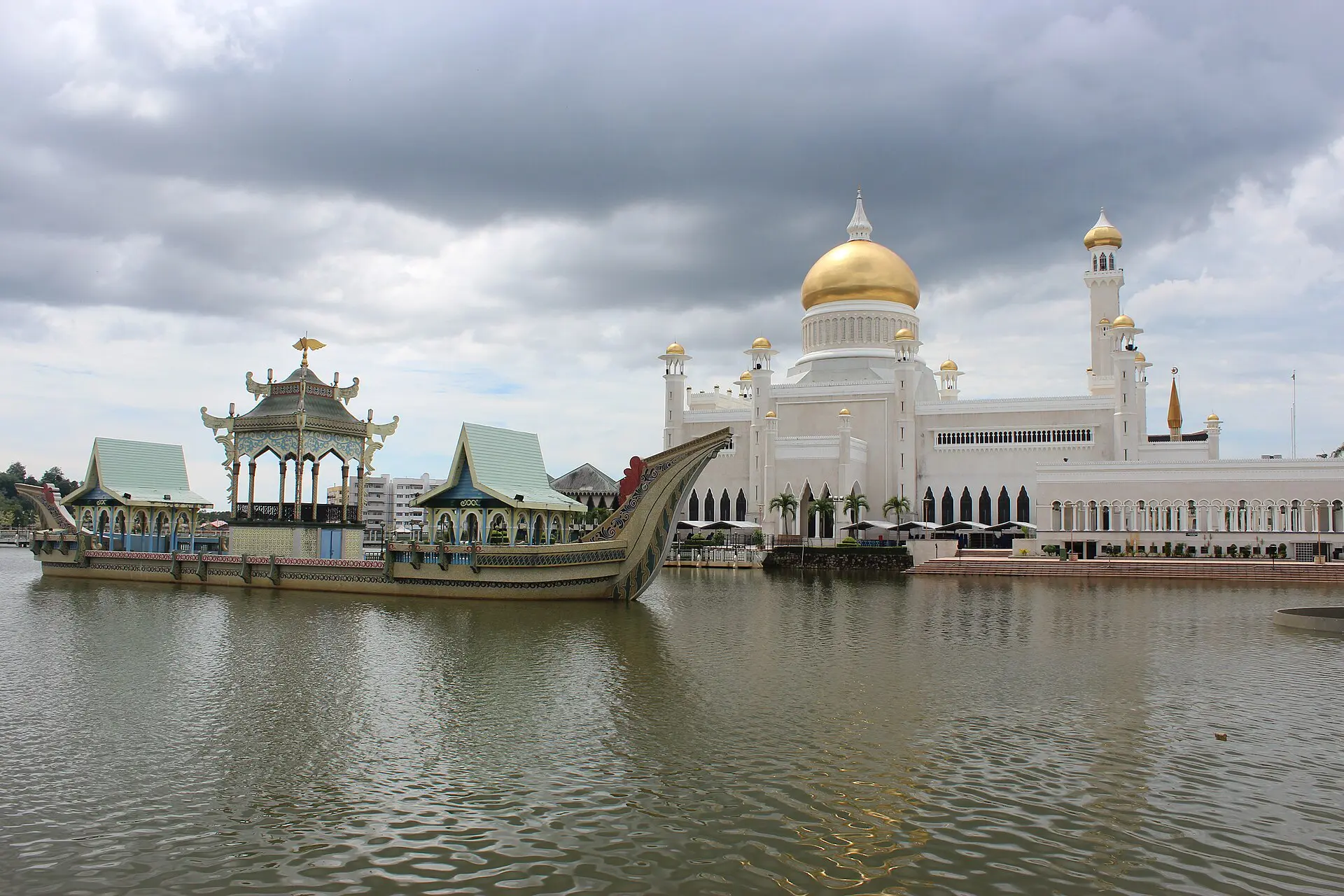
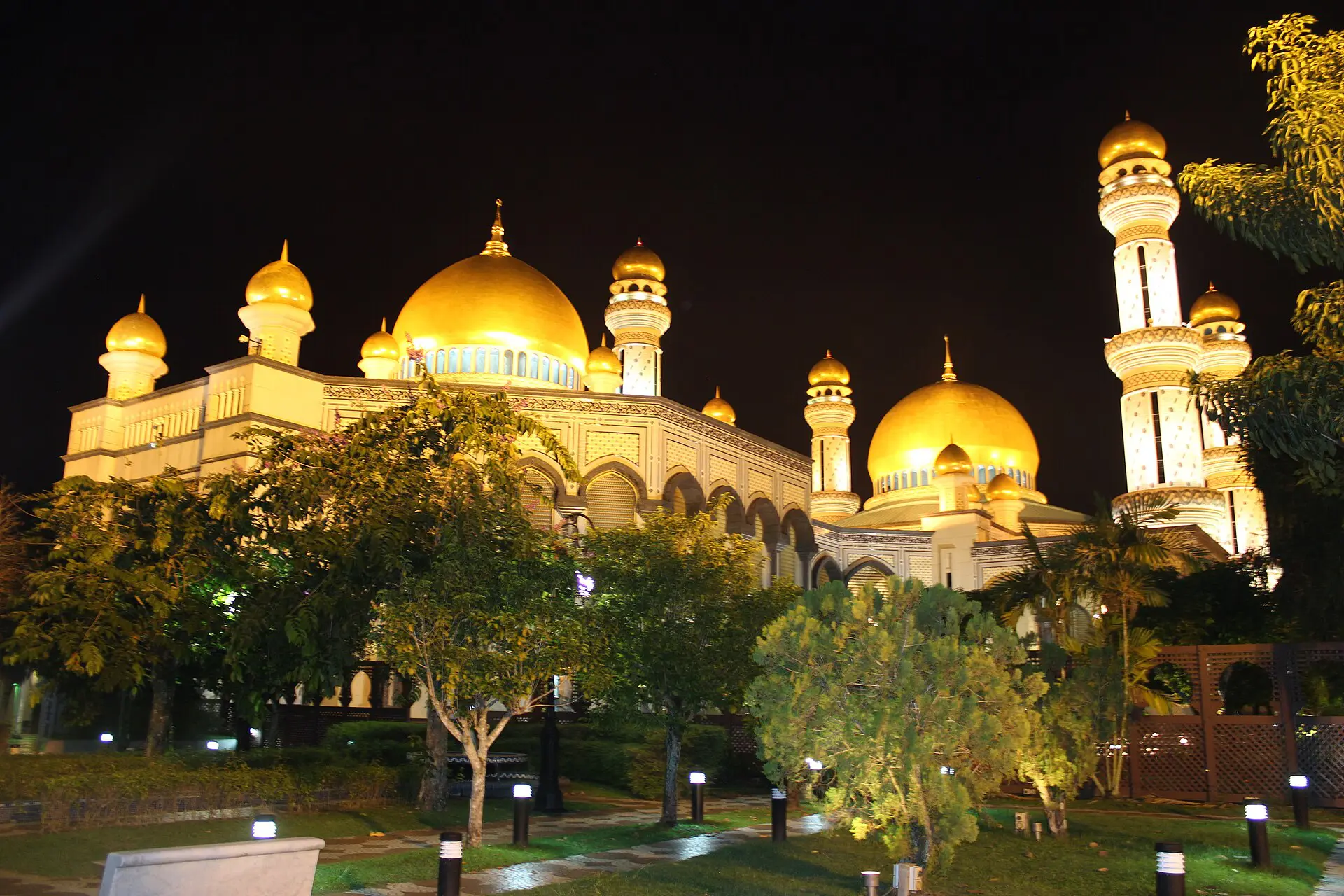
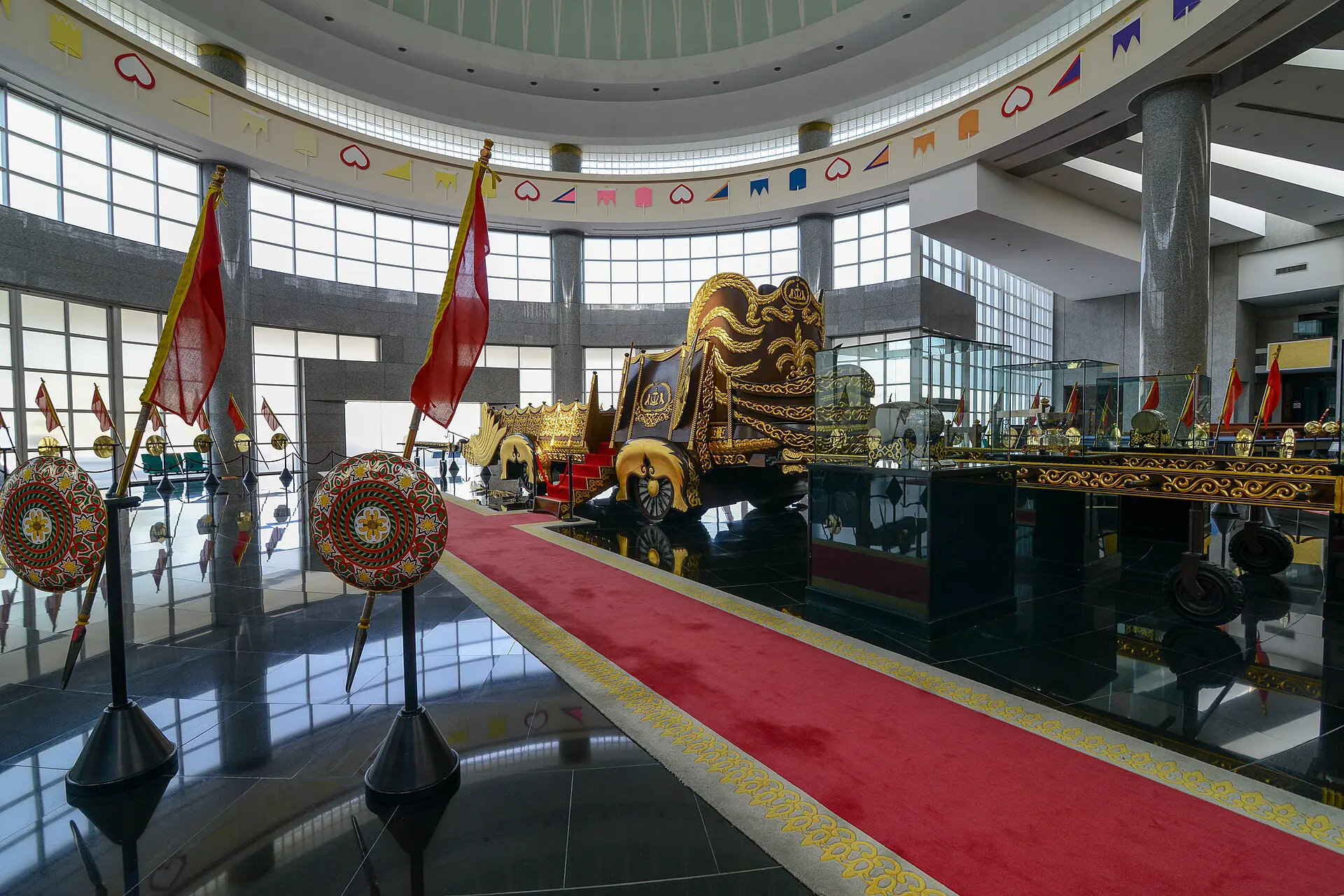
The capital, often shortened to BSB, is a low-rise city with about 64,000 residents. The Omar Ali Saifuddien Mosque and the Jame’ Asr Hassanil Bolkiah Mosque are the main sights, and the Royal Regalia Museum displays the Sultan’s ceremonial items.
Kampong Ayer
This cluster of stilt villages on the Brunei River is often described as one of the largest water villages in the world. Water taxis cross from the city waterfront, and a cultural gallery explains daily life. Many residents still live there.
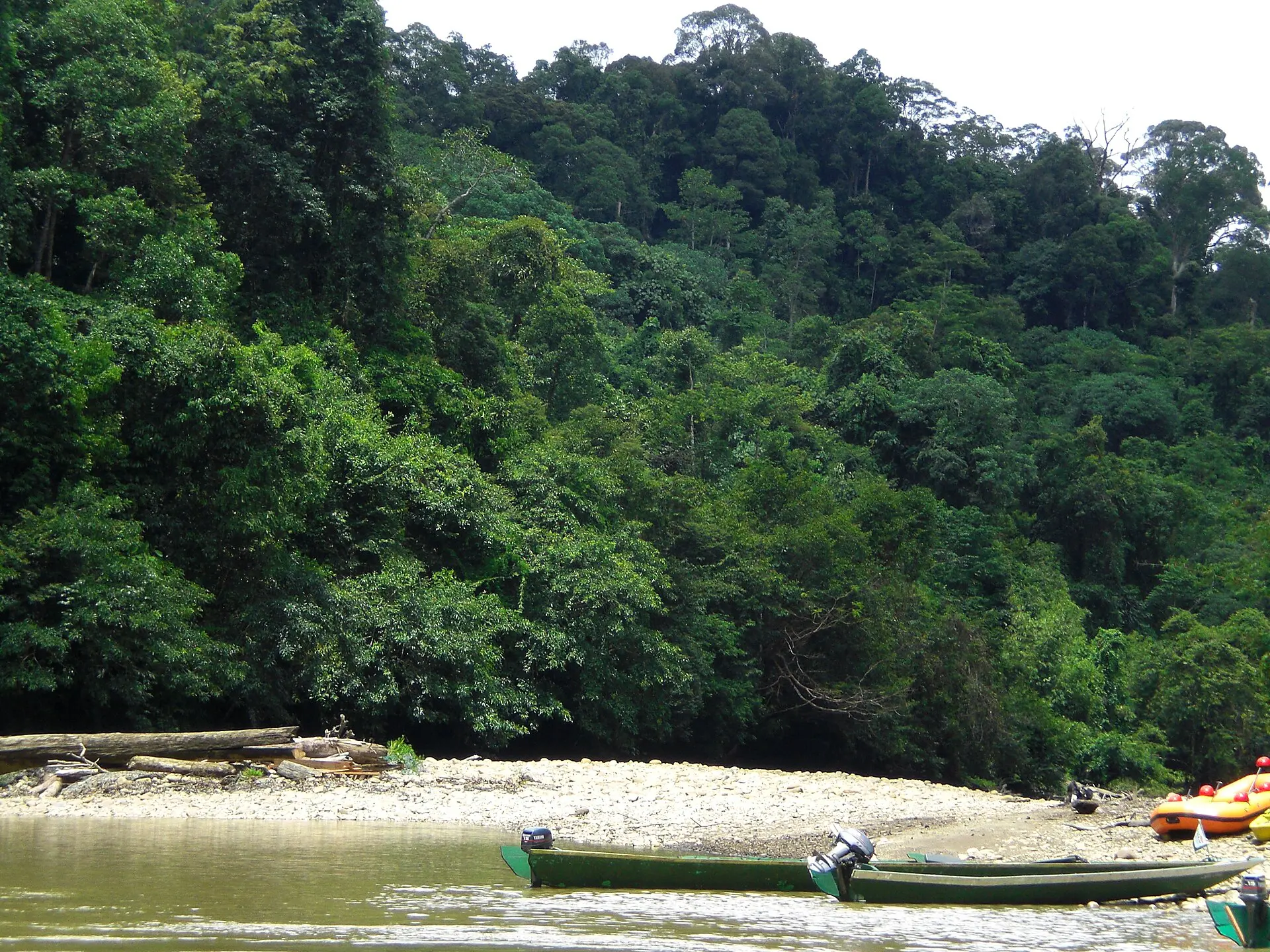
Ulu Temburong National Park
Brunei’s only national park is reached by boat and longboat from Bangar. A canopy walkway rises above the treetops, and guided jungle walks cover waterfalls and wildlife. Temburong is separated from the rest of the country by Malaysian territory.
Seria
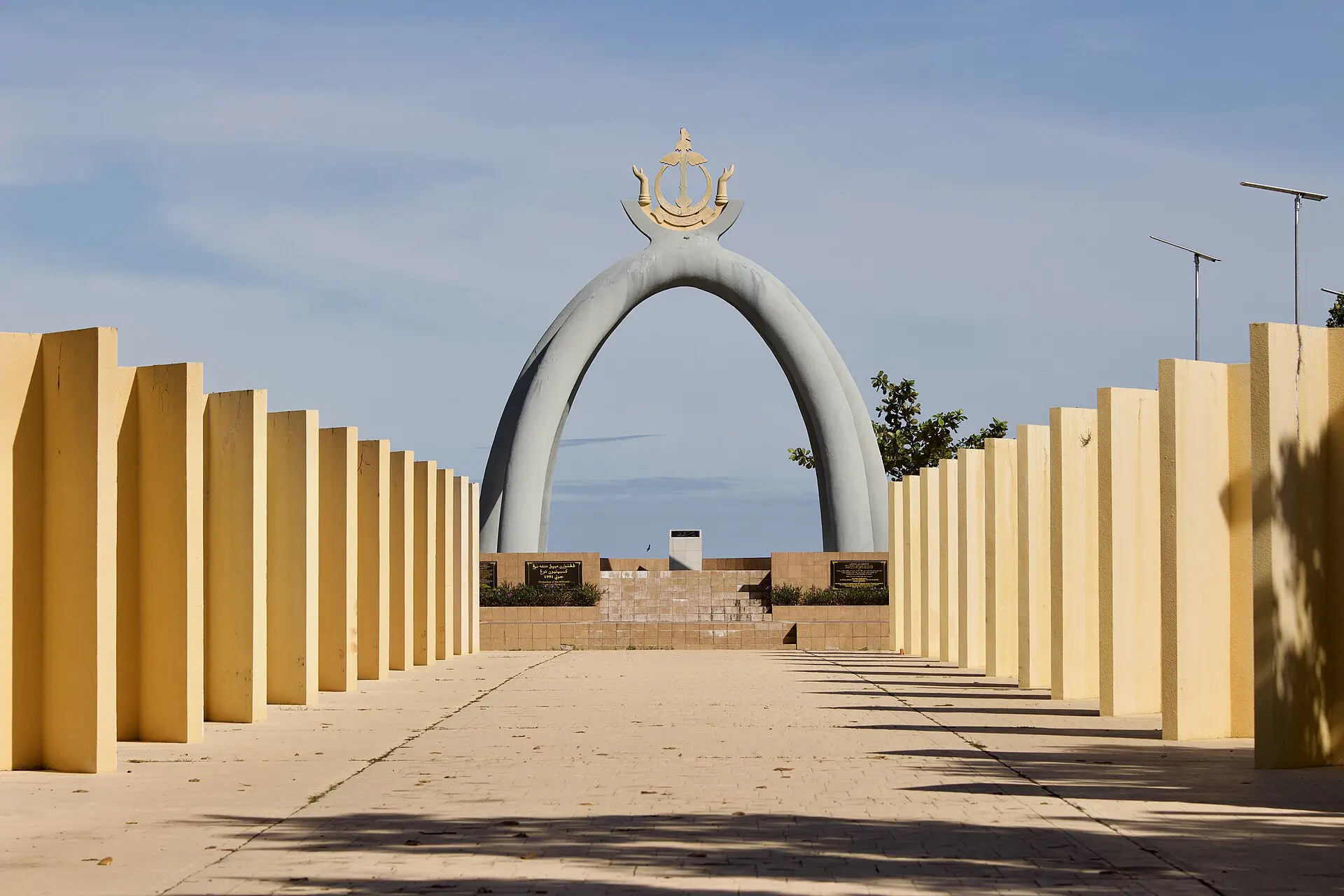
The oil town of Seria has the Billionth Barrel Monument and an oil and gas discovery centre that explains the industry that funds Brunei.
Tutong and Muara
Tutong is a small riverside town with local markets and quiet beaches. Muara is the port and ferry gateway, with beaches nearby.
Top things to do in Brunei
The top things to do in Brunei mix religious architecture, river life and rainforest, and they fit into a short trip.
- Visit the mosques: non-Muslim visitors are usually welcome outside prayer times, with modest dress and a robe provided at some sites.
- Take a water taxi through Kampong Ayer: a short crossing is cheap, and many visitors negotiate an hourly tour.
- Walk the Ulu Temburong canopy: go with a licensed guide and an early start, as the climb is steep.
- Tour the Royal Regalia Museum: exhibits include the Sultan’s coronation items and gifts from other countries.
- Eat at the Gadong night market: stalls sell grilled satay, noodles and kuih sweets after sunset.
- Look for proboscis monkeys: river cruises at dusk in the Brunei estuary offer good chances of seeing them.
- Visit Tamu Kianggeh: this riverside market sells produce, snacks and local crafts, and is busiest in the morning.
- See the Billionth Barrel Monument in Seria: it marks the historic oil milestone in 1991.
- Walk the Tasek Lama recreational park: forest trails and small waterfalls lie close to the city centre.
Best time to visit Brunei
The best time to visit Brunei is February to April, when rain is lightest, although the climate is hot and humid all year and showers can come at any time. The wettest months are usually November to January, when heavy rain can make boat travel and jungle trails less pleasant.
| Season | Weather | Crowds and prices | Good for |
|---|---|---|---|
| Feb-Apr | Hot, humid, least rain | Low; no real peak | Rainforest, river trips |
| May-Aug | Hot, showers likely | Low; busier during school holidays | Mosques, markets, diving |
| Sep-Oct | Warm, increasingly wet | Low | City sights, food |
| Nov-Jan | Heavy rain and storms | Low; local holidays raise prices | Museums, indoor sights |
Ramadan changes daily life, with many restaurants closed during the day, and the Sultan’s birthday celebrations in July draw local crowds. Check dates for the year you plan to travel.
Is Brunei safe?
Is Brunei safe? Yes, it is very safe for visitors, and crime rates are low. The main concerns are legal rather than criminal: Brunei applies a version of Islamic law alongside common law, and visitors must follow local rules. Check the UK FCDO or US State Department pages for current advice before you go.
Laws. Alcohol sale is banned, and non-Muslim visitors may bring in a limited amount for personal use under customs rules that change, so check before you pack. Drugs carry severe penalties, including the death penalty for trafficking. Same-sex relations are illegal under the law, and public displays of affection are discouraged. Dress modestly and avoid behaviour that could be considered disrespectful of Islam.
Nature and health. Heat and humidity are the biggest physical challenges, so drink water often and avoid midday exertion. In the rainforest, use repellent, wear sturdy shoes, and stay with guides on trails. Dengue occurs in the region.
Roads. Traffic is light, but heavy rain can cause flooded roads.
Brunei visa and entry requirements
Brunei visa rules depend on your nationality. Citizens of many countries, including the UK, EU members and the US, have generally been able to enter visa-free for short tourist stays of up to 90 days, but some nationalities have shorter limits and others need a visa in advance. Confirm the current requirement with the Brunei Immigration Department or the nearest Brunei embassy.
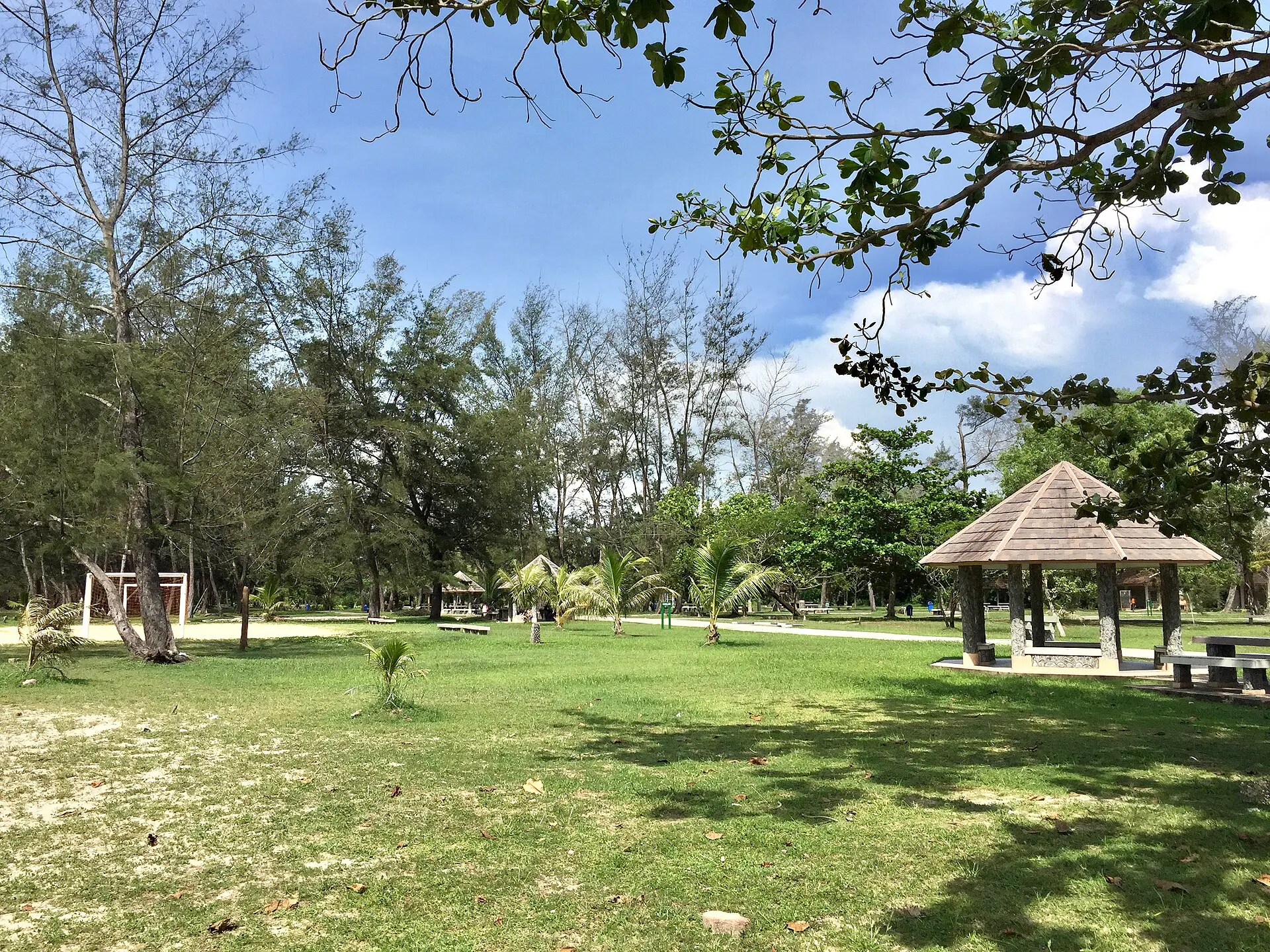
Bring a passport valid for at least six months and a return or onward ticket, and expect questions about where you will stay. Customs officers check for alcohol, drugs, firearms and non-halal meat, and import rules for alcohol and some media are strict. If you arrive overland from Sarawak, you will clear immigration at each border crossing, including the Temburong crossings that interrupt Malaysian territory.
The UNESCO page for Brunei shows the country has no World Heritage sites, so do not plan a trip around them.
Getting to and around Brunei
Brunei International Airport near Bandar Seri Begawan has flights from Singapore, Kuala Lumpur, Kota Kinabalu, Bangkok, Dubai and a few other cities, mostly on Royal Brunei Airlines. Many travellers arrive overland from Miri in Sarawak by bus, which takes around two to three hours including border formalities. Ferries link Muara with Labuan, Malaysia, and onward to Sabah.
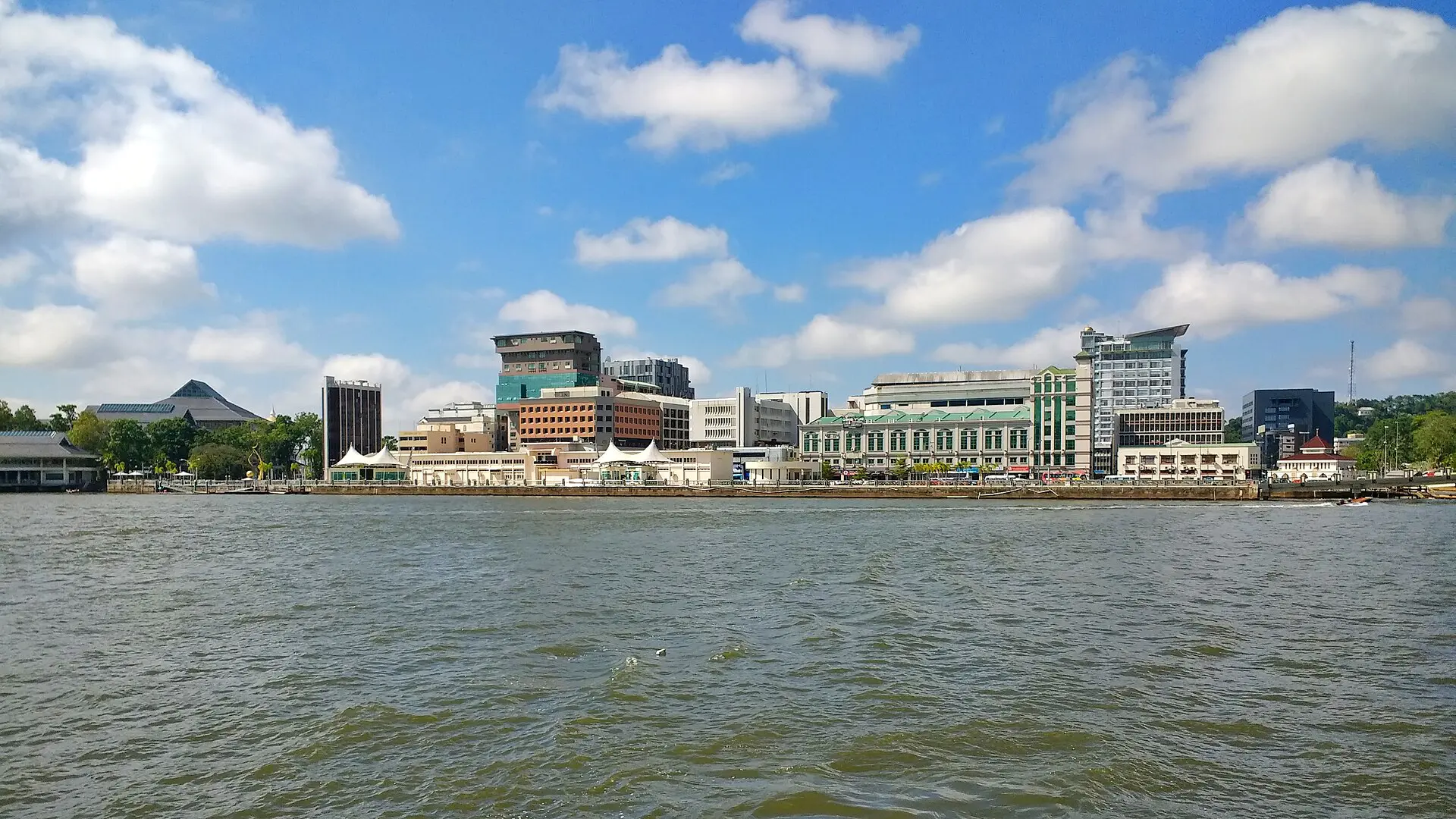
Public transport is limited. Buses run in and around the capital, but schedules are thin, and many visitors use taxis or ride-hailing apps. A rental car is helpful for Tutong, Seria and Kuala Belait, and drivers use the left side of the road. Check that the rental company accepts your licence.
To reach Ulu Temburong, travellers usually join a tour that includes the speedboat from the capital, a road section and longboats. It is a full day. Water taxis are the best way to see Kampong Ayer.
How much does a trip to Brunei cost?
Brunei is not a budget destination, though food and local transport are cheap. The Brunei dollar (BND) is pegged at parity with the Singapore dollar, and both are widely accepted. The figures below are rough per-person guides for 2026.
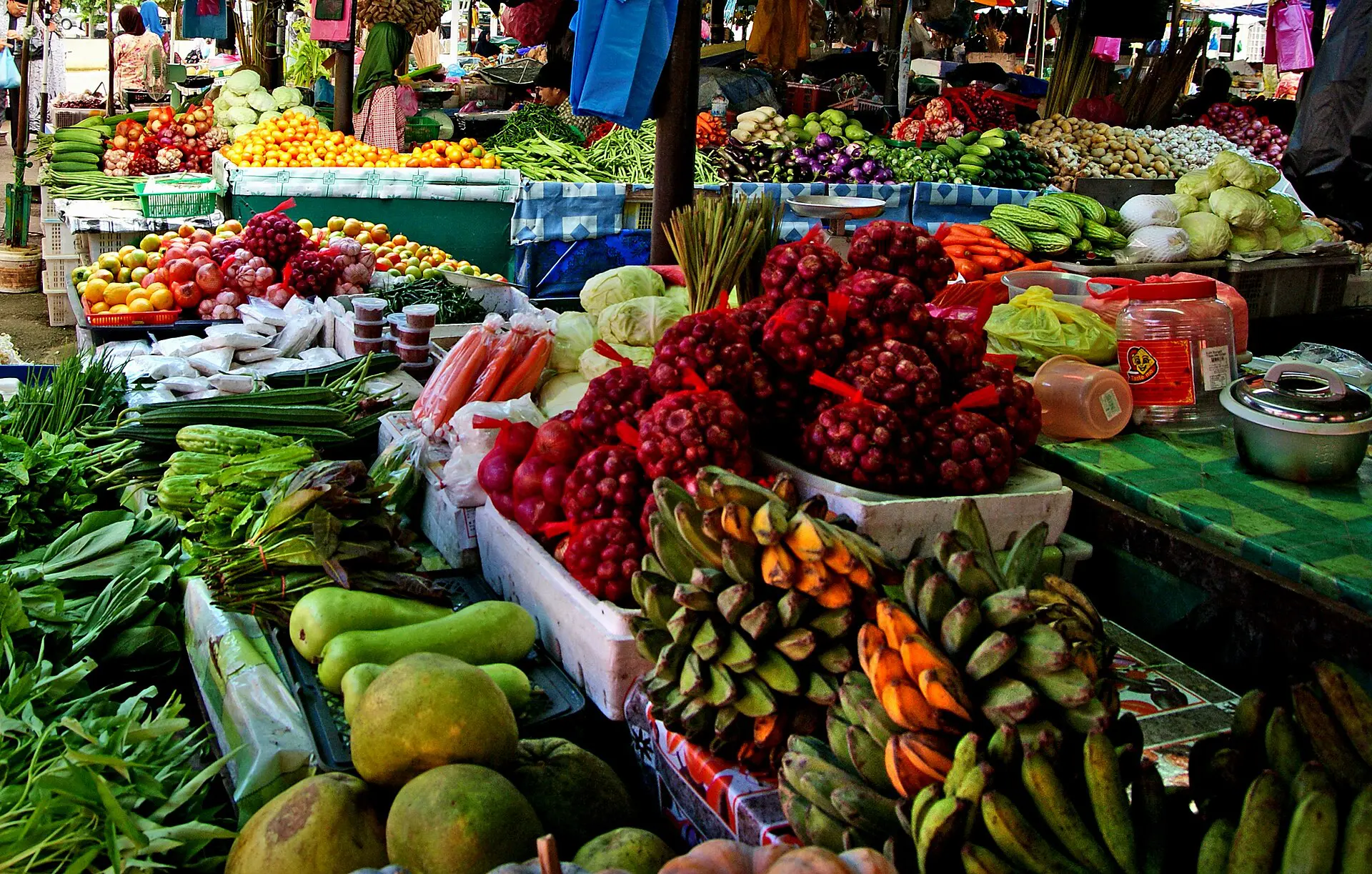
- Budget: around BND 50 to 90 per day, with a hostel or simple hotel, hawker food and walking.
- Mid-range: around BND 100 to 180 per day, with a comfortable hotel, restaurant meals and a few tours.
- High-end: from around BND 250 per day, with a luxury hotel, private guides and taxis.
Accommodation is the biggest cost, since the hotel supply is small. Tours to Ulu Temburong are priced per person and add up, but include transport and a guide. Many attractions, including the mosques, are free or cheap. Because alcohol is not sold, nights out cost less than in neighbouring countries.
Brunei food and drink
Brunei food is Malay at heart, with Chinese and Indian influences and a lot of fresh seafood. All restaurants serve halal food, and alcohol is not sold.
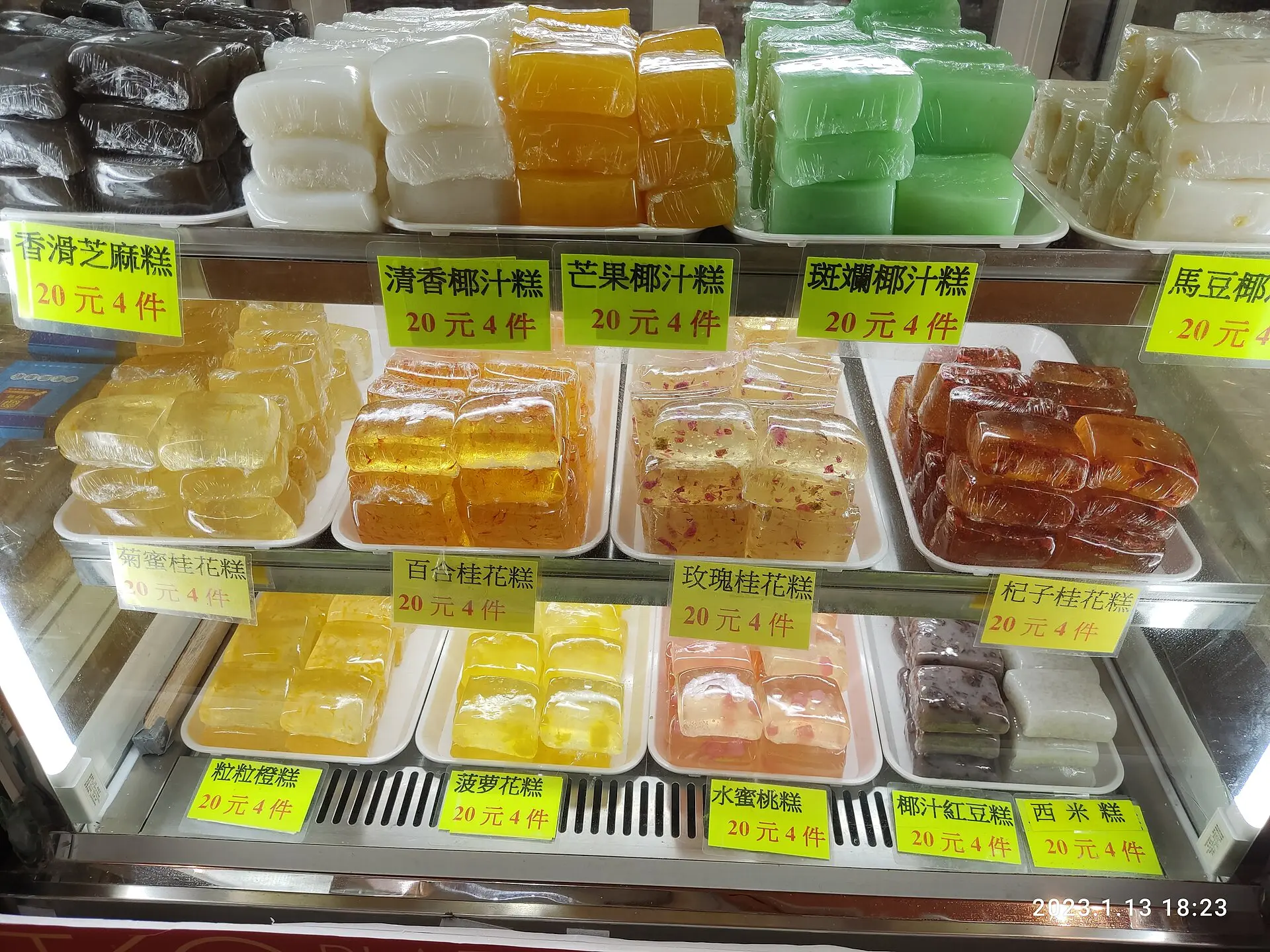
- Ambuyat: a sticky sago starch eaten by twirling it on a bamboo fork and dipping it into sour sauces.
- Nasi katok: rice with fried chicken and sambal, a cheap and popular takeaway.
- Soto: a spiced noodle or rice soup, common at breakfast.
- Beef rendang: slow-cooked beef in coconut and spices, often at celebrations.
- Satay: grilled skewers served with peanut sauce at night markets.
- Kuih: small steamed or fried sweets sold in markets.
- Teh tarik and local coffee: sweet drinks served hot or iced.
Look for food courts and night markets, such as Gadong, for the best value. Vegetarians can find noodle, rice and vegetable dishes, but many sauces use shrimp paste. Restaurants may close during daytime in Ramadan, and tap water is not always recommended for drinking.
Culture, language and etiquette in Brunei
Malay is the official language, and English is widely understood, especially in business and tourism. Chinese dialects and Tamil are also heard. Islam is the state religion, and the Sultan is both head of state and head of government. The monarchy is deeply respected, so avoid criticism or jokes about the royal family.
Dress modestly. Cover shoulders and knees in public, and women should carry a scarf to cover their hair in mosques. Remove shoes before entering mosques and homes. Use the right hand for eating, giving and receiving, and do not point with a finger or touch someone’s head.
Friday is a day of prayer, and many businesses close around midday. During Ramadan, avoid eating, drinking or smoking in public in daylight. Public displays of affection are frowned on, and a courteous greeting with a light handshake is normal. Ask before photographing people, especially women, and do not photograph the royal palace grounds beyond permitted viewing areas.
Brunei itinerary: a 7-day route
Brunei itself needs only three to four days, so this route combines it with a short overland extension into Sarawak.
- Day 1, Bandar Seri Begawan: arrive, walk the waterfront and visit the Omar Ali Saifuddien Mosque at sunset.
- Day 2, Kampong Ayer and the city: take a water taxi through the stilt village, then visit the Royal Regalia Museum and Tamu Kianggeh.
- Day 3, Ulu Temburong: take a full-day tour to the canopy walkway and the river.
- Day 4, Jame’ Asr mosque and Gadong: visit the mosque in the afternoon and eat at the Gadong night market.
- Day 5, Seria and Kuala Belait: drive about 1.5 hours west, see the Billionth Barrel Monument, then continue to the border.
- Day 6, Miri, Sarawak: cross by bus or car, and explore the city or the nearby Niah or Mulu national parks if you have time.
- Day 7, departure: fly out of Miri or return to Bandar Seri Begawan by road.
If you prefer to stay in Brunei, cut the Sarawak section and add a night in Tutong.
Practical tips for Brunei
- Money: the Brunei dollar and Singapore dollar are interchangeable at par. ATMs are common in the capital, and cards are accepted in hotels and malls. Carry cash for markets and water taxis.
- SIM and eSIM: local prepaid SIMs and eSIMs are available at the airport or in town, and coverage is good in populated areas.
- Plugs: type G sockets at 240 V, as in the UK.
- Tipping: not expected, though a service charge appears on some hotel and restaurant bills.
- Health: bring repellent, sunscreen and insurance. Pharmacies and clinics are good in the capital.
- Packing: light, loose clothing that covers shoulders and knees, a rain jacket, sturdy shoes for the jungle and a scarf for women visiting mosques.
- Alcohol: check import rules before you travel, because restrictions are strict and confiscation is possible.
For wider background, see the Wikivoyage Brunei guide.
FAQ
Q1What is Brunei food like?
Brunei food is Malay-style, with rice, noodles, grilled meats and seafood. Try ambuyat, nasi katok, soto and beef rendang, and visit the Gadong night market. All restaurants are halal and alcohol is not sold, so vegetarians should check for shrimp paste in sauces.
Q2What are the best things to do in Brunei?
Visit the Omar Ali Saifuddien and Jame' Asr mosques, take a water taxi through Kampong Ayer, tour the Royal Regalia Museum, eat at Gadong night market and take a day trip to the Ulu Temburong rainforest canopy walkway. Two to four days is enough.
Q3Is Brunei safe?
Yes, Brunei is very safe for visitors, with low crime. The main risks are legal, as strict Islamic laws apply, including a ban on alcohol sales and severe drug penalties. Dress modestly, respect local customs and check your government's travel advice before you go.
Q4What is the best time to visit Brunei?
February to April is usually driest and best for rainforest trips. Brunei is hot and humid all year, and the wettest months are generally November to January. Avoid Ramadan if you want normal restaurant hours, and check holiday dates, which affect crowds and prices.
Q5Is Brunei safe to visit for solo travellers and women?
Brunei is considered safe for solo travellers, including women, with very low street crime. Dress conservatively, carry a scarf for mosques and use licensed taxis or apps at night. Tourist infrastructure is small, so book accommodation and tours ahead.
Q6Do I need a Brunei visa?
It depends on your passport. Citizens of the UK, EU and US have generally been able to enter visa-free for short stays, but some nationalities need a visa in advance. Check with the Brunei Immigration Department or an embassy before booking, and bring a passport valid for six months.
Q7How many days do you need in Brunei?
Two to four days is enough for the capital, Kampong Ayer, the mosques and a day trip to Ulu Temburong. Add a night in Seria or Tutong if you have time, or combine Brunei with Sarawak or Sabah for a longer Borneo trip.