Why visit Morocco
The best things to do in Morocco are possible because the country is so varied: within a few hundred kilometres, travellers can move from Atlantic surf towns to imperial medinas, snow-capped High Atlas peaks and the dunes of the Sahara. Morocco is the north-western tip of Africa, only a short ferry or flight from Spain and southern France, and it is a gateway to the continent for many first-time visitors (see the Wikipedia overview for its history).
Morocco suits travellers who enjoy sensory, busy places: markets, food, craft workshops and long conversations over mint tea. It works for couples, solo travellers, families with older children and trekkers. It asks for patience with haggling, persistent touts and hot weather, and some travellers find the intensity of the old cities tiring. Spreading your time between cities, mountains and coast makes it easier.
Best places to visit in Morocco
The best places to visit in Morocco range from the imperial cities to the desert, and a first trip usually picks three or four of them.
Marrakech
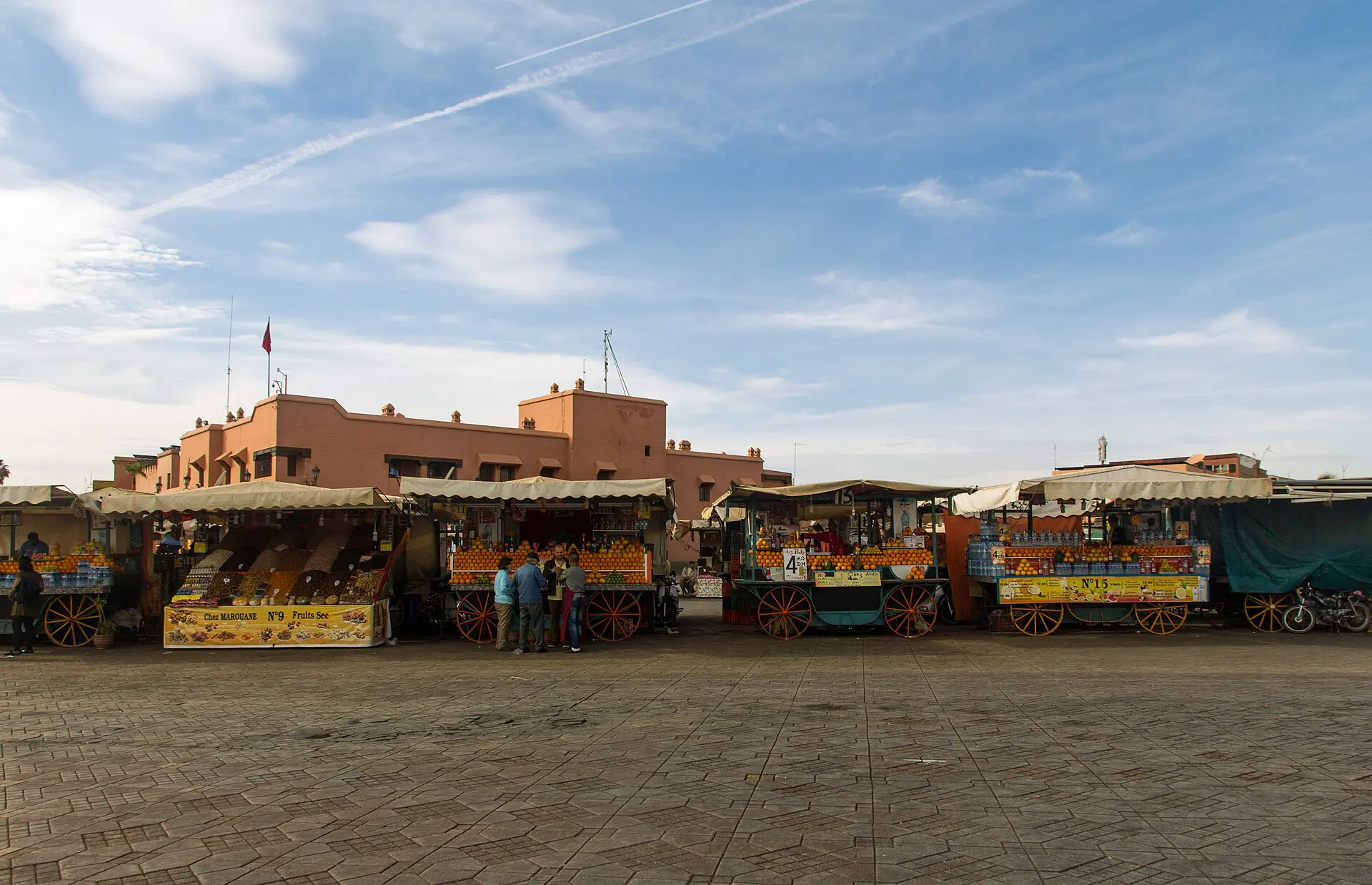
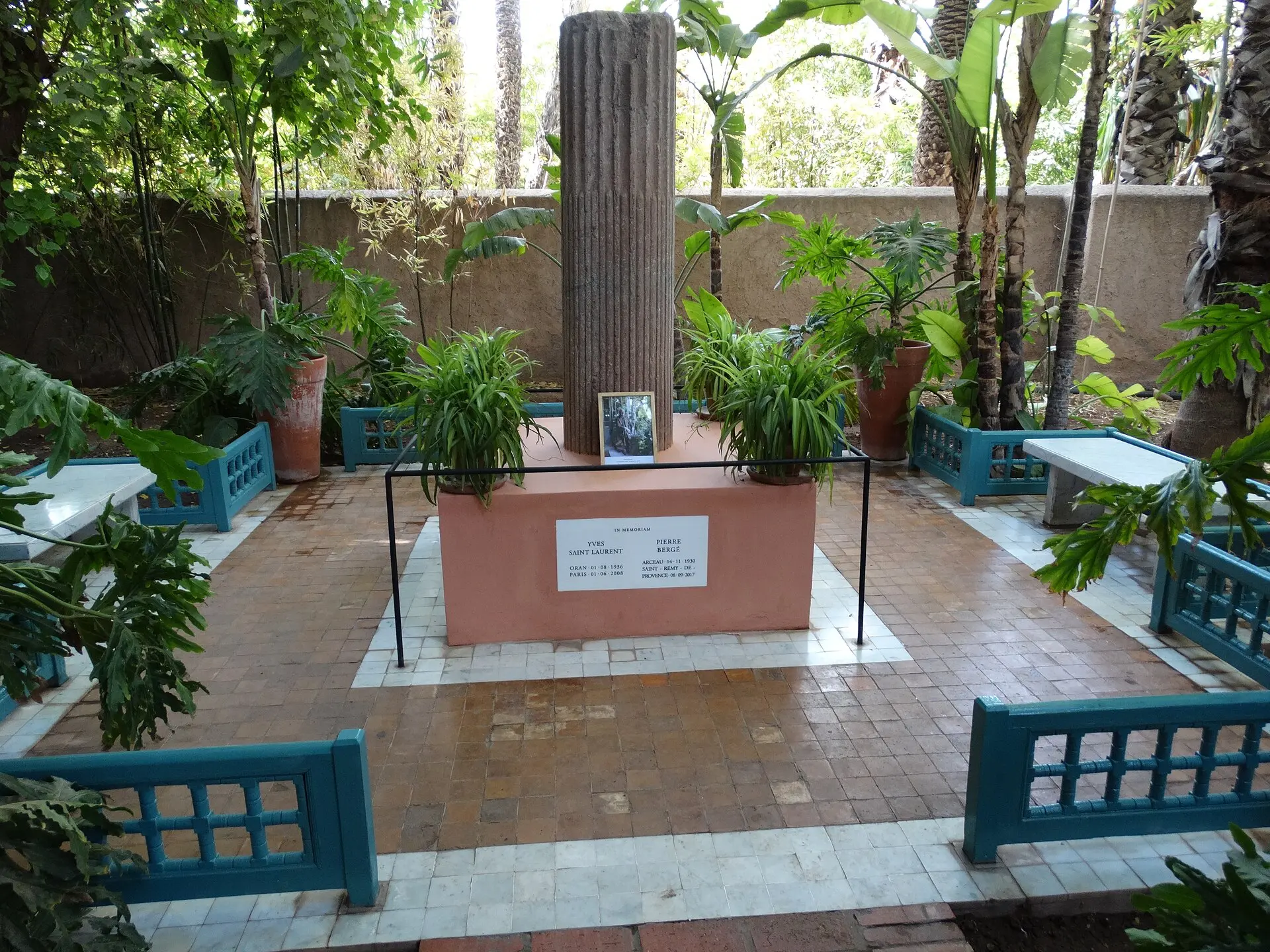
The most visited city has a maze-like medina, the Jemaa el-Fnaa square, the Koutoubia minaret, the Bahia Palace and the Majorelle Garden. Stay in a riad inside the medina and allow at least two nights.
Fes
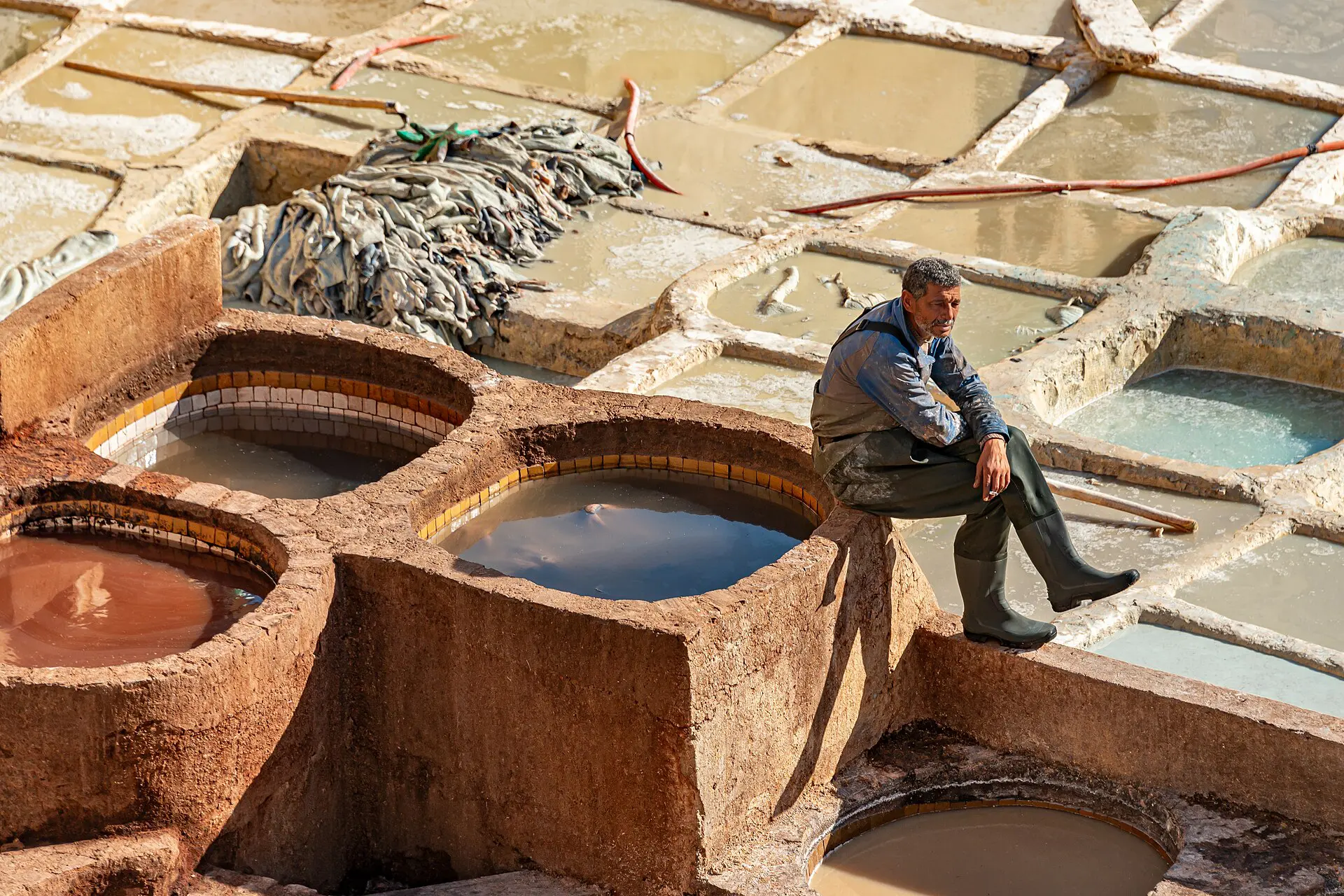
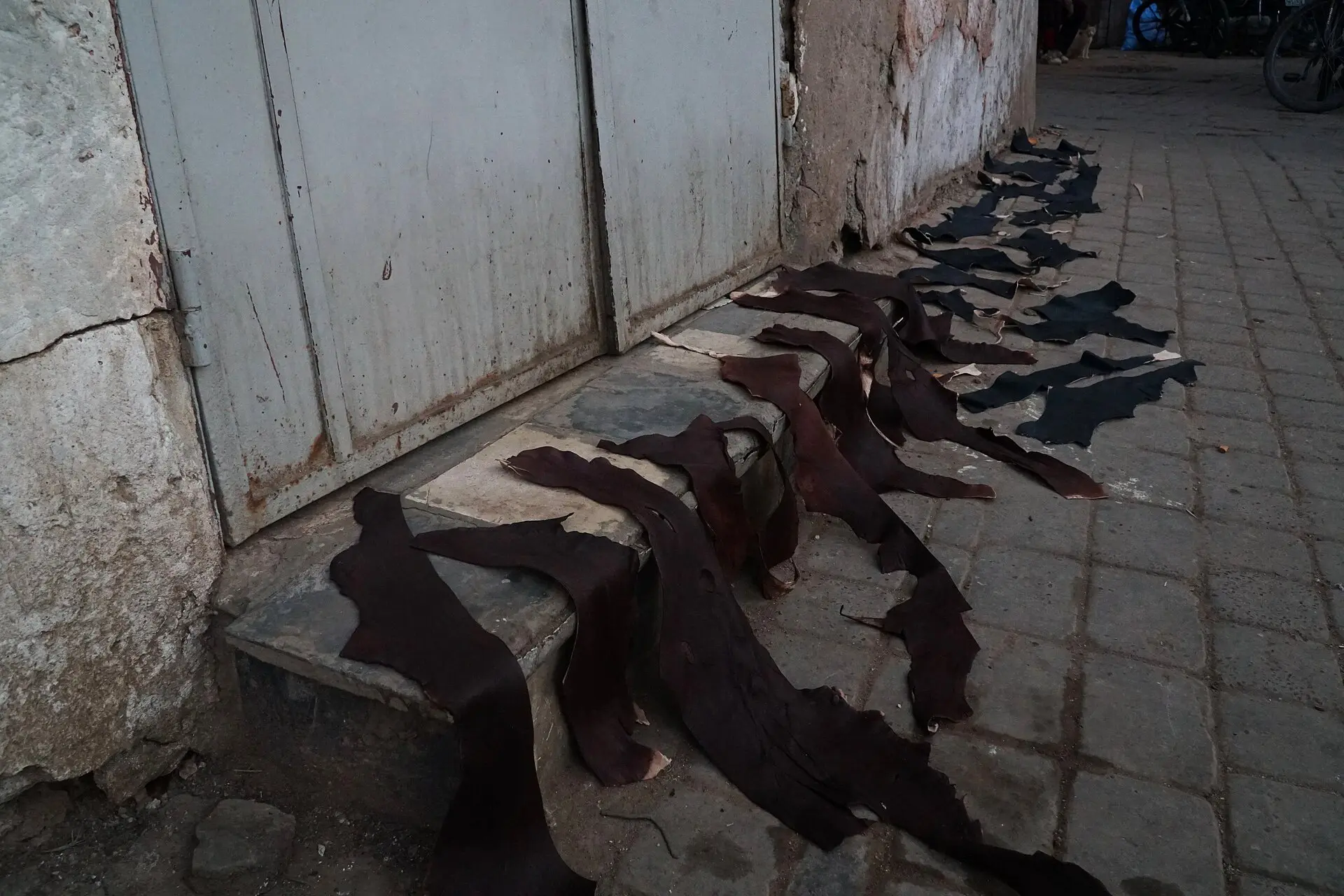
Fes el-Bali is among the largest car-free urban areas in the world, with the Al-Qarawiyyin complex and the Chouara tannery. It feels more traditional and less polished than Marrakech.
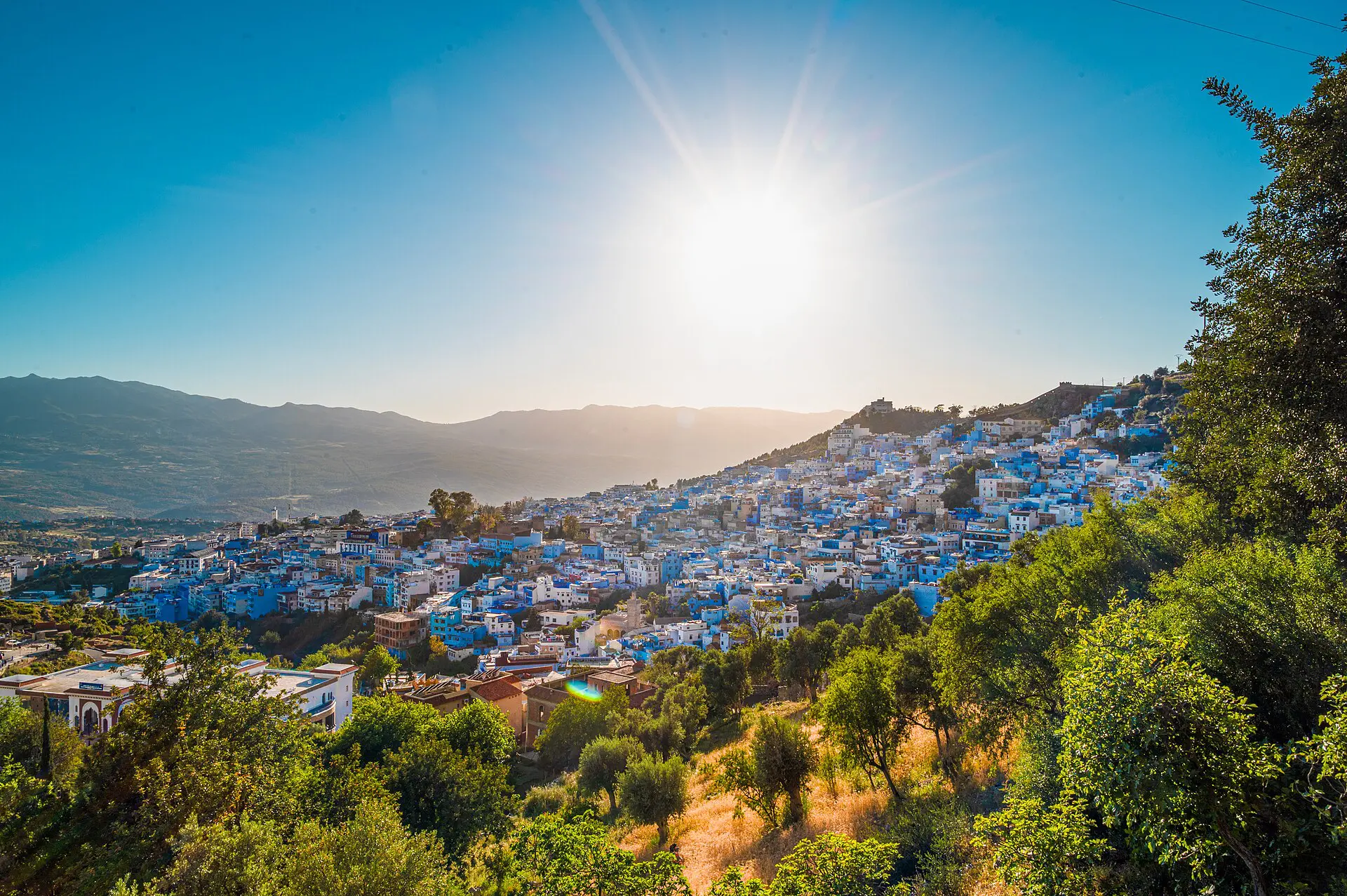
Chefchaouen
The blue-washed mountain town in the Rif is popular for its photogenic lanes and relaxed pace. Many visitors come as a day or night stop between Tangier and Fes.
Essaouira
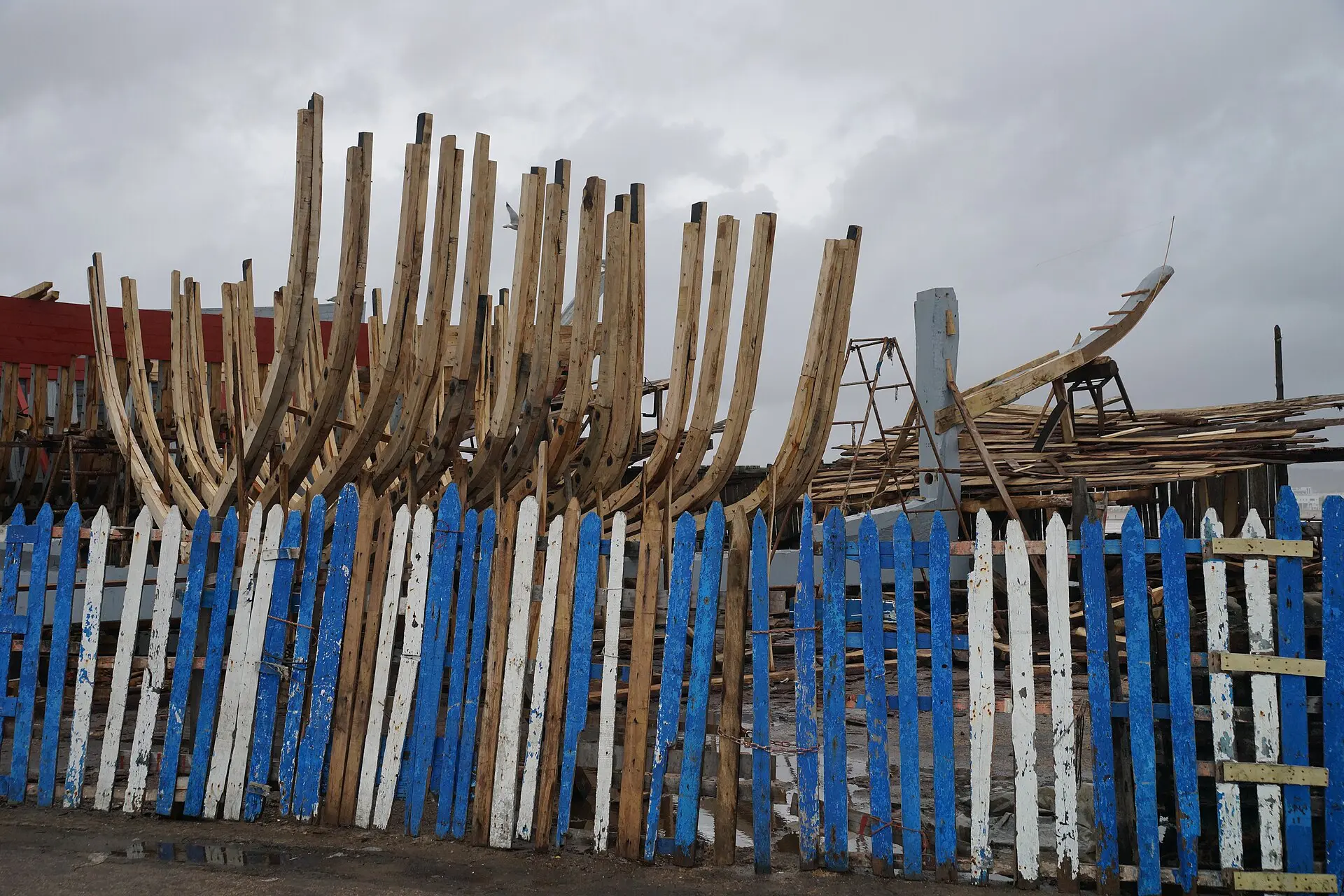
This windy Atlantic port has a whitewashed medina, ramparts, fishing boats and a laid-back arts scene. It is a cooler break from Marrakech, about three hours away.
Sahara at Merzouga
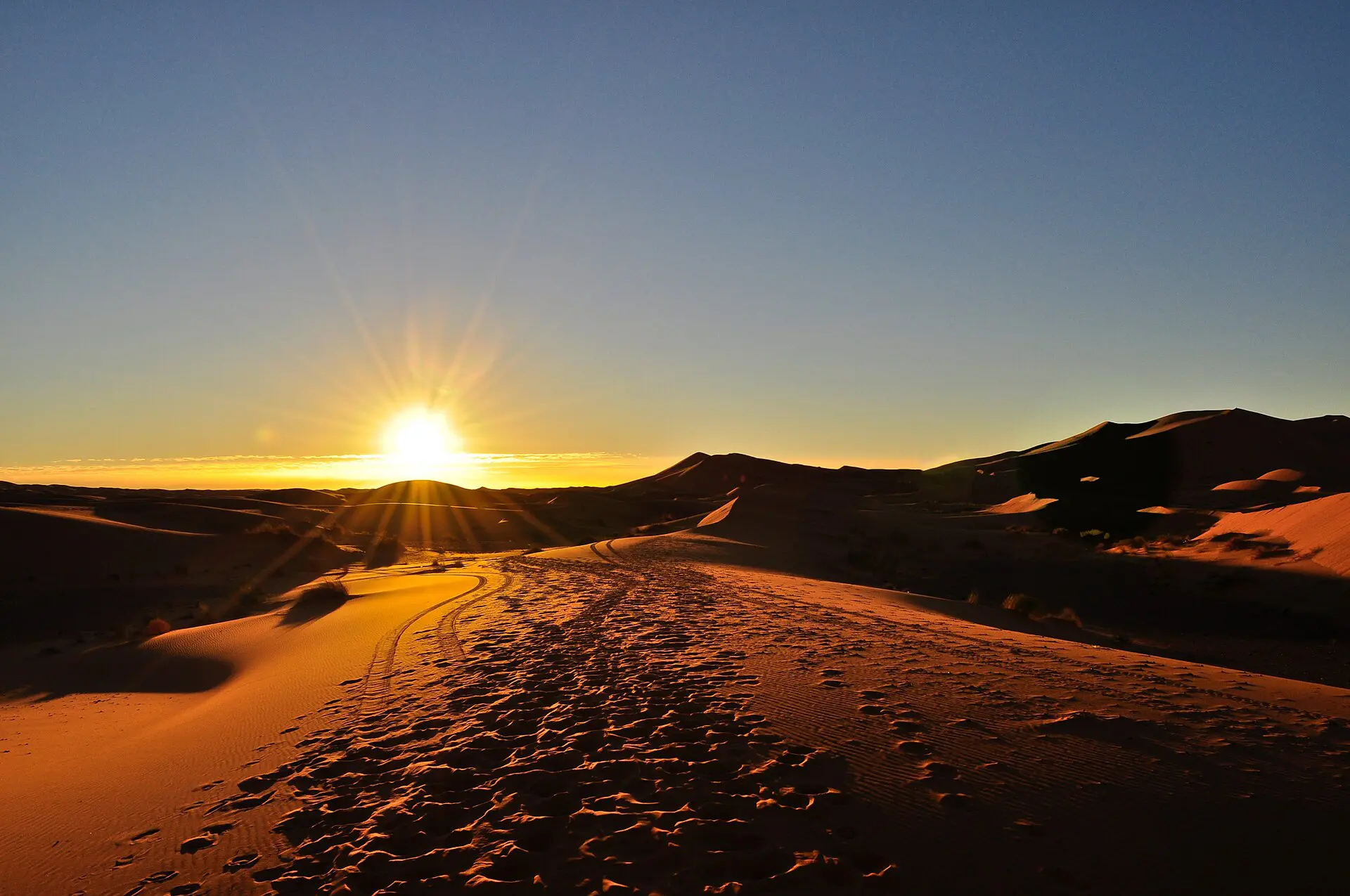
The Erg Chebbi dunes are the most accessible big dunes in the country, reached by 4×4 or camel for a night in a desert camp.
Aït Benhaddou and the Atlas
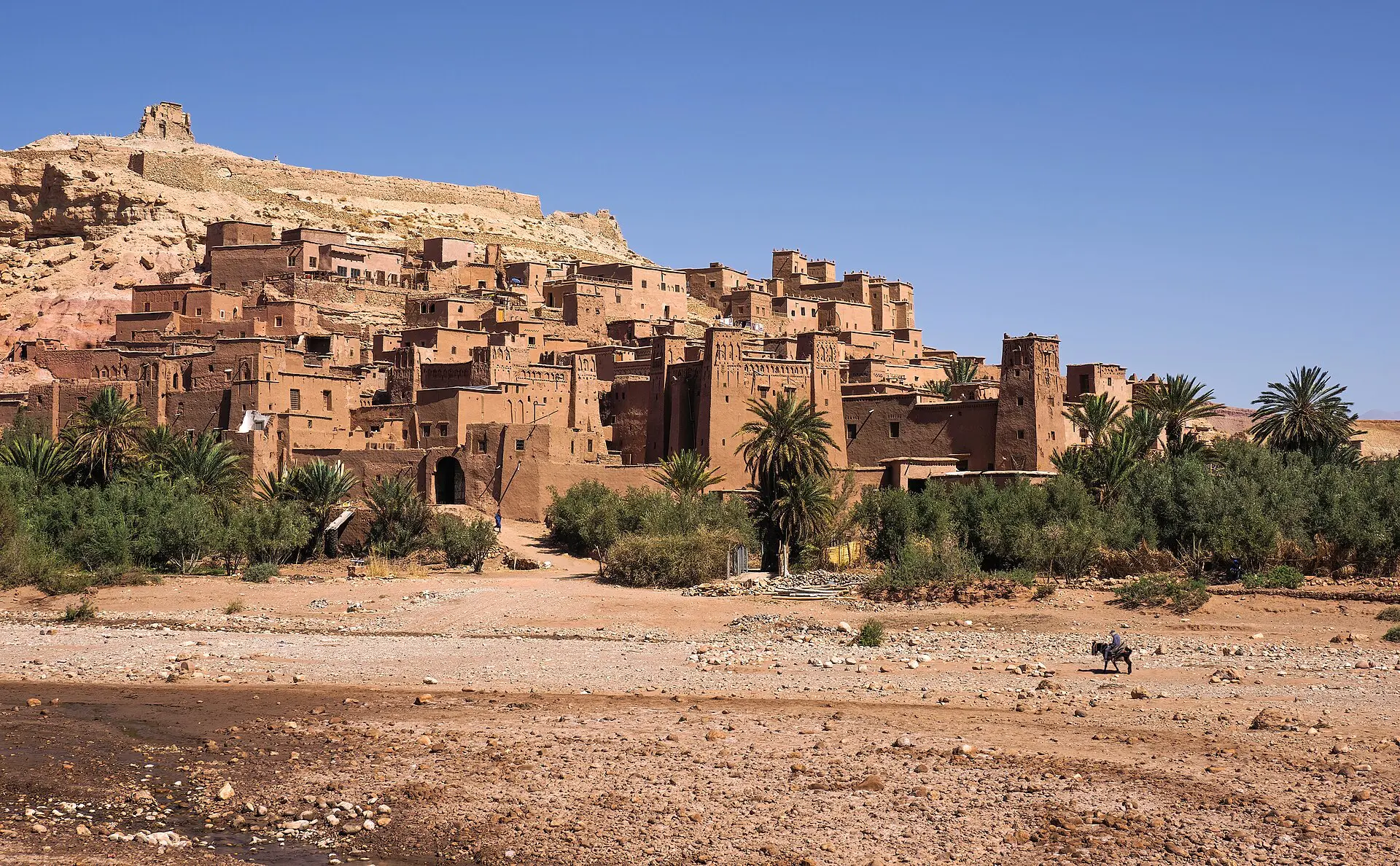
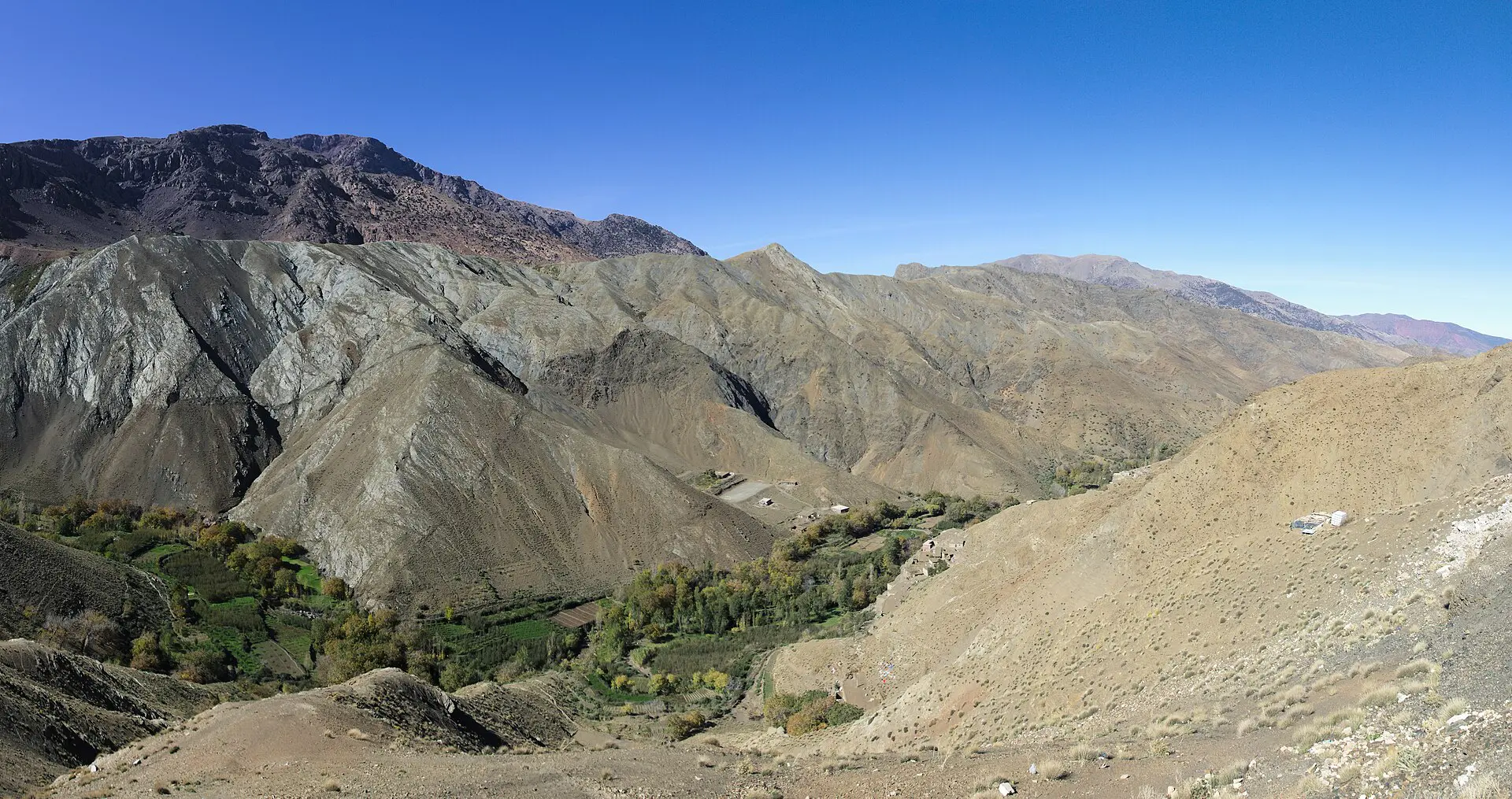
The fortified earthen village of Aït Benhaddou is a UNESCO site on the old caravan route. The High Atlas around Imlil offers trekking to Toubkal, North Africa’s highest peak.
Top things to do in Morocco
The top things to do in Morocco mix city exploration, the outdoors and craft traditions, and most trips combine several.
- Get lost in the Marrakech medina: the souks, workshops and courtyards are best explored in the morning.
- Eat at Jemaa el-Fnaa: food stalls open at sunset and serve grills, soups and snails.
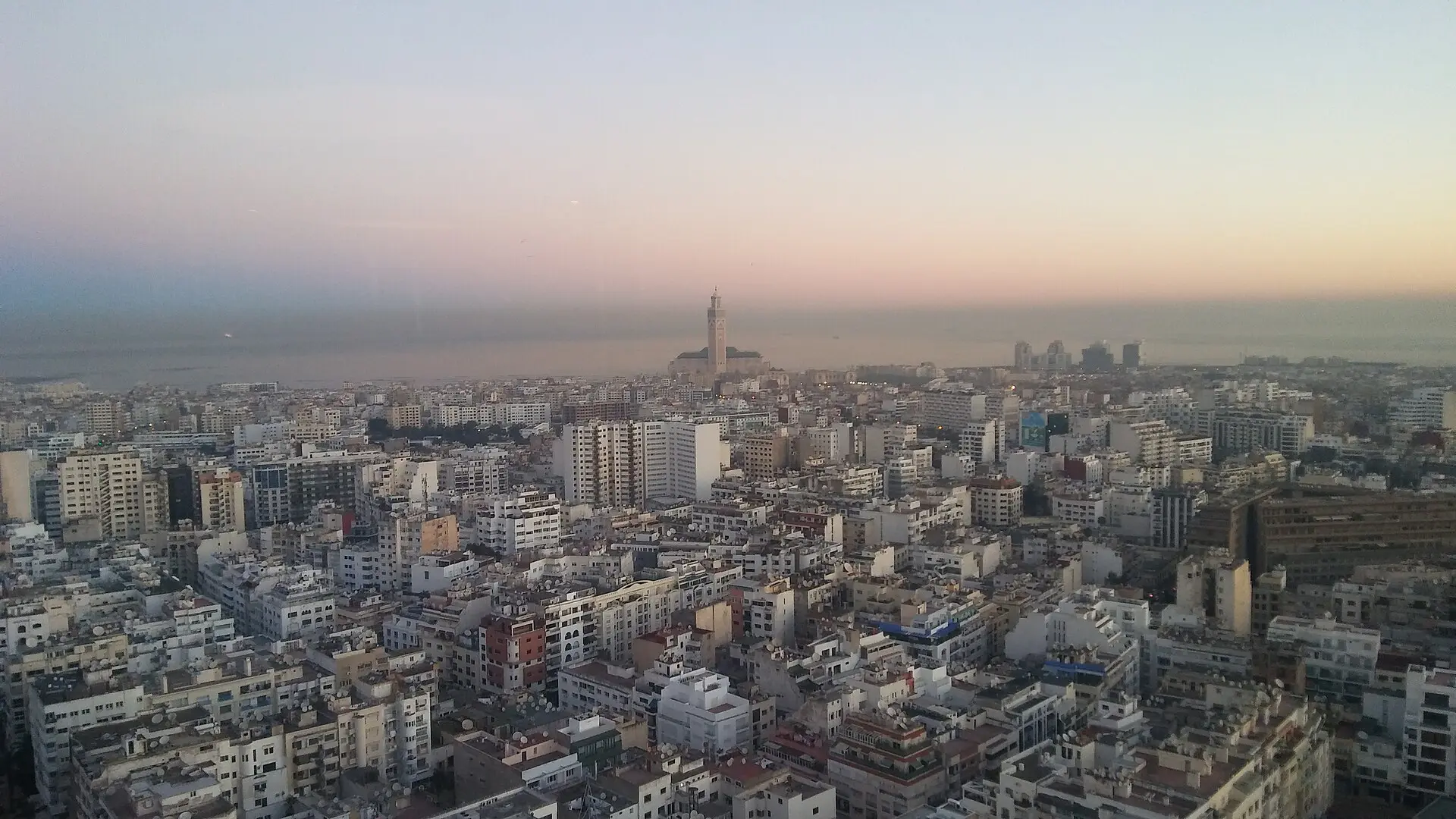
- Visit the Hassan II Mosque in Casablanca: one of the largest mosques in the world, with a minaret over the Atlantic and guided tours for non-Muslims.
- Tour Fes el-Bali: hire an official guide for the first day, then explore alone.
- Camp in the Sahara: a camel ride at sunset and a night at Erg Chebbi near Merzouga.
- See Aït Benhaddou: a clay-built ksar used as a filming location for many films.
- Trek in the High Atlas: day walks around Imlil or an ascent of Toubkal, usually from April to October.
- Walk the Todra Gorge: narrow limestone walls, with Dades Gorge nearby.
- Take a hammam: a traditional steam bath with scrub, from a basic public one to a spa.
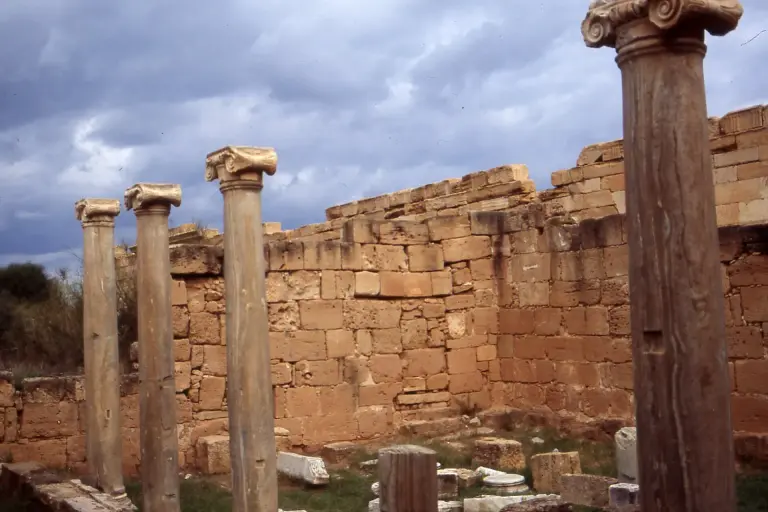
- Visit Volubilis: Roman ruins with mosaics near Meknes.
Best time to visit Morocco
The best time to visit Morocco is March to May and September to November, when temperatures are comfortable for cities, mountains and the desert. Summer is very hot inland, often above 40 C in Marrakech and the south, so the coast and Atlas are better then. Winter is cool, with snow in the mountains and cold desert nights.
| Season | Weather | Crowds and prices | Good for |
|---|---|---|---|
| Spring (Mar-May) | Warm and mostly dry; green countryside | High in Easter and April, with riads busy | Cities, Atlas trekking, desert |
| Summer (Jun-Aug) | Very hot inland, mild on the coast | Lower inland, high on the coast | Essaouira, Atlantic beaches, Atlas villages |
| Autumn (Sep-Nov) | Warm to mild, occasional rain late | High in October | Cities, Sahara, trekking |
| Winter (Dec-Feb) | Cool, rain in the north, snow in the Atlas | Lower except at New Year | Marrakech sightseeing, skiing at Oukaïmeden |
Ramadan moves about 11 days earlier each year. Restaurants and daily rhythms change, so check dates, though many visitors find it an interesting time to visit.
Is Morocco safe to visit?
Yes, Morocco is safe for most visitors, and millions of tourists travel without serious problems. The most common issues are touts, scams, petty theft and harassment rather than violent crime. Governments including the UK and the US publish current advice, which advises extra caution near the Algerian border and in parts of Western Sahara, so check the FCDO or State Department pages before you book.
Scams and touts. Unofficial guides may offer to lead you through a medina and then demand money. Politely decline, agree prices first, and use official guides for Fes. Be wary of anyone saying a street is closed.
Theft. Pickpocketing occurs in crowded souks and at train stations. Keep valuables in front pockets.
Women travellers. Verbal harassment is common in cities, and dressing modestly and walking with confidence helps. Solo women regularly travel in Morocco.
Roads and nature. Driving is risky because of overtaking and mixed traffic. The 2023 High Atlas earthquake damaged mountain villages, and floods or snow can block passes. Drug laws are strict, and drone use needs permission.
Visa and entry requirements for Morocco
Entry rules depend on your nationality. Citizens of the EU, UK, US, Canada and several other countries have generally been able to enter visa-free for stays of up to 90 days, while others need a visa or an e-visa, and rules can change. Confirm the current requirement for your passport with the Moroccan consulate or the official Moroccan government sources before you book.
Your passport should be valid for the whole stay, and often for at least six months. You may be asked for proof of accommodation or onward travel, and some airports and ports require a short arrival card. If you arrive by ferry from Spain, expect border checks on both sides, and check Moroccan insurance rules if you bring a car.
Customs rules restrict importing drones, and exporting Moroccan dirhams is limited. The Wikivoyage Morocco page includes more entry notes for the southern provinces.
Getting to and around Morocco
The main international airports are Casablanca Mohammed V (CMN) and Marrakech Menara (RAK), with other airports at Fes, Tangier, Agadir and Rabat. Budget airlines connect many European cities. Ferries run from Spain (Tarifa and Algeciras) to Tangier, and the crossing from Tarifa takes about an hour.
The rail network (ONCF) is good between the main cities. The Al Boraq high-speed train links Tangier, Rabat and Casablanca, and conventional trains continue to Marrakech and Fes. Casablanca to Marrakech takes about three hours, and Tangier to Casablanca roughly two hours by high-speed train.
Long-distance buses (CTM and Supratours) reach places the railway does not, such as Essaouira and Chefchaouen. Within cities, red or coloured petit taxis use meters, while grand taxis run fixed routes between towns. For the desert and mountains, hire a driver or join a tour, as roads over the Atlas are winding and distances are large, such as eight to nine hours from Merzouga to Fes.
How much does a trip to Morocco cost?
Morocco is inexpensive by European standards, and costs depend heavily on where you stay and how you travel. The currency is the Moroccan dirham (MAD). Figures are rough per-person guides for 2026.
- Budget: around EUR 25 to 50 per day, with hostels or simple riads, local food, trains and buses.
- Mid-range: around EUR 50 to 100 per day, with good riads, restaurant meals and some private transfers or tours.
- High-end: from around EUR 150 per day, with luxury riads and desert camps and a private driver.
Accommodation in Marrakech riads and the cost of multi-day desert tours are the biggest swing factors. Street food and set lunches are cheap, while restaurants aimed at tourists charge more. Entrance fees to sites such as palaces and gardens are modest, and expect to haggle in souks, starting at around half the first price.
Morocco food and drink
Morocco food combines Berber, Arab, Andalusian and French influences, and meals revolve around slow-cooked stews, bread and mint tea. Portions are large and prices low.
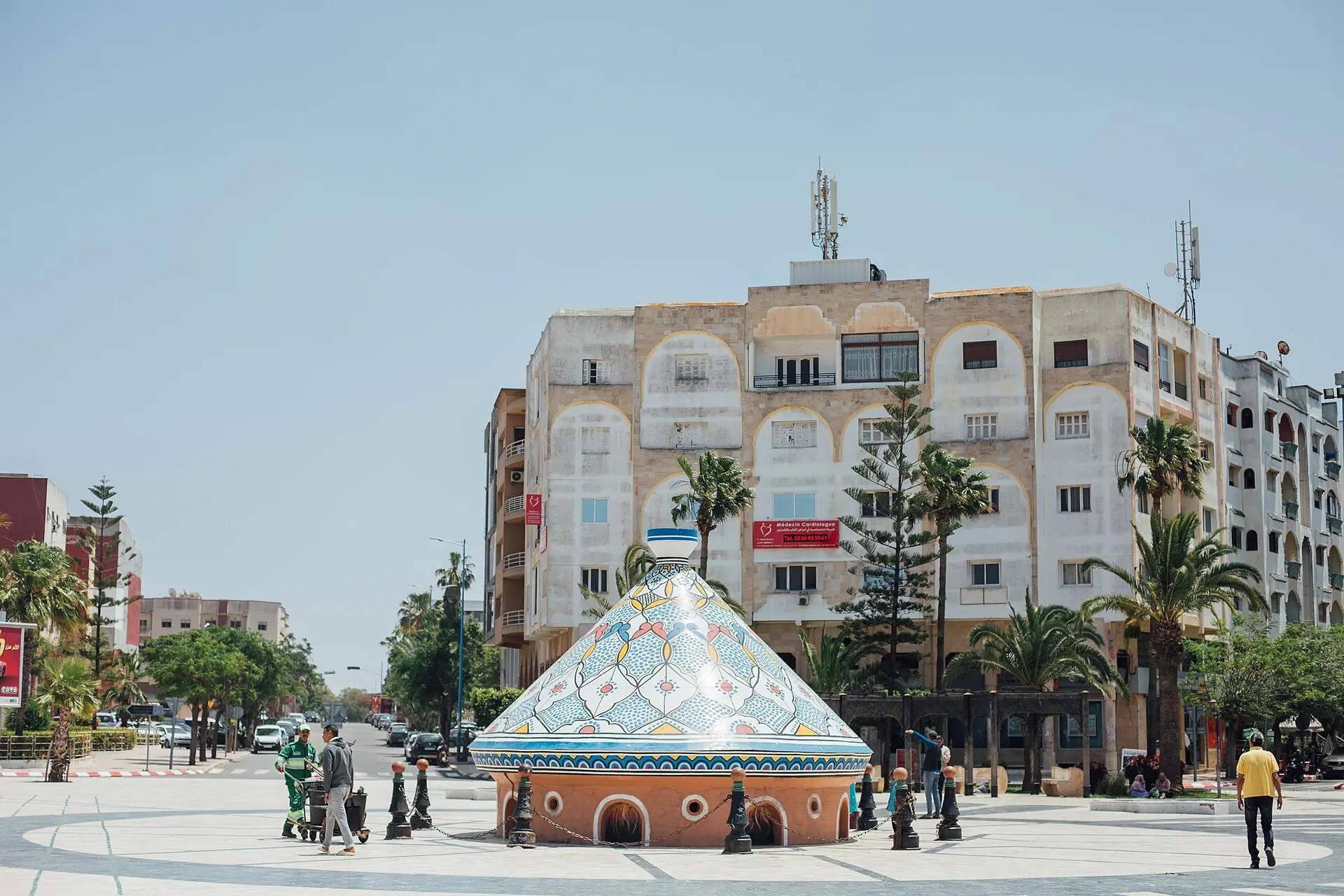
- Tagine: a slow-cooked stew in a conical clay pot, with chicken and preserved lemon, lamb and prunes, or vegetables.
- Couscous: steamed semolina with meat and vegetables, traditionally a Friday family meal.
- Pastilla: a flaky pie of pigeon or chicken with almonds, cinnamon and sugar.
- Harira: a tomato and lentil soup, eaten especially at Ramadan sunset.
- Msemen and baghrir: pan-fried pancakes served with honey for breakfast.
- Tanjia: a Marrakech dish of beef or lamb slow-cooked in an urn.
- Mint tea: sweet green tea poured from a height, the standard welcome.
Alcohol is sold in licensed bars, hotels and some shops but not in many local cafés. Vegetarians can eat vegetable tagines, couscous and salads, but should say so, as stock often contains meat. Street food at Jemaa el-Fnaa is good value, and cooking classes in Marrakech and Fes are popular.
Culture, language and etiquette in Morocco
Arabic and Berber (Tamazight) are the official languages, and Moroccan Arabic, called Darija, is the everyday spoken language. French is widely used in business and signage, and English is common in tourist areas. A few phrases, such as salam alaykum (hello) and shukran (thank you), are appreciated.
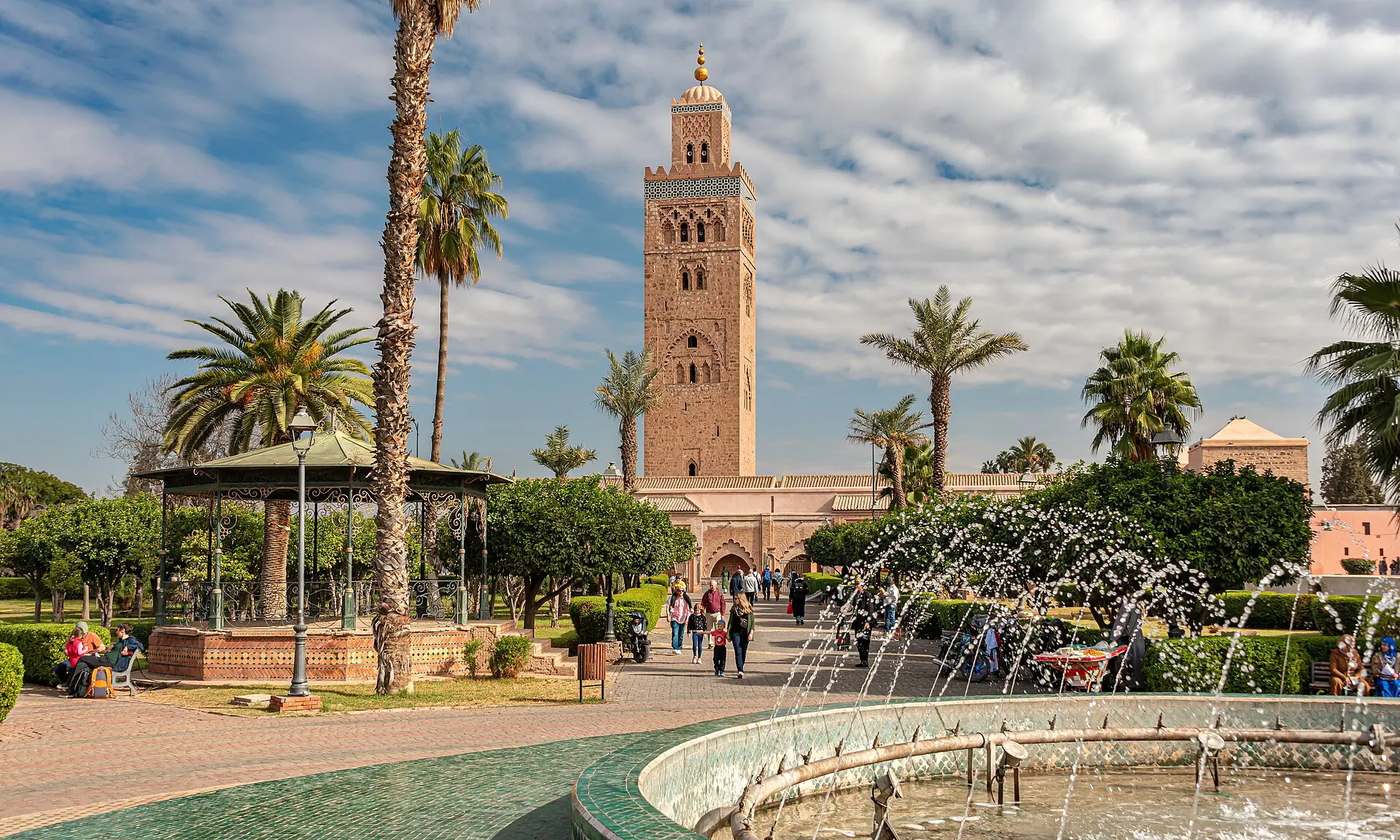
Islam is the main religion, and daily life follows prayer times and Ramadan. Dress modestly, covering shoulders and knees in cities and villages. Non-Muslims are not permitted in most mosques, except the Hassan II Mosque in Casablanca, which offers tours.
Use your right hand for eating and greeting. Haggling in souks is normal and should be friendly, and tea offered by a shopkeeper does not oblige you to buy. Ask before photographing people, particularly women. Public displays of affection and criticism of the monarchy or Islam are best avoided, as they can be offensive and may be illegal.
Morocco itinerary: a 7-day route
This route runs from Marrakech through the Atlas to the Sahara and on to Fes. It involves long drives, so tours with a driver are common, and flights can shorten it.
- Day 1, Marrakech: arrive, settle into a riad and walk to Jemaa el-Fnaa for dinner.
- Day 2, Marrakech: visit the Bahia Palace, Majorelle Garden and the souks.
- Day 3, Aït Benhaddou and Dades Gorge: cross the Tizi n’Tichka pass (about four hours), tour Aït Benhaddou and stay near the Dades Gorge.
- Day 4, Todra Gorge and Merzouga: walk the gorge in the morning, then drive to Merzouga and ride a camel at sunset.
- Day 5, Sahara: sunrise on the dunes, a rest day and a night in camp or a guesthouse.
- Day 6, to Fes: a long drive of eight to nine hours via Midelt and Ifrane, or a transfer to a flight.
- Day 7, Fes: tour Fes el-Bali and the tannery, then fly out of Fes.
With extra days, add Essaouira or Chefchaouen. In summer, skip the Sahara and use the coast.
Practical tips for Morocco
- Money: the dirham is a closed currency, so buy it in Morocco at ATMs or exchange offices. Cards work in hotels and larger restaurants, but carry cash for souks, taxis and small cafés.
- SIM and eSIM: local SIMs and eSIMs are cheap, and coverage is good in towns and along main roads, with gaps in the mountains and desert.
- Plugs: types C and E at 230 V.
- Tipping: expected for services; around 10 percent in restaurants, and small coins for porters and parking helpers.
- Health: drink bottled water, use sunscreen and bring travel insurance and basic medicines for stomach upsets.
- Packing: modest clothing, a scarf, sturdy shoes for uneven medina streets and warm layers for the desert at night.
- Booking: reserve riads early for spring and October, and agree prices for tours and transfers in advance.
- Calling code: +212.
For wider background, see the Wikivoyage Morocco guide.
FAQ
Q1Is Morocco safe?
Yes, for most visitors. Violent crime against tourists is uncommon, and the main problems are touts, scams, petty theft in medinas and harassment of women. Use official guides, agree prices first, keep valuables hidden and check your government's current travel advice.
Q2What are the best things to do in Morocco?
Top picks are exploring the medinas of Marrakech and Fes, camping in the Sahara at Merzouga, visiting Aït Benhaddou, walking Chefchaouen, trekking in the High Atlas and visiting the Hassan II Mosque in Casablanca. A first trip usually combines three or four of these.
Q3What is Morocco food like?
Morocco food centres on slow-cooked tagines, couscous on Fridays, pastilla, harira soup, flatbreads and mint tea, with spices and preserved lemon. Portions are large and prices low. Vegetarians can eat well, but should specify, as stock often contains meat.
Q4What is the best time to visit Morocco?
March to May and September to November are best, with comfortable temperatures for cities, mountains and the desert. Summer is very hot inland, often above 40 C, so choose the coast or Atlas. Winter is cool, with snow in the mountains and cold desert nights.
Q5Is Morocco safe to visit for solo female travellers?
Many solo women visit Morocco without serious problems, but verbal harassment is common in cities. Dress modestly, walk confidently, use trusted riads and licensed taxis, avoid empty streets at night and ignore persistent touts. Joining a small group for the desert is a sensible option.
Q6What are the best places to visit in Morocco?
Marrakech and Fes are the main imperial cities, Chefchaouen and Essaouira offer a quieter pace, and Merzouga and Aït Benhaddou cover the Sahara and the Atlas. Casablanca and Rabat suit a short urban stop, and the High Atlas suits trekkers.
Q7Do you need a visa for Morocco?
It depends on your nationality. Many visitors, including those from the EU, UK and US, have been able to enter visa-free for up to 90 days, while others need a visa or e-visa. Confirm with the Moroccan consulate or official government sources before booking.
Q8How many days do you need in Morocco?
Seven days is enough for Marrakech, the Atlas, the Sahara and Fes at a steady pace, with long drives. Four days covers Marrakech and one excursion. Add extra days for Essaouira, Chefchaouen or trekking, and allow time for transfers.