Why visit Algeria
The most rewarding things to do in Algeria are the ones few foreign visitors have seen: Roman cities left almost intact in the Aurès hills, a hilltop capital with an Ottoman-era old town above the sea, and the largest hot desert in the world to the south. At around 2.38 million square kilometres it is the biggest country in Africa and the tenth biggest in the world, and it has Mediterranean beaches, Atlas mountains and Saharan dunes within one border.
Algeria suits patient, curious travellers who like history, architecture and a hospitable welcome rather than polished tourist infrastructure. The visa process, patchy English and limited tourist services mean it rewards planning. It is less suitable for first-time travellers who want a smooth, packaged trip, and some regions are closed to independent travel.
Best places to visit in Algeria
The best places to visit in Algeria for most first trips are in the north, where cities, ruins and trains are easiest to reach.
Algiers
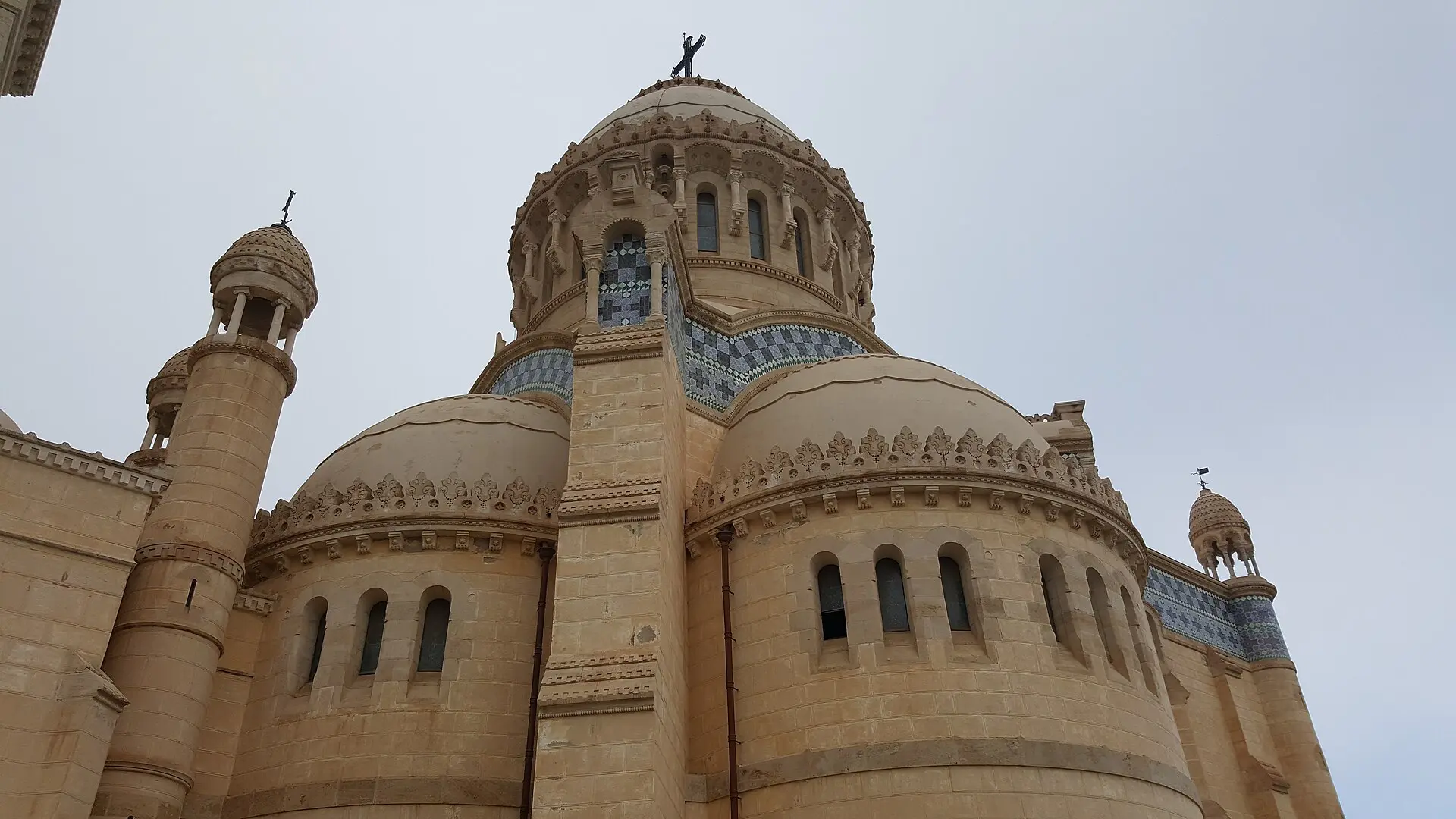
The capital stretches along a bay, with French-era boulevards, a hillside Casbah and the large Basilica of Notre-Dame d’Afrique. It is a good starting point for day trips along the coast. Wander the Casbah with a local guide, as its steep alleys are easy to get lost in.
Constantine
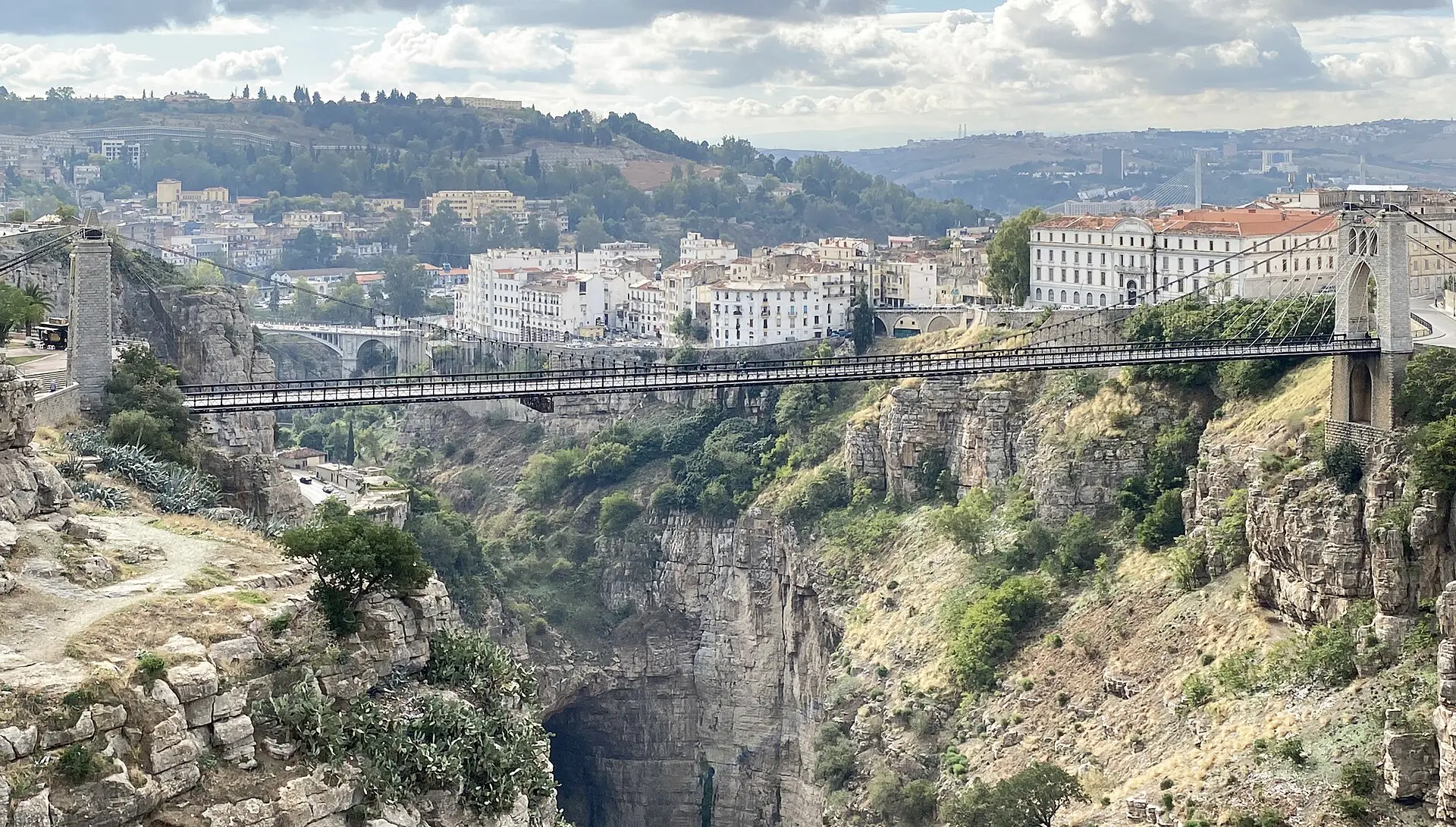
Algeria’s third-largest city sits on a limestone plateau cut by a deep gorge, and is known as the city of bridges. Suspension and arch bridges cross the Rhumel River, and the old town has Ottoman-era houses and markets.
Oran
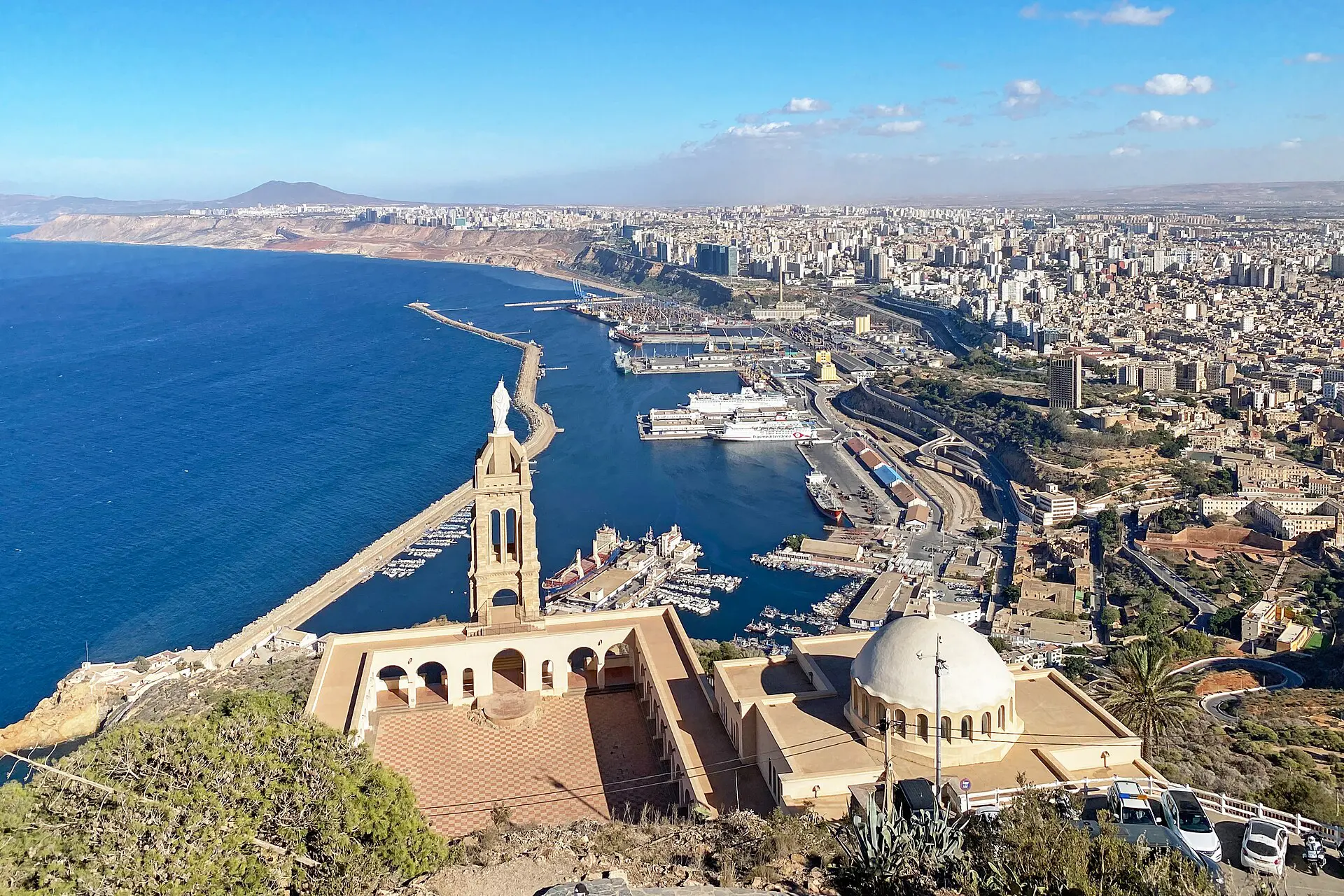
The country’s second city is known for colonial-era architecture and as a home of raï music. Its Santa Cruz fort overlooks the port, and the sea promenade is lively in the evening.
Timgad and Djémila
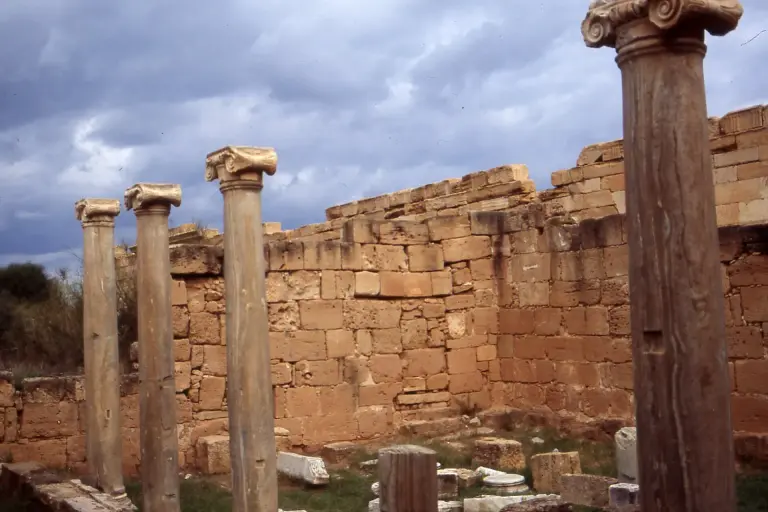
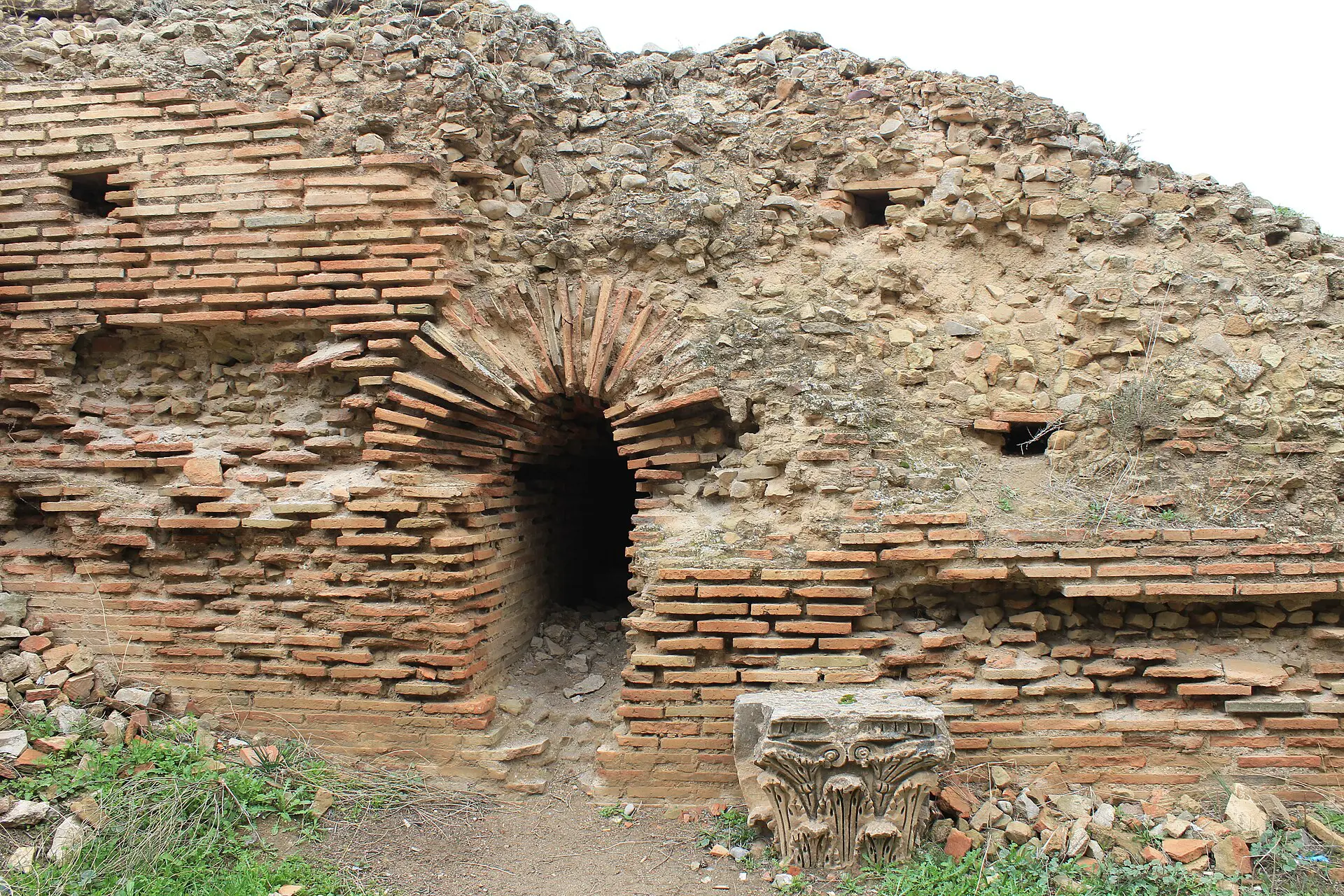
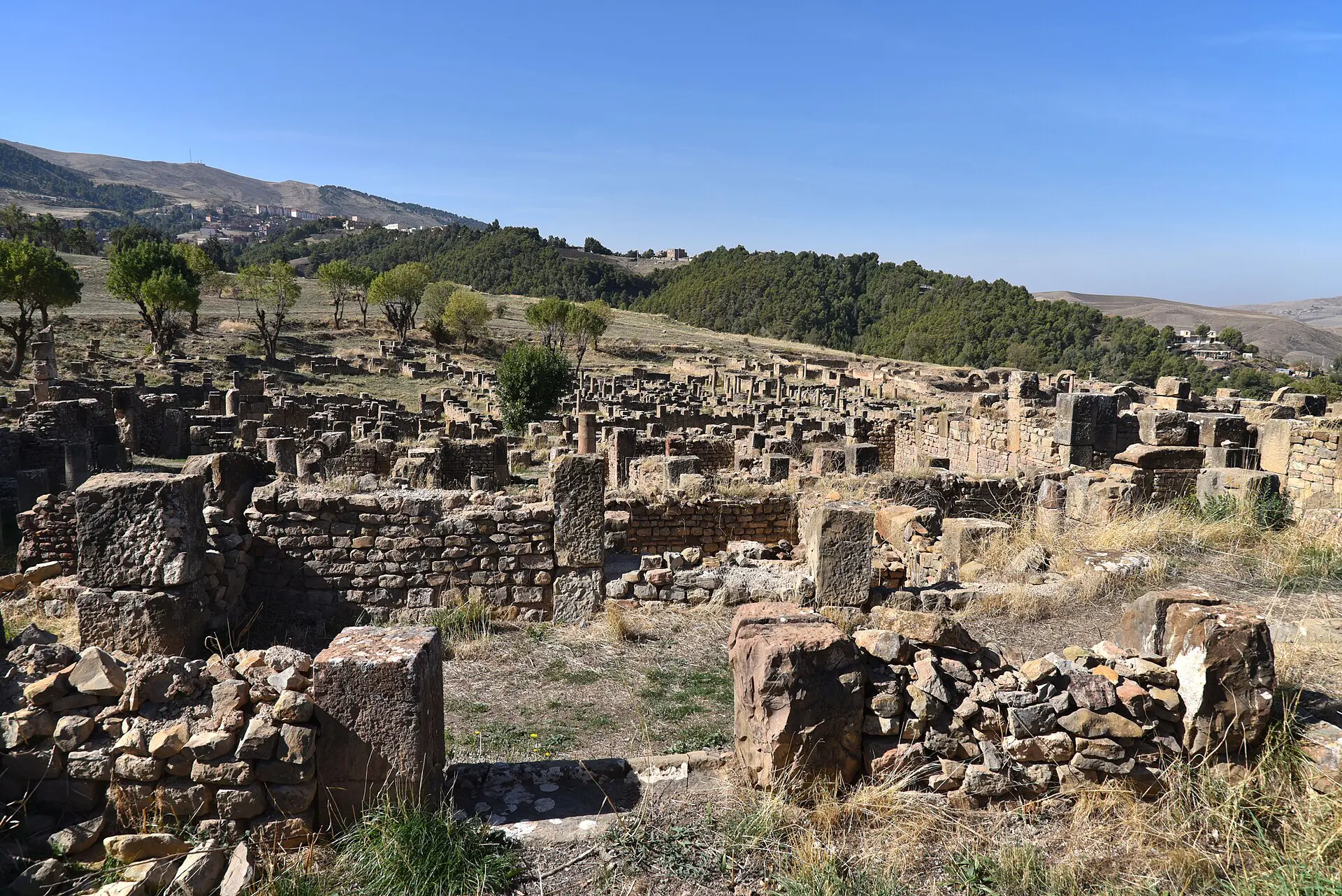
These two UNESCO sites hold some of North Africa’s best-preserved Roman towns. Timgad, in the Aurès Mountains, has a grid layout and a triumphal arch. Djémila sits in the hills near Sétif, with forums and temples set against open mountain scenery.
Tipasa and Hippo Regius
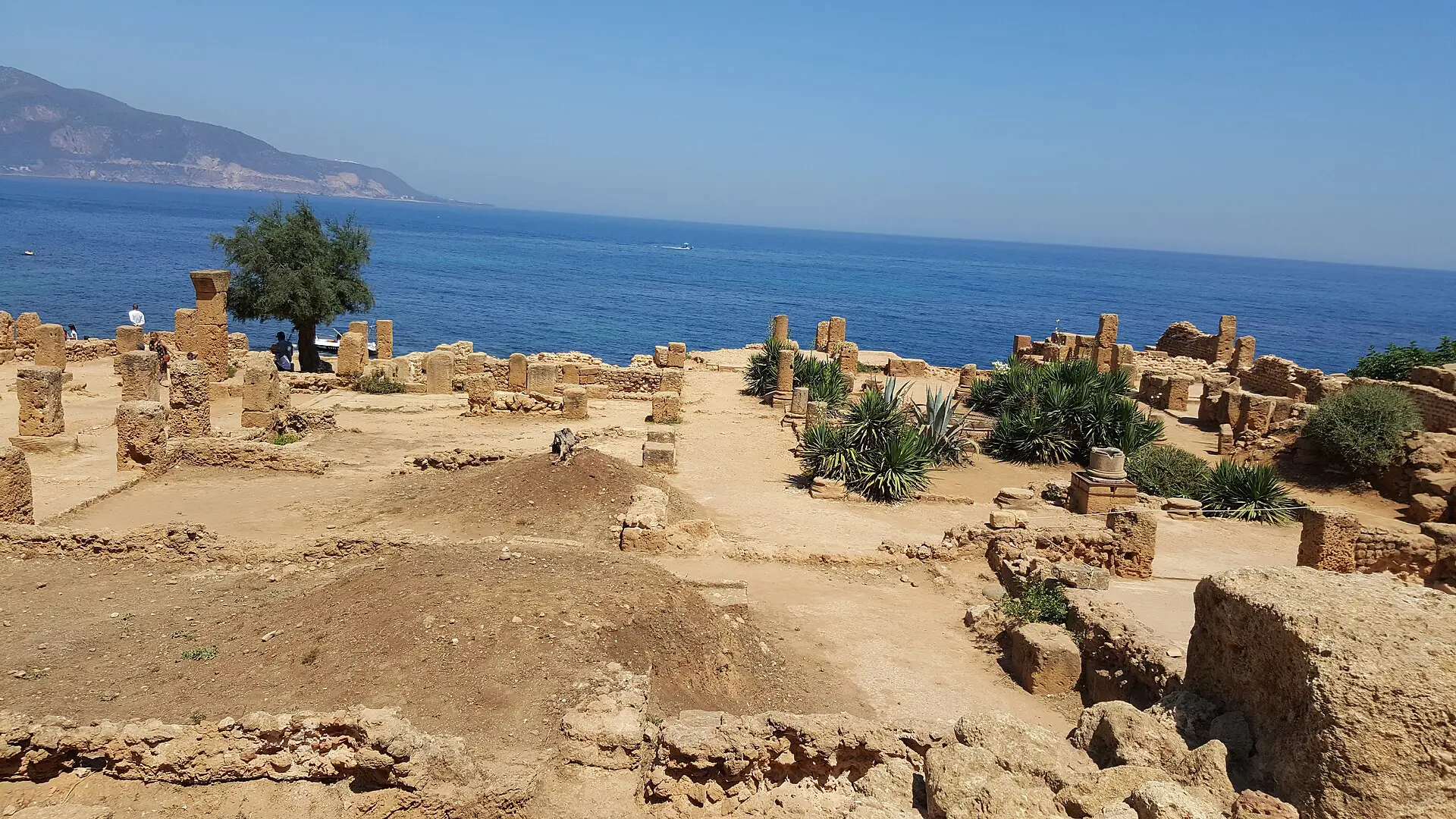
Tipasa, west of Algiers, has Phoenician and Roman ruins beside the sea. Hippo Regius, near Annaba, was an ancient Numidian city with Roman baths and a forum.
M’zab Valley and the Sahara
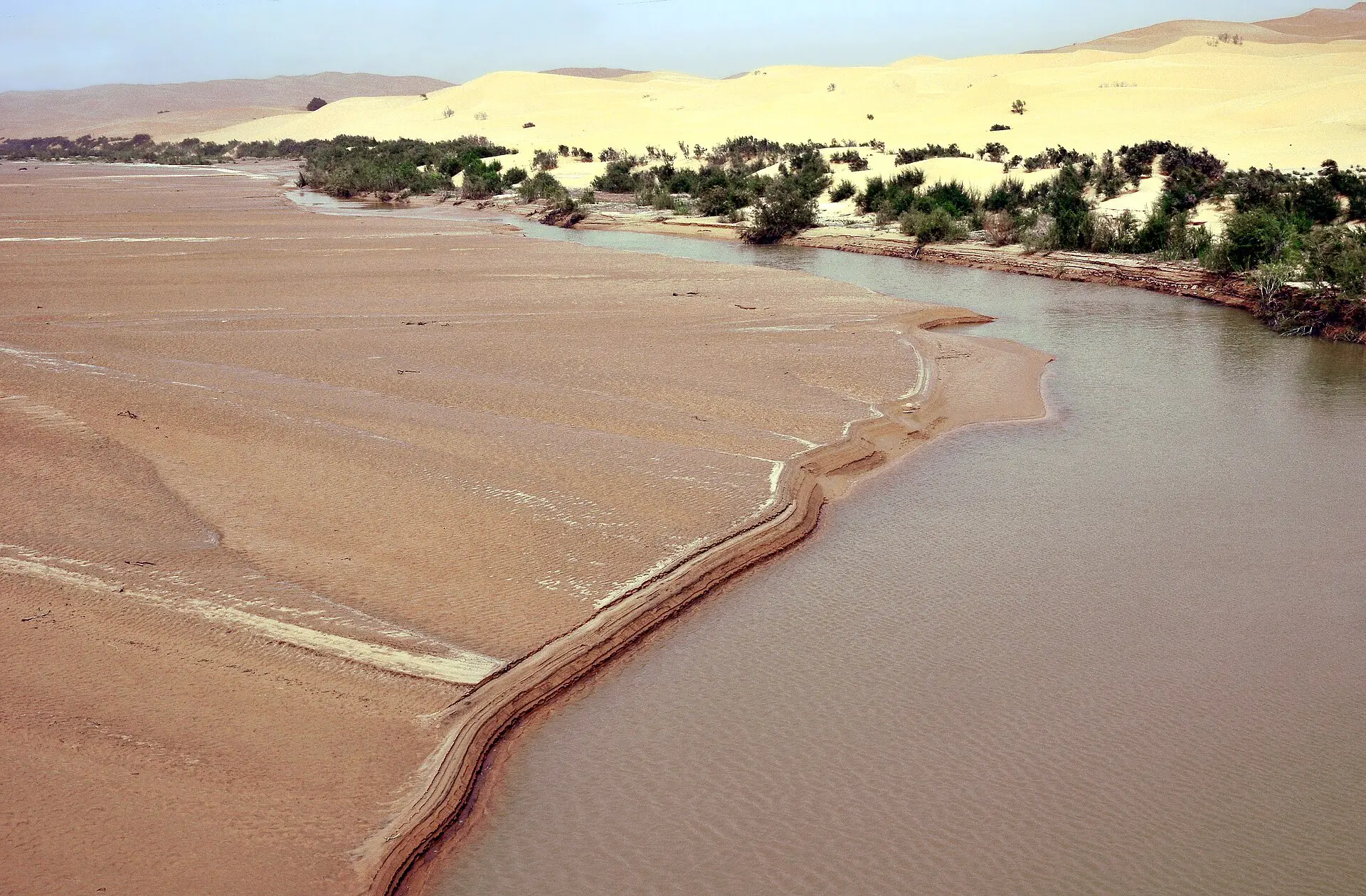
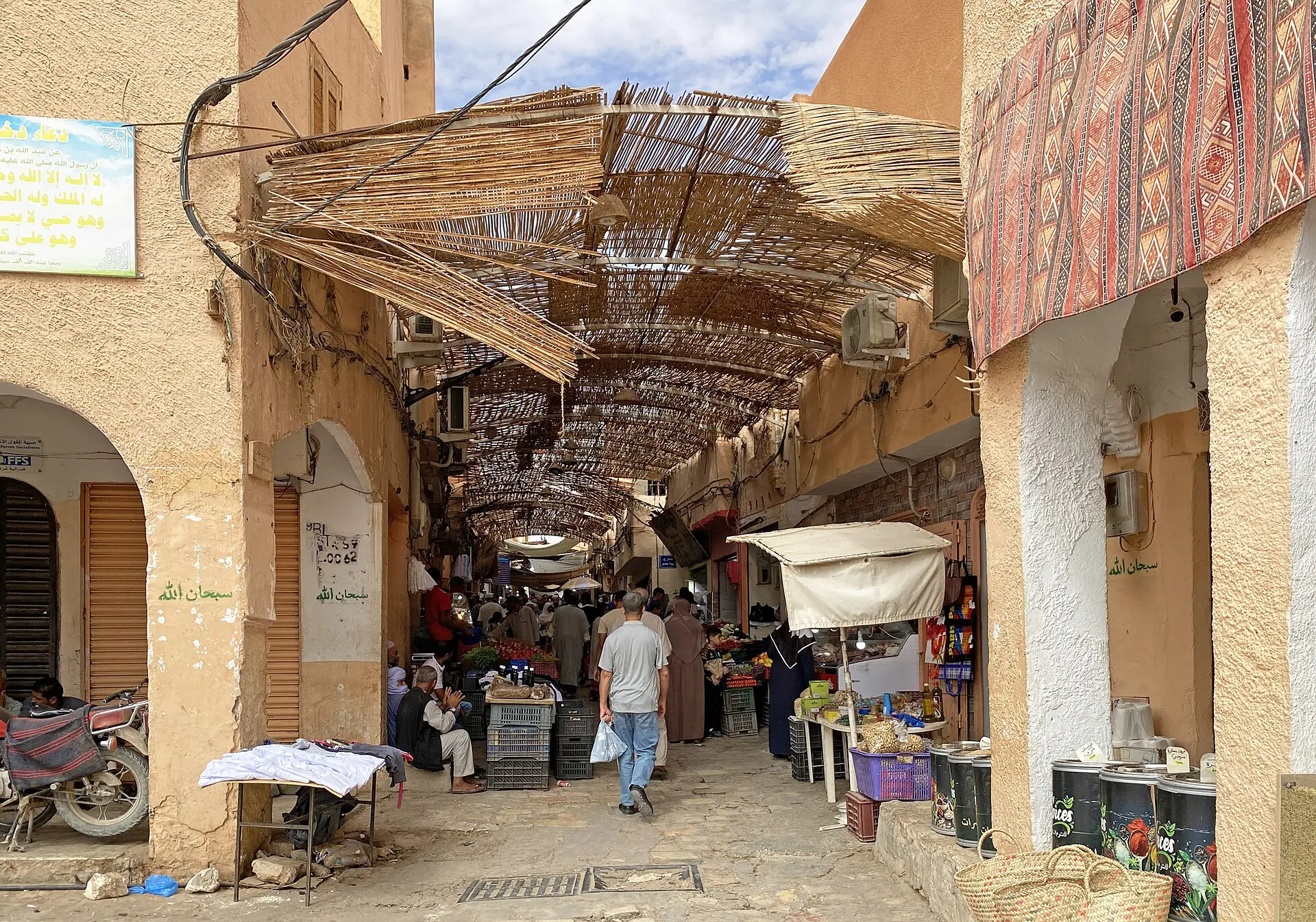
The M’zab Valley’s fortified towns, such as Ghardaïa, are a UNESCO site. Farther south, Tassili n’Ajjer holds prehistoric rock art, and Tamanrasset is the gateway to the Hoggar, but desert trips require a licensed operator and current safety checks.
Top things to do in Algeria
Here are the top things to do in Algeria, focused on places most visitors can reach safely.
- Walk the Casbah of Algiers: a UNESCO-listed old town of stairways and Ottoman houses, best with a guide.
- See Timgad: a Roman colonial town with a regular street grid and a restored arch.
- Visit Djémila: a mountain-top Roman city with forums, temples and a theatre.
- Explore Tipasa: Roman ruins running down to the Mediterranean.
- Cross Constantine’s bridges: walk the Sidi M’Cid footbridge for views into the gorge.
- Climb to Notre-Dame d’Afrique: a hilltop basilica with a wide view over the bay of Algiers.
- Tour the M’zab Valley: distinctive mud-brick towns built around mosques, in Ghardaïa province.
- Join a Sahara trip: Tassili n’Ajjer and the Hoggar offer dunes, canyons and rock art, with a licensed operator.
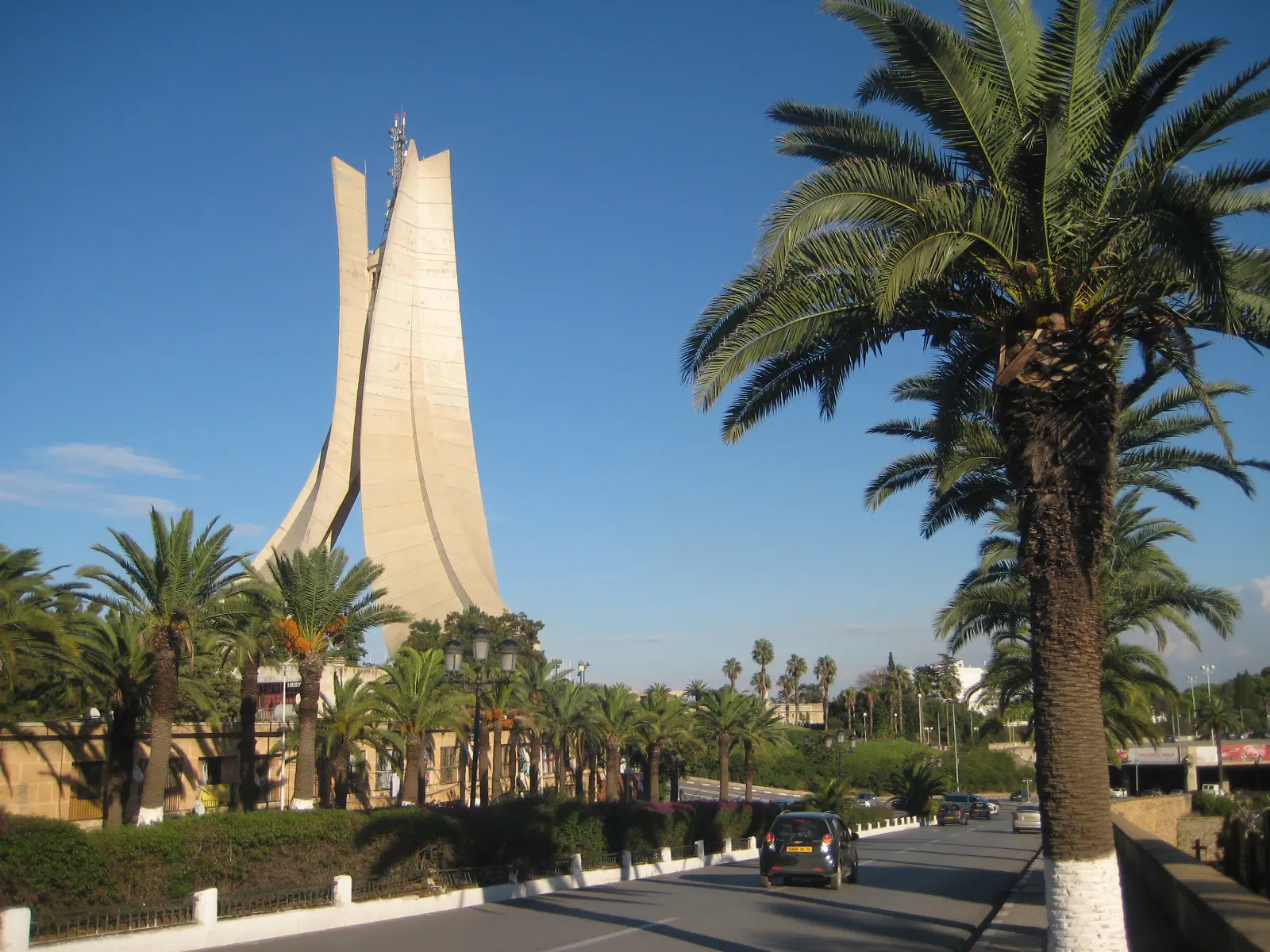
- Visit the Martyrs’ Memorial: the Maqam Echahid in Algiers is a monument to the independence war.
- Relax on the coast: beaches around Béjaïa, Jijel and Oran are popular with Algerian families in summer.
Best time to visit Algeria
The best time to visit Algeria is spring, from March to May, and autumn, from October to November, when northern cities and Roman sites are comfortable. Summer is very hot inland and in the Sahara, where temperatures can exceed 40 C. Saharan travel is generally most comfortable between October and March, when days are warm and nights cold.
| Season | Weather | Crowds and prices | Good for |
|---|---|---|---|
| Spring (Mar-May) | Mild, some rain early | Quiet | Roman sites, cities |
| Summer (Jun-Aug) | Hot; very hot inland and south | Busy coast with domestic holidaymakers | Beaches only |
| Autumn (Sep-Nov) | Warm, cooling by November | Quiet | Cities, ruins, early Sahara |
| Winter (Dec-Feb) | Cool and wet in the north; snow in high areas | Quiet | Sahara trips, Algiers |
Ramadan shifts opening hours and dining, so check dates in advance.
Is Algeria safe to visit?
Parts of Algeria are safe for travellers, but not all of it, so the answer depends on where you go. Northern cities and Roman sites are generally calm, while several governments advise against travel to border areas and parts of the south and east. Check your government’s current advice, such as the UK FCDO page, before booking.
Terrorism and borders. Militant activity has fallen since the 1990s but has not disappeared, and border regions with Libya, Mali, Niger, Mauritania and Tunisia carry the highest warnings. Do not travel near these zones.
Sahara travel. Use a licensed Algerian operator and obtain any required permits. Independent desert driving is risky and often not allowed.
Everyday safety. Petty theft occurs in crowded areas. Take care at night in cities, and avoid political demonstrations. Women travelling alone may receive unwanted attention, so dress modestly.
Roads, health and nature. Road accidents are common, and earthquakes occur in the north. Carry insurance with medical cover.
Algeria visa and entry requirements
Most foreign nationals need a visa to enter Algeria, and it must normally be arranged before you travel. Requirements, fees and processing times change, and have at times asked for a hotel booking, an invitation or a tour operator’s confirmation, so check the website of the Algerian embassy or consulate in your country, or the official Algerian foreign ministry source.
A few nationalities have visa-free or special arrangements, but this is the exception and it can change, so do not assume. Passports usually need several months of validity and blank pages. Allow plenty of time for the application, and avoid booking non-refundable flights until the visa is granted.
Entry stamps from some countries have caused problems for travellers in the past, particularly Israel, so confirm current rules. Keep copies of your documents, and register any planned Saharan trips with your operator. The UNESCO page for Algeria lists the country’s World Heritage sites if you are planning around them.
Getting to and around Algeria
Most visitors arrive at Houari Boumediene Airport in Algiers, with flights from Europe, the Middle East and other African cities. Oran, Constantine and Annaba also have international flights. Ferry services connect some ports with France and Spain, though schedules vary, and land borders with Tunisia and Morocco have been restricted in recent years, so check first.
Domestic flights are the fastest way to cover Algeria’s size, for example Algiers to Constantine or Oran in about an hour, and to Saharan towns such as Tamanrasset in roughly two and a half hours. Trains run between Algiers, Oran, Constantine and other northern cities, with timetables that change, and buses and shared taxis cover many routes. Roads between major northern cities are generally good, but driving can be hectic, and police checkpoints are common, so carry your passport.
Hiring a car with a driver is a practical way to reach Timgad, Djémila and Tipasa.
How much does a trip to Algeria cost?
Algeria’s currency is the dinar (DZD). Costs depend heavily on which exchange rate you use, because an official rate and a parallel market rate have differed substantially. Many visitors carry euros in cash and exchange them locally, but check current rules and the legal position before travelling. Treat the bands below as rough guides, and expect them to move.
- Budget: around EUR 30 to 50 per day, using simple hotels, local food, buses and shared taxis.
- Mid-range: around EUR 50 to 90 per day, with comfortable hotels, restaurants and some internal flights or a driver.
- High-end: from around EUR 120 per day, plus the cost of any organised Saharan expedition.
Tour-led Saharan trips, domestic flights and international flights are the main costs. Hotels in Algiers can be expensive for the quality, while food is inexpensive. Cards are not widely accepted, so cash is important.
Algeria food and drink
Algeria food combines Berber, Arab, Ottoman and French influences, with couscous at the centre of the table, especially on Fridays.
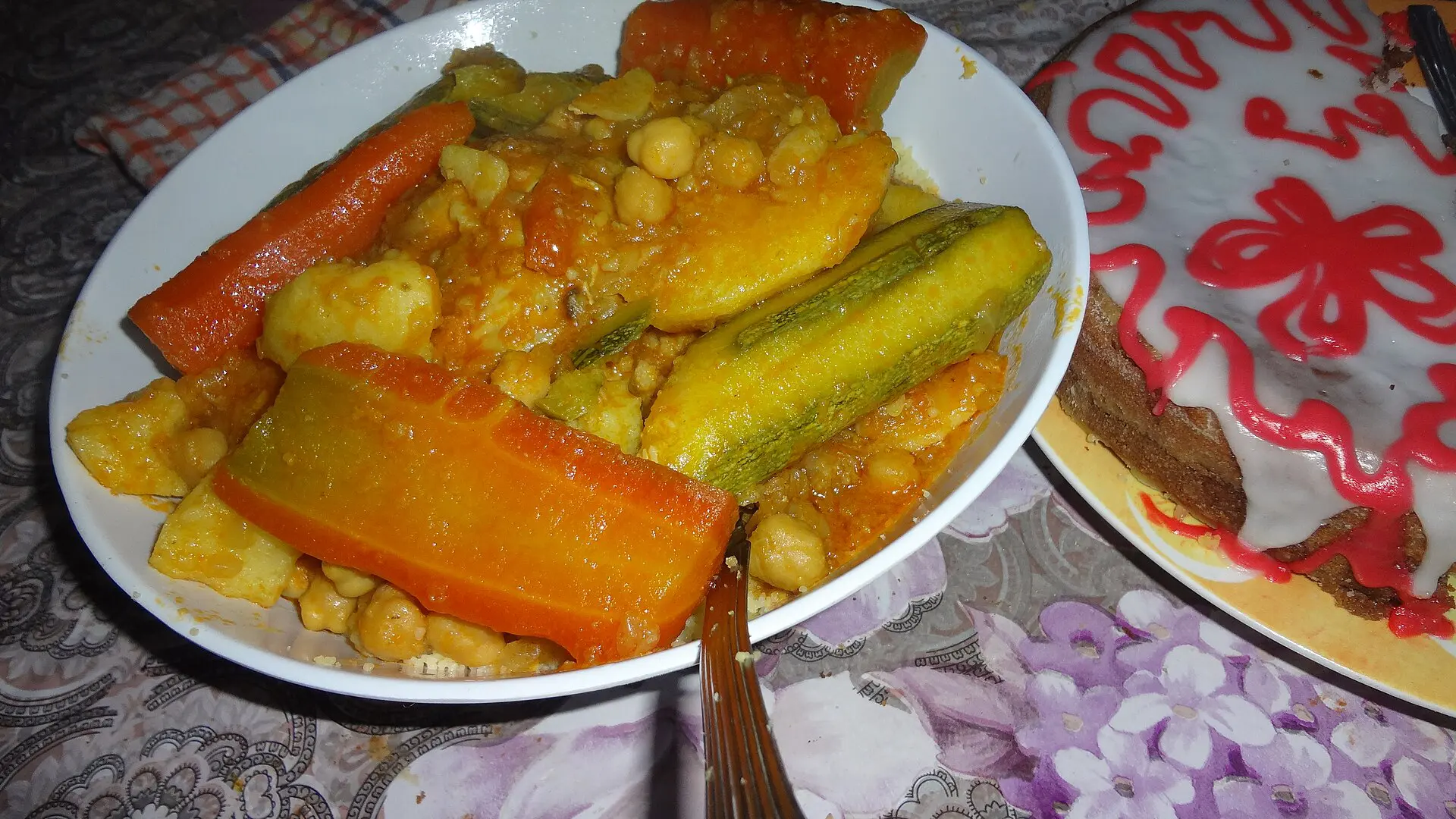
- Couscous: steamed semolina with vegetables, chickpeas and lamb, chicken or fish, with regional versions across the country.
- Chorba frik: a spiced lamb and green-wheat soup, often served to break the Ramadan fast.
- Chakhchoukha: torn flatbread soaked in a spicy meat stew, common in the east.
- Mhadjeb: stuffed semolina flatbread, sold as a cheap street snack.
- Bourek: thin fried pastry parcels with minced meat or cheese.
- Garantita: a warm chickpea flan, a street snack in Oran and the west.
- Sweets: makroud (date-filled semolina pastry) and qalb el louz, soaked in syrup.
- Drinks: mint tea, strong coffee and fresh orange juice.
Algeria is a Muslim-majority country, and alcohol is limited, mostly in some hotels and licensed restaurants. Vegetarians can eat vegetable couscous, but meat is common, so ask about stock. Cafés and bakeries are good for cheap breakfasts.
Culture, language and etiquette in Algeria
Arabic is the official language, and Tamazight (Berber) is also official. Algerian Arabic is the everyday spoken form, and French is widely used in business, education and signs, so French is the most useful second language for travellers. English is limited outside tourism and among younger people.
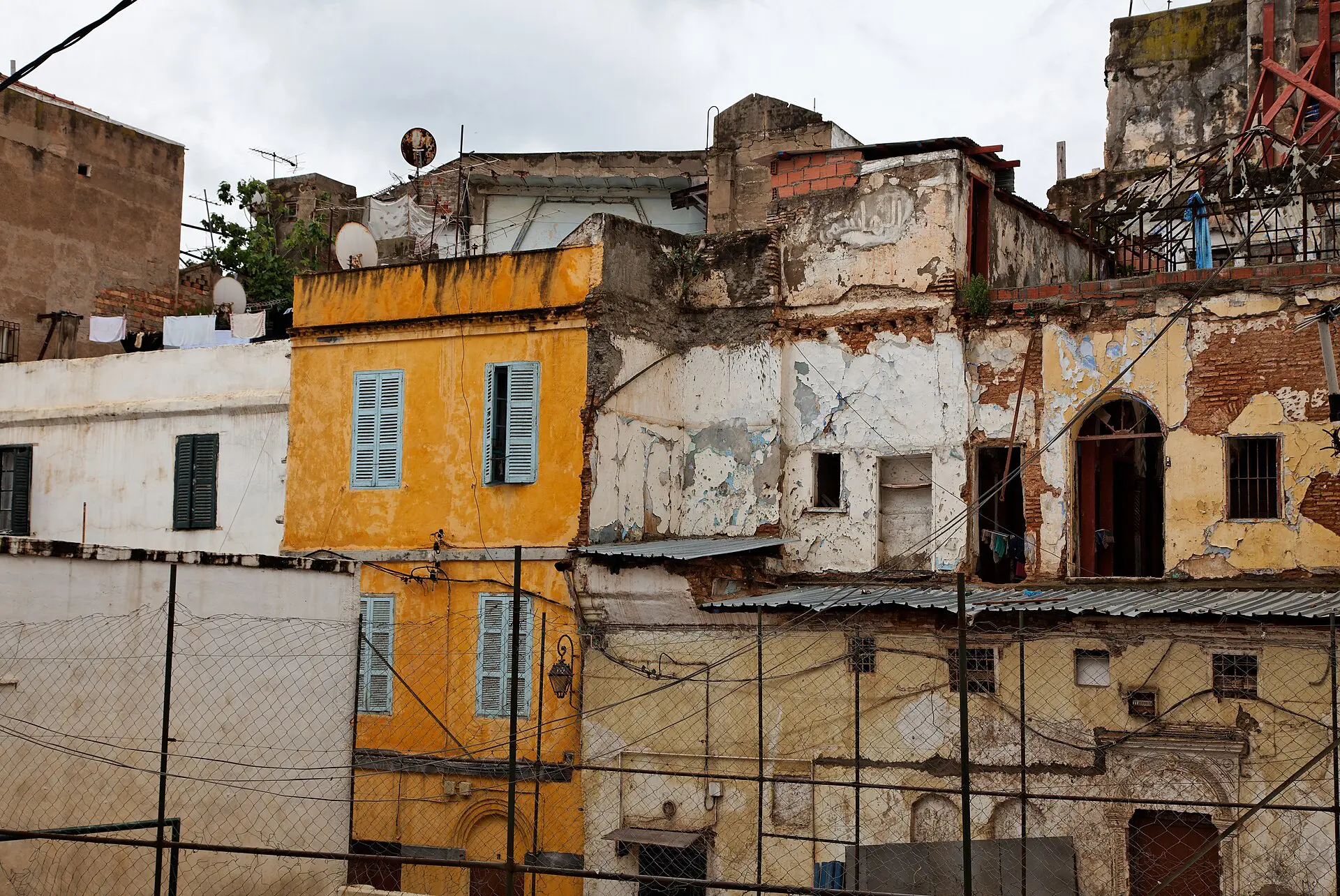
Algerian culture is shaped by Amazigh, Arab-Islamic, Ottoman and French heritage, and the independence war from 1954 to 1962 remains central to national identity. Hospitality is strong, and visitors are often invited for coffee or a meal.
Dress modestly, with covered shoulders and knees for both men and women, particularly in religious sites and rural areas. Use the right hand for eating and greeting. Ask permission before photographing people, and do not photograph police, military or government buildings. Avoid public displays of affection, and be careful when discussing politics, religion and the colonial period. During Ramadan, avoid eating or drinking in public during daylight.
Algeria itinerary: a 7-day route
This route covers the safer northern part of the country, with Algiers, the Roman coast and eastern ruins. It does not include the Sahara, which requires a licensed operator and current safety checks.
- Day 1, Algiers: arrive, then walk the seafront and the central French-era streets.
- Day 2, Algiers: explore the Casbah with a guide, then see the Martyrs’ Memorial or Notre-Dame d’Afrique.
- Day 3, Tipasa: take a day trip of around one hour each way to the ruins and the coast.
- Day 4, Constantine: fly from Algiers (about one hour) and cross the bridges.
- Day 5, Timgad: hire a driver for the roughly two-hour trip via Batna.
- Day 6, Djémila: head to Sétif and the ruins, then return to Constantine or Sétif.
- Day 7, return: fly back to Algiers for your connection.
Check train and flight timetables locally, because they change. If you prefer a slower trip, spend more nights in Constantine and Oran.
Practical tips for Algeria
- Money: bring cash in euros, and check current rules on changing it. ATMs and cards work mainly in big hotels and some shops in major cities, and many places only accept dinars.
- SIM and eSIM: buy a local prepaid SIM at the airport or an operator shop with your passport; coverage is good in the north and weaker in the Sahara.
- Plugs: types C and F at 230 V.
- Tipping: around 10 percent in restaurants, and small amounts for guides and drivers.
- Health: use bottled water, take insurance, and check routine vaccinations with your doctor or travel clinic.
- Packing: modest clothing, a scarf for sun and dust, warm layers for desert nights and sturdy shoes for ruins.
- Documents: carry your passport and a copy, because police checkpoints are common.
- Language: learn basic French or Arabic greetings; they make a clear difference.
For wider background, read the Wikivoyage Algeria guide and the Wikipedia article.
FAQ
Q1Is Algeria safe?
Parts of it are. Northern cities and Roman sites are generally calm, but many governments advise against travel near the borders and in parts of the south and east. Use licensed operators for the Sahara, avoid demonstrations, and check your government's current advice before booking.
Q2What is Algeria food like?
Algeria food centres on couscous with vegetables and meat, plus chorba frik soup, chakhchoukha, mhadjeb flatbread and bourek pastries. Sweets include makroud and qalb el louz, and mint tea is common. Alcohol is limited, and vegetarians can find vegetable couscous.
Q3What are the best things to do in Algeria?
Walk the Casbah of Algiers, visit the Roman cities of Timgad, Djémila and Tipasa, cross the bridges of Constantine and tour the M'zab Valley. With a licensed operator, you can also visit the Sahara, including Tassili n'Ajjer and the Hoggar.
Q4Is Algeria safe to visit for tourists right now?
Conditions change, so check your government's travel advice immediately before you go. Recent guidance from several countries has treated most of the north as lower risk than border areas and the far south. Stay on the main tourist routes, and avoid restricted zones.
Q5Do I need a visa for Algeria?
Most nationalities do, and it must usually be arranged before arrival through an Algerian embassy or consulate. Documents, fees and processing times vary and change, so check the official source early and avoid non-refundable bookings until approved.
Q6What is the best time to visit Algeria?
Spring (March to May) and autumn (October to November) are best for the north, with mild weather and quieter sites. Summer is very hot inland, and the Sahara is most comfortable from October to March, when daytime is warm and nights are cold.