Why visit Libya
Libya travel matters to history lovers because the country has some of the most complete Greek and Roman cities anywhere, largely free of the crowds seen in Italy, Greece or Turkey (see the Wikipedia overview for background). It is also the fourth-largest country in Africa by area, at about 1.76 million square kilometres, and most of it is Sahara, with oases, rock art and dunes.
This guide is a reference rather than an invitation. Libya has been in political and armed conflict since 2011, rival authorities hold different parts of the country, and the situation can change without notice. Today it suits only specialists with professional reasons to be there, or readers planning for a time when conditions improve. The ancient sites, the old towns of Ghadames and Tripoli, and the Saharan landscapes remain among the most remarkable in North Africa. Arabic is the official language, and the capital is Tripoli.
Best places to visit in Libya
The best places to visit in Libya are historic sites that are listed by UNESCO, though all of Libya’s World Heritage sites have been on its danger list for years. This section describes them for reference only, not as a recommendation to travel.
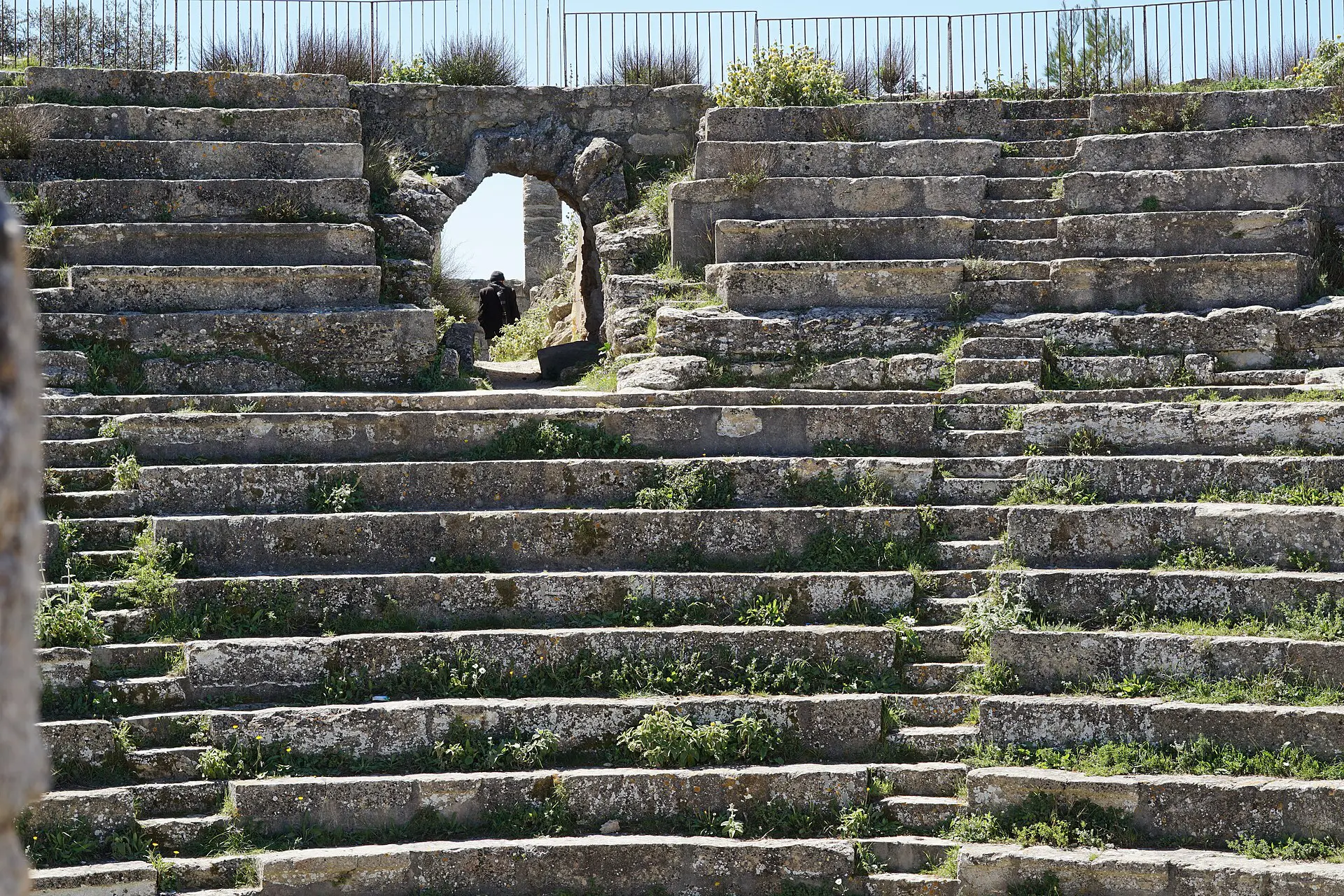
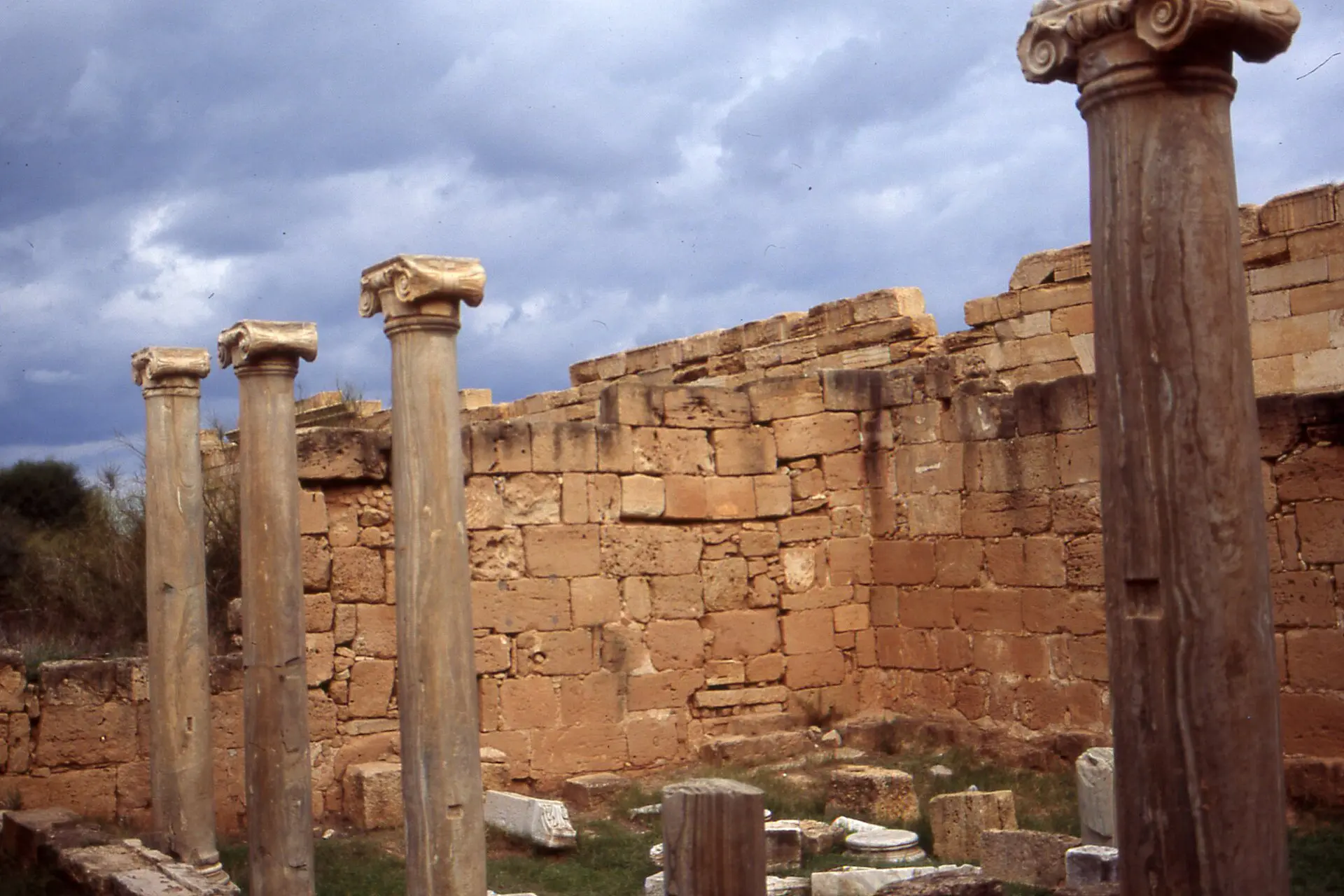
Leptis Magna
Near Khoms, east of Tripoli, Leptis Magna was the home town of the emperor Septimius Severus. Its basilica, forum, theatre and arch are among the best-preserved Roman remains in the Mediterranean.
Sabratha
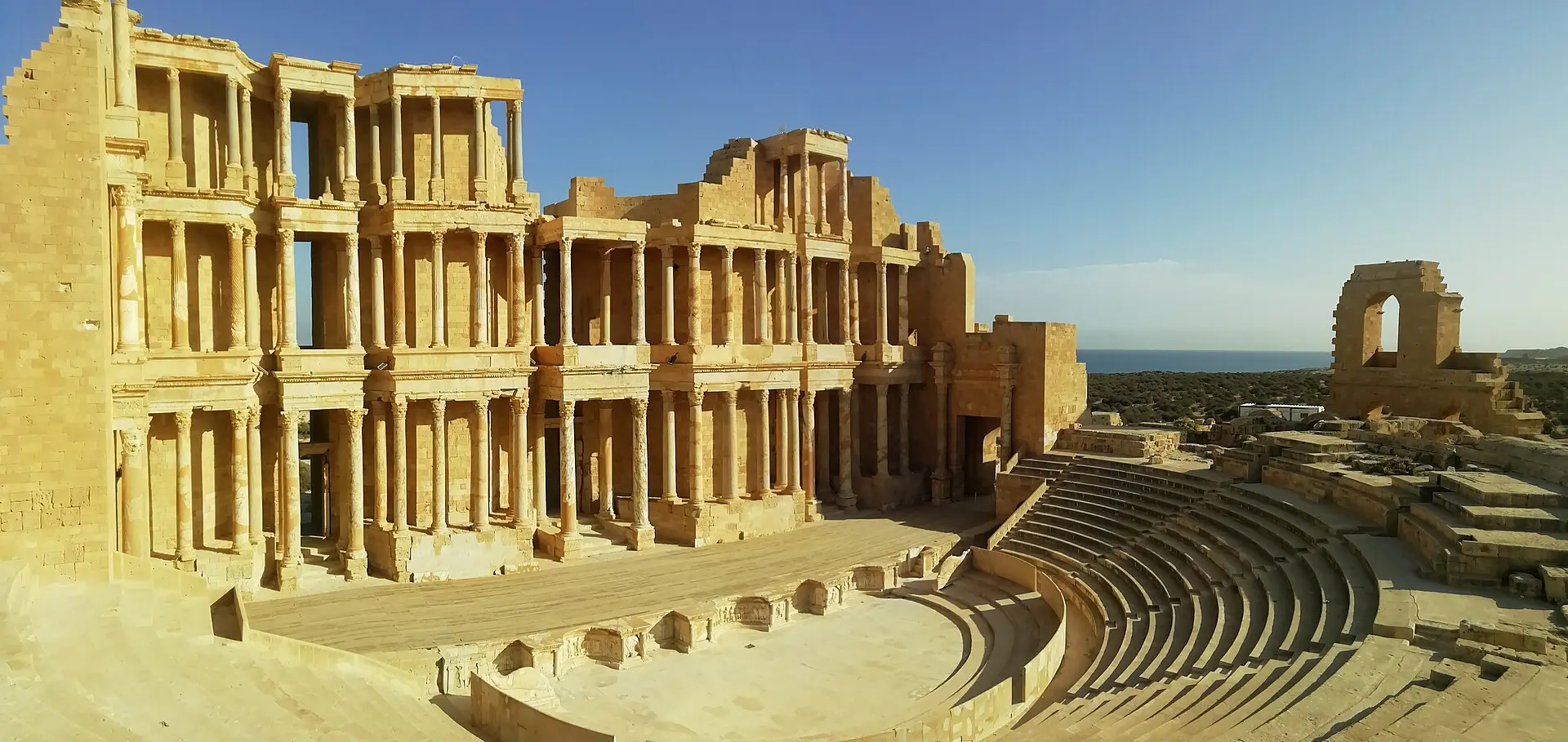
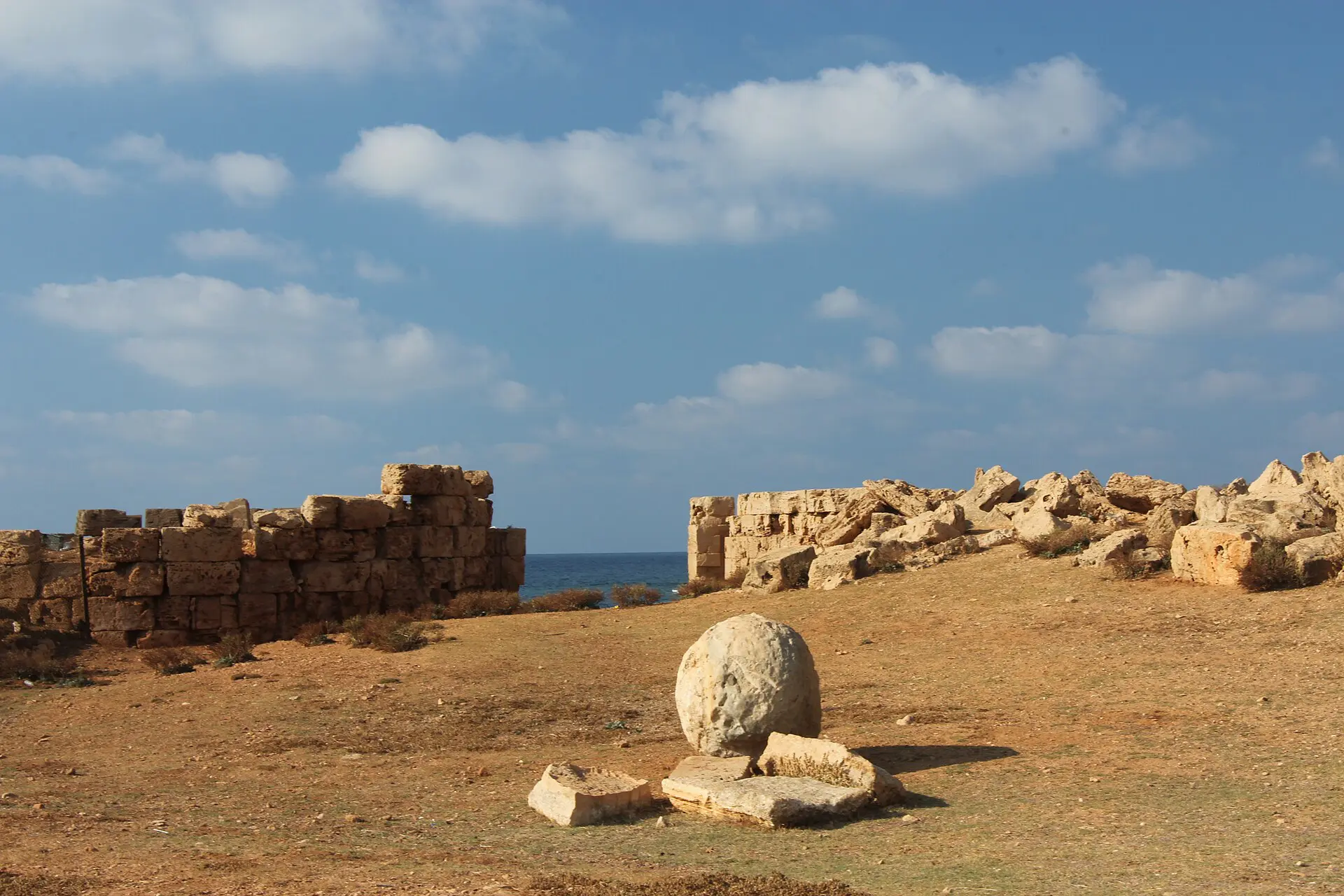
West of Tripoli, Sabratha has a large Roman theatre facing the sea, with a three-storey stage front, and Punic and Roman remains along the shore.
Cyrene
In the Green Mountains of the east, Cyrene was a major Greek colony founded in the 7th century BC. Its Temple of Zeus, sanctuary of Apollo and baths cover a hillside, and nearby Apollonia is its ancient port.
Ghadames
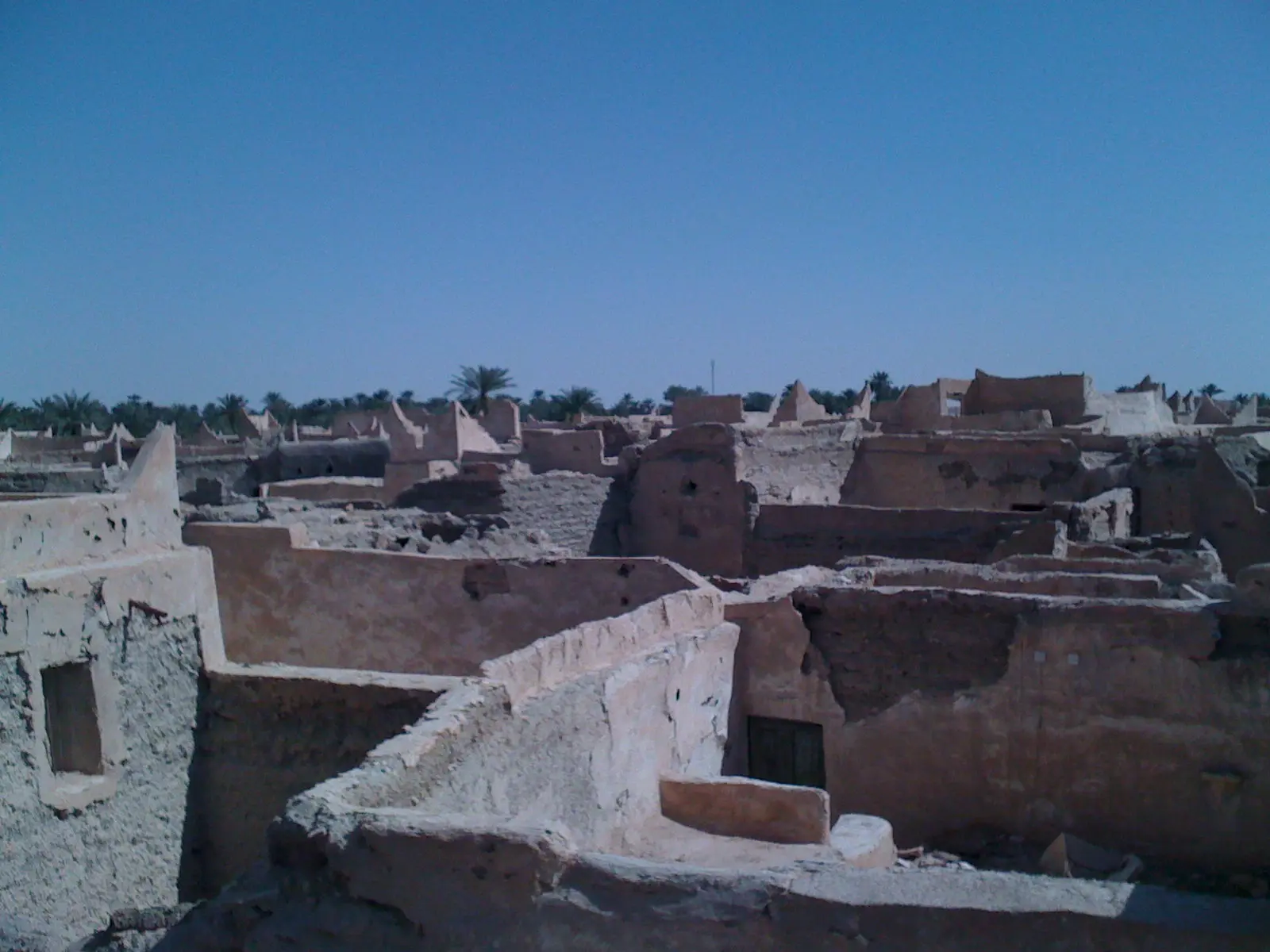
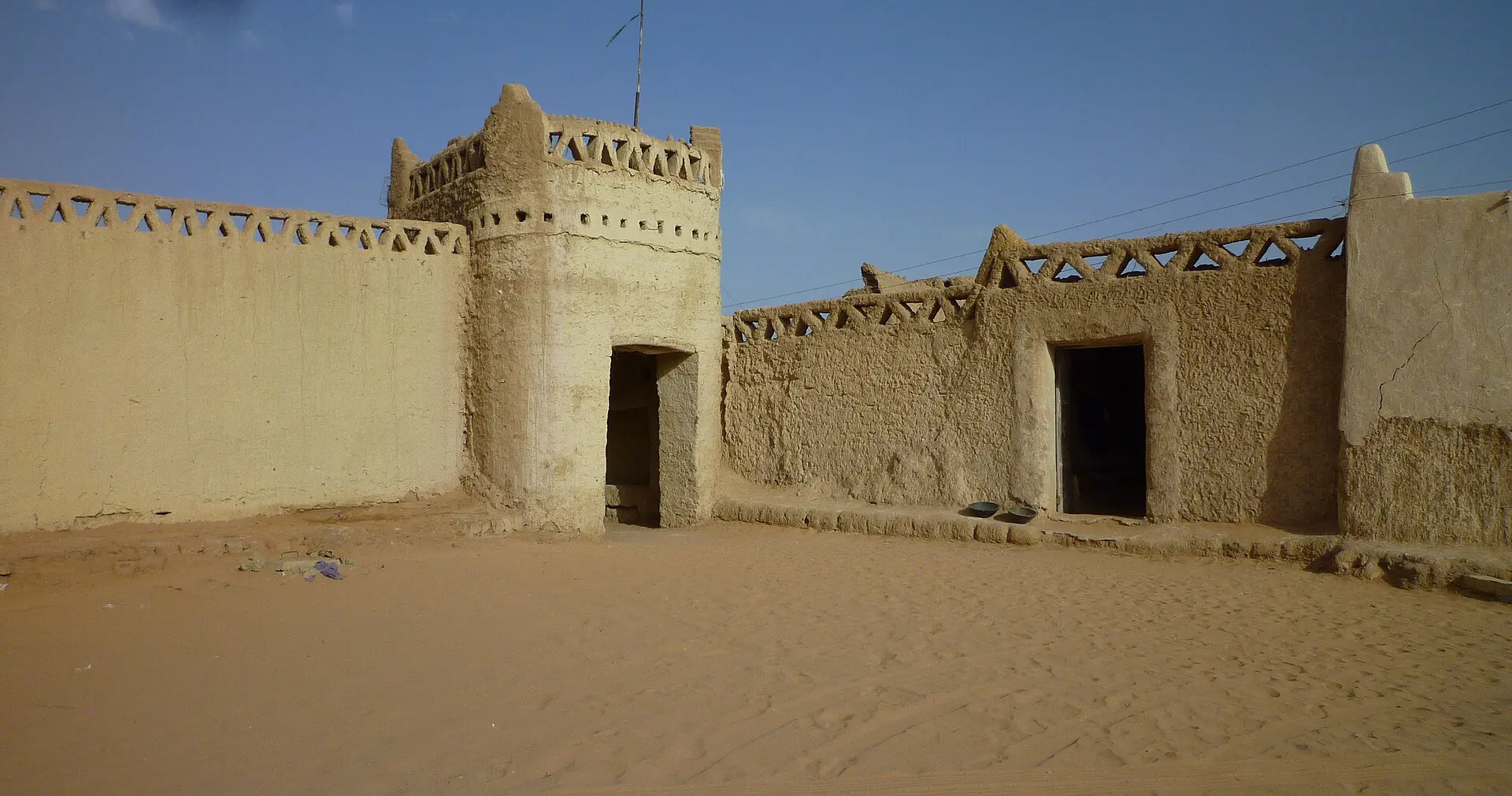
The old town, in the western desert near the Algerian and Tunisian borders, has whitewashed mud-brick houses with painted interiors and covered alleys built for desert heat.
Tadrart Acacus
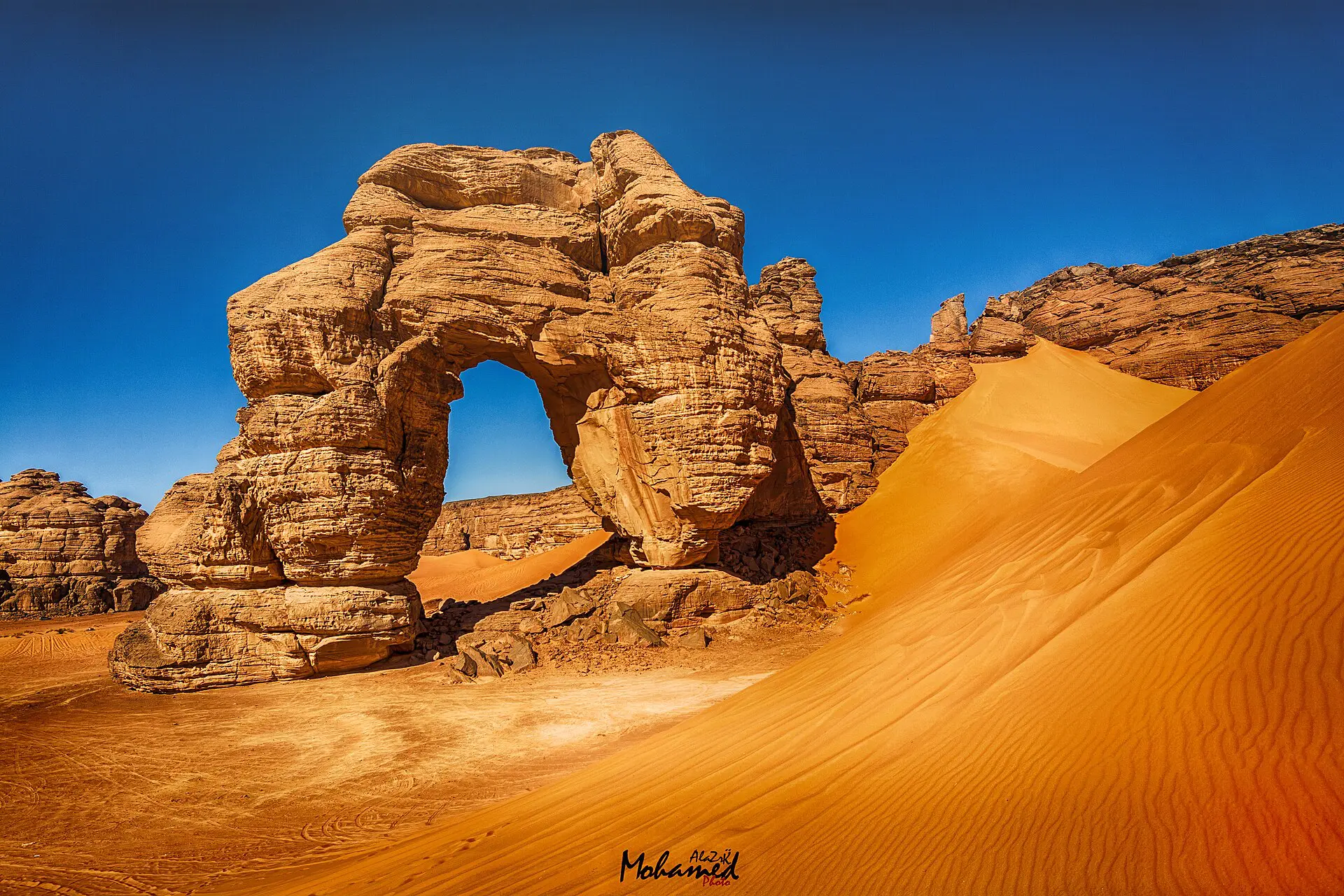
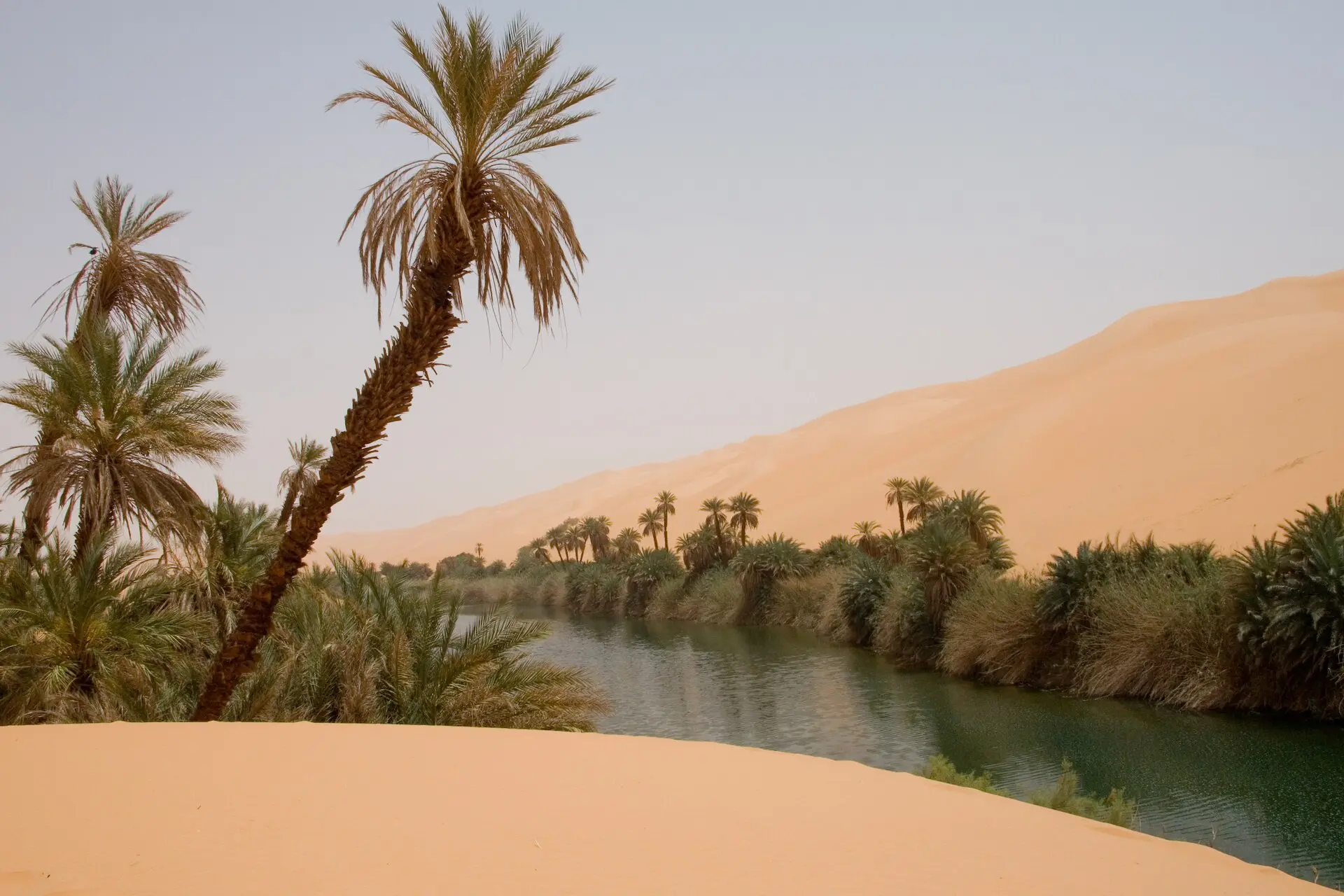
A remote Saharan range in the southwest, with thousands of prehistoric rock paintings and engravings, and nearby the Ubari lakes among the dunes.
Tripoli
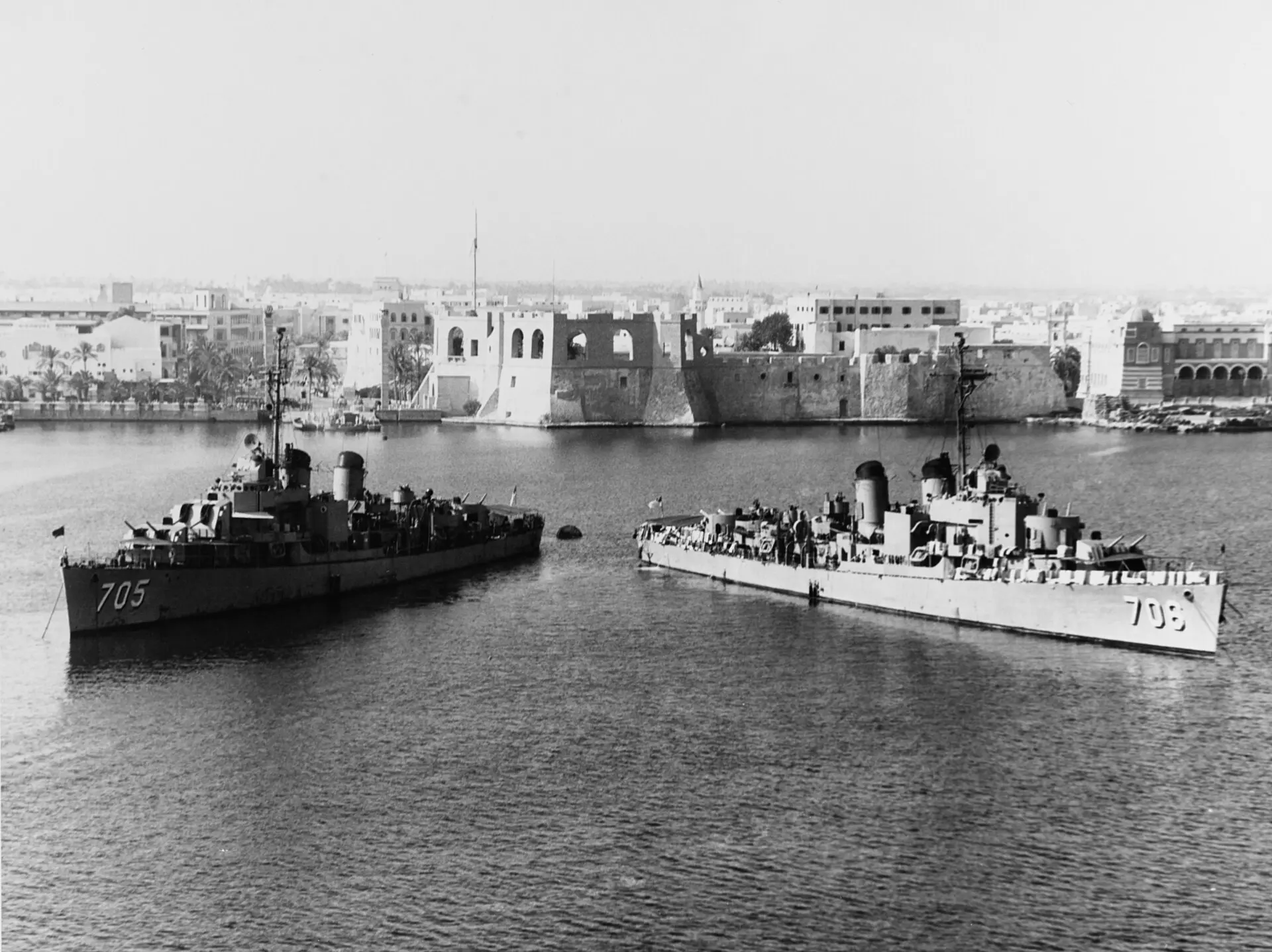
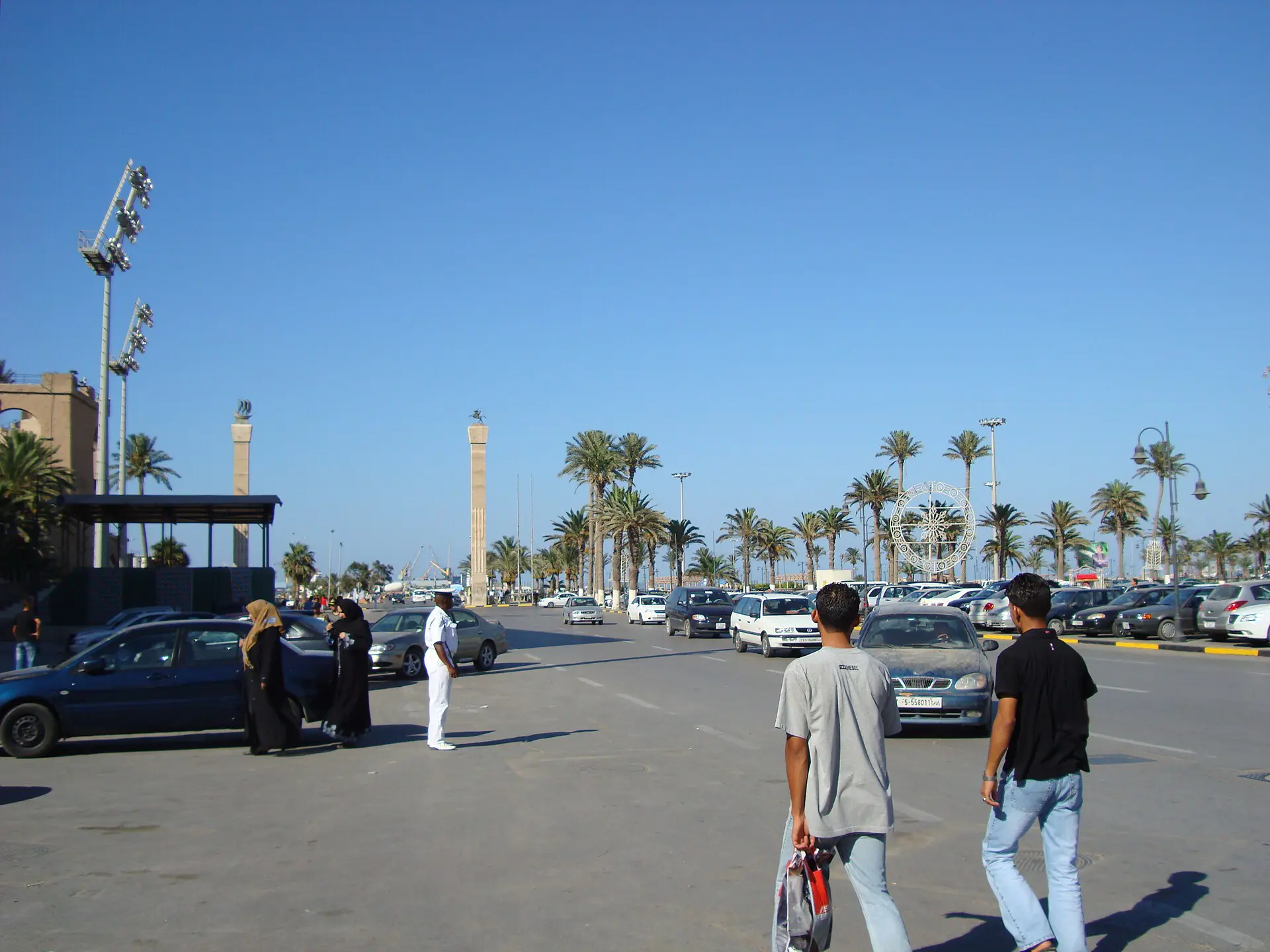
The capital has a walled medina, the Red Castle museum and an Italian-era seafront. It is the centre of the western authorities and has seen armed clashes.
Top things to do in Libya
The top things to do in Libya are heritage and desert experiences. None can currently be recommended without up-to-date security advice and professional arrangements.
- Walk the Roman streets of Leptis Magna: the Severan forum and basilica are the main highlights.
- Sit in the theatre at Sabratha: the stage front looks over the Mediterranean.
- Explore Cyrene and Apollonia: Greek temples, baths and a sunken harbour in the Green Mountains.
- Wander old Ghadames: the maze of covered lanes and rooftop terraces separated men’s and women’s spaces.
- See rock art in the Acacus: prehistoric paintings of animals and people, visited only with specialist desert guides.
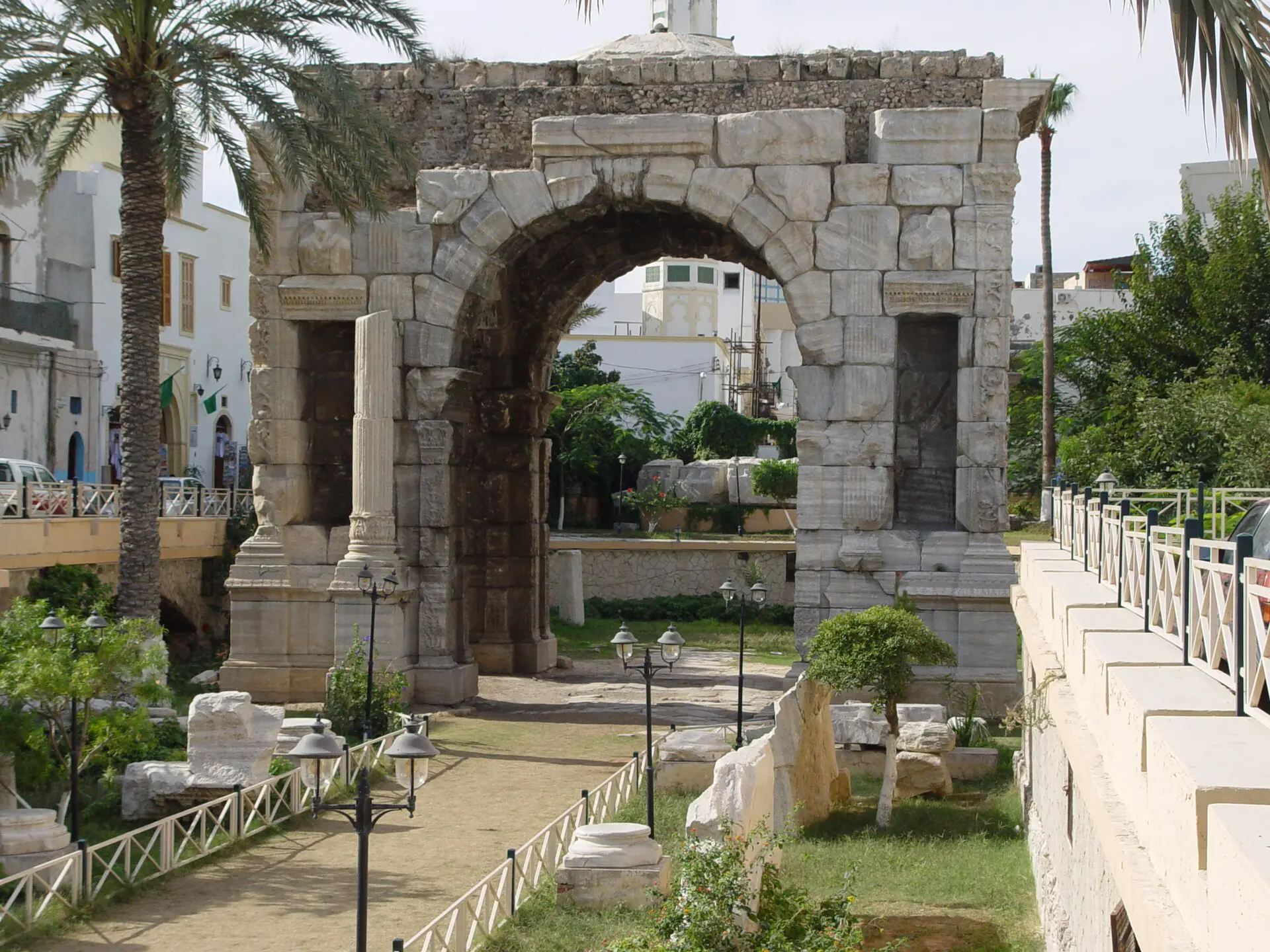
- Visit the Tripoli medina: the Arch of Marcus Aurelius, old fondouks and the museum in the Red Castle.
- Drive to the Ubari lakes: small salt lakes set among the sand dunes.
- Stargaze in the Sahara: clear skies far from towns, with guided camps arranged privately.
- Taste Libyan tea and dates: in markets and cafés across the country.
Tours were run by specialist operators before 2011, but regular tourism has not resumed. Treat any offer of tours with caution, and check it against your government’s advice.
Best time to visit Libya
The best time to visit Libya, if travel ever becomes advisable, is October to April, when coastal temperatures are mild and the desert is bearable. Summers from June to September are very hot, often above 40 C inland and in the south, and humid on the coast. The sirocco, a hot dust-laden wind, can blow in spring and autumn. The Green Mountains near Cyrene are cooler and greener, and get the most rain in winter.
| Season | Weather | Crowds and prices | Good for |
|---|---|---|---|
| Winter (Dec-Feb) | Mild and rainy on the coast, cold desert nights | No established tourism | Coastal ruins, Sahara days |
| Spring (Mar-May) | Warm, some dust and sirocco winds | No established tourism | Ruins, wildflowers in the north |
| Summer (Jun-Sep) | Very hot, 40 C and above inland | No established tourism | Little; heat is severe |
| Autumn (Oct-Nov) | Warm, pleasant | No established tourism | Coast and desert |
Security conditions, not season, decide whether travel is possible at all.
Is Libya safe to visit?
No. Libya is not safe for tourists at present, and the UK, US and many other governments advise against all or nearly all travel. Armed groups control many areas, fighting can erupt in cities including Tripoli with little warning, and consular help is extremely limited or absent. Check your government’s current advice, such as the UK FCDO or US State Department pages, before you consider any trip.
Main threats. Armed conflict between rival groups, militias, kidnapping and detention, terrorism, landmines and unexploded ordnance, and unpredictable roadblocks. Foreigners can be detained for reasons that are unclear.
Other risks. Healthcare is severely limited, the banking system is unreliable, power and fuel shortages are common, and flights are sometimes suspended. Travel insurance often excludes Libya, so confirm before you go. Desert travel adds heat and navigation risks, and border areas with Chad, Niger, Sudan and Algeria are especially dangerous.
If you have an essential reason to travel, such as work, register with your embassy, use a reputable security provider and have an exit plan. Tourism and independent travel should wait.
Visa and entry requirements for Libya
Nearly every visitor needs a visa for Libya, and obtaining one is difficult. Rules vary by nationality and between the competing authorities, and they change often. Tourist visas have traditionally required sponsorship by a Libyan travel company or host, and an invitation letter and a security clearance may be needed. No standard online or on-arrival system should be assumed.
Your passport should be valid for at least six months, and evidence of travel to Israel can cause refusal of entry. Carry a printed Arabic translation of your passport details if the visa process requires one, and confirm requirements with a Libyan embassy.
Even if you hold a visa, your government may advise against travel, and your insurance may be invalid. Many international airlines do not serve Libya, and some airports are closed or restricted. Land borders, particularly with Tunisia and Egypt, can close or change rules with little notice. For background, see the Wikivoyage Libya page, but rely on official sources.
Getting to and around Libya
Flights to Libya are limited and change frequently. Mitiga Airport in Tripoli, Benghazi’s Benina Airport and a few others have operated flights from Tunisia, Turkey, Egypt and other nearby countries, although service has often been suspended for security reasons. The main Tripoli international airport has been closed to commercial traffic for years because of damage. Check the status of any flight carefully.
Land. Land crossings with Tunisia (Ras Ajdir) and Egypt (Sallum) have served travellers, but they can close at short notice, and road travel between regions crosses areas controlled by different armed groups, with checkpoints.
Inside the country. Roads along the coast link Tripoli, Leptis Magna and Benghazi, and distances are long. The coast road from Tripoli to Benghazi is around 1,000 kilometres. Public transport is limited, so any visit would require a vetted driver or an organised, armed-escort arrangement. Self-drive is not advisable. Cars drive on the right.
Fuel shortages, power cuts and unmarked hazards in desert areas make independent movement dangerous.
How much does a trip to Libya cost?
There is no normal price structure for a trip to Libya, because regular tourism has not resumed and costs depend on security arrangements. The Libyan dinar (LYD) is the official currency, and an unofficial market rate often differs from the official one. These points are general and not a budget.
- Accommodation: limited in number, with a few hotels in Tripoli and Benghazi that cater mostly to business and official visitors, at relatively high prices for the quality.
- Transport: a private driver, vehicle and security arrangements usually make up the bulk of costs.
- Visa and sponsorship: sponsors and agents may charge fees.
- Food: local restaurants and cafés are inexpensive, though supply and prices can shift.
Cash is essential. International cards do not work reliably, ATMs are scarce and withdrawal limits are common, so visitors have brought foreign currency, usually euros or US dollars, and exchanged it locally. Specialist security, insurance with the right cover and evacuation arrangements add significant cost. Any figure quoted by a tour agent should be verified against your government’s advice and checked in writing before you pay.
Libya food and drink
Libya food draws on Arab, Berber, Turkish and Italian influences, with olive oil, tomato, chilli, dates, lamb and pasta at the centre of many meals.
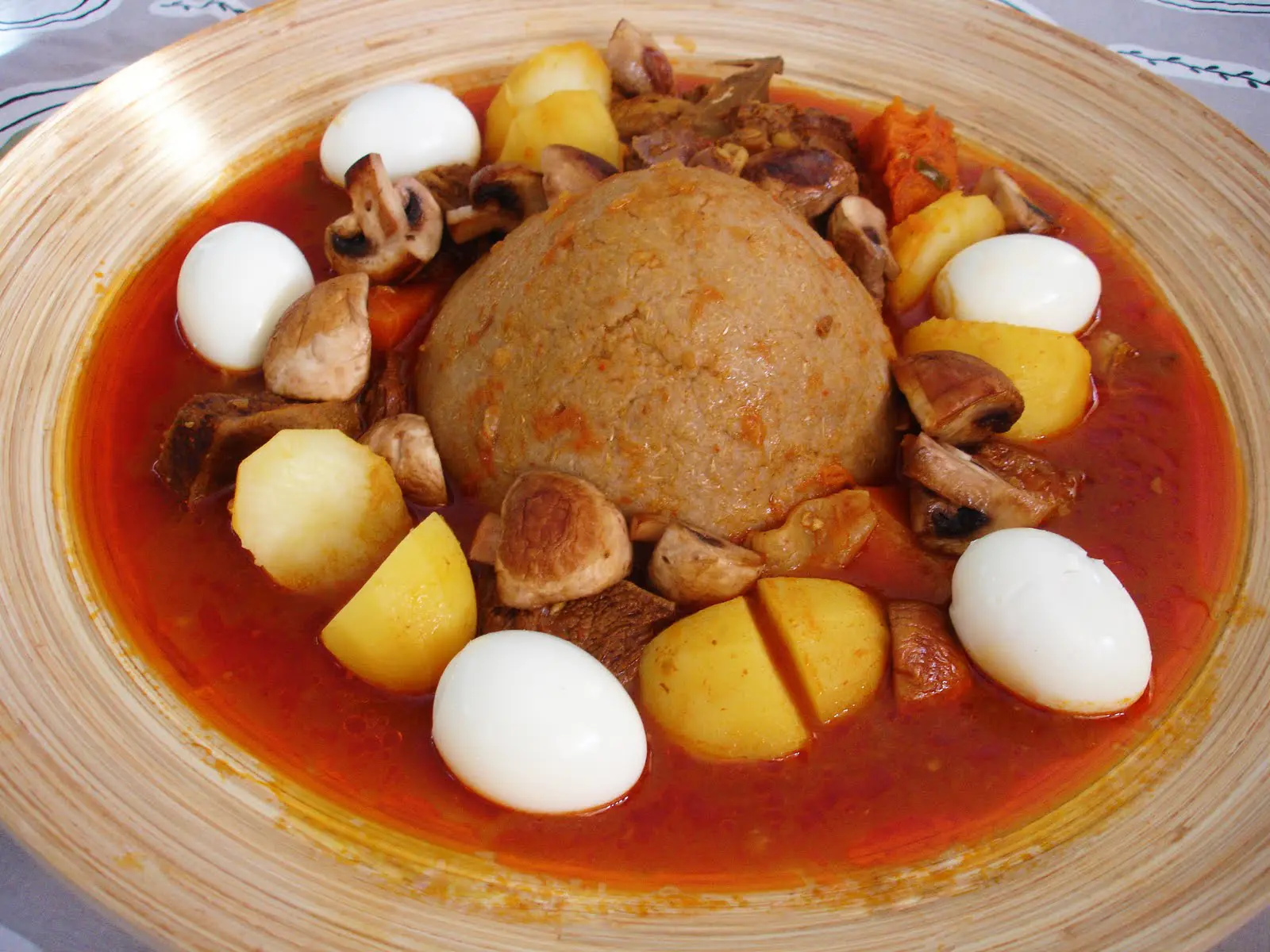
- Bazin: a firm barley dough served with a tomato and lamb sauce, eggs and potatoes, often eaten from a shared dish.
- Shorba libiya: a spicy lamb and tomato soup with orzo, served in Ramadan to break the fast.
- Couscous: served with lamb or fish, and often sweetened with raisins and nuts for special occasions.
- Mbakbaka: a pasta dish in a spicy tomato and lamb sauce, showing Italian influence.
- Usban: stuffed lamb or beef tripe, a festive dish, spiced and slow-cooked.
- Asida and bsisa: a sweet dough served with date syrup, and a flour and herb mix eaten with oil.
- Shakshuka: eggs poached in a tomato and pepper sauce, a breakfast favourite.
- Tea and dates: strong tea served in three rounds, with peanuts or almonds, and dates from the oases.
Alcohol is banned. Fresh fish is common on the coast, and vegetarian dishes exist but are limited. Eat at places that are busy, and drink bottled water.
Culture, language and etiquette in Libya
Arabic is the official language, and Libyan Arabic is the everyday spoken form. Amazigh (Berber) and Tuareg communities in the west and south speak their own languages. English and Italian are understood in some business and older circles, but English is not widely spoken, so a guide who speaks Arabic is essential.
Libya is a conservative Muslim country. Dress modestly, with shoulders and knees covered, and women should carry a headscarf for religious sites. Alcohol is illegal. Public displays of affection are discouraged. Greet people with a handshake, between men, and wait for a woman to offer her hand. Visitors are given hospitality in the form of tea, dates and meals, and refusing is considered rude.
Politics, the civil conflict and the former government are very sensitive subjects. Do not photograph military sites, checkpoints, government buildings or people without permission. Ramadan changes opening hours, and eating or drinking in public during the day is inappropriate. Respect prayer times, and avoid scheduling travel on Fridays.
Libya itinerary: a 7-day route
Independent travel in Libya is not currently advisable, and this guide does not provide a route that sends readers into areas their governments advise against. If government advice changes and a licensed operator offers a secure programme, a typical heritage-focused week looks like the following, shown for planning reference only.
- Day 1, Tripoli: medina, Red Castle museum and the Arch of Marcus Aurelius, with a vetted guide.
- Day 2, Sabratha: the Roman theatre and the Punic mausoleum, then back to Tripoli.
- Day 3, Leptis Magna: a full day at the Severan forum, basilica, theatre and port.
- Days 4 and 5, Ghadames: fly or drive to the old oasis town, if routes are open, and walk its lanes.
- Day 6, Return to Tripoli: an easy day for the museum and the market.
- Day 7, Departure: flight home.
Cyrene and Apollonia in the east and the Acacus in the south are usually separate trips, requiring more time, permits and security arrangements. Until advice changes, the safest way to see Libya’s heritage is through museum collections, documentaries and the work of archaeological teams.
Practical tips for Libya
If you have a legitimate reason to be in Libya, whether for work or humanitarian reasons, a few practical points apply.
- Advice: read your government’s advice, register with your embassy and note that consular assistance is very limited.
- Insurance: check that your policy actually covers Libya and includes medical evacuation, since many policies exclude it.
- Money: bring cash in euros or US dollars, since cards and ATMs are unreliable. Exchange only at licensed offices, and keep records.
- SIM and eSIM: local SIMs from Libyana and Almadar are available, with variable coverage. Internet outages are possible.
- Plugs: types C, D, F and L at 230 V, so bring a universal adaptor.
- Tipping: not obligatory, but small tips for guides and drivers are welcome.
- Health: bring prescription medicines and a first-aid kit, and drink only bottled water. Hospitals are stretched.
- Packing: modest, loose clothing, sun protection, a head torch, copies of documents and a power bank.
- Communication: share your plans with someone at home and check in regularly.
The UNESCO page for Libya lists the heritage sites and their status.
FAQ
Q1Is Libya safe?
No. The UK, US and many other governments advise against all or nearly all travel to Libya because of armed conflict, militias, kidnapping, terrorism and landmines. Fighting can break out in Tripoli and other cities with little warning, and consular help is extremely limited.
Q2What food is Libya known for?
Libya food includes bazin, a barley dough served with lamb and tomato sauce, plus shorba libiya soup, couscous, mbakbaka pasta, usban and shakshuka. Dates and strong tea with peanuts are common. Alcohol is banned, and fish is available on the coast.
Q3Is Libya safe to visit?
It is not safe for ordinary tourism at present. Most governments advise against all or nearly all travel, and insurers often exclude it. Only people with essential reasons should consider it, with professional security, official registration and evacuation plans in place.
Q4Do I need a visa for Libya?
Nearly all visitors do, and it is difficult to obtain. A visa usually requires sponsorship by a Libyan company or host, and rules differ between authorities and change often. Confirm with a Libyan embassy, and check your government's travel advice first.
Q5What are the best things to do in Libya?
Historically, the highlights are the Roman ruins at Leptis Magna and Sabratha, Greek Cyrene, the old town of Ghadames, the Tripoli medina and Saharan rock art in the Acacus. These remain closed to normal tourism while governments advise against travel.
Q6What currency should I bring to Libya?
The official currency is the Libyan dinar, but international cards and ATMs are unreliable. Visitors have brought euros or US dollars in cash and exchanged them locally. Rates differ between official and unofficial channels, so check current conditions with a trusted local contact.