Why visit New Zealand
The things to do in New Zealand are unusually varied for a country of about 5.3 million people. Two main islands, the North Island (Te Ika-a-Māui) and the South Island (Te Waipounamu), hold glaciers, active volcanoes, sheep country, fiords, subtropical beaches and some of the best-known hiking routes in the world. The Wikipedia overview gives the background, and the country is increasingly known by its Māori name, Aotearoa, usually translated as land of the long white cloud.
New Zealand suits independent travellers who like to drive, hike or try something physical: bungy jumping and jet-boating both started here. It also works well for first-time long-haul visitors, because infrastructure is modern, English is the main language and the country is politically stable. The trade-offs are distance, since flights are long, and cost, since this is not a budget destination. Plan for slow days on winding roads rather than a checklist of cities.
Best places to visit in New Zealand
The best places to visit in New Zealand are mostly natural, so choose regions rather than cities and give each at least two nights.
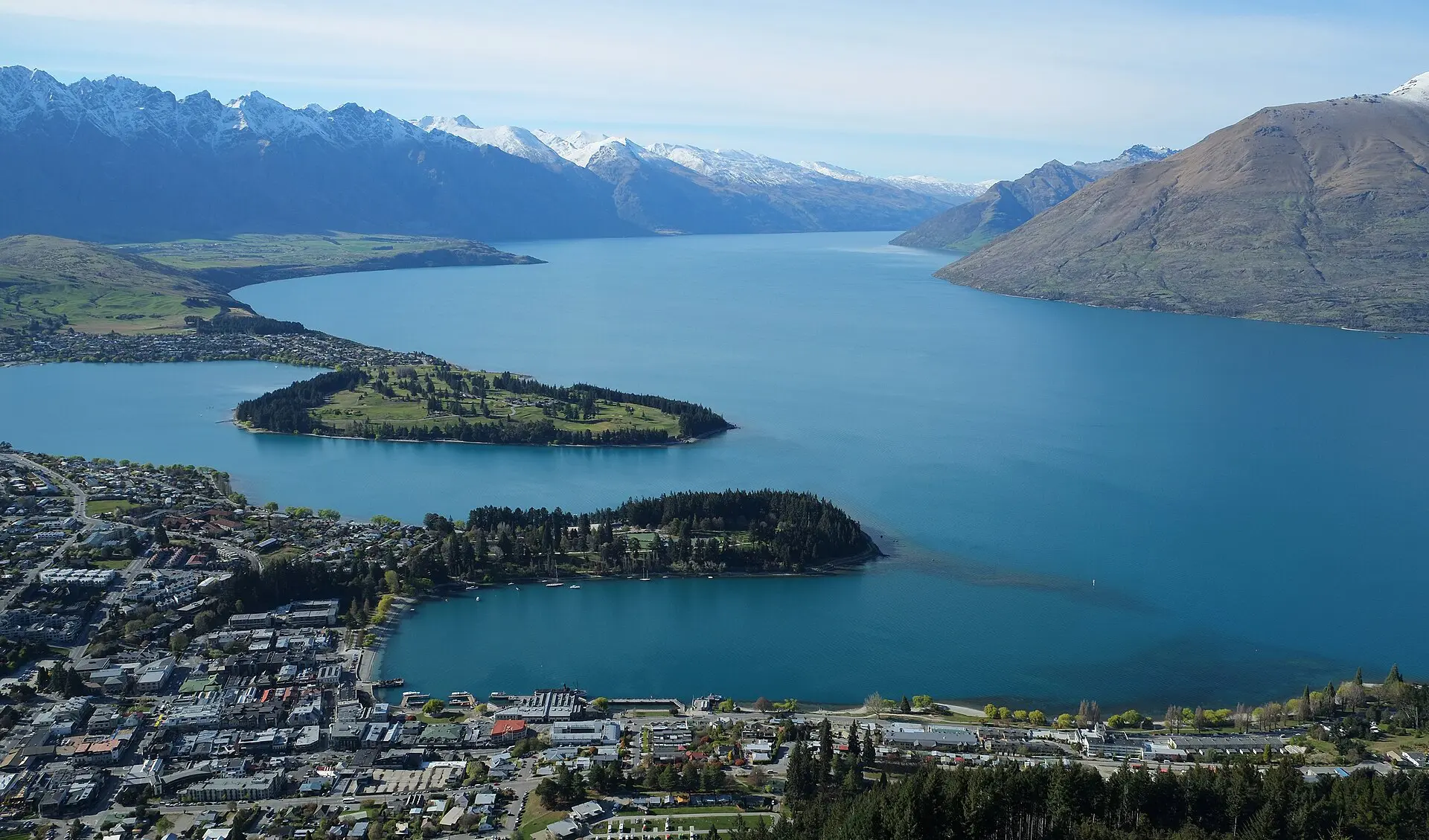
Queenstown and Wānaka
Queenstown sits on Lake Wakatipu beneath the Remarkables and is the country’s adventure hub, with bungy, skydiving, jet-boating and skiing in winter. Nearby Arrowtown is a quieter gold-rush village. Wānaka, about an hour away, has a calmer lakeside feel and good day hikes.
Fiordland and Milford Sound
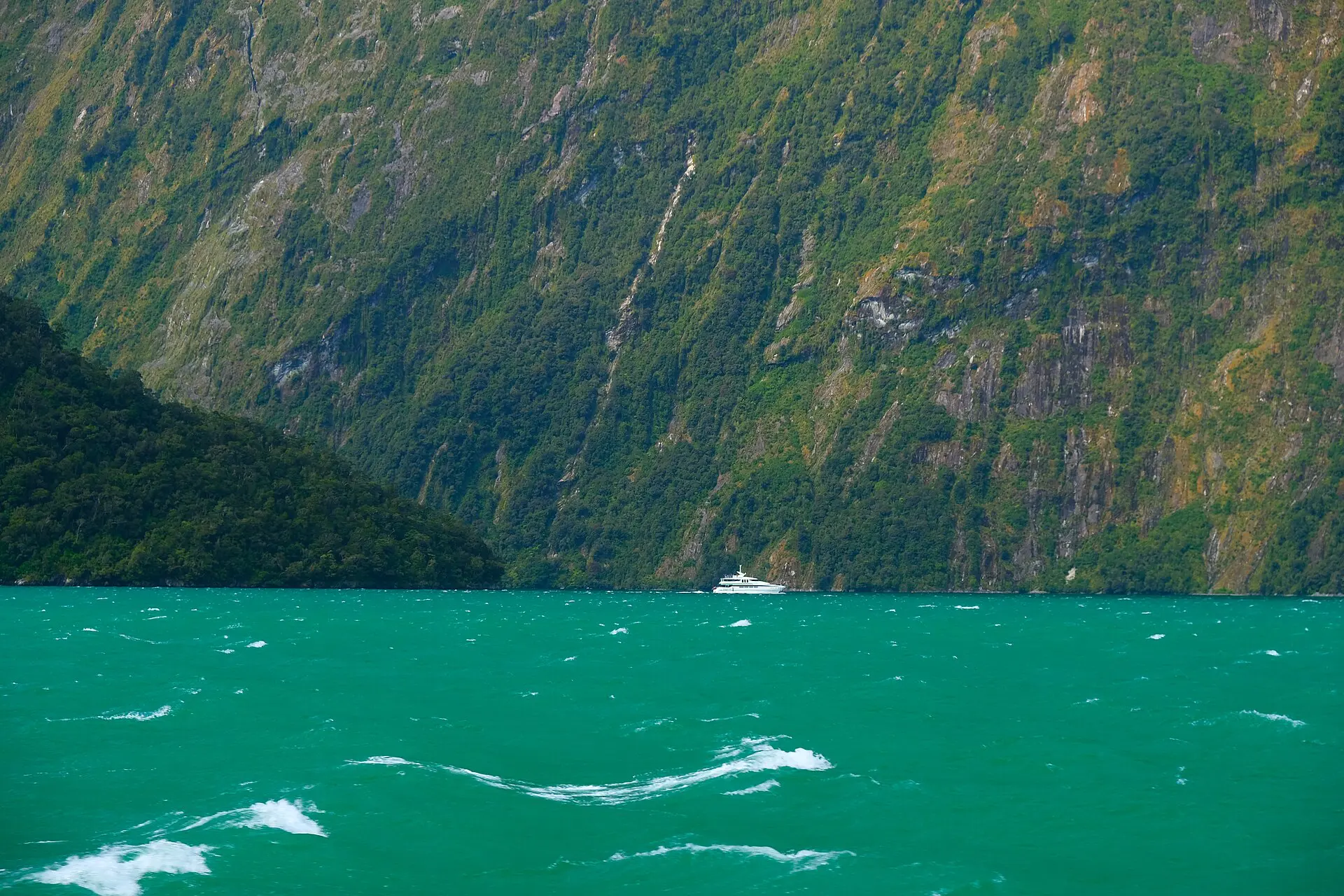
Milford Sound is the most visited fiord, with Mitre Peak rising straight out of the water and waterfalls after rain. Doubtful Sound is wilder and harder to reach. Both are in Fiordland National Park, and the Milford Road passes dramatic valleys and tunnels on the way.
Aoraki / Mount Cook and Lake Tekapo
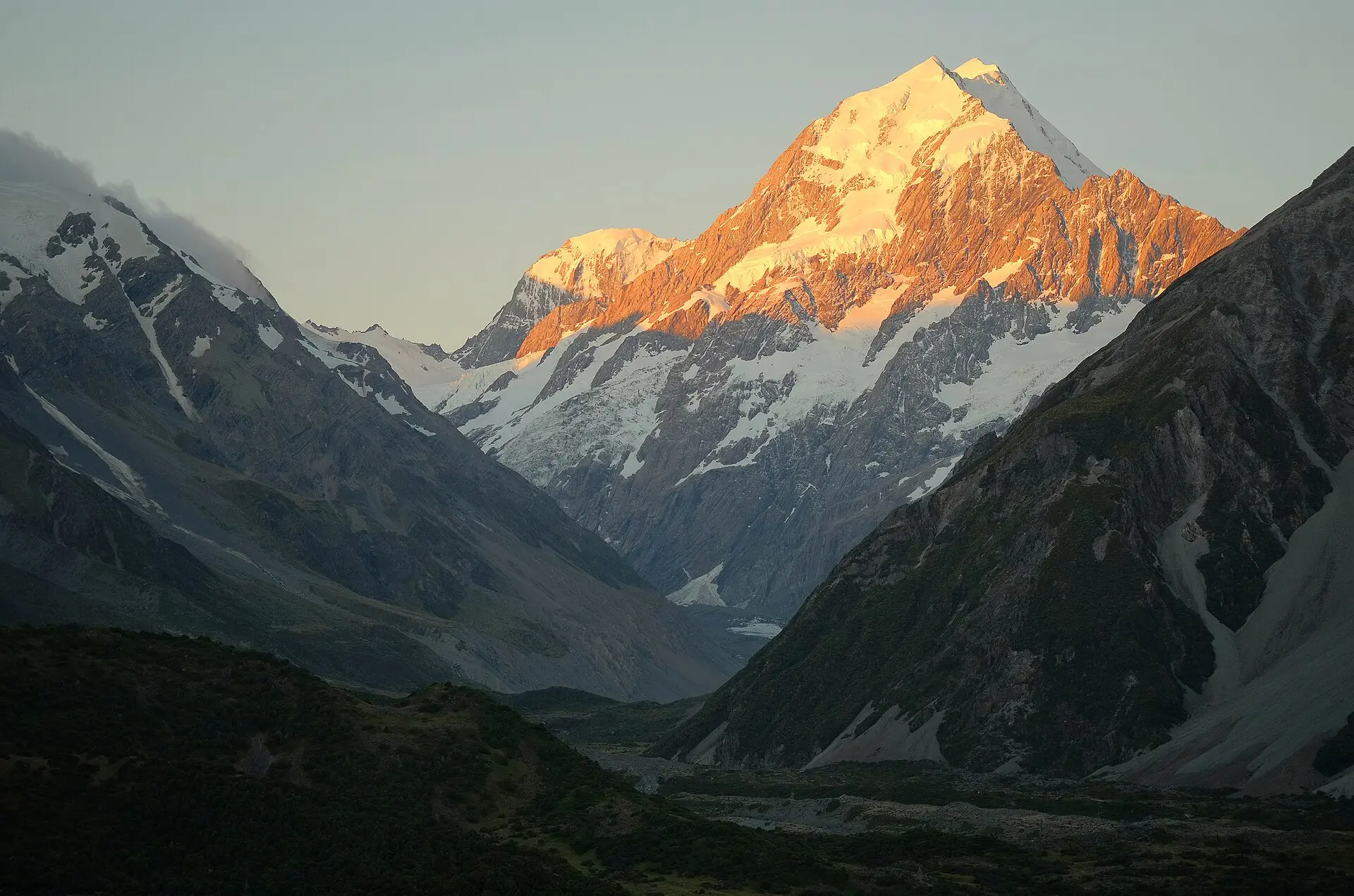
The Mackenzie Basin offers milky turquoise lakes and the Southern Alps’ highest peak. The Hooker Valley Track is an easy walk to a glacial lake, and Tekapo is known for its dark skies.
Rotorua and Taupō
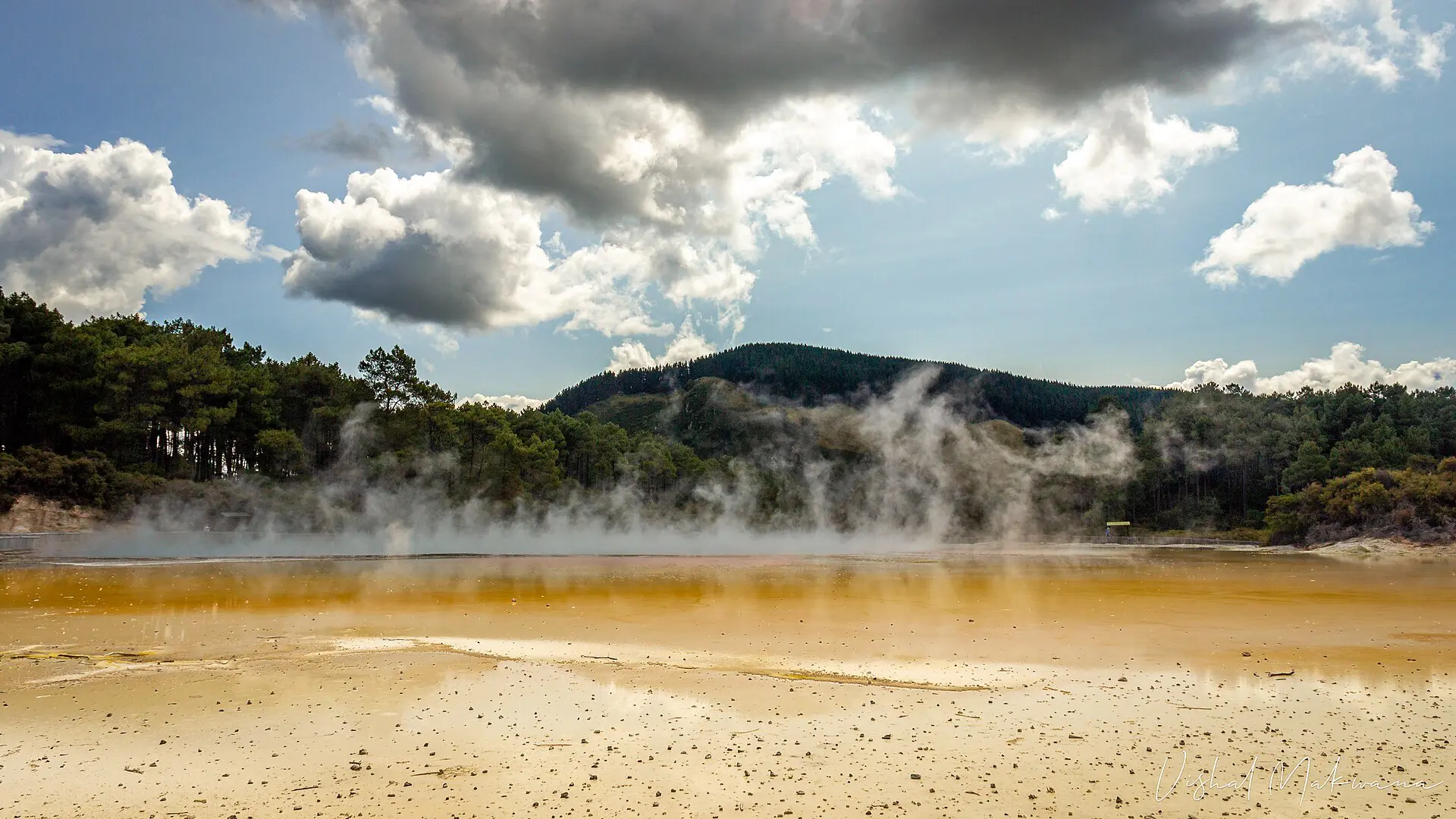
Rotorua is the centre for geothermal activity and Māori cultural experiences, with boiling mud, geysers and hot pools. Taupō lies beside New Zealand’s largest lake and is the base for Tongariro National Park.
Bay of Islands and Auckland
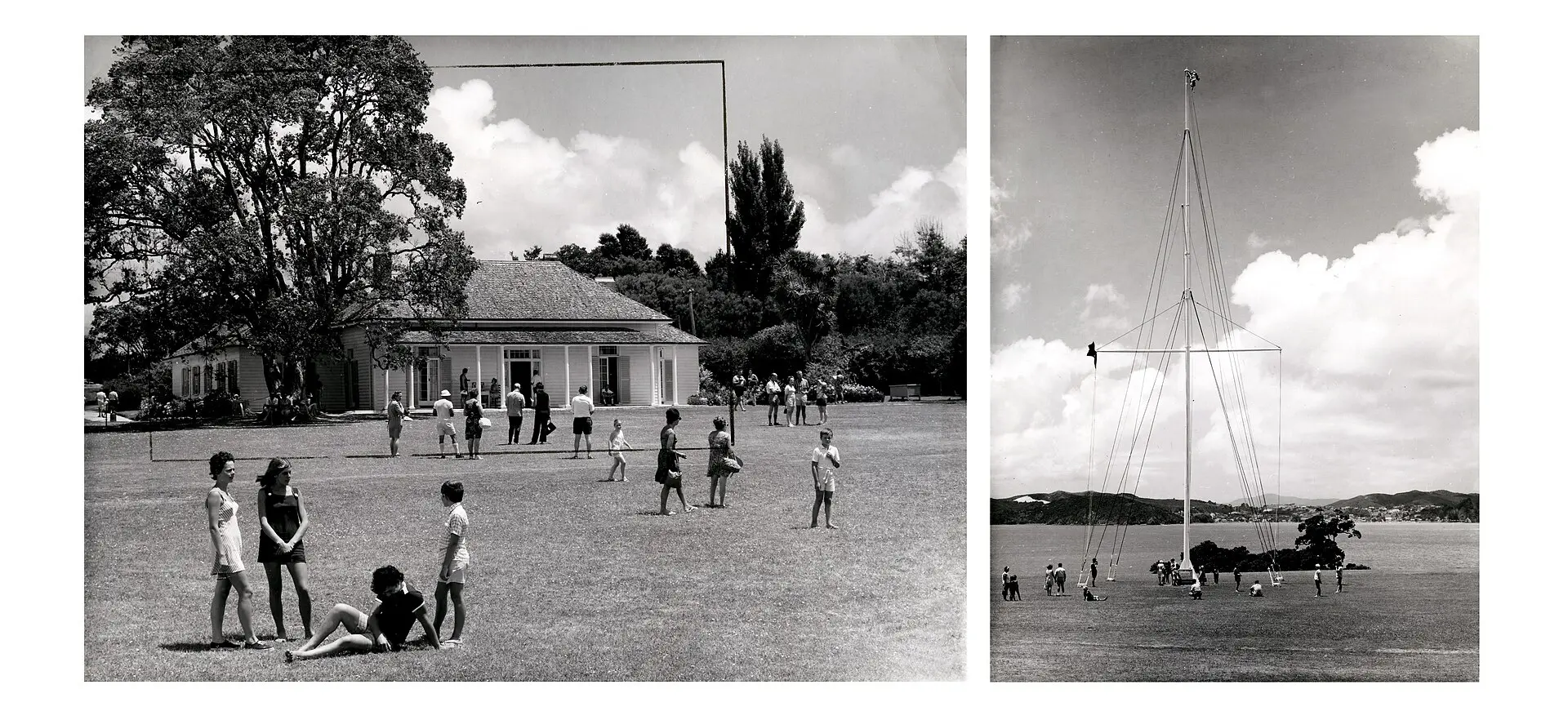
Auckland is the main gateway, a harbour city built around volcanic cones. About three hours north, the Bay of Islands has sheltered sailing waters and the Waitangi Treaty Grounds.
Wellington and the Abel Tasman coast
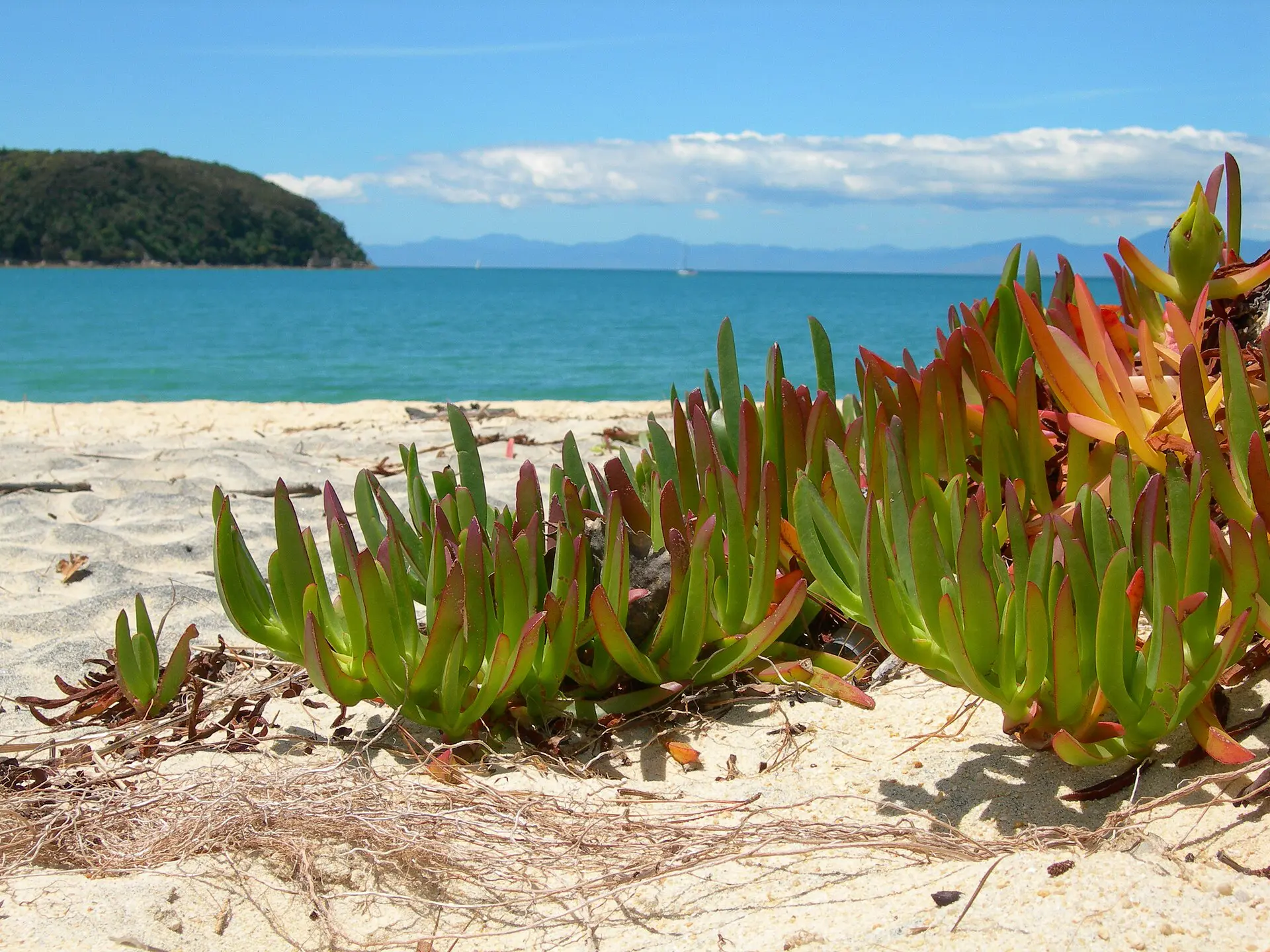
Wellington, the capital, is compact and has the free Te Papa museum. At the top of the South Island, Abel Tasman National Park has golden beaches and sea kayaking.
Top things to do in New Zealand
The top things to do in New Zealand fall into three groups: big landscapes, adrenaline and culture. These ten work in most itineraries.
- Cruise Milford Sound: boat trips of around two hours run daily, and rain makes the waterfalls more dramatic.
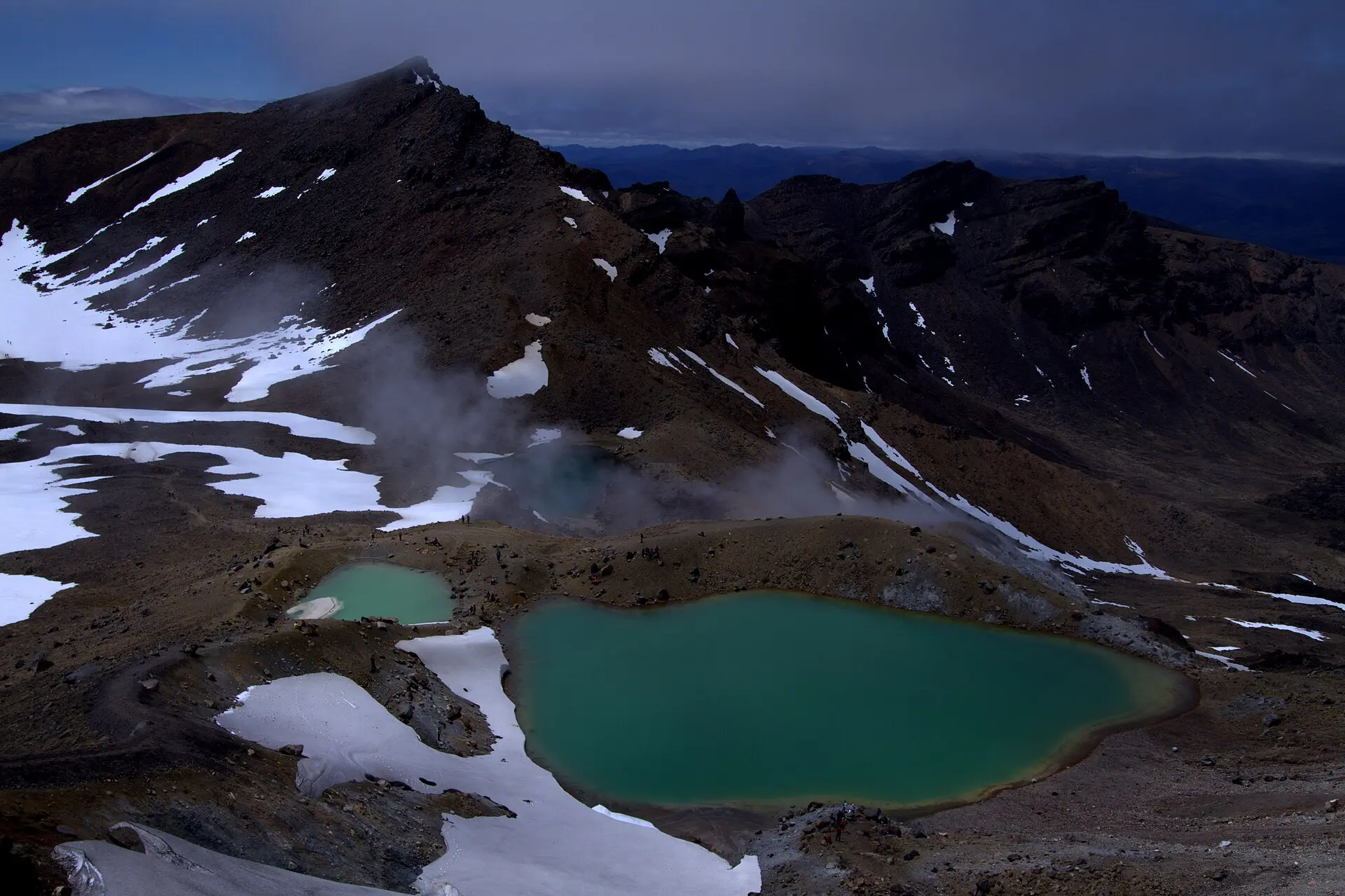
- Hike the Tongariro Alpine Crossing: a long one-day volcanic walk of about 19 to 20 kilometres, best in settled summer weather.
- Walk the Hooker Valley Track: an easy few hours with swing bridges and views of Aoraki / Mount Cook.
- Kayak in Abel Tasman National Park: paddle between beaches, or walk part of the coastal track.
- Visit Rotorua’s geothermal areas: Wai-O-Tapu and Te Puia show geysers, mud pools and coloured terraces.
- Join a Māori cultural experience: a hāngī meal, performance and guided talk give context to what you see.
- Try an adrenaline activity in Queenstown: bungy jumping, jet-boating and skydiving are all well established.
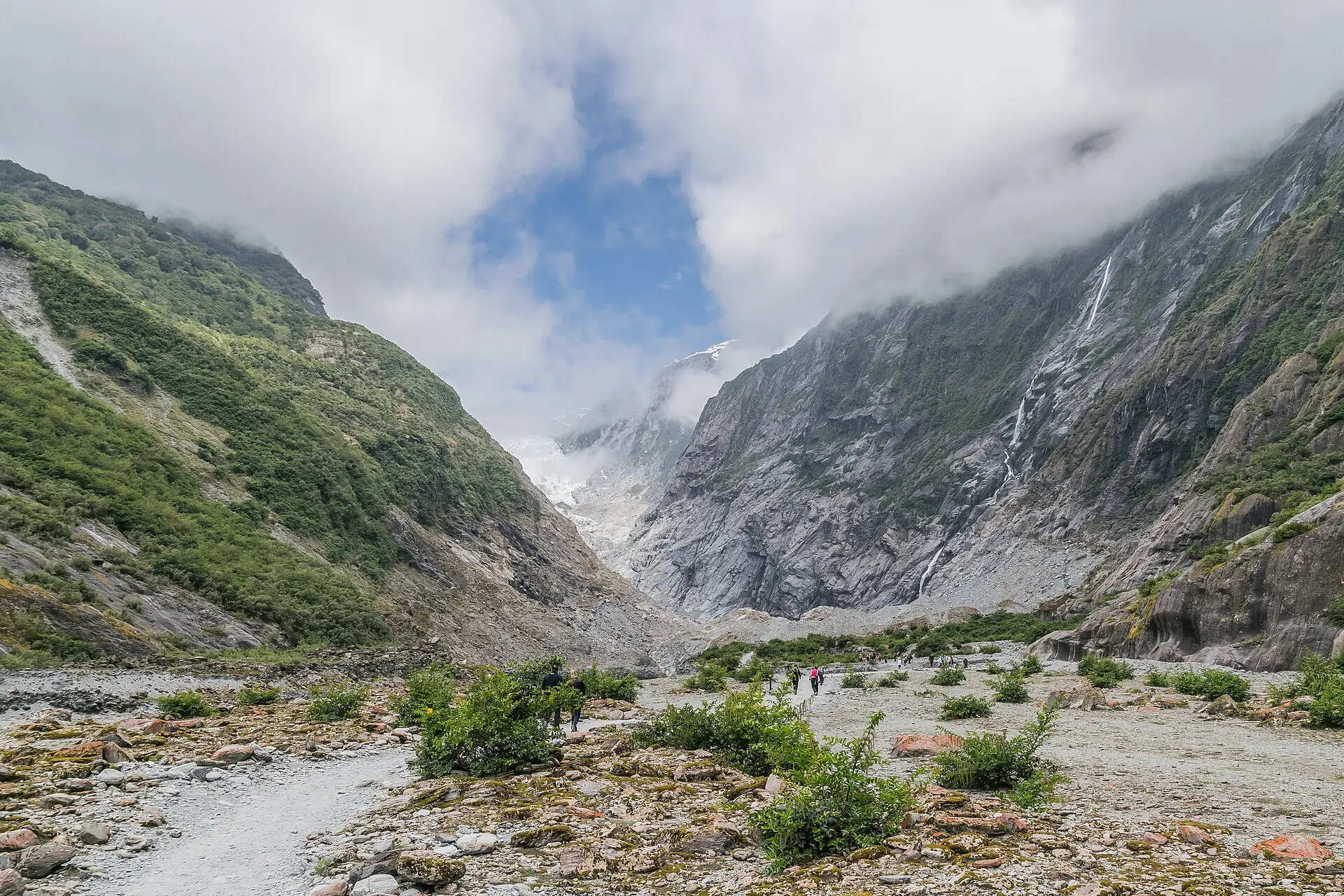
- Walk on or beside a glacier: Franz Josef and Fox glaciers have changed greatly, so check guided options locally.
- Explore Wellington: Te Papa, the waterfront and the cable car take about a day.
- Taste wine in Marlborough or Hawke’s Bay: cellar doors cover sauvignon blanc, pinot noir and Art Deco Napier.
Best time to visit New Zealand
The best time to visit New Zealand is December to March for warm weather, long days and open hiking tracks, though this is also the busiest and most expensive period. October, November and April are good compromises, with fewer people and lower prices. Seasons are reversed compared with the northern hemisphere, so summer starts in December and winter runs June to August.
| Season | Weather | Crowds and prices | Good for |
|---|---|---|---|
| Summer (Dec-Feb) | Warm to hot, long daylight, some rain in the west | Highest prices and bookings | Hiking, beaches, road trips |
| Autumn (Mar-May) | Settled, cooler nights, autumn colour in Central Otago | Falling after Easter | Wine regions, quieter tracks |
| Winter (Jun-Aug) | Cold in the south, mild and wet in the north | Peak only in ski towns | Skiing, stargazing, city breaks |
| Spring (Sep-Nov) | Changeable, lambs and blossom, snow on high routes | Moderate, rising in November | Waterfalls, lower rates |
Weather can change within hours in the mountains in any season, so pack layers. Book campervans, Milford Sound cruises and accommodation in Queenstown well ahead for January and February.
Is New Zealand safe to visit?
Yes, New Zealand is one of the safest countries for visitors, with low violent crime and good emergency services. The main risks are road accidents, changeable mountain weather, and thieves who target rental cars. Check your government’s current travel advice, such as the UK FCDO or US State Department pages, before you travel. The emergency number is 111.
Driving. Traffic keeps left. Roads are often narrow, winding and shared with heavy trucks, and many crashes involve tired drivers unused to left-side driving. Allow more time than distances suggest, and take breaks.
Theft. Break-ins at trailhead car parks and scenic stops are the most common crime visitors report. Take valuables with you and leave nothing visible in the car.
Outdoors. Weather, rivers and avalanches cause deaths each year. Check forecasts, leave your plans with someone and follow Department of Conservation track advice. Do not cross swollen rivers.
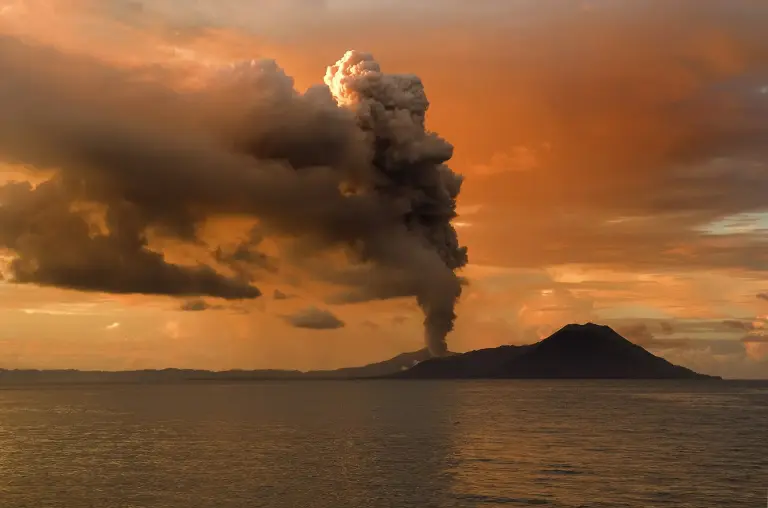
Natural hazards. The country has regular earthquakes, active volcanoes and tsunami risk on the coast. Tours to Whakaari / White Island stopped after the 2019 eruption. Sandflies bite on the west coast, and strong sun and rip currents affect swimmers.
New Zealand visa and entry requirements
The New Zealand visa picture depends on your passport. Australian citizens can generally enter without applying beforehand, and citizens of many other countries, including most of Europe, the US and Canada, travel on a visa waiver. These visitors usually need a New Zealand Electronic Travel Authority (NZeTA) before boarding, plus an International Visitor Conservation and Tourism Levy paid with it, which was around NZD 100 in recent years. Other nationalities need a visitor visa. Confirm the current rules and fees on the official New Zealand Immigration website.
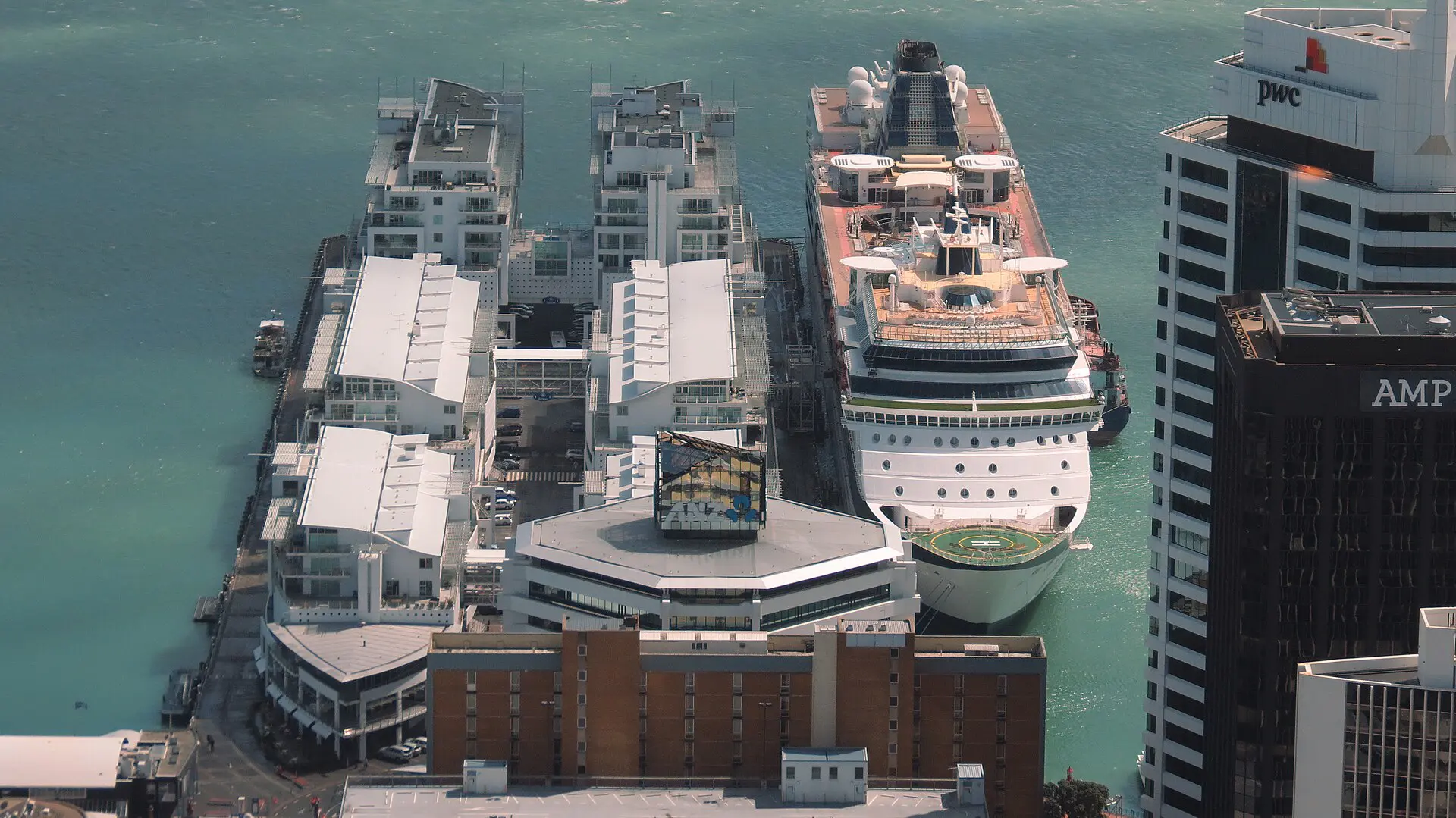
Visa-waiver visitors can typically stay up to three months, and UK citizens up to six, but this varies. Carry a passport valid beyond your planned departure date, and be ready to show an onward ticket and enough funds.
Biosecurity checks are strict. Declare food, plants, used hiking boots, tents and outdoor gear on arrival, because undeclared items can bring on-the-spot fines. For heritage planning, the UNESCO page for New Zealand lists the World Heritage sites, though it does not cover entry rules.
Getting to and around New Zealand
Most international flights land in Auckland, with Christchurch, Wellington and Queenstown also receiving flights, mainly from Australia. Direct long-haul links exist from Asia, North America and the Gulf, but from Europe expect one stop and more than 24 hours of travel.
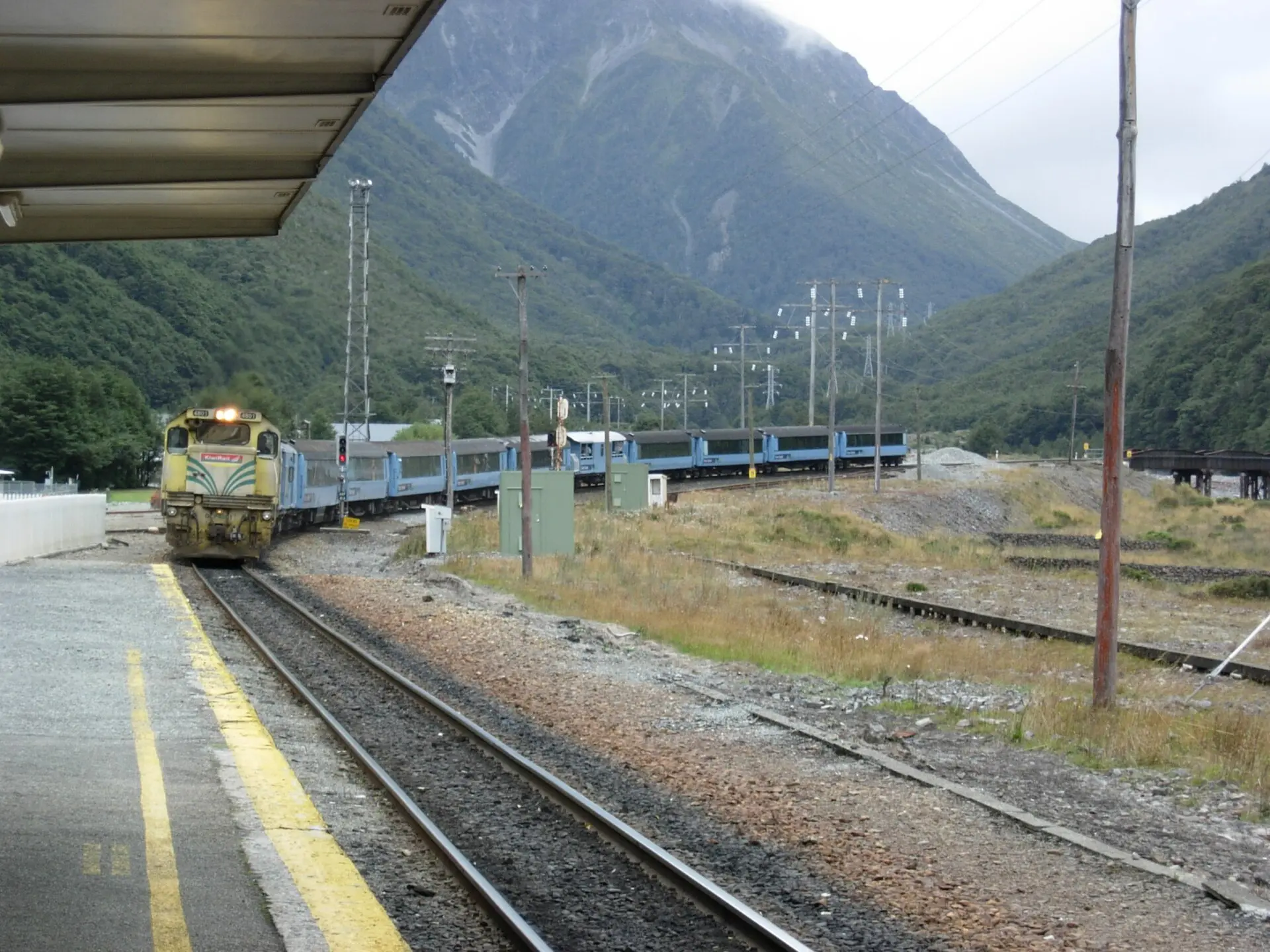
Domestic flights are the fastest way between regions, for example Auckland to Queenstown in around two hours. Intercity buses connect main towns, but a few scenic trains and few rural services mean most visitors drive. Rental cars and campervans are widely available, and many travellers take one from Christchurch and drop it in Queenstown, or vice versa. Allow about 3.5 hours for Christchurch to Tekapo, and about 4 hours for Queenstown to Milford Sound each way.
The Cook Strait ferry links Wellington and Picton in around three and a half hours and carries cars. The TranzAlpine train between Christchurch and Greymouth crosses the Southern Alps in about five hours. Fuel is expensive, and roads in the south can be icy in winter, so carry chains if required.
How much does a trip to New Zealand cost?
New Zealand is expensive by global standards, although less so than Switzerland or Norway. The currency is the New Zealand dollar (NZD). Figures below are rough per-person guides for the 2026 season and are higher in January and February.
- Budget: around NZD 110 to 180 per day, using hostels or holiday parks, a shared campervan or bus, and self-catered meals.
- Mid-range: around NZD 200 to 350 per day, with motels or boutique hotels, a rental car, restaurant dinners and one paid activity.
- High-end: from NZD 500 per day, with lodges, helicopter or boat trips and private guides.
Accommodation and transport take the biggest share. Activities such as bungy jumping, skydiving or a Milford Sound cruise often cost around NZD 100 to 300 each. Free or low-cost experiences, including most national park walks, beaches and the Te Papa museum, keep costs down. Buying groceries and cooking, and travelling outside January and February, reduce spending more than any other measure.
New Zealand food and drink
New Zealand food is built on fresh local produce, seafood, lamb and dairy, with Māori, British and Pacific influences, and a strong café culture. Restaurants take pride in regional ingredients, and wine trails are common.

- Hāngī: meat and vegetables slow-cooked in an earth oven, best experienced at a cultural evening in Rotorua.
- Lamb: roast leg, rack or pie, often from South Island farms.
- Green-lipped mussels and crayfish: look for crayfish at Kaikōura, whose name means to eat crayfish in Māori.
- Pavlova: a meringue dessert with fruit and cream; Australia also claims it.
- Meat pies and fish and chips: cheap, common and eaten on the go.
- Flat white: the national coffee, widely sold at cafés.
- Wine and craft beer: Marlborough sauvignon blanc, Central Otago pinot noir and Hawke’s Bay reds are well known, and most towns have a brewery.
Vegetarian and vegan options are easy to find in cities and most cafés, while gluten-free choices are widely labelled. Smaller towns often close kitchens early, so eat by about 8 pm.
Culture, language and etiquette in New Zealand
English, Māori and New Zealand Sign Language are official languages, and English dominates daily life. Māori words are common in place names and greetings: kia ora is a general hello and thank you, and ka kite means see you later. Māori make up around one in six people, and their culture is visible in public life, from welcome ceremonies to place names that use both English and Māori.
Kiwis are relaxed, direct and friendly. Dress is casual almost everywhere, queues are respected, and punctuality matters for tours and ferries. Tipping is not expected, and service is included in prices.
When visiting a marae, the community meeting ground, follow your host’s guidance on greetings and removing shoes. Do not touch carved meeting houses, and ask before photographing people. Respect the environment: stay on tracks, pack out rubbish, and follow the Tiaki Promise to protect land and wildlife. Freedom camping is restricted in many areas, and fines apply outside designated sites. The Treaty of Waitangi, signed in 1840, remains an important and sometimes contested part of national discussion.
New Zealand itinerary: a 7-day route
This South Island route runs from Christchurch to Queenstown by rental car and covers the most scenic part of the country without long backtracking. It suits most seasons, and it is best from October to April.
- Day 1, Christchurch: arrive, collect the car and walk Hagley Park and the Botanic Gardens.
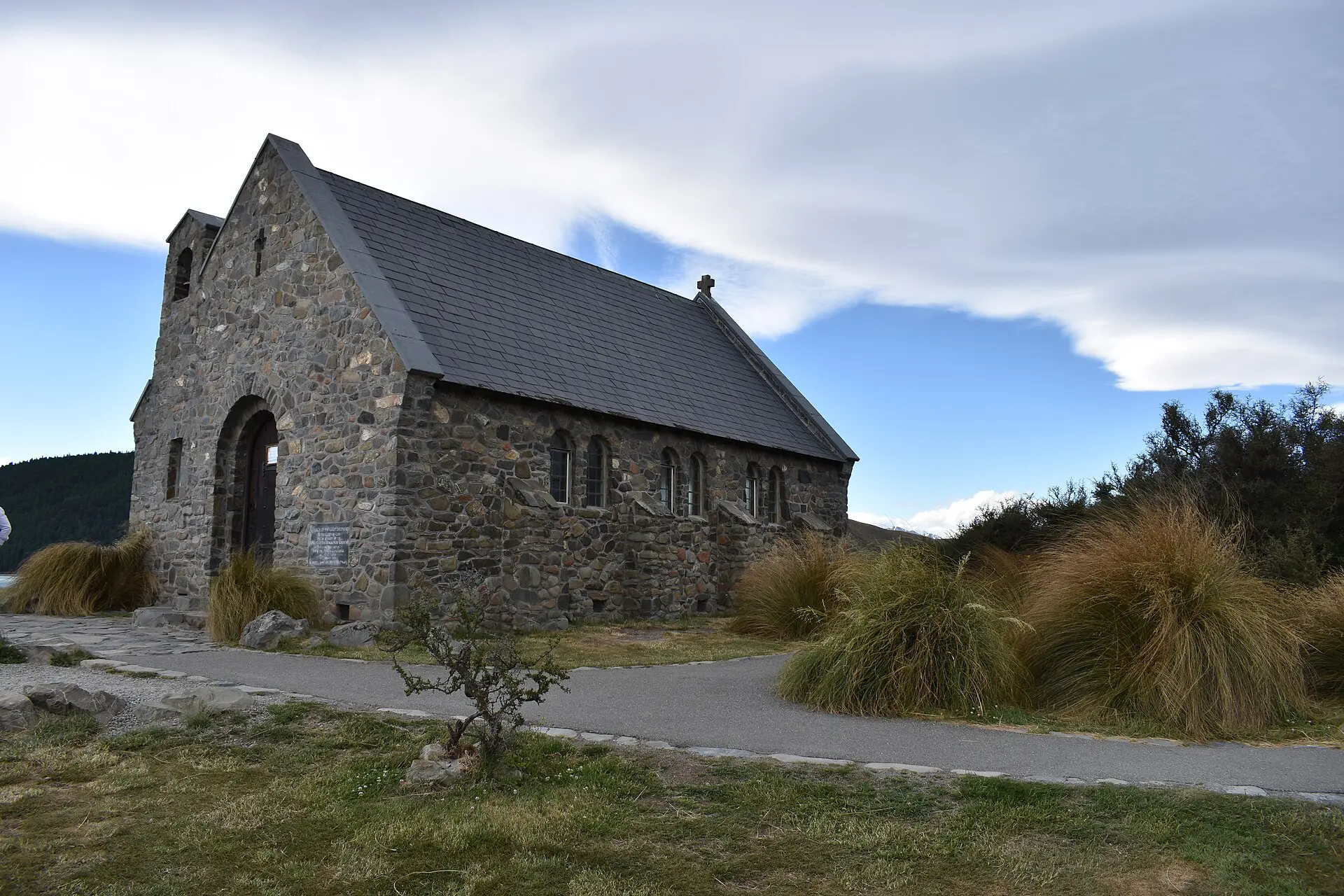
- Day 2, Lake Tekapo: drive about 3.5 hours, stop at the Church of the Good Shepherd and book a stargazing tour.
- Day 3, Aoraki / Mount Cook: walk the Hooker Valley Track, then continue towards Wānaka or Queenstown.
- Day 4, Queenstown: cross the Lindis Pass, then choose a lake cruise, gondola or bungy.
- Day 5, Milford Sound: leave early for the road trip of about four hours each way, take a cruise and return, or fly one way.
- Day 6, Arrowtown and Queenstown: spend a flexible day on a short hike, a winery visit or a jet-boat ride.
- Day 7, depart: fly from Queenstown to Auckland, Wellington or onward.
With more time, add the North Island: Tongariro, Rotorua and the Bay of Islands. Check winter road conditions on the Milford Road before you go.
Practical tips for New Zealand
- Money: cards and contactless are accepted almost everywhere, and ATMs are common in towns. Carry a little cash for rural honesty boxes and some campsites.
- SIM and eSIM: prepaid SIMs and eSIMs are easy to buy, with good coverage in towns and main roads and gaps in national parks and Fiordland.
- Plugs: type I at 230 V, the same as Australia. Many travellers need an adapter.
- Tipping: not expected anywhere, although rounding up for exceptional service is welcome.
- Health: bring travel insurance, because the public accident compensation scheme does not replace it for illness. Use sunscreen, since UV is strong.
- Packing: waterproof jacket, warm layers and sturdy walking shoes in every season, and insect repellent for sandflies.
- Booking: reserve rental cars, Great Walks huts and Milford Sound cruises early for summer.
- Driving: an overseas licence in English is generally accepted; otherwise carry a translation or international permit.
For wider background, see the Wikivoyage New Zealand guide.
FAQ
Q1What are the best places to visit in New Zealand?
Top picks are Queenstown and Wānaka for adventure, Milford Sound in Fiordland, Aoraki / Mount Cook and Lake Tekapo, Rotorua for geothermal sights and Māori culture, the Bay of Islands, Wellington and Abel Tasman National Park. Most visitors combine three or four regions on one island.
Q2What is the best time to visit New Zealand?
December to March has the warmest weather and the most open tracks, but also the highest prices and crowds. October, November and April offer fewer visitors and still pleasant conditions. Winter, June to August, suits skiing and city breaks, while mountain roads can be icy.
Q3What are the best things to do in New Zealand?
Popular choices are a Milford Sound cruise, the Tongariro Alpine Crossing, the Hooker Valley Track, kayaking in Abel Tasman, Rotorua's geothermal parks, a Māori cultural evening and an adrenaline activity in Queenstown. Wellington's Te Papa museum and wine regions suit rainy days.
Q4Do I need a visa for New Zealand?
It depends on your passport. Citizens of many countries need an NZeTA and a tourist levy rather than a visa, Australians have special arrangements, and others need a visitor visa. Always check the official New Zealand Immigration website before booking, because fees and rules change.
Q5What is New Zealand food like?
New Zealand food focuses on fresh local produce: lamb, seafood, dairy, fruit and wine. Try a hāngī, green-lipped mussels, pavlova, a meat pie and a flat white. Vegetarian and gluten-free choices are widely available in cities and cafés, and prices are higher than in Australia.
Q6Is New Zealand safe?
Yes, it is one of the safest countries for tourists, with low violent crime. The main dangers are road accidents, sudden mountain weather and thefts from parked rental cars. Check forecasts before hikes, drive carefully on the left and keep valuables out of sight.
Q7How many days do you need in New Zealand?
Ten days to two weeks is a comfortable minimum for one island, and three weeks lets you cover both. Seven days works if you stay on one region, such as the South Island loop from Christchurch to Queenstown, and accept long driving days.