Why visit Rotorua
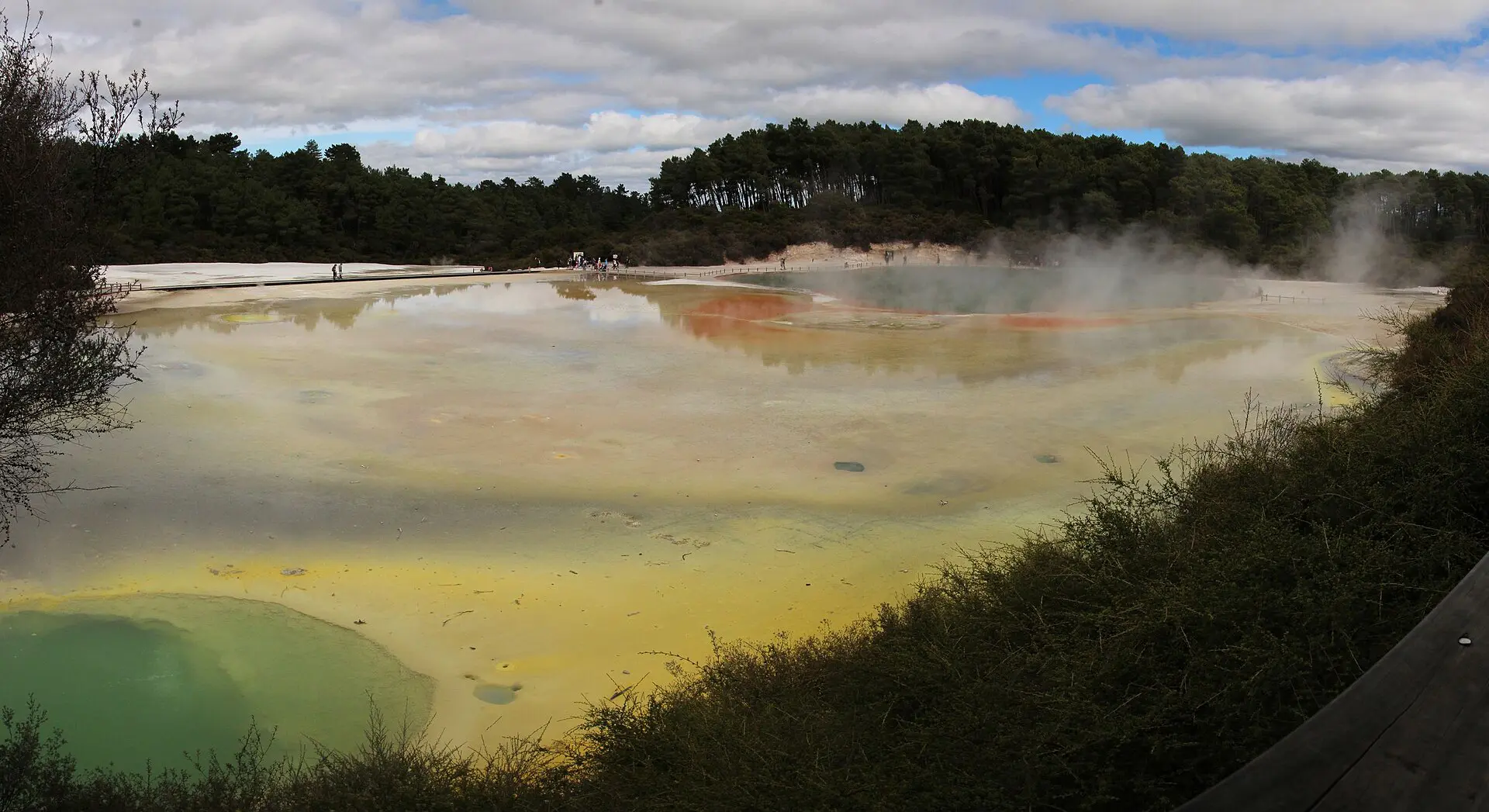
If you are planning things to do in Rotorua, start with the ground beneath you. The city sits on the southern shore of Lake Rotorua in the Bay of Plenty region of New Zealand’s North Island, and it is built over a geothermal hot spot. Vents, bubbling mud, hot pools and geysers appear in parks and reserves across the area, and the hot springs have drawn tourists for over a hundred years.
Rotorua is also a centre of Māori culture. Te Arawa Māori first settled the area in the 14th century, and a thriving pā was established at Ohinemutu. Today, visitors can join cultural experiences that include song, performance, food and storytelling, and Māori culture is more prominent here than in many other parts of the country.
The name comes from the Māori for two lakes or second lake. Beyond geothermal sights, the region has lakes, forests and a strong adventure scene.
Top things to do in Rotorua
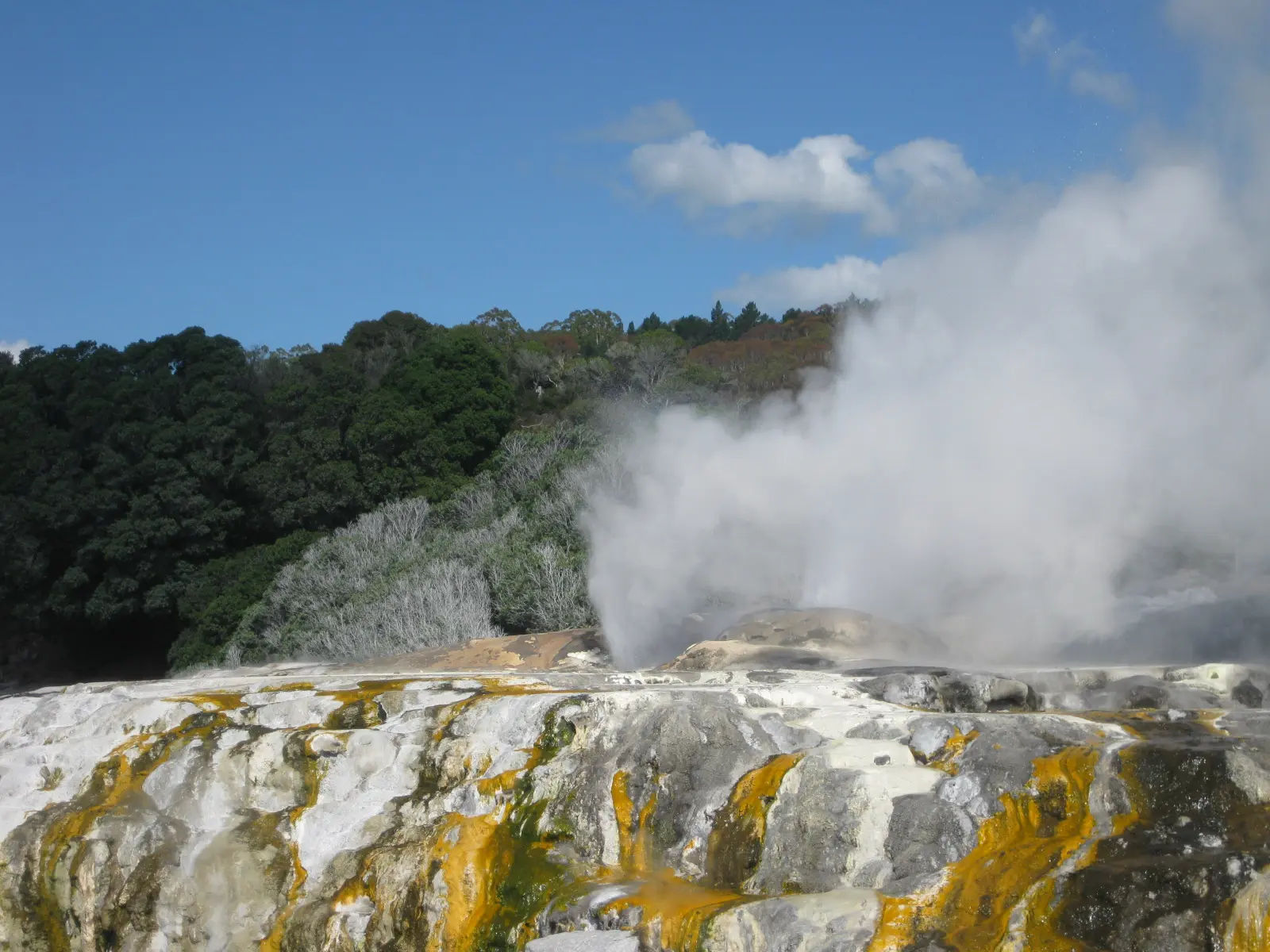
Geothermal parks
Several parks show steaming pools, geysers and coloured terraces. Wai-O-Tapu, Te Puia and Hell’s Gate are commonly visited. Allow two to three hours each. Compare what they offer, as some combine geysers with cultural shows, and take care to stay on marked paths.
Māori cultural experiences
Evening and daytime experiences often include a welcome ceremony, performance and a meal cooked in the ground. Book in advance, particularly in summer. Ask whether the experience is run by local iwi or Māori operators, and check what is included in the price.
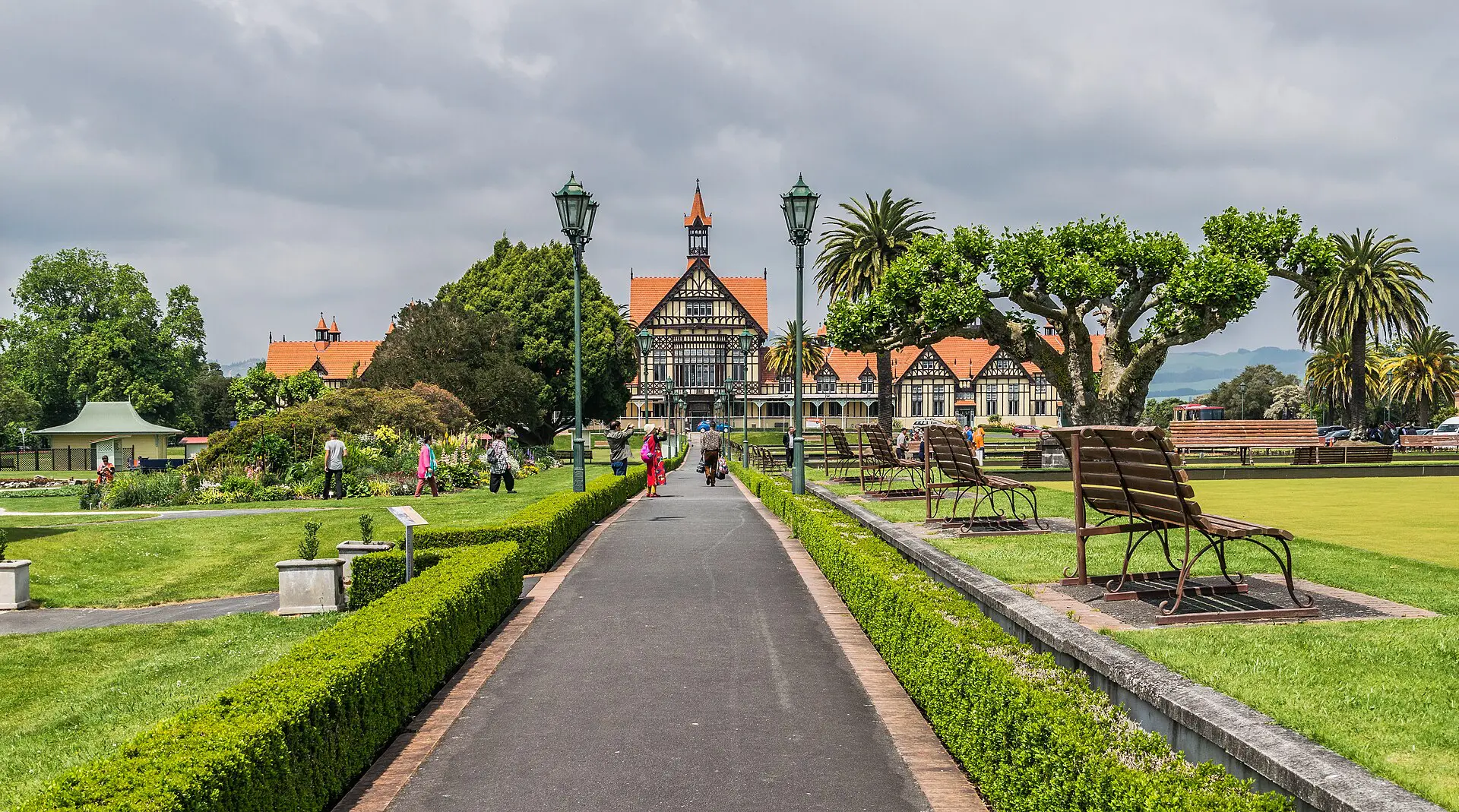
Government Gardens and the museum
The lakeside gardens contain historic spa-era buildings, including the grand Bath House that housed the museum. The museum has been closed for earthquake-related work for years, so check whether it has reopened before you plan a visit. Plan one hour for the gardens. It is a gentle walk and a good first look at how tourism began here.
Ohinemutu village
This lakeside village is one of the area’s oldest Māori settlements, with a carved meeting house and a church with Māori decoration. Visit respectfully, as it is a living community, and check local guidance about access and photography.
Redwoods and mountain biking
The redwood forest at the edge of the city has walking tracks, treetop walkways and well-known mountain bike trails. Allow two hours for a walk, longer to ride. Hire bikes locally and choose trails that fit your skill.
Lakes and water activities
Lake Rotorua and nearby lakes offer fishing, kayaking and boat trips. White-water rafting on nearby rivers is a popular adventure. Check operators’ safety records, and look at weather and river levels on the day.
Hot pools and spas
Soaking in geothermal pools is an easy way to relax after a day of activities. Options range from natural pools to developed spas. Check opening times and whether you need to book ahead.
Best time to visit Rotorua
Rotorua has a mild climate with four seasons. Summer, from December to February, is warm and the busiest, with long days that suit lakes and cycling. Autumn is mild and often settled. Winter is cool, with frosty mornings, but it is a lovely time to soak in hot pools, and prices are lower. Spring is changeable, with showers, and green landscapes.
Geothermal parks can be visited year round. Cultural experiences and activities sell out in summer and during school holidays, so book ahead.
| Season | Weather | Crowds and prices |
|---|---|---|
| Summer (Dec-Feb) | Warm, long days | Busiest, highest prices |
| Autumn (Mar-May) | Mild, mostly settled | Moderate |
| Winter (Jun-Aug) | Cool, frosts, some rain | Quieter, better deals |
| Spring (Sep-Nov) | Changeable, showers | Moderate |
How to get to Rotorua and around
Rotorua has a regional airport with domestic flights, mainly from Auckland and some other cities. Many visitors instead arrive by road, since the city is roughly three hours south-east of Auckland. Check current flight and coach options.
Long-distance coaches link Rotorua with Auckland, Taupō and other North Island towns. A rental car gives the most freedom for the geothermal parks, lakes and surrounding countryside. Roads are good, but take care on rural sections and in wet weather.
The central area is compact and walkable. Local buses serve main routes, and taxis and tour shuttles run to the main attractions. Bikes are useful for the lakefront and forest. Many tours include hotel pickups, which simplifies planning if you do not have a car.
Where to stay in Rotorua
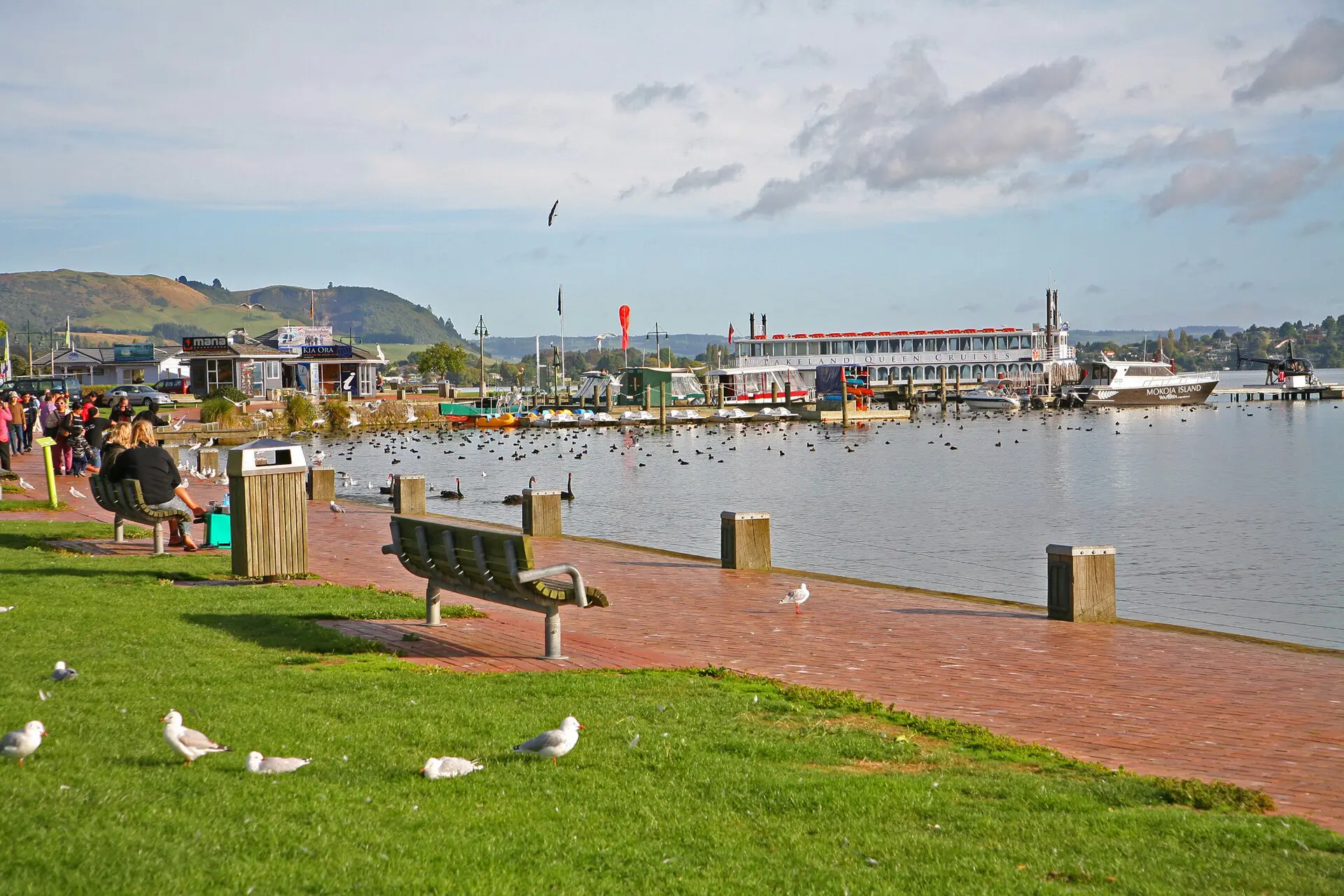
The central lakefront and downtown area has restaurants, bars, shops and many motels and hotels. It suits first-time visitors who want to walk to dining and the gardens.
Motels along the main routes offer good value for families and groups, often with kitchens and parking. They are a practical choice if you have a car.
Lodges and cabins by the nearby lakes suit those who want quiet, views and water access, though you will need transport. Some offer hot pools on site.
Holiday parks with cabins and thermal pools are popular with families and budget travellers. Book early for summer and school holidays, and ask about sulphur smell, which can be noticeable in some areas.
How many days do you need?
Two days gives time for one geothermal park, a cultural experience and an outdoor activity. Three days lets you add the lakes, the redwoods and a slower pace. If you are only passing through on the way between Auckland and other regions, one night is the minimum worth staying.
- Day 1: Government Gardens and Ohinemutu in the morning, a geothermal park in the afternoon, a cultural evening.
- Day 2: Redwood forest walk or bike ride, then lake activities and hot pools.
- Day 3: Wai-O-Tapu or another geothermal area, or a day trip to Taupō.
Day trips and nearby
Taupō
Taupō lies south of Rotorua on the shore of New Zealand’s largest lake, with views, waterfalls and geothermal sites. It is about an hour’s drive. A half-day or full day works well, and it breaks the journey toward Wellington.
Auckland
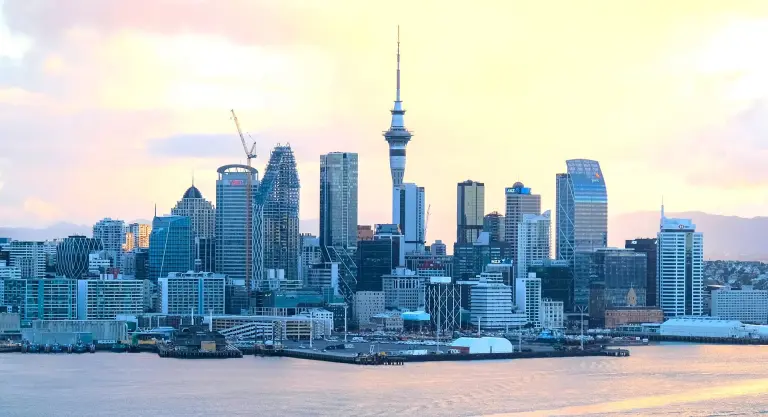
Auckland is the country’s largest city and main gateway, roughly three hours north-west by road. It is the usual starting or ending point for a Rotorua trip, and it needs its own time.
Napier
Napier on the east coast is known for Art Deco architecture and wine. It is a long drive from Rotorua, so plan an overnight stay.
Wellington
Wellington, the capital, sits at the southern end of the North Island. It is a long journey by road or an easy flight, and is best treated as a separate stop.
FAQ
Q1How many days do you need in Rotorua?
Two to three days is enough for a geothermal park, a cultural experience, the redwoods and a hot-pool soak. If you only have a night, pick one geothermal site and one cultural evening. Allow more time if you want to ride or raft.
Q2When is the best time to visit Rotorua?
November to April has the warmest weather and longest days, but also the highest prices. Winter is cooler and quieter, and it suits hot pools. Geothermal sights can be visited all year. Book cultural experiences early in summer.
Q3How far is Rotorua from Auckland?
Rotorua is about three hours by road south-east of Auckland, depending on traffic. Coaches and some flights also link the two. A rental car gives you the most flexibility for visiting geothermal parks and lakes.
Q4Does Rotorua smell?
Yes, in places. The geothermal activity releases sulphur gases, which smell like rotten eggs, especially near vents and some parks. It is generally harmless at normal levels, and you usually stop noticing it after a short time.
Prices, schedules and entry rules change. Check current details with official sources before you travel. Read the New Zealand travel guide.