Why visit Dunedin
If you are planning things to do in Dunedin, start with its character. Known in Maori as Otepoti, it is the second-largest city on New Zealand’s South Island and the main city of the Otago region. Scottish settlers gave it its name, an anglicised form of the Gaelic name for Edinburgh, and the city is still sometimes called the Edinburgh of the South.

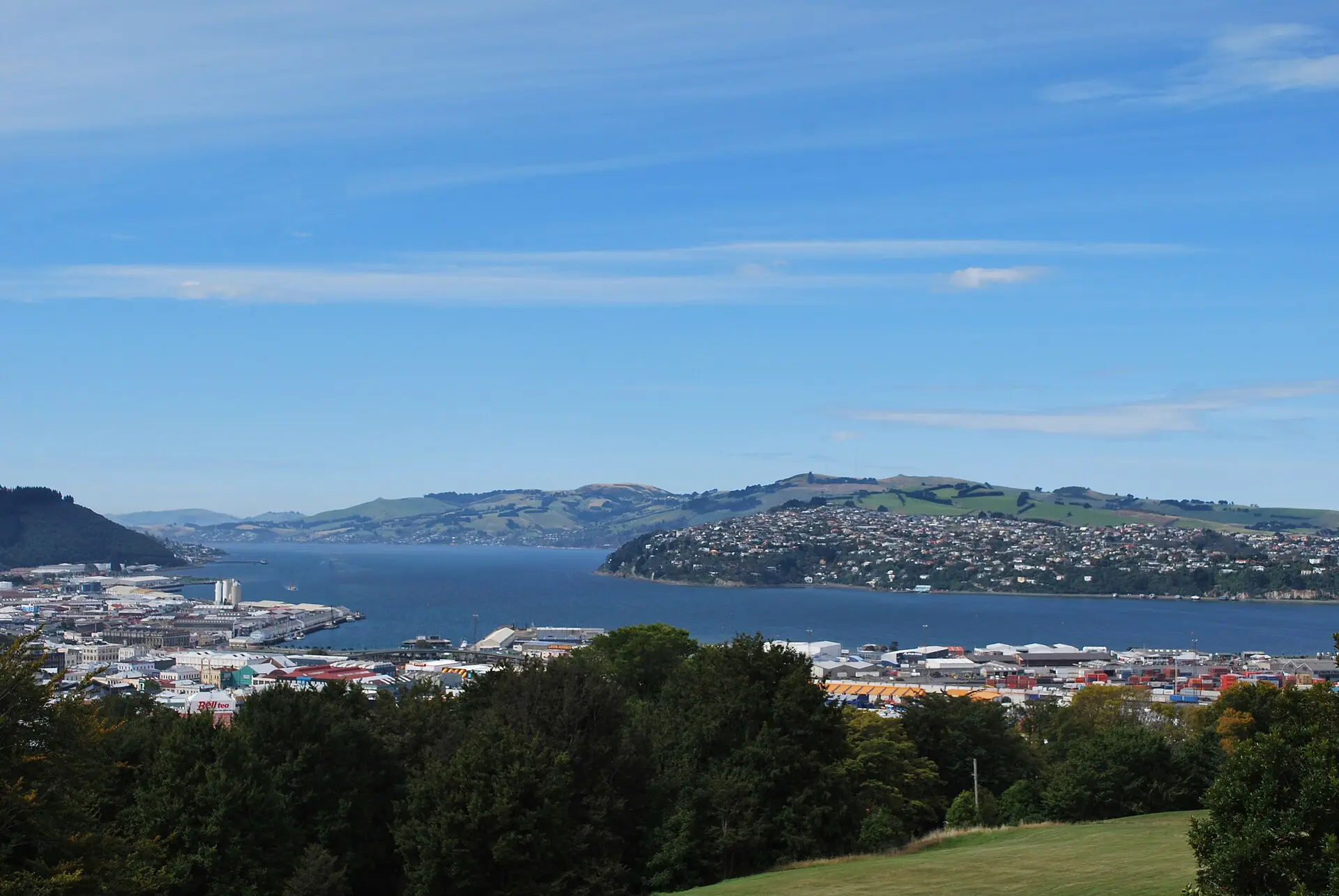
The centre is small and walkable, built around the Octagon and a statue of the poet Robert Burns. Around it, hilly suburbs run down to Otago Harbour, the remnants of an extinct volcano, and out along the Otago Peninsula and the Pacific coast.
It is also a university town, which gives it a lively cafe, gallery and music scene outside the main tourist season. The combination of heritage buildings, wildlife close to town and long, often empty beaches makes it a good stop on a South Island route, and a rewarding base for a few days of its own.
Top things to do in Dunedin
The Octagon and city centre
The Octagon is the eight-sided plaza at the heart of the city, with the Burns statue, cafes and the town hall and cathedral close by. Walking the central streets takes one to two hours. Many street names echo Edinburgh, so a map helps.
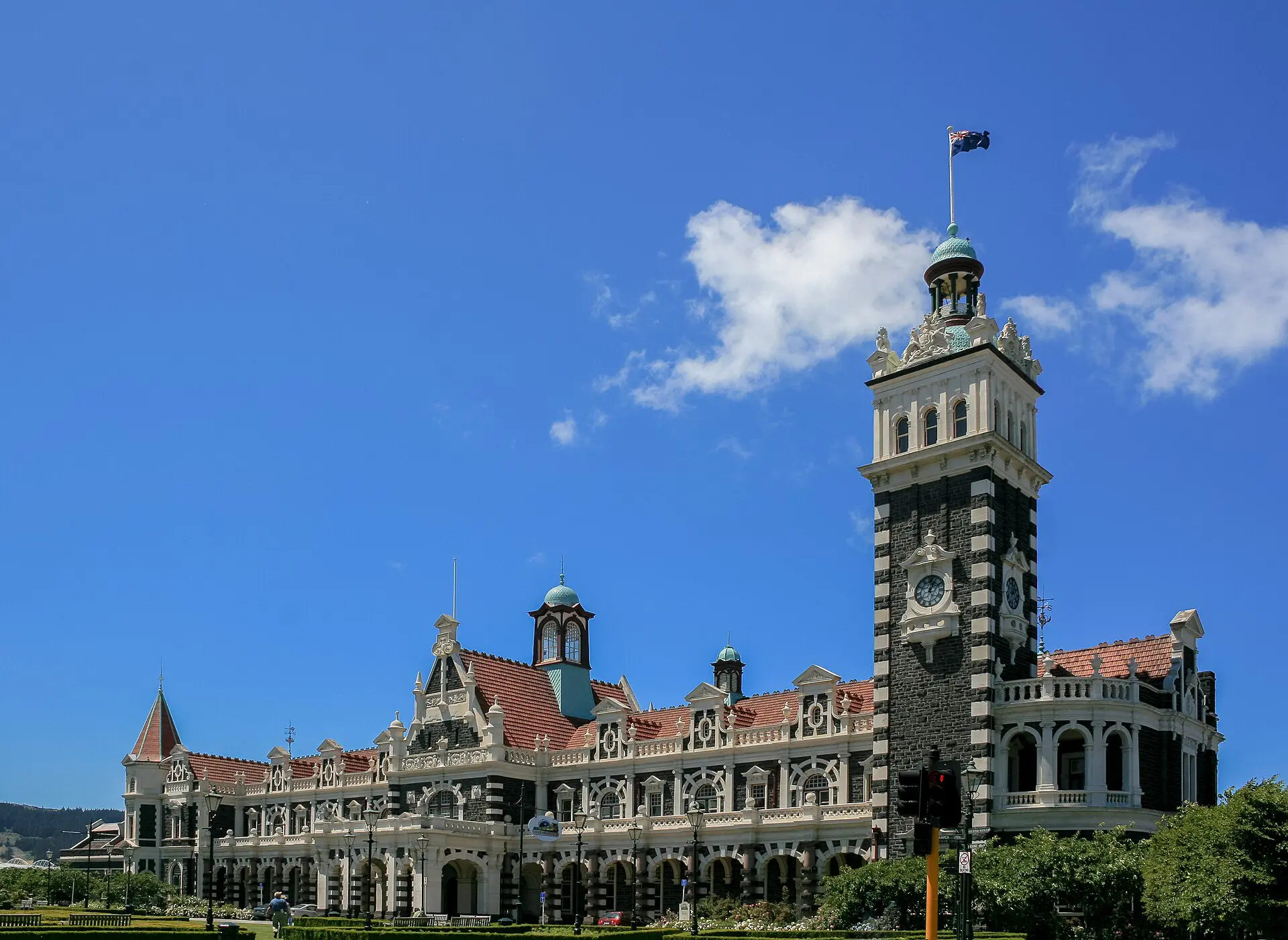
Dunedin Railway Station
One of the city’s best-known buildings, this stone station is a showpiece of Edwardian architecture. Allow 30 to 45 minutes to look around the booking hall and its decorative detail. Scenic heritage train trips from here have been limited or suspended in recent years, so check whether any are running.
Otago Peninsula wildlife
The peninsula, a short drive from the centre, is known for seabirds, seals and sea lions, and for albatross and penguin viewing at managed sites. Set aside half a day to a full day. Wildlife visits are often timed to tides and daylight, so book ahead in summer and keep your distance from animals.
Larnach Castle
Built in the 19th century on the peninsula’s ridge, this house and its gardens overlook the harbour. Allow two to three hours. It combines well with a peninsula drive, and opening hours and entry prices are worth checking before you go, since they change by season.
Baldwin Street
Often described as one of the steepest residential streets in the world, Baldwin Street is a quick stop of 20 to 30 minutes. Walking up is free and open to anyone. Wear shoes with good grip, and be considerate of the people who live there and of passing cars.
Beaches: St Clair and St Kilda
The city has a long stretch of ocean beach on its southern side, popular with surfers and walkers. Allow an hour or two for a stroll and a coffee on the promenade. The Pacific water is cold even in summer, and surf conditions can be strong, so swim only where flagged.
Museums and galleries
The university-town atmosphere shows in the city’s museums and public galleries, which are a good wet-weather option. Allow an hour or two for each. Several are free or low-cost, but check current entry details on their websites before you go.
Best time to visit Dunedin
Dunedin has a cool, changeable maritime climate, and weather can shift within a day at any time of year. Summer is the most comfortable and the busiest period, while winter is cold and quiet, with some wildlife and tour options running less often.
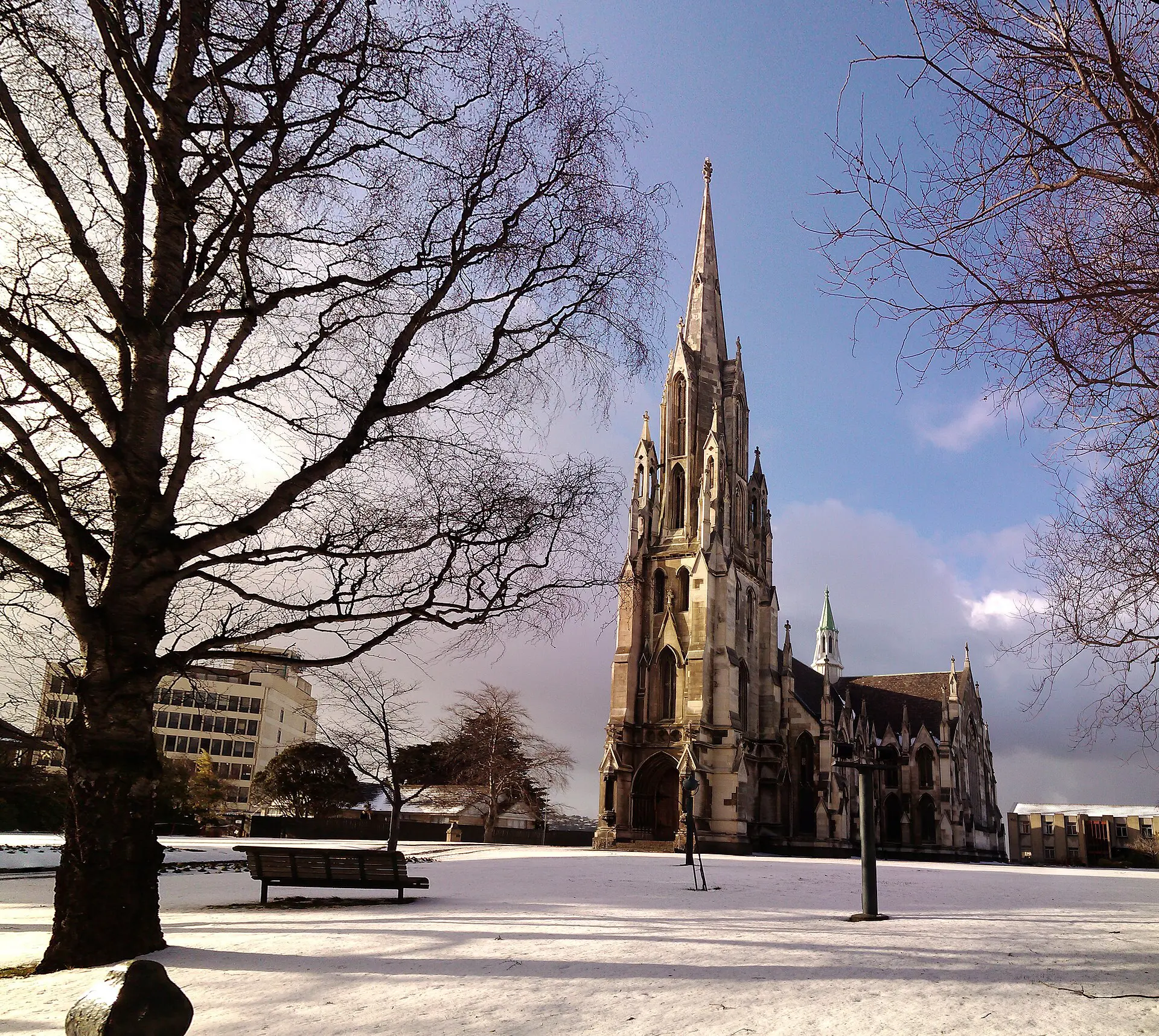
| Season | Weather | Crowds and prices |
|---|---|---|
| Summer (Dec to Feb) | Mild to warm, long daylight, still some cool days | Busiest, higher prices, book ahead |
| Autumn (Mar to May) | Cooler, often settled days | Quieter, good value |
| Winter (Jun to Aug) | Cold, short days, occasional frost | Quietest, lowest prices |
| Spring (Sep to Nov) | Changeable, lengthening days | Building up, moderate prices |
For most visitors, November to March is the easiest window, though pack layers and a rain jacket whatever the month.
How to get to Dunedin and around
Dunedin Airport is roughly 30 km south of the city and has domestic flights, including from the main New Zealand cities. A shuttle or taxi runs into town, and hire cars are available at the airport. Check current options and journey times before you travel.
By road, Christchurch is roughly four to five hours’ drive to the north, and Queenstown is several hours to the west, so many visitors arrive by hire car or long-distance coach on a South Island loop. The scenic coast road is slower than the main highway but pleasant.
The city centre is compact and easy on foot, although the hills are steep. Local buses cover the main suburbs, but services to the Otago Peninsula are less frequent. To see the peninsula and the beaches at your own pace, a hire car is the simplest option. Guided tours and shuttles are available if you would rather not drive, and booking ahead in summer is sensible.
Where to stay in Dunedin
Most visitors stay in or near the city centre, where you can walk to the Octagon, the railway station, restaurants and cafes. This suits first-time visitors and anyone without a car, and it offers the widest range of hotels, hostels and apartments.
The university area to the north of the centre has a student feel, with cheaper cafes and short-stay rooms, and suits budget travellers. Quieter residential streets on the hillsides give you harbour views, but you will often need transport and should expect steep walks.
The coastal suburbs, such as St Clair, work for surfers and beach lovers who want ocean air and a promenade nearby. On the Otago Peninsula, small guesthouses and farm stays suit wildlife enthusiasts and anyone wanting quiet evenings. In summer and during university graduation periods, book well ahead, as rooms fill quickly.
How many days do you need?
Two full days covers the main sights, and three lets you slow down and add a beach or a walk. One day only works as a quick stop on a longer South Island journey, in which case focus on the centre and the railway station. Allow extra time in winter if you rely on public transport, since services are less frequent.
- Day 1: Walk the Octagon and central streets, visit the railway station and a museum, then climb Baldwin Street in the afternoon.
- Day 2: Drive the Otago Peninsula for wildlife, with Larnach Castle and the harbour views on the way.
- Day 3: Spend time on the beaches at St Clair and St Kilda, or take a longer coastal or bush walk, and finish with a meal in the city.
Day trips and nearby
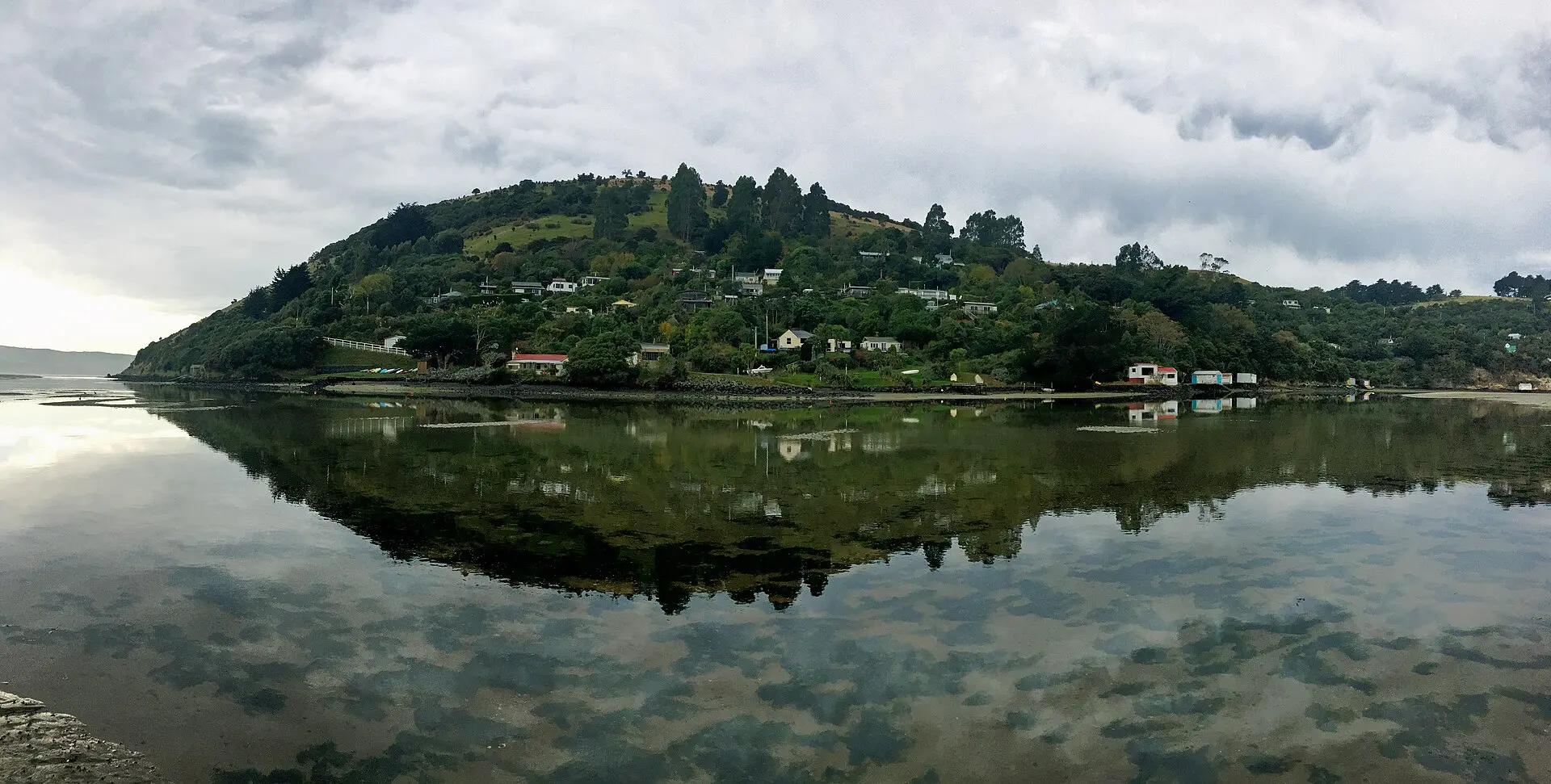
Otago Peninsula
The peninsula is the standout day trip and sits within the city limits. It has coastal drives, seabird and seal viewing and quiet harbour villages. Allow a full day, or half a day for the main highlights. Roads are narrow and winding, so drive slowly and watch for cyclists.
Queenstown
Queenstown is the main adventure-tourism base of the South Island, several hours by road to the west. It is better treated as a separate stop than a day trip, but many visitors link the two cities on one route. Check driving times and conditions first.
Christchurch
The largest city on the South Island lies to the north, a long drive or coach ride away. It is a sensible next stop on a coastal route, and breaking the journey on the way adds time, so plan for a full day of travel.
Lake Tekapo
Lake Tekapo lies further north inland, on the route between Christchurch and Queenstown. It is known for its turquoise colour and clear skies. It is too far for a day trip from Dunedin but fits a longer inland loop.
FAQ
Q1When is the best time to visit Dunedin?
November to March is the easiest window, with the longest days and the mildest weather. Even then, conditions change quickly, so bring layers and a rain jacket. Winter is colder and quieter, with lower prices but fewer wildlife and tour departures, so check schedules.
Q2How many days do you need in Dunedin?
Two to three days is enough for most visitors. That gives you time for the city centre, the railway station and Baldwin Street, a day on the Otago Peninsula for wildlife, and a little left for beaches or a walk without rushing.
Q3How do you get to Dunedin?
Most visitors fly into Dunedin Airport, about 30 km south of the city, with domestic connections from the main New Zealand cities. The alternative is a hire car or long-distance coach from Christchurch or Queenstown. Check current schedules and journey times before you go.
Q4Is Dunedin worth visiting?
Yes, if you like architecture, wildlife and a relaxed university-town atmosphere more than big-name adventure activities. The city is compact, easy to enjoy on foot, and close to the Otago Peninsula, so it rewards a two- or three-day stop on a South Island trip.
Prices, schedules and entry rules change. Check current details with official sources before you travel. Read the New Zealand travel guide.