Why visit Croatia
The best things to do in Croatia come from a coastline of more than a thousand islands, a string of preserved Venetian and Roman towns and national parks that range from limestone lakes to karst canyons (see the Wikipedia overview for background). Zagreb, the capital, sits inland, while the long Adriatic coast runs from Istria in the north to Dubrovnik in the south, so one trip can combine a city break, a coastal road trip and an island or two.
Croatia suits travellers who want a well-organised Mediterranean holiday with clear water, good ferries and consistently high food standards. It works for couples, families, sailors, history lovers and hikers. It is less suited to travellers who dislike crowds, since the best-known towns fill up in July and August, and it is no longer cheap, particularly since the country adopted the euro in 2023.
Best places to visit in Croatia
The best places to visit in Croatia sit along a coast that is about 600 kilometres long in a straight line, so most trips cover one region in depth rather than everything at once.
Dubrovnik
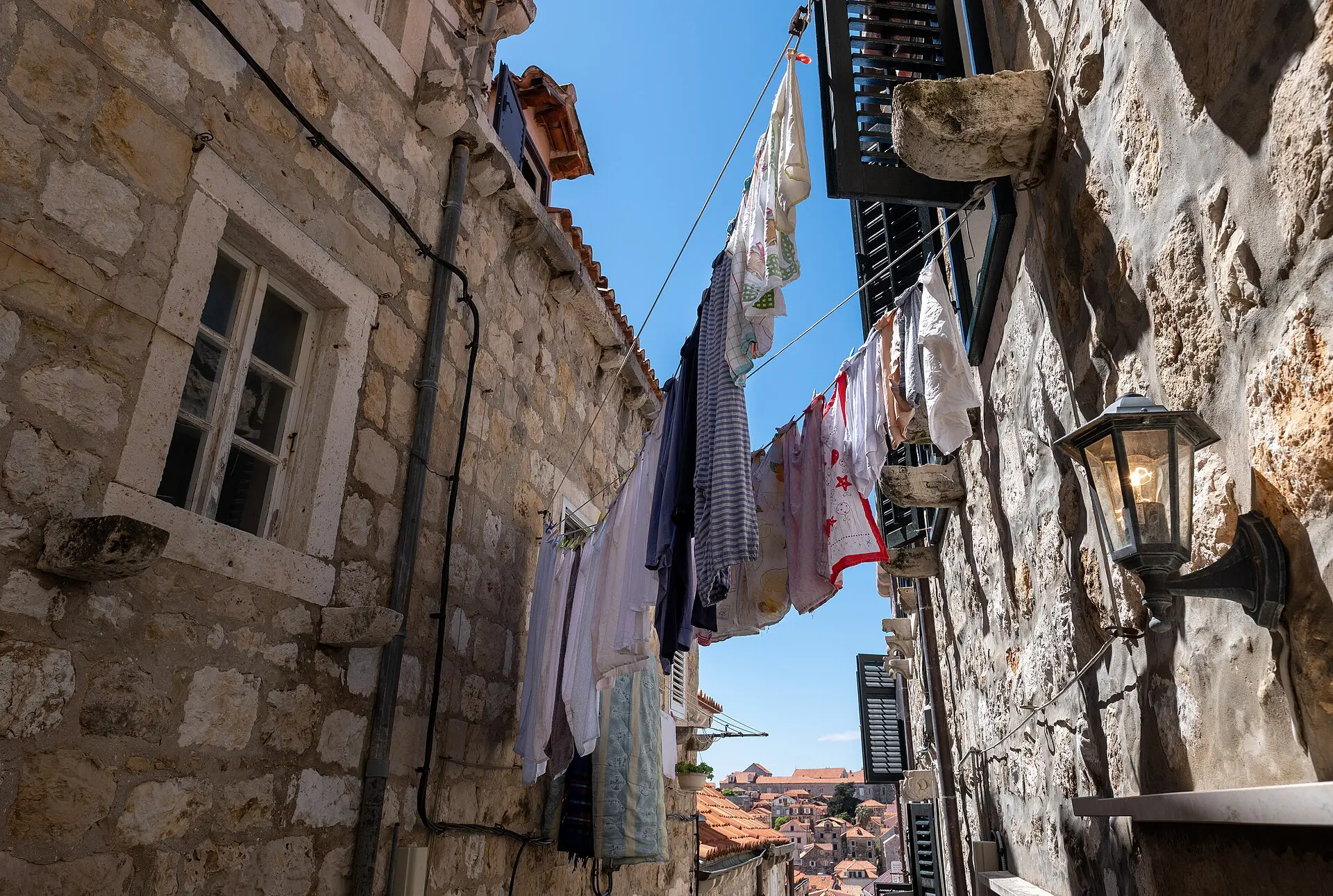
The walled old town is a UNESCO site, and walking the city walls gives the classic view over terracotta roofs and the sea. Visit early or late in the day, as cruise ships make the middle of the day crowded. Allow two nights.
Split
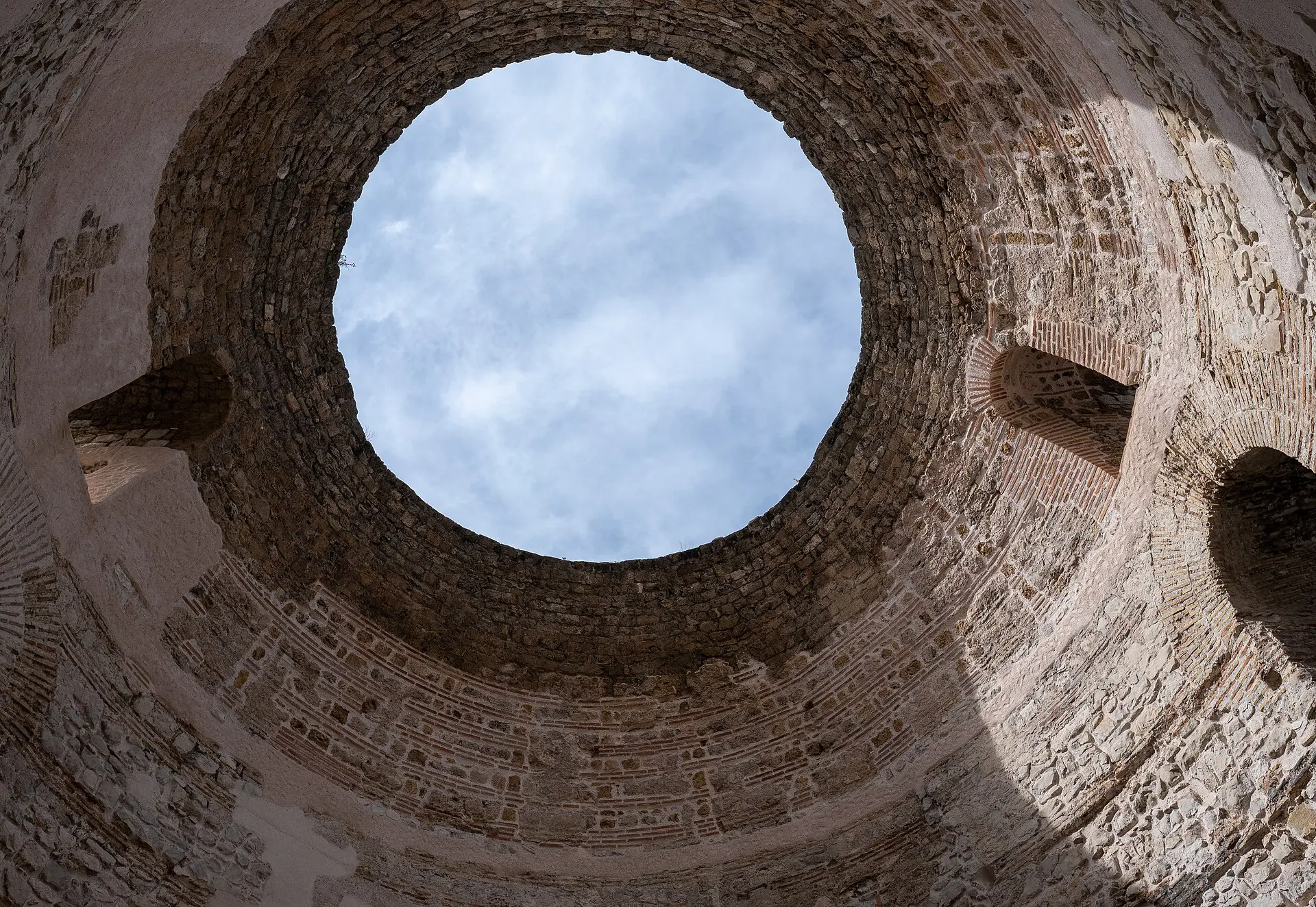
Split is built inside and around Diocletian’s Palace, a Roman retirement complex that is now a living neighbourhood of cafés and shops. It is also the main ferry hub for central Dalmatia.
Plitvice Lakes
This national park has sixteen terraced lakes linked by waterfalls and wooden walkways. Entry tickets are limited and priced by season, so book ahead in summer.
Hvar and the islands
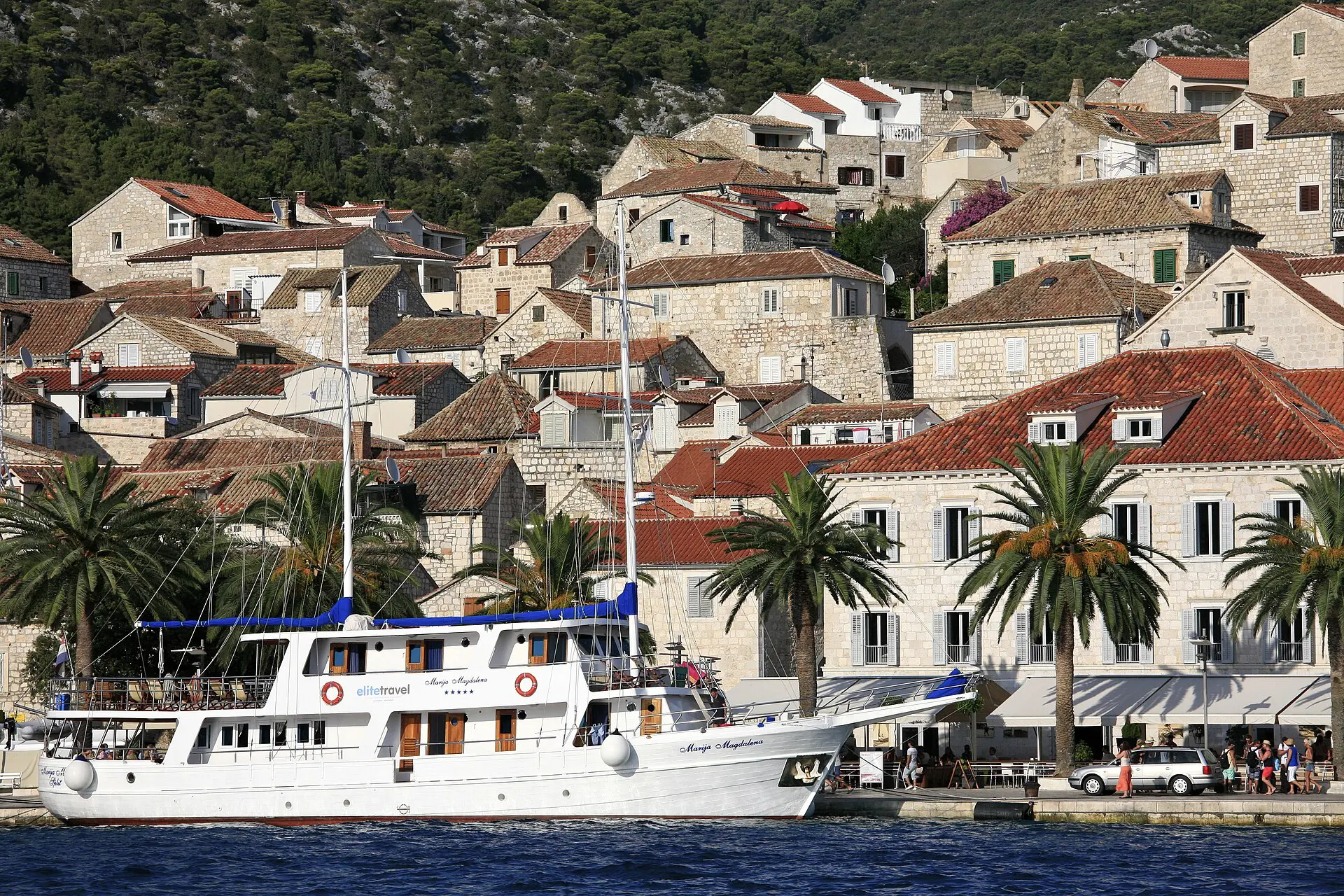
Hvar town has a lively harbour and a fortress, while Vis, Korčula and Brač are quieter. Ferries and catamarans run from Split.
Istria
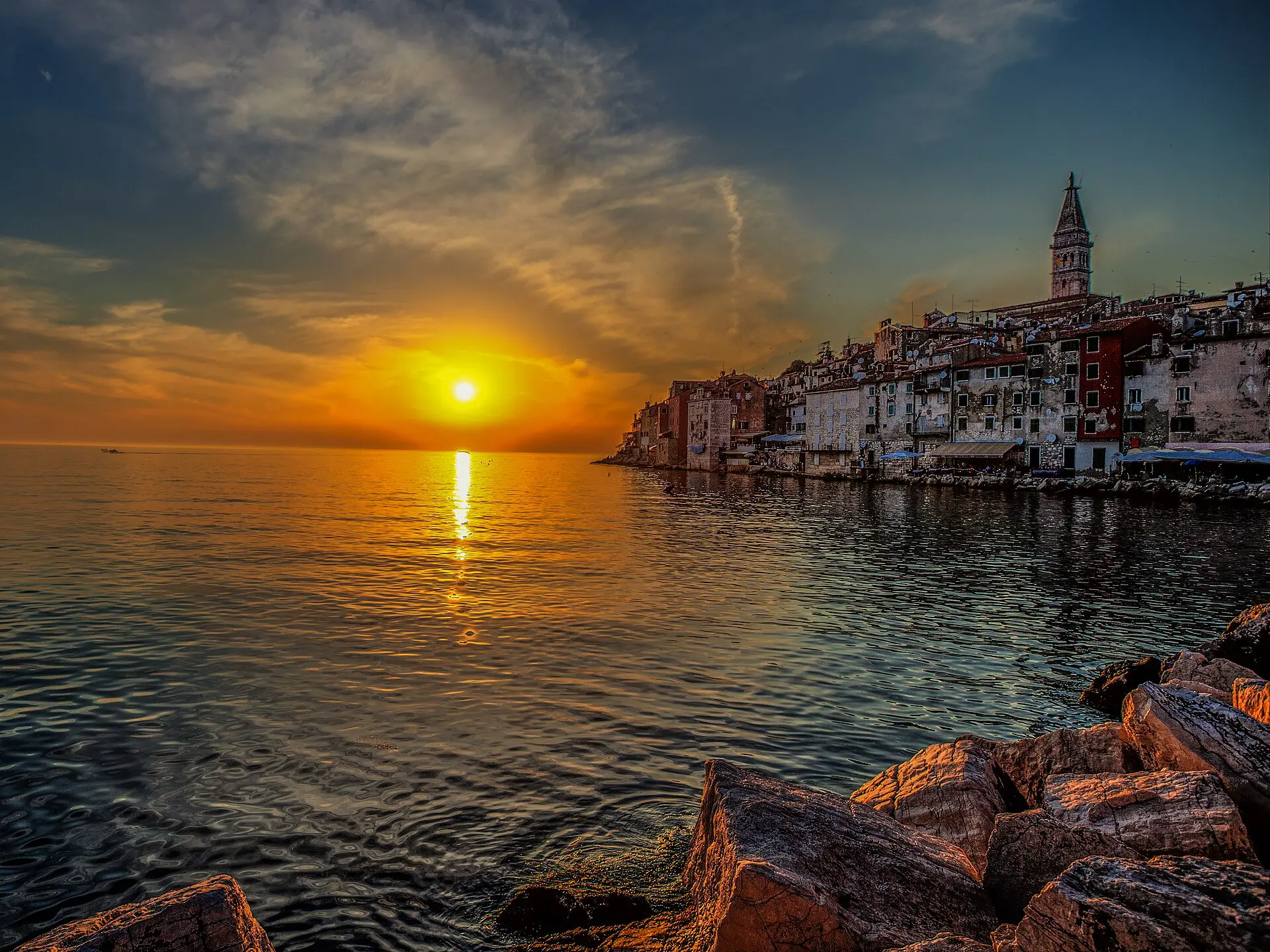
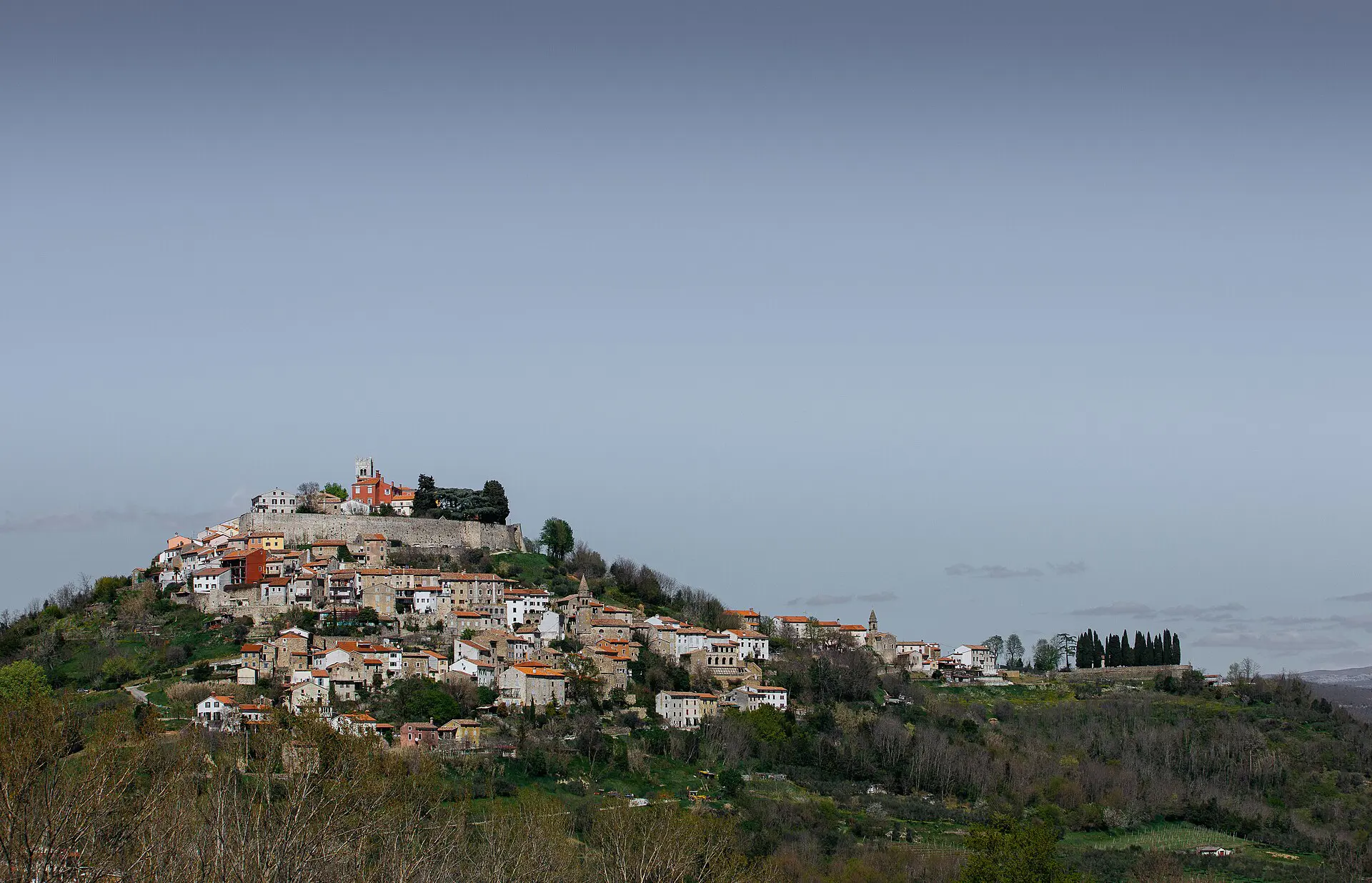
Rovinj and Motovun combine Venetian architecture, truffles and wine in a green peninsula in the north.
Zagreb
A compact capital with a hilltop Upper Town, museums and a strong café culture, good for a day or two.
Top things to do in Croatia
The top things to do in Croatia mix heritage, sea and food, and most are easy to book on arrival outside peak weeks.
- Walk Dubrovnik’s city walls: the circuit is about two kilometres and takes roughly an hour and a half.
- Explore Diocletian’s Palace in Split: wander the cellars, peristyle and narrow lanes inside the Roman walls.
- Hike the Plitvice boardwalks: choose a route of two to six hours and start early to avoid tour groups.
- Take an island ferry: Jadrolinija and other operators connect Split with Hvar, Brač, Vis and Korčula.
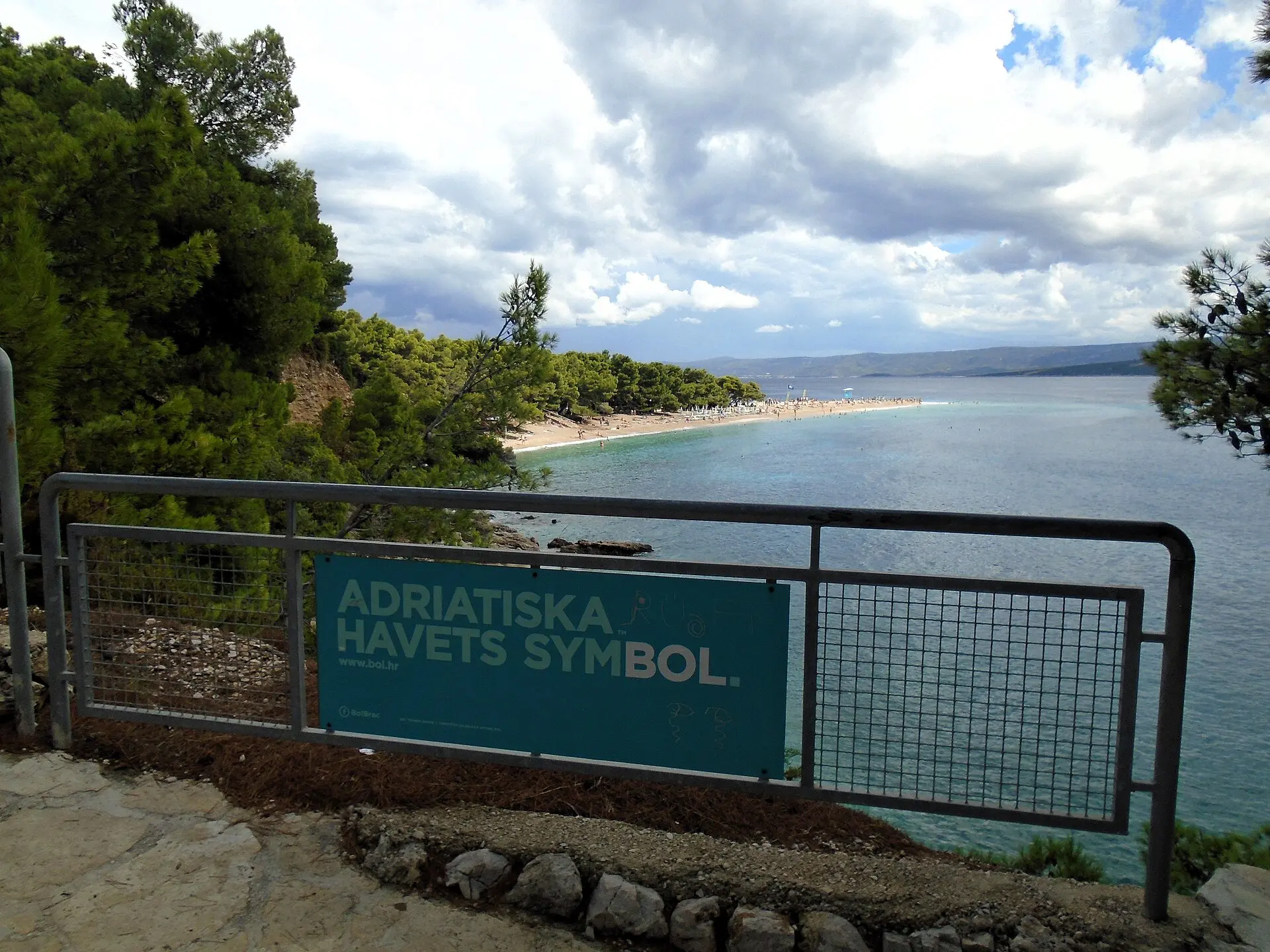
- Swim at Zlatni Rat: this gravel spit on Brač changes shape with the wind and is popular with windsurfers.
- Visit Krka National Park: waterfalls, a boat trip and a monastery island, with swimming only in limited areas, subject to current rules.
- Listen to the Sea Organ in Zadar: waves play pipes built into the seafront steps.
- Taste truffles in Istria: hill towns such as Motovun offer tastings and pasta.
- Kayak around Dubrovnik: sea-kayak tours run along the base of the walls and to nearby islets.
- Drive the Adriatic Highway: the coastal road offers constant sea views between Zadar and Dubrovnik.
Best time to visit Croatia
The best time to visit Croatia is May to June and September, when the sea is warm enough to swim, the weather is sunny and the coastal towns are busy but manageable. July and August are hot, crowded and the most expensive months, especially in Dubrovnik, Split and on Hvar. Inland Zagreb and Plitvice are cooler and have real winters.
| Season | Weather | Crowds and prices | Good for |
|---|---|---|---|
| Spring (Apr-Jun) | Mild to warm; sea cool until late May | Moderate, rising in June | Sightseeing, hiking, Plitvice |
| Summer (Jul-Aug) | Hot, often above 30 C, rare storms | Highest prices and crowds | Beaches, sailing, island hopping |
| Autumn (Sep-Oct) | Warm; sea still around 22-24 C in September | Falling quickly | Swimming, wine, truffle season |
| Winter (Nov-Mar) | Cool and wet on the coast; snow inland | Low; many island services reduced | Zagreb, Christmas markets, city breaks |
Ferry timetables are much thinner outside the summer season, so plan island trips with that in mind.
Is Croatia safe?
Yes, Croatia is very safe for tourists, with low levels of violent crime and well-developed tourist services. The main risks are summer heat, traffic and some petty theft in crowded places. Check your government’s current travel advice, such as the UK FCDO or US State Department pages, before booking.
Roads and sea. Coastal roads are winding, and summer traffic is heavy. Drive carefully, and expect strict drink-driving limits. Sea urchins are common on rocky shores, so wear water shoes, and respect warning flags at beaches.
Fire and heat. Wildfires occur in dry summers, mostly in Dalmatia and on the islands. Follow local instructions and avoid lighting fires.
Scams and theft. Pickpockets work in busy tourist areas, and some restaurants charge high prices for fish sold by weight, so check prices before ordering. Ride-hailing or licensed taxis are preferable to street offers.
Landmines. Mine clearance from the 1990s conflict is largely complete, but some rural areas near former front lines remain marked, so stay on marked paths in those areas. Travel insurance is advisable.
Visa and entry requirements for Croatia
Croatia joined the Schengen Area in January 2023, so Schengen entry rules apply. Many nationalities, including citizens of the UK, US, Canada and Australia, have generally been able to enter without a visa for up to 90 days in any 180-day period, but this depends on your passport, so confirm the current rule with the Croatian Ministry of Foreign and European Affairs or your nearest embassy.
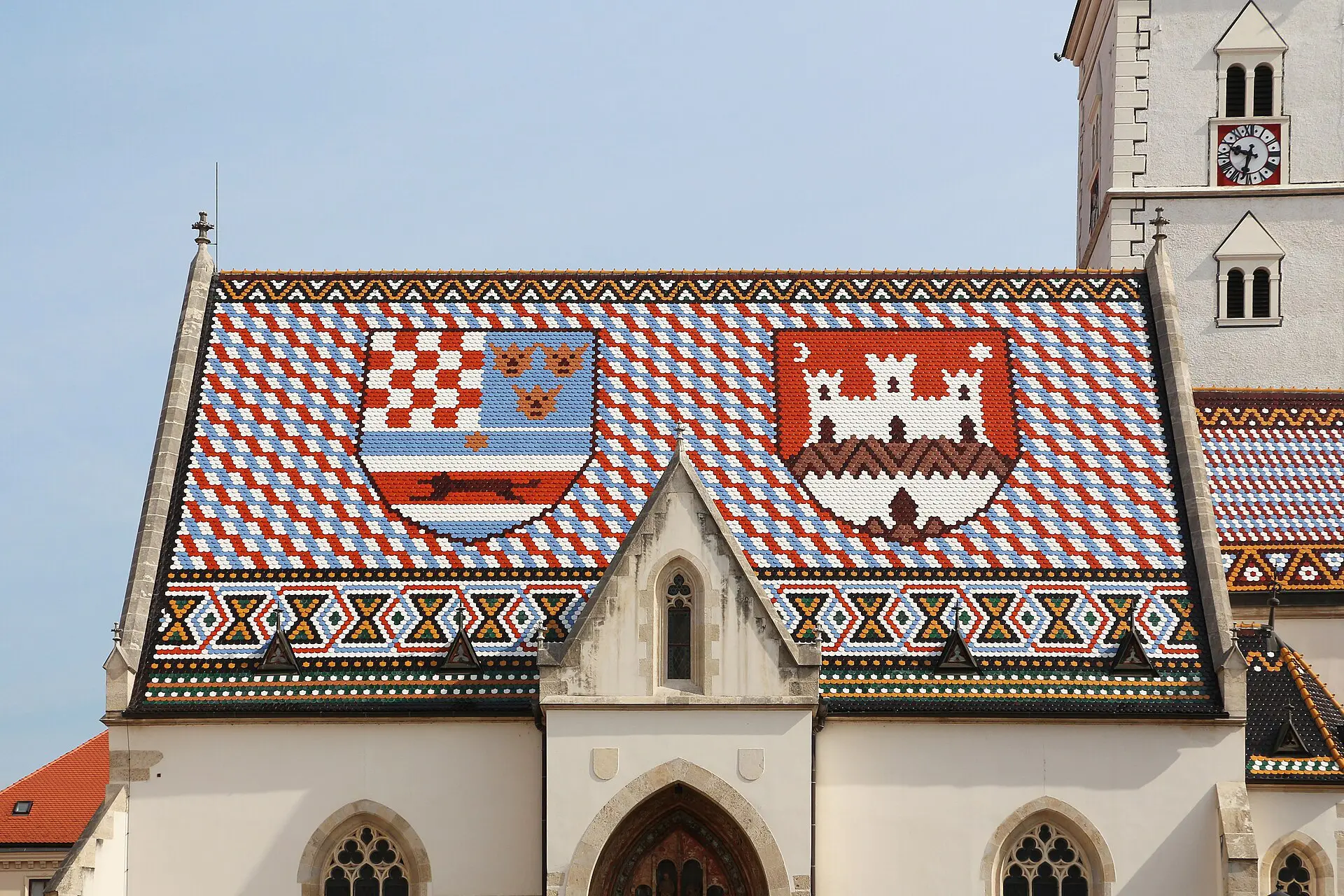
Your passport should be valid for at least three months beyond your planned departure, and border officers may ask for proof of accommodation and funds. The EU has been rolling out a digital Entry/Exit System, and a travel authorisation called ETIAS is planned for visa-exempt visitors, so check the official EU sources for the current status of both before you travel.
If you plan to cross by land to Bosnia and Herzegovina, for example on the road through the Neum corridor near Dubrovnik, carry your passport for the checks. Heritage fans can see the UNESCO page for Croatia for World Heritage sites, though it does not cover entry rules.
Getting to and around Croatia
Croatia has international airports at Zagreb, Split, Dubrovnik, Zadar, Pula and Rijeka, with many seasonal flights from European cities in summer. Land borders connect to Slovenia, Hungary, Serbia, Bosnia and Herzegovina and Montenegro, and ferries link Split and Zadar with Italy.
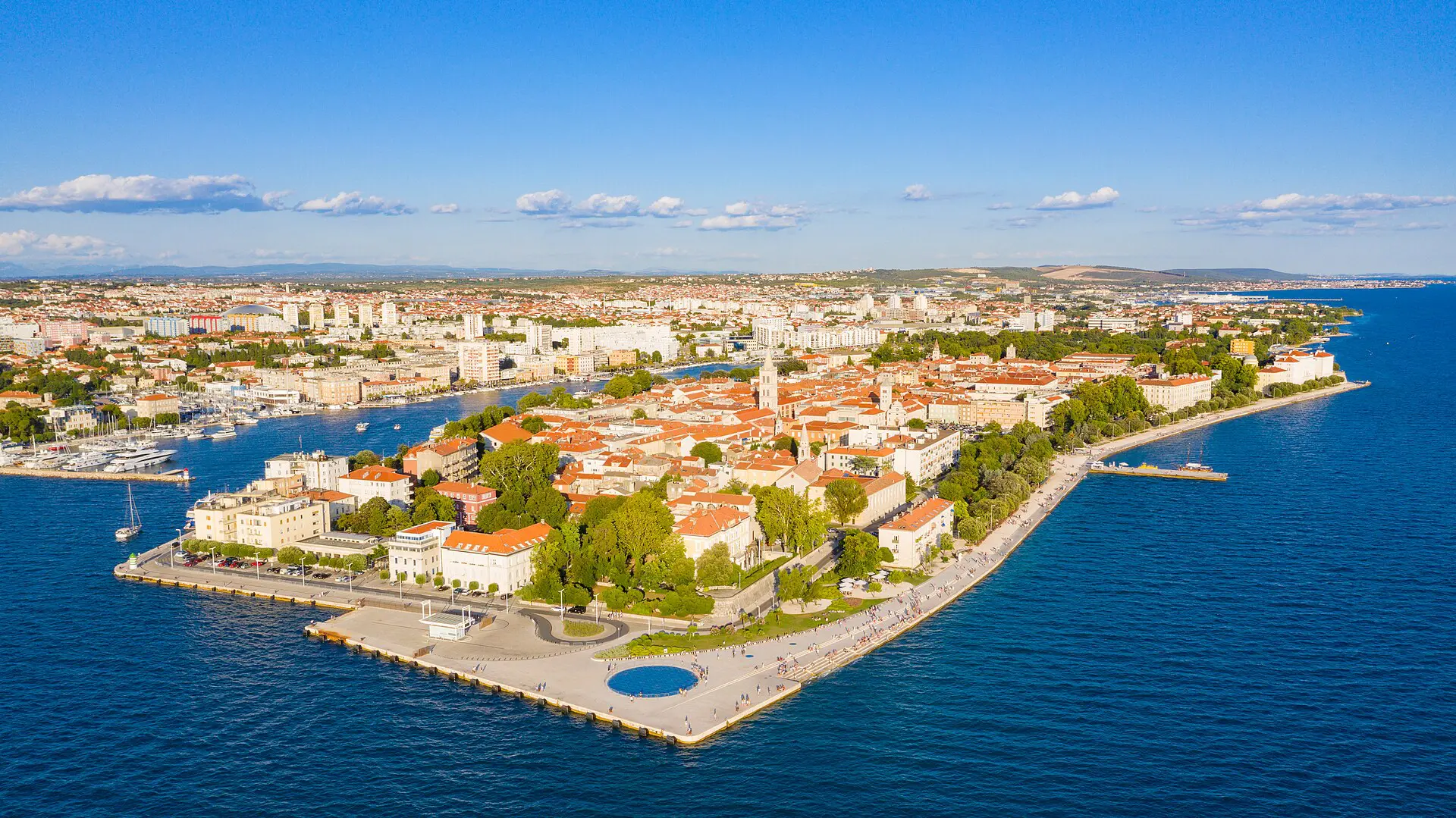
Buses are the backbone of public transport and are frequent, comfortable and affordable along the coast, for example Zagreb to Split in roughly five to six hours and Split to Dubrovnik in around four to five. Trains are slow and limited, mostly useful around Zagreb. Island ferries and catamarans, run by Jadrolinija and private operators, need advance booking for cars in summer.
A rental car is useful for Istria, Plitvice and the coast, driving is on the right and motorways are good, with tolls. Parking in old towns is expensive and scarce, and Dubrovnik’s old town is closed to cars. Be aware that the road to Dubrovnik from the north briefly crosses Bosnian territory at Neum, so carry your passport and rental papers.
How much does a trip to Croatia cost?
Croatia uses the euro (EUR), and prices have risen in recent years, especially on the coast in summer. Figures below are rough per-person guides for the 2026 season, and fall noticeably outside July and August.
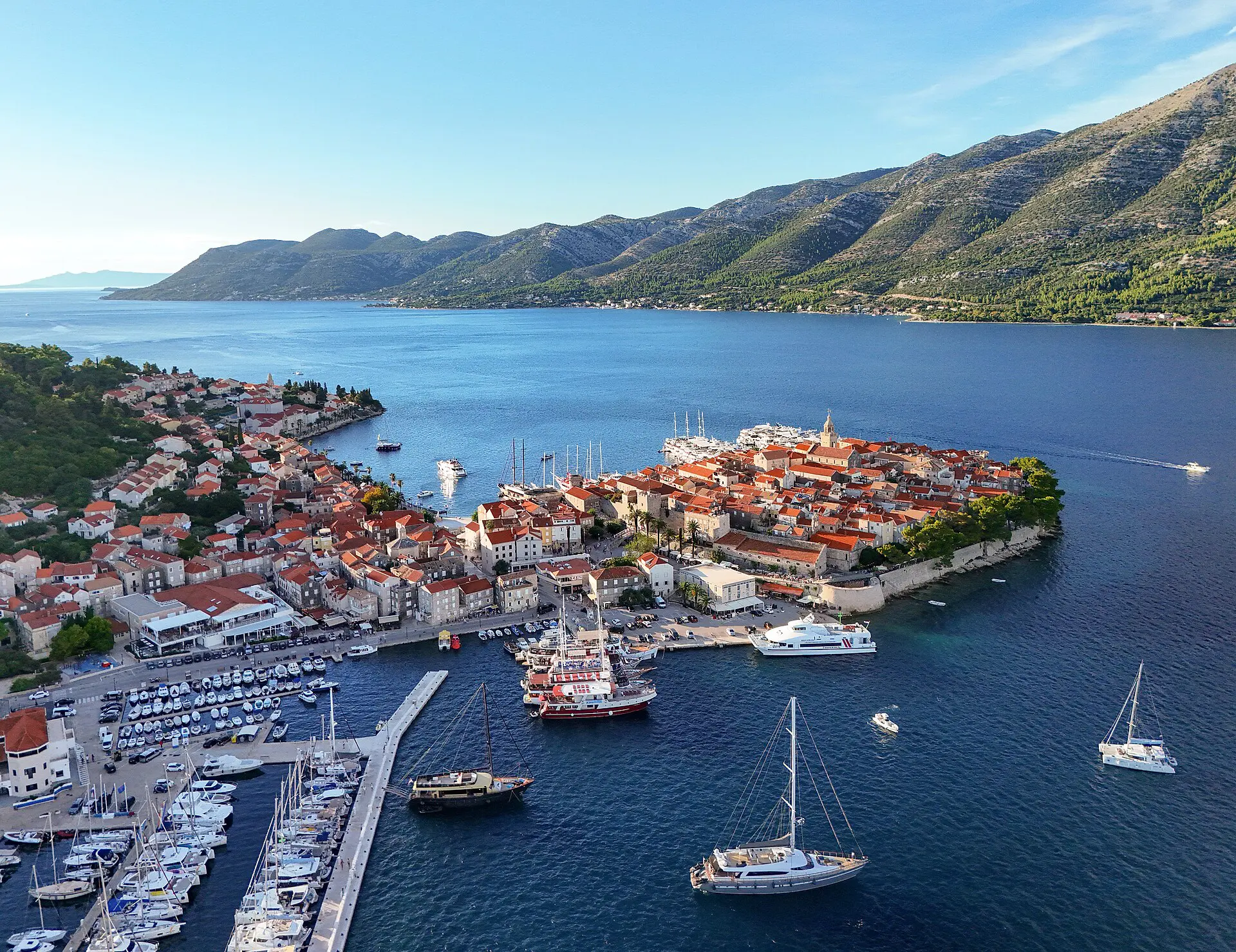
- Budget: around EUR 55 to 90 per day, with hostels or private rooms, bakery and market meals and buses.
- Mid-range: around EUR 100 to 180 per day, with a double room in a hotel or apartment, restaurant meals and some ferries or sightseeing tickets.
- High-end: from around EUR 250 per day, with boutique hotels, private boat trips and fine dining.
Accommodation is the main variable, and prices in Dubrovnik, Hvar and Split can double in peak weeks. Car rental, ferries with a vehicle and national park fees add up. Konoba restaurants offer much better value than harbour-front tourist places, and a coffee or a pastry is cheap. Tourist tax is added to accommodation bills.
Croatia food and drink
Croatia food varies by region: the coast leans Italian and Mediterranean with seafood and olive oil, Istria is known for truffles and pasta, and the inland north favours hearty Central European dishes.
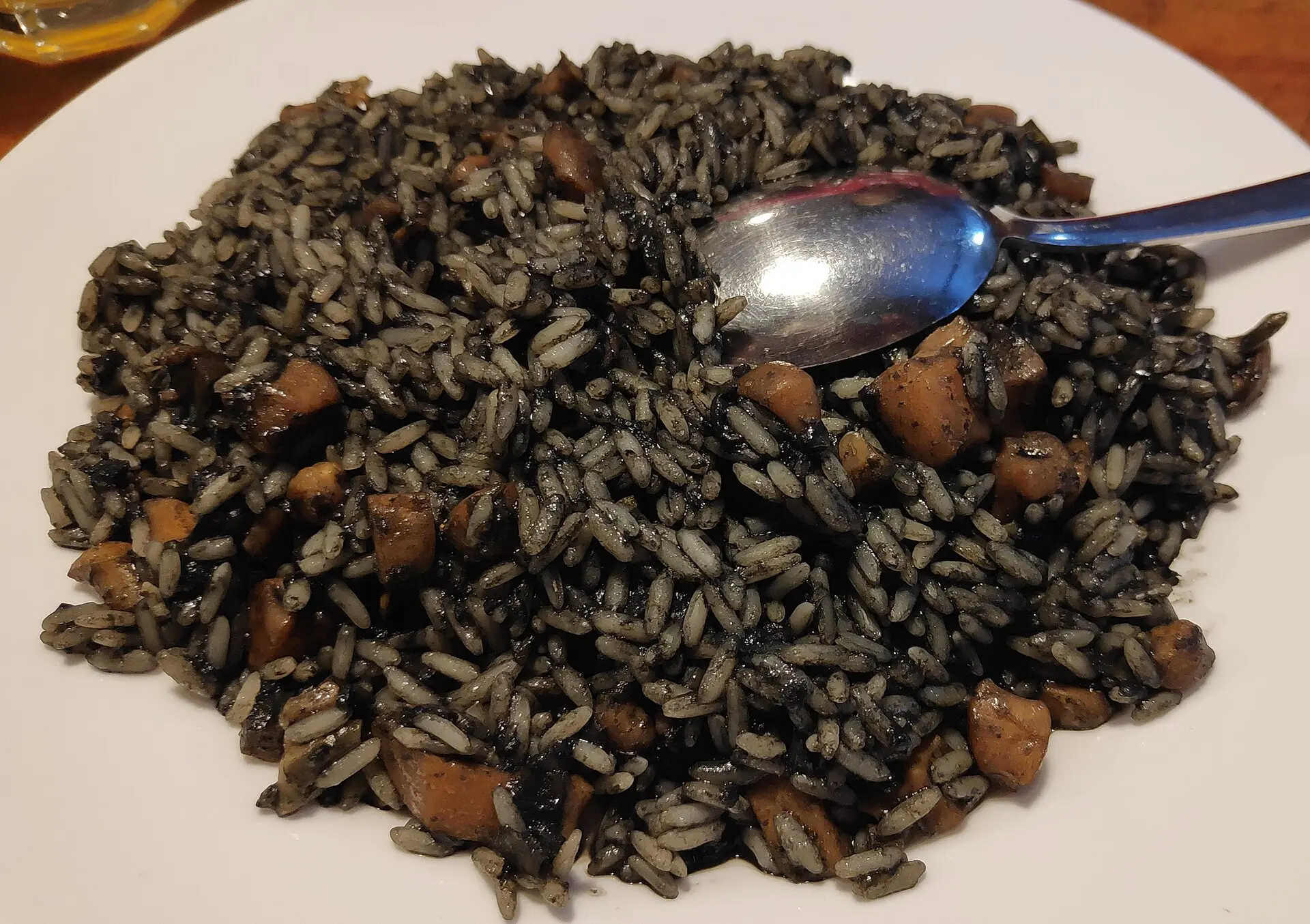
- Black risotto (crni rižot): cuttlefish risotto coloured with ink, found along the Dalmatian coast.
- Peka: meat or octopus slow-cooked with potatoes under an iron bell covered in embers, usually ordered in advance.
- Pašticada: beef braised in wine and served with gnocchi, a Dalmatian speciality.
- Ćevapi: grilled minced meat sausages served with flatbread and onion, common inland.
- Štrukli: baked or boiled cheese pastry from Zagorje and Zagreb.
- Pag cheese and prosciutto: hard sheep’s cheese and air-dried ham, often served as a platter.
- Wine and rakija: Plavac Mali reds from Pelješac, Istrian malvazija whites and fruit brandies.
Look for konobas, family-run taverns, for the best value. Vegetarians will find pasta, salads and grilled vegetables, though traditional dishes centre on meat and fish.
Culture, language and etiquette in Croatia
Croatian is the official language, written in the Latin alphabet, and English is widely spoken in tourist areas and among younger people. Italian and German are common on the coast. Useful words include hvala (thank you), molim (please) and dobar dan (good day).
Croats tend to be polite and reserved on first meeting but friendly once conversation starts. Coffee is a social ritual, and a coffee can last an hour or more, so sit and relax rather than rushing. The country is mostly Roman Catholic, and churches are active, so dress modestly and keep quiet inside.
Topless sunbathing is accepted at some beaches, and naturist beaches are marked separately, but cover up in towns. Do not climb on monuments, and respect noise rules in apartments at night. Avoid raising politics or the 1990s war lightly with strangers, as the topics are sensitive. Tipping is appreciated rather than required, and a card payment can usually be made at the table.
Croatia itinerary: a 7-day route
This route follows the Dalmatian coast from north to south by bus or rental car, with one island stop.
- Day 1, Zagreb: arrive, walk the Upper Town and have dinner in the centre.
- Day 2, Plitvice and Zadar: spend the morning at the lakes, then continue about two and a half hours to Zadar.
- Day 3, Zadar and Krka: see the Sea Organ and old town, then visit Krka in the afternoon on the way south.
- Day 4, Split: arrive in the morning and spend the day in Diocletian’s Palace.
- Day 5, Hvar: take a catamaran of about an hour, then explore the town and swim.
- Day 6, Korčula or Dubrovnik: return to the mainland and travel on to Dubrovnik, about four to five hours in total.
- Day 7, Dubrovnik: walk the city walls early, then fly out or take a boat trip.
For a shorter coastal trip, skip Zagreb and fly into Split. In winter, replace the island stop with Zagreb and Istria.
Practical tips for Croatia
- Money: the euro is the currency, and cards are accepted almost everywhere, though small konobas, markets and some island businesses prefer cash. ATMs are plentiful.
- SIM and eSIM: prepaid SIMs and eSIMs are cheap and coverage is good. EU roaming rules apply to EU residents.
- Plugs: types C and F at 230 V, as in most of continental Europe.
- Tipping: not required, but rounding up or about 10 percent for good service is customary.
- Health: bring insurance, sunscreen, water shoes for rocky beaches and a hat for summer sightseeing. EU visitors can use their health card in the public system, and others need insurance.
- Packing: comfortable shoes for polished stone streets, a light layer for evenings and swimwear from May.
- Booking: reserve accommodation, Plitvice tickets and island ferries well ahead for July and August, and book car ferries in advance.
For wider background, see the Wikivoyage Croatia guide.
FAQ
Q1What are the best places to visit in Croatia?
Dubrovnik, Split, Plitvice Lakes, Hvar and Istria are the top picks. Dubrovnik and Split are the best old towns, Plitvice and Krka have waterfalls, the islands offer swimming and quieter villages, and Zagreb gives a short capital-city stop.
Q2What is the best time to visit Croatia?
May to June and September are best, with warm sea, sunny days and manageable crowds. July and August are hot, crowded and the most expensive. Winter is cool and quiet on the coast, with reduced ferry services but good prices.
Q3What are the best things to do in Croatia?
Walk Dubrovnik's walls, explore Diocletian's Palace in Split, hike Plitvice, take an island ferry to Hvar or Korčula, visit Krka, taste truffles in Istria and drive the Adriatic coast road. Add kayaking or a sailing day for time on the water.
Q4Is Croatia safe?
Yes, Croatia is very safe for visitors. Violent crime is low, and the main risks are petty theft in crowded places, summer heat, wildfires and busy coastal roads. Check your government's current travel advice and take out travel insurance.
Q5What is Croatia food like?
Croatia food depends on region. Dalmatia and the islands serve seafood, black risotto, peka and pašticada, Istria is known for truffles and pasta, and the north serves hearty dishes like štrukli. Wines and local olive oil are strong, and konobas offer the best value.
Q6How many days do you need in Croatia?
Seven days covers Zagreb or Plitvice, Split, one island and Dubrovnik at a steady pace. Ten days lets you add Istria or more islands without rushing. A short coastal trip of four days can work from Split or Dubrovnik.
Q7Do I need a visa for Croatia?
It depends on your nationality. Croatia is in the Schengen Area, and many travellers can enter visa-free for up to 90 days in any 180. New EU entry systems and ETIAS are being phased in, so confirm current rules with official sources before travelling.