Why visit Split
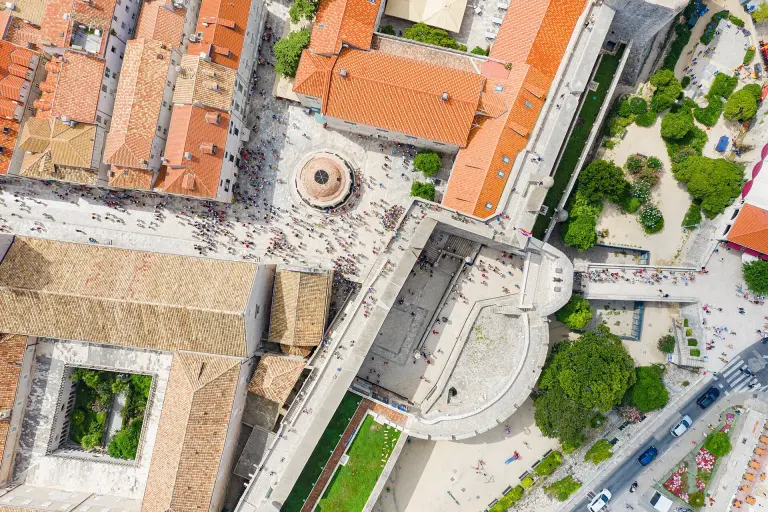
Travellers searching for things to do in Split usually come for one reason: the Roman palace at its centre. Built for the emperor Diocletian around the turn of the fourth century, it is not a ruin but a living part of the city, with shops, homes and restaurants set within the ancient walls.
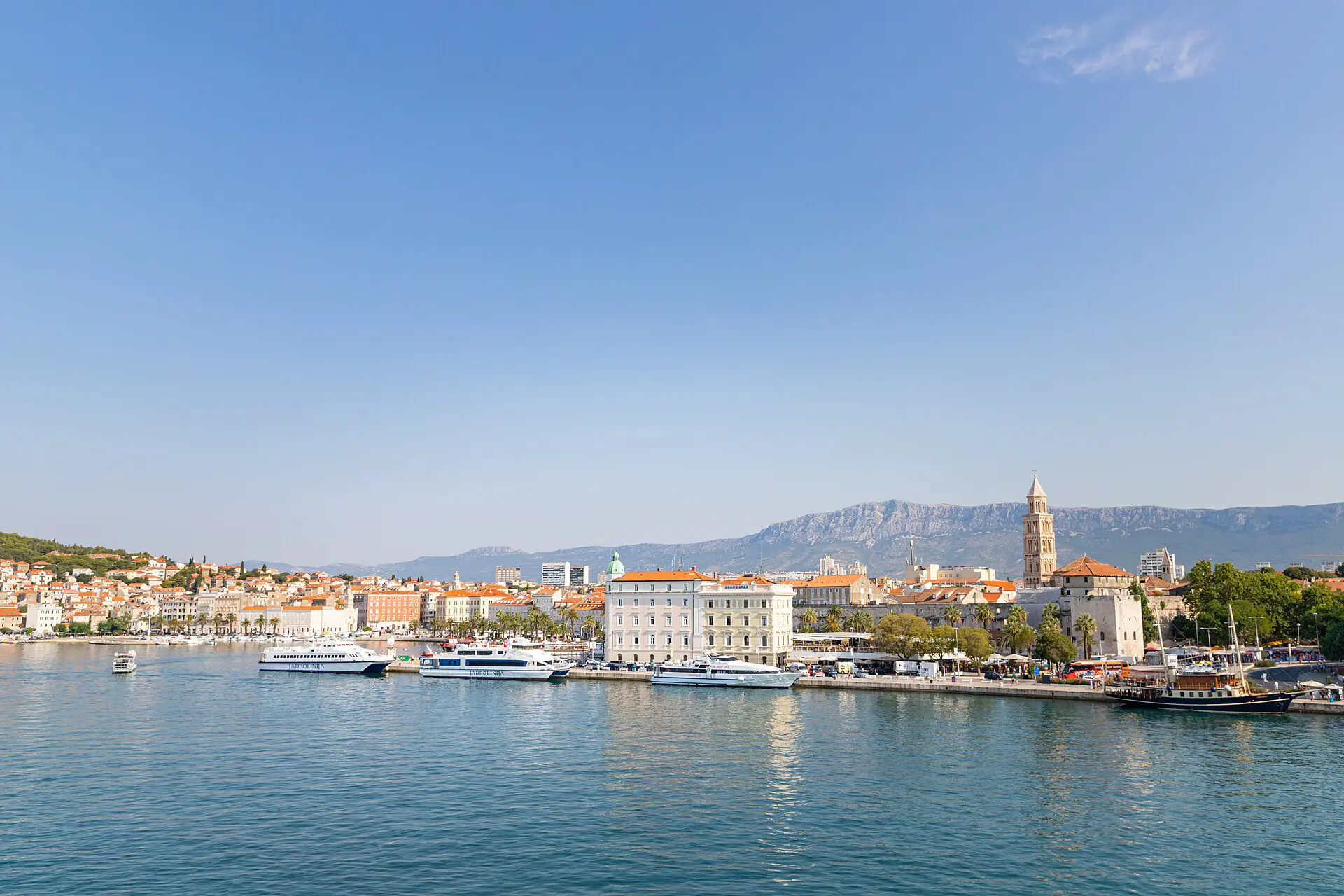
Split is the second-largest city in Croatia and the main port of Dalmatia. Beyond the palace, it has a palm-lined waterfront promenade, the forested Marjan hill with sea views, small city beaches and ferries to islands such as Hvar, Brac and Vis.
It works as both a destination and a transit hub. Many visitors spend a night or two here before heading to the islands, while others stay longer and take day trips. Summer is busy and hot, so spring and September are more comfortable.
Top things to do in Split
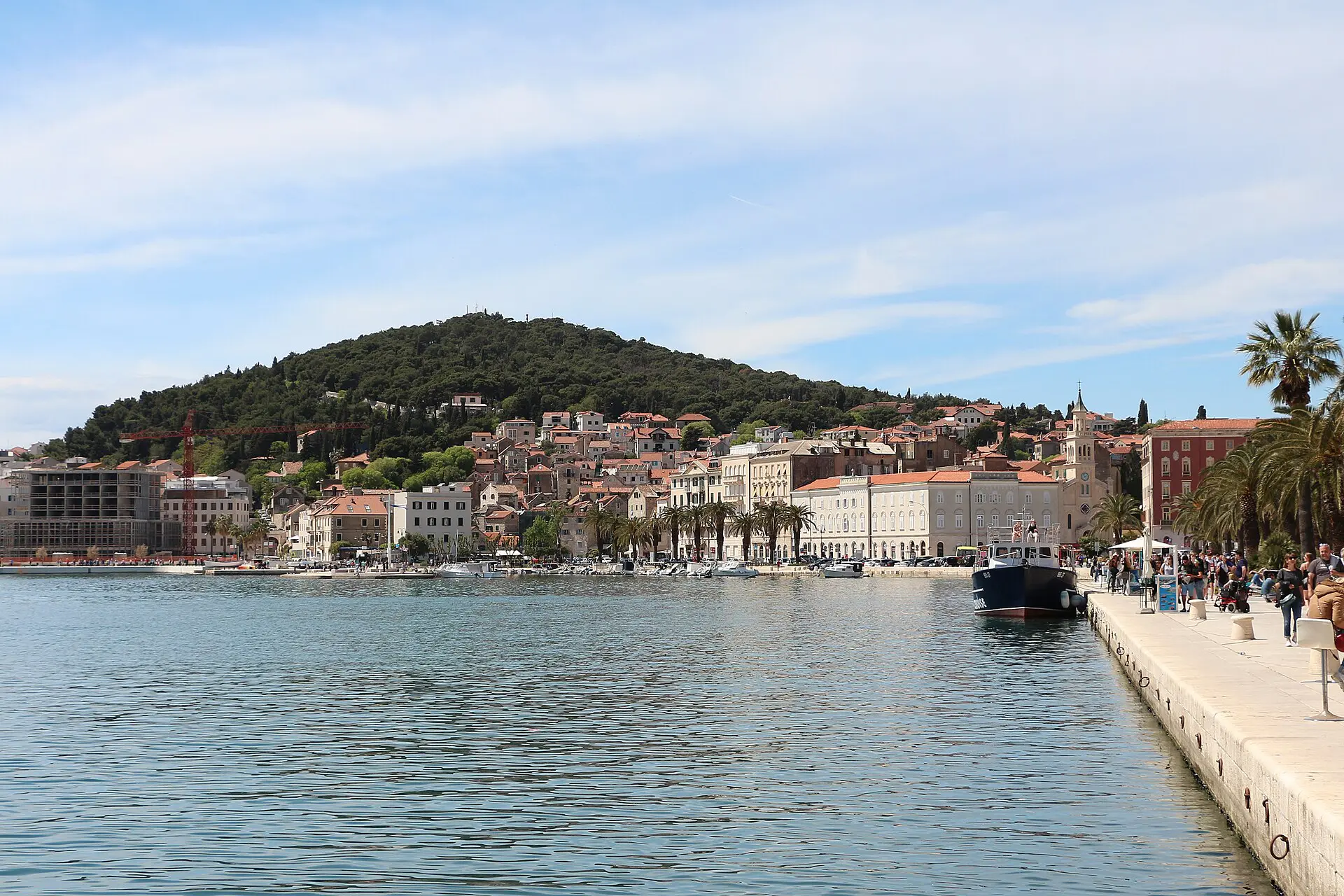
Diocletian’s Palace
The palace is a UNESCO World Heritage site and the heart of the old town. Wander the Peristyle, the cellars and the narrow lanes. Allow two to three hours. Visit early or late to avoid crowds, and check which areas charge entry.
Cathedral of Saint Domnius and bell tower
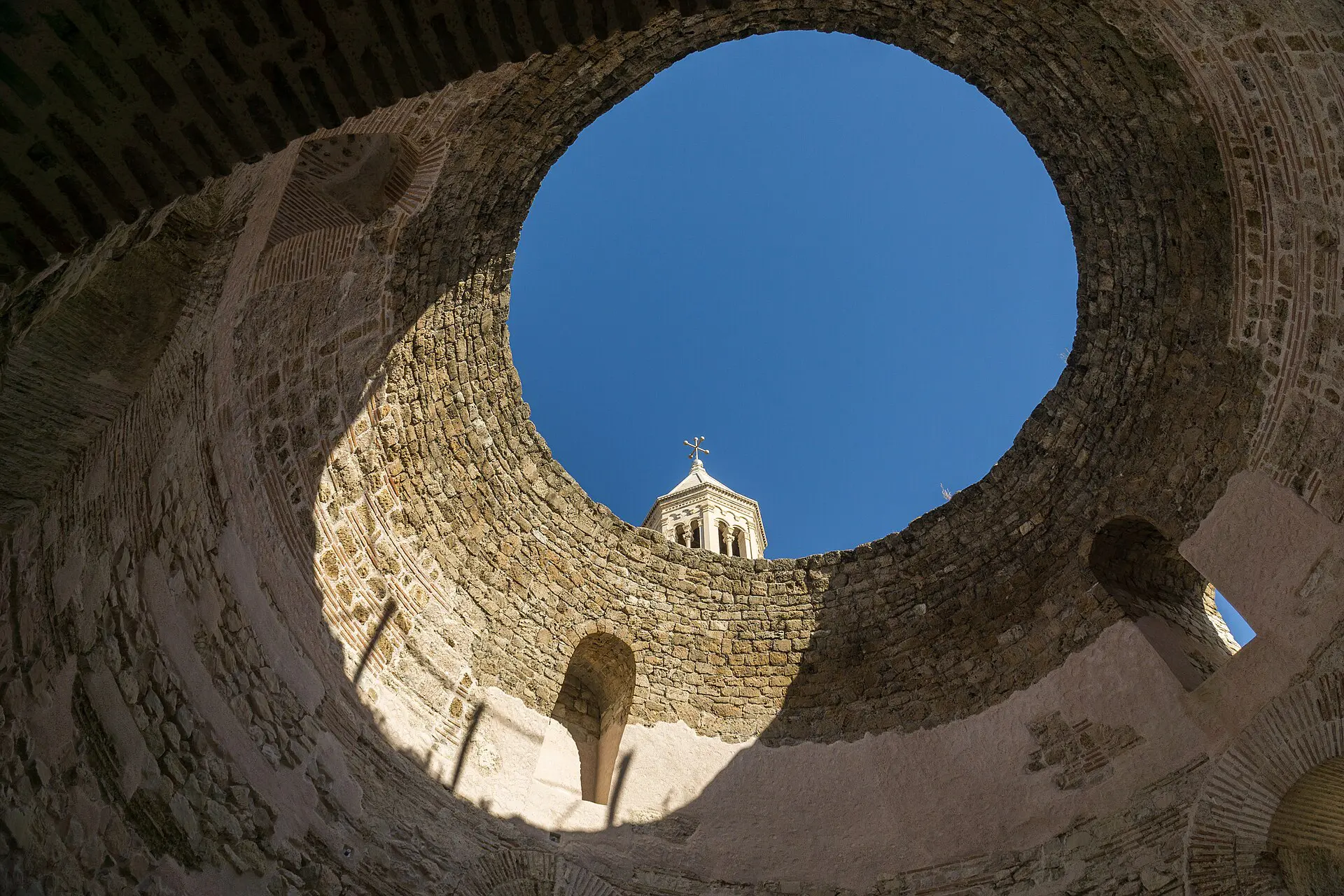
The cathedral was originally Diocletian’s mausoleum and is among the oldest cathedral buildings in the world. The bell tower can be climbed for views over the old town. Allow about an hour, and expect narrow, steep stairs.
Riva waterfront
The wide seafront promenade runs along the palace’s south wall and is lined with cafes. It is best in the evening when locals walk, and it is where the ferries and boat trips leave nearby. Allow an hour for a stroll and a drink.
Marjan Hill
A forested hill on the western edge of the city with walking paths, viewpoints and small chapels. Allow two to three hours. Climb the steps from the old town for a panorama at sunset, and bring water in summer.
Bacvice and other city beaches
Bacvice is the closest sandy beach, popular with locals and known for the picigin ball game. Quieter pebble beaches lie along the Marjan coast. Allow half a day. Shoes help on rocky entries, and the beaches are crowded in July and August.
Pazar market and local food
A market beside the palace sells fruit, vegetables and local products, and the city has seafood restaurants and konobas serving Dalmatian dishes. Go in the morning, and check opening days. Choose places a few streets away from the Riva for better prices.
Meštrović Gallery
Housed in a former villa near Marjan, it shows works by the sculptor Ivan Meštrović. Allow an hour. It is a calm break from the crowded old town, and opening hours vary by season, so check before going.
Best time to visit Split
Split has a Mediterranean climate, with hot, dry summers and mild, wetter winters. May, June and September are usually best for combining warm weather, swimmable seas and fewer crowds.
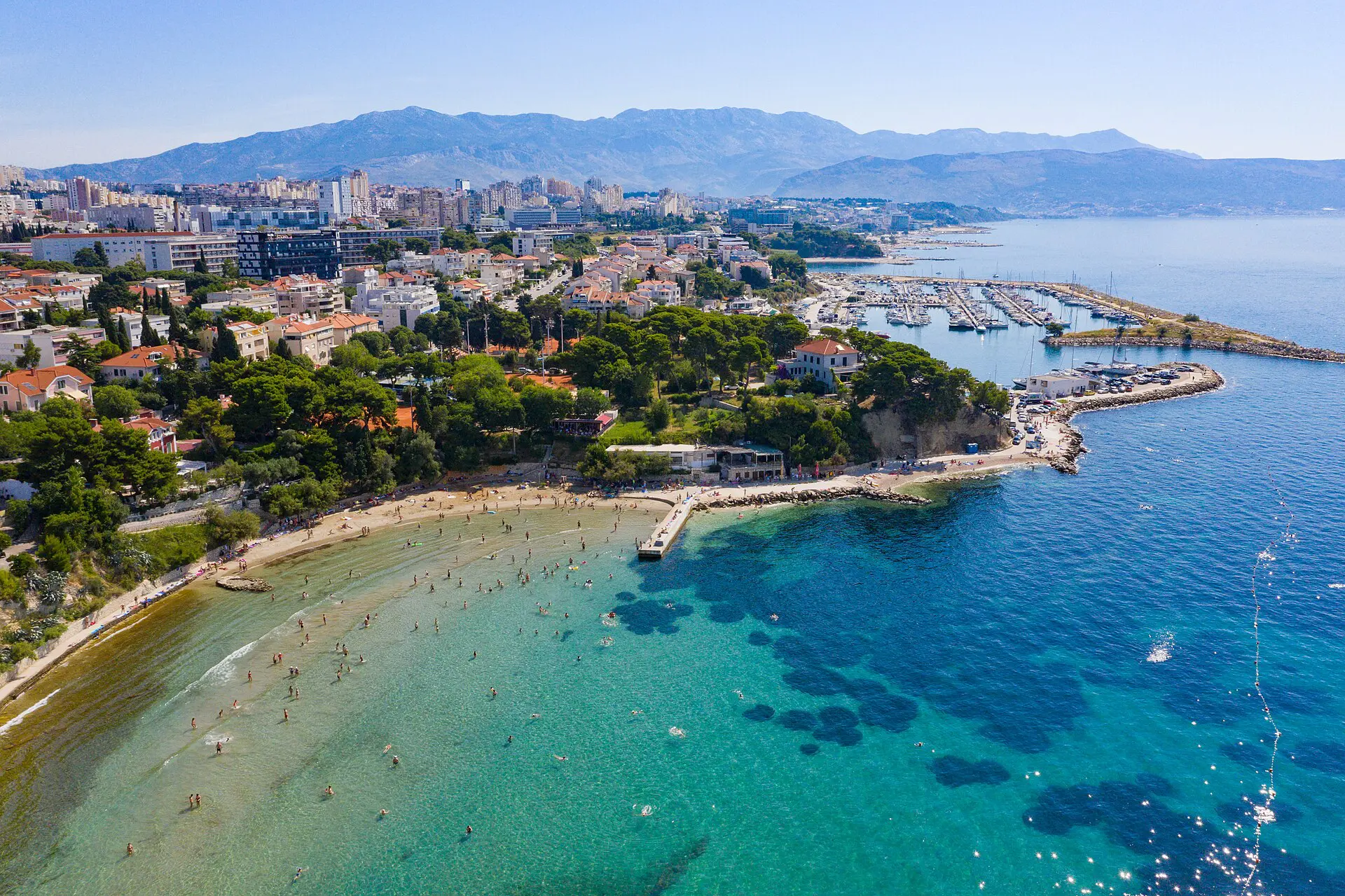
| Season | Weather | Crowds and prices |
|---|---|---|
| April to June | Mild to warm, some rain | Moderate, rising |
| July to August | Hot, dry, sea warm | Busiest, highest prices |
| September to October | Warm sea, occasional storms | Moderate |
| November to March | Cool, rainy periods, strong wind | Quiet, fewer ferries |
Ferry schedules are reduced in winter, and a strong bora or sirocco wind can cause cancellations. Many island businesses close from late autumn to spring.
How to get to Split and around
Split Airport is about 25 km west of the centre, near Trogir, and has many European flights, especially in summer. Buses and taxis link it to the city in roughly 30 to 45 minutes, depending on traffic.
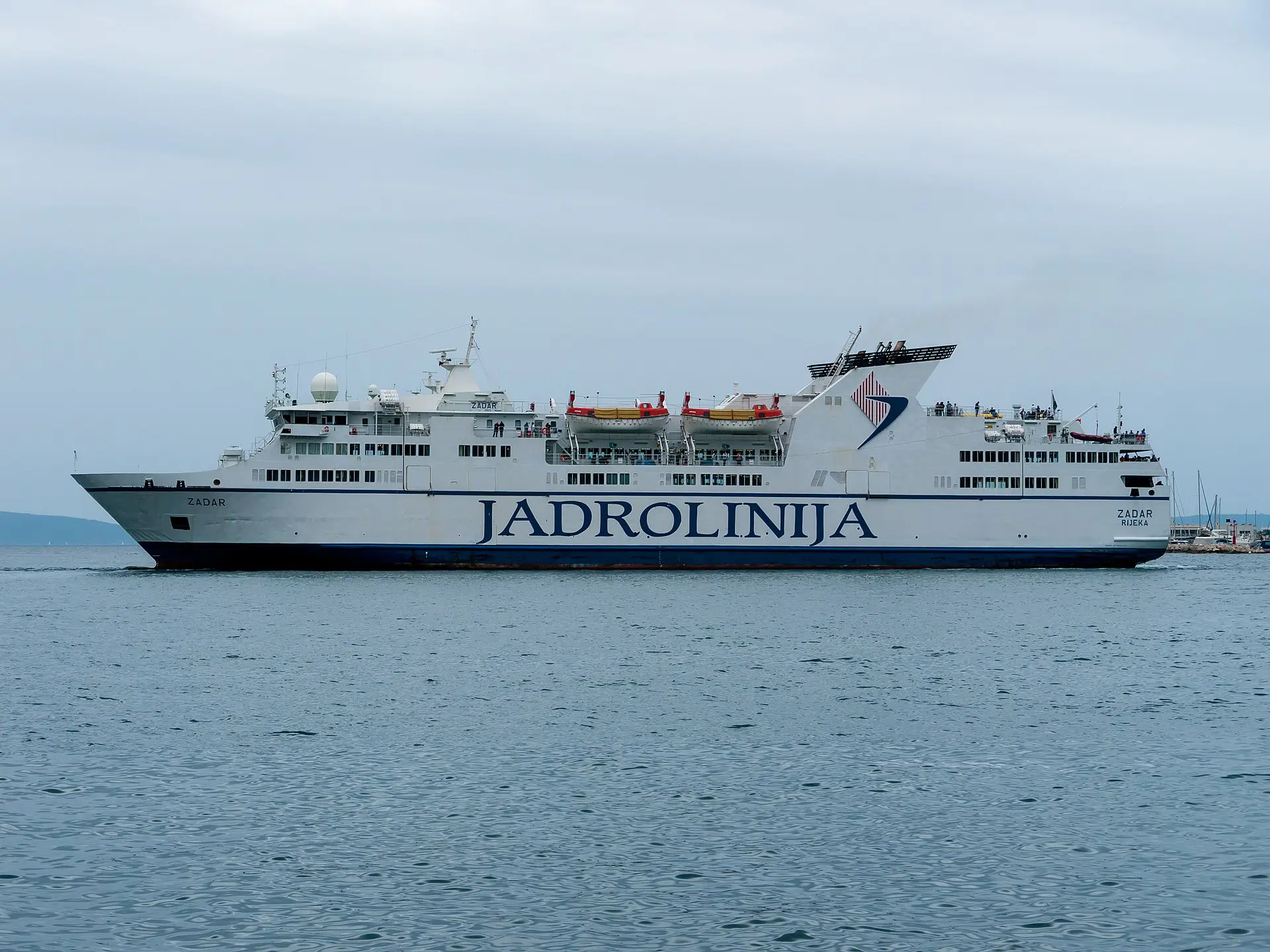
The ferry terminal, bus station and railway station are close together next to the old town. Coaches run to Zagreb, Dubrovnik, Zadar and many other places, and ferries serve islands such as Hvar, Brac and Vis. Book car ferries in summer well ahead.
The old town is walkable, and most sights are within a short distance. Local buses reach outer areas, and taxis and ride-hailing apps are available. A car is not needed for the centre, and parking is limited.
Where to stay in Split
Staying within or beside Diocletian’s Palace gives atmosphere and easy walking, but rooms are often small, and the streets can be noisy at night. It suits short stays and travellers who value location.
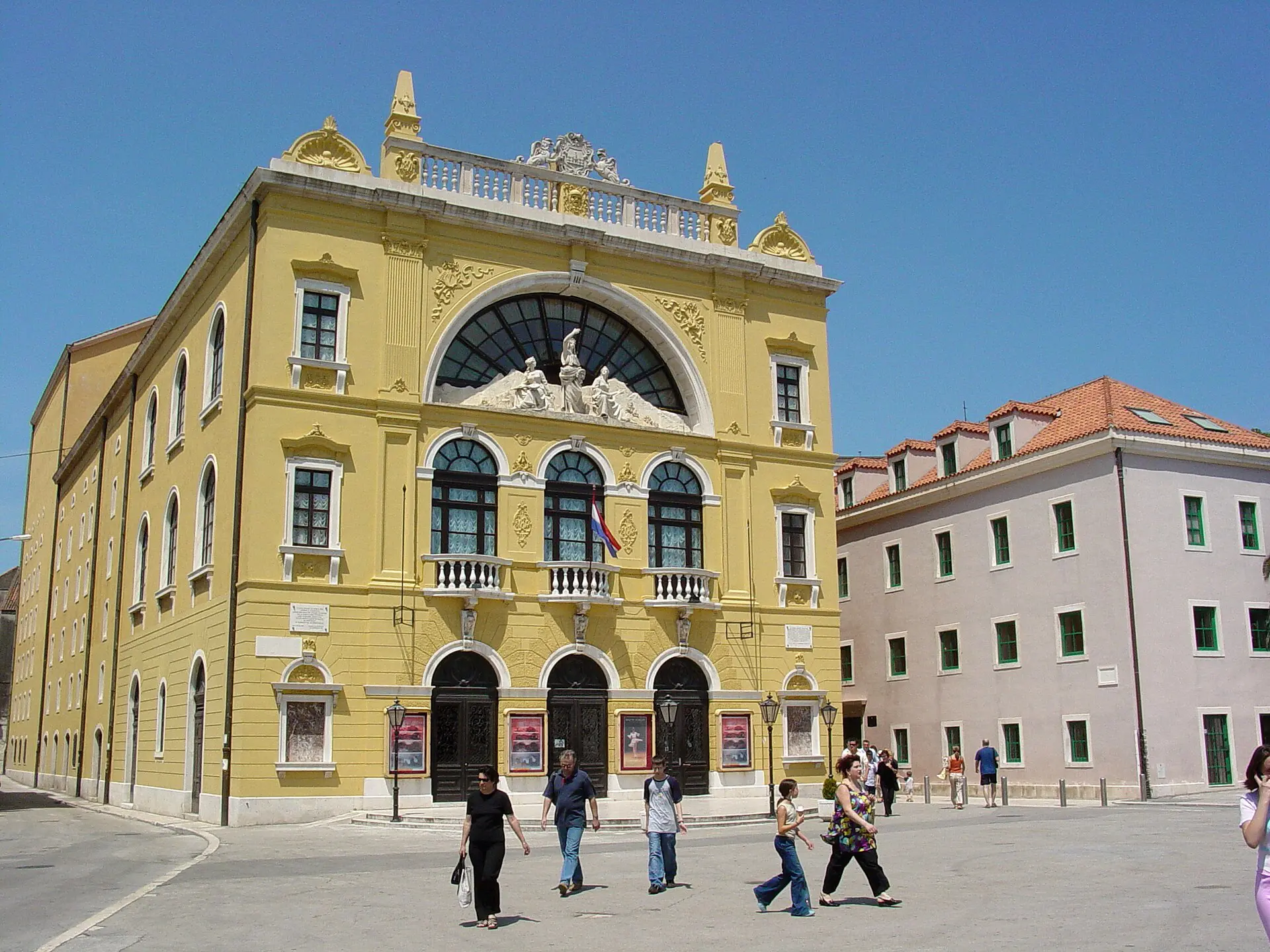
The Varos and Marjan areas, just west of the old town, are quieter and more residential, with local restaurants and quick access to the hill. They suit longer stays and visitors who prefer a calmer evening.
The area near the bus and ferry terminal is practical for early departures, with simple hotels and hostels. Beach-side neighbourhoods such as Bacvice suit families and those who want the sea nearby. Book ahead from June to September, and ask about air conditioning.
How many days do you need?
Two days covers the old town and Marjan, while three or four lets you add a day trip or island. A single day works if you are passing through to the islands.
- Day 1: Diocletian’s Palace, the cathedral and bell tower, then a late lunch and an evening on the Riva.
- Day 2: Climb Marjan Hill in the morning, spend the afternoon on a beach and dine in Varos.
- Day 3: Day trip to Trogir or an island by ferry, returning in the evening.
Add a fourth day for Krka National Park or an overnight on Hvar.
Day trips and nearby
Trogir
A small, walled island town with a UNESCO-listed old centre, roughly 30 to 45 minutes from Split by bus or boat. It suits a half-day trip, and it is near the airport.
Hvar
One of the best-known Adriatic islands, known for lavender fields, a fortress and a busy harbour town. Ferries and catamarans take roughly one to two hours. It is better with at least one night.
Plitvice Lakes National Park
Famous for its terraced lakes and waterfalls, the park is a long day trip of roughly three hours each way, so many visitors stay overnight. Book timed tickets ahead in summer.
Dubrovnik
Around four to five hours by road, so a day trip is not practical. Plan it as a separate stop, with a coach or ferry transfer and at least two nights in the walled city.
FAQ
Q1When is the best time to visit Split?
May, June and September offer warm weather, a swimmable sea and fewer crowds. July and August are hottest and busiest, while winter is quiet, with fewer ferries and some island businesses closed.
Q2How many days do you need in Split?
Two days is enough for Diocletian's Palace, the waterfront and Marjan Hill. Add a day or two if you plan a day trip to Trogir or an island, or an excursion to national parks.
Q3How do you get to Split?
Fly into Split Airport, about 25 km from the centre, or arrive by coach from Zagreb and Dubrovnik. The bus station, ferry terminal and railway station are beside the old town, which makes arrivals simple.
Q4Is Split expensive?
Prices are moderate in spring and autumn but rise in July and August, especially on the waterfront and for accommodation. Eating a few streets from the Riva and booking early keeps costs down.
Prices, schedules and entry rules change. Check current details with official sources before you travel. Read the Croatia travel guide.