Why visit Canada
Canada travel offers the scale of a continent with the comfort of a developed country. It is the second-largest country by area (see the Wikipedia overview), with the longest coastline in the world, the Rocky Mountains, thousands of lakes, big multicultural cities and national parks that range from temperate rainforest to Arctic tundra. Services are reliable, English and French are both official languages, and independent travel is easy.
It suits visitors who like the outdoors, such as hikers, paddlers, skiers and wildlife watchers, as well as city-break travellers who want food, museums and festivals in Toronto, Montreal or Vancouver. Distances are the main challenge: a flight from Toronto to Vancouver takes over four hours, so most trips focus on one or two regions rather than the whole country.
Best places to visit in Canada
The best places to visit in Canada are grouped by region, and most trips combine one city with one natural area.
Banff and the Rockies
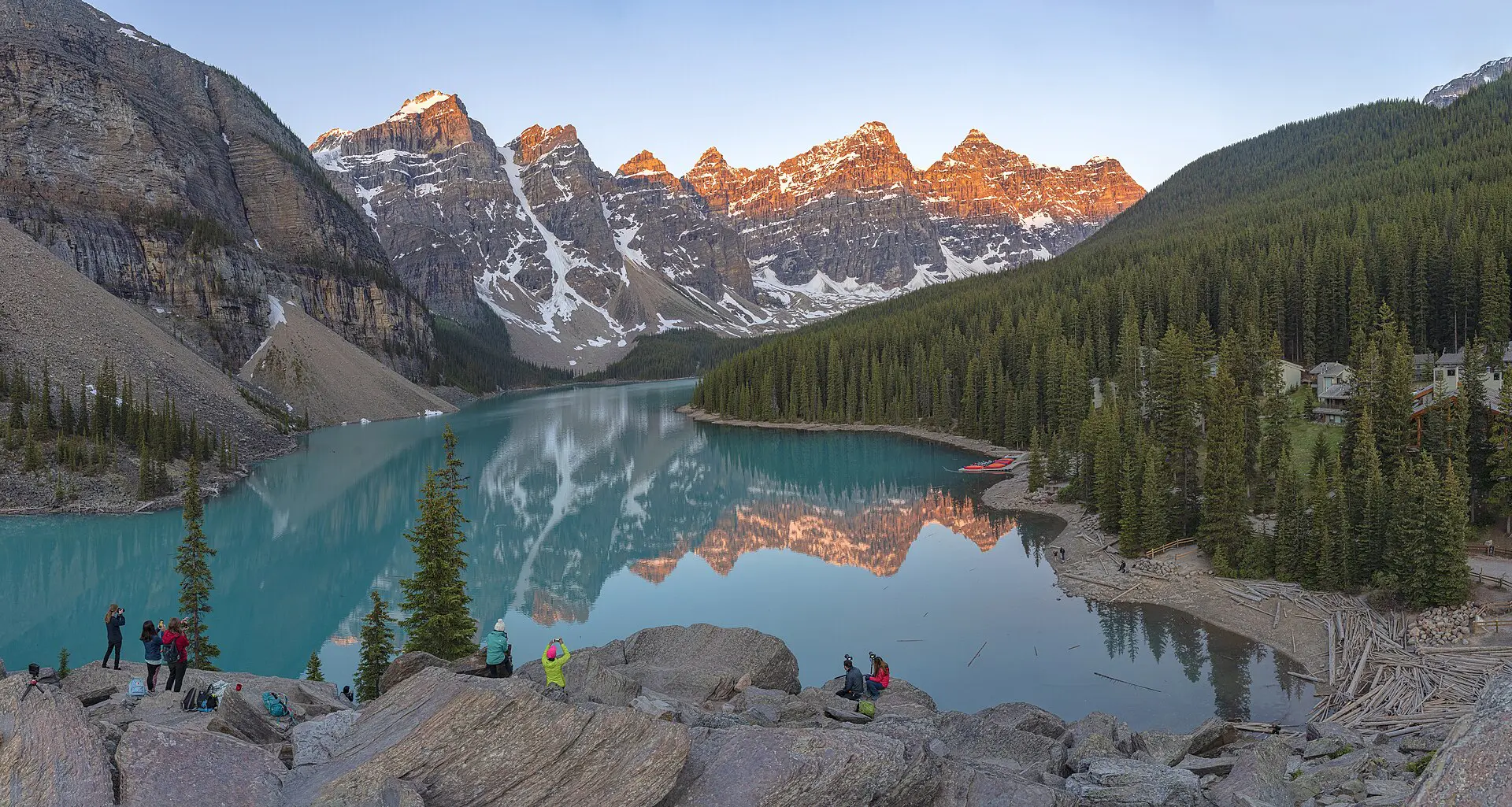
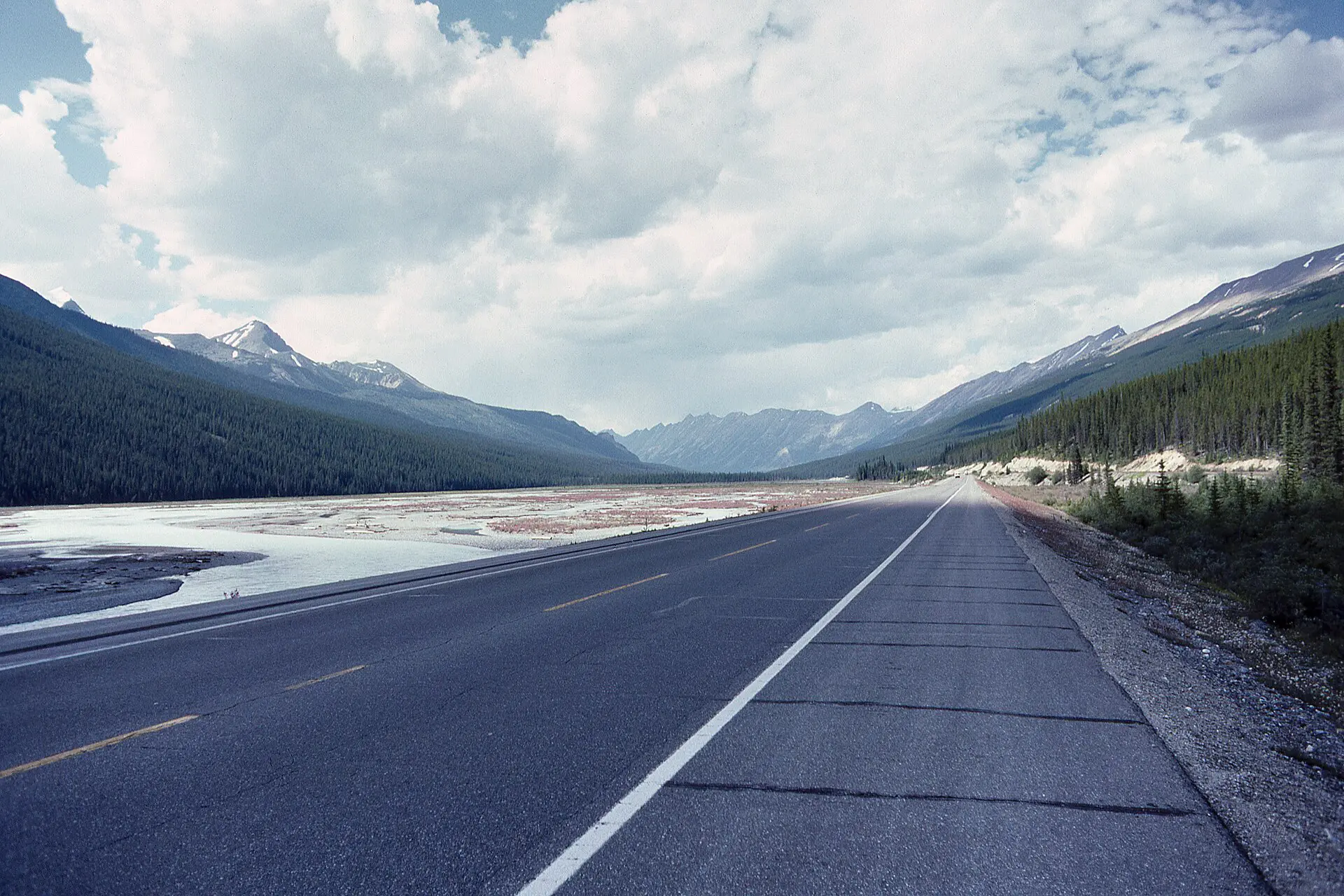
Banff and Jasper national parks have turquoise lakes such as Lake Louise and Moraine Lake, glaciers, elk and bears. The Icefields Parkway between them is among the finest drives in the world. Book lakeside shuttles and accommodation well ahead in summer.
Vancouver and Vancouver Island
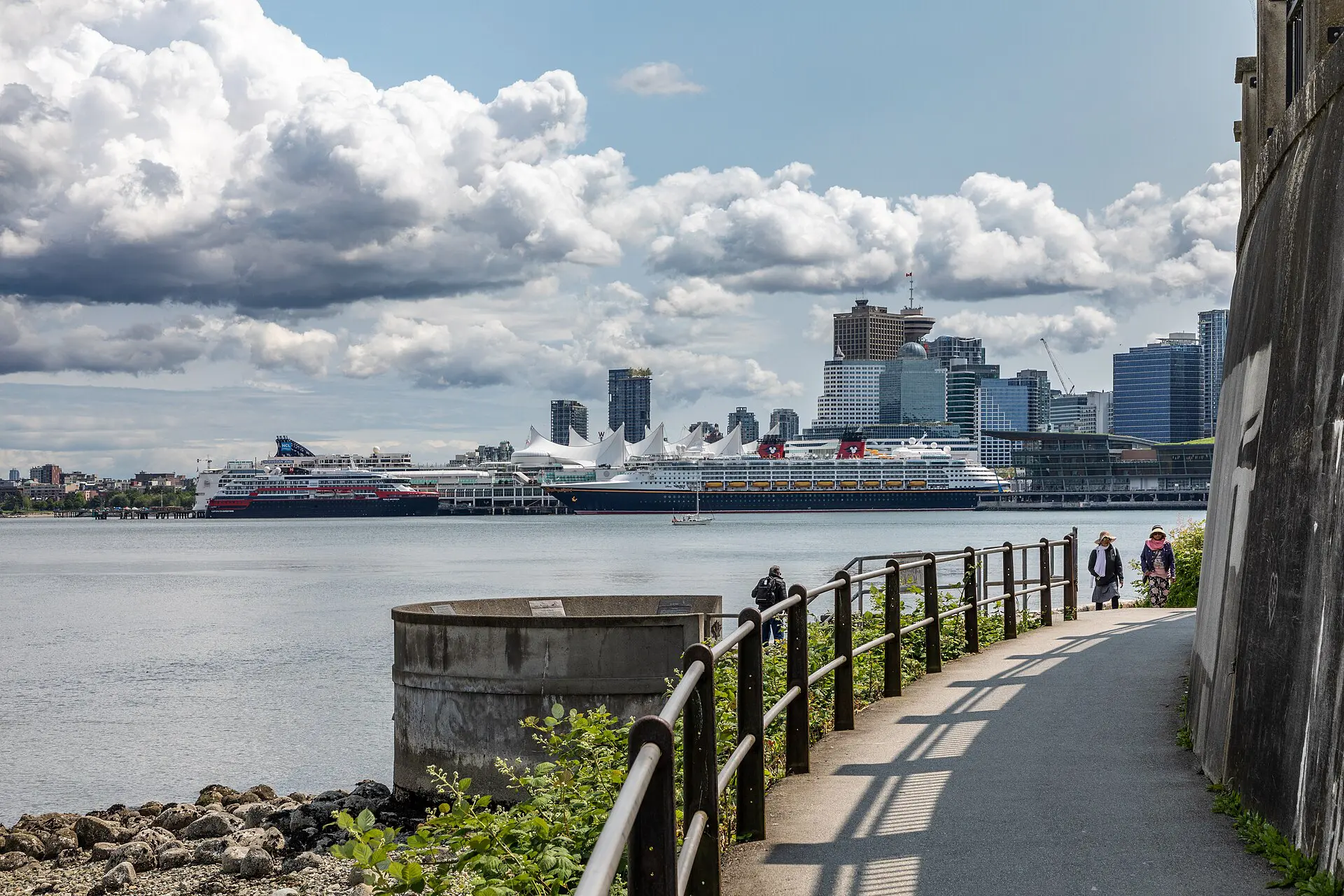
Vancouver combines mountains, ocean and Stanley Park, while a ferry reaches Victoria and wild Pacific beaches near Tofino. It is the usual gateway to British Columbia.
Toronto and Niagara Falls
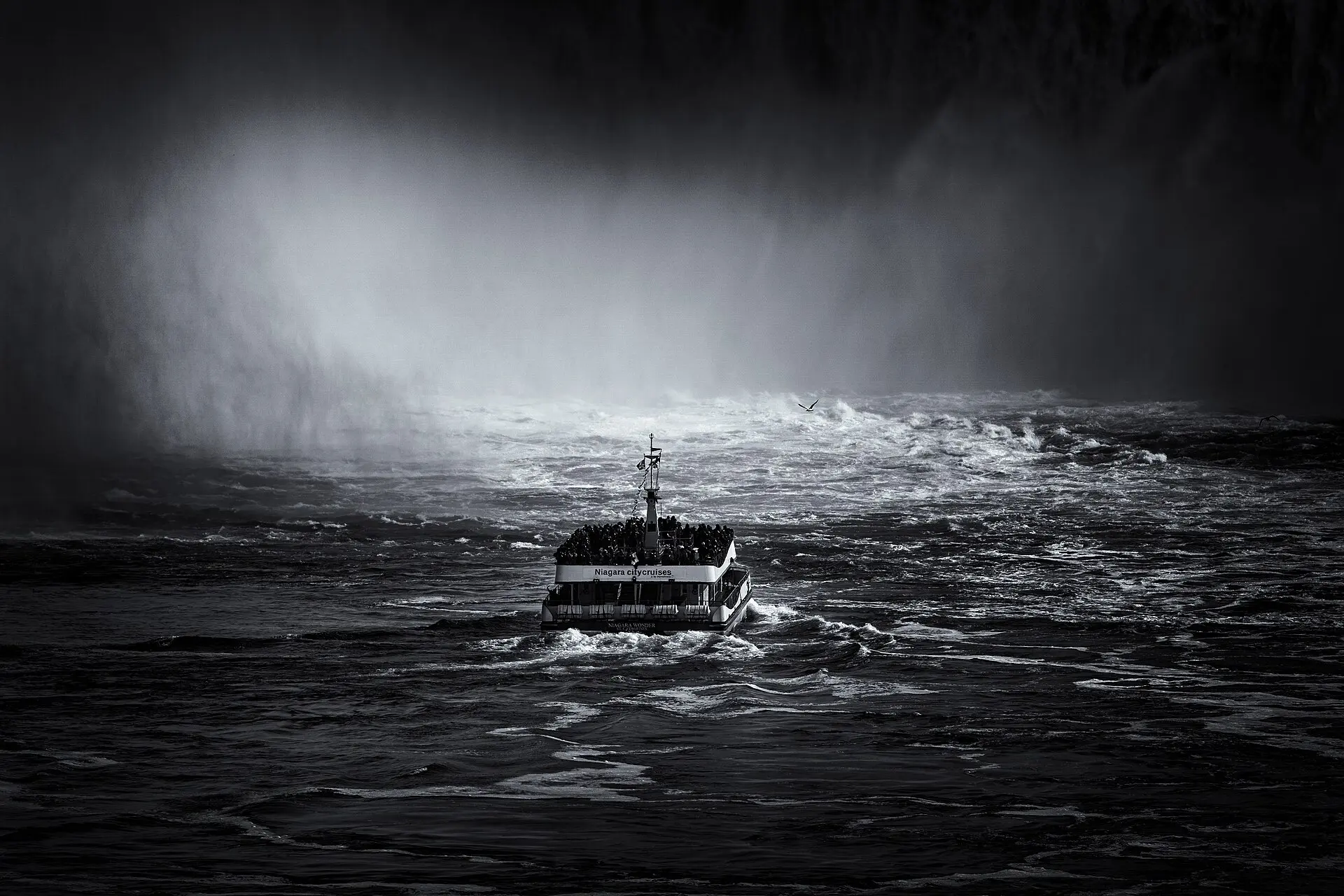
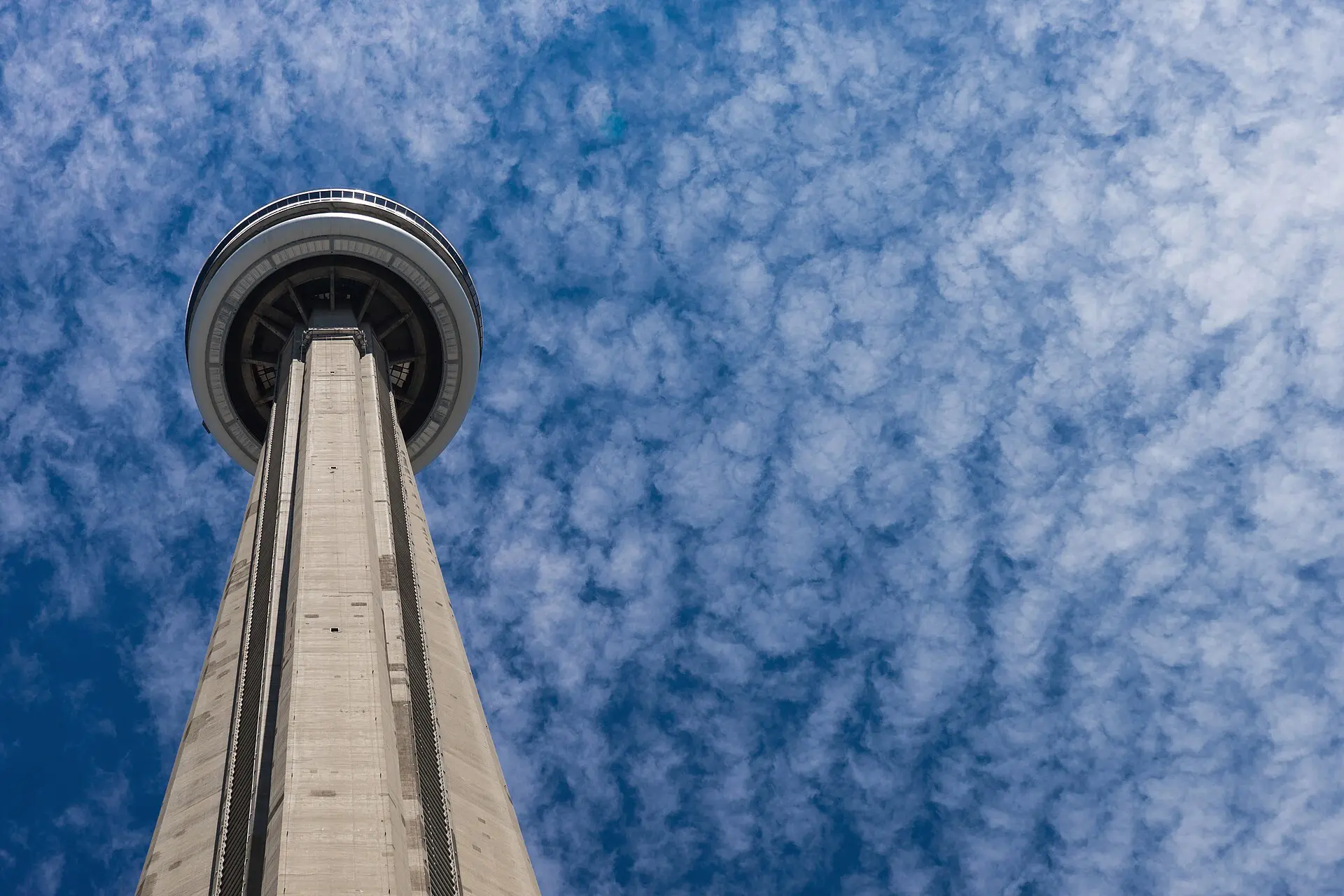
Toronto is the largest city, with the CN Tower, diverse food neighbourhoods and the lakefront. Niagara Falls is about 90 minutes away and is best visited by boat tour from the Canadian side.
Montreal and Quebec City
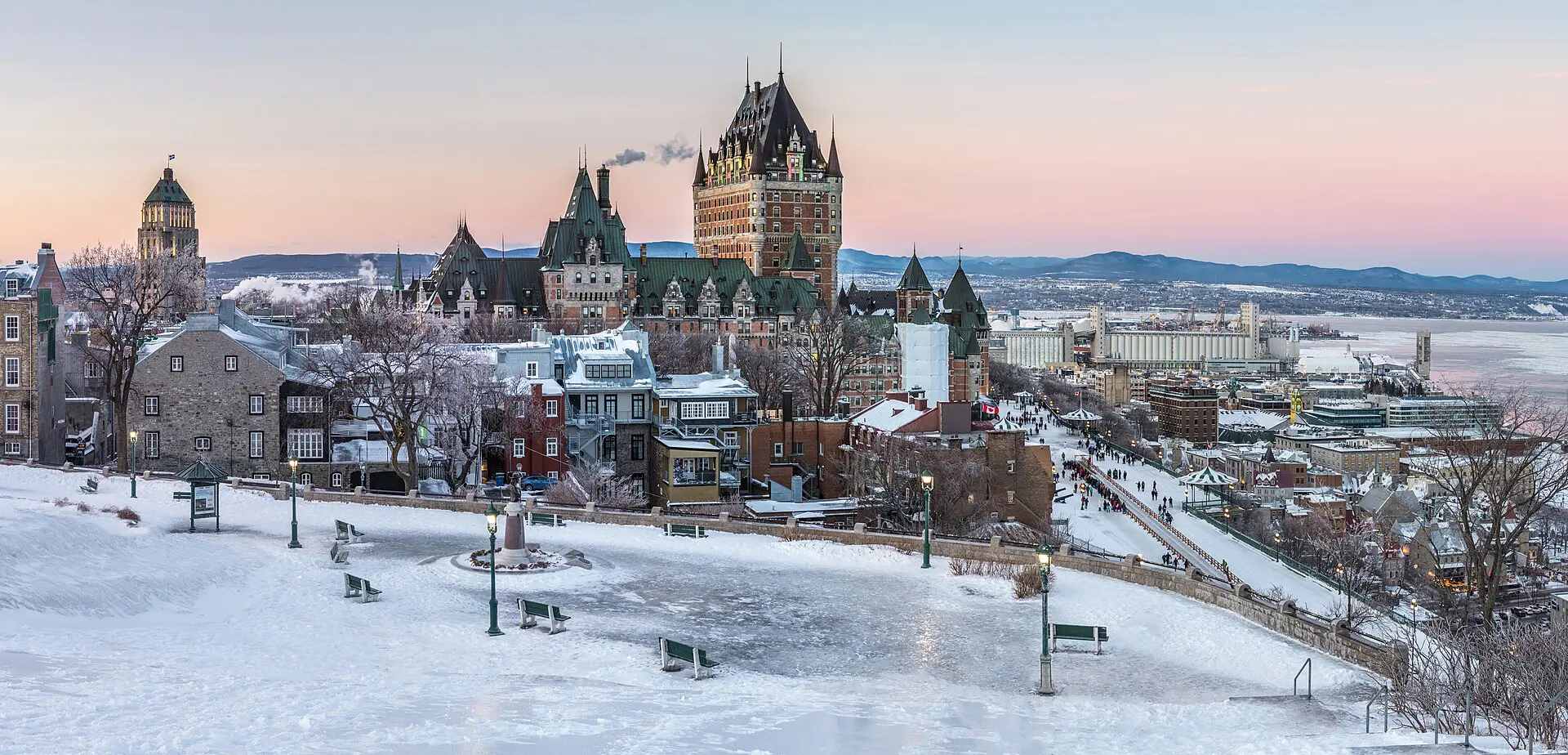
Montreal is lively, French-speaking and known for food and festivals. Quebec City has Canada’s only walled old town, with cobbled streets and the Château Frontenac.
Ottawa
The capital has Parliament Hill, the Rideau Canal and national museums, and is an easy stop between Toronto and Montreal.
The Maritimes
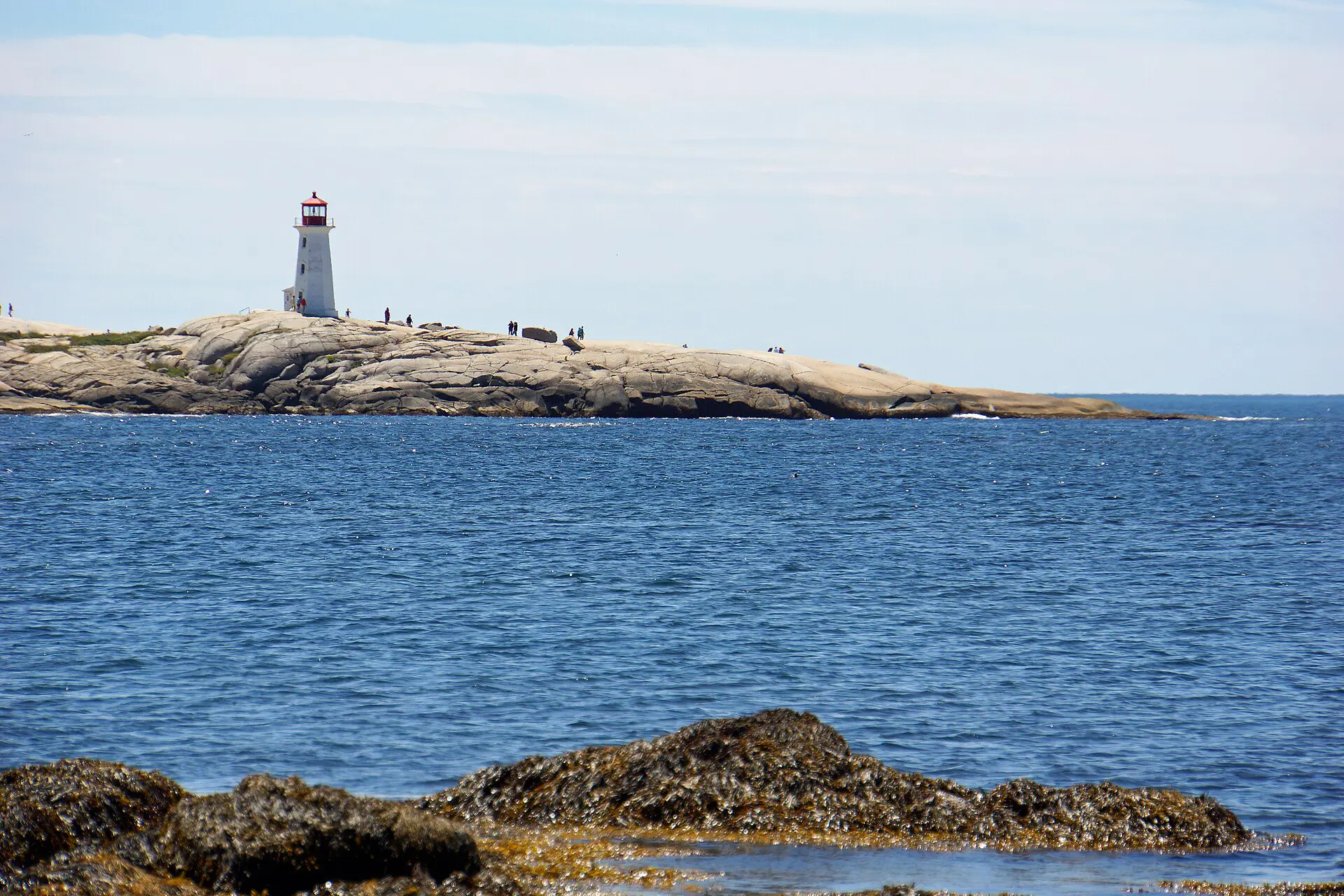
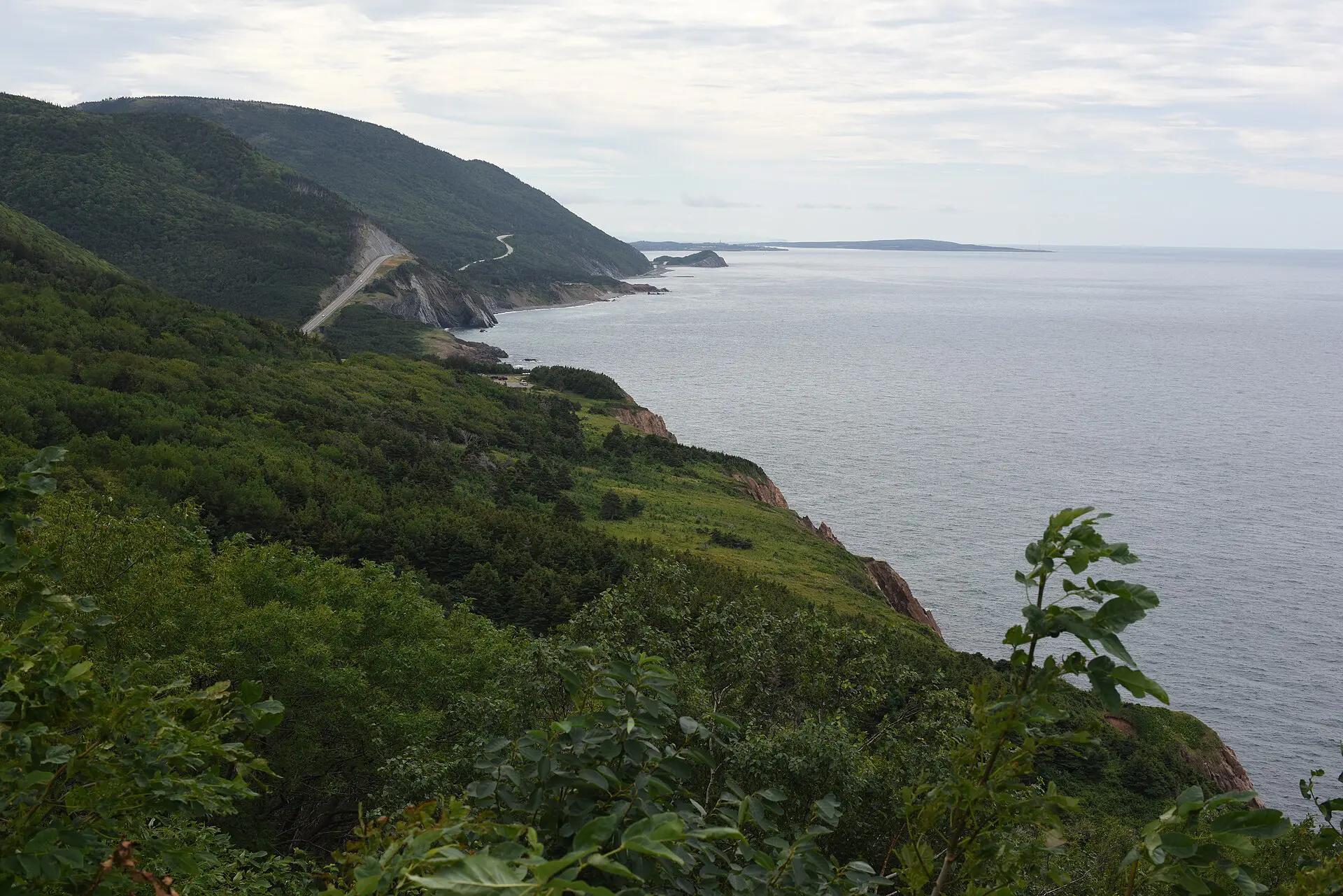
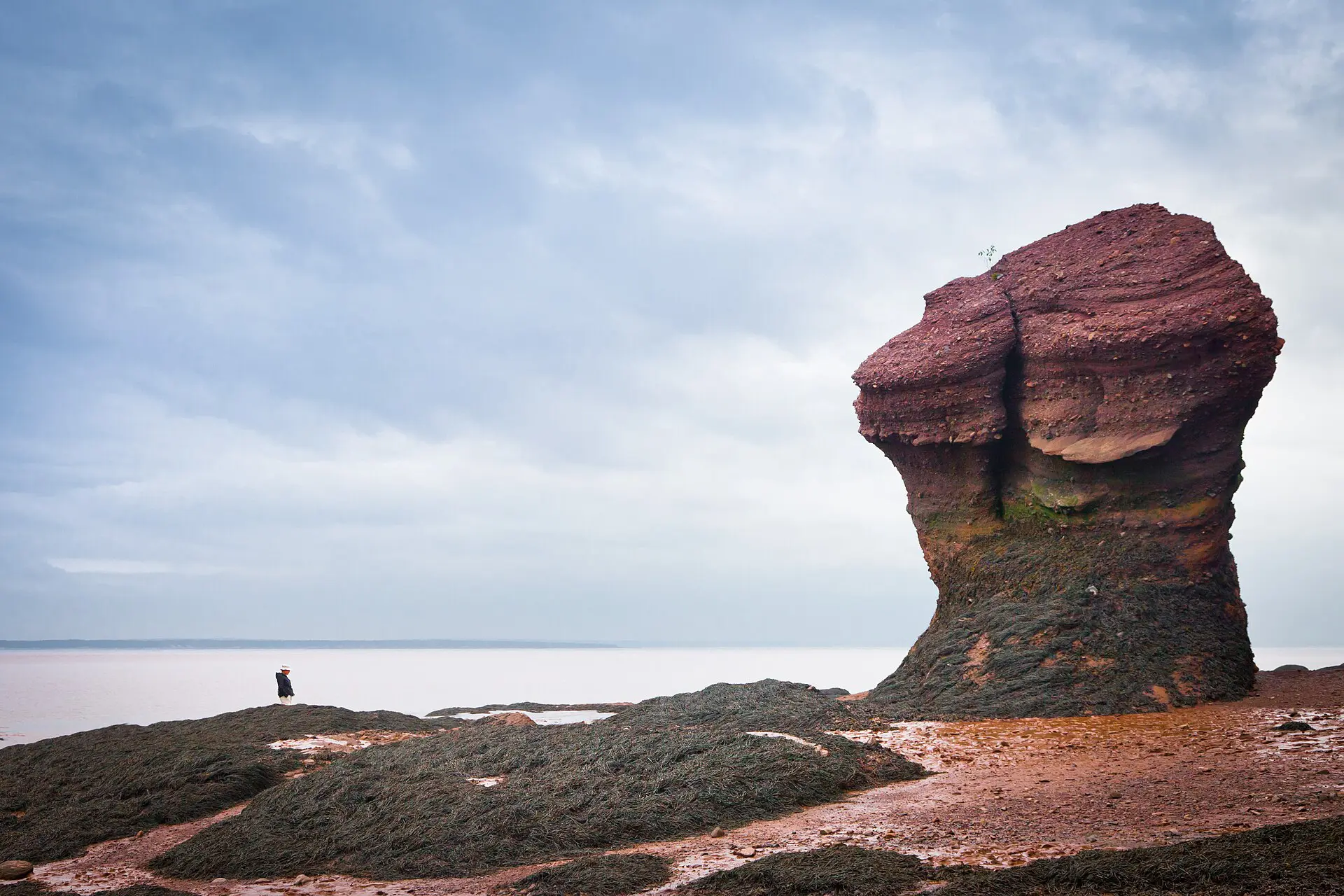
Nova Scotia and New Brunswick offer fishing villages like Peggy’s Cove, the Cabot Trail on Cape Breton Island and the high tides of the Bay of Fundy.
Top things to do in Canada
The top things to do in Canada centre on nature, but cities and culture hold their own.
- Hike near Lake Louise: trails to teahouses and viewpoints range from easy lakeside walks to full-day climbs.
- Drive the Icefields Parkway: allow a full day to stop at lakes, waterfalls and glacier viewpoints.
- See Niagara Falls from the water: boat tours go right up to the base of the falls.
- Walk Old Quebec: climb the steps from the lower town and visit the ramparts and the Plains of Abraham.
- Go up the CN Tower: the glass floor and views over Lake Ontario suit a clear day.
- Cycle Stanley Park: the 9 km seawall loop has views of the mountains and city.
- Watch whales: boat trips from Tofino, Victoria or the Bay of Fundy run in summer.
- Skate the Rideau Canal: in winter, the canal in Ottawa becomes a long skating rink.
- Drive the Cabot Trail: a 300 km coastal loop in Cape Breton with highland scenery.
- Ski in Whistler or Banff: major resorts offer long seasons from December to April.
- See the northern lights: Yellowknife and the Yukon are reliable bases in winter.
Best time to visit Canada
The best time to visit Canada depends on what you want to do, but June to September is the main season for hiking, lakes and road trips, and September to October brings autumn colour in Ontario, Quebec and the Maritimes. Winter, from December to March, is cold but ideal for skiing and northern lights, and prices fall in cities outside holidays.
| Season | Weather | Crowds and prices | Good for |
|---|---|---|---|
| Spring (Apr-May) | Cool, variable, snow lingers in mountains | Quiet, lower prices | Cities, whale watching on the coasts |
| Summer (Jun-Aug) | Warm to hot; long days | Highest prices and crowds | Rockies hiking, lakes, festivals, road trips |
| Autumn (Sep-Oct) | Cool, crisp, colourful foliage | Moderate; falling after early October | Fall colour, Maritimes, Quebec |
| Winter (Dec-Mar) | Cold to very cold; heavy snow | High in ski resorts, low elsewhere | Skiing, northern lights, ice skating |
Mountain trails and lakes can hold snow into June, so check trail reports. Roads on the Rockies and in the north need winter tyres in cold months.
Is Canada safe to visit?
Yes, Canada is very safe for tourists, with low violent crime and strong emergency services. Is Canada safe to visit in cities and in the wilderness alike? Mostly yes, but the biggest risks are weather, wildlife and distance. Check the official travel advice from your government for current notices.

Crime. Petty theft and car break-ins occur in big cities and at trailheads, so never leave valuables in a parked car. Vancouver and Toronto have some areas that are rougher at night, but tourist districts are safe.
Wildlife. Bears, elk and moose live in the Rockies and other parks. Keep a safe distance, carry bear spray on backcountry trails, make noise while hiking and store food properly.
Weather and roads. Winter storms close roads, and cold can be dangerous. Rural roads are long and empty, so fill up with fuel often. Wildfire smoke can affect summer air quality, especially in British Columbia and the west.
Health. Tap water is safe. Healthcare is not free for visitors, and costs are high, so buy travel insurance.
Canada visa and entry requirements
Canada visa rules depend on your nationality. Citizens of the United States need only a valid passport for most short visits, while citizens of many visa-exempt countries, including the UK, EU members, Australia and Japan, need an electronic travel authorisation (eTA) if they fly in. The eTA is applied for online through the official government site, costs about CAD 7 and is usually approved in minutes, though it can take longer. Travellers from other countries need a visitor visa, which must be applied for in advance.
Rules change, so check the official Immigration, Refugees and Citizenship Canada website before you book. Beware of unofficial websites that charge extra fees for eTA applications.
Bring a passport valid for your stay, proof of funds and a return ticket in case you are asked. Visitors can generally stay up to six months. At land borders with the United States, expect checks on entry and exit, and be honest in answering questions. A criminal record, including old driving offences, can prevent entry.
Getting to and around Canada
Most international visitors arrive at Toronto Pearson, Vancouver, Montreal-Trudeau or Calgary airports, with many routes from the United States, Europe and Asia. Land crossings from the US are common and busy at peak times, and several ferries and Amtrak services link the two countries.
Distances are huge. Flights are the fastest way between regions: Toronto to Vancouver takes more than four hours, and domestic fares can be high. Trains are scenic rather than fast. VIA Rail links Toronto, Ottawa, Montreal and Quebec City reasonably well, while the Canadian runs between Toronto and Vancouver and the Rocky Mountaineer serves the mountains in summer. Intercity buses are cheaper but limited in the west.
Renting a car gives the most flexibility in the Rockies, the Maritimes and Vancouver Island. Drive on the right, use winter tyres in cold months and expect long gaps between fuel stations. Cities have good public transport; Toronto, Montreal and Vancouver all have metro or rapid transit, and you can rely on it instead of a car in the cities.
How much does a trip to Canada cost?
Canada is more expensive than many visitors expect, especially in Vancouver, Toronto, the Rockies and in summer. The currency is the Canadian dollar (CAD), and prices in shops are listed before sales tax, which is added at the till. Figures below are rough per-person guides for 2026.
- Budget: around CAD 100 to 150 per day, with hostels, cooking some meals and public transport.
- Mid-range: around CAD 200 to 350 per day, with private hotel rooms, restaurant meals and some car hire or activities.
- High-end: from around CAD 500 per day, with upscale hotels, guided trips and rental cars.
Accommodation is the main cost, followed by car rental and domestic flights. Banff and Jasper prices rise steeply in July and August. National park passes are needed, and a daily or annual Parks Canada pass is cheaper for longer visits. Add 15 to 20 percent tips at restaurants. Travelling in spring or autumn cuts costs significantly, and booking early helps in popular areas.
Canada food and drink
Canada food is regional and multicultural, from Quebec comfort dishes and Atlantic seafood to Pacific salmon and excellent Asian cuisine in Vancouver and Toronto. Portions are generous, and craft beer and local wine are easy to find.

- Poutine: fries topped with cheese curds and gravy, from Quebec and found everywhere.
- Maple syrup: sold in every form, from pancakes to taffy poured on snow.
- Montreal bagels and smoked meat: wood-fired bagels and deli sandwiches are a local institution.
- Atlantic lobster and seafood: lobster rolls, mussels and chowder in the Maritimes.
- Pacific salmon: grilled or smoked, particularly in Vancouver and on the coast.
- Butter tarts and Nanaimo bars: sweet traditional desserts.
- Tourtière: a spiced meat pie common at Christmas in Quebec.
- Ice wine and craft beer: Niagara and the Okanagan are the main wine regions.
Vegetarian and vegan food is easy to find in cities, and most restaurants list allergens. Quebec menus are in French, but English is usually understood in cities.
Culture, language and etiquette in Canada
English and French are the official languages. English is spoken almost everywhere, while French dominates in Quebec, where signs and menus are in French and a few words are appreciated. Greeting with bonjour in Montreal and Quebec City is polite. Canada is multicultural, with large communities from Asia, Europe and the Caribbean, and Indigenous peoples have lived there for thousands of years.

Canadians are known for politeness: queue properly, say thank you and avoid loud behaviour in public. Tipping is expected, usually 15 to 20 percent in restaurants and for taxis and tours. Alcohol is sold in government stores or licensed shops in most provinces, and drinking in public places is restricted.
Respect Indigenous cultures by visiting cultural centres and learning about local history. Ask before photographing people and ceremonies. In wilderness areas, follow Leave No Trace principles. Do not confuse Canada with the United States in conversation, and avoid assuming everyone shares the same views on politics, hockey or regional identity.
Canada itinerary: a 7-day route
Seven days is short for Canada, so this route focuses on the Rockies and Vancouver in summer. For the east, replace it with Toronto, Niagara, Ottawa, Montreal and Quebec City.
- Day 1, Calgary to Banff: fly into Calgary, pick up a car and drive about 90 minutes to Banff.
- Day 2, Banff: take the gondola, walk Johnston Canyon and visit Lake Minnewanka.
- Day 3, Lake Louise and Moraine Lake: hike early, use park shuttles and book ahead.
- Day 4, Icefields Parkway to Jasper: drive about four hours with stops at Peyto Lake and the Athabasca Glacier.
- Day 5, Jasper: visit Maligne Lake or Pyramid Lake, then rest.
- Day 6, Jasper to Vancouver: drive about four hours to Edmonton, fly to Vancouver and explore Gastown in the evening.
- Day 7, Vancouver: cycle Stanley Park and visit Granville Island before departure.
In winter, swap hiking for skiing in Banff or a city break in Montreal. Check road conditions and wildfire alerts before driving.
Practical tips for Canada
- Money: the Canadian dollar is the currency; cards and contactless are accepted almost everywhere, and ATMs are common. Sales tax is added at the till.
- SIM and eSIM: mobile data is expensive by European standards; prepaid SIMs or eSIMs for visitors are available from the big carriers.
- Plugs: types A and B at 120 V, so check your devices and bring an adapter.
- Tipping: expected at 15 to 20 percent in restaurants and bars, plus taxis, hairdressers and guides.
- Health: healthcare is costly for visitors, so buy insurance. Tap water is safe, and pharmacies are widespread.
- Packing: layers, rain gear and good shoes; bear spray cannot be flown, so buy it locally.
- Parks: buy a Parks Canada pass and reserve campsites, shuttles and popular lodges months ahead.
- Time zones: the country spans six time zones, so allow for jet lag and long drives.
For wider background, see the Wikivoyage Canada guide, and see the UNESCO page for Canada for World Heritage sites.
FAQ
Q1What are the best places to visit in Canada?
Banff and Jasper for the Rockies, Vancouver and Vancouver Island for coast and mountains, Toronto and Niagara Falls for city and waterfalls, Montreal and Quebec City for French culture, Ottawa for the capital and the Maritimes for fishing villages and the Cabot Trail.
Q2Do I need a Canada visa?
It depends on your passport. US citizens need only a passport, citizens of many visa-exempt countries need an eTA of about CAD 7 when flying in, and others need a visitor visa. Rules change, so check the official Canadian immigration website and avoid third-party sites charging extra.
Q3What are the best things to do in Canada?
Hike and drive in Banff and Jasper, see Niagara Falls from a boat, walk Old Quebec, cycle Stanley Park, watch whales from Tofino or the Bay of Fundy, drive the Cabot Trail and try skiing or northern lights in winter.
Q4What is Canada food like?
Canada food is regional and multicultural. Try poutine, maple syrup treats, Montreal bagels and smoked meat, Atlantic lobster, Pacific salmon, butter tarts and Nanaimo bars. Vancouver and Toronto have excellent Asian restaurants, and craft beer and Niagara ice wine are widely available.
Q5What is the best time to visit Canada?
June to September suits hiking, lakes and road trips but is the most expensive. September and October bring fall colour, especially in Quebec and Ontario. December to March is best for skiing and northern lights. Spring is quiet and cheaper but still cold in the mountains.
Q6Is Canada safe?
Yes, Canada is very safe for visitors, with low violent crime. The main risks are petty theft from parked cars, wildlife encounters, winter weather and long, empty roads. Carry bear spray in the backcountry, check road and wildfire conditions and buy travel insurance for medical costs.
Q7How many days do you need in Canada?
Seven to ten days is enough for one region, such as the Rockies and Vancouver or Toronto, Niagara, Ottawa and Montreal. Canada is too large to see in one trip, because flights between regions take four hours or more, so choose one or two areas.