Why visit Halifax
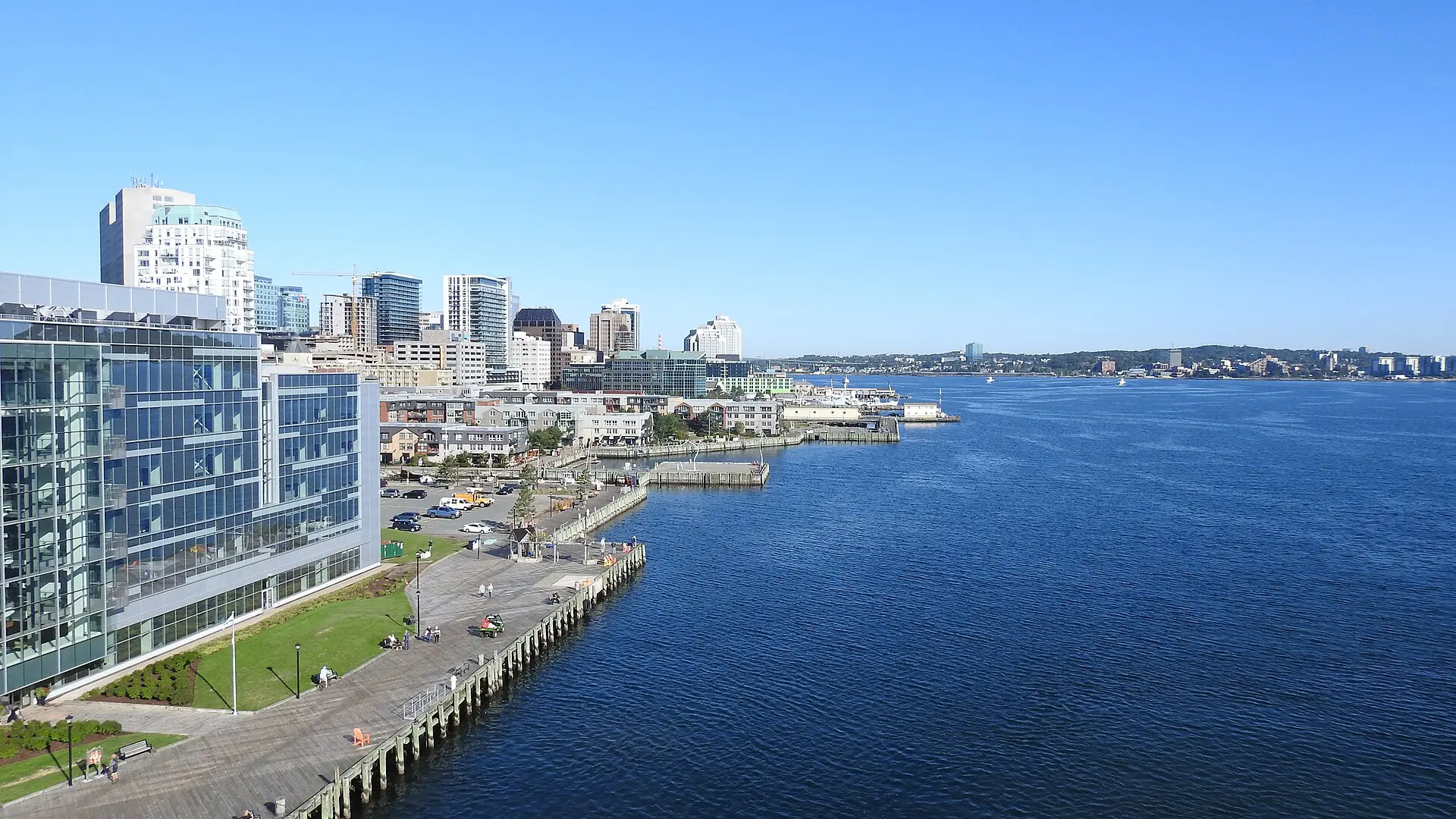
If you are looking for things to do in Halifax, the harbour is the place to start. It is the capital of Nova Scotia and the largest city in Atlantic Canada, with a maritime history that comes from one of the world’s great natural harbours.
In the 19th and early 20th centuries, Halifax was a main entry point for European immigration to Canada, and its role as a naval and port city still shapes its museums and its streets. Today it is a busy Atlantic seaport and the economic and cultural hub of the region.
By North American standards it is small, with a population of about 463,000 in 2024, and it does not feel like a second-tier city. A boardwalk, pubs, seafood restaurants and live music give the downtown a lively feel, and the coastline, villages and lighthouses of Nova Scotia are within easy reach.
Top things to do in Halifax
Halifax Waterfront Boardwalk
The boardwalk follows the harbour for several kilometres, with ships, ferries, cafes and small shops. Allow one to two hours for a leisurely walk, and use it as a base for harbour views and evening drinks. Visit early for quiet and in the evening for atmosphere.
Halifax Citadel National Historic Site
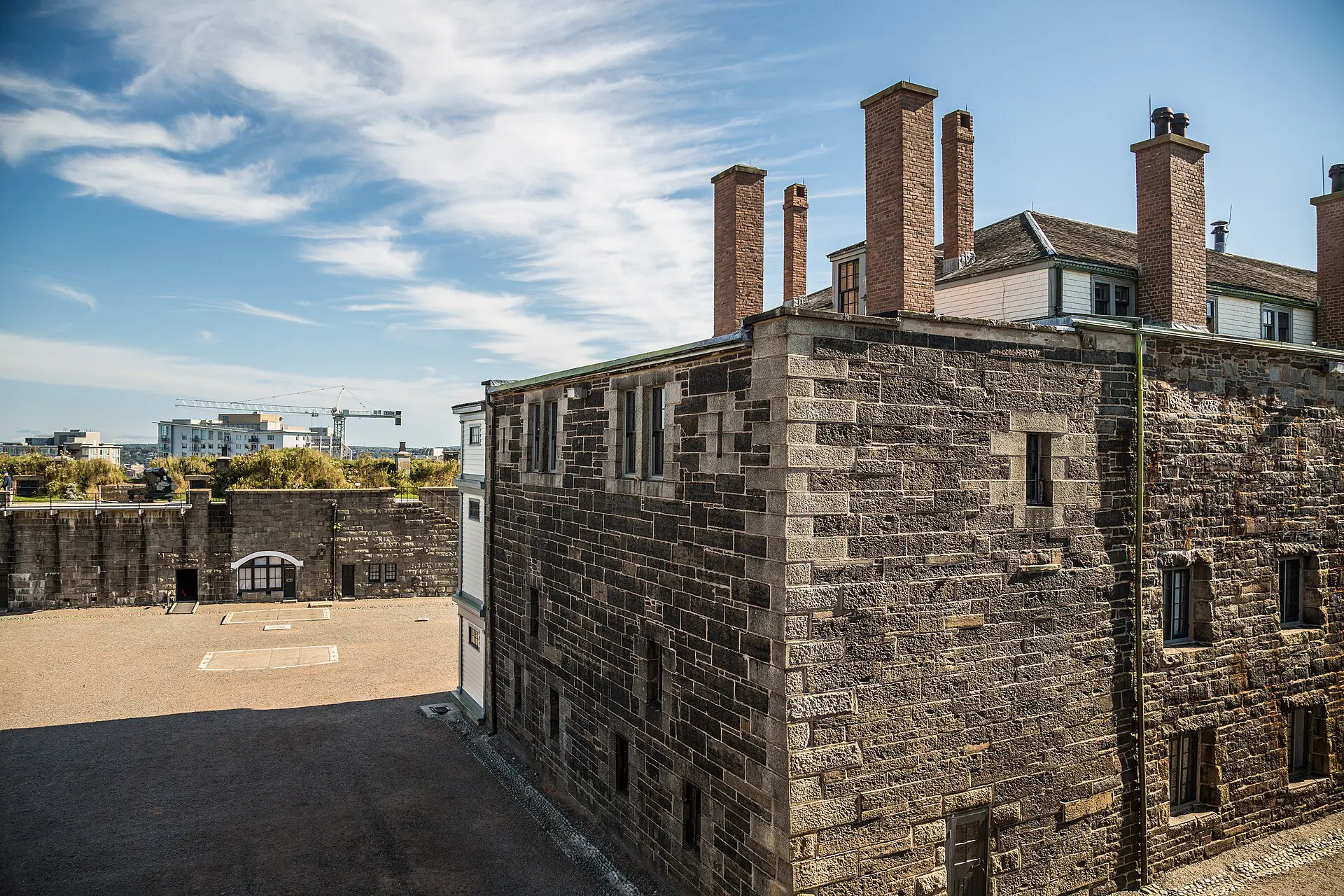
The star-shaped fort on the hill above downtown has views over the city and harbour, with costumed interpreters in season. Allow around two hours, and check seasonal opening dates and ticket prices before you go.
Maritime Museum of the Atlantic
Located on the waterfront, this museum covers the region’s seafaring past, including the Halifax Explosion of 1917 and the city’s links with the Titanic disaster. Allow around two hours, and check current hours and admission details.
Pier 21
The Canadian Museum of Immigration at Pier 21 tells the story of the people who arrived through the port. It is a good complement to the maritime museum, and takes about an hour and a half. Check opening days, especially outside summer.
Public Gardens
This Victorian-era garden is a short walk from downtown and is a good place to rest, with ponds, flower beds and a bandstand. Allow an hour. It is best from late spring to early autumn, and entry is usually free.
Spring Garden Road and the pubs
The main shopping street links the gardens with the downtown core and has cafes and bars nearby. In the evenings, look for live music in the waterfront and Argyle Street areas. Check what is on before you go.
Best time to visit Halifax
Halifax has a humid continental climate moderated by the Atlantic, so summers are mild and winters are cold and snowy. Fog is common, particularly in spring and early summer, and weather can change quickly.
| Season | Weather | Crowds and prices |
|---|---|---|
| Spring (Apr-May) | Cool, foggy, some rain | Quiet, lower prices |
| Summer (Jun-Aug) | Warm, mostly pleasant | Busiest, higher prices |
| Autumn (Sep-Oct) | Mild, colourful | Moderate, good value |
| Winter (Nov-Mar) | Cold and snowy | Quiet, some attractions closed |
June to October is the most reliable period for sightseeing, and cruise ships often add crowds on waterfront days in late summer and autumn.
How to get to Halifax and around
Halifax Stanfield International Airport is about 30 km north of downtown and has flights from across Canada, the United States and some European cities (check current routes). Airport buses and taxis connect it with the city centre, and the journey takes roughly 30 to 40 minutes.

By road, Halifax is connected to the rest of the Maritimes and to the mainland by highways. Long-distance buses run to some nearby towns, though services are limited, and many visitors rent a car for day trips.
Downtown is compact and walkable. Buses cover the city and the ferry across the harbour to Dartmouth is a pleasant and inexpensive short crossing. Taxis and ride-hailing are available, and you do not need a car in the centre.
Where to stay in Halifax
Most visitors stay in or near the downtown peninsula, where the main sights, restaurants and waterfront are within walking distance.
- Downtown and waterfront: convenient for first-time visitors and for evenings out, with a range of hotels, though prices rise in summer.
- South End: a residential area near the universities and the Public Gardens, with guesthouses and cafes, suited to travellers who want a calmer base.
- North End: an up-and-coming neighbourhood with independent restaurants and shops, suited to those who want a local feel.
- Dartmouth and near the airport: practical, often cheaper stays with easy transport, suited to those with a car.
Book early for July, August and cruise-ship days.
How many days do you need?
Two days is enough for the main sights in the city, and three or four days give you time to explore the coast. If you are short on time, a day in the city and a day at Peggys Cove makes a satisfying trip. Check seasonal opening times, as some attractions are limited in winter.
- Day 1: the waterfront boardwalk, the Maritime Museum of the Atlantic and Pier 21, then dinner downtown.
- Day 2: the Citadel in the morning, the Public Gardens and Spring Garden Road in the afternoon.
- Day 3: a day trip to Peggys Cove and Lunenburg.
Day trips and nearby

Peggys Cove
The fishing village with its lighthouse on granite rocks is the best-known day trip, around 45 minutes by car from downtown. Allow two to three hours, stay back from the wet rocks, and visit early or late to avoid tour buses.
Lunenburg
This UNESCO-listed port town on the South Shore has colourful wooden buildings and a maritime heritage. It is about 90 minutes by car, so it is best combined with Peggys Cove as a full day with a seafood lunch.
Annapolis Valley
The valley to the northwest has orchards, farms and wineries and is a good choice in late summer and early autumn. Allow a full day by car, and check opening times at wineries before you go.
FAQ
Q1When is the best time to visit Halifax?
June to October is the best period, with mild weather and most attractions open. Summer is busiest, and September and early October offer good value and autumn colour. Winters are cold and snowy, and some seasonal sights close.
Q2How many days do you need in Halifax?
Two days cover the waterfront, the Citadel and the main museums. Add a day if you want to visit Peggys Cove and Lunenburg, and more if you plan to explore the wider province. A car is useful for day trips.
Q3How do you get to Halifax?
Most visitors fly into Halifax Stanfield International Airport, about 30 km north of downtown, and take a bus or taxi into the city. Highways link Halifax with the rest of the Maritimes, and rental cars are widely available. Check current schedules.
Q4Is Halifax expensive?
Halifax is moderately priced by Canadian standards, with accommodation costing more in summer and during cruise-ship visits. Seafood and craft beer can add up, but many museums and the waterfront walk are cheap or free. Check current rates and book early.
Prices, schedules and entry rules change. Check current details with official sources before you travel. Read the Canada travel guide.