Why visit Montreal
If you are looking for things to do in Montreal, start with its character. It is the largest city in Quebec, on an island in the St Lawrence River, and French is the main language of daily life, though many people also speak English. The result feels more European than most North American cities, with distinct food, festivals and street life.
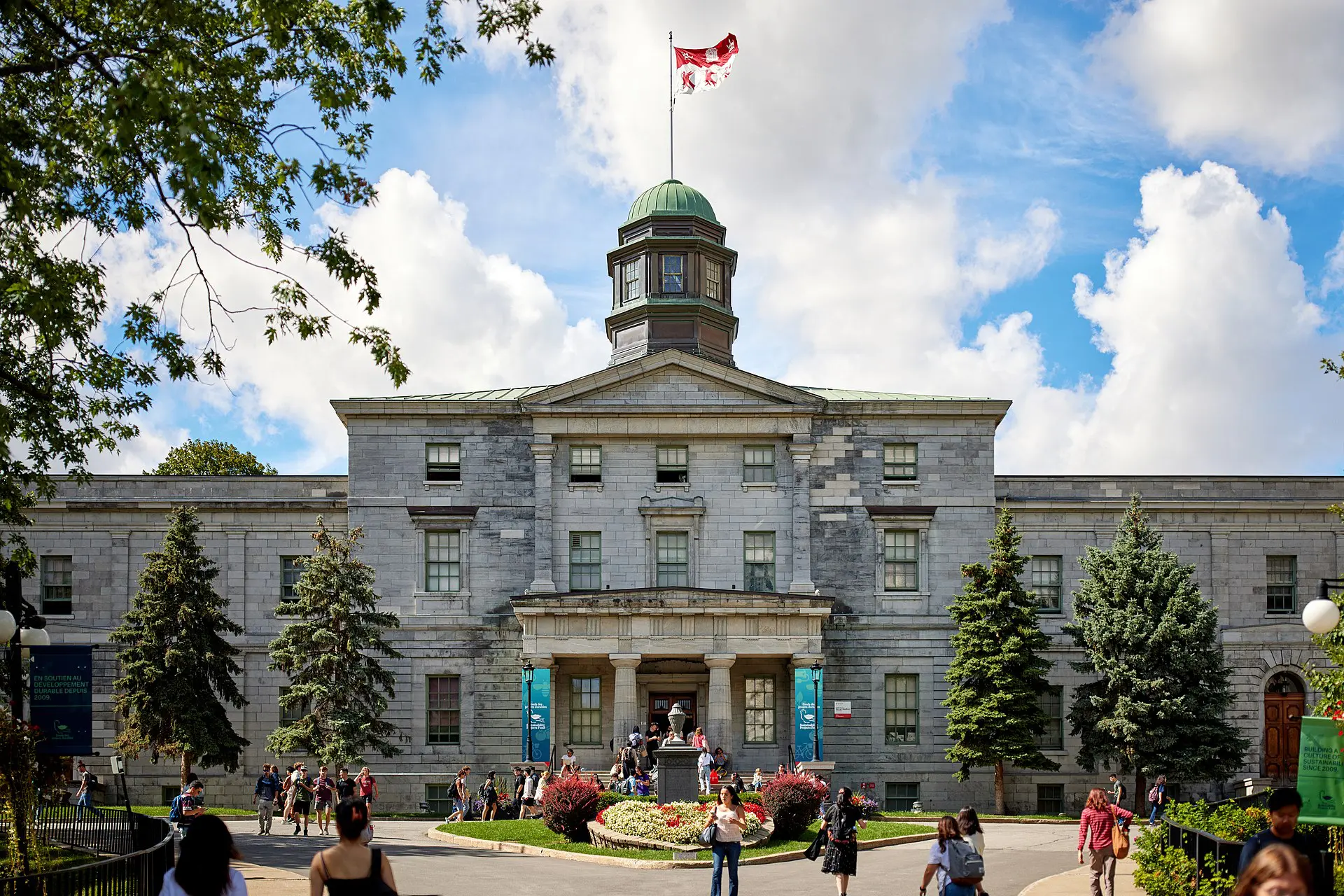
Old Montreal has stone streets and historic buildings, while Mount Royal rises in the middle of the city as a large park with lookouts. Neighbourhoods such as the Plateau, Mile End and Little Italy offer cafes, murals, bakeries and independent shops.
The city has a busy cultural calendar, from jazz and comedy festivals in summer to winter events and markets. Summers are warm and lively, while winters are cold and snowy, with an underground network of walkways connecting parts of downtown. Prices are usually lower than in comparable big North American cities.
Top things to do in Montreal
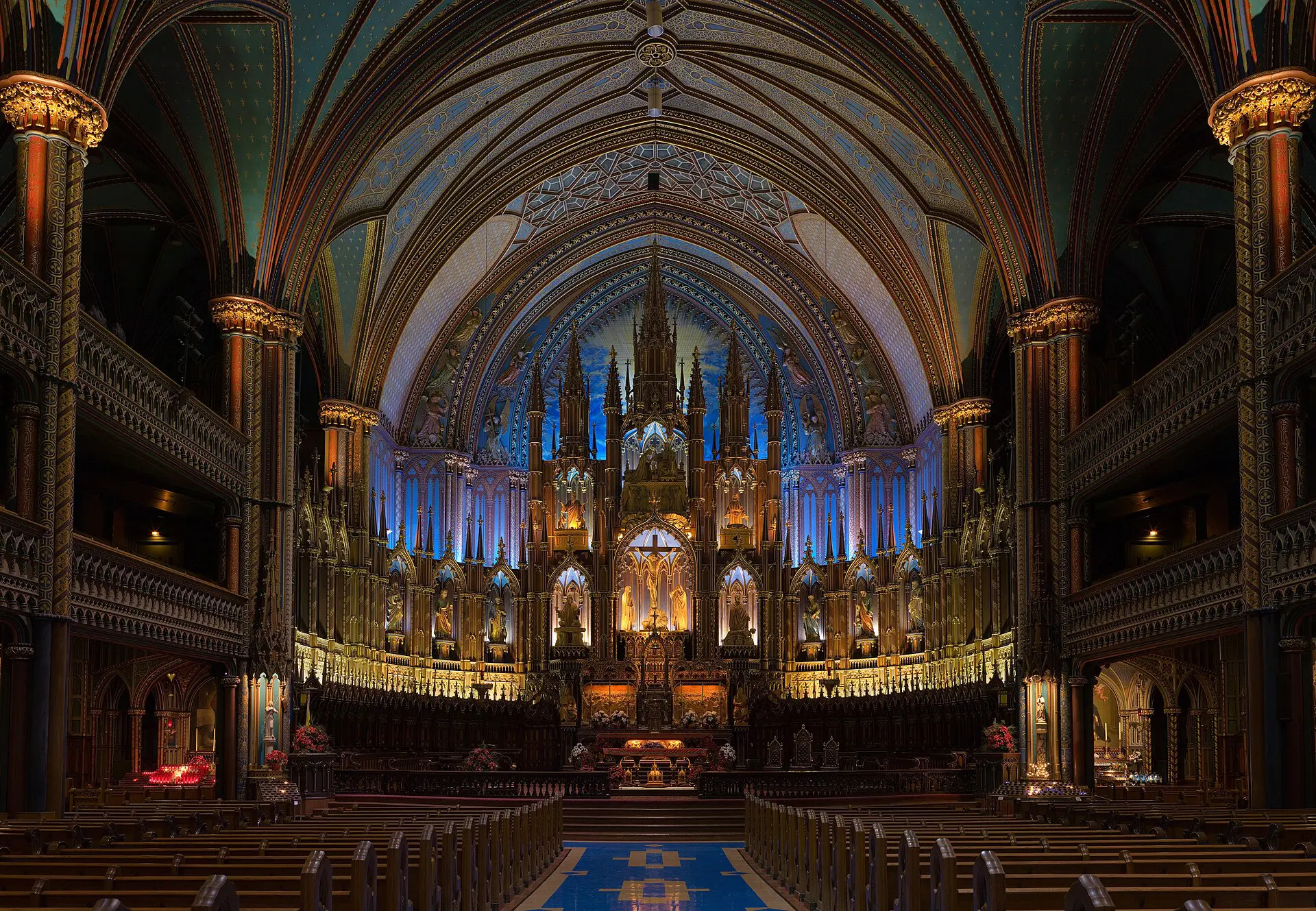
Old Montreal
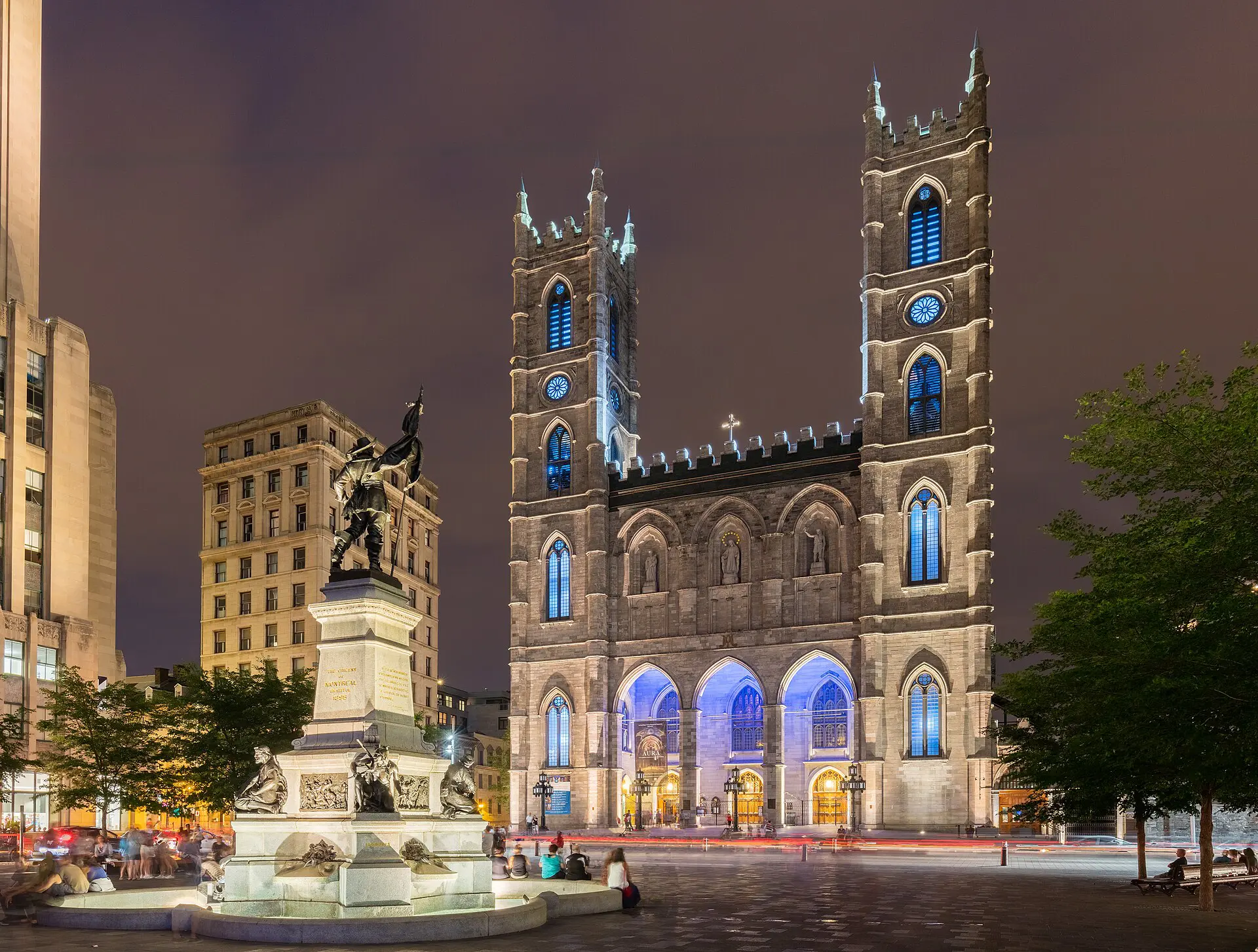
The historic district beside the river has narrow cobbled streets, 18th and 19th century buildings and many restaurants. Allow two to three hours. Notre-Dame Basilica is the main interior sight and charges admission, with timed visits at busy times, so check ahead. The area is especially pleasant in the evening.
Mount Royal
The park on the hill that gives the city its name has trails, a lookout over downtown and a large cross visible from afar. Allow two to three hours. Walk up from the Plateau side or take a bus. In winter, the park is used for skating and cross-country skiing.
Jean-Talon Market
One of North America’s large public markets sits in Little Italy, with produce, cheese, bakeries and prepared food. Visit in the morning, and allow an hour or two. It is open year round, with a livelier outdoor section in warmer months. Some stalls take cash only.
Plateau-Mont-Royal and Mile End
These residential neighbourhoods are known for outdoor staircases, murals, bagel shops and independent stores. Allow half a day to walk and snack. They are best explored on foot or by bike, and weekends are busiest.
Montreal Museum of Fine Arts
Located on Sherbrooke Street, this museum has Canadian, European and contemporary collections across several pavilions. Allow two to three hours. Check opening days, as museums are typically closed on Mondays, and look for evening or discount hours.
Biodome and Olympic Park
Built for the 1976 Olympics, the park includes a tall tower with city views and a science museum complex. Allow half a day. The area is east of downtown, so use the metro, and check which attractions are open on your dates.
Lachine Canal and Bike Paths
A paved path follows the canal from Old Montreal toward the west, and the city has a well-used bike-share system in the warm months. Allow a couple of hours. Bring a layer in the shoulder seasons, since it can be breezy along the water.
Best time to visit Montreal
Montreal has four distinct seasons. Summer is warm, with many outdoor festivals, while winter is long, cold and snowy. Spring arrives late, and autumn brings coloured leaves across Mount Royal and nearby regions.
| Season | Weather | Crowds and prices |
|---|---|---|
| Dec to Mar | Cold and snowy | Lower, higher around holidays |
| Apr to May | Cool, changeable | Lower to moderate |
| Jun to Aug | Warm and humid at times | High, with festival peaks |
| Sep to Oct | Mild, autumn colour | Moderate |
June to September is the most popular period, with long days and terraces open. Early autumn is a good balance of weather and prices. Winter suits visitors who like markets, skating and cosy restaurants, so pack proper winter clothing.
How to get to Montreal and around
Montreal-Trudeau International Airport (YUL) is the main gateway, with direct flights from across North America and Europe. A dedicated airport bus links to downtown in about 30 to 45 minutes, and taxis and ride-hailing are also available. A light rail line has been developing in the region, so check what is running on your dates.
Trains and coaches connect Montreal with Quebec City, Ottawa and Toronto, with travel times of about three hours to Quebec City, around two hours to Ottawa and longer to Toronto. The main station is in the downtown area.
Within the city, the metro and buses cover most areas, and a visitor pass can save money if you plan many trips. Downtown is walkable, and the underground city offers shelter in winter. Cycling is popular in the warmer months. Driving downtown is slow and parking is costly, so most visitors do without a car.
Where to stay in Montreal
Old Montreal suits visitors who want historic charm, restaurants and the waterfront close at hand, although prices are higher and evenings can be busy. It is a good choice for short stays and couples.
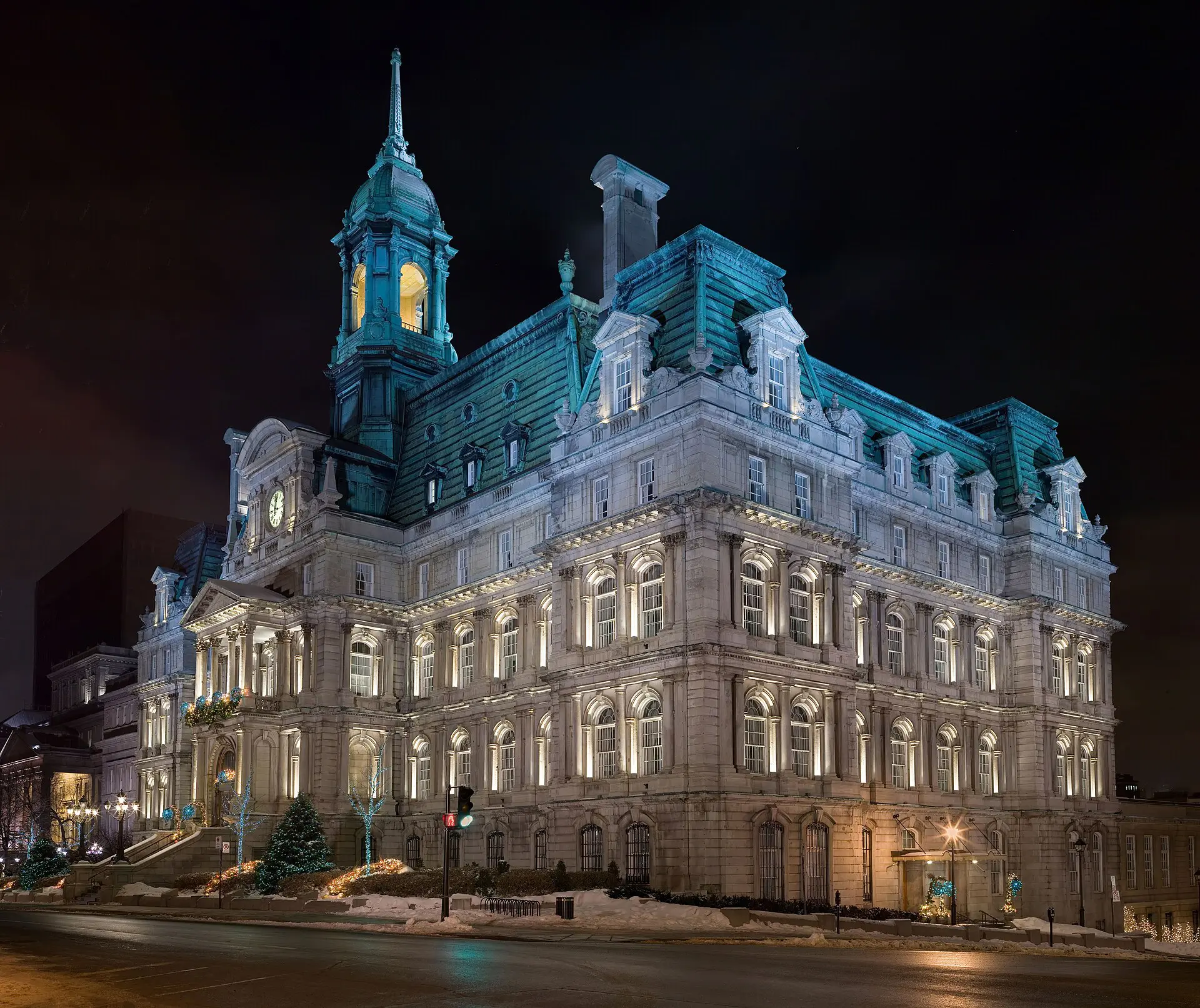
Downtown puts you near museums, shopping and the metro, with a wide mix of hotels. It is convenient for business travel and for winter, thanks to the indoor walkways. The area can be quieter at night outside the main streets.
The Plateau and Mile End offer guesthouses and apartment rentals in lively residential streets, ideal for travellers who want local bars and bakeries. Near the Latin Quarter, there are budget options and good metro access. Book early for summer festivals, the Grand Prix weekend and the winter holidays.
How many days do you need?
Three days gives enough time for the old town, Mount Royal and a couple of neighbourhoods. A fourth day allows the Olympic Park or a museum at a calmer pace, and a fifth makes room for Quebec City.
- Day 1: Old Montreal and Notre-Dame Basilica, lunch by the Old Port, then an evening on St-Laurent.
- Day 2: Mount Royal in the morning, the Plateau for lunch, then the Museum of Fine Arts.
- Day 3: Jean-Talon Market, Mile End bagels and cafes, then Olympic Park or the Lachine Canal.
Leave time for terraces in summer or a warm cafe in winter.
Day trips and nearby
Quebec City
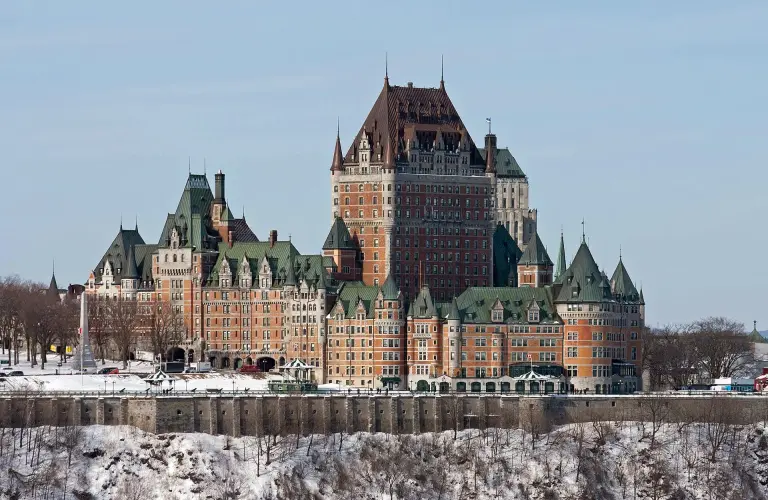
Quebec City has a walled old town and the Chateau Frontenac above the St Lawrence. It is about three hours by train or coach, which makes it better with an overnight stay. Check schedules in advance for weekends and summer.
The Laurentians
The Laurentian hills north of Montreal have lakes, hiking in summer and skiing in winter, with Mont-Tremblant the best-known resort, about one and a half to two hours away by car. Public transport is limited, so a rental car or tour helps.
Ottawa
Canada’s capital has museums, parliament buildings and the Rideau Canal, reachable in about two hours by coach or train. It is possible as a day trip but works better as a night away.
Eastern Townships
This region southeast of the city has vineyards, small towns and lakes, and it is popular for autumn leaves. Allow a full day by car, since public transport is limited.
FAQ
Q1When is the best time to visit Montreal?
June to September has the warmest weather and many festivals, but prices and crowds are higher. Early autumn offers coloured leaves and milder conditions. Winter is cold and snowy but has markets, skating and lower hotel prices outside holidays.
Q2How many days do you need in Montreal?
Three days cover Old Montreal, Mount Royal, a market and a neighbourhood or two. Four days let you add a museum and Olympic Park at a slower pace. Add a night if you want to visit Quebec City.
Q3How do you get to Montreal?
Most visitors fly into Montreal-Trudeau (YUL), around 30 to 45 minutes from downtown by bus, taxi or ride-hailing. Trains and coaches also run from Quebec City, Ottawa and Toronto, and the main stations are close to downtown.
Q4Do you need to speak French in Montreal?
No. Many residents, especially in tourist areas, speak English, but a few French greetings are appreciated. Signs and menus are usually in French, and staff generally switch to English if asked politely. Learning a few phrases helps outside the downtown core.
Prices, schedules and entry rules change. Check current details with official sources before you travel. Read the Canada travel guide.