Why visit Quebec City
If you are listing things to do in Quebec City, the first answer is the old town itself. Quebec City is the capital of the Canadian province of Quebec, set on cliffs above the St. Lawrence River, and French is the everyday language.
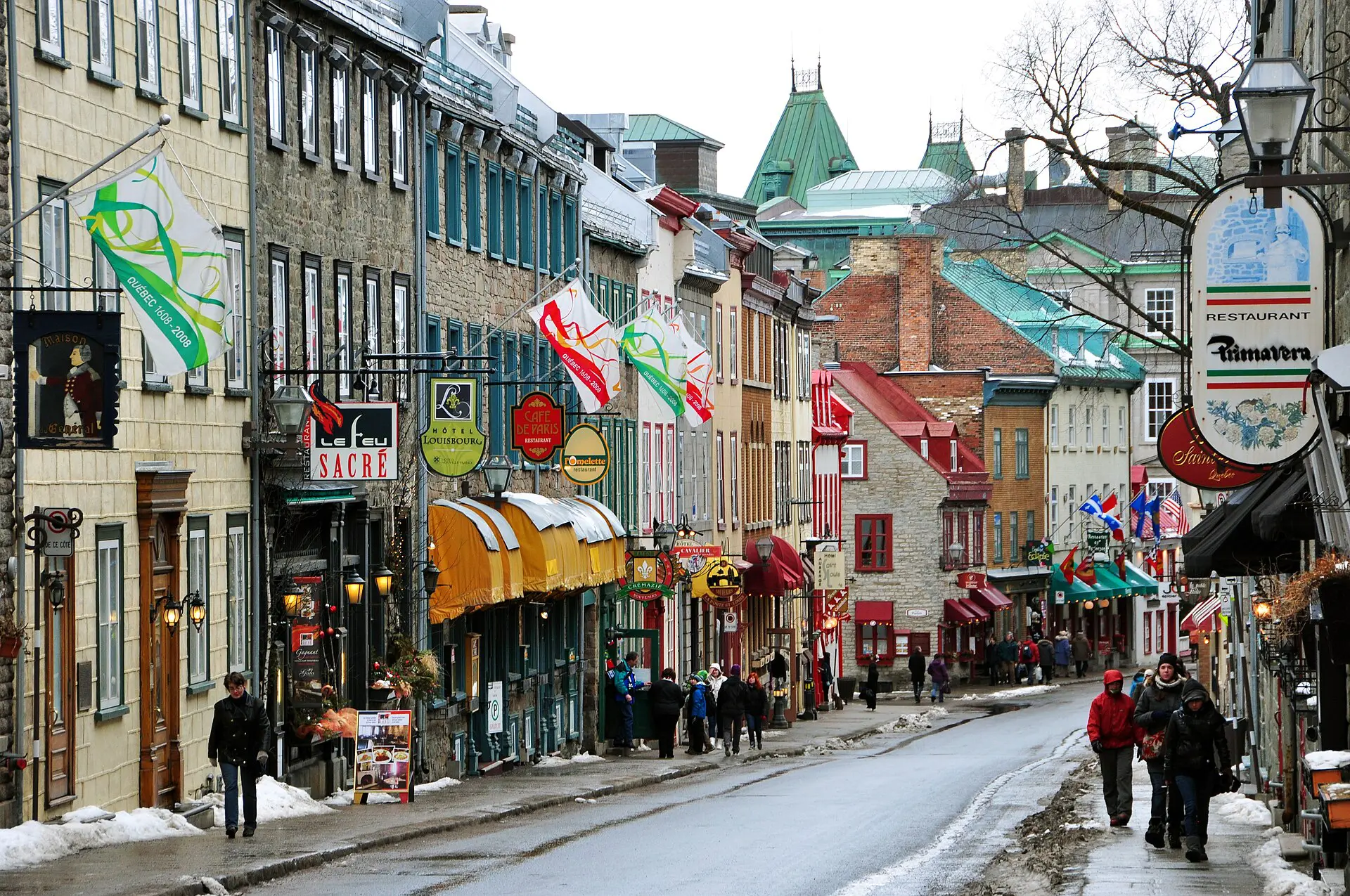
Samuel de Champlain founded a French settlement here in 1608, making it one of the oldest European settlements in North America. Old Quebec (Vieux-Quebec) was declared a UNESCO World Heritage Site in 1985, and its ramparts are the only fortified city walls left in the Americas north of Mexico.
The result is a compact historic centre of stone buildings, steep lanes and river views that feels more European than most North American cities. The wider city adds parks, museums and local food. It suits couples, history lovers and anyone who wants a short, walkable trip, and it works in both summer and winter.
Top things to do in Quebec City
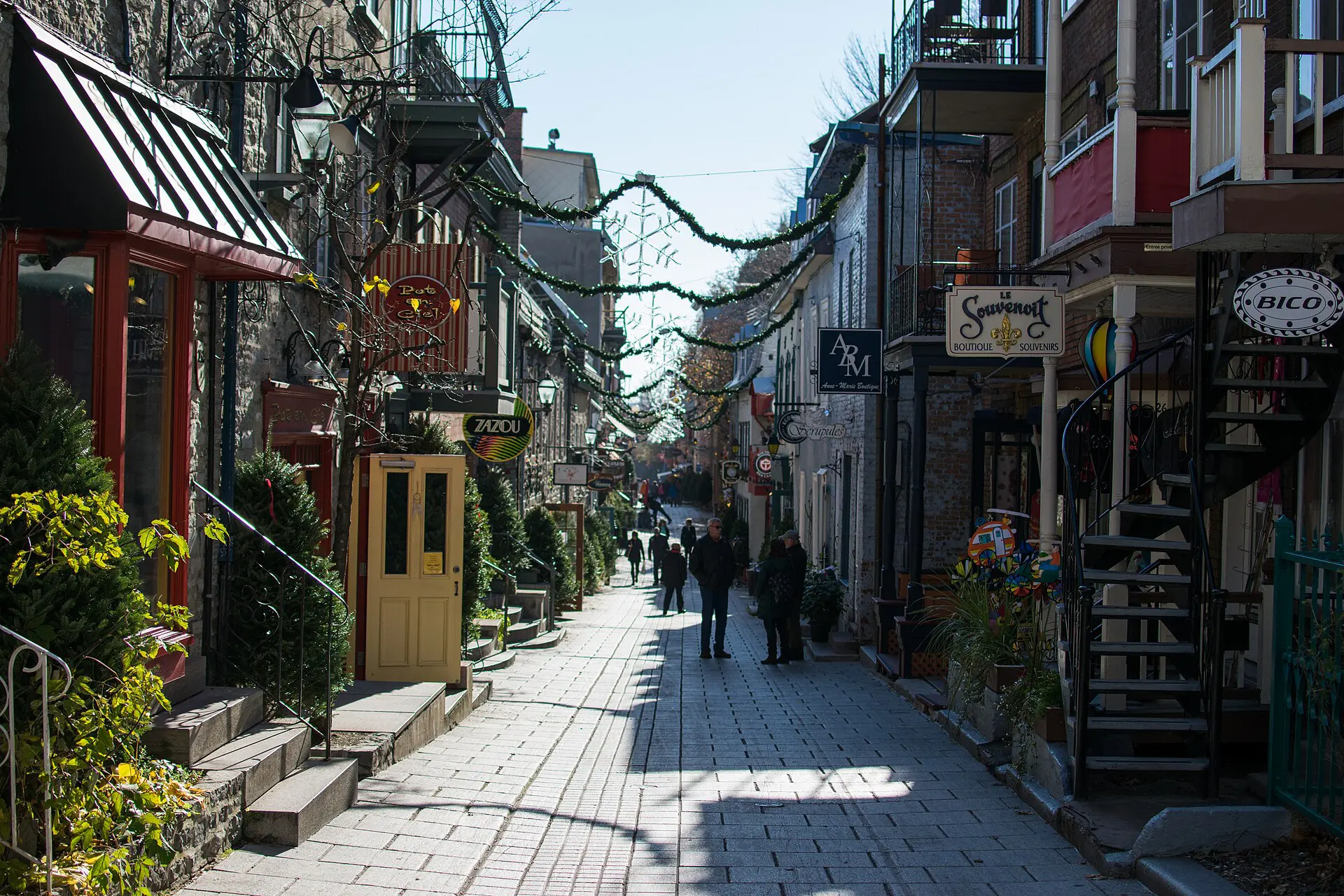
Walk the walls and Old Quebec
Walking the ramparts and the lanes of the Upper Town gives you the best overview. Allow two to three hours. Wear comfortable shoes for the cobbles and hills, and look for the gates, bastions and the Plains of Abraham from the walls.
Chateau Frontenac and Dufferin Terrace
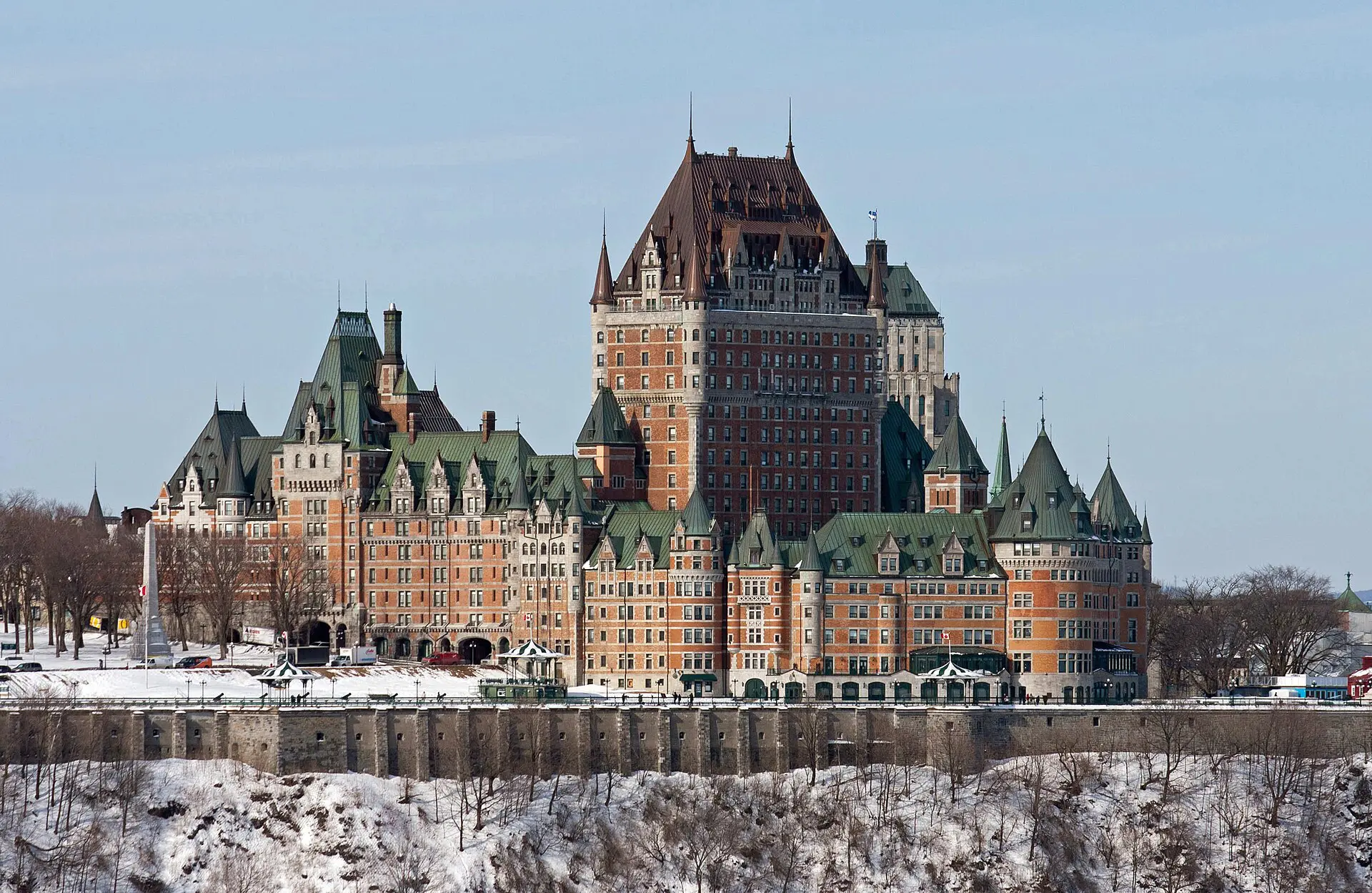
The hotel is the skyline landmark, and the boardwalk beside it overlooks the river. Allow 30 to 60 minutes. It is busy in summer evenings, so visit earlier in the day, and check whether guided tours of the building are running.
Petit Champlain and the Lower Town
Reach the Lower Town by the funicular or a steep stairway. Narrow streets, small shops and cafes make it easy to spend a couple of hours. Place Royale marks the early settlement, and the murals add context.
The Citadelle and Plains of Abraham
The Citadelle is an active military site with guided tours, and the adjoining Plains of Abraham is a large park with views and history. Allow half a day for both. Check tour times, as they vary by season.
Montmorency Falls
This waterfall just outside the city is taller than Niagara Falls, with a cable car, stairs and a suspended bridge. Allow two to three hours. Go by car, tour or public bus, and wear layers by the water.
Ile d’Orleans
This rural island in the St. Lawrence is known for farms, orchards and small villages. A half-day or full-day drive or cycle works well. Check seasonal opening times for farms and shops, as many close in winter.
Winter Carnival and seasonal events
In winter, the city hosts a large carnival and offers ice skating and snow activities. Dates vary, so check the calendar. Dress for cold, book accommodation early and expect higher prices at event time.
Best time to visit Quebec City
Quebec City has a humid continental climate, with warm summers and cold, snowy winters. Summer, from June to September, is the most popular time, with long days, outdoor terraces and festivals. It is also the busiest and most expensive period, particularly on weekends and around holidays.
Autumn, in September and October, is cooler and known for colourful foliage. Spring is changeable and muddy at times, but it brings fewer visitors and lower prices. Winter, from December to March, is cold, with temperatures often well below freezing, yet it offers a Christmas-market feel, a carnival and snow sports. Pack warm layers, waterproof shoes and a hat if you visit between December and March.
| Season | Weather | Crowds and prices |
|---|---|---|
| Summer (Jun to Aug) | Warm, some rain | Busiest, highest prices |
| Autumn (Sep to Oct) | Cool, colourful foliage | Busy early, quieter later |
| Winter (Dec to Mar) | Cold and snowy | Peak at holidays and carnival |
| Spring (Apr to May) | Cool, thaw and rain | Quiet, lower prices |
How to get to Quebec City and around
Quebec City Jean Lesage International Airport (YQB) is west of the centre and handles flights from other Canadian cities, with some connections to the United States and Europe. Taxis, ride-hailing and a public bus link the airport with the city, so compare options on arrival.
Many visitors arrive from Montreal, about three hours away by car, and trains and long-distance buses also serve the city, so check current timetables and book ahead for busy days. The main rail station is in the Lower Town area, close to Old Quebec.
Old Quebec is compact and best explored on foot, though the steep streets and winter ice can slow you down. The funicular and stairways link the Upper and Lower Towns. For areas beyond, such as Montmorency Falls, public buses and tours are available. Parking is limited and costly in the old town, so leave the car at your hotel if you can.
Where to stay in Quebec City
Most visitors stay within or close to the walls, because the old town is the main attraction and parking is difficult.
Old Quebec (Upper Town) is the most atmospheric option, with historic hotels and inns, and everything within walking distance. It suits first-time visitors and couples, though it is the most expensive and can be crowded in summer.
Lower Town and Petit Champlain offer boutique stays near the river, with cobbled lanes and cafes, and are often quieter at night.
Saint-Roch and Saint-Jean-Baptiste are outside the walls, with local restaurants, bars and often better value. They suit travellers who want a local neighbourhood feel and are happy to walk or take a short bus ride to the old town.
Book early for summer, long weekends and the winter carnival.
How many days do you need?
Two to three days is enough for the old town, a museum or two and a waterfall or island trip. A single day is rushed but possible for a Montreal day trip, while four days lets you slow down, add the countryside and keep time for weather changes in winter.
- Day 1: Old Quebec on foot, with the walls, Chateau Frontenac, Dufferin Terrace, and dinner in the Lower Town.
- Day 2: The Citadelle and Plains of Abraham in the morning, then a museum or the Saint-Roch district in the afternoon.
- Day 3: Montmorency Falls and Ile d’Orleans, with a late lunch at a farm or village cafe.
Day trips and nearby
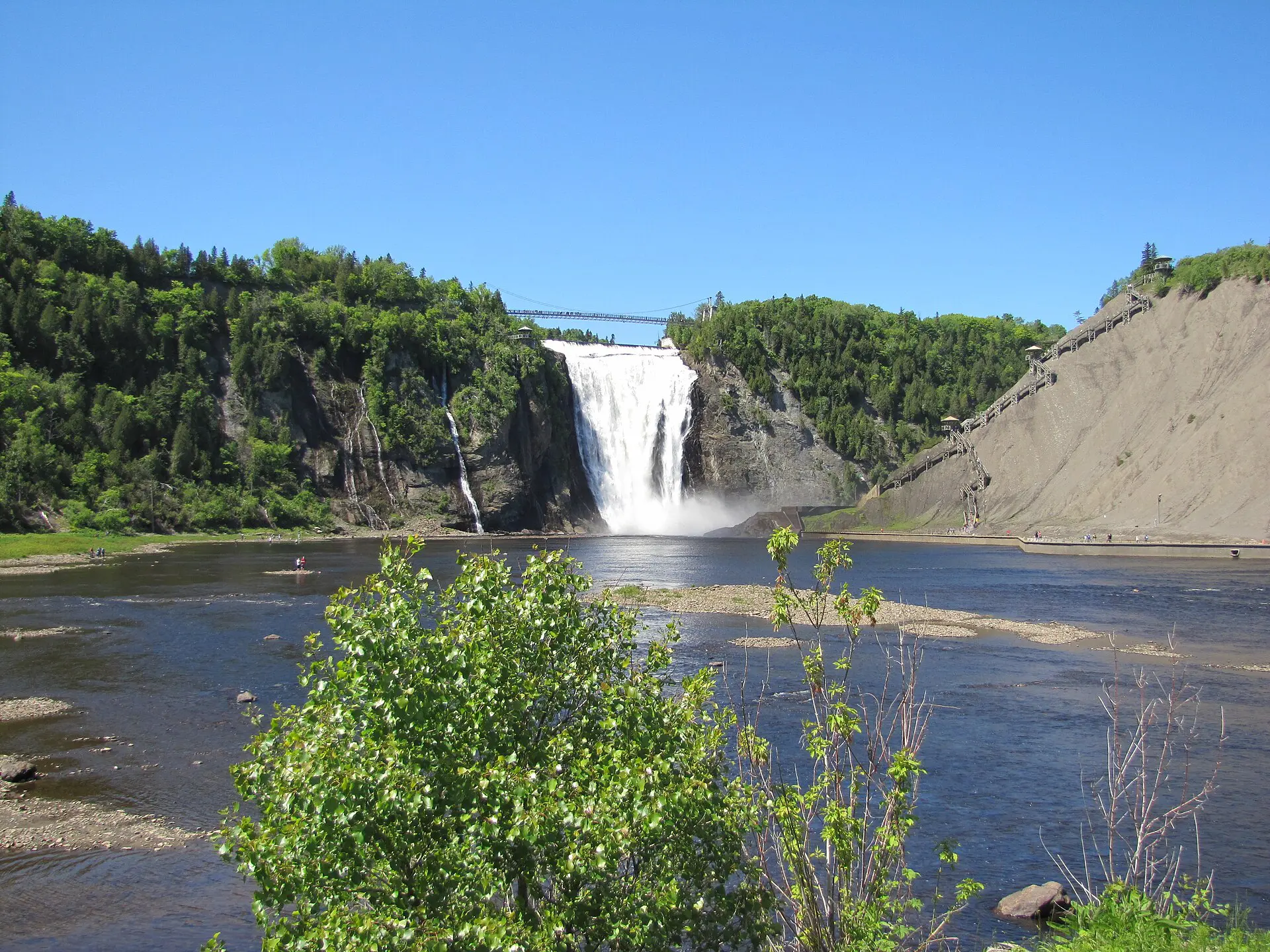
Montmorency Falls
Just north-east of the city, the falls can be reached by bus, tour or car in about 20 minutes. A cable car, stairs and a footbridge give different views. It suits a half-day, and ice formations make winter visits memorable.
Ile d’Orleans
A short drive from the city, the island offers farms, small shops and river views. Plan a half or full day. Autumn is busy with harvest visitors, so start early if you drive.
Charlevoix
The Charlevoix region, north-east along the river, has scenic villages and coastal views. It works better as an overnight than a day trip, given driving times. Check the weather before you go.
Montreal
Montreal is about three hours away by train, bus or car. It is possible as a long day trip, though most travellers treat it as a separate stop and plan one or two nights there.
FAQ
Q1When is the best time to visit Quebec City?
Summer, June to September, is the most popular, with warm weather and festivals, though it is also the busiest and most expensive. Autumn offers colourful foliage and cooler days. Winter is cold and snowy but suits carnival events and holiday markets.
Q2How many days do you need in Quebec City?
Two to three days is enough for Old Quebec, the Citadelle, Montmorency Falls and a few meals. A longer stay of four days adds time for Ile d'Orleans, Charlevoix or slower days, especially in winter when weather can limit plans.
Q3How do you get to Quebec City?
You can fly into Jean Lesage International Airport (YQB) or travel by train, bus or car from Montreal, about three hours away. Airport transfers are by taxi, ride-hailing or bus. Check schedules in advance, particularly in winter or on busy holiday weekends.
Q4Is Quebec City safe and expensive?
Quebec City is generally regarded as safe, with a walkable, well-lit centre. Costs are moderate for Canada, but hotels in the old town and in summer can be pricey. French is the main language, although many people in tourism also speak English.
Prices, schedules and entry rules change. Check current details with official sources before you travel. Read the Canada travel guide.