Why visit Vancouver
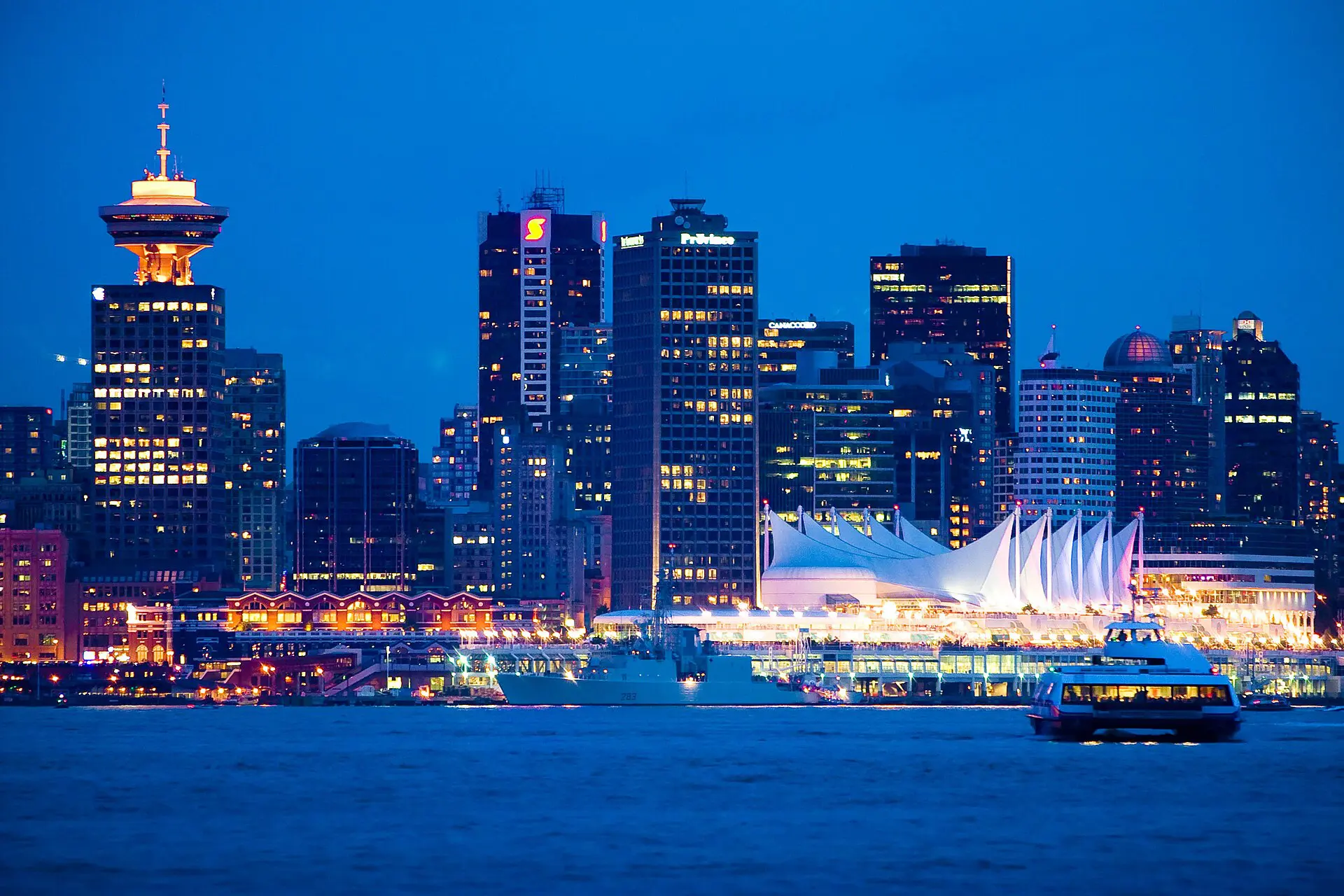
People looking for things to do in Vancouver quickly find that the setting is the main draw. The city sits between the Pacific Ocean and the North Shore Mountains in British Columbia, and you can walk a seawall, visit a market and see snow-capped peaks all in one day.
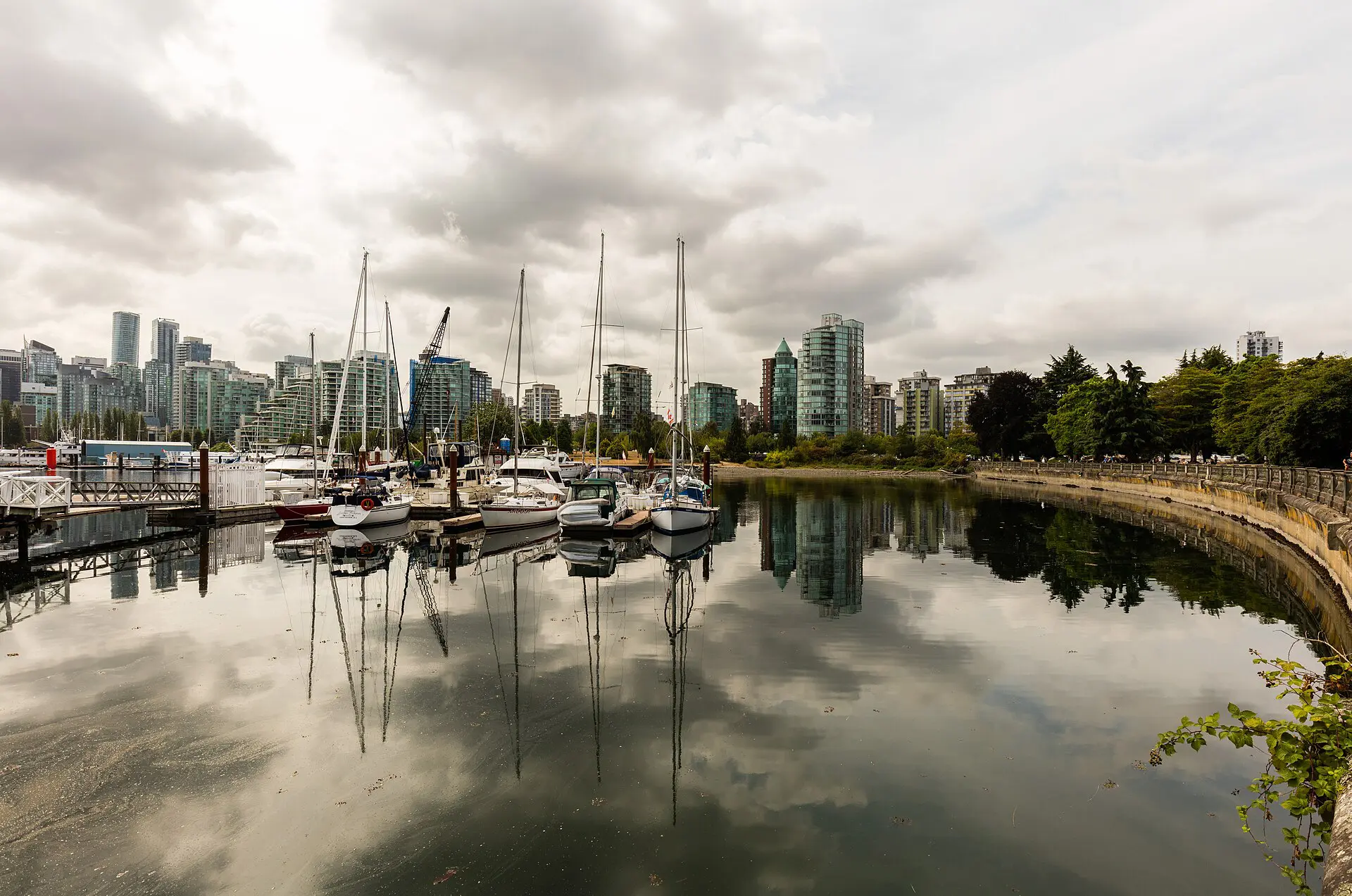
Vancouver is compact and easy to explore. Stanley Park, Gastown, Granville Island and Kitsilano Beach lie within a short ride of downtown, and the city has a varied food scene shaped by large Asian communities and nearby seafood.
It is also a base for outdoor trips, from hiking and skiing to whale watching and ferry journeys to Vancouver Island. The main downsides are cost and rain, since autumn to spring can be wet. In summer the weather is generally dry and mild, and the long daylight makes full days outside easy.
Top things to do in Vancouver
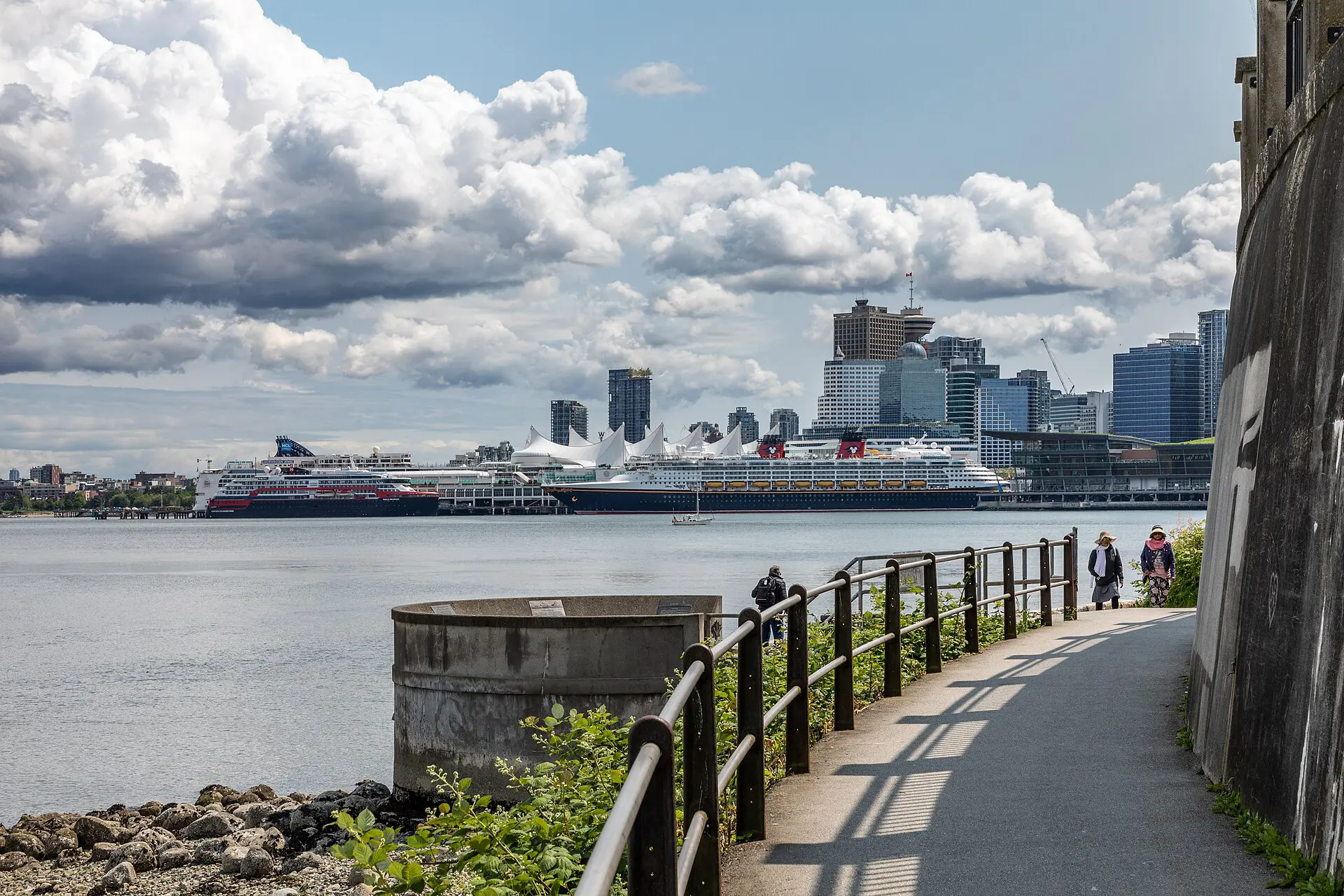
Stanley Park and the Seawall
The large park at the edge of downtown has forest trails, beaches and a paved seawall loop of about 9 kilometres. Hire a bike or walk part of the route, allowing two to four hours. Check for path direction rules, and bring a layer, since the shore can be breezy.
Granville Island
This former industrial area has a public market, craft studios, theatres and cafes. Allow two to three hours. Reach it by foot, bus or small ferry from downtown. Visit in the morning for fresher stalls and smaller crowds, and bring a bag for purchases.
Gastown and Chinatown
Gastown has cobbled streets, historic buildings and the steam clock, while Chinatown nearby has gardens and shops. Allow two hours for both. Some streets in the neighbouring Downtown Eastside face serious social problems, so stick to main routes and keep to daylight where unsure.
Capilano Suspension Bridge and North Shore
The suspension bridge sits in a forested canyon in North Vancouver, with treetop walks and cliff paths. It is a paid attraction, so compare it with free alternatives such as Lynn Canyon. Allow two to three hours, and arrive early in summer.
Grouse Mountain
A gondola takes visitors up from North Vancouver to a mountain with views, trails and wildlife areas. In winter, the area is used for skiing and snowshoeing. Allow half a day, and check the weather before going, as cloud can hide the view.
Kitsilano and English Bay
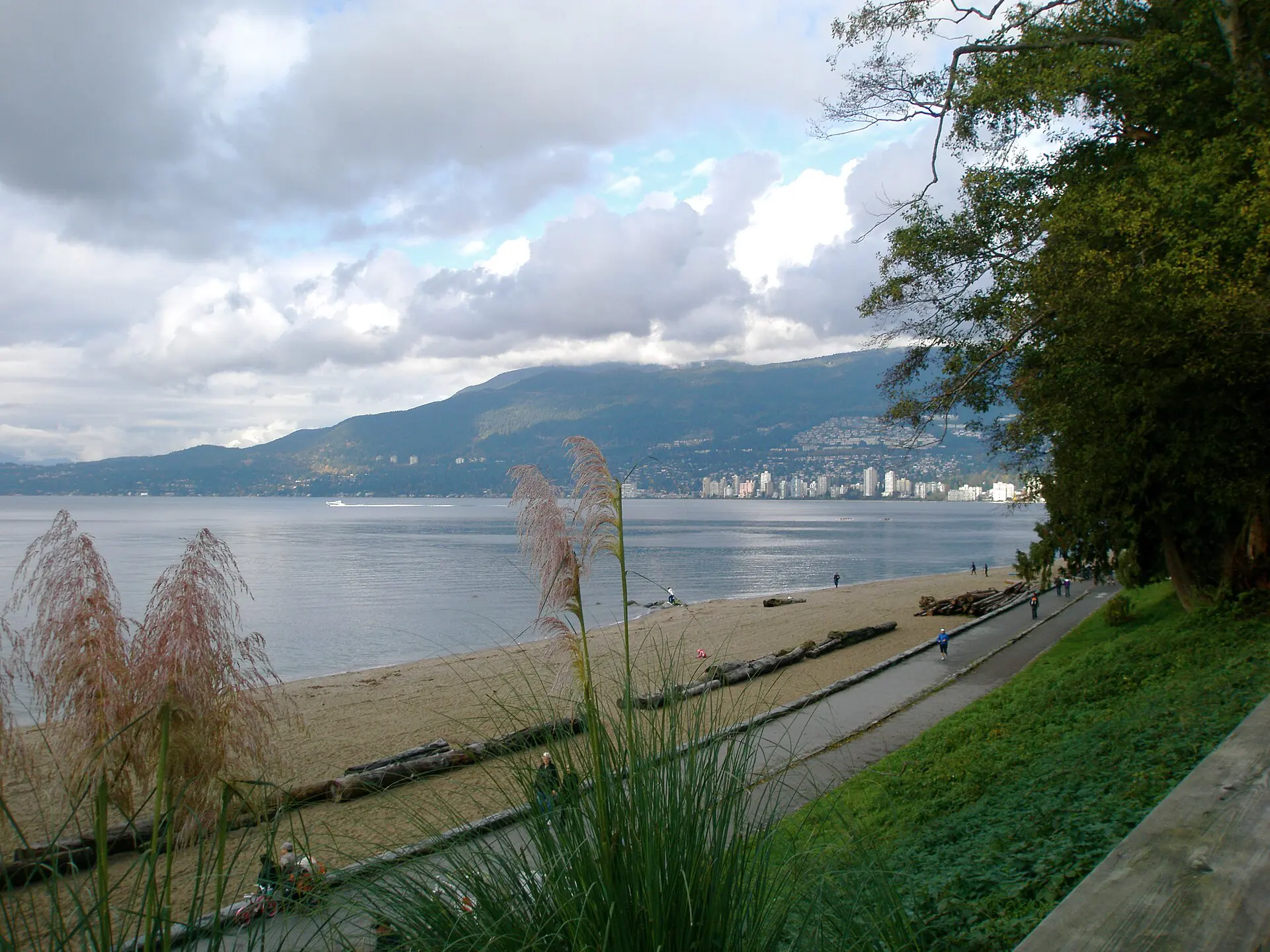
These beaches are busy in summer, with volleyball, swimming areas and sunset views. Allow a couple of hours. Water temperature is cool even in summer, and lifeguards are on duty only during limited seasons, so check posted notices.
Museum of Anthropology
Located at the University of British Columbia, the museum holds large collections of Indigenous art, including totem poles. Allow two hours. Check opening days and ticket options, and combine it with a walk at nearby Pacific Spirit Park or Wreck Beach views.
Best time to visit Vancouver
Vancouver has a mild, oceanic climate with dry summers and wet winters. Snow is uncommon in the city itself but common on the mountains, which makes winter sports possible within an hour.
| Season | Weather | Crowds and prices |
|---|---|---|
| Dec to Feb | Cool and rainy, snow on mountains | Lower, ski season rates higher |
| Mar to May | Mild, cherry blossoms in spring | Moderate |
| Jun to Aug | Dry, warm, long days | High, especially July and August |
| Sep to Nov | Mild, increasing rain | Moderate to low |
June to September is the best window for outdoor activities. September is often quieter and still pleasant. Cruise ship season peaks from late spring to early autumn, so waterfront areas can be busy.
How to get to Vancouver and around
Vancouver International Airport (YVR) is on Sea Island, south of downtown, and has direct flights across North America, Asia and Europe. The Canada Line SkyTrain reaches downtown in around 25 to 35 minutes. Taxis and ride-hailing are also available.
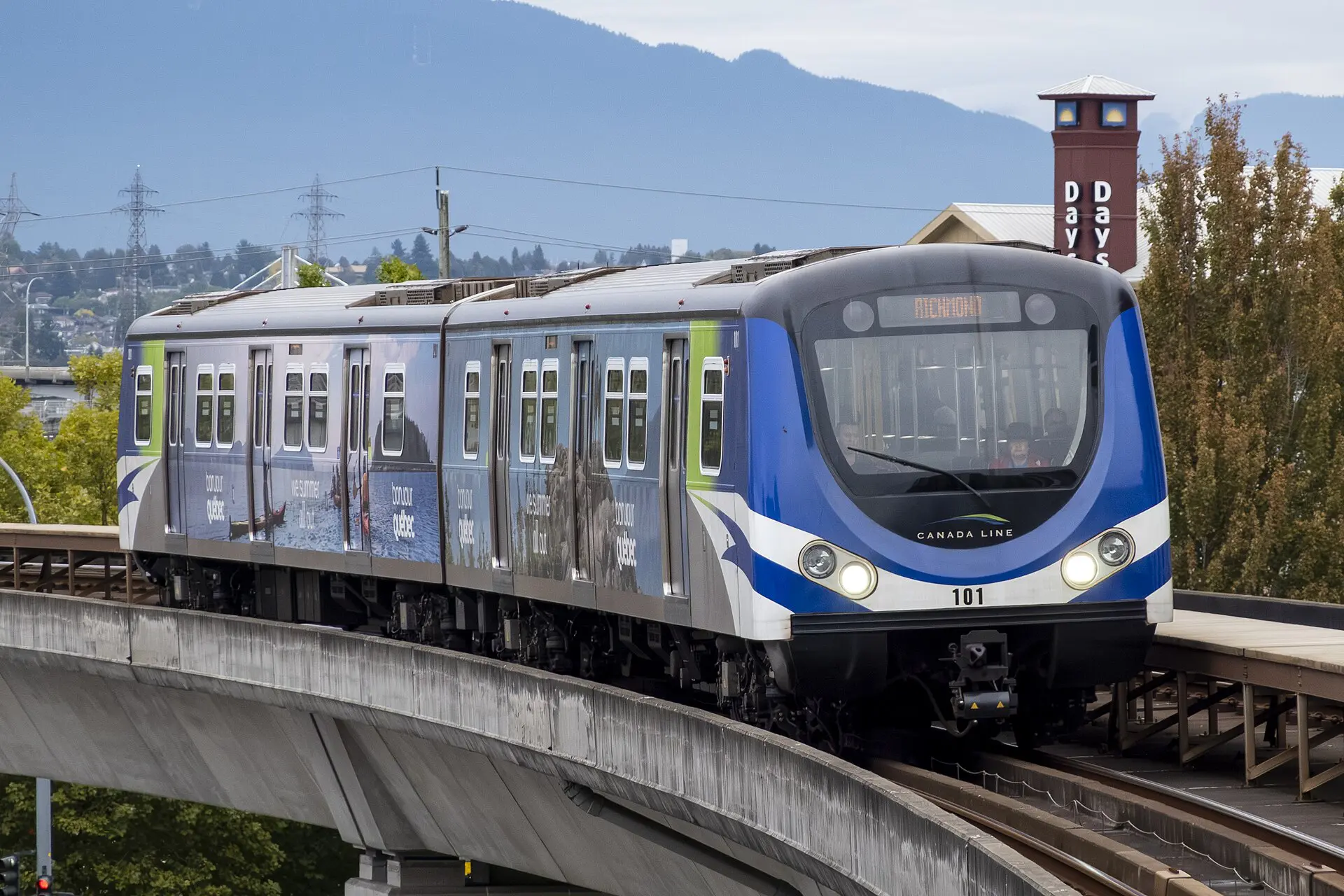
Trains and coaches connect with Seattle and the Rockies, and ferries cross to Vancouver Island and the Gulf Islands from terminals outside the city. Cruise ships dock downtown.
Inside the city, the SkyTrain, buses and SeaBus form one fare system, with tap-to-pay options in use, so check current ticket rules. Downtown is walkable, and cycle lanes and bike-share cover much of the centre. A car is helpful for trips beyond the city but expensive to park downtown, so many visitors rely on transit and day tours.
Where to stay in Vancouver
Downtown and the West End are the most convenient, with a wide range of hotels close to the seawall, shops and transit. They suit first-time visitors and short stays. Rates are high, particularly in summer.
Gastown and Yaletown offer converted warehouse buildings, restaurants and a livelier evening scene. They suit couples and food-focused travellers, and they are within walking distance of downtown sights.
Kitsilano and Mount Pleasant are residential areas with cafes, beaches and a calmer atmosphere, with options such as apartments and guesthouses. North Vancouver gives quick access to the mountains and has lower prices, linked by SeaBus. Book well ahead for summer and major events, and ask about parking if you have a car.
How many days do you need?
Three days covers the central highlights and one mountain outing. A fourth or fifth day gives time for Whistler, Victoria or more time on the water.
- Day 1: Stanley Park and the seawall, then Granville Island and an evening in Yaletown.
- Day 2: Capilano or Lynn Canyon in the morning, Grouse Mountain in the afternoon.
- Day 3: Gastown, Chinatown, the Museum of Anthropology and sunset at English Bay.
Check the weather forecast each morning, and swap indoor and outdoor plans to suit.
Day trips and nearby
Whistler
The mountain resort is about two hours north via the Sea to Sky Highway, with skiing in winter and hiking and biking in summer. Buses and tours run from the city. It is better with an overnight stay, but possible as a long day trip.
Victoria
The provincial capital on Vancouver Island has a harbour, gardens and a historic centre. Ferries and seaplanes take from roughly 1.5 to 3 hours including transfers. Plan an overnight stay if you can.
Squamish
Squamish, about an hour north, has hiking, a gondola and rock climbing. It suits active travellers, and a car makes it easier. Check trail conditions and weather before heading out.
Steveston
This fishing village south of the city has boardwalks, seafood and a heritage centre, reachable by transit and bus in under an hour. It suits a relaxed half day.
FAQ
Q1When is the best time to visit Vancouver?
June to September has the driest, warmest weather and long daylight, which suits hiking, cycling and beaches. September is often quieter. Winter is wet but good for skiing nearby, and spring brings cherry blossoms in the city.
Q2How many days do you need in Vancouver?
Three days cover Stanley Park, Granville Island, Gastown and one mountain outing. Four or five days allow a day trip to Whistler or Victoria, or more time for hiking, cycling and eating without rushing between sights.
Q3How do you get to Vancouver?
Most visitors fly into Vancouver International (YVR), then take the Canada Line SkyTrain to downtown in roughly 25 to 35 minutes. Trains, buses and ferries link the city to Seattle, the Rockies and Vancouver Island.
Q4Is Vancouver expensive?
Vancouver is one of Canada's pricier cities, mainly because of accommodation and dining. You can lower costs by staying outside the downtown core, using transit, and choosing free activities such as the seawall, beaches and park trails.
Prices, schedules and entry rules change. Check current details with official sources before you travel. Read the Canada travel guide.