Why visit Vanuatu
This Vanuatu travel guide starts with the case for going: the archipelago has some of the most accessible active volcanoes on Earth, coral reefs and wrecks that attract divers from around the world, and island communities that keep customs such as kava drinking and land diving alive (see the Wikipedia overview for background). It has about 12,000 square kilometres of land spread across many islands, which are home to over 100 local languages.
Vanuatu suits adventurous travellers, divers, snorkellers and culture seekers who are comfortable with simple accommodation and flexible schedules. It is also a good fit for travellers from Australia and New Zealand, who are only a few hours away by air. It is less suited to those who want polished resort service across the whole country, because outside Port Vila and a few resort areas, facilities are basic and transport depends on small planes and boats.
Best places to visit in Vanuatu
The best places to visit in Vanuatu are spread over islands that each have a different character, so choose two or three rather than trying to cover them all.
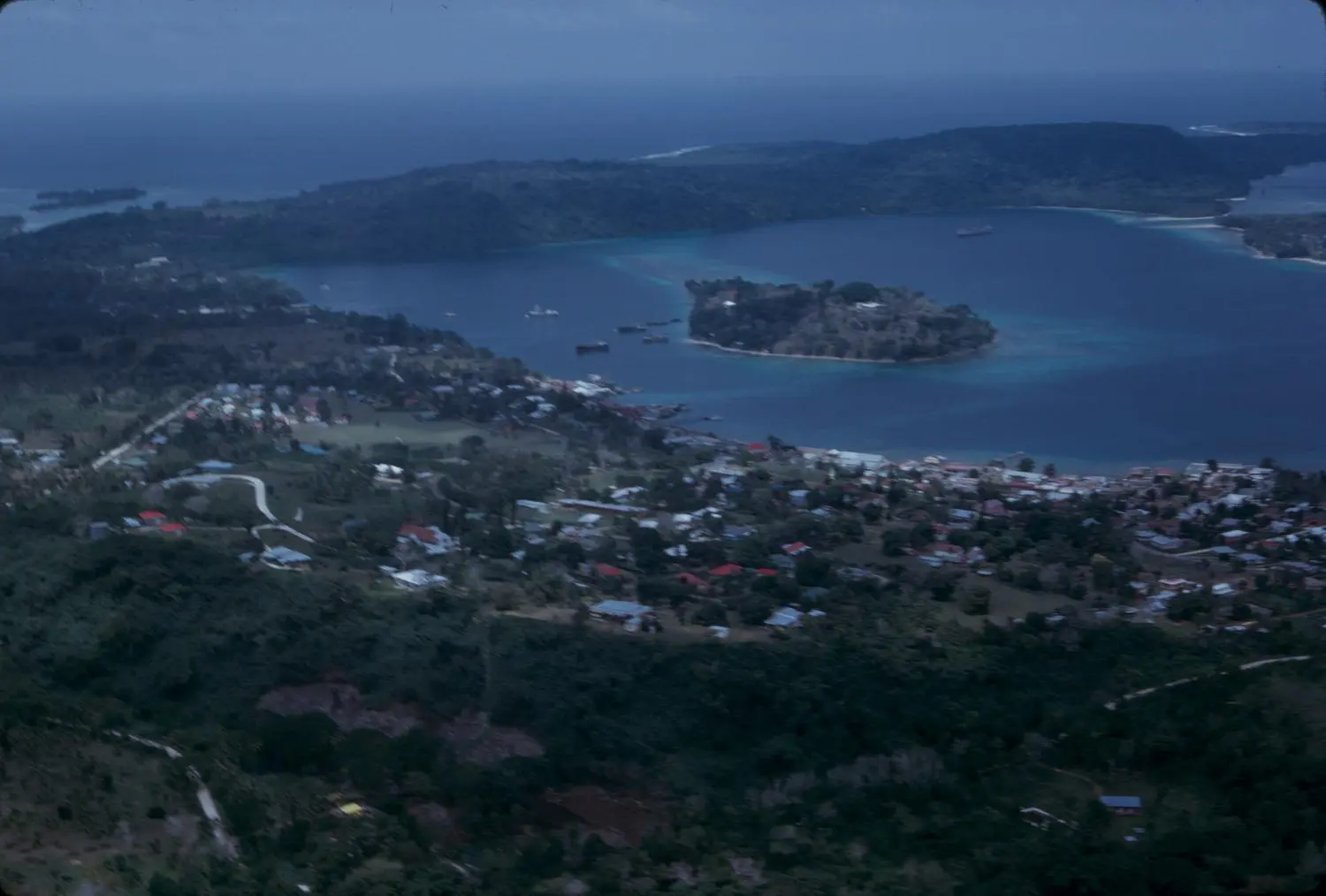
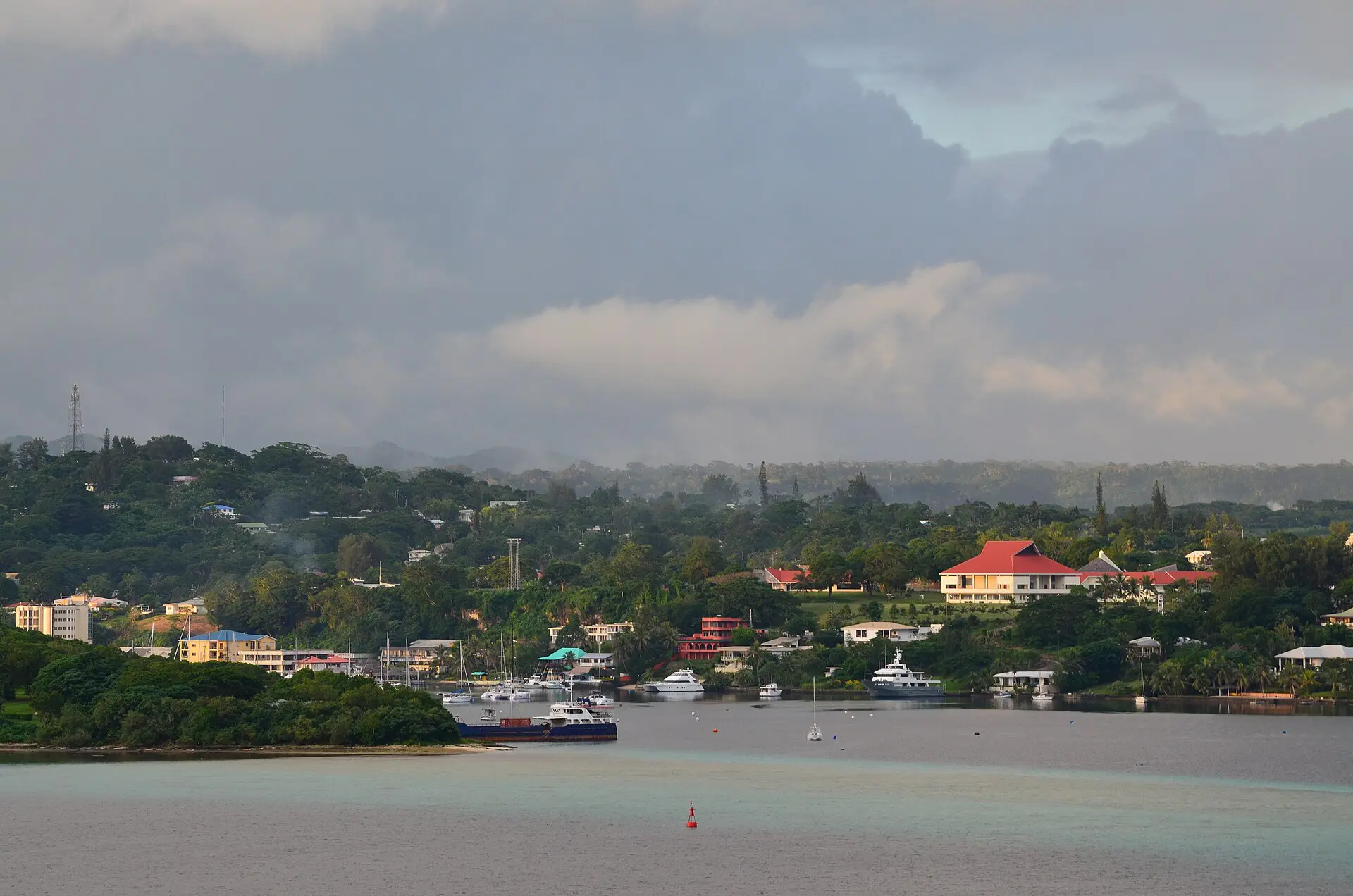
Efate and Port Vila
Efate is the main island and home to the capital, Port Vila, with a waterfront market, restaurants and easy flight connections. Nearby are the Mele Cascades, the Blue Lagoon at Eton and the Hideaway Island marine sanctuary for snorkelling.
Tanna
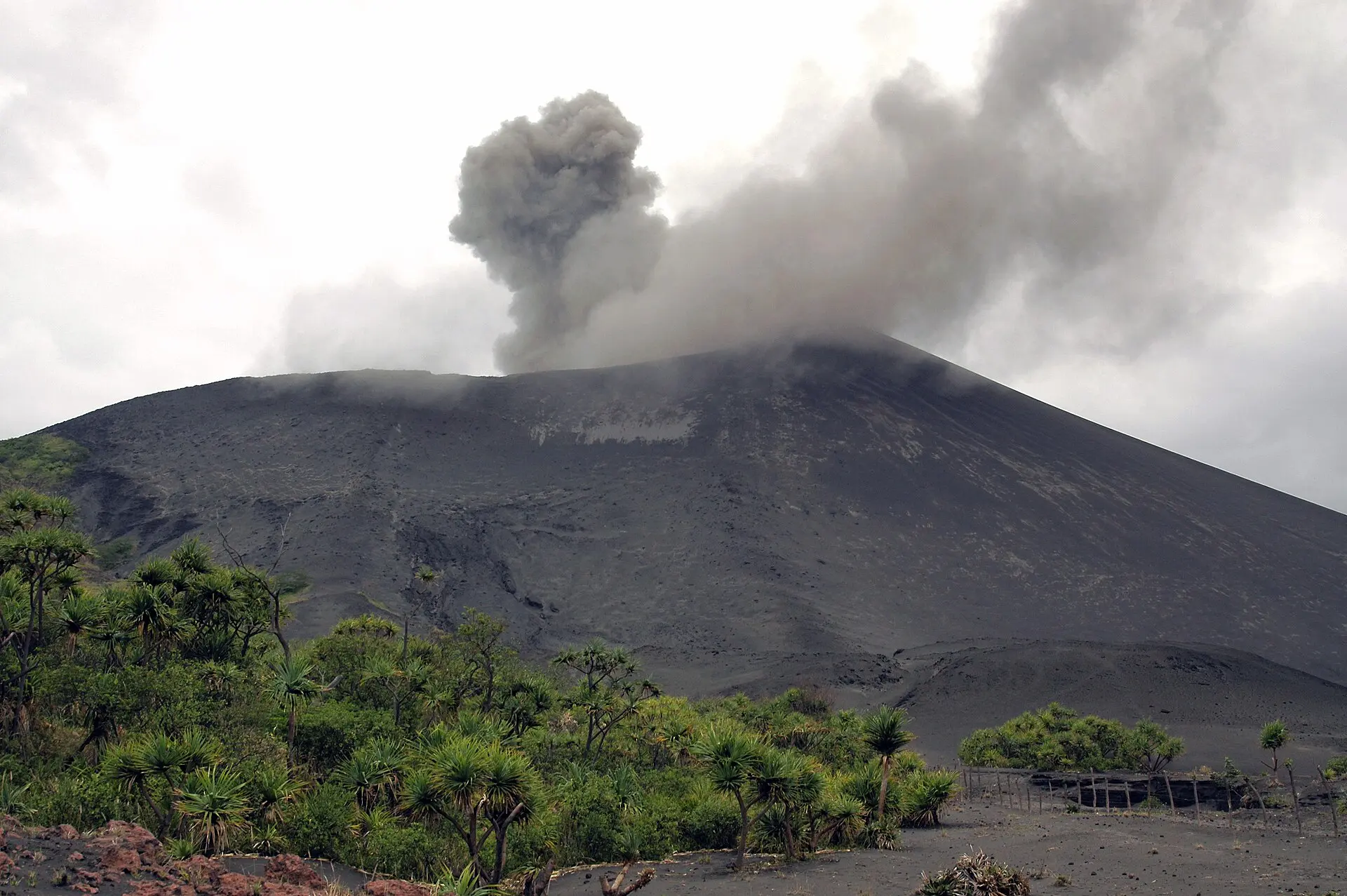
Tanna is famous for Mount Yasur, one of the most reliably active volcanoes in the world, where you can stand on the crater rim and watch eruptions. The island also has traditional villages, coffee plantations and black-sand beaches.
Espiritu Santo
The largest island is the centre of diving in Vanuatu. The wreck of the SS President Coolidge lies close to shore near Luganville, and Champagne Beach and the Blue Holes are the main swimming spots.
Pentecost
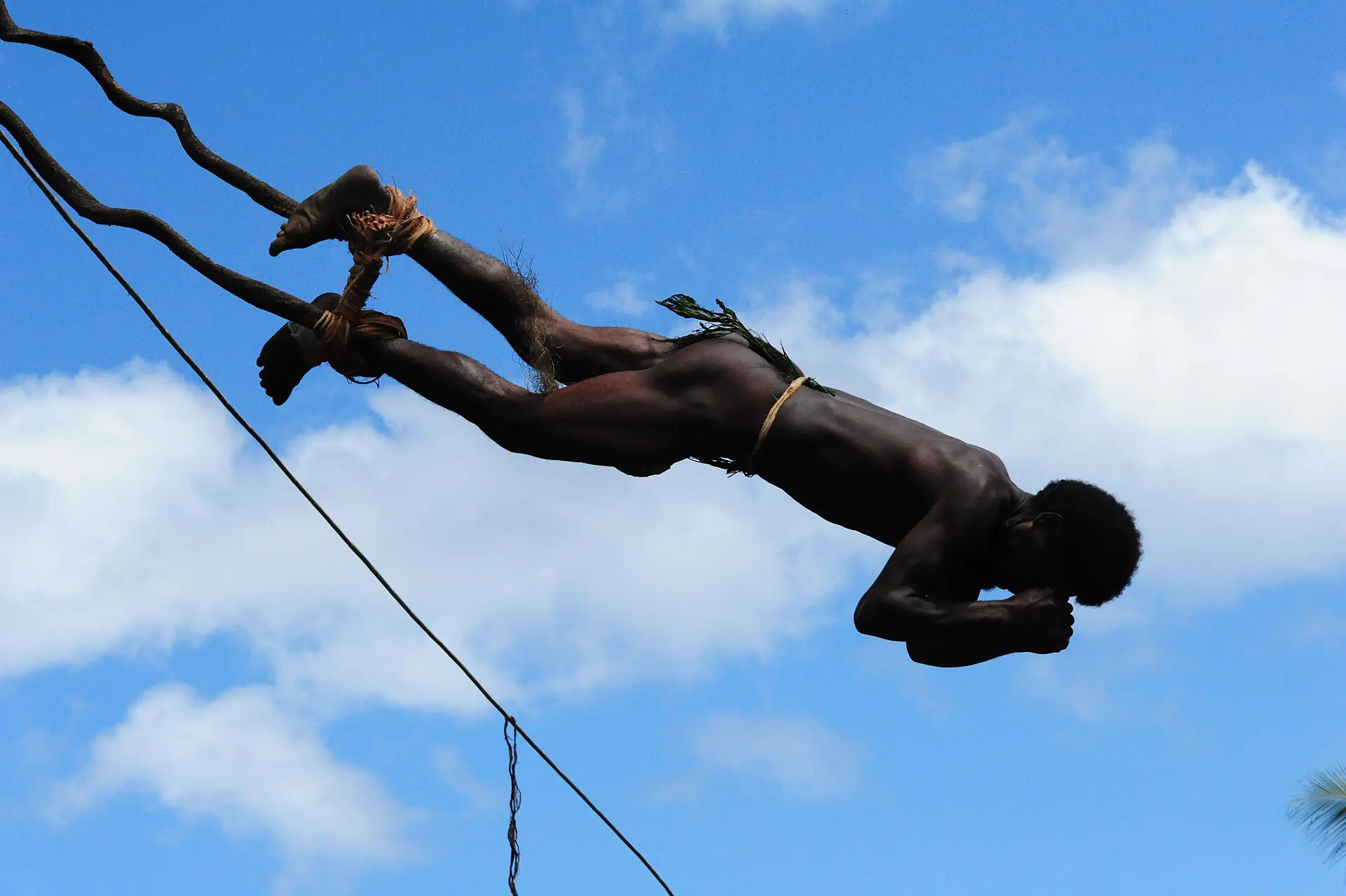
Pentecost is the home of the land diving ritual, held roughly April to June, in which men jump from tall wooden towers with vines tied to their ankles.
Ambrym and Malekula
Ambrym has two large volcanoes and is known for its carving and ceremonies, while Malekula has strong traditions and remote villages. Both need extra planning and flexibility.
Roi Mata’s Domain
On Efate and nearby islets, this UNESCO-listed site preserves the burial place and homeland of a revered chief.
Top things to do in Vanuatu
The top things to do in Vanuatu centre on volcanoes, the sea and village culture, and many require local guides or transfers.
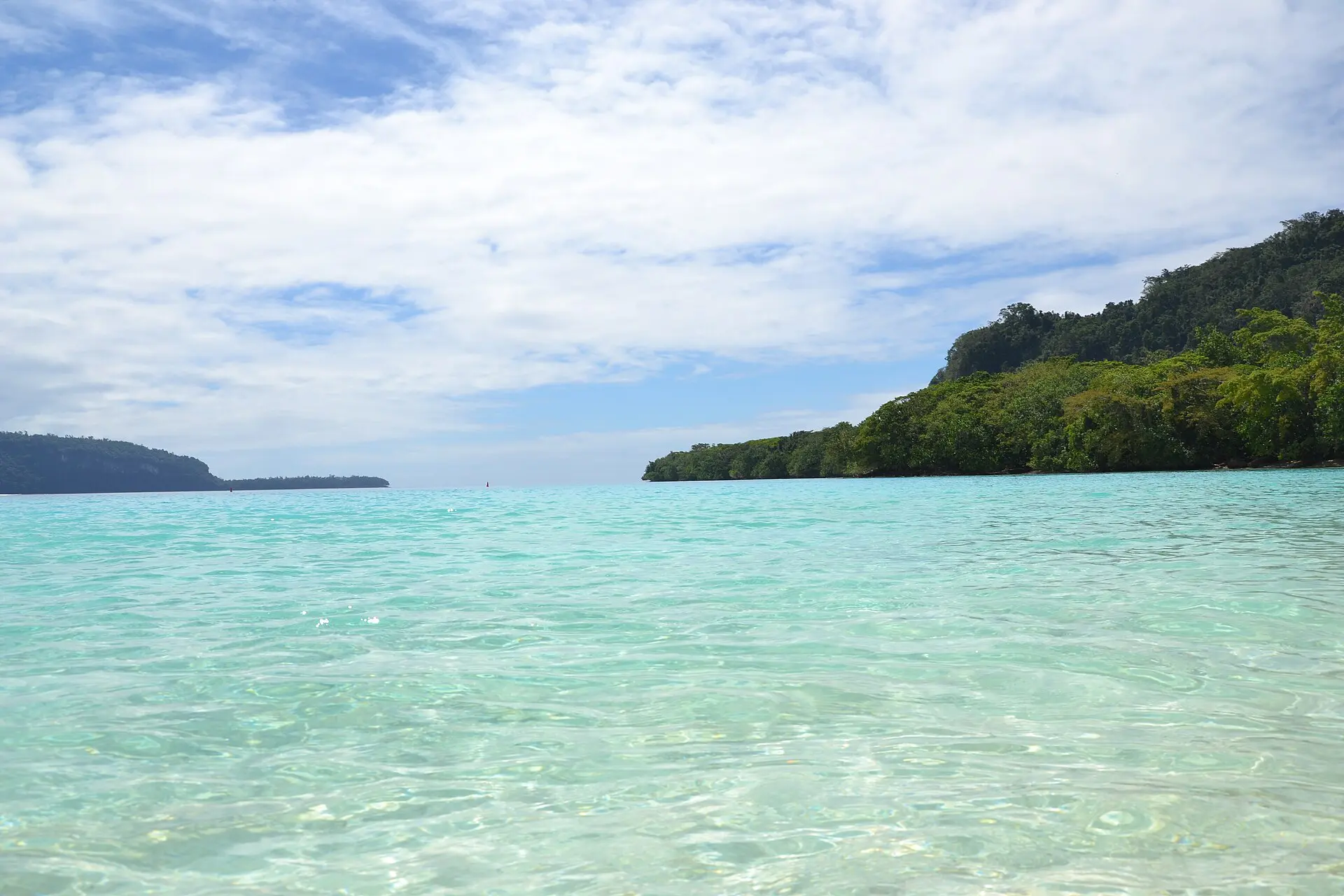
- Watch Mount Yasur erupt: a short climb from the car park leads to the crater rim, with the best views at dusk and night.
- Dive the SS President Coolidge: a large former troop ship lies in water that is accessible from the shore near Luganville.
- Swim at Champagne Beach: a white-sand beach in northeast Santo with clear water.
- Snorkel at Hideaway Island: a marine sanctuary just offshore from Efate with an underwater post office.
- Visit the Mele Cascades: a series of waterfall pools above Port Vila that you reach on a short walk.
- Float in the Blue Holes: freshwater swimming holes near Santo with vivid colours.
- Join a kava ceremony: drink kava at a nakamal, the traditional meeting place, with respect for local rules.
- See land diving on Pentecost: the ritual is held in the dry months and is arranged with local communities.
- Shop at Port Vila market: fruit, vegetables, handicrafts and local food are sold in the main market.
- Take a village stay on Tanna: homestays offer a view of daily life, with simple rooms and shared meals.
Best time to visit Vanuatu
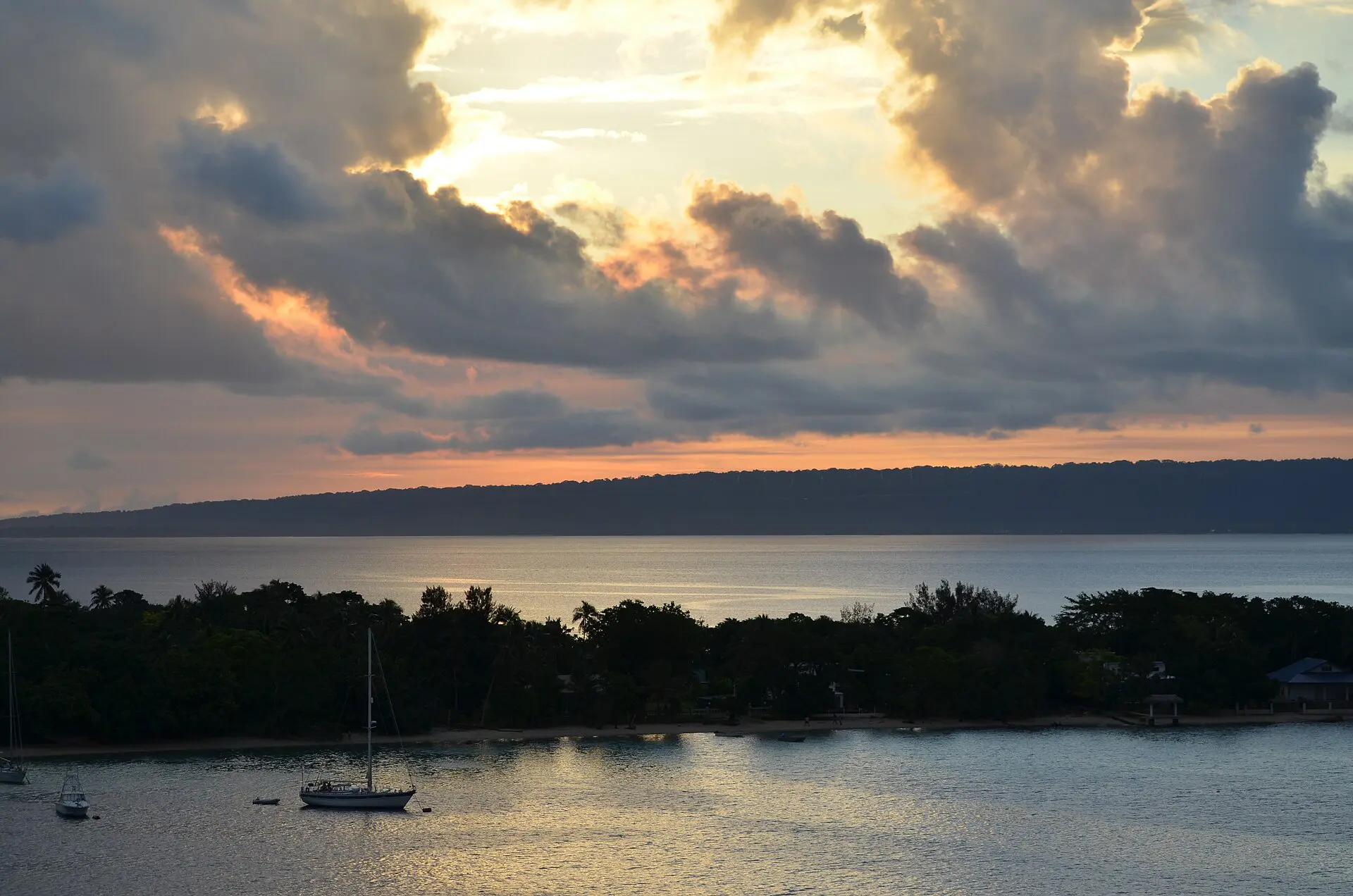
The best time to visit Vanuatu is May to October, the cooler, drier season, with comfortable temperatures, calmer seas and good visibility for diving. The wet and cyclone season runs roughly from November to April, with higher humidity, heavy rain and the risk of tropical cyclones, which can disrupt flights and boats. Cyclone Pam in 2015 was one of the strongest to hit the country.
| Season | Weather | Crowds and prices | Good for |
|---|---|---|---|
| Dry season (May-Oct) | Warm, drier, often 22-28 C, some wind | Highest, especially July to September | Diving, volcanoes, land diving, hiking |
| Shoulder (Nov, Apr) | Warmer, more humid, early showers | Moderate | Quieter trips with some flexibility |
| Wet season (Dec-Mar) | Hot, humid, heavy rain, cyclone risk | Low; some discounts | Budget stays, resort breaks with insurance |
If you travel in the wet season, buy travel insurance with cyclone cover, allow spare days for flight delays, and check forecasts before inter-island trips.
Is Vanuatu safe to visit?
Yes, Vanuatu is generally safe for visitors, and people are known for being welcoming. The main risks are natural rather than criminal: tropical cyclones, earthquakes, volcanic activity and tsunamis. Petty theft occurs in Port Vila and Luganville, so keep valuables out of sight. Check your government’s current travel advice, such as the Australian Smartraveller, UK FCDO or US State Department pages, before you go.
Volcanoes and earthquakes. Mount Yasur has an alert level system that local authorities update, and tours can be suspended when activity is high, so follow guide and official advice. Vanuatu lies on the Pacific Ring of Fire, and a strong earthquake struck near Port Vila in December 2024, with serious damage. Know the evacuation advice for coastal areas.
Health. Malaria is present on some islands, so ask a travel clinic about prevention, and mosquito repellent is useful everywhere for dengue. Tap water is not safe everywhere, so use bottled water. Medical facilities are limited outside Port Vila, so carry insurance that includes medical evacuation.
Roads and sea. Roads can be rough, and boat trips can be cancelled by weather. Respect local customs and ask before entering village land or taking photographs.
Visa and entry requirements for Vanuatu
Entry rules depend on your nationality. Citizens of many countries, including those of the EU, UK, US, Australia and New Zealand, have generally been able to enter for short tourist stays without arranging a visa in advance, with stays of up to around 30 days common. Rules change, so confirm the current requirement for your passport with Vanuatu’s immigration service or your nearest embassy before you book.
Bring a passport valid for at least six months beyond arrival, plus proof of onward travel and accommodation. Some visitors are required to complete an online arrival form before travel, so check the current process. Fees or health declarations may apply, and customs and biosecurity rules are strict, so declare food, plant material and wooden items. Take care with shells, coral and traditional artefacts, as exporting some of them is restricted.
The UNESCO page for Vanuatu is useful if you plan to see Roi Mata’s Domain, though it does not cover entry rules. If you plan to visit remote islands, ask local operators whether any permits or village fees are needed.
Getting to and around Vanuatu
Most visitors fly into Bauerfield International Airport near Port Vila on Efate, which has regular links with Sydney, Brisbane, Auckland, Nouméa and Fiji. Espiritu Santo also has an international airport, with limited services. Flight schedules change often, so check current connections when you plan, and allow flexibility for delays.
Getting around Vanuatu usually means a combination of small planes, boats and local transport. Domestic flights link Efate to Tanna, Santo, Pentecost, Ambrym and other islands, and the national airline has faced financial and operational disruption in recent years, so confirm bookings and have a backup plan. Ferries and cargo boats serve some routes but run to irregular timetables.
On Efate, minibuses with a B on the number plate run on the ring road and are cheap, and taxis are plentiful in town. Hire cars are available, with right-hand driving. On Tanna and Santo, transfers to sights are arranged with guides or drivers in 4×4 trucks over rough roads. Allow extra time in the wet season, when roads can flood.
How much does a trip to Vanuatu cost?
Vanuatu is not a cheap Pacific destination, because most goods are imported and inter-island flights are costly. The currency is the vatu (VUV); Australian and US dollars are sometimes accepted in tourist businesses, but you will usually get a better price in vatu. Figures below are rough per-person guides and vary by exchange rate.
- Budget: around USD 60 to 100 per day, with guesthouses or village bungalows, local food, buses and few flights.
- Mid-range: around USD 120 to 200 per day, with private hotel rooms, restaurant meals and tours on Efate and Tanna.
- High-end: from around USD 300 per day, with resorts, private boat charters and dive packages.
Accommodation and domestic flights are the biggest swing factors, followed by tours and diving. Local markets are inexpensive, and a village stay with meals is good value. Volcano visits and some attractions charge entry or custom fees that go to local landowners, so carry cash in small notes, since cards are accepted mainly in Port Vila and larger resorts. Island ATMs can run out of cash.
Vanuatu food and drink
Vanuatu food centres on root vegetables, coconut, fresh seafood and meat cooked in earth ovens, with a French influence in Port Vila’s cafés and bakeries. Local markets are the best place to eat cheaply and see what grows on each island.
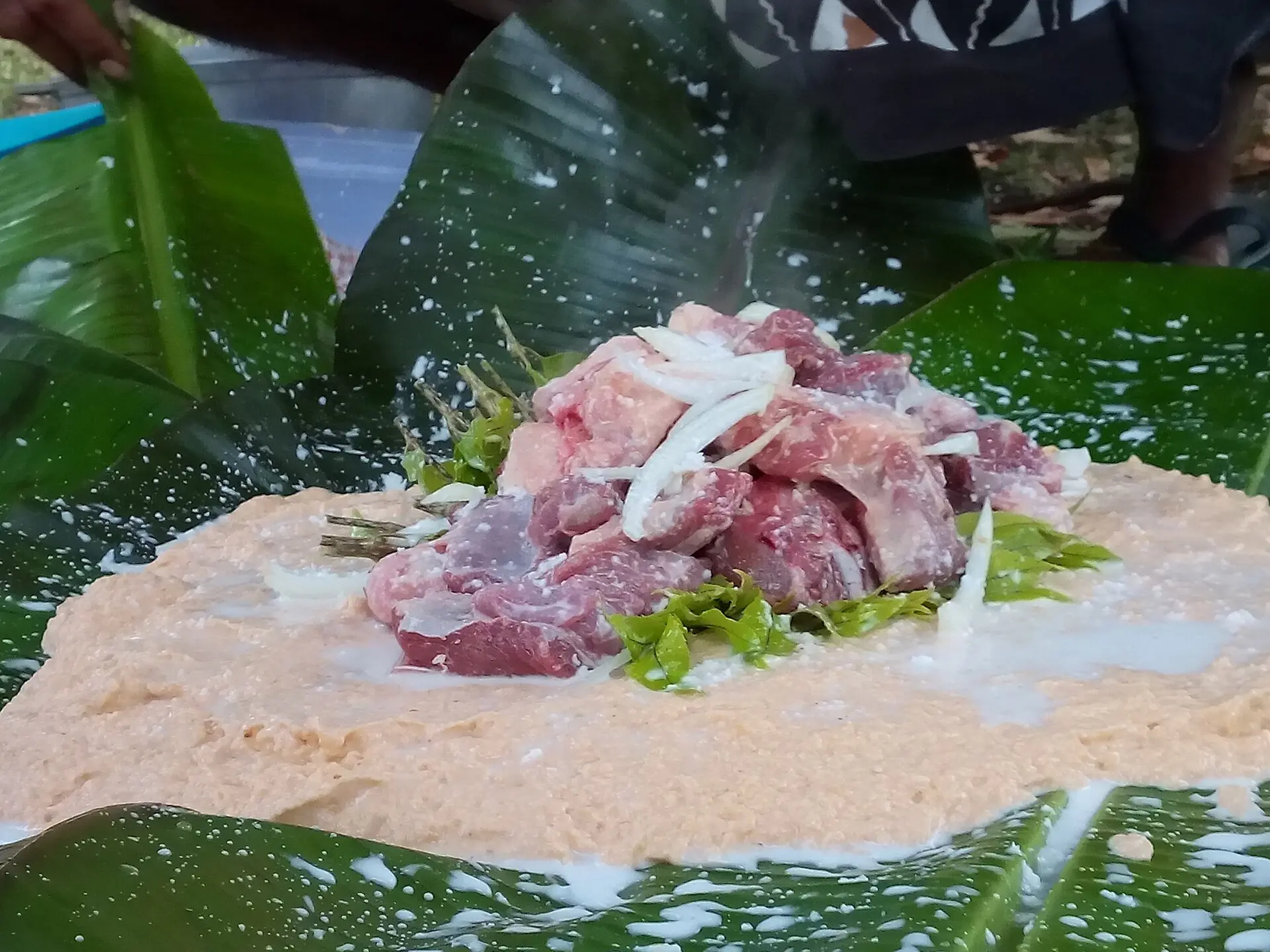
- Laplap: the national dish, grated yam, taro or manioc layered with coconut cream and meat or fish, baked in an earth oven.
- Tuluk: a similar dish of pounded root vegetables with meat, wrapped in leaves and steamed.
- Fresh seafood: fish, lobster and in some places coconut crab, which is a protected species in some areas, so ask about local rules.
- Island cabbage and fruit: leafy greens, bananas, papaya, pineapple and mangoes in season.
- Tanna coffee: grown on the island’s volcanic slopes and served in cafés on Efate and Tanna.
- Kava: a mildly numbing, earthy drink made from the root of the kava plant, served at a nakamal and drunk quickly.
- Tusker and local beer: and French wines in Port Vila restaurants.
Vegetarians can eat root vegetables, fruit and rice, though vegetarian choices in village areas can be limited. Ask before eating at a nakamal, where women and visitors may have different rules, and do not talk loudly during the ceremony.
Culture, language and etiquette in Vanuatu
Bislama, English and French are the three official languages, and Bislama, an English-based creole, is the common language. More than 100 indigenous languages are spoken across the islands, which gives Vanuatu one of the highest language densities in the world. English is widely understood in tourism, and French is common among older people and in some schools. A few Bislama phrases, such as tankyu tumas (thank you very much), are welcomed.
Kastom, the traditional system of customs and land ownership, shapes daily life. Land belongs to families and clans, and you should ask permission before entering villages, taking photos or walking across land. Fees for sights are normal and go to landowners. Dress modestly in villages: swimwear is for the beach only, and shorts and shoulders covered are respectful.
Most people are Christian, and Sunday is a quiet day. Greet people with a handshake and a smile, and ask your guide about any local taboos, such as places you should not go. Kava drinking has its own etiquette, so follow your host’s lead.
Vanuatu itinerary: a 7-day route
This route covers Efate, Tanna and Espiritu Santo, using short domestic flights, and works best in the dry season.
- Day 1, Port Vila: arrive, visit the market and waterfront, and eat at a local restaurant.
- Day 2, Efate: visit the Mele Cascades and Hideaway Island, and have a swim at the Blue Lagoon in Eton.
- Day 3, fly to Tanna: a flight of roughly an hour; check in at a bungalow and see the volcano at dusk.
- Day 4, Tanna: visit villages, coffee farms or a black-sand beach, and watch Mount Yasur again if conditions allow.
- Day 5, fly to Espiritu Santo: allow most of the day, often via Port Vila, and settle in near Luganville.
- Day 6, Santo: dive or snorkel the SS President Coolidge, or visit the Blue Holes and Champagne Beach.
- Day 7, return to Port Vila: fly back and connect to your onward flight with a buffer.
With extra days, add Pentecost for land diving or Ambrym for volcano trekking. In the wet season, limit the route to Efate and one other island, and keep spare days for cancellations.
Practical tips for Vanuatu
- Money: the vatu is the local currency; ATMs are in Port Vila and Luganville, and cards work in larger hotels, but carry cash in small notes for islands, markets and custom fees.
- SIM and eSIM: local SIMs are cheap and coverage is good in towns, patchy on outer islands. Check your phone is unlocked and consider an eSIM.
- Plugs: type I at 230 V, as in Australia and New Zealand; bring an adaptor if you need one.
- Tipping: not customary; a small gift or fee to a guide or host is welcome.
- Health: ask a travel clinic about malaria, typhoid and vaccines, bring insect repellent and sunscreen, and avoid tap water on outer islands.
- Packing: light clothing, reef shoes, a rain jacket, a torch, sturdy sandals and a dry bag for boat trips.
- Insurance: choose a policy with medical evacuation and cyclone cover.
- Time: flights and boats run late, so avoid tight connections.
For wider background, see the Wikivoyage Vanuatu guide.
FAQ
Q1Is Vanuatu safe?
Yes, for most visitors. Crime against tourists is low, and the main risks are cyclones, earthquakes, volcanic activity and rough roads. Keep valuables out of sight in Port Vila, follow guide advice at Mount Yasur and buy insurance with medical evacuation. Check your government's current travel advice before you go.
Q2What is the best time to visit Vanuatu?
May to October is best, with drier weather, lower humidity and good diving visibility. November to April is the wet and cyclone season, with heavy rain and possible flight disruption, though prices are lower. Land diving on Pentecost usually takes place from April to June.
Q3What are the best things to do in Vanuatu?
Top picks are watching Mount Yasur erupt on Tanna, diving the SS President Coolidge, swimming at Champagne Beach and the Blue Holes, snorkelling at Hideaway Island, joining a kava ceremony and seeing land diving on Pentecost. Mele Cascades and Port Vila market suit short stays.
Q4Do I need a visa for Vanuatu?
It depends on your nationality. Many visitors have been able to enter for short stays without a prior visa, but you may need proof of onward travel and sometimes an online arrival form. Rules change, so confirm with Vanuatu immigration or an embassy before booking.
Q5What are the best places to visit in Vanuatu?
Efate and Port Vila are the main hub, Tanna has the volcano and village stays, and Espiritu Santo has wreck diving and beaches. Pentecost, Ambrym and Malekula suit travellers with more time and a taste for remote, culture-focused trips.
Q6Is Vanuatu expensive?
Yes, compared with Southeast Asia. Mid-range travellers should plan for roughly USD 120 to 200 per day, with inter-island flights and accommodation the biggest costs. Budget travel on around USD 60 to 100 per day is possible with village stays and local food.
Q7How many days do you need in Vanuatu?
Seven days is enough for Efate, Tanna and Espiritu Santo at a steady pace. A long weekend works for Efate only, and adding three to five days allows time for Pentecost, Ambrym or extra diving and for flight delays.