Why visit Uruguay
This Uruguay travel guide starts with the case for going: the country combines a walkable colonial-era capital, a UNESCO-listed riverside town, more than 600 kilometres of coast and rolling cattle country, all in an area of about 176,000 square kilometres (see the Wikipedia overview for background). Almost half of the roughly 3.5 million inhabitants live in or around Montevideo, so outside the capital the pace is slow and the roads are quiet.
Uruguay suits travellers who want an easy introduction to South America. It has a stable democracy, good infrastructure, safe tap water in most places and a strong social-welfare tradition that earned it the nickname Switzerland of South America. It works well as a short add-on to Buenos Aires, as a beach holiday in the southern summer or as a slower trip built around food, wine, mate and beef. The trade-off is price, because Uruguay is one of the more expensive countries on the continent.
Best places to visit in Uruguay
The best places to visit in Uruguay sit along one arc, from the Río de la Plata in the west to the Brazilian border in the east, so a single route can link a capital, a colonial town and the Atlantic beaches.
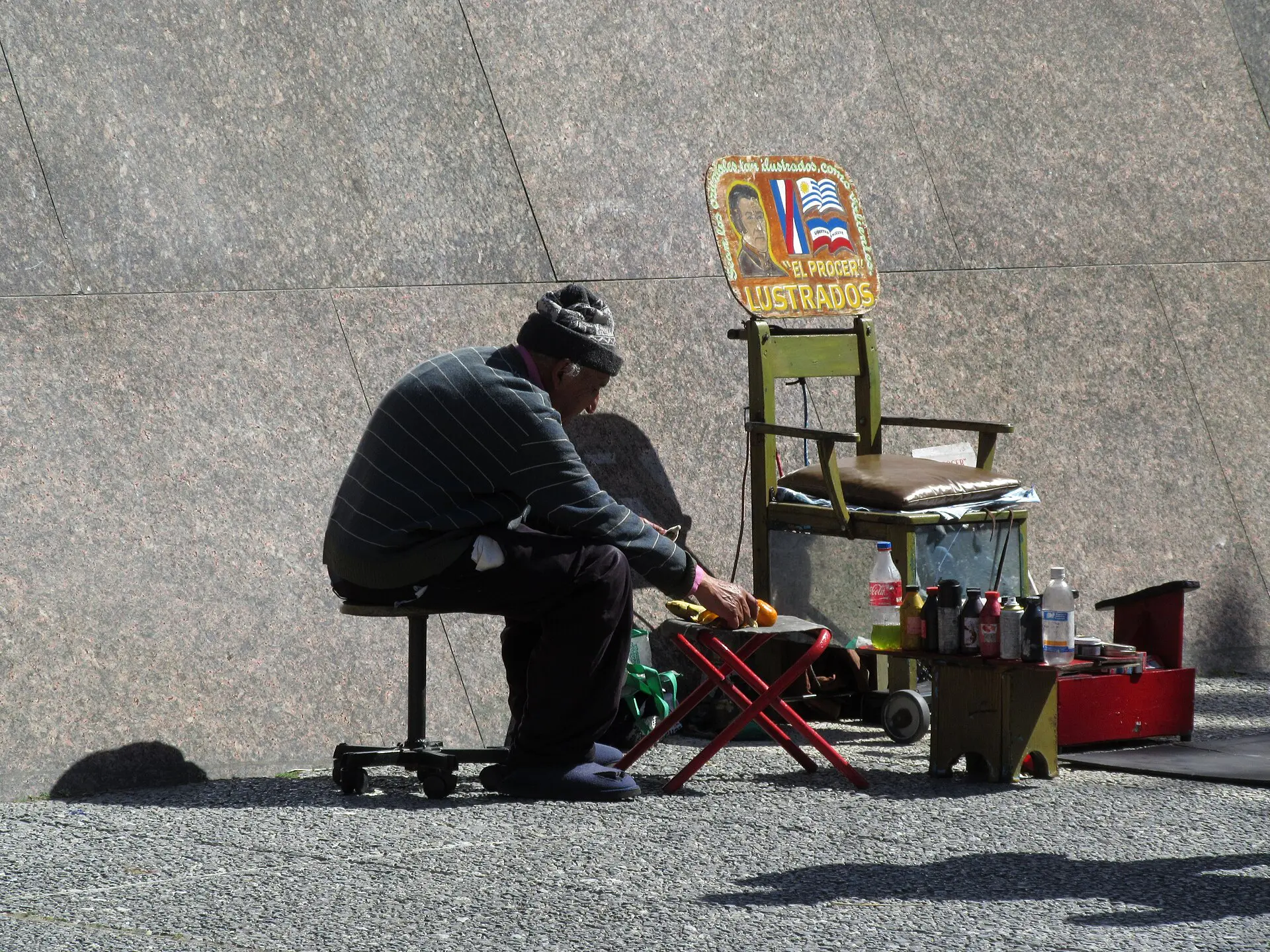
Montevideo
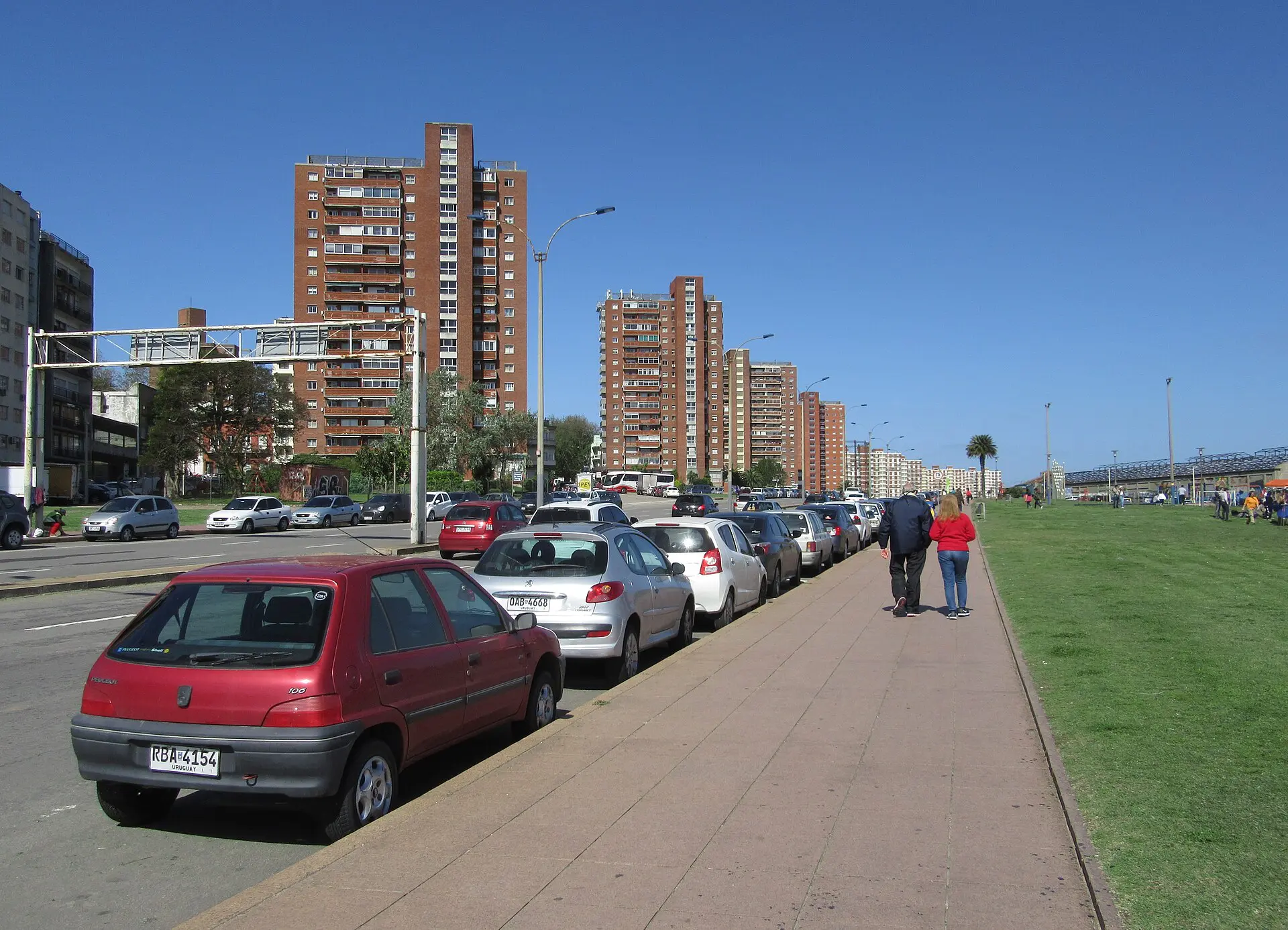
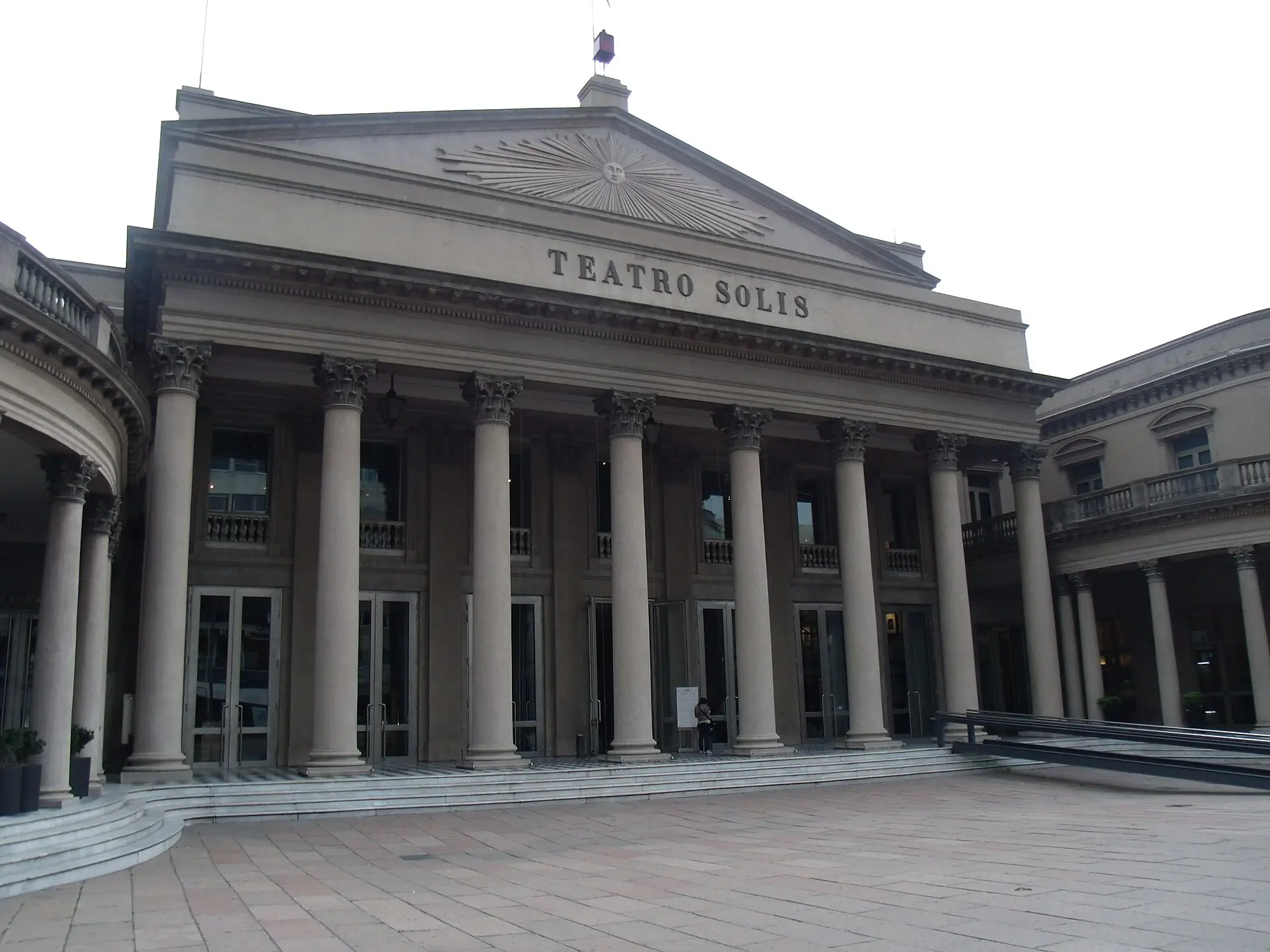
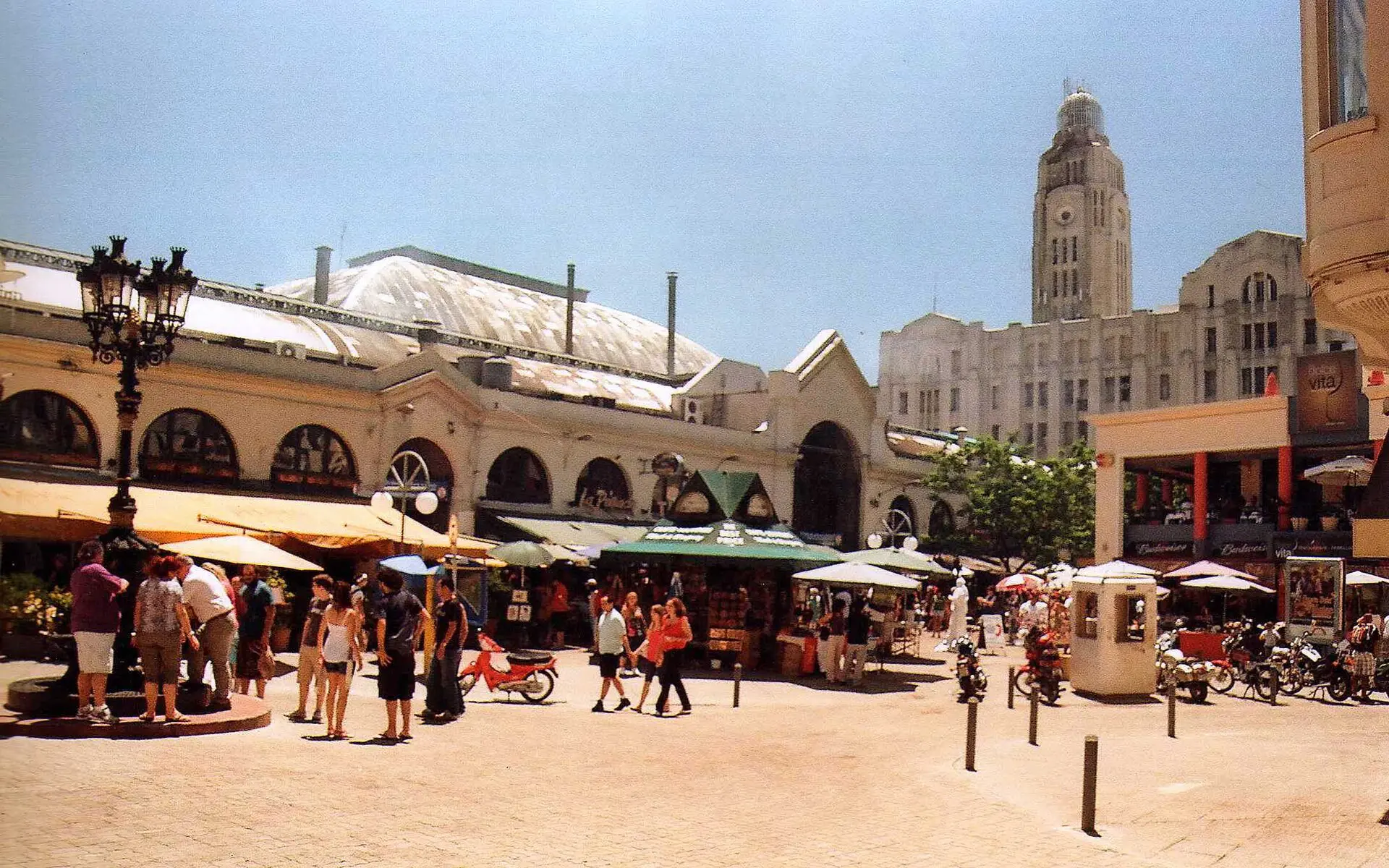
The capital has a compact old quarter, Ciudad Vieja, with Art Deco and Beaux-Arts buildings, the Teatro Solís and the busy Mercado del Puerto. A long riverfront promenade, the Rambla, runs for kilometres past city beaches and is where locals walk with a mate flask at sunset.
Colonia del Sacramento
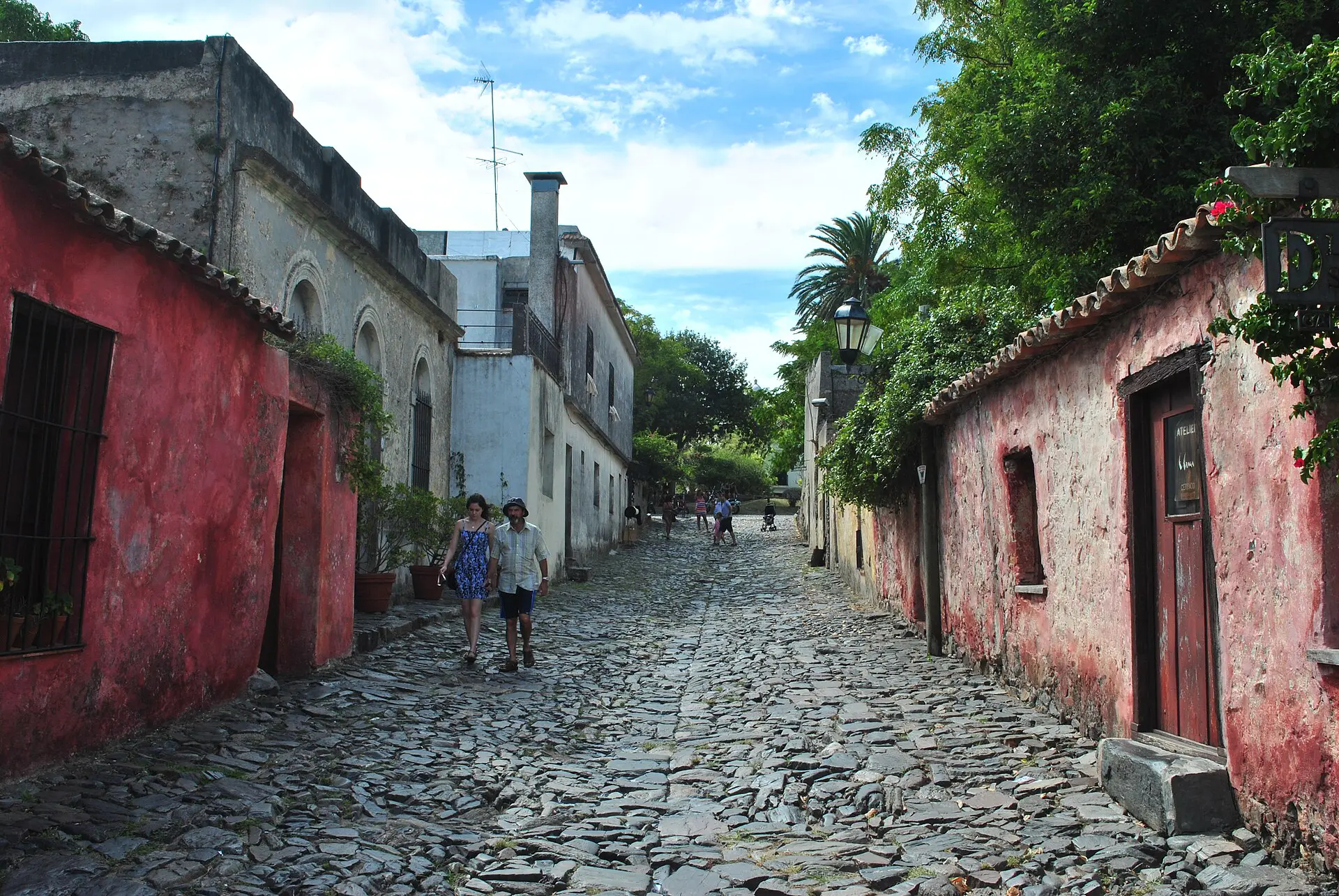
Founded by the Portuguese in 1680, Colonia is a UNESCO World Heritage Site with cobbled lanes, a lighthouse and low stone houses facing the river. It is a one-hour ferry ride from Buenos Aires, so many visitors come for a day, but an overnight stay lets you see it without the crowds.
Punta del Este
The country’s glamorous resort sits on a peninsula with calm beaches on one side and Atlantic surf on the other. It is busiest from late December to February. The nearby village of José Ignacio is quieter and known for its restaurants.
Cabo Polonio and Rocha
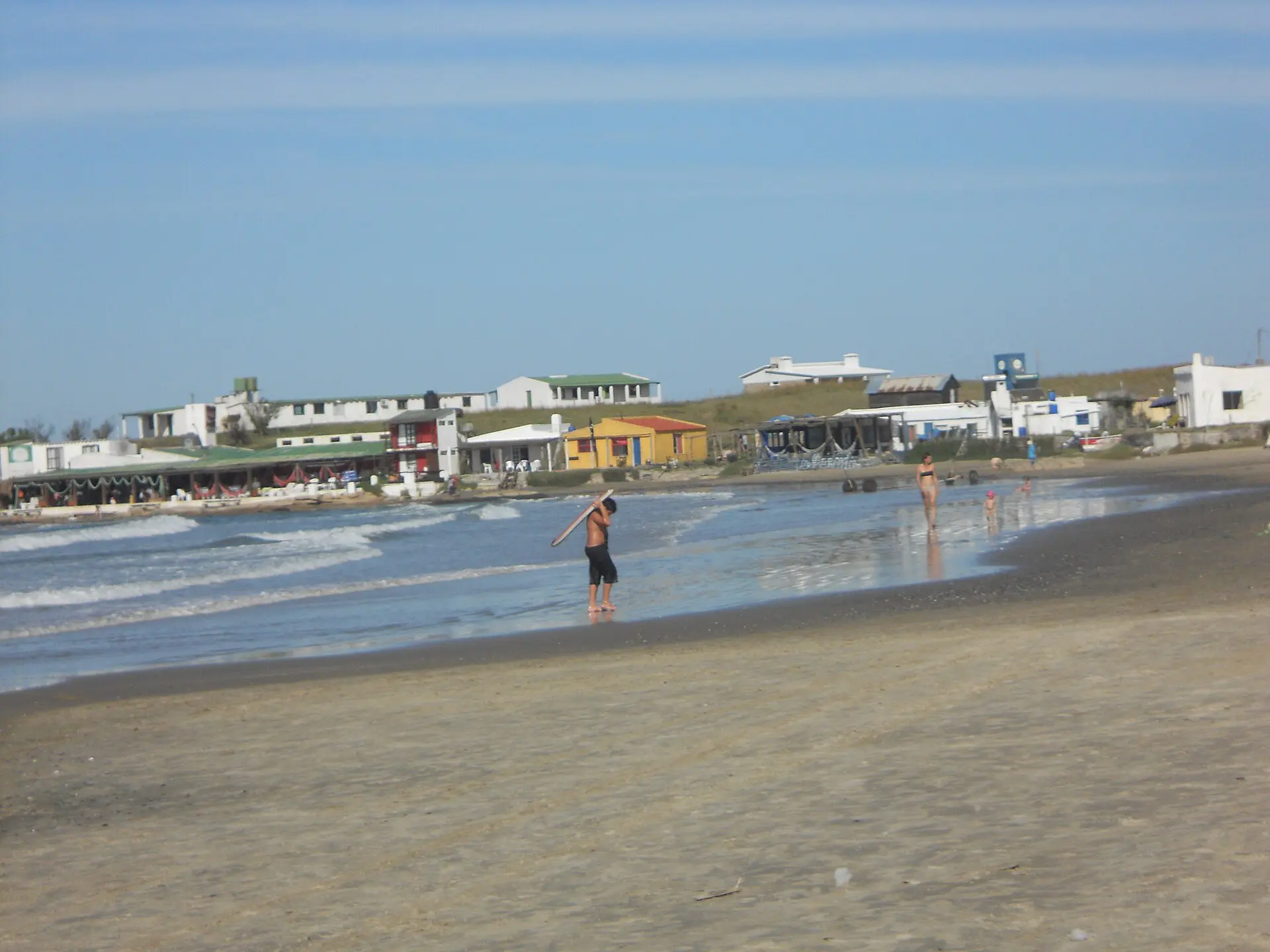
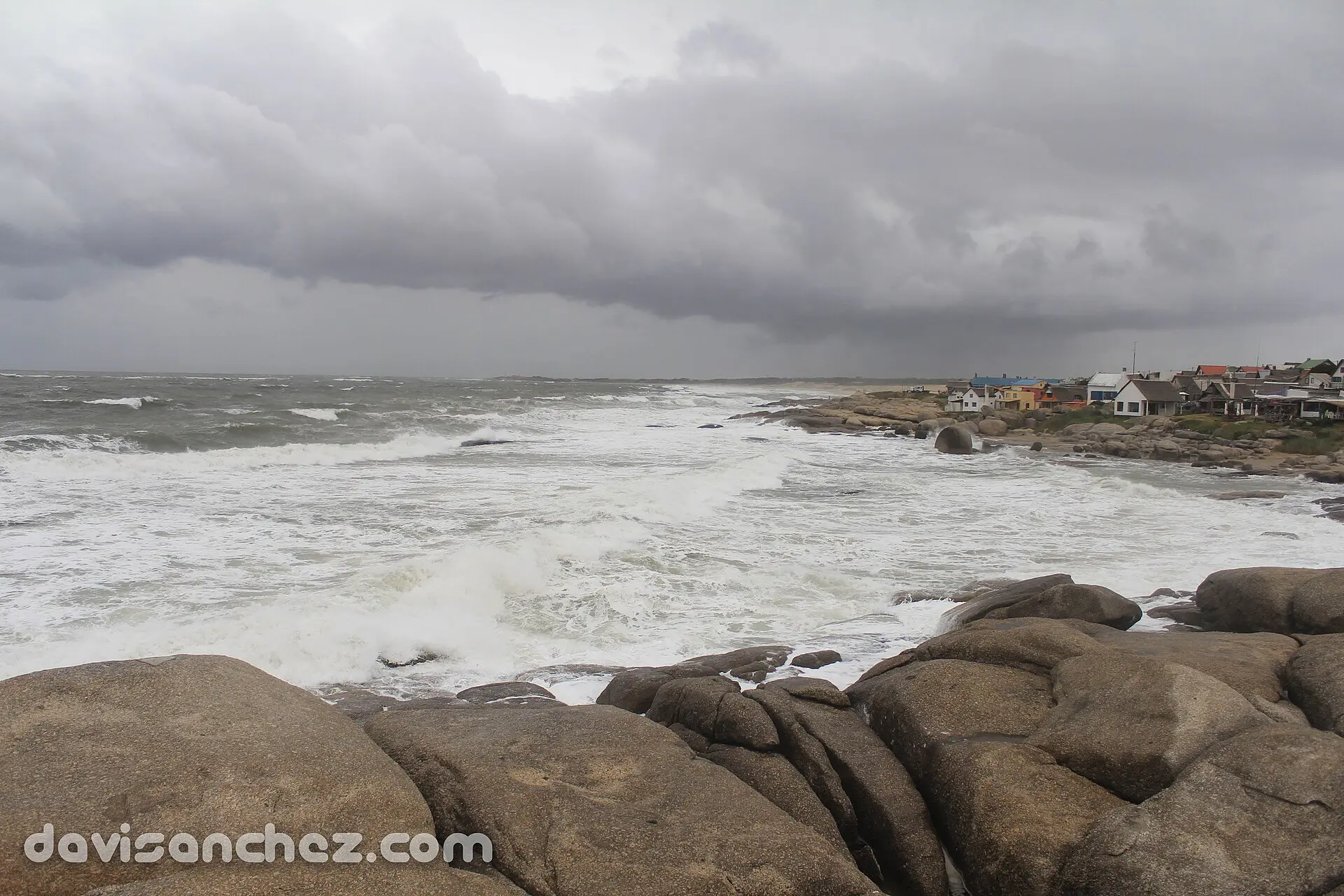
Cabo Polonio is a small settlement of dunes, a lighthouse and a sea-lion colony with no mains electricity, reached on foot or by 4×4 truck. Nearby Punta del Diablo and Barra de Valizas offer surf, fishing-village charm and wide empty beaches.
Salto and the thermal springs
On the Uruguay River in the northwest, Salto and Paysandú have thermal pools that are popular with Uruguayans and Argentines in winter, plus historic town centres that few foreign visitors reach.
Fray Bentos
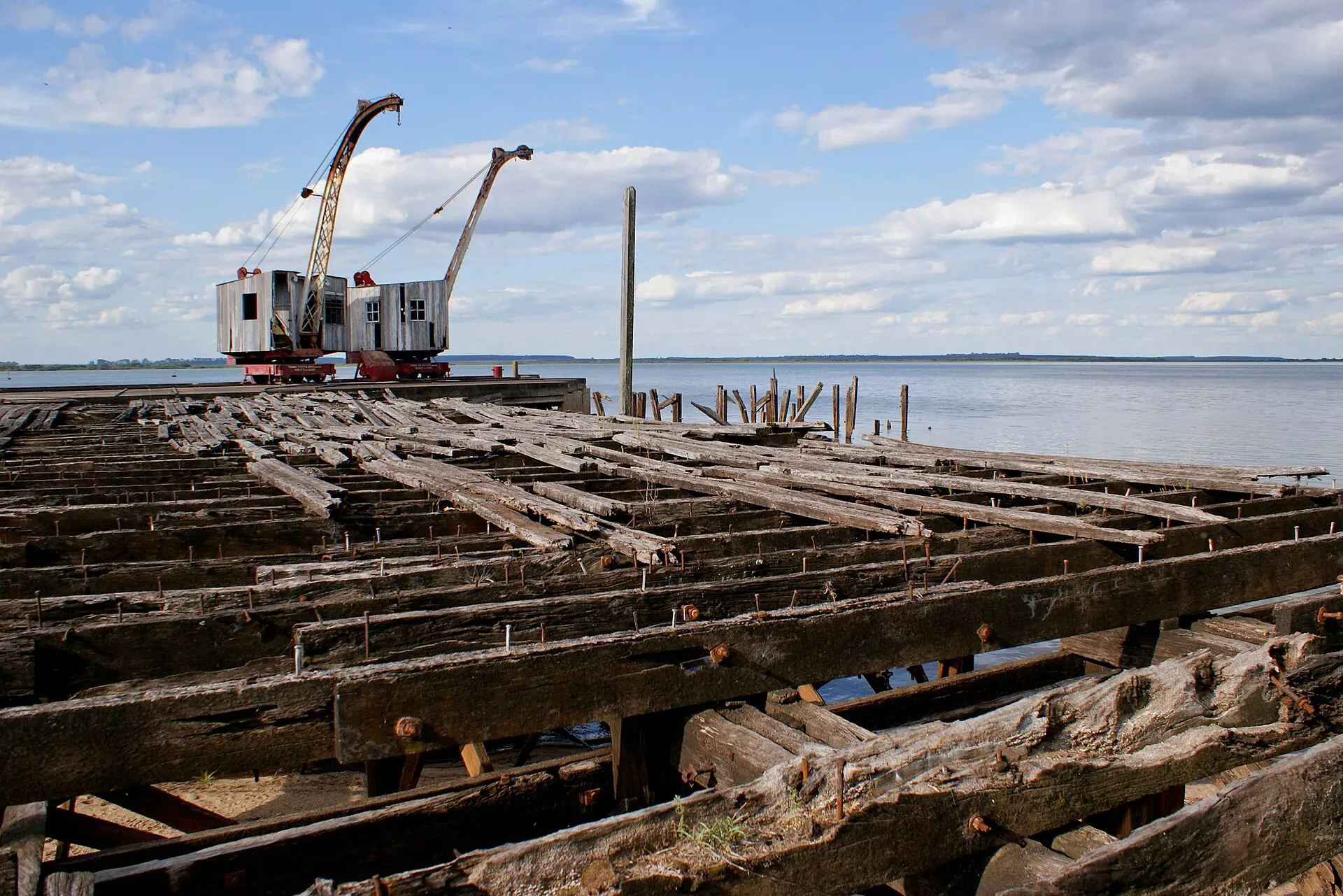
This riverside town holds a former meat-processing complex that is now a UNESCO-listed industrial landscape and museum, a good stop for anyone interested in how beef shaped the country.
Top things to do in Uruguay
The top things to do in Uruguay mix easy city walking, beach time and food experiences, and most of them can be done on a short trip.
- Walk the Rambla in Montevideo: follow the waterfront promenade at sunset like the locals do, with a thermos of mate.
- Eat at Mercado del Puerto: the old iron-roofed market hall is packed with grill restaurants serving beef and sausages.
- Wander Colonia’s old town: climb the lighthouse and walk the stone lanes toward the river.
- See the sea lions at Cabo Polonio: a lighthouse and dune walk lead to a colony on the rocks.
- Visit a Tannat winery: estates around Canelones and Carmelo offer tastings of the country’s signature red.
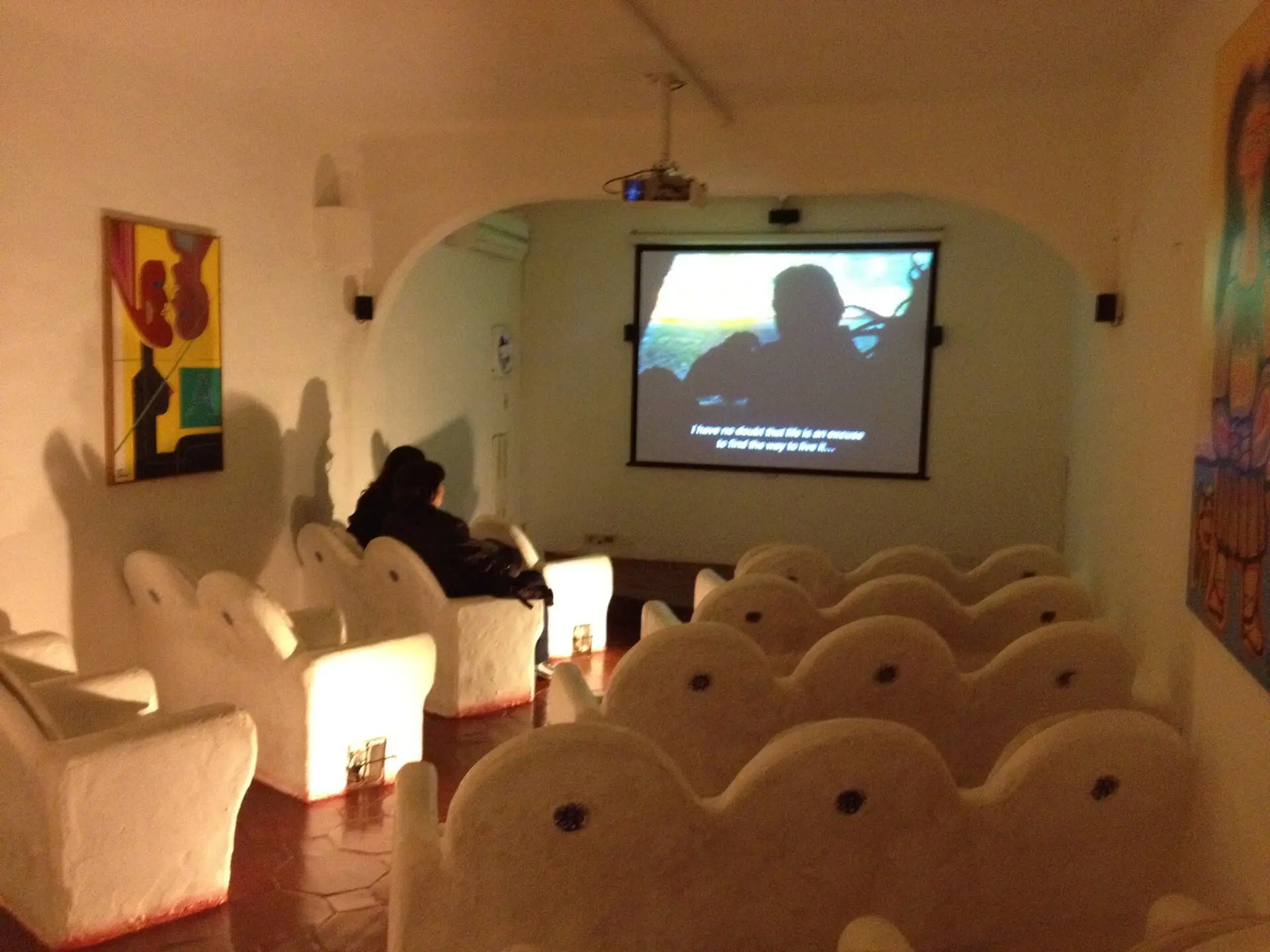
- Watch sunset at Casapueblo: the white cliffside building near Punta del Este was the home and studio of the artist Carlos Páez Vilaró.
- Surf or swim at Punta del Diablo: long Atlantic beaches with a laid-back fishing-village feel.
- Go whale watching: southern right whales pass the Rocha and Maldonado coast from roughly July to October.
- Join Carnival: Montevideo’s festival, usually from late January into February, is often described as one of the longest in the world.
- Spend a day on an estancia: ranch stays in the interior offer horse riding and a traditional asado.
Best time to visit Uruguay
The best time to visit Uruguay is November to March for beaches and outdoor life, with the shoulder months of October, November, March and April giving mild weather and lower prices. Seasons are reversed compared with the northern hemisphere, so December to February is high summer. Uruguay has no mountains to block weather fronts, so conditions can change quickly and winds are common on the coast.
| Season | Weather | Crowds and prices | Good for |
|---|---|---|---|
| Summer (Dec-Feb) | Warm to hot, often around 28 C, with some storms | Highest on the coast, especially late Dec to Jan | Beaches, Carnival, Punta del Este |
| Autumn (Mar-May) | Mild, sunny, cooling by May | Falling quickly after Easter | Colonia, wine harvest, city breaks |
| Winter (Jun-Aug) | Cool and damp, frost is rare | Low; many beach businesses close | Montevideo, thermal springs, whales from July |
| Spring (Sep-Nov) | Mild, changeable, warming up | Moderate, rising in November | Cycling, estancias, quiet beaches |
If you want to see the country at its liveliest, accept the summer prices and book ahead; if you want space, go in spring or autumn.
Is Uruguay safe to visit?
Yes, Uruguay is generally considered one of the safer countries in South America, and most visits pass without problems. Crime is lower than in neighbouring countries but not absent, and the most common issues are petty theft and opportunistic bag or phone snatching in Montevideo. Check your government’s current travel advice, such as the UK FCDO or US State Department pages, before you go.
City precautions. In Montevideo, avoid walking alone late at night in Ciudad Vieja after the offices close, and do not use your phone openly on the street or from a taxi window. Keep valuables out of sight in parked cars and on beaches.
Beaches and weather. Atlantic beaches can have strong currents, and many have lifeguards only in the summer season, so swim where flags and guards are present. Sudden storms and wind are common.
Roads and health. Rural roads often have livestock and few lights, so avoid driving long distances after dark. Tap water is generally safe to drink, and healthcare is good in the cities. Carry travel insurance with medical cover.
Visa and entry requirements for Uruguay
Entry rules depend on your nationality. Citizens of many countries, including those of the EU, UK, US, Canada and Australia, have generally been able to enter for short tourist stays without a visa, but rules change, so confirm the current requirement for your passport with the Uruguayan foreign ministry or your nearest embassy before booking.
Bring a passport valid for the length of your stay. Immigration officers can ask for proof of onward travel and accommodation. Uruguay is a Mercosur member, and citizens of some neighbouring countries can enter with national ID cards, which does not apply to most other visitors.
If you arrive by ferry from Buenos Aires, immigration checks usually take place at the port, and Uruguayan and Argentine officers often share a single process. Land crossings with Brazil and Argentina are open, and queues are longest at summer weekends. The UNESCO page for Uruguay is useful for planning heritage stops, though it does not cover entry rules. If you plan to drive a rental car across borders, check the paperwork with the rental company in advance.
Getting to and around Uruguay
Most international visitors fly into Carrasco International Airport near Montevideo, which has flights from Buenos Aires, São Paulo, Santiago, Madrid and several other cities. Many visitors instead take a ferry from Buenos Aires to Colonia, which takes around one hour on the fastest services, or to Montevideo, which takes longer, then continue by bus. The routes are operated by competing ferry companies, and prices vary by season.
Uruguay has no useful passenger rail network, but intercity buses are comfortable, frequent and run from Montevideo’s Tres Cruces terminal. Typical journeys are Montevideo to Colonia about two and a half hours, to Punta del Este about two hours, to Punta del Diablo about five hours and to Salto about six. Services thin out in the off-season.
A rental car makes sense for the Atlantic coast, wine country and estancias, because beaches are spread out and buses are infrequent in the evening. Driving is on the right, main roads are good and tolls apply on major routes. Cabo Polonio requires a short 4×4 transfer or a walk across dunes, which you arrange at the park entrance.
How much does a trip to Uruguay cost?
Uruguay is one of the more expensive countries in South America, and prices in the coastal resorts in January and February are well above the rest of the year. The currency is the Uruguayan peso (UYU); US dollars are accepted by many hotels and tourist businesses. Figures below are rough per-person guides and vary with exchange rates.
- Budget: around USD 50 to 80 per day, with hostel beds, buses, supermarket food and cheap set lunches.
- Mid-range: around USD 100 to 170 per day, with private hotel rooms, restaurant meals and some car hire or taxis.
- High-end: from around USD 250 per day, with boutique hotels in Punta del Este or José Ignacio, wineries and private transfers.
Accommodation is the biggest swing factor, followed by restaurant meals and car rental. Beef is good value in local grill restaurants, but imported goods and eating out at beach resorts are costly. Foreign tourists paying with foreign cards have sometimes been eligible for VAT refunds on some hotel and restaurant bills under local programmes, so ask when paying. Check whether that scheme currently applies.
Uruguay food and drink
Uruguay food is built around beef, grilled over wood or charcoal, with strong Italian and Spanish influence. Bread, pasta and sweets are common, and portions are large.

- Asado and parrillada: mixed grilled meats, sausages and offal, served at the table on a small brazier.
- Chivito: a steak sandwich piled with ham, cheese, egg and salad, often called the national sandwich.
- Milanesa: breaded beef or chicken cutlets, sometimes served napolitana with tomato and cheese.
- Dulce de leche and alfajores: milk-caramel desserts and sandwich cookies, sold everywhere.
- Mate: a bitter herbal infusion drunk from a gourd, carried everywhere with a thermos of hot water.
- Tannat: the dark, tannic red grape that is the country’s signature wine.
- Medio y medio: a mix of white wine and sparkling wine, served in traditional cafés.
Vegetarians can find salads, pasta, pizza and fainá (chickpea flatbread), but should expect meat to dominate menus. Good places to eat include Mercado del Puerto in Montevideo and the roadside parrillas along the coast. Wineries around Canelones and Carmelo often serve lunch if you book.
Culture, language and etiquette in Uruguay
Spanish is the national language, spoken with a Río de la Plata accent that is close to Argentine Spanish. English is common in tourist businesses in Montevideo, Colonia and Punta del Este but less common elsewhere, so a few basic phrases help. Near the Brazilian border, many people also speak a Portuguese-Spanish mix known as portuñol.
Uruguay is one of the most secular countries in the Americas, and church attendance is low. Society is socially liberal: same-sex marriage is legal, and the country was the first in the world to fully legalise cannabis, although this does not extend to casual public consumption by visitors, so check the rules. Most Uruguayans descend from Spanish and Italian immigrants, and Afro-Uruguayan traditions are visible in the candombe drumming that drives Carnival.
Greet people with a handshake or a single kiss on the cheek between friends. Mate sharing is a social ritual: if offered, accept, and hand the gourd back when you finish without saying thanks until you are done. Dinner is late, often after 9 pm. Football is a national passion, so avoid criticising the national team.
Uruguay itinerary: a 7-day route
This route starts in Montevideo and follows the coast east by bus or rental car, with a short ferry link to Argentina if you wish to extend.
- Day 1, Montevideo: arrive, walk the Rambla and have dinner in Ciudad Vieja.
- Day 2, Montevideo: see Plaza Independencia, Teatro Solís and Mercado del Puerto, then the Parque Rodó area in the afternoon.
- Day 3, Colonia del Sacramento: travel about two and a half hours west, walk the old town and watch sunset over the river.
- Day 4, Wine country and Punta del Este: return east, stop at a Canelones winery for lunch, then continue to Punta del Este, about three hours with the stop.
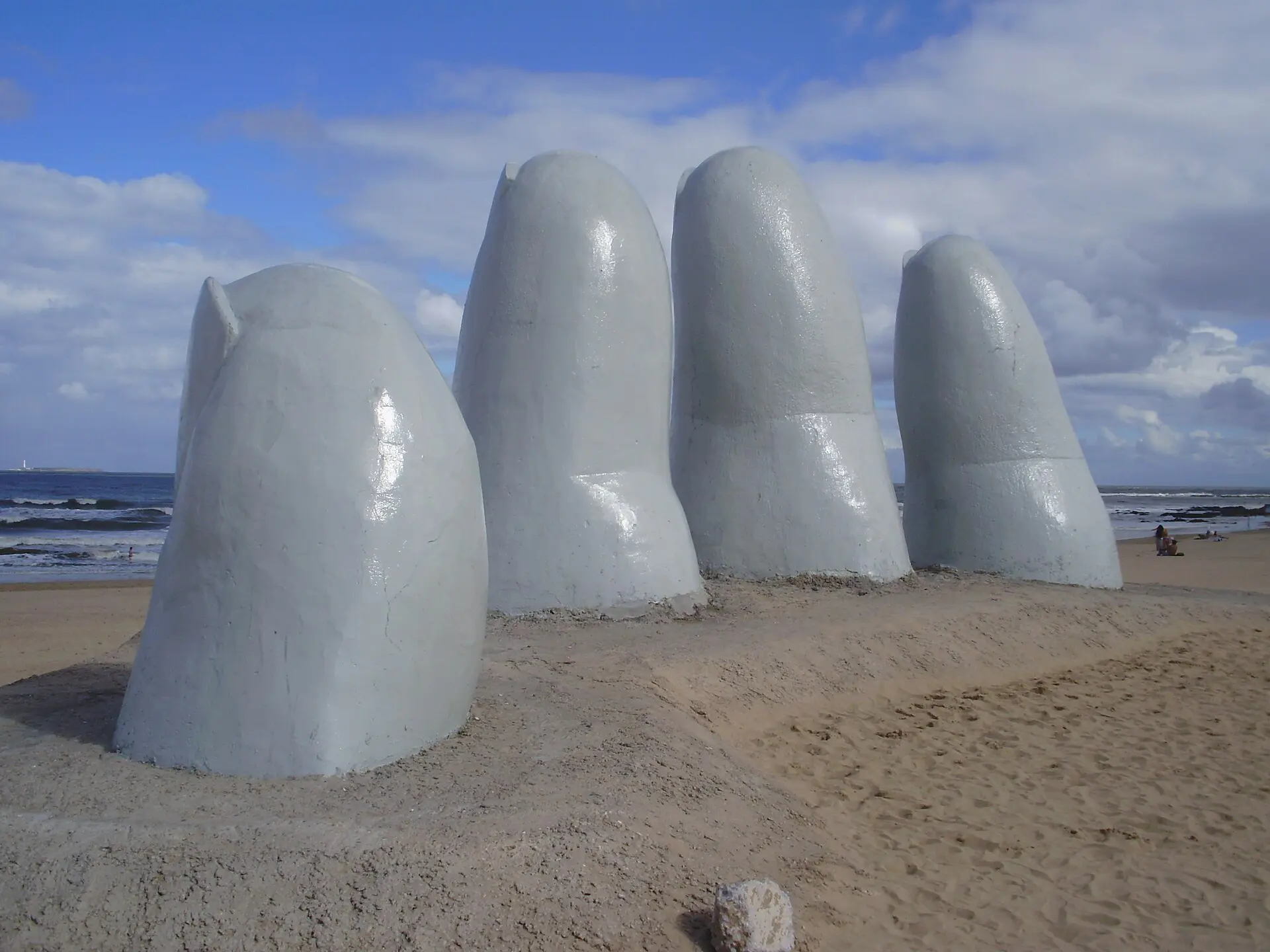
- Day 5, Punta del Este and José Ignacio: visit Casapueblo, the Mano en la Arena and a quiet beach.
- Day 6, Cabo Polonio: head to Rocha, about two to three hours, take the 4×4 transfer and see the lighthouse and sea lions.
- Day 7, return to Montevideo: allow around four hours by road for the airport.
With extra days, add Punta del Diablo or Salto’s thermal pools. In winter, replace the beaches with more time in Montevideo and the wine country.
Practical tips for Uruguay
- Money: the Uruguayan peso is the local currency; ATMs are common in towns, and cards are widely accepted in hotels and restaurants. Carry some cash for small shops and rural areas.
- SIM and eSIM: prepaid local SIMs and eSIMs are available at the airport and in shops, and mobile coverage is good along main routes. Check your home plan for roaming charges.
- Plugs: types C, F and L at 230 V; bring an adaptor if your plug differs.
- Tipping: around 10 percent in restaurants is customary, and small change for taxi drivers and porters is appreciated.
- Health: tap water is generally drinkable, pharmacies are plentiful and sunscreen matters in summer, since the UV index is high.
- Packing: layers and a windproof jacket for the coast, even in summer, plus comfortable shoes for cobbled towns.
- Opening hours: shops often close for a long lunch in smaller towns, and many beach restaurants shut from April to November.
- Booking: reserve beach hotels and Carnival-period accommodation early.
For wider background, see the Wikivoyage Uruguay guide.
FAQ
Q1Is Uruguay safe?
Yes, for most visitors. Uruguay is among the safer countries in South America, though petty theft and phone snatching occur in Montevideo. Avoid empty streets at night, keep valuables out of sight and swim only at guarded beaches. Check your government's current travel advice before you go.
Q2What is the best time to visit Uruguay?
November to March is best for beaches, with December to February the hottest and busiest. October, November, March and April give mild weather and lower prices. Winter is cool and damp, and many coastal businesses close, though Montevideo and the thermal springs stay open.
Q3What are the best things to do in Uruguay?
Top picks are walking the Montevideo Rambla, exploring Colonia's old town, seeing sea lions at Cabo Polonio, tasting Tannat wine near Canelones, watching sunset at Casapueblo and eating a traditional asado. Carnival in Montevideo is a highlight in late January and February.
Q4Is Uruguay expensive?
Yes, by South American standards. Mid-range travellers should plan for roughly USD 100 to 170 per day, and beach resorts cost more in January and February. Budget travellers can manage on around USD 50 to 80 using hostels, buses and cheap set lunches.
Q5What are the best places to visit in Uruguay?
Montevideo, Colonia del Sacramento and Punta del Este are the main draws. For quieter options, Cabo Polonio, Punta del Diablo and José Ignacio suit beach travellers, while Salto and Fray Bentos suit history and thermal-spring fans.
Q6Do I need a visa for Uruguay?
It depends on your nationality. Many visitors, including citizens of the EU, UK, US, Canada and Australia, have been able to enter visa-free for short stays, but rules change. Confirm the requirement with the Uruguayan foreign ministry or an embassy before you book.
Q7How many days do you need in Uruguay?
Seven days covers Montevideo, Colonia, Punta del Este and Cabo Polonio at a steady pace. A long weekend works for Montevideo and Colonia only, and adding three or four days lets you slow down on the Atlantic coast or visit the interior.