Why visit Brazil
The things to do in Brazil are spread across a country of about 8.5 million square kilometres, covering most of the Amazon basin, a 7,491-kilometre Atlantic coastline, savannas, wetlands and plateaus (see the Wikipedia overview for background). It is the only Portuguese-speaking country in the Americas, and its culture blends Indigenous, African, European and Asian influences, most visibly in Salvador and São Paulo.
Brazil suits travellers who want big landscapes, music, beaches and city life in the same trip, and who are willing to plan around distance. Domestic flights are normal, and a sensible trip links two or three regions, such as Rio and Iguaçu, or Salvador and the northeast coast. It is less suited to travellers who want a quick, low-effort week covering the whole country.
Best places to visit in Brazil
The best places to visit in Brazil are grouped into a few regions, and each rewards several days rather than a one-night stop.
Rio de Janeiro
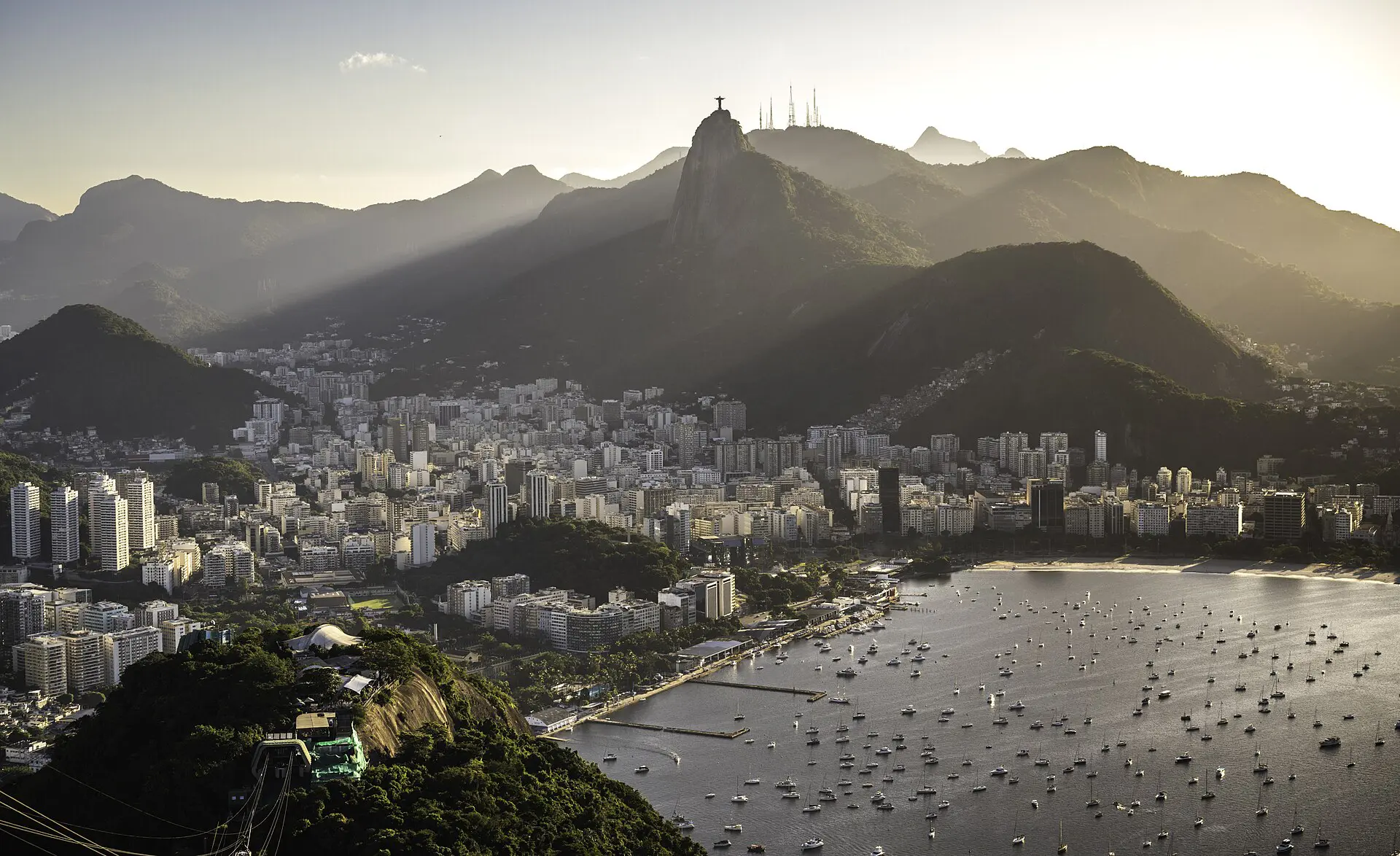
Rio combines mountains, beaches and a dense urban core. Christ the Redeemer on Corcovado, Sugarloaf Mountain, Copacabana and Ipanema are the classic sights, and the Santa Teresa and Lapa districts add history and nightlife. Rio was the capital until 1960.
Iguaçu Falls
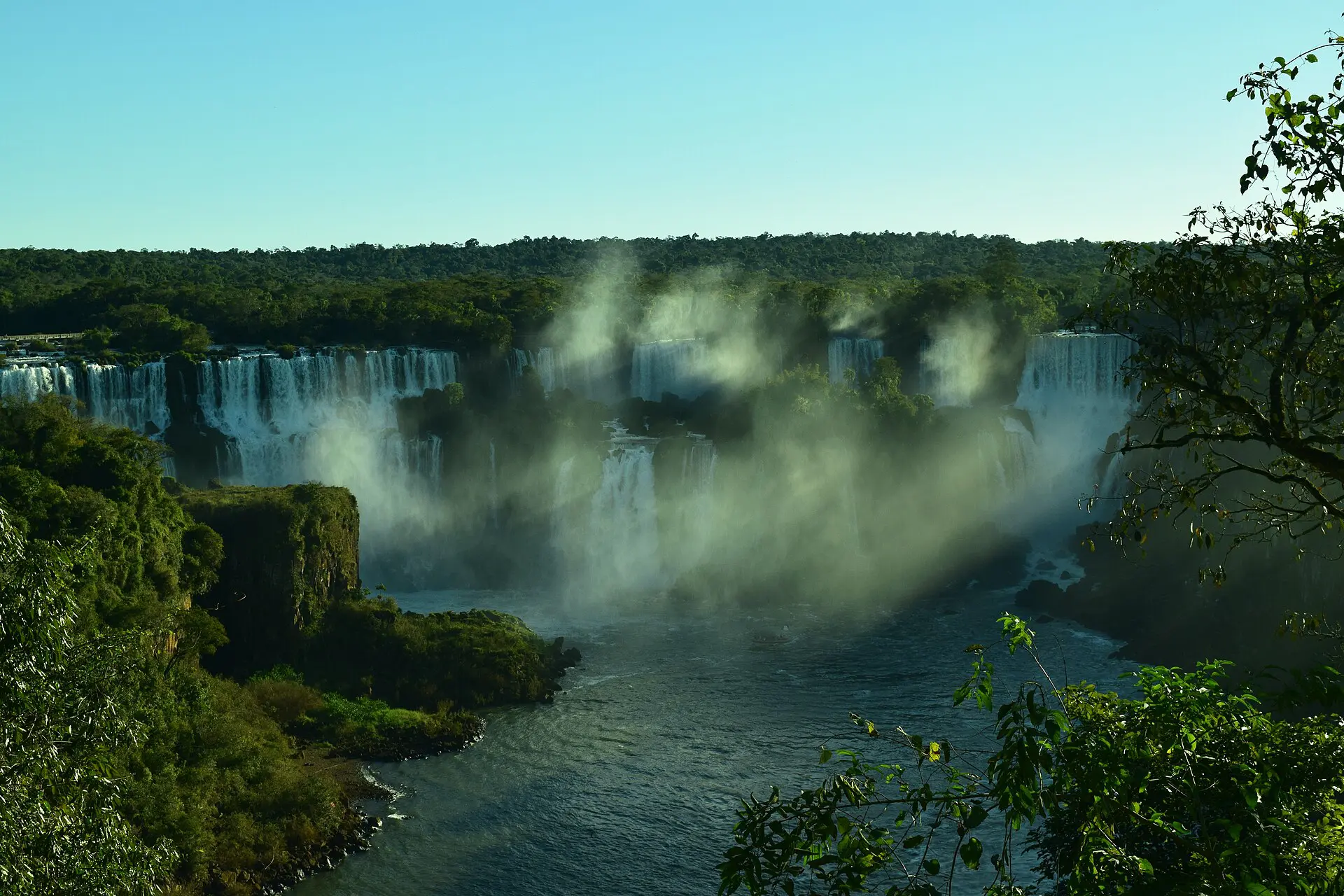
On the border with Argentina, this wide system of waterfalls is one of the largest in the world. The Brazilian side offers panoramic views, while the Argentine side gets closer to the water. Many visitors do both over two days.
Salvador and Bahia
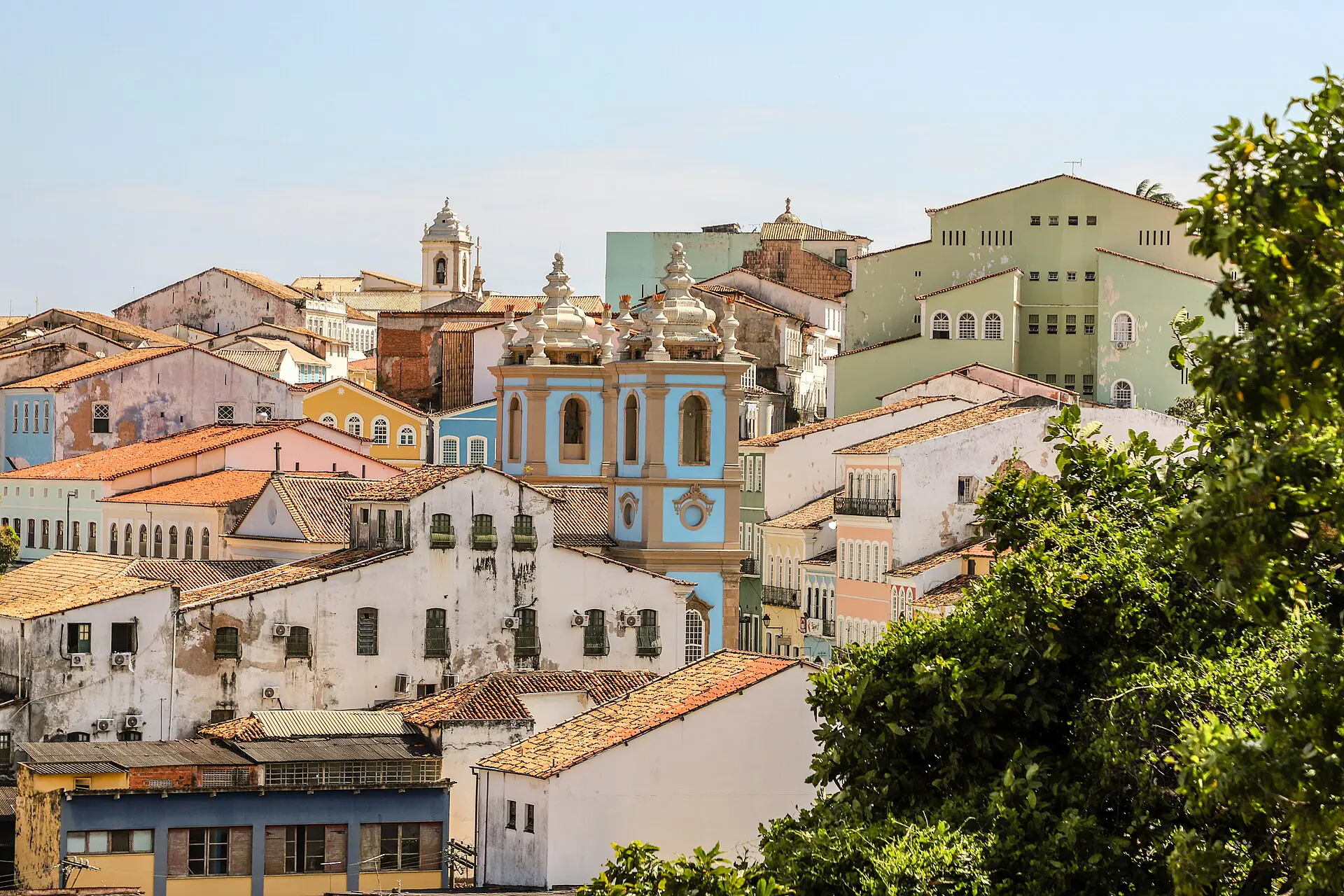
Salvador was Brazil’s first capital and has the strongest Afro-Brazilian culture of any major city. The Pelourinho historic centre, capoeira and candomblé heritage and Bahian cooking are the draw, with beaches nearby.
The Amazon and Manaus
Manaus is the gateway to the rainforest, where the Negro and Solimões rivers meet. Lodges and river trips arrange wildlife, canoe and village visits. Choose operators carefully and confirm they are licensed.
Pantanal
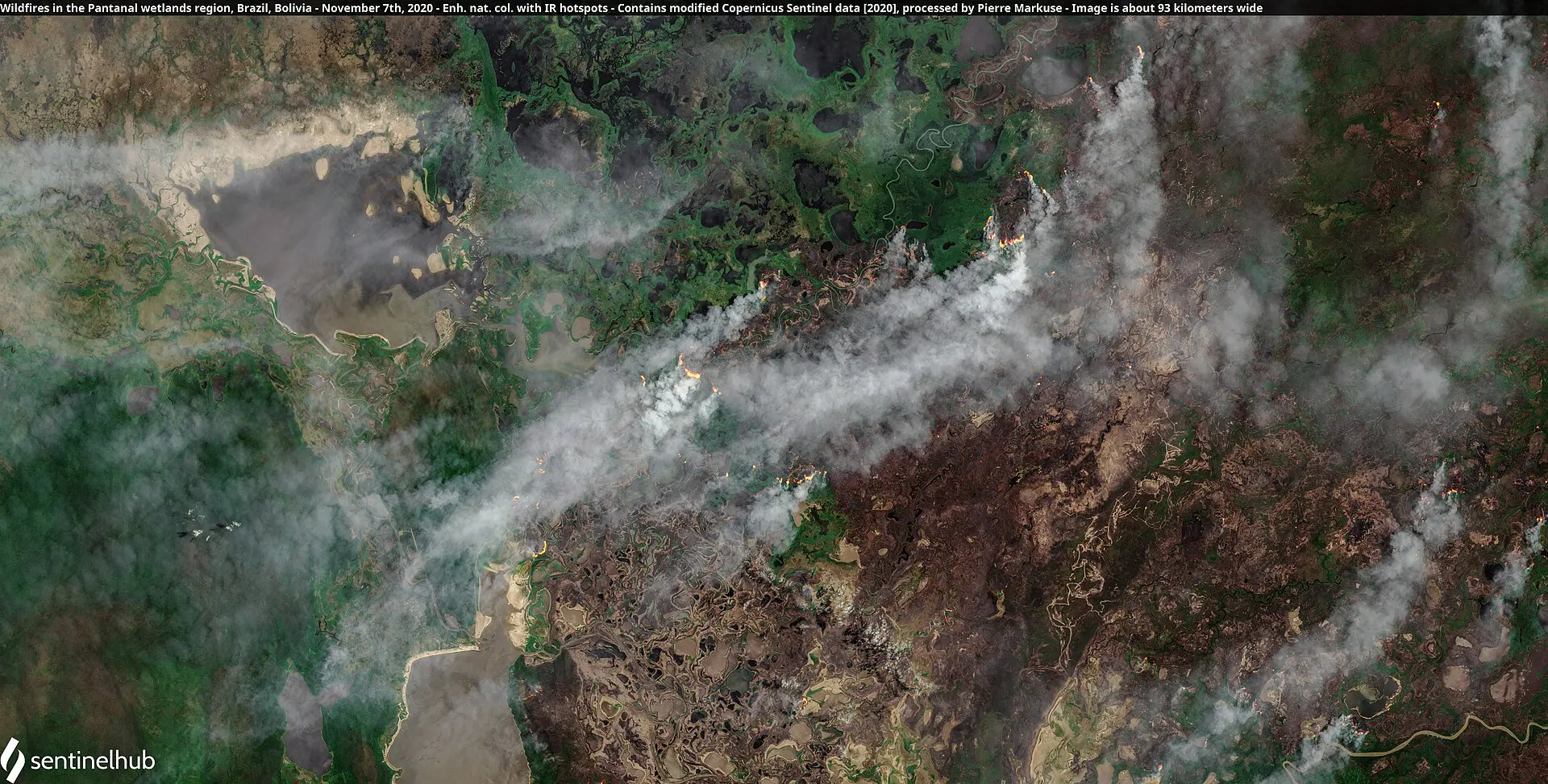
The world’s largest wetland is considered the best place in Brazil to see wildlife such as caimans, giant otters and, with luck, jaguars. The dry season makes animals easier to spot.
Brasília, Florianópolis and Fernando de Noronha
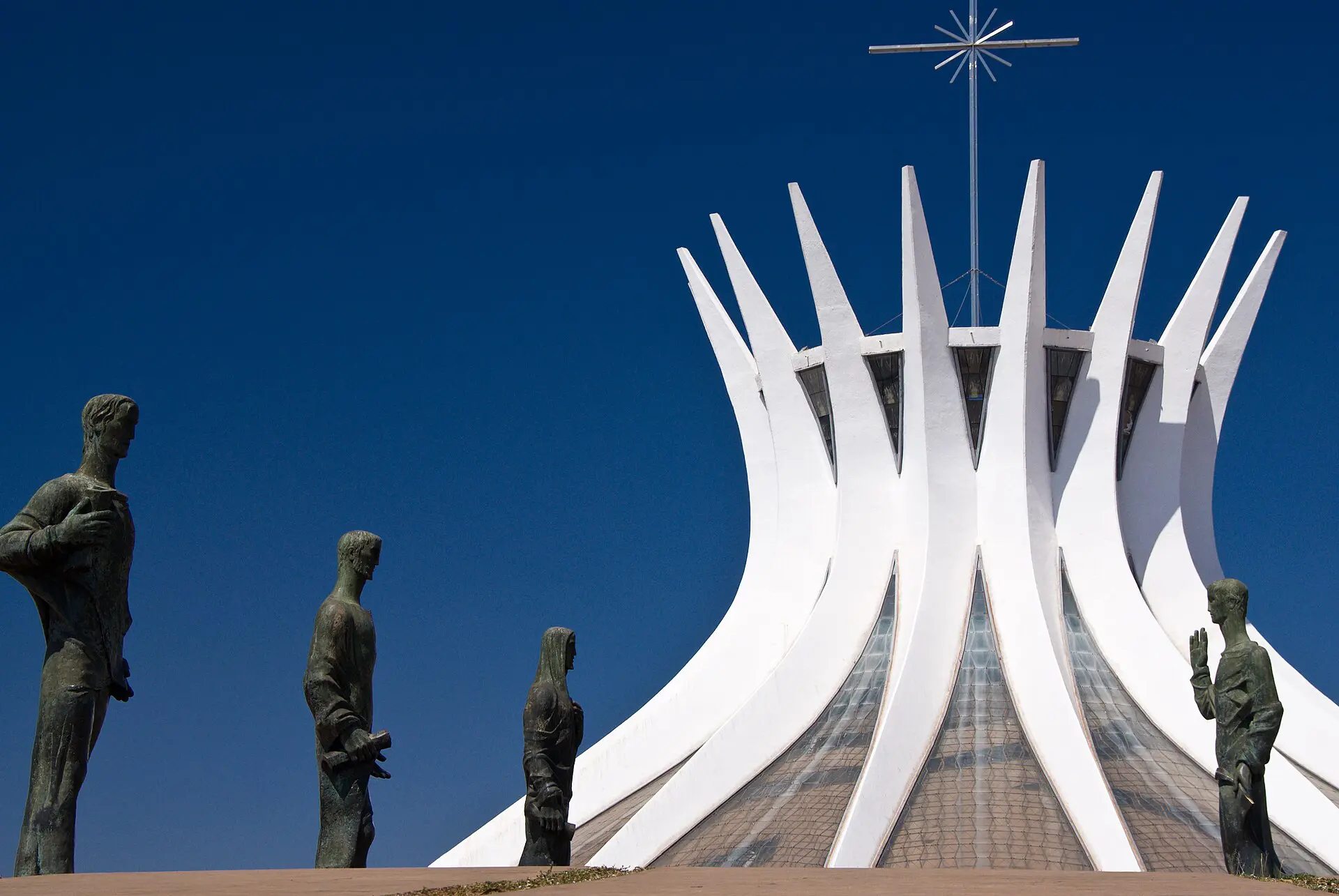
Brasília is a planned capital with notable modernist architecture. Florianópolis offers more than 40 beaches on an island in the south, and Fernando de Noronha is a protected Atlantic archipelago with some of Brazil’s best diving.
Top things to do in Brazil
The top things to do in Brazil combine headline sights with regional experiences that vary by season.
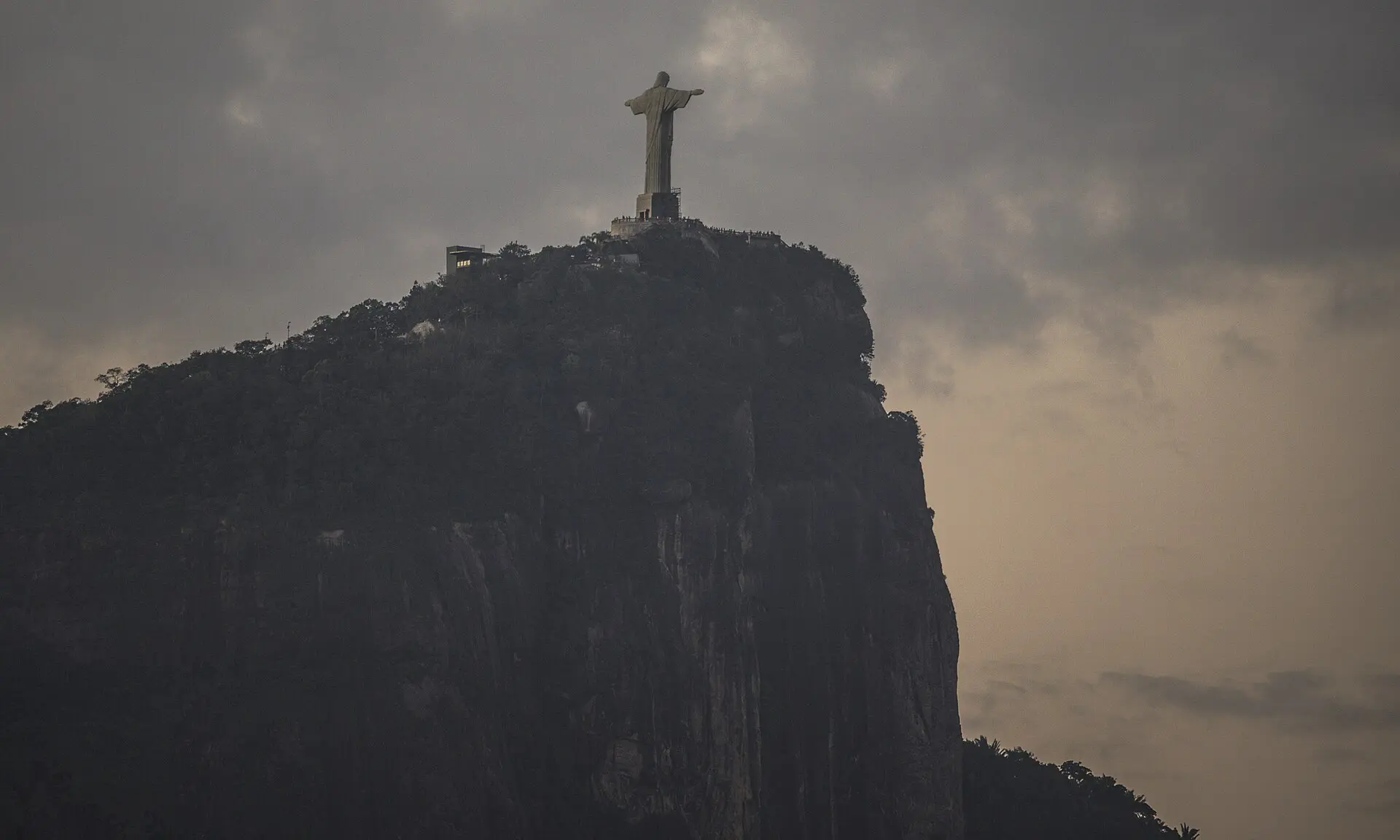
- See Christ the Redeemer: take the train or a van up Corcovado in Rio, and go early in the morning for clearer views.
- Ride up Sugarloaf Mountain: the cable cars run to two summits, and sunset is the busiest time.
- Walk both sides of Iguaçu Falls: use the Brazilian trails for views and the Argentine side for close-up walkways.
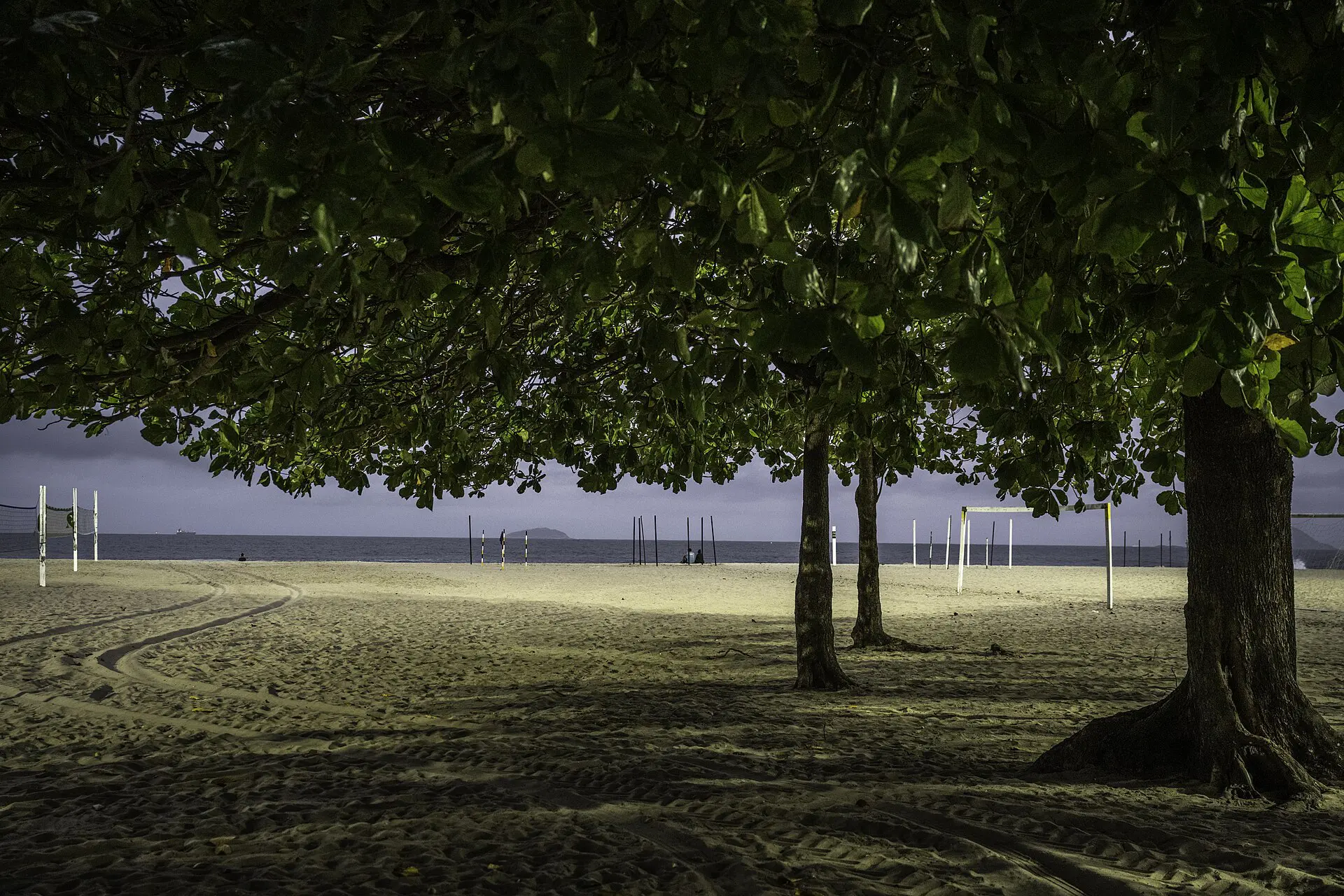
- Spend a day at Copacabana and Ipanema: swim, drink coconut water and watch the sunset from Arpoador.
- Explore Pelourinho in Salvador: the colourful colonial streets host drumming groups and Afro-Brazilian cultural centres.
- Go wildlife spotting in the Pantanal: boat and open-vehicle safaris are the main way to see caimans and birds.
- Take an Amazon river trip from Manaus: multi-day lodge stays cover jungle walks and night canoe rides.
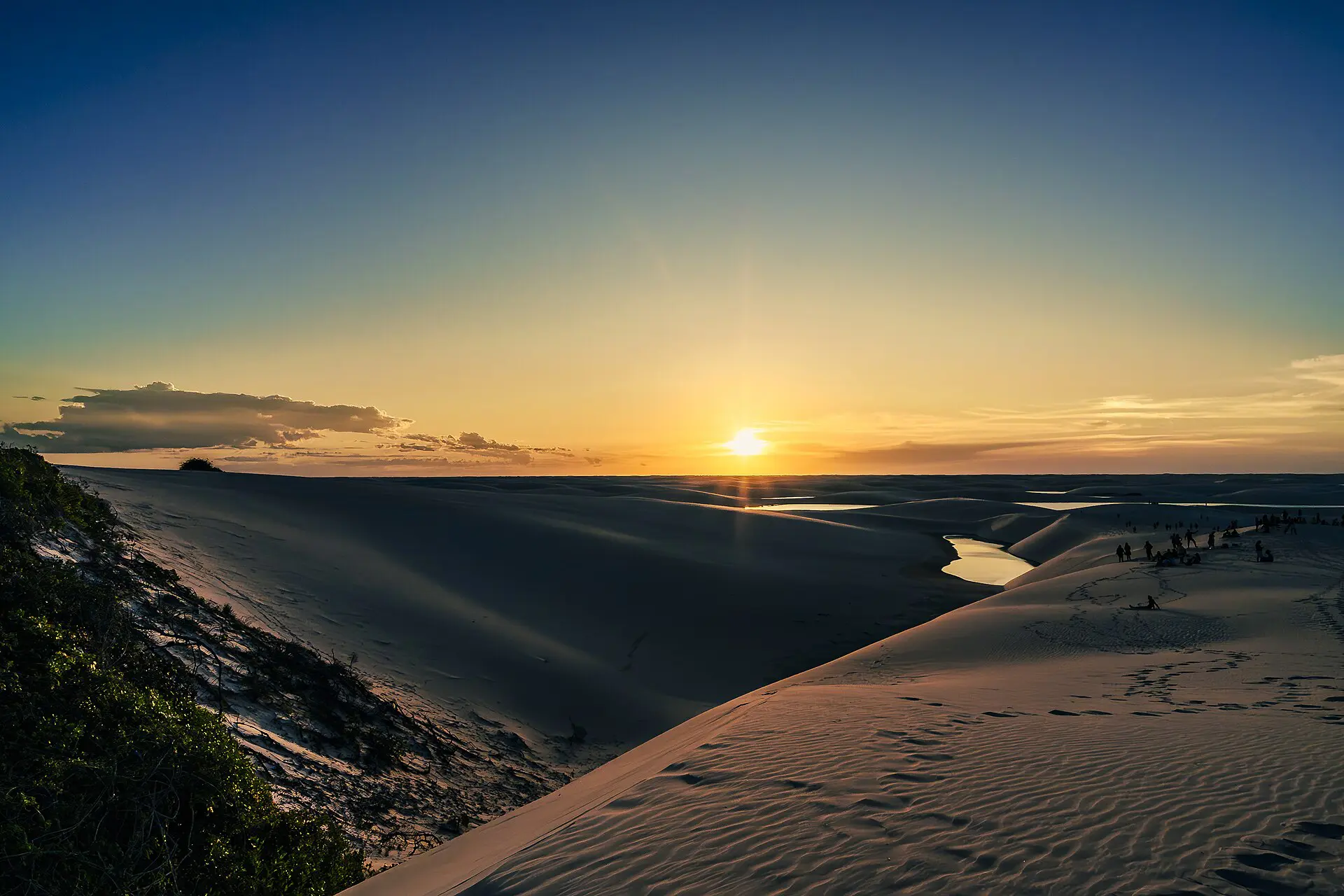
- Walk the Lençóis Maranhenses dunes: white dunes fill with turquoise lagoons after the rains, usually between June and September.
- Visit Ouro Preto: this colonial gold-rush town in Minas Gerais has baroque churches on steep streets.
- See Carnival: Rio, Salvador and Olinda host the biggest celebrations before Lent, so book months ahead.
Best time to visit Brazil
The best time to visit Brazil depends on where you go, but May to September gives dry weather in the Pantanal, the Amazon’s lower-water season, and comfortable temperatures in Rio, Iguaçu and the south. December to March is hot, humid and busy with Brazilian holidaymakers, and includes Carnival, which falls in February or early March.
| Season | Weather | Crowds and prices | Good for |
|---|---|---|---|
| Dec-Mar | Hot, humid, frequent storms in the south and southeast | Highest: school holidays and Carnival | Beaches, Carnival, Rio nightlife |
| Apr-Jun | Warm; rains easing in the north and northeast | Moderate to low | Salvador, cities, Iguaçu |
| Jul-Sep | Dry across the Pantanal and centre; cooler in the south | Busy in July; falling afterwards | Wildlife, hiking, Lençóis dunes |
| Oct-Nov | Warming; rains begin in the Amazon | Low to moderate | Fernando de Noronha, southern beaches |
Northeast beaches are warm all year. The Amazon has high water roughly from April to July and low water later in the year, and each suits different activities.
Is Brazil safe?
Is Brazil safe? For most visitors it is manageable but not carefree: millions of tourists travel without incident, but street robbery, phone snatching and pickpocketing are common in large cities, and violent crime is higher than in much of Europe. Check your government’s advice, such as the UK FCDO or US State Department pages, for current regional warnings.
Cities. Keep phones out of sight on busy streets, avoid walking on empty streets or beaches after dark, and use ride-hailing apps rather than hailing taxis on the street. Do not wear visible jewellery or carry more cash than you need.
Favelas and borders. Do not enter favelas without an accredited local guide, as some areas are controlled by armed groups. Border regions with Colombia, Peru and Paraguay carry extra risk, and government advisories name some areas to avoid.
Health and nature. Yellow fever vaccination is recommended for many regions, including the Amazon and Pantanal, so ask a travel clinic. Dengue is present across Brazil, so use repellent. Rip currents are strong on many beaches; swim where lifeguards are posted.
Roads. Long-distance driving at night is risky, and bus travel is generally safer than driving yourself.
Brazil visa and entry requirements
Brazil visa rules depend on your nationality and have changed in recent years. Citizens of the UK and most EU countries have generally been able to enter visa-free for tourist stays of up to 90 days, while citizens of the US, Canada and Australia have needed an electronic visa (e-visa) since 2025. Always confirm the current requirement for your passport with the Brazilian government or the nearest Brazilian consulate before booking.
Passports should be valid for the whole stay, and airlines may ask for proof of onward travel. Entry stamps or digital records set your permitted stay, and overstaying brings fines. Some travellers coming from certain countries need an international certificate of yellow fever vaccination, so check this too.
If you plan to visit Iguaçu from both sides, the Argentine border has its own entry rules for your nationality. The UNESCO page for Brazil lists World Heritage sites you might add to a route.
Getting to and around Brazil
Most international visitors arrive at São Paulo-Guarulhos or Rio de Janeiro-Galeão, with other gateways at Brasília, Salvador, Recife and Fortaleza. Brazil is huge, so internal flights are the practical choice for journeys of more than six to eight hours. Rio to Salvador is about two hours by air, Rio to Foz do Iguaçu about two hours, and Rio to Manaus about four.
Long-distance buses are comfortable on main routes, with reclining seats on the better services, and they connect Rio and São Paulo in about six hours. Trains for passengers are limited. City metros in Rio and São Paulo are efficient, and ride-hailing apps work in most large cities.
Driving is on the right. A rental car suits the south, Minas Gerais and the northeast coast, but allow for toll roads, uneven surfaces and heavy traffic around big cities. Ferries and boats are the main transport on Amazon rivers and to islands such as Ilha Grande and Fernando de Noronha, which also has flights from Recife and Natal.
How much does a trip to Brazil cost?
Brazil is not as cheap as other South American countries, particularly in Rio, São Paulo and tourist spots such as Fernando de Noronha. The currency is the Brazilian real (BRL), and the exchange rate has moved noticeably in recent years, so the figures below are rough per-person guides in US dollars for 2026.
- Budget: around USD 35 to 70 per day, with hostel dorms, local buffets by weight, buses and free attractions.
- Mid-range: around USD 70 to 130 per day, with comfortable hotels, restaurant meals, taxis or apps and a few paid tours.
- High-end: from around USD 200 per day, with boutique hotels, private guides and domestic flights.
Domestic flights, Amazon and Pantanal lodges, and Carnival accommodation are the biggest cost drivers. Lodge packages often include meals and excursions, which makes them seem expensive but can be good value. Food at por quilo restaurants, where you pay by the weight of your plate, keeps daily costs down.
Brazil food and drink
Brazil food varies by region, with Portuguese, African and Indigenous influences. Lunch is the main meal, and rice and beans appear almost everywhere.
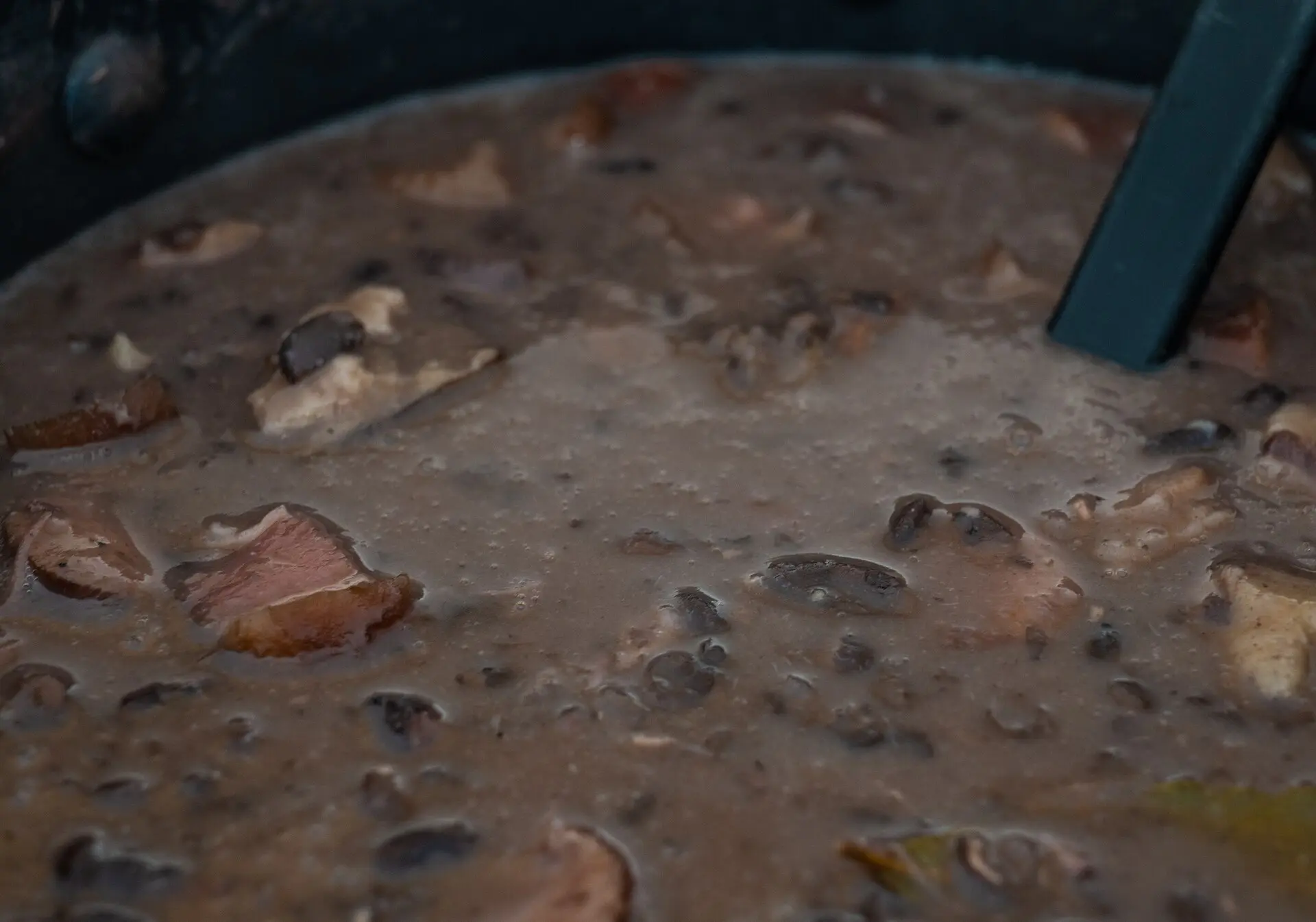
- Feijoada: a stew of black beans and pork, served with rice, greens and orange slices, traditionally on Saturdays.
- Moqueca: a fish and coconut milk stew from Bahia and Espírito Santo, with palm oil in the Bahian version.
- Pão de queijo: small cheese bread rolls, a common breakfast and snack.
- Churrasco: grilled meat served in rodízio steakhouses, especially in the south.
- Acarajé: a fried bean fritter filled with shrimp and sauces, sold on the streets of Salvador.
- Açaí: frozen, often sweetened, and served in a bowl with fruit and granola.
- Caipirinha: cachaça, lime and sugar, the national cocktail.
- Guaraná: a popular caffeinated soft drink.
Vegetarians can eat well at por quilo buffets, which have salads and vegetable dishes, but meat dominates traditional menus, so say so clearly. Tap water is not always recommended, so most visitors choose bottled or filtered water.
Culture, language and etiquette in Brazil
Portuguese is the official language, and it is not the same as Spanish: Spanish speakers are understood, but a few Portuguese words go a long way. English is spoken in tourist businesses and by younger people in big cities, but less so elsewhere. Useful phrases include obrigado or obrigada (thank you) and bom dia (good morning).
Brazilians are generally warm and informal. Greetings often involve a handshake or a light cheek kiss, and conversation tends to be relaxed about time, though business meetings and tours usually start punctually. Football, music and food are good topics, and many people are happy to explain local traditions.
Religious life is varied, with large Catholic and evangelical Protestant communities and Afro-Brazilian traditions such as candomblé. Ask before photographing religious ceremonies. Dress is casual, even in cities, but cover shoulders and knees in churches. Avoid openly discussing politics with strangers, as opinions run strong, and respect local rules about Indigenous territories when visiting rural areas.
Brazil itinerary: a 7-day route
This route focuses on Rio and Iguaçu, the easiest pairing for a first visit, and keeps transfers short.
- Day 1, Rio: arrive, settle in Ipanema or Copacabana and have a sunset walk along the beach.
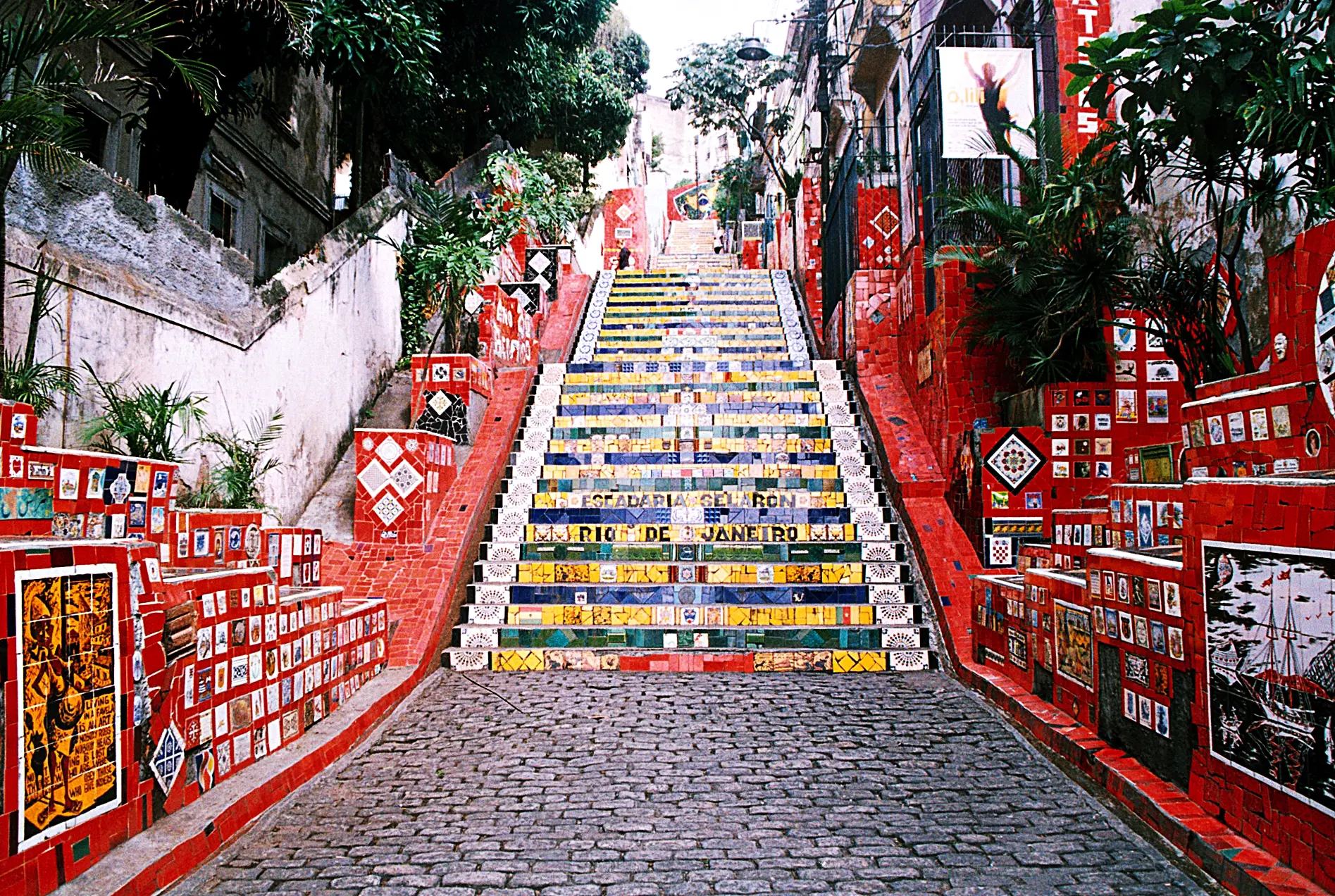
- Day 2, Rio: go up Corcovado early to see Christ the Redeemer, then visit the Selarón Steps and Lapa in the evening.
- Day 3, Rio: take the Sugarloaf cable car in the afternoon, and spend the morning at the Botanical Garden or the Santa Teresa neighbourhood.
- Day 4, Rio to Foz do Iguaçu: fly about two hours and settle in the town, then visit the Brazilian side in the afternoon if time allows.
- Day 5, Iguaçu: visit the Argentine side with your passport and check the border arrangements in advance.
- Day 6, Iguaçu: add the Itaipu dam or the Parque das Aves bird park, then fly back to Rio or São Paulo.
- Day 7, departure: keep this day free for onward flights and buffer time.
For a different mix, swap Iguaçu for Salvador, or add three days in the Pantanal in the dry season.
Practical tips for Brazil
- Money: the Brazilian real is the only currency widely accepted. Cards work in most cities, and Pix is the local instant payment system, though foreigners rarely use it. Carry some cash for small towns and markets.
- SIM and eSIM: prepaid local SIMs need a tax ID in some cases, so eSIMs are often simpler for visitors. Coverage is good in cities and weaker in the Amazon and Pantanal.
- Plugs: Brazil uses type N sockets, and type C plugs usually fit. Voltage is 127 V in some cities and 220 V in others, so check your devices.
- Tipping: a 10% service charge is often added to restaurant bills. Round up taxis and tip guides a modest amount.
- Health: see a travel clinic for yellow fever and other advice, and bring repellent and sunscreen.
- Packing: light clothing, a rain jacket, sturdy sandals and a dry bag for boat trips.
- Security: carry a copy of your passport and leave the original in the hotel safe where possible.
For wider background, see the Wikivoyage Brazil guide.
FAQ
Q1What is Brazil food like?
Brazil food centres on rice and beans, grilled meat, seafood and tropical fruit. Try feijoada, moqueca, pão de queijo and acarajé, and eat at por quilo buffets for variety. Regional differences are strong, with Bahian cooking spicier and the south more meat-focused. Vegetarians can manage but should state their needs.
Q2What is the best time to visit Brazil?
May to September is best for most regions, with dry weather in the Pantanal and comfortable temperatures in Rio and the south. December to March suits beaches and Carnival but is hot, humid and expensive. The northeast coast is warm all year, so the best month depends on your route.
Q3Is Brazil safe?
Brazil is safe enough for most tourists who take precautions. Petty theft and street robbery are the main risks in big cities. Keep phones hidden, use ride-hailing apps, avoid empty streets at night and stay out of favelas without a guide. Check your government's advice before travelling.
Q4What are the best things to do in Brazil?
Top picks are Christ the Redeemer and Sugarloaf in Rio, Iguaçu Falls, Pelourinho in Salvador, wildlife in the Pantanal, an Amazon river trip from Manaus and the Lençóis Maranhenses dunes. Add Carnival if you visit in February or early March and book far ahead.
Q5Do I need a Brazil visa?
It depends on your passport. UK and most EU citizens have generally entered visa-free for up to 90 days, while US, Canadian and Australian citizens have needed an e-visa since 2025. Rules change, so confirm with the Brazilian government or a consulate before you book flights.
Q6What are the best places to visit in Brazil?
Rio de Janeiro, Iguaçu Falls, Salvador, Manaus and the Amazon, and the Pantanal are the best-known places. Brasília suits architecture fans, Florianópolis has southern beaches, and Fernando de Noronha is best for diving. Pick two or three regions per trip because distances are very large.
Q7Is Brazil safe to visit for solo travellers and women?
Many solo travellers and women visit Brazil without problems, but they should be careful in cities. Use app-based transport at night, stay in well-reviewed accommodation in central areas, keep valuables hidden and avoid isolated beaches after dark. Joining small-group tours is a sensible way to see remote areas.
Q8How many days do you need in Brazil?
Ten to fourteen days works for two or three regions, for example Rio, Iguaçu and Salvador. A week is enough for Rio and Iguaçu only. Distances are large and domestic flights take time, so avoid squeezing in more than one region every three to four days.