Why visit São Paulo
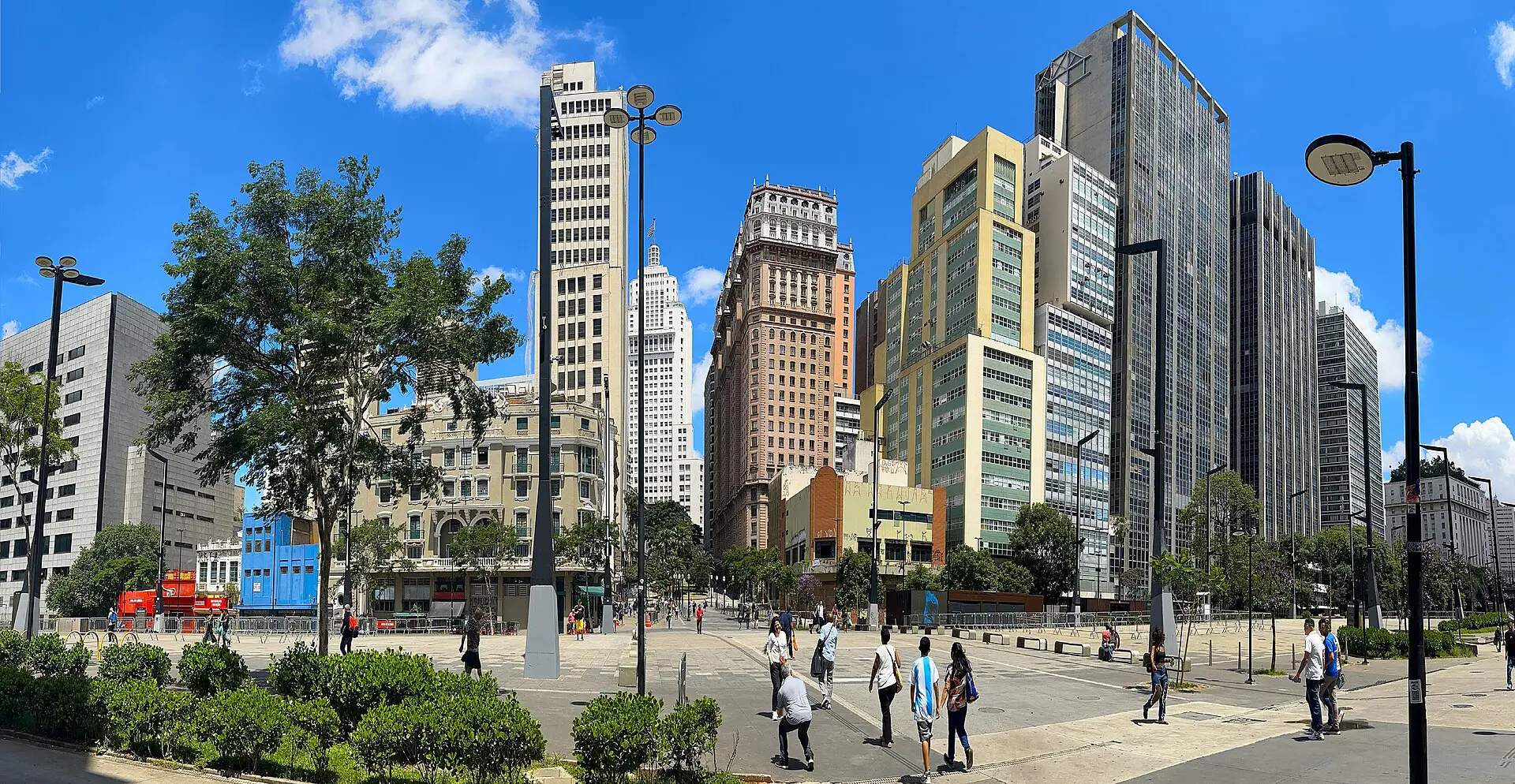
If you are planning things to do in São Paulo, accept that this is a city to explore rather than a single sight. It is the largest city in Brazil and the most populous in the Americas, with a municipal population of around 12 million and more than 20 million in the wider region.
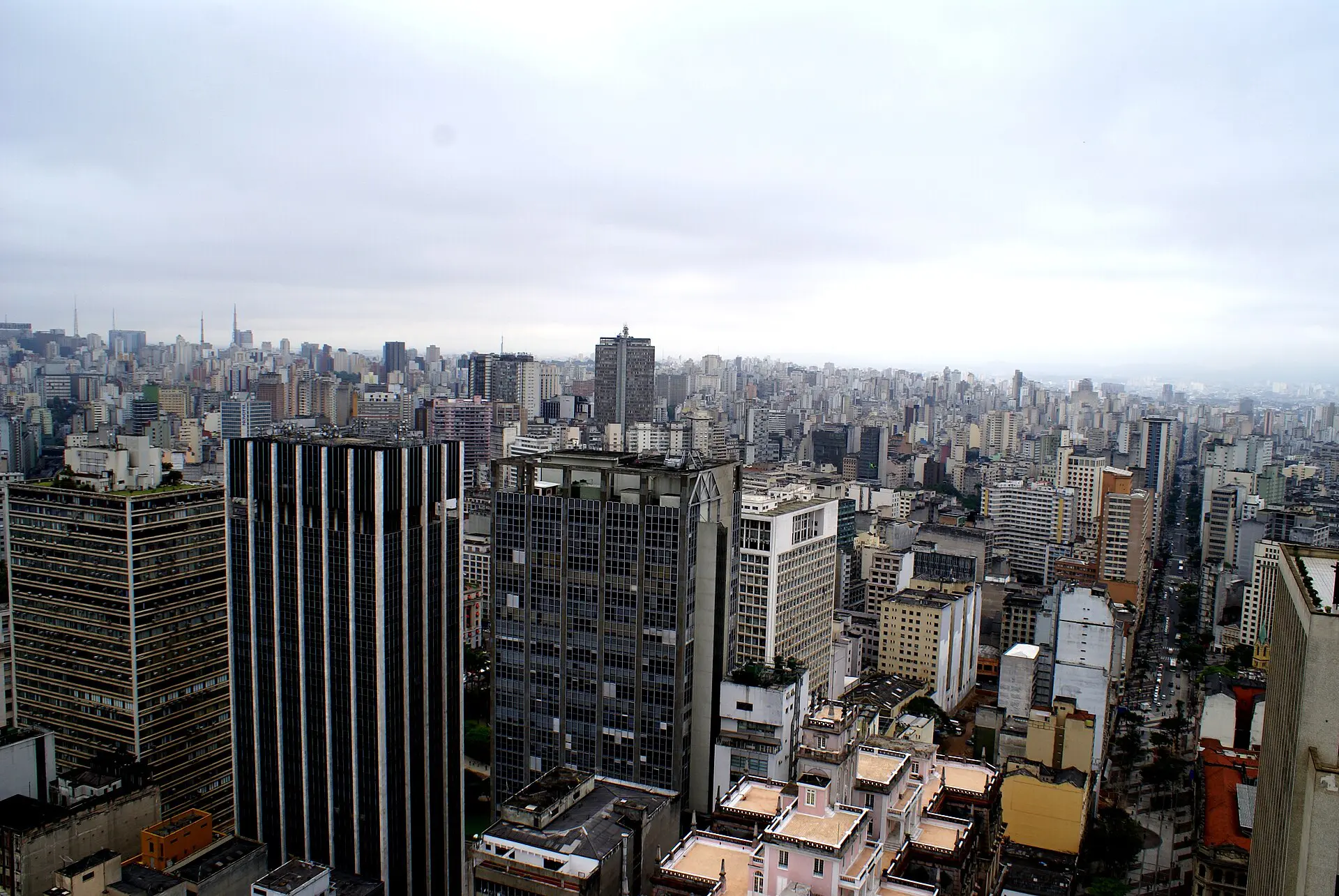
It is one of the most underrated cities for tourism, often overshadowed by Rio de Janeiro and the beach circuit. It has a distinctive identity shaped by Portuguese and African roots, plus major Italian, Arab and Japanese influences, and you can taste that mix in its restaurants and neighbourhoods.
The reward is variety: large museums, street art, parks, markets, live music and restaurants from simple lunch counters to high-end dining. The challenge is scale and inequality, so plan carefully, use transport you trust and cover one or two areas at a time.
Top things to do in São Paulo
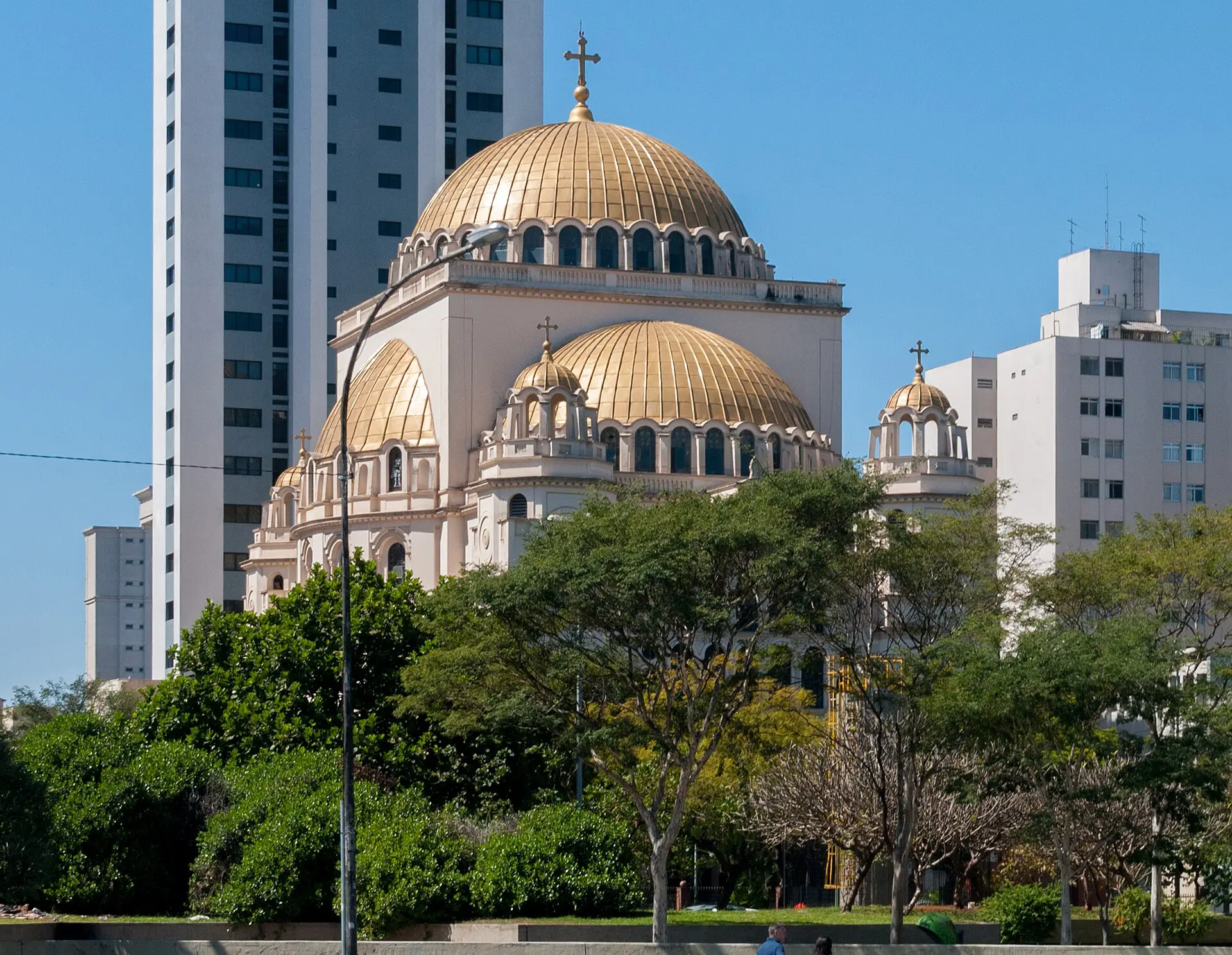
Avenida Paulista and MASP
The avenue is the city’s main business and cultural axis, and the MASP art museum with its raised concrete frame is a landmark. Allow two to three hours. On Sundays, part of the avenue is typically closed to cars, so check the current arrangements.
Ibirapuera Park
The city’s best-known park has lakes, paths, museums and Oscar Niemeyer buildings. Plan two to three hours, or longer at weekends when it is busy with cyclists and families. Bring water and sun protection, and check the opening hours of individual museums.
Vila Madalena and Beco do Batman
This neighbourhood is known for street art, bars and live music. Beco do Batman is an alley covered in murals, and it takes under an hour. Visit in daylight and stay aware of your belongings, then stay on for dinner in a busy street.
Mercado Municipal
The central market hall is known for fruit stalls and its large sandwiches. Allow an hour, preferably outside the lunch rush. Prices at the busiest food stalls are tourist-oriented, so compare before ordering.
Liberdade
The neighbourhood associated with the Japanese community has shops, restaurants and a weekend street market. Allow a couple of hours. It is a good place for a meal and is close to a metro station.
Pinacoteca and the historic centre
The Pinacoteca art museum, the Luz area and the old centre show the city’s older side. Allow half a day, mostly in daylight, and check which streets are comfortable to walk. Use the metro rather than walking long distances between sights.
Food and nightlife
The city is a major food destination, from Italian pizzerias and Japanese counters to Brazilian regional cooking. Book popular restaurants ahead on weekends. For nightlife, Vila Madalena, Pinheiros and Rua Augusta are common choices, and ride-share is the usual way home.
Best time to visit São Paulo
São Paulo has a humid subtropical climate. Summer, roughly from December to March, is warm and wet, with afternoon storms that can flood streets and slow traffic. Winter, from June to August, is drier and cooler, and nights can feel chilly, so bring a light jacket.
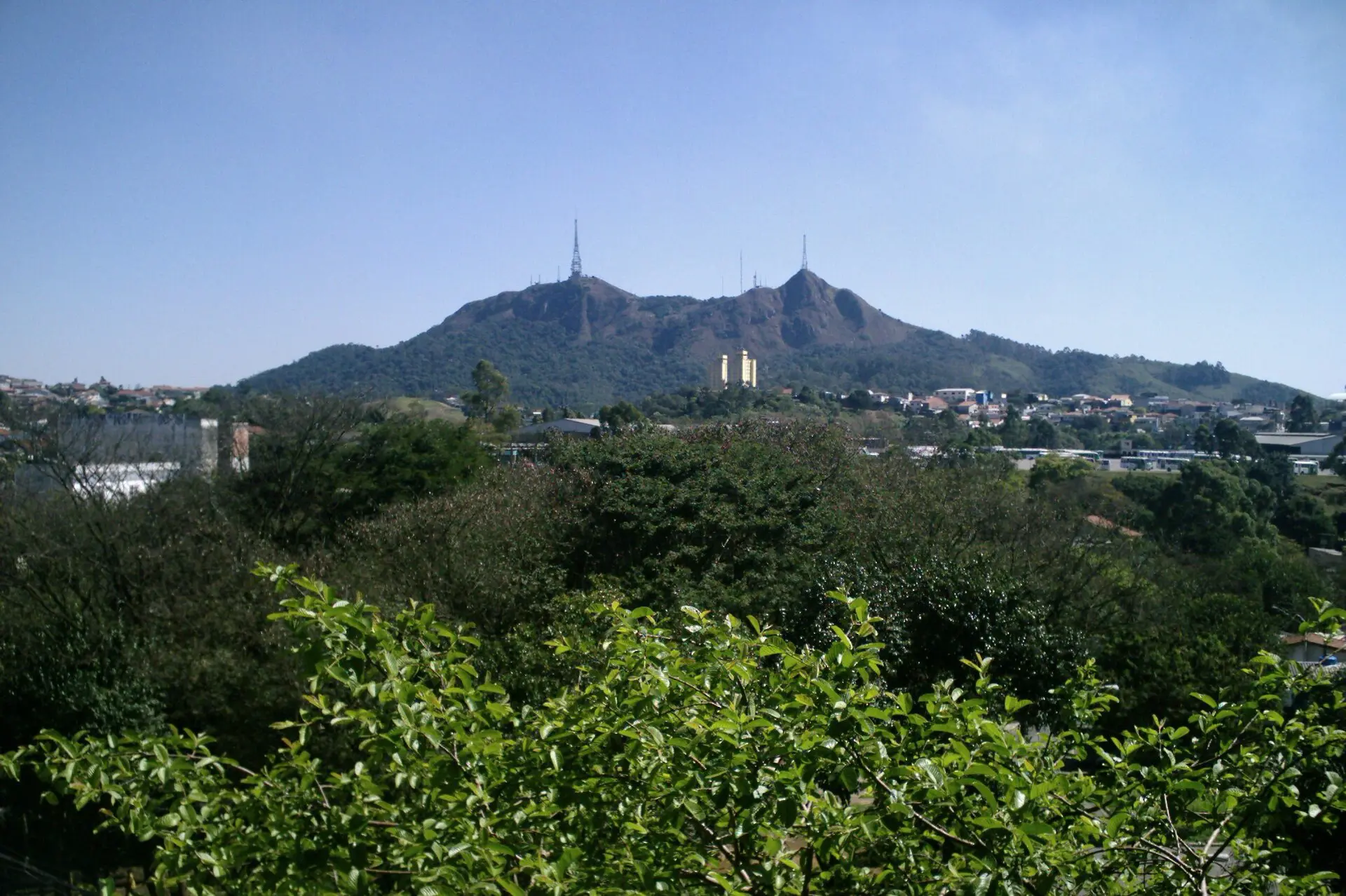
April to September is generally the most comfortable period for walking and museums. Spring and autumn can be pleasant. Big events such as the Formula 1 Grand Prix and the Pride parade fill hotels and push up prices, so check dates when planning.
| Season | Weather | Crowds and prices |
|---|---|---|
| Summer (Dec-Mar) | Warm, humid, storms | Moderate; busy around holidays |
| Autumn (Apr-May) | Mild, drier | Moderate |
| Winter (Jun-Aug) | Cool, dry | Moderate; events raise prices |
| Spring (Sep-Nov) | Warm, variable | Event weekends are expensive |
How to get to São Paulo and around
Most international flights land at Guarulhos (GRU), around 25 kilometres from the centre, while Congonhas (CGH) handles many domestic flights and is much closer in. From Guarulhos you can use an airport bus, a train and metro combination, or a taxi or ride-share, which is often the simplest with luggage. Allow plenty of time, as traffic is heavy.
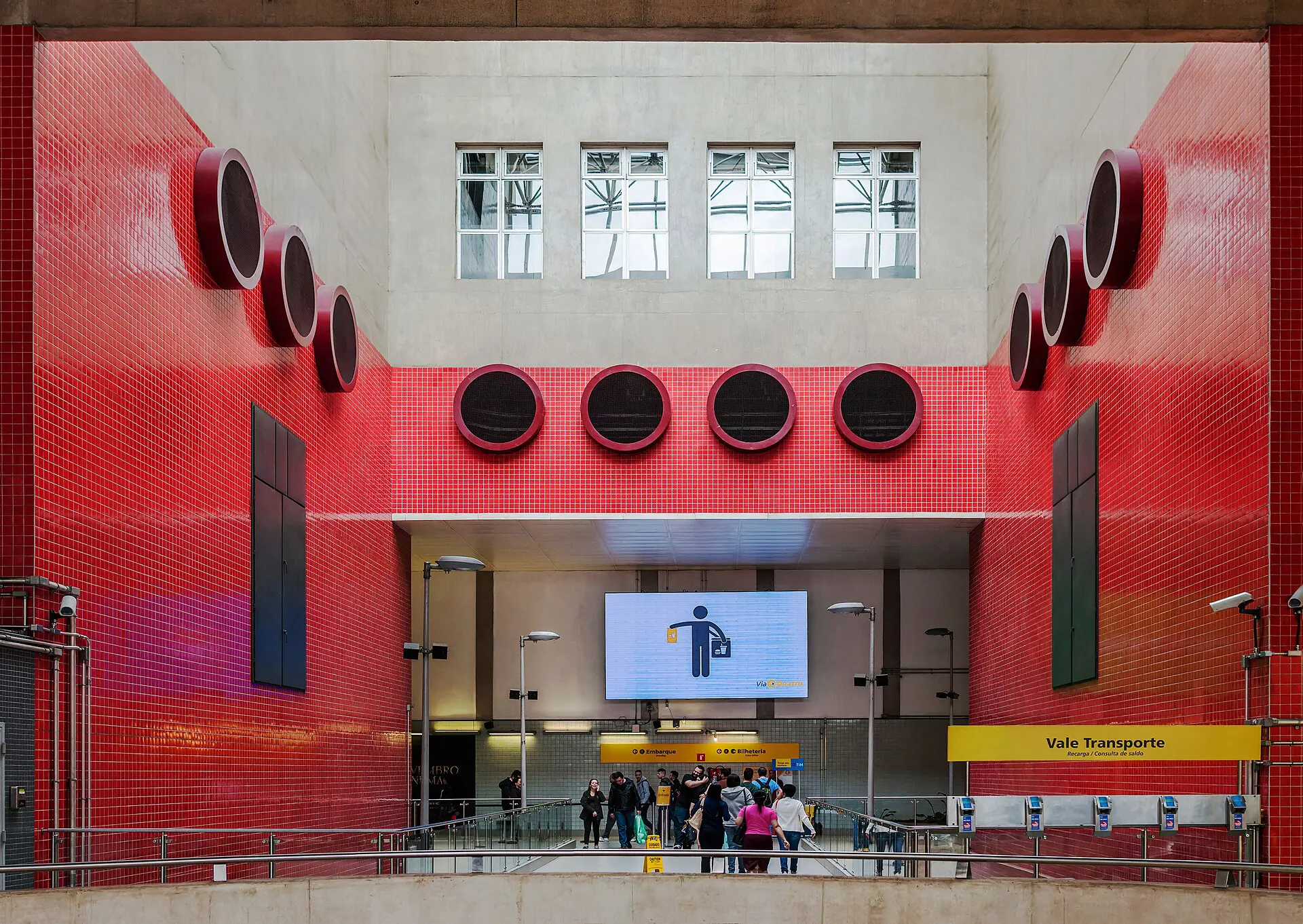
Within the city, the metro and commuter trains are the best way to avoid road traffic, and they cover many tourist areas, including Avenida Paulista and Liberdade. Buses are extensive but harder for visitors. Ride-share is widely used and affordable. Walk in busy daytime areas, and avoid long walks at night.
Where to stay in São Paulo
Avenida Paulista and the Jardins area suit most first-time visitors, with hotels, restaurants, metro stations and museums close by. It is central, relatively convenient and busy at all hours.
Vila Madalena and Pinheiros are better if you like bars, street art and a local feel. They have smaller hotels and apartments and are less convenient for the metro in places, so use ride-share for evenings.
The historic centre has budget options and is close to many sights, but it is quieter and less comfortable after dark. Choose a hotel near a metro station and check recent reviews of the street, since conditions vary from block to block.
How many days do you need?
Two days gives a taste of the city, and three or four lets you see the main museums, a park and a couple of neighbourhoods without rushing. Distances and traffic mean you should group sights by area.
- Day 1: Avenida Paulista and MASP, then lunch in the area and an afternoon in Ibirapuera Park.
- Day 2: Mercado Municipal, the Pinacoteca and Liberdade, with a dinner in a well-known food district.
- Day 3: Vila Madalena, Beco do Batman and an evening of live music.
With one day only, combine Avenida Paulista, Ibirapuera and a dinner in Vila Madalena.
Day trips and nearby
Santos and the coast
The port city of Santos and nearby beaches are reached in around an hour or two by road, depending on traffic. Weekend traffic is heavy, so go early on weekdays.
Rio de Janeiro
A flight takes about an hour, and a bus around six hours. It works as a longer trip, with at least two nights to see its main sights and beaches.
Curitiba
The capital of Parana is a short flight or a longer bus ride to the south. It is known for parks and an efficient bus system, and suits a stop on a route south.
Interior towns
Smaller towns in the state, such as those in the hills northeast of the city, offer cooler weather and weekend markets. A car or tour is the easiest way to reach them, so check options ahead.
FAQ
Q1How many days do you need in São Paulo?
Two to four days is a sensible range. Two days covers Avenida Paulista, Ibirapuera Park and one or two food neighbourhoods. With four days you can add the historic centre, markets and a day trip toward the coast.
Q2When is the best time to visit São Paulo?
April to September is usually best, with cooler, drier weather that suits walking and museums. Summer from December to March is warm and wet, with storms. Check event dates, as hotel prices rise during major weekends.
Q3Is São Paulo safe for tourists?
Like other large cities, it has petty crime, so keep valuables out of sight, use ride-share at night and stick to busy, well-lit areas. Hotel areas such as Jardins and Paulista are generally easier. Check current official travel advice before you go.
Q4Is São Paulo expensive?
Costs are moderate by international standards, with good-value meals and cheap public transport. Hotels in central areas and during events can be pricey. Budget more if you plan to eat at well-known restaurants.
Prices, schedules and entry rules change. Check current details with official sources before you travel. Read the Brazil travel guide.