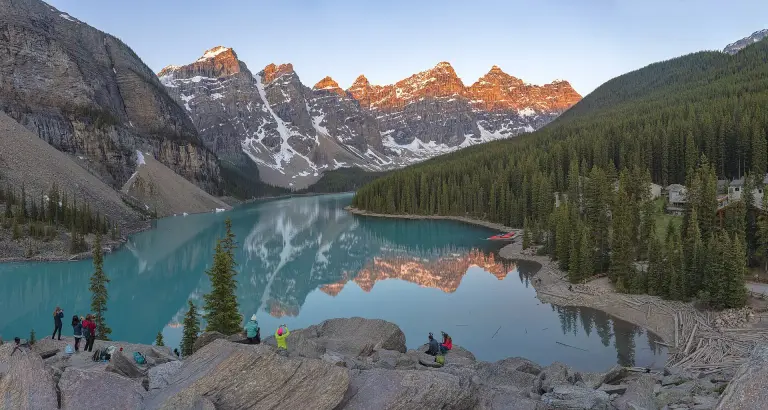
Why visit the United States
This USA travel guide starts with scale: the United States covers about 9.37 million square kilometres, with deserts, rainforest, glaciers, subtropical beaches, 60-plus national parks and some of the most visited cities in the world (see the Wikipedia overview for background). One country can offer a Broadway show, a Texas barbecue lunch, a night under the stars in Yosemite and a drive down the Pacific coast.
It suits visitors who like variety and independence. Road trips are the classic way to see it, but cities such as New York, Chicago and San Francisco work well without a car. English is the main language, tourism infrastructure is deep, and many sights offer clear booking systems. The trade-offs are distance, which makes a single trip feel rushed if you try to cover too much, high prices for hotels and healthcare, and a tipping culture that raises the cost of eating out. Plan two or three regions rather than the whole country.
Best places to visit in the United States
The best places to visit in the United States are grouped by region, and each one deserves several days.
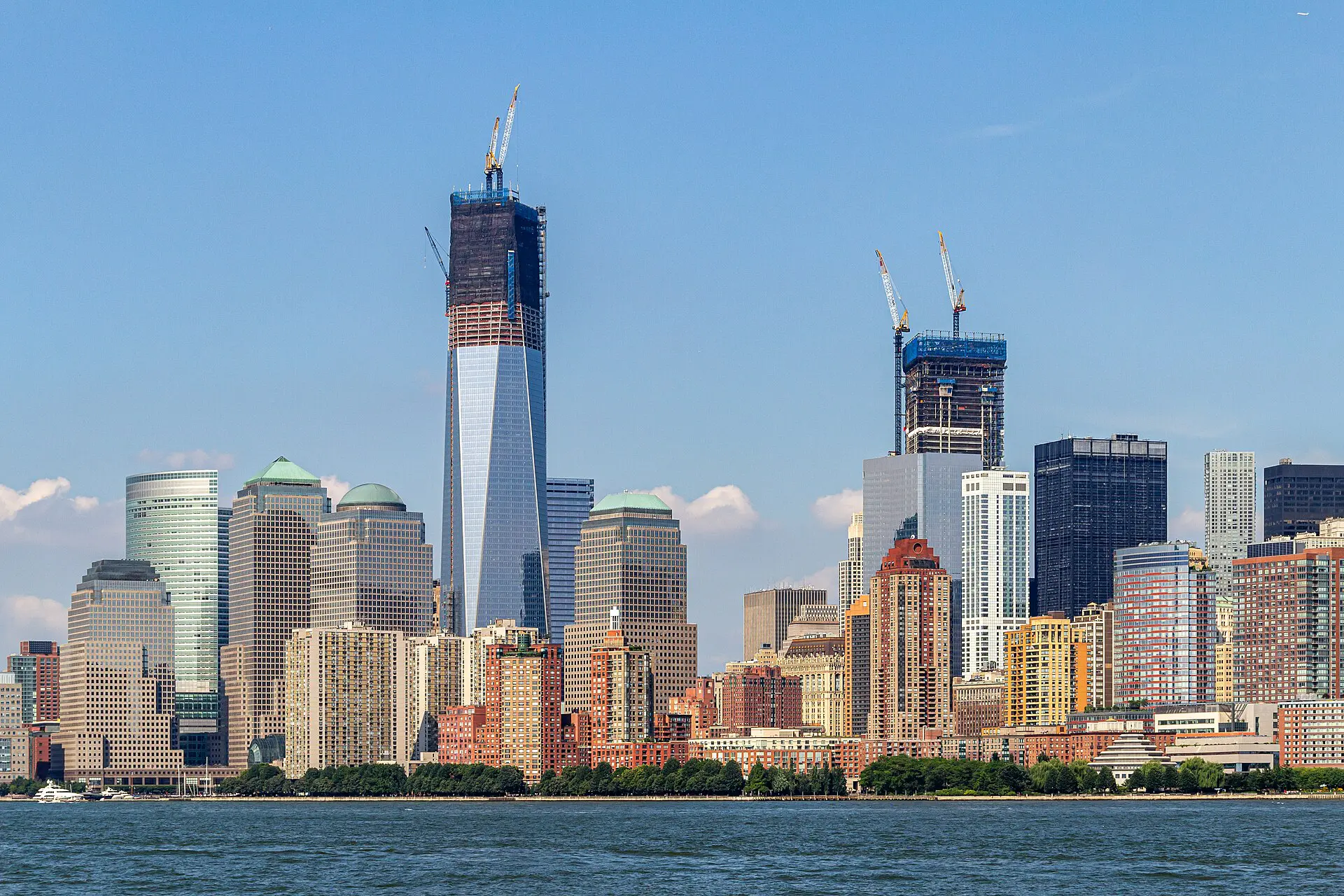
New York City
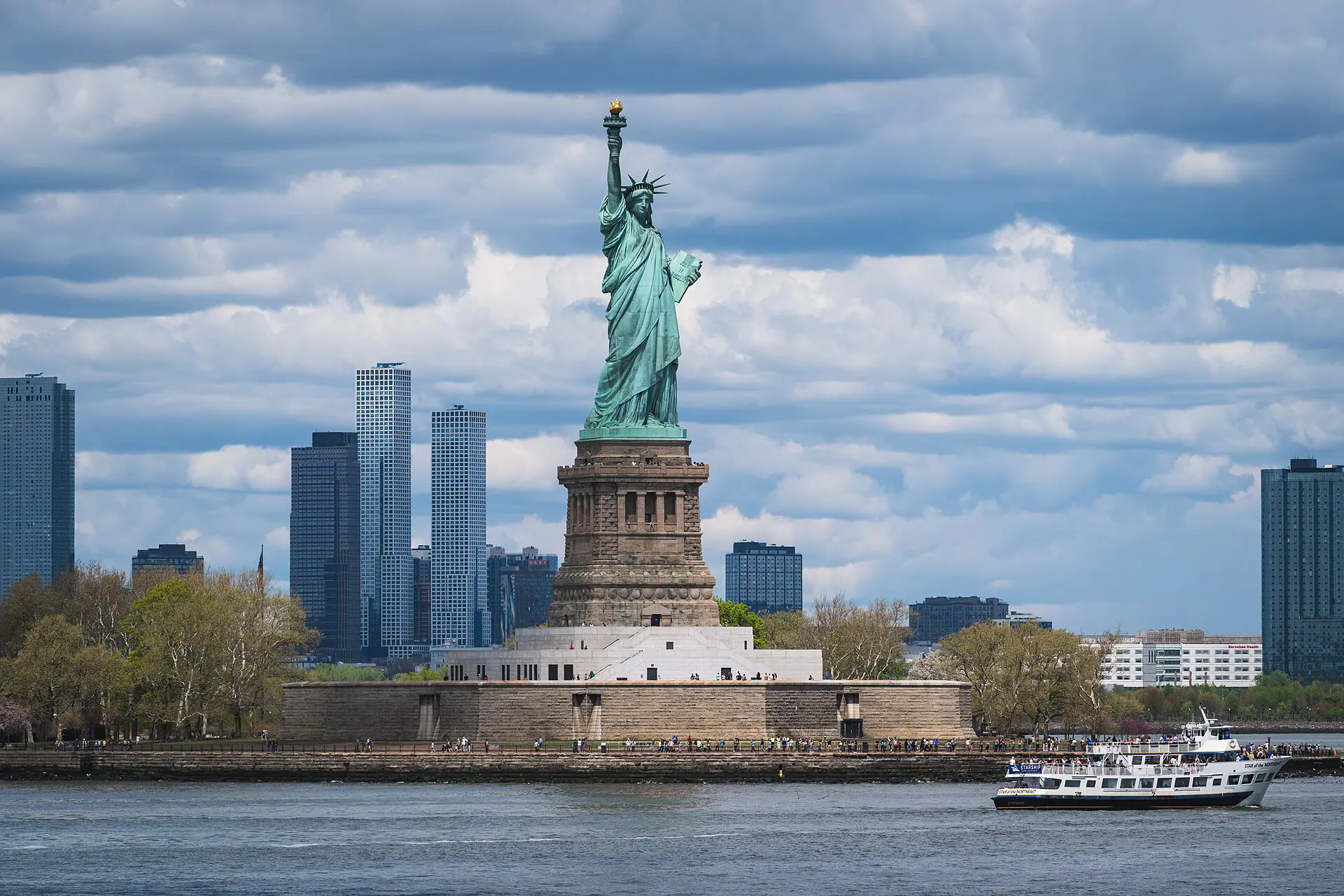
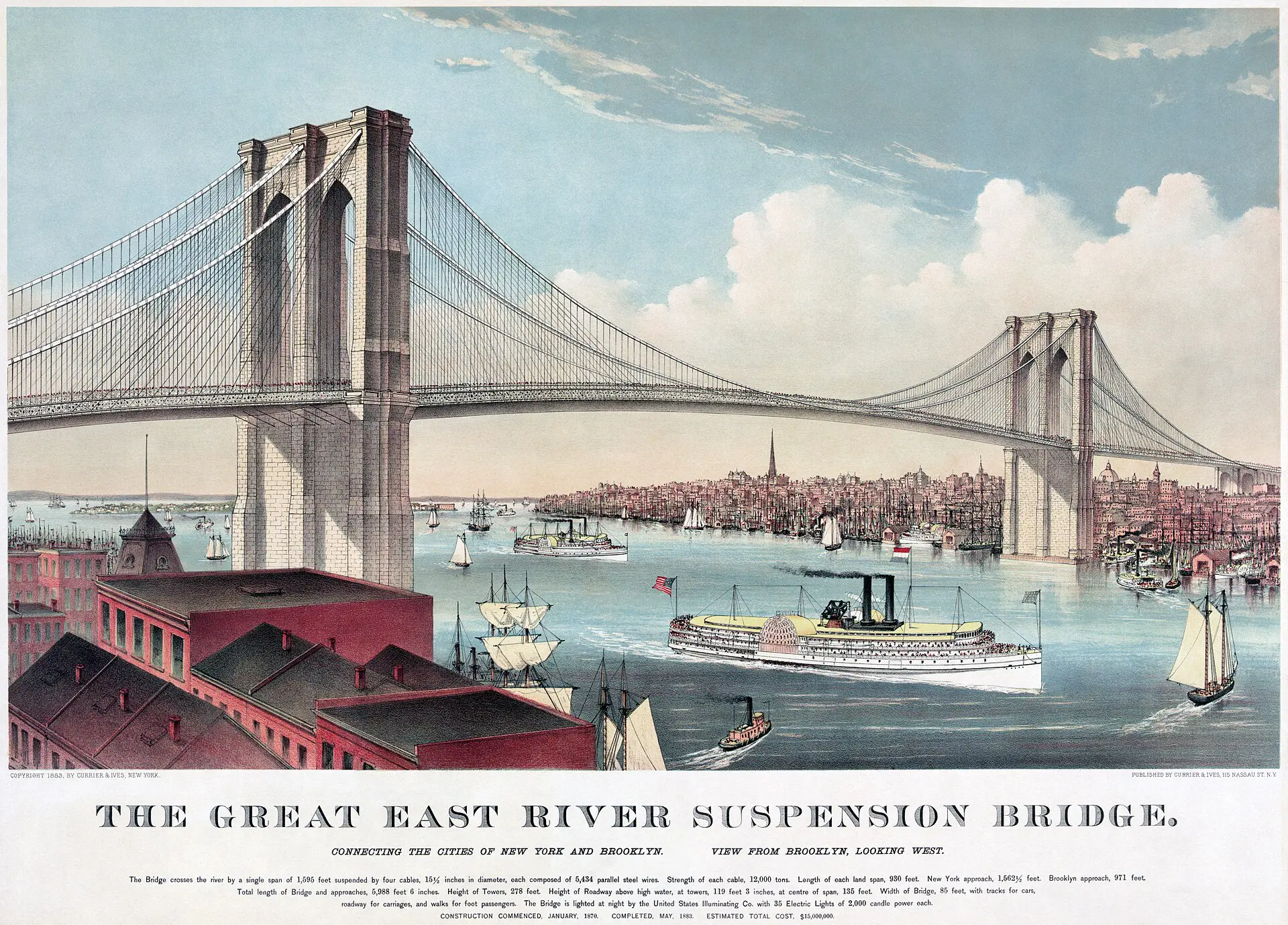
Times Square, Central Park, the Statue of Liberty, the Metropolitan Museum of Art and the Brooklyn Bridge are the main sights, but neighbourhood walks give the city its character. The subway runs all day and night.
Washington D.C.
The National Mall has the Lincoln Memorial, the Washington Monument and the Smithsonian museums, most of them free to enter.
California coast
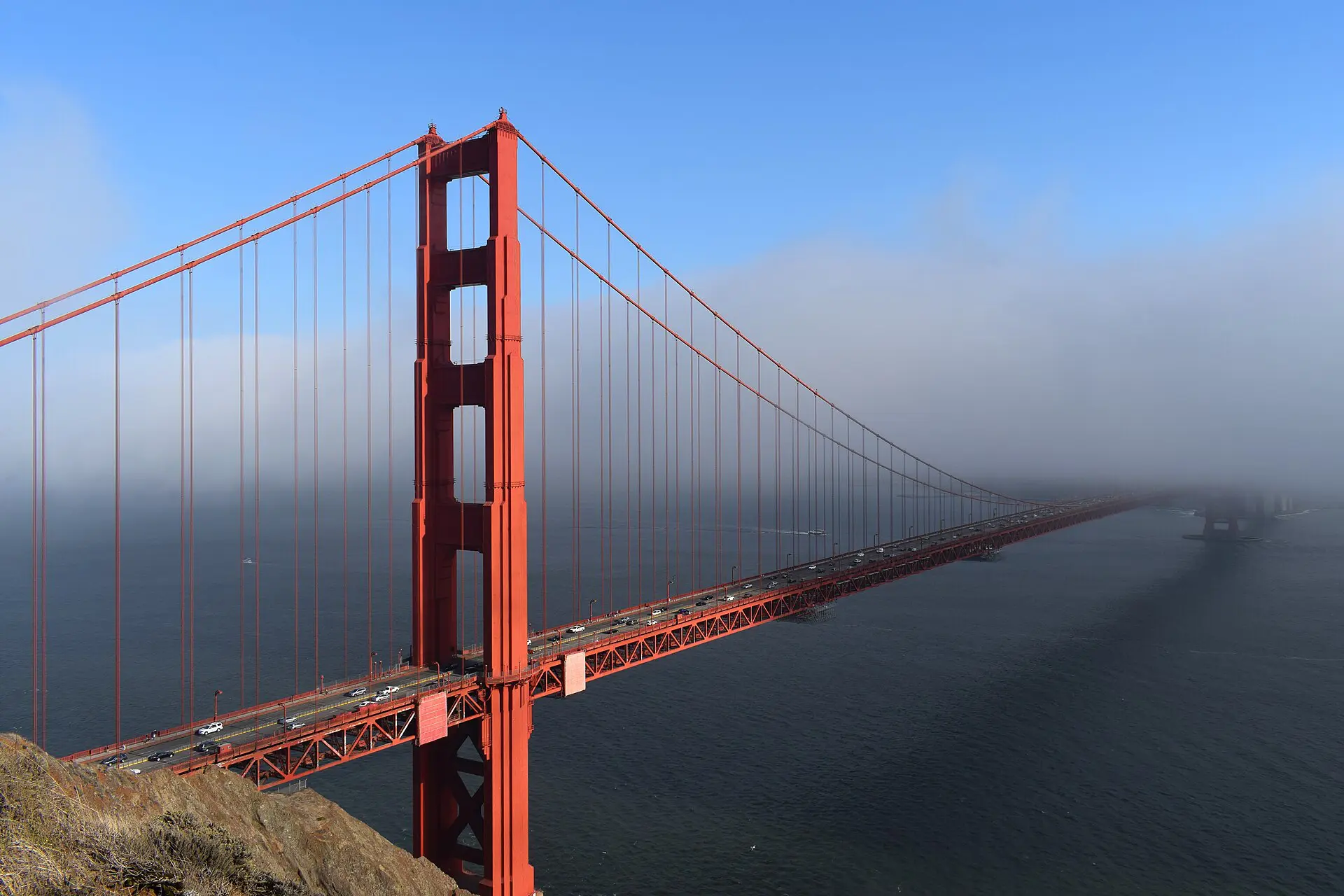
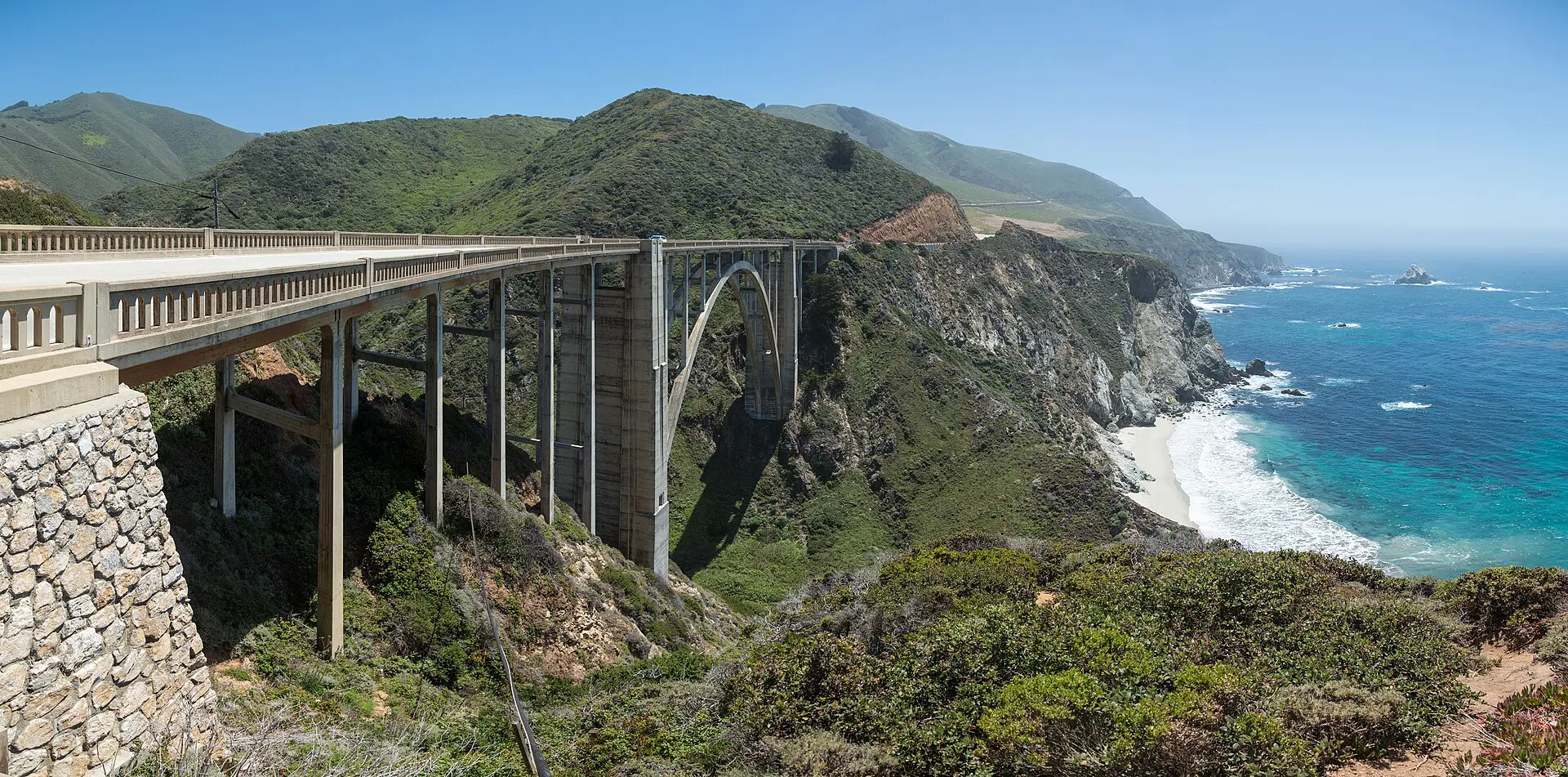
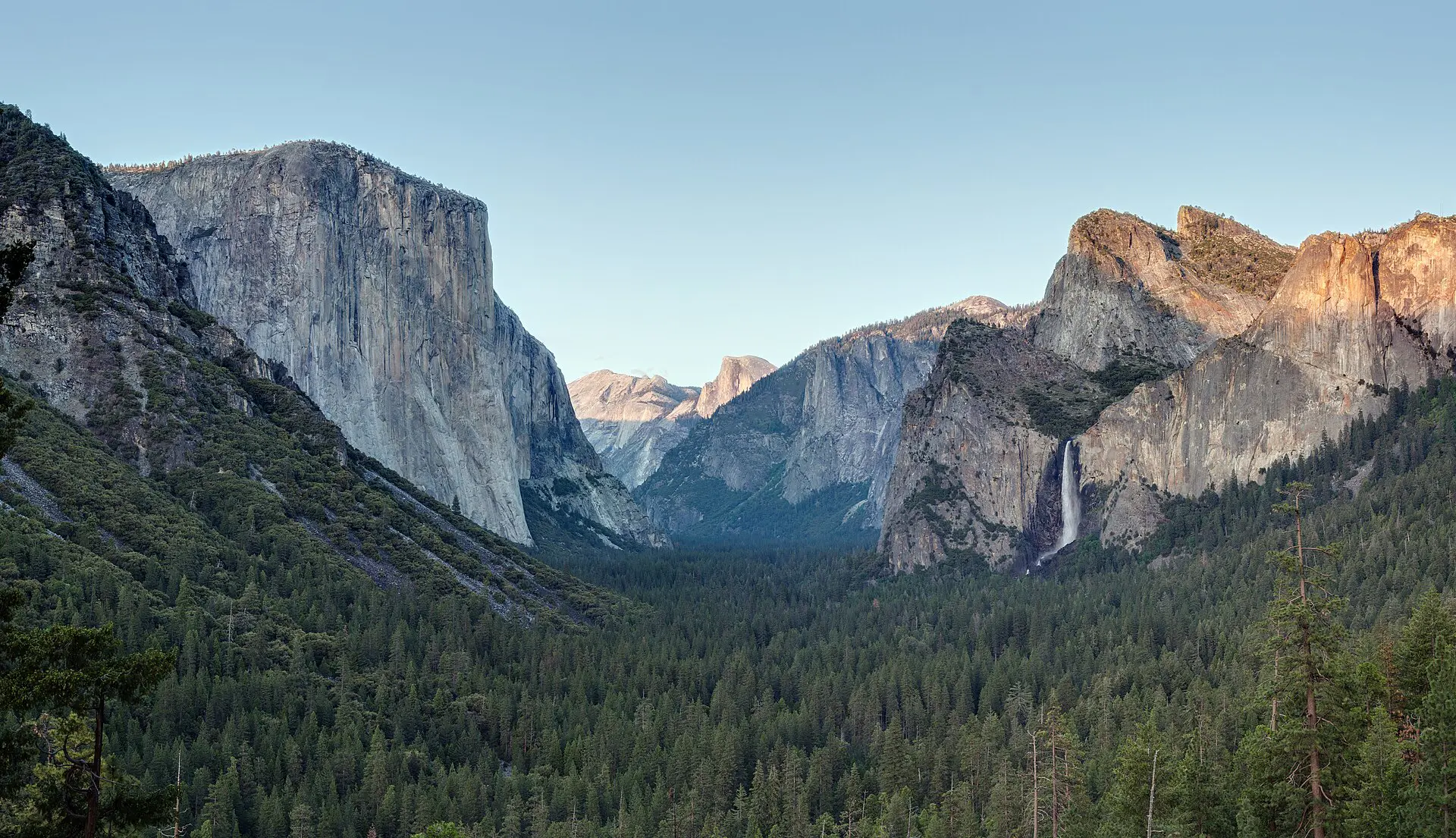
San Francisco’s Golden Gate Bridge, Los Angeles’s beaches and Hollywood, and Highway 1 along the Big Sur coast make a classic route, with Yosemite inland.
The Southwest national parks
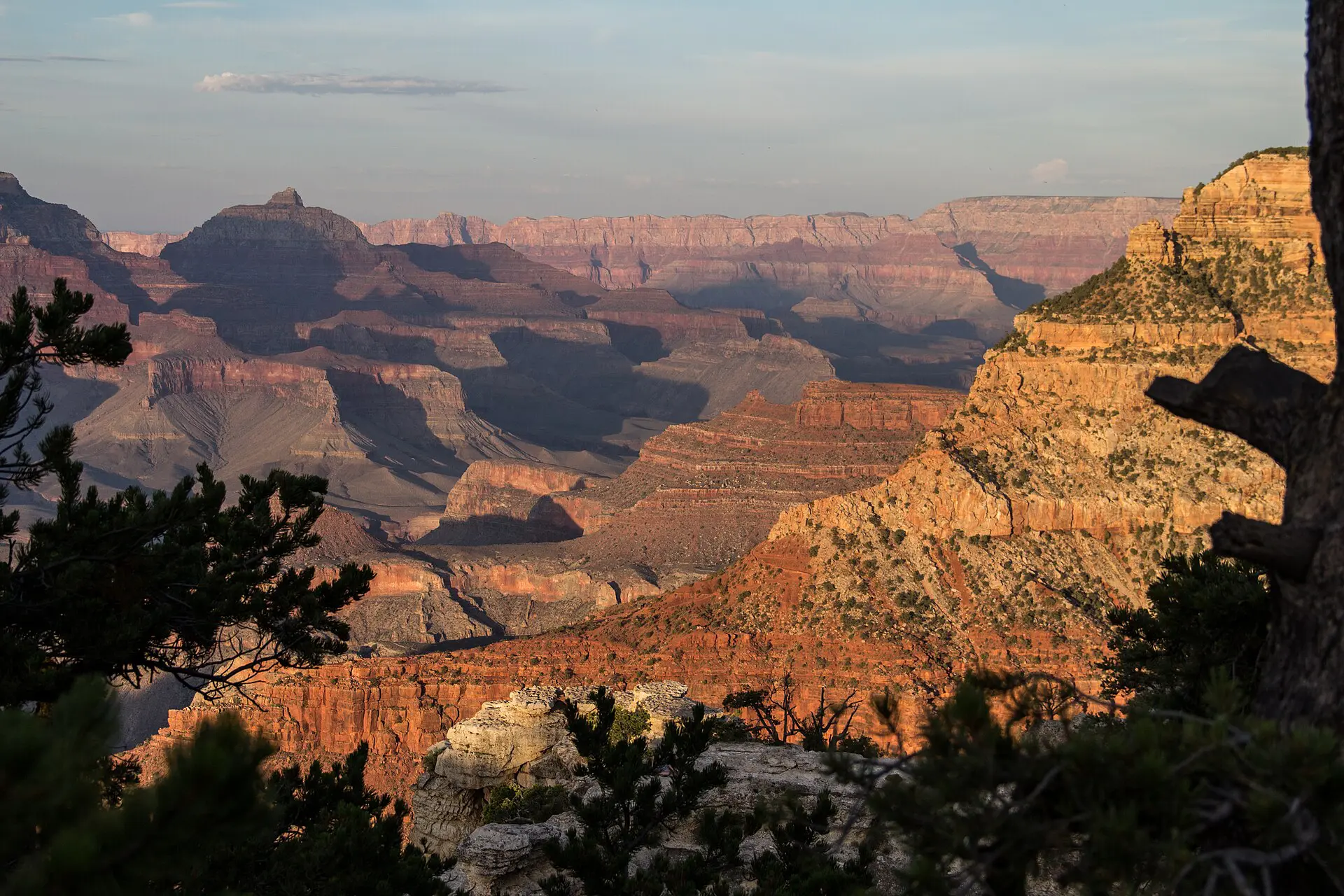
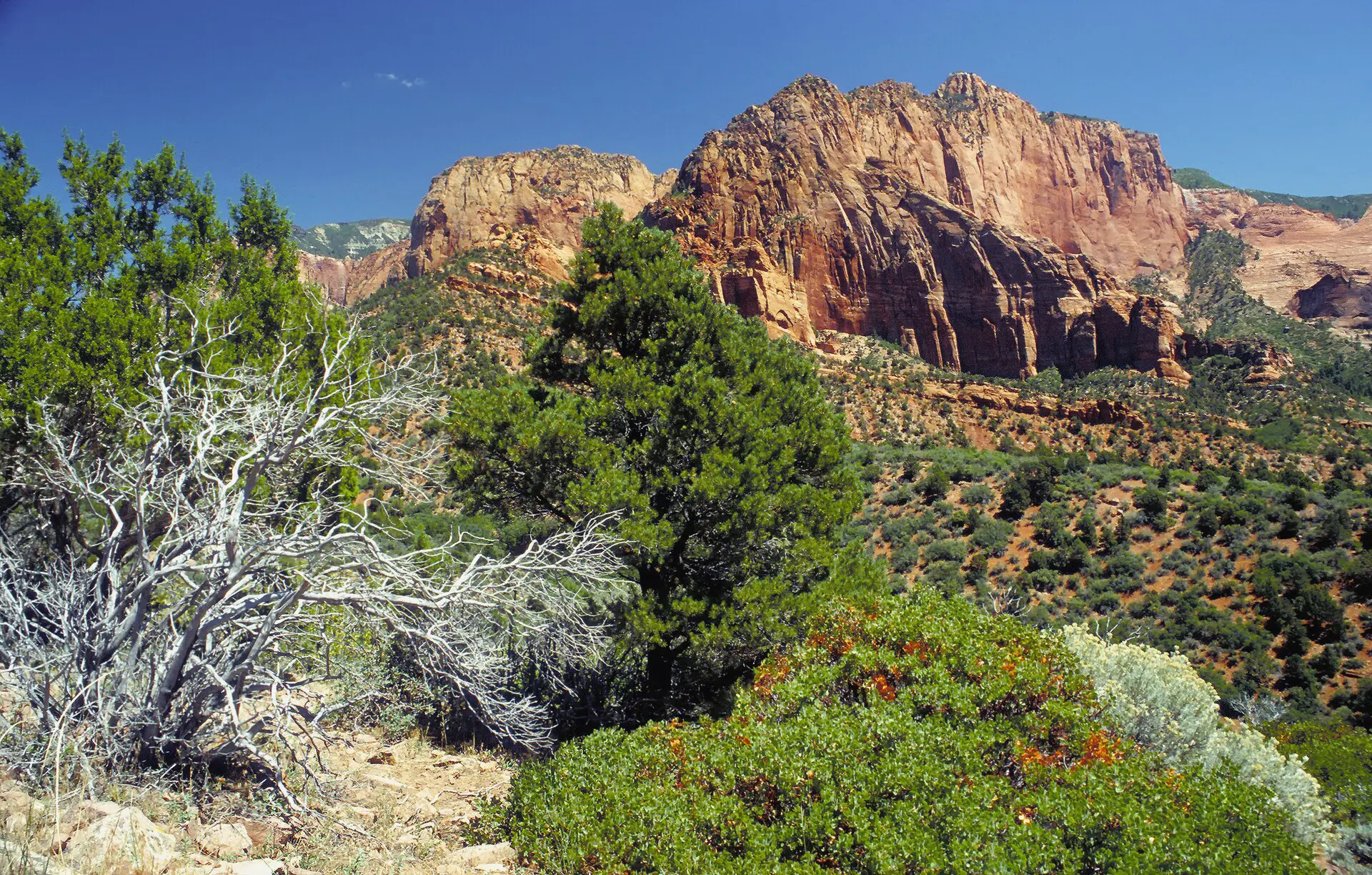
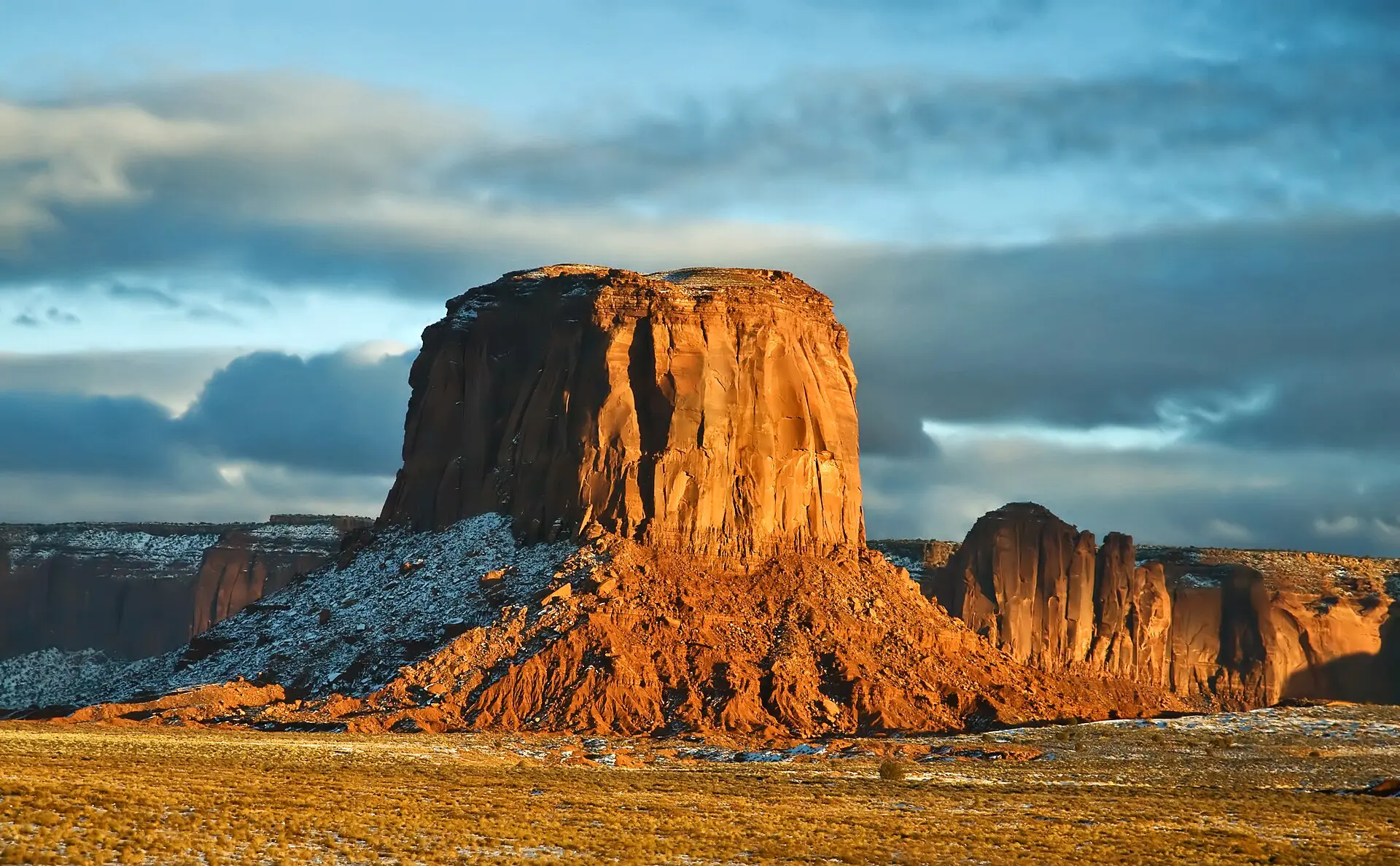
The Grand Canyon, Zion, Bryce Canyon, Arches and Monument Valley form a loop of red-rock landscapes, best by car.
Florida
Miami’s Art Deco beaches, the Everglades wetlands and the Orlando theme parks cover very different trips.
New Orleans and the South
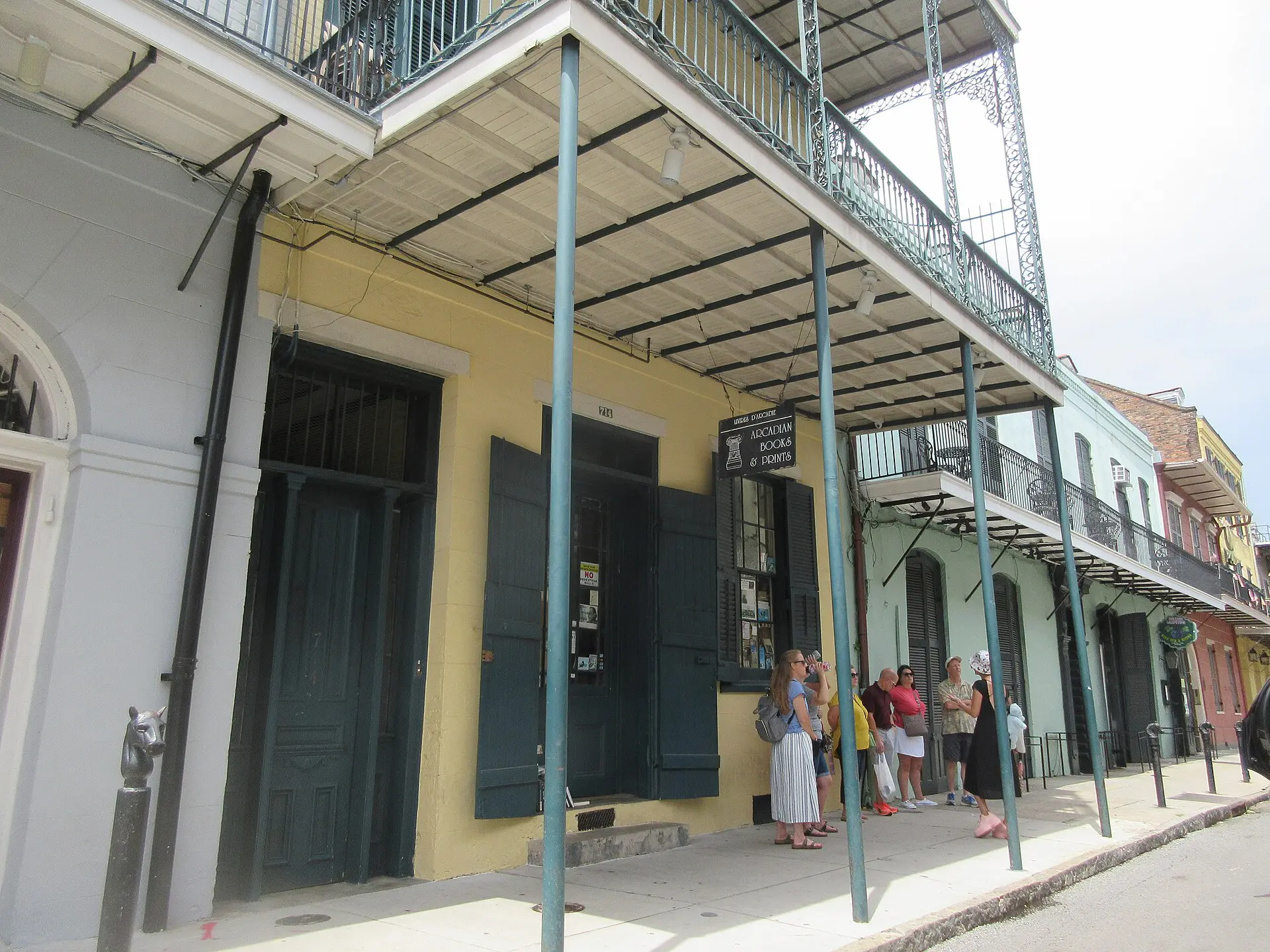
Jazz, Creole food and the French Quarter, with Nashville and Memphis for music.
Alaska
Glaciers, bears and Denali National Park, best from June to August.
Top things to do in the United States
The top things to do in the United States range from famous landmarks to wild landscapes, and reservations are needed for the busiest ones.
- Walk the Brooklyn Bridge and Central Park: free, and a good way to see New York.
- Visit the Smithsonian museums in Washington: the Air and Space and Natural History museums are free.
- Cross the Golden Gate Bridge: on foot or by bicycle, with views of San Francisco Bay.
- See the Grand Canyon: walk part of the rim, or hike down a short way on the Bright Angel Trail.
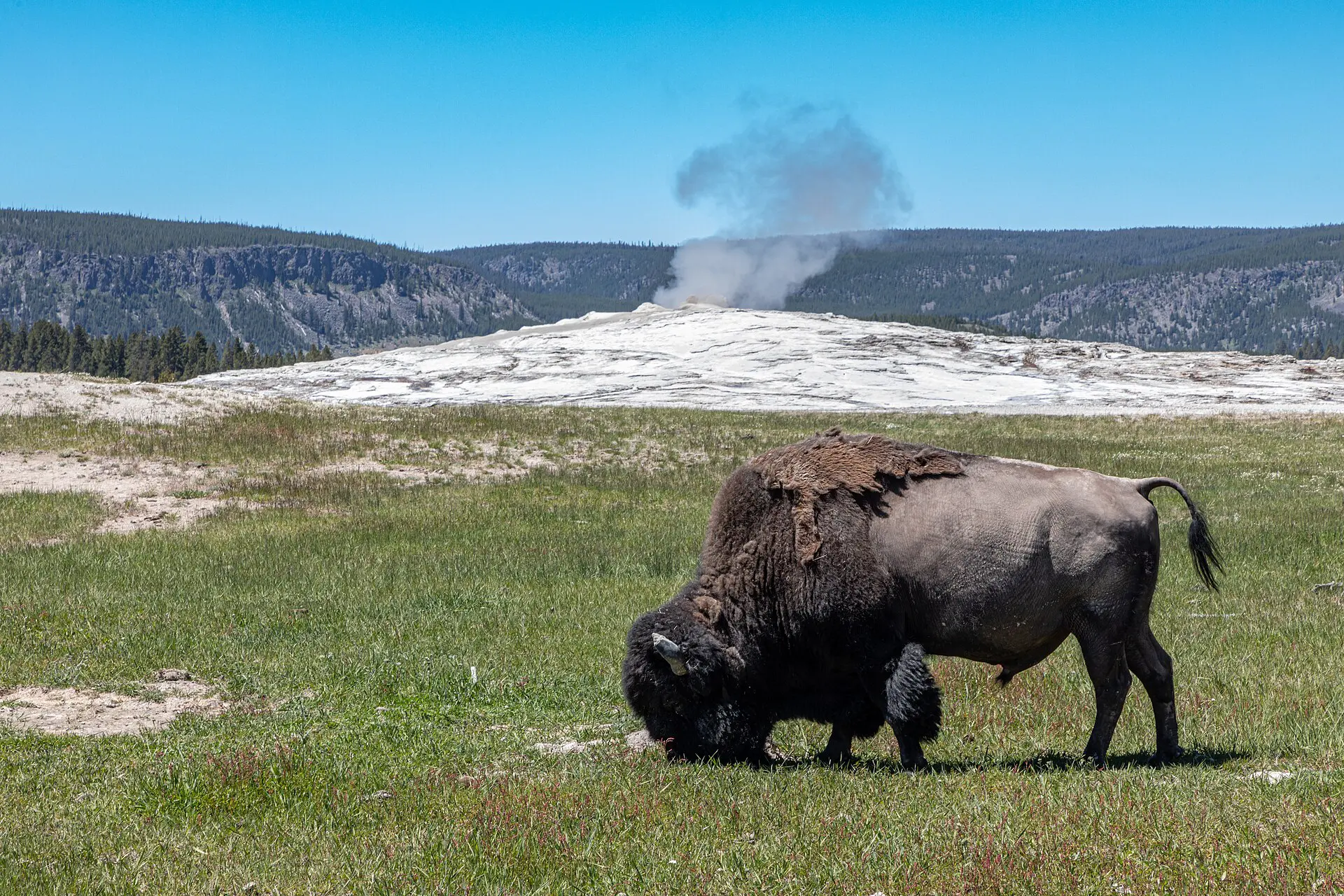
- Watch Old Faithful in Yellowstone: the geyser erupts roughly every 90 minutes, and the park also has bison and hot springs.
- Drive Highway 1: the Pacific coast road between Monterey and San Luis Obispo has dramatic sea views.
- Hear live music in Nashville or New Orleans: bars and clubs host performers every night.
- Go to a baseball, basketball or football game: a typical American evening out.
- Visit Yosemite Valley: waterfalls and granite cliffs, with timed entry in some seasons.
- Explore the Everglades by airboat or kayak: alligators and birdlife near Miami.
Best time to visit the United States
The best time to visit the United States depends on the region, but April to June and September to October suit most trips, with mild weather in the north and east and fewer crowds than in July and August. Summer is peak season for national parks, Alaska and the Rockies, while winter is best for Florida, Arizona and southern California. Winter brings snow and ski season in the Rockies, New England and Utah.
| Season | Weather | Crowds and prices | Good for |
|---|---|---|---|
| Spring (Mar-May) | Mild, variable, rain in the east | Moderate; spring break peaks in March | Cities, Washington cherry blossom, Southwest parks |
| Summer (Jun-Aug) | Hot, humid in the east, very hot in the desert | Highest in parks and on beaches | Alaska, Rockies, Yellowstone, beaches |
| Autumn (Sep-Nov) | Mild, colourful foliage in the north-east | Moderate; high for foliage weekends | New England, Southwest, cities |
| Winter (Dec-Feb) | Cold in the north, mild in the south | High around holidays; low in January | Skiing, Florida, desert parks, city holidays |
Hurricane season on the Atlantic and Gulf coasts runs from June to November, with the highest risk from August to October. Desert temperatures in Death Valley and Arizona can be dangerous in summer.
Is the United States safe to visit?
Yes, the United States is safe for most visitors, and tourist areas are generally well policed, but safety varies a lot between cities, neighbourhoods and the outdoors. Check your own government’s travel advice, which sometimes names specific risks, and buy travel insurance with strong medical cover, because healthcare is very expensive.
Crime. Violent crime is concentrated in particular neighbourhoods and rarely affects tourists. Car break-ins are common, so never leave valuables visible in a parked car, especially in San Francisco and Los Angeles. Pickpocketing occurs in busy places. Use ride-hailing or licensed taxis, and ask your hotel which areas to avoid at night.
Roads. Distances are large and driving fatigue is a real risk. Obey speed limits, which are enforced strictly, and never drive after drinking, because laws are severe. Rural roads may have wildlife.
Nature. Heat in desert parks, altitude, wildlife such as bears and bison, rip currents and sudden weather are the main outdoor dangers. Carry plenty of water, keep your distance from animals and follow park rules. Wildfire smoke can affect parts of the West in summer, and hurricanes threaten the south-east.
Laws. Alcohol is limited to adults over 21, and public drinking is restricted in many places. Rules on marijuana vary by state and are federal offences at airports and in national parks.
Visa and entry requirements for the United States
Entry rules depend on your nationality and have changed repeatedly, so confirm the current position on the official US government sites (travel.state.gov, the Department of Homeland Security and Customs and Border Protection) before booking. Citizens of the 40-plus countries in the Visa Waiver Program can usually travel for up to 90 days with an approved ESTA, applied for online before departure, at a fee of around USD 40 as of 2026. Others need a B-1/B-2 visitor visa, which involves an application and interview at a US embassy or consulate and may take months.
Canadian citizens generally do not need a visa for short visits, and Mexican citizens usually need a border-crossing card or visa.
Bring a passport valid for the length of your stay, an onward or return ticket and details of your accommodation. Border officers have wide discretion, and you may be asked about your plans and funds, and electronic devices can be searched. Additional fees, biometrics and social media questions have been introduced or proposed in recent years, so read the current instructions closely. The UNESCO page for the United States lists heritage sites, but not entry rules.
Getting to and around the United States
Major international gateways include New York (JFK and Newark), Los Angeles, San Francisco, Miami, Chicago, Atlanta, Dallas and Seattle. Land borders connect with Canada and Mexico, and cruise and ferry links exist from the Caribbean and Canada.
Distances are huge: New York to Los Angeles is about 4,500 kilometres, or around six hours by air. Domestic flights are the fastest way to cover long hauls and are often cheap when booked ahead. Amtrak trains serve the north-east corridor, where Washington to New York takes around three hours by Acela or about three and a half hours by regional train, and also run scenic long-distance routes that are slow. Long-distance buses are cheaper but slow.
A rental car is the usual choice for the national parks, the Southwest and the Pacific coast. Driving is on the right, drivers must be 21 or over in most places, and under-25s pay surcharges. An international driving permit is often needed for non-English licences. Cities such as New York, Chicago, Boston, Washington and San Francisco have good public transport, while many others, such as Los Angeles, are car-dependent. Ride-hailing apps are common.
How much does a trip to the United States cost?
The United States is expensive by most standards, with big cities and national park lodges at the top, and small towns cheaper. The currency is the US dollar (USD), and prices on menus and shelves exclude sales tax, which is added at the till and varies by state. Figures below are rough per-person guides.
- Budget: around USD 100 to 160 per day, with hostels or motels, groceries, fast food and public transport.
- Mid-range: around USD 200 to 350 per day, with a decent hotel, restaurant meals and a rental car or some attractions.
- High-end: from around USD 500 per day, with upscale hotels, fine dining and private transport.
Accommodation is the largest cost, and city hotels often add daily resort or destination fees. Rental cars, fuel and parking, which can be very expensive in New York and San Francisco, come next. Eating out costs more than in much of the world once tax and a 15 to 20 percent tip are added. National park entry is usually per vehicle, and an annual America the Beautiful pass pays for itself if you visit several parks. Healthcare costs are extremely high, which makes insurance essential.
United States food and drink
United States food is regional and varied, shaped by immigration, local ingredients and big portions. Eating well means following the local specialities rather than chains.
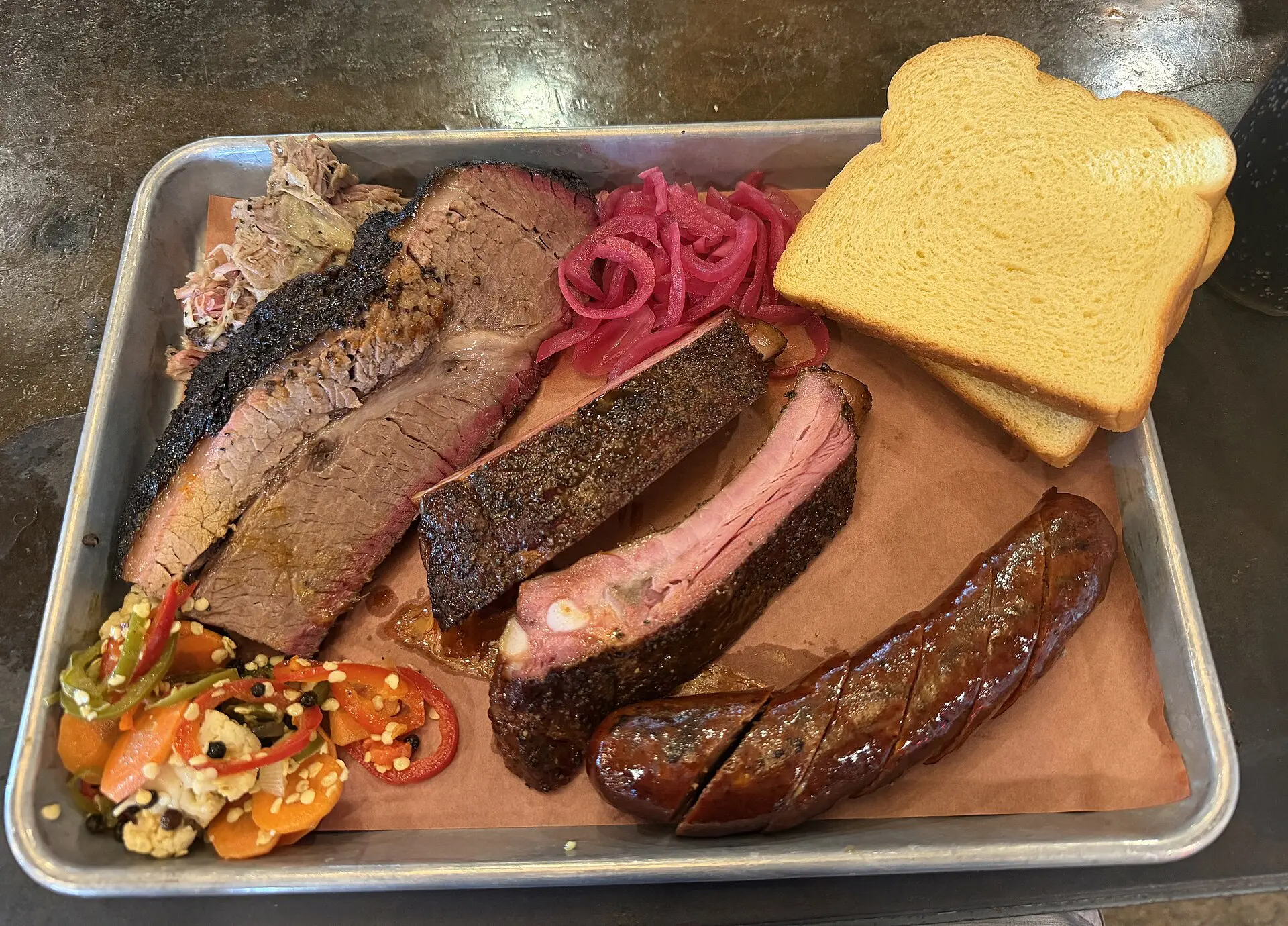
- Barbecue: slow-smoked brisket in Texas, ribs in Kansas City and Memphis, and pulled pork in the Carolinas.
- New York pizza and bagels: thin, foldable slices and bagels with cream cheese or lox.
- Burgers and diners: classic diner breakfasts of eggs, pancakes and bacon, and regional burger chains such as In-N-Out in the West.
- Seafood: clam chowder and lobster rolls in New England, and Maryland crab cakes.
- Cajun and Creole food: gumbo, jambalaya and beignets in New Orleans.
- Tex-Mex and Mexican food: tacos and burritos, especially strong in California and the Southwest.
- Craft beer and wine: breweries are found in nearly every city, and California, Oregon and Washington produce wine.
- Cheesesteaks and deep-dish pizza: Philadelphia and Chicago specialities.
Vegetarian and vegan options are common in cities, though fewer in small towns. Portions are large and often shared. Tipping is expected, and menus list prices without tax. Tap water is safe to drink, and free refills of soft drinks and filter coffee are common at diners.
Culture, language and etiquette in the United States
English is the main language, and Spanish is widely spoken, particularly in Florida, Texas, California and the Southwest. The country has no official national language at the federal level, though English dominates daily life. Americans are generally friendly and talkative, and small talk with strangers is common.
Tipping is central: leave 15 to 20 percent in restaurants, a dollar or two per drink at a bar, and tip taxi drivers, hotel staff and tour guides. Service workers rely on tips for a large part of their income. Personal space is generous, and punctuality is expected for reservations and tours.
Politics, religion, guns and race can be divisive topics, and views differ sharply by region, so listen more than you argue. Public smoking and vaping are restricted in many places, and alcohol is limited to over-21s with ID required. Dress is casual almost everywhere, with a smarter outfit for upscale restaurants. Respect rules in national parks: stay on trails, keep a safe distance from wildlife and take out your rubbish. Many Native American nations run their own sites and tours, and permission is needed for photography in some places.
United States itinerary: a 7-day route
This route covers the Southwest in a loop from Las Vegas, with flights into and out of Las Vegas and a rental car. It suits spring or autumn, as summer heat in the desert is dangerous, and it needs advance booking for lodging and park permits.
- Day 1, Las Vegas: arrive, collect the car and see the Strip in the evening.
- Day 2, Zion National Park: drive about three hours, and walk the canyon trails using the park shuttle.
- Day 3, Bryce Canyon: take the 2-hour drive east, and walk among the hoodoos at sunrise or sunset.
- Day 4, Page and Horseshoe Bend: drive about three hours, and visit Horseshoe Bend and Antelope Canyon with a booked tour.
- Day 5, Monument Valley: a scenic drive of around two hours, with a Navajo-guided tour.
- Day 6, Grand Canyon South Rim: a drive of about three hours, then walk the rim at sunset.
- Day 7, return to Las Vegas: allow around four and a half hours.
For a city-focused alternative, spend three days in New York, two in Washington D.C. by train, and two in Boston. For a coast route, fly into San Francisco and drive Highway 1 to Los Angeles over a week.
Practical tips for the United States
- Money: the US dollar is the currency. Cards and contactless payments are accepted almost everywhere, and ATMs are common. Carry small bills for tips.
- SIM and eSIM: prepaid SIMs and eSIMs from the main carriers are available, with good coverage in cities and weak signal in national parks and deserts.
- Plugs: types A and B at 120 V, so many devices need an adaptor and some need a converter.
- Tipping: 15 to 20 percent in restaurants and bars, and a few dollars for hotel and taxi staff.
- Health: buy comprehensive travel insurance, because emergency care is very costly. Dial 911 for emergencies.
- Packing: layers, sun protection, sturdy shoes and a refillable water bottle for parks; a warm coat for northern winters.
- Booking: reserve national park lodging, timed entry and popular tours months ahead, and check closures in winter.
- Time zones: the continental US spans four time zones, so flights and drives can cross them.
- Sales tax: added at checkout, so prices at the till are higher than on the label.
For wider background, see the Wikivoyage United States guide.
FAQ
Q1What is the best time to visit the USA?
It depends on the region. April to June and September to October suit most trips, with mild weather and fewer crowds. Summer is best for Alaska, the Rockies and Yellowstone, and winter for Florida, Arizona and skiing. Hurricane season runs June to November.
Q2Do you need a visa for the USA?
It depends on nationality. Citizens of Visa Waiver Program countries can usually travel for up to 90 days with an approved ESTA, while others need a B-1/B-2 visitor visa. Rules and fees change, so check the official US government sources before booking.
Q3Is the USA safe to visit?
Yes for most visitors, though safety varies by city and neighbourhood. The main risks are car break-ins, petty theft, road accidents, wilderness hazards and very high medical costs. Check your government's advice and take travel insurance with strong medical cover.
Q4What are the best places to visit in the USA?
New York City, Washington D.C., San Francisco and Los Angeles, the Grand Canyon and Southwest parks, Yellowstone, Yosemite, Miami and the Everglades, New Orleans and Alaska. Pick two or three regions, because distances are very large.
Q5How much does a trip to the USA cost?
Mid-range travellers should expect around USD 200 to 350 per person per day. Budget trips can be USD 100 to 160. Hotels, rental cars and eating out, including sales tax and 15 to 20 percent tips, are the main costs, and big cities are the priciest.
Q6What are the best things to do in the USA?
See New York's landmarks and Washington's free museums, cross the Golden Gate Bridge, visit the Grand Canyon, Yellowstone and Yosemite, drive the Pacific coast, hear live music in Nashville or New Orleans, and watch a baseball or basketball game.
Q7How many days do you need in the USA?
Seven days is enough for one region, such as New York and Washington or a Southwest park loop. Two weeks lets you combine two regions with a flight between them. A coast-to-coast trip needs three weeks or more, because distances are large.