Why visit Austin
When people ask about things to do in Austin, music and food usually come first. The capital of Texas bills itself as a live-music city, with venues on and around Sixth Street and Red River, and performances most nights of the week.
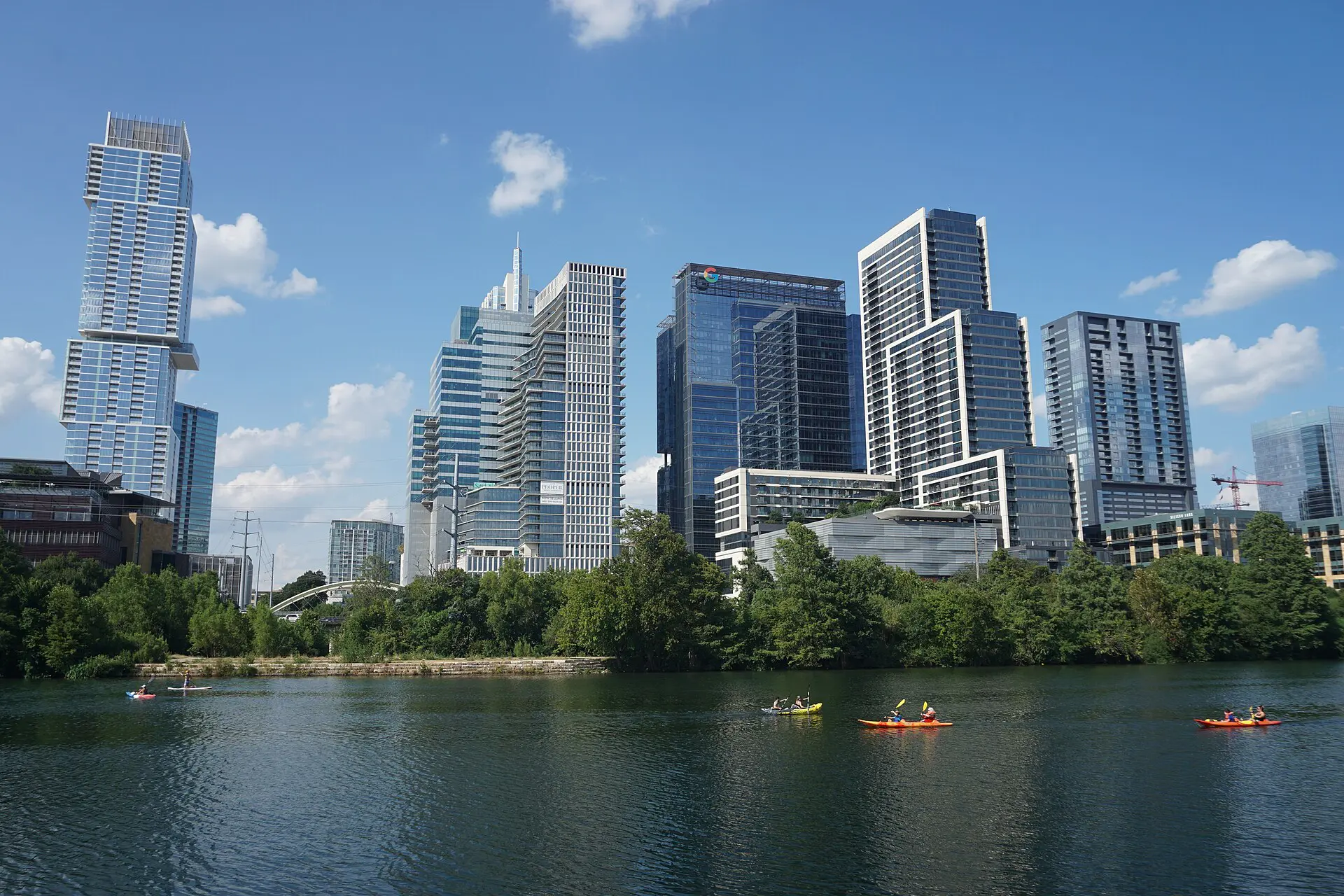
The city sits on the Colorado River in central Texas, where the river is dammed to form Lady Bird Lake. A trail circles the lake, and kayakers and paddleboarders use the water. Nearby, spring-fed pools and parks give locals and visitors places to cool off.
Austin is also home to a large university, a growing tech scene and a food culture strong on barbecue and Tex-Mex. Summers are very hot, and big festivals can fill the city, so timing matters. Outside peak periods, it is an easy and relaxed place to spend a few days.
Top things to do in Austin
These are the most popular places for visitors. Check opening hours, and book ahead for tours and busy weekends.
Live music on Sixth Street and beyond
Sixth Street has a dense strip of bars and venues, while other areas offer more varied shows. Allow an evening. Check listings for the night, and consider smaller venues for a less crowded experience. Weekend nights are busy.
Lady Bird Lake and the trail
A trail of around ten miles loops the lake, suitable for walking, running or cycling. Allow one to three hours. You can rent kayaks or paddleboards, and the views of the skyline from the water are good. Bring water in warm weather.
Barton Springs Pool
A large spring-fed pool in Zilker Park, cool in all seasons. Allow one to two hours. Check opening hours and any entry fees, and note that the pool sometimes closes for cleaning or after heavy rain.
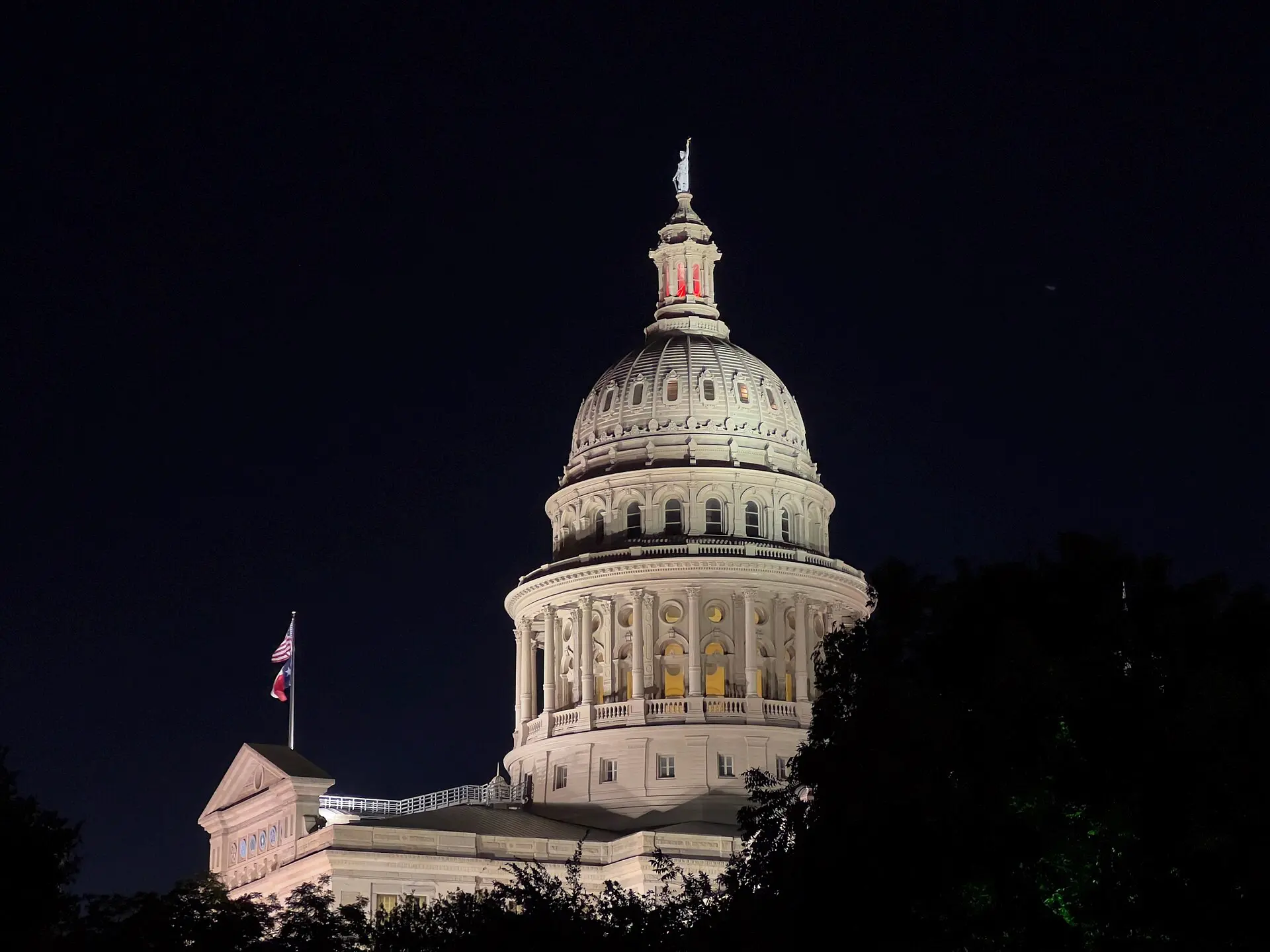
Texas State Capitol
The grand pink-granite building is open for visits, with free tours on most days. Allow around an hour. Check security and hours, and combine it with a walk through the surrounding grounds and nearby museums.
South Congress and the food scene
South Congress Avenue has shops, food trucks and murals, with the Capitol in the background. Allow two to three hours. Barbecue is a speciality, and popular places often have long queues, so go early, as some sell out.
Bat watching at Congress Avenue Bridge
From spring to autumn, a large colony of bats emerges from beneath the bridge at dusk. Allow around an hour. Arrive a little before sunset, and check the best viewing months, as numbers vary through the season.
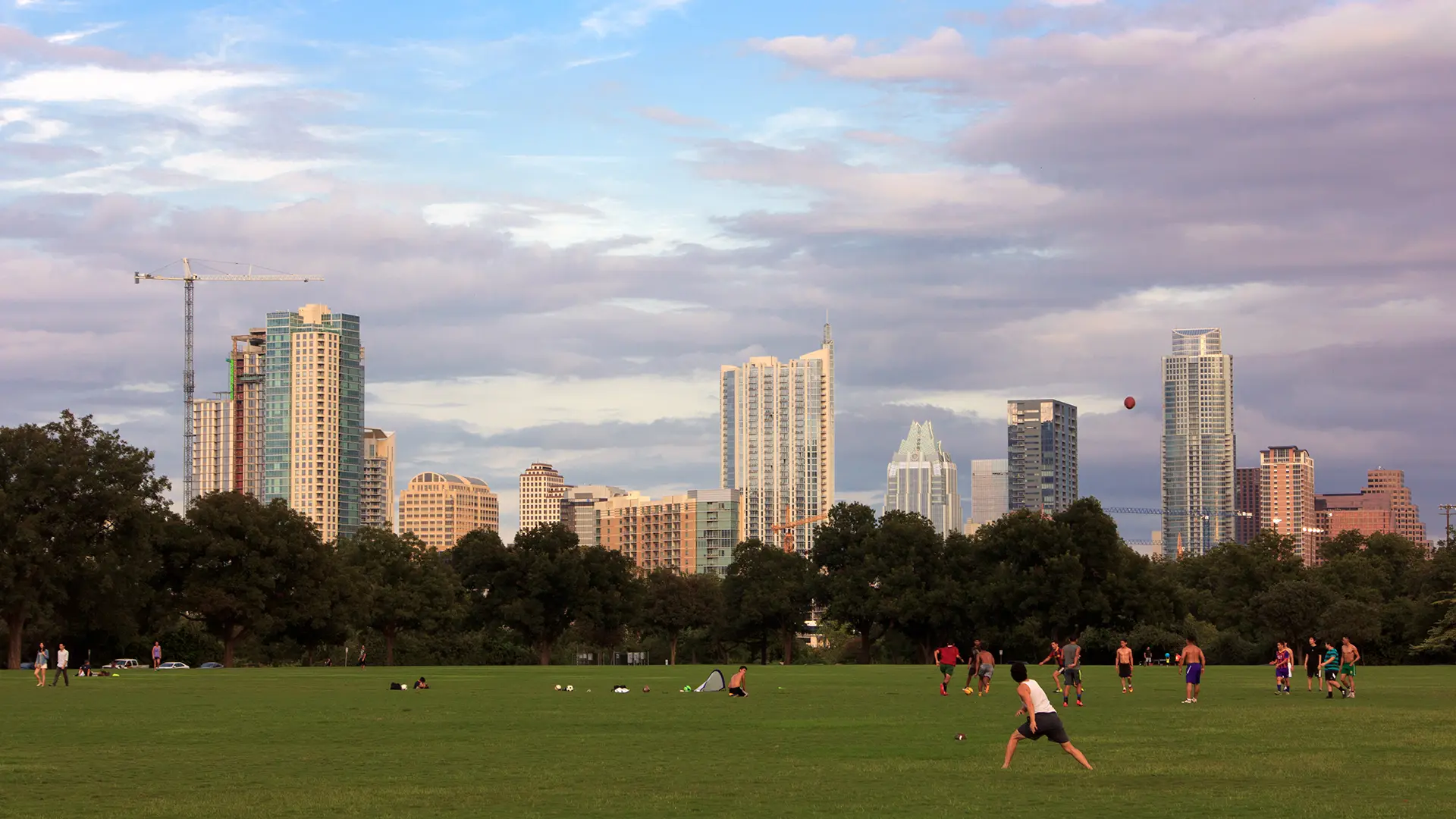
Zilker Park and the Hill Country edge
The large park hosts festivals and has open lawns, trails and a botanical garden. Allow a couple of hours. Rent a bike if you want to cover more ground, and check event dates, since large festivals change access.
Best time to visit Austin
March to May and October to November are the most comfortable months, with warm days and cooler evenings. Spring also brings wildflowers in the surrounding region, though thunderstorms can occur.
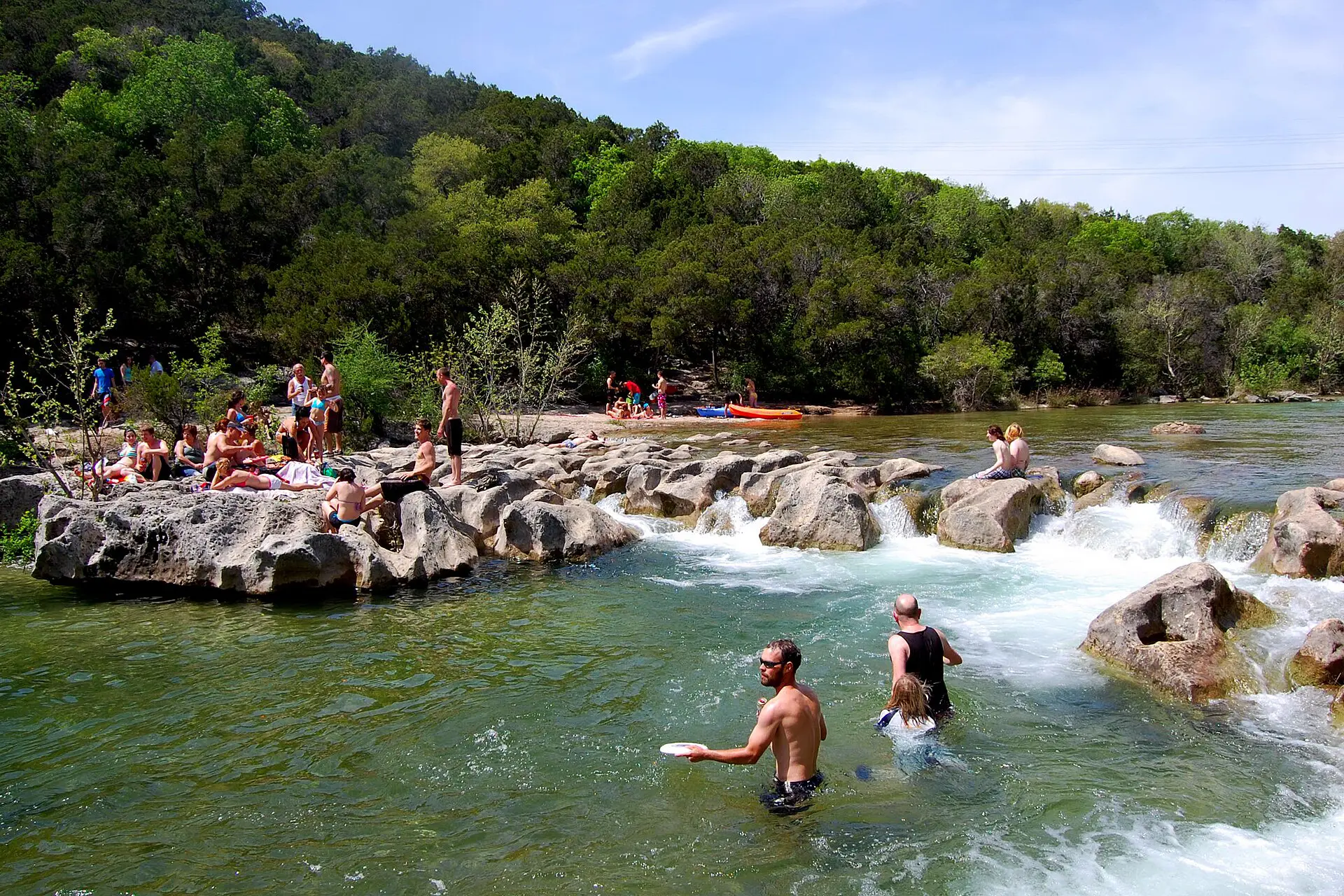
Summer is hot, with temperatures often above 95 degrees Fahrenheit, so plan outdoor activity for mornings and evenings and use the pools. Winter is mild with occasional cold snaps. Big events, including music and film festivals in spring and a major festival in autumn, push hotel prices up sharply, so check the calendar and book early if you plan to attend.
| Season | Weather | Crowds and prices |
|---|---|---|
| Spring (Mar-May) | Warm, some storms | Busy, festivals raise prices |
| Summer (Jun-Aug) | Very hot | Quieter, lower prices |
| Autumn (Sep-Nov) | Warm to mild | Busy in Oct, major festivals |
| Winter (Dec-Feb) | Mild, occasional cold snaps | Quieter, lower prices |
How to get to Austin and around
Most visitors arrive at Austin-Bergstrom International Airport, which is a short drive from downtown, usually around 20 to 30 minutes depending on traffic. Many others drive from Houston, San Antonio or Dallas. Long-distance buses serve the city, and Amtrak’s Texas Eagle also stops in the city, so check current schedules.
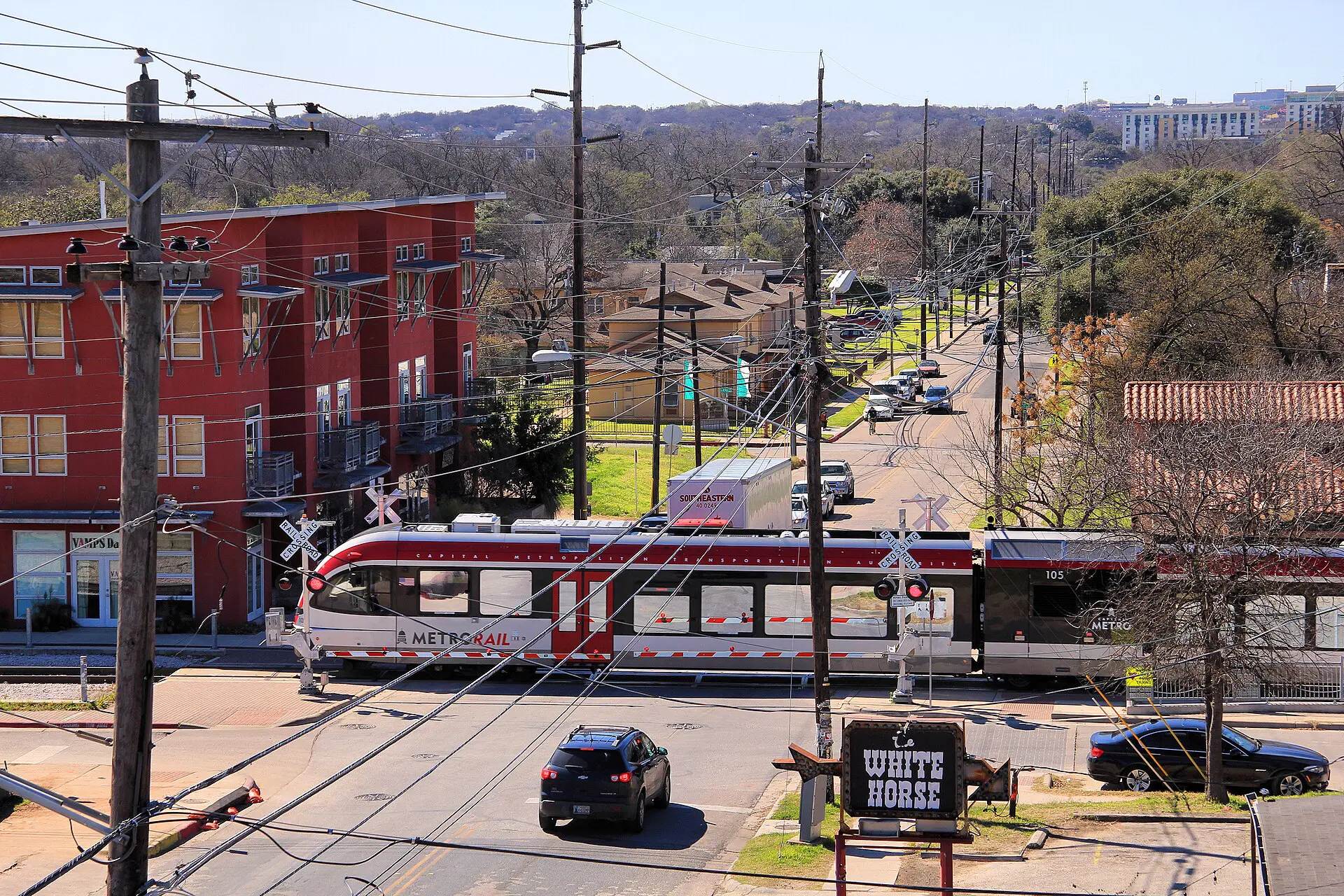
Downtown and the lake trail are walkable, and bikes and scooters are available in some areas. Buses and a commuter rail line cover parts of the city, but coverage is less extensive than in bigger cities. Rideshares are common, and a car helps for day trips. Traffic can be heavy at rush hour, and downtown parking is costly.
Where to stay in Austin
Austin offers a range of areas, from downtown towers to quieter residential streets. Prices spike during major festivals, so book ahead.
- Downtown: close to music venues, the Capitol and the lake trail. It suits first-time visitors and short stays, though it is noisy at weekends.
- South Congress: a more relaxed area with shops, food trucks and boutique hotels. Good for couples and those who want character.
- East Austin: creative and food-focused, with a growing number of stays. Suits repeat visitors who like a local feel.
- Near Zilker and Barton Springs: quieter and close to green space and the pool. Good for families and outdoor-focused travellers.
How many days do you need?
Three days is enough for the main sights, with time for music and barbecue. Two days works for a weekend, and four or five lets you add a day trip into the Hill Country. Austin runs at a relaxed pace, so you do not need a tight schedule.
- Day 1: The Capitol, South Congress, then bats at the bridge at dusk and music downtown.
- Day 2: Lady Bird Lake in the morning, a swim at Barton Springs and barbecue for lunch or dinner.
- Day 3: East Austin food and shops, then a show at a smaller venue.
Day trips and nearby
Austin is the gateway to the Texas Hill Country and sits within reach of other large Texas cities.
Hill Country towns
Towns west of Austin, such as Fredericksburg, are known for wineries, peach stands and German heritage. The drive is around an hour and a half. Check seasonal opening hours, and nominate a driver if you plan to taste wine.
San Antonio
Roughly an hour and a half south by car. The River Walk and the historic Alamo mission are the main draws. Allow a full day, and check ticket and access details in advance.
Houston
About two and a half to three hours east by car. It has large museums and a strong food scene, so it suits an overnight better than a rushed day.
Nashville and New Orleans
Both are a long journey away, around a day’s drive or a short flight, so they fit better into a longer trip through the South than a day out.
FAQ
Q1When is the best time to visit Austin?
March to May and October to November are usually the most comfortable, with warm days and cooler evenings. Summer is very hot, while winter is mild. Big festivals in spring and autumn raise hotel prices, so check dates before you book.
Q2How many days do you need in Austin?
Three days is enough for live music, barbecue, Lady Bird Lake, Barton Springs and a couple of neighbourhoods. Two days work for a weekend, and four or five let you add a Hill Country day trip or a longer food crawl.
Q3How do you get around Austin?
Downtown and the lake trail are walkable, and rideshares are common. Buses and a commuter rail line cover some areas, but coverage is limited. A car is useful for day trips. Traffic can be heavy at rush hour and parking downtown is costly.
Q4Is Austin worth visiting?
Yes, if you like live music, barbecue and a relaxed outdoor atmosphere. It is less about big sights and more about the mix of food, music and swimming spots. Avoid peak summer heat if you can, and check festival dates.
Prices, schedules and entry rules change. Check current details with official sources before you travel. Read the United States travel guide.