Why visit Namibia
The list of things to do in Namibia is built on space. It is one of the least densely populated countries in the world, and it holds the Namib Desert, the Fish River Canyon, Etosha National Park and a coast where desert meets the Atlantic. The Wikipedia overview notes that Namibia is the driest country in sub-Saharan Africa, which explains the clear skies, empty horizons and rare animals adapted to the desert.
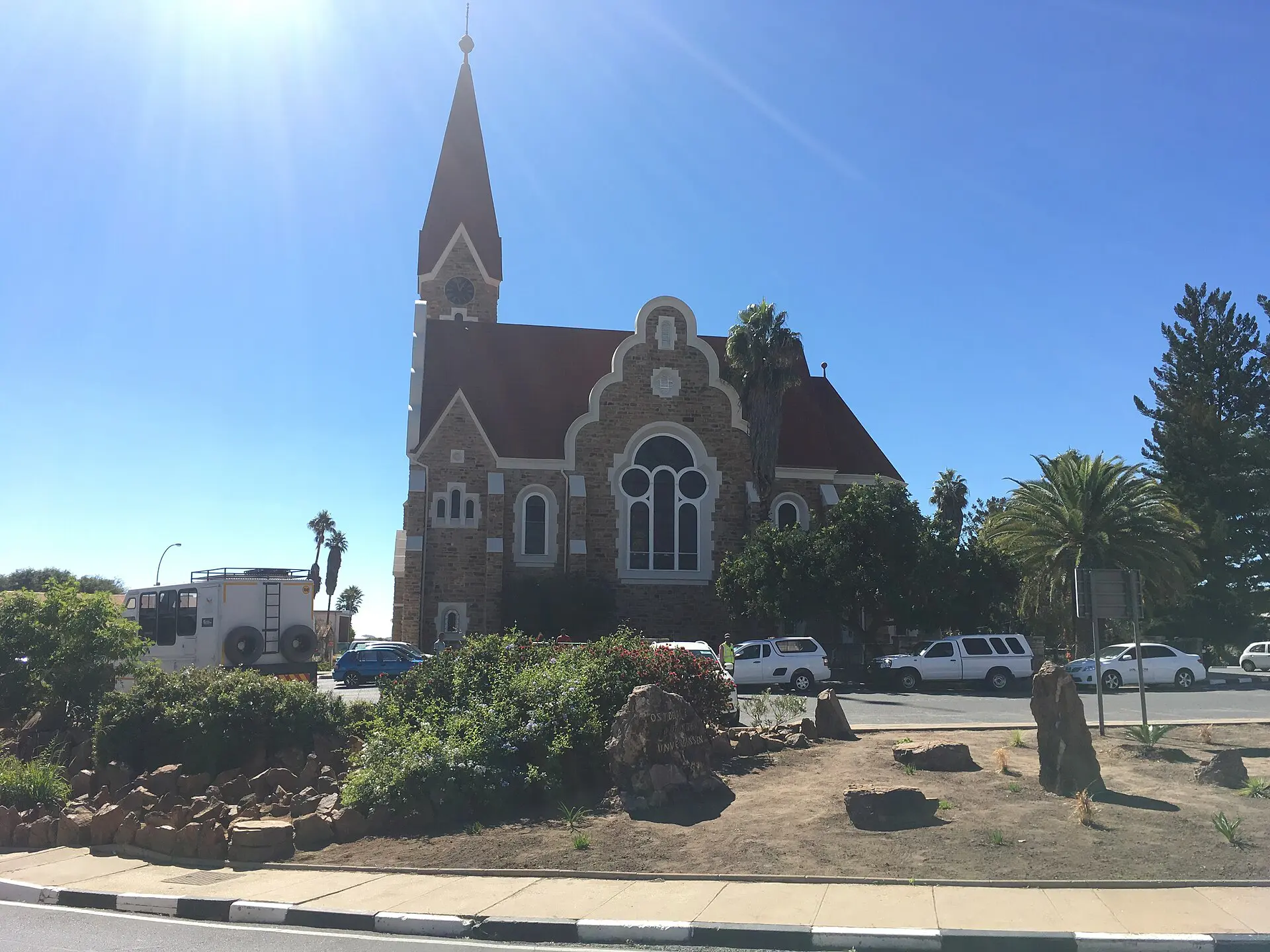
It suits self-drivers, photographers, wildlife watchers and travellers who want a stable country with good roads and a reliable tourism industry. The infrastructure is among the best in Africa, with well-signed tarmac and gravel roads, a wide range of lodges and campsites, and English as the official language. The distances are the catch: you will spend hours driving between sights, so plan fewer stops at a slower pace. German colonial history is visible in the architecture of Swakopmund and Lüderitz.
Best places to visit in Namibia
The best places to visit in Namibia are spread widely, so most visitors link a few regions in a loop starting and ending in Windhoek.
Sossusvlei and the Namib-Naukluft
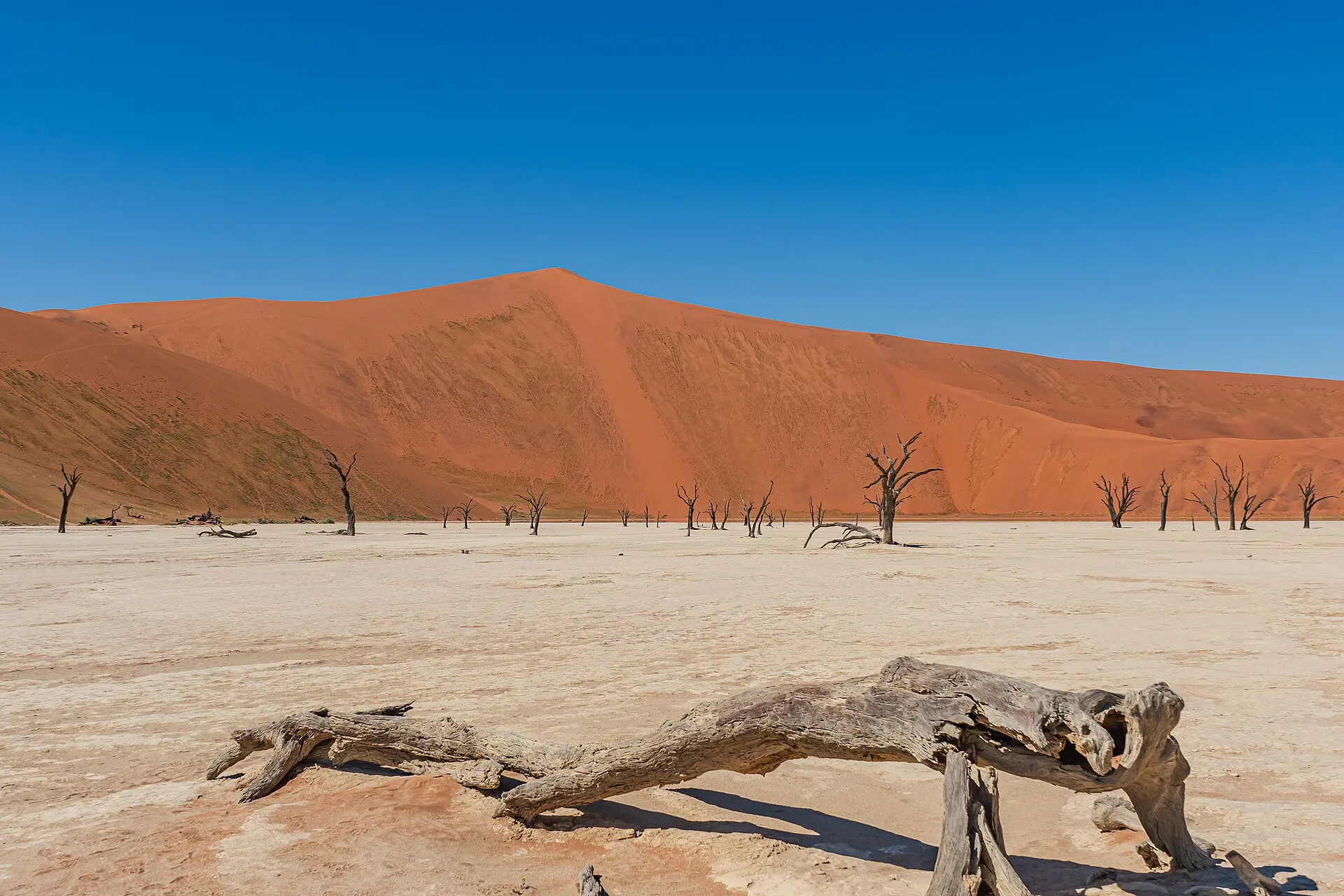
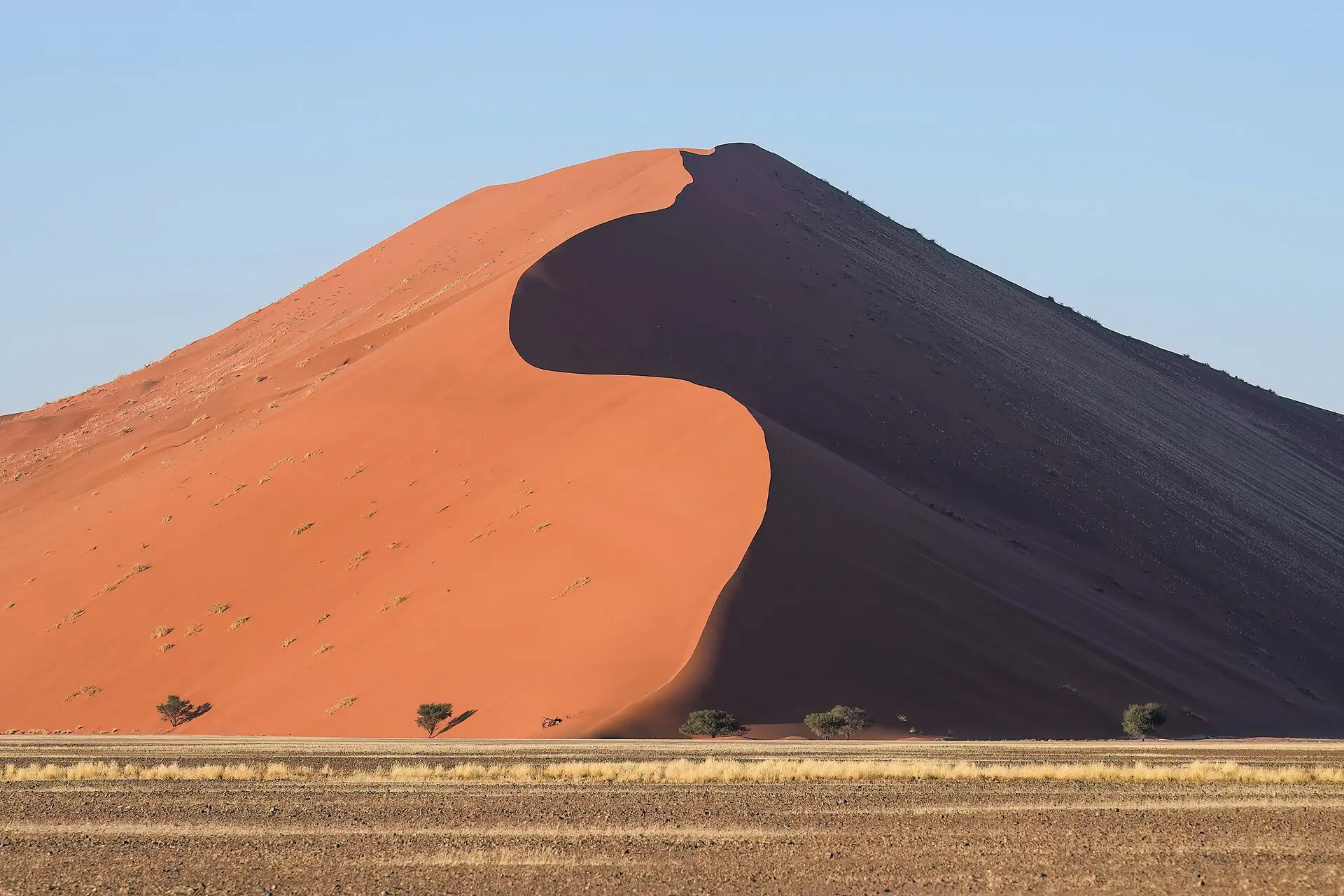
The tall red dunes and the white clay pan of Deadvlei are the best-known landscapes in the country. Dune 45 and Big Daddy are popular climbs, and the best light is at sunrise, so most visitors sleep near the park gate.
Etosha National Park
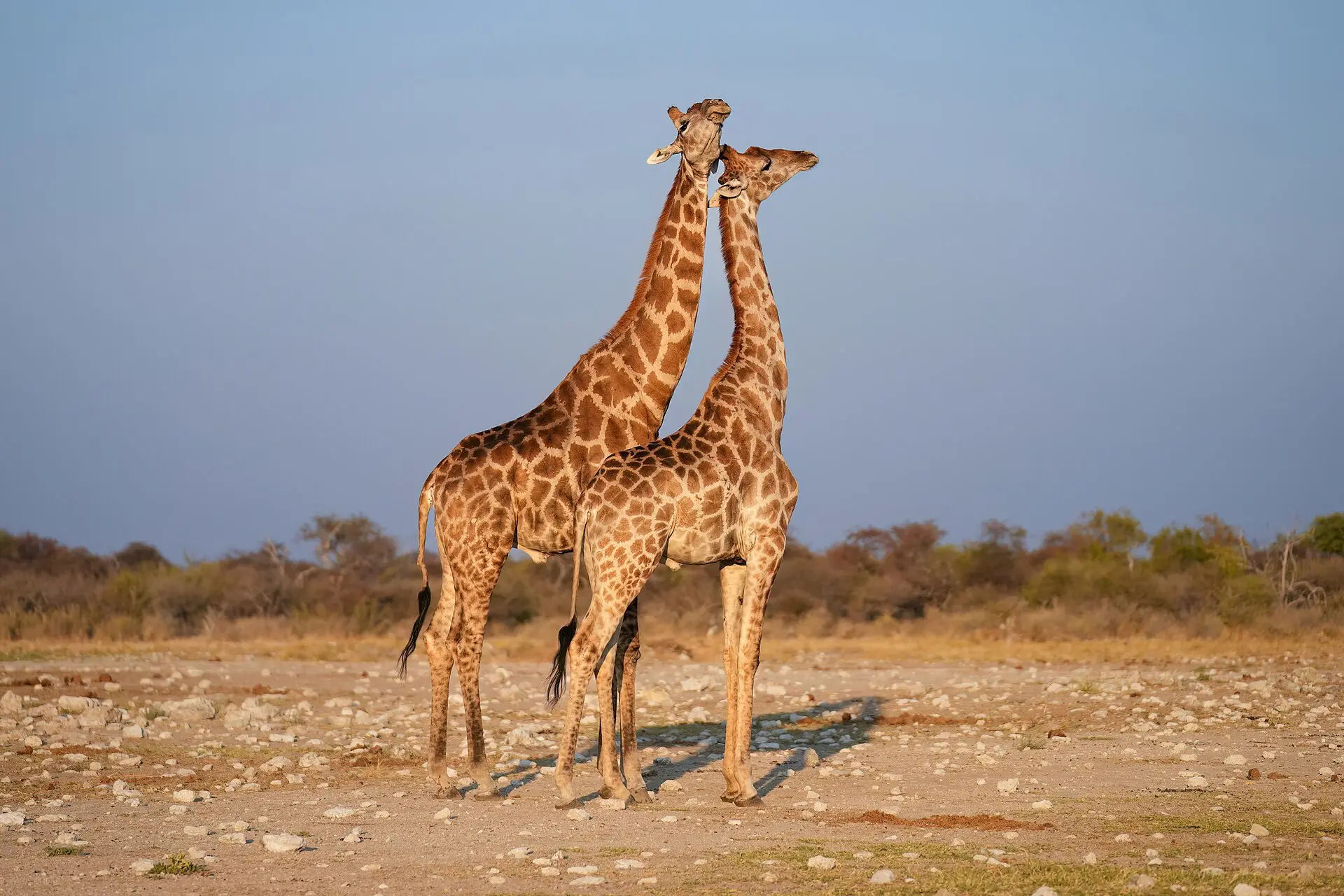
Etosha surrounds a huge salt pan in the north. Floodlit waterholes at the main rest camps draw elephants, lions, rhinos and giraffes, especially in the dry season. It is one of the best self-drive safari parks in Africa.
Swakopmund and Walvis Bay
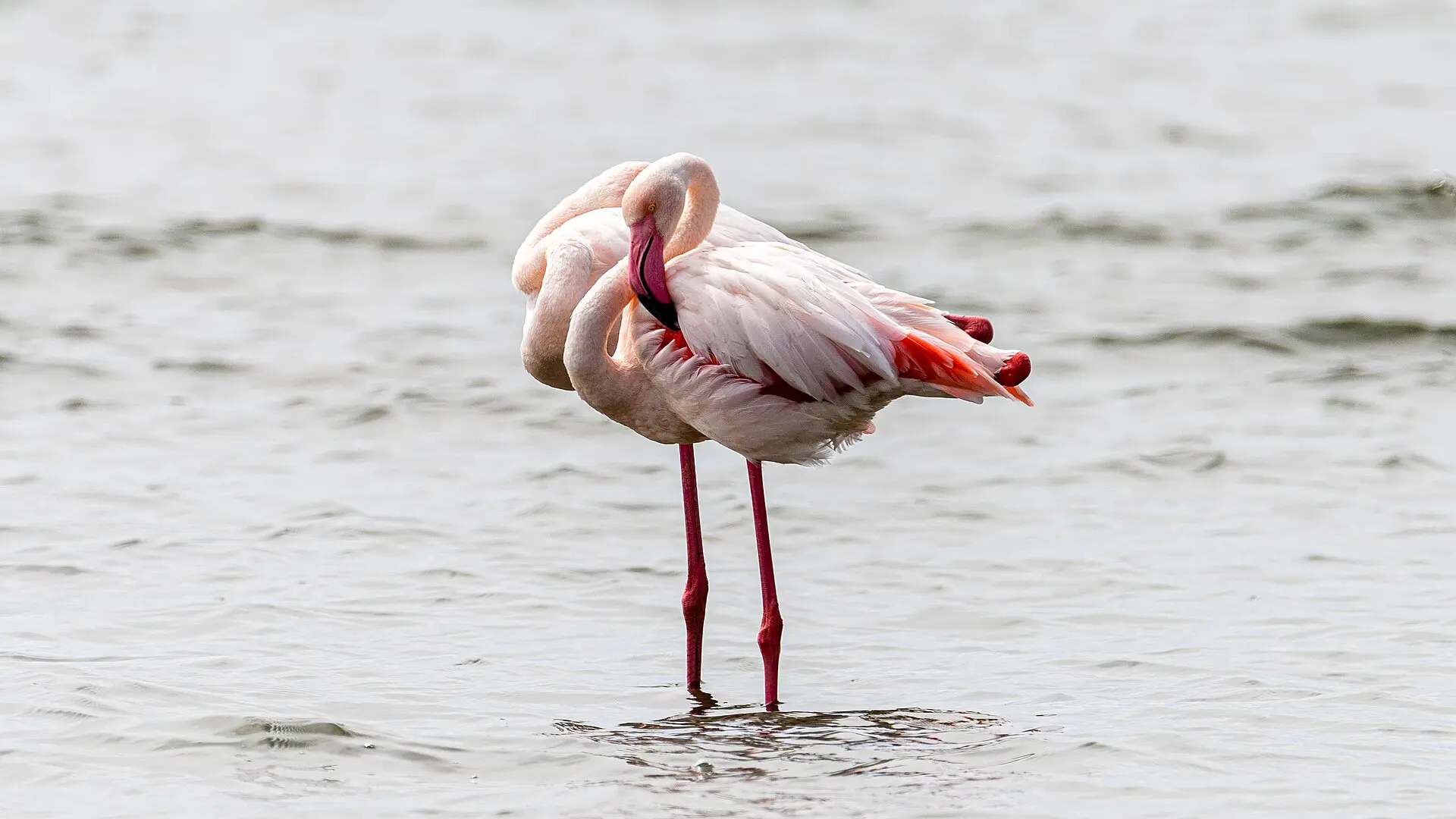
Swakopmund is the adventure capital, with German-style cafés, sandboarding, quad biking and sky diving. Walvis Bay has a lagoon with flamingos and boat trips to see seals and dolphins.
Damaraland and the Skeleton Coast
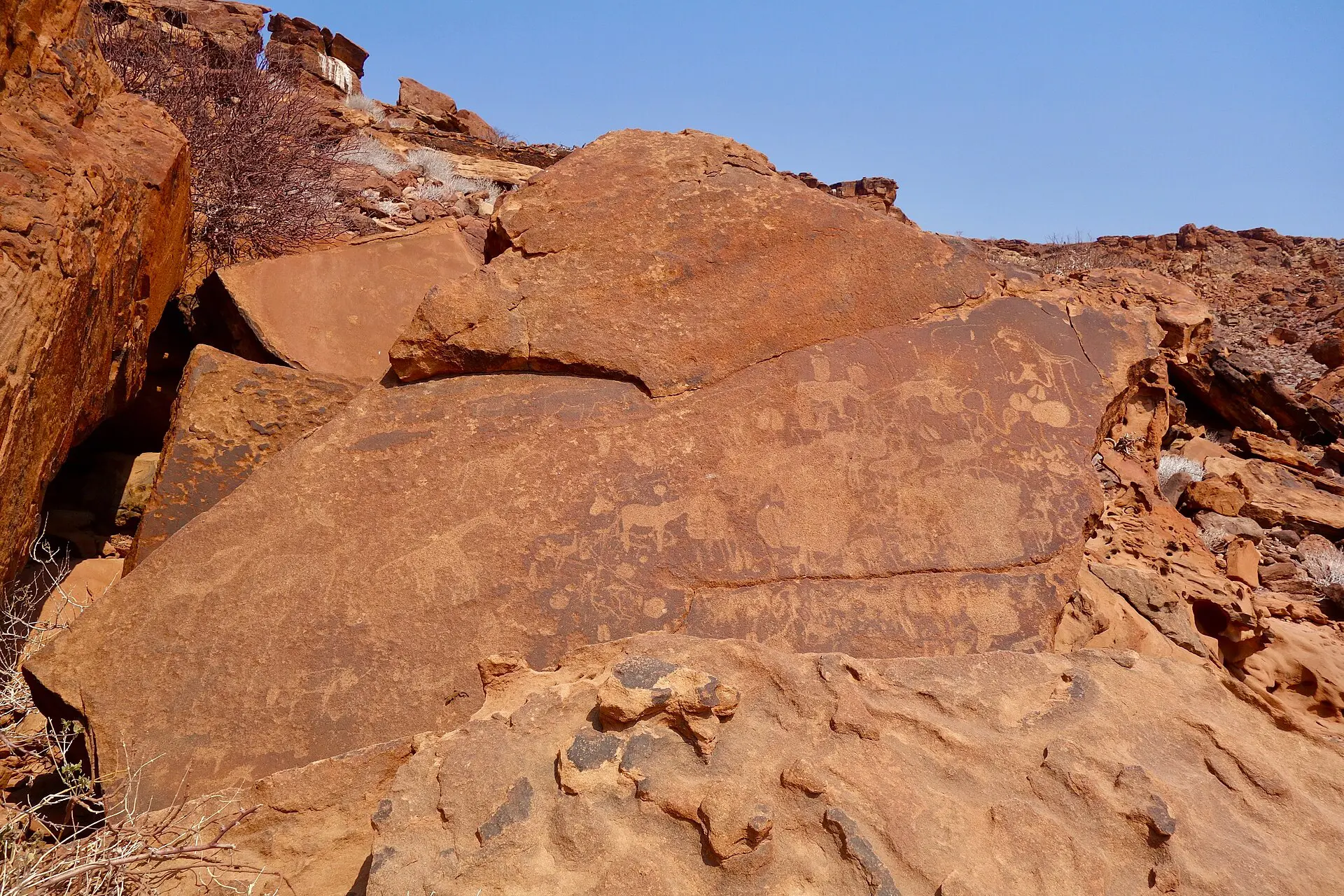
Damaraland has rock engravings at Twyfelfontein, a UNESCO site, and desert-adapted elephants. The Skeleton Coast to the north is a foggy, wild coastline with shipwrecks and seal colonies.
Fish River Canyon and Lüderitz
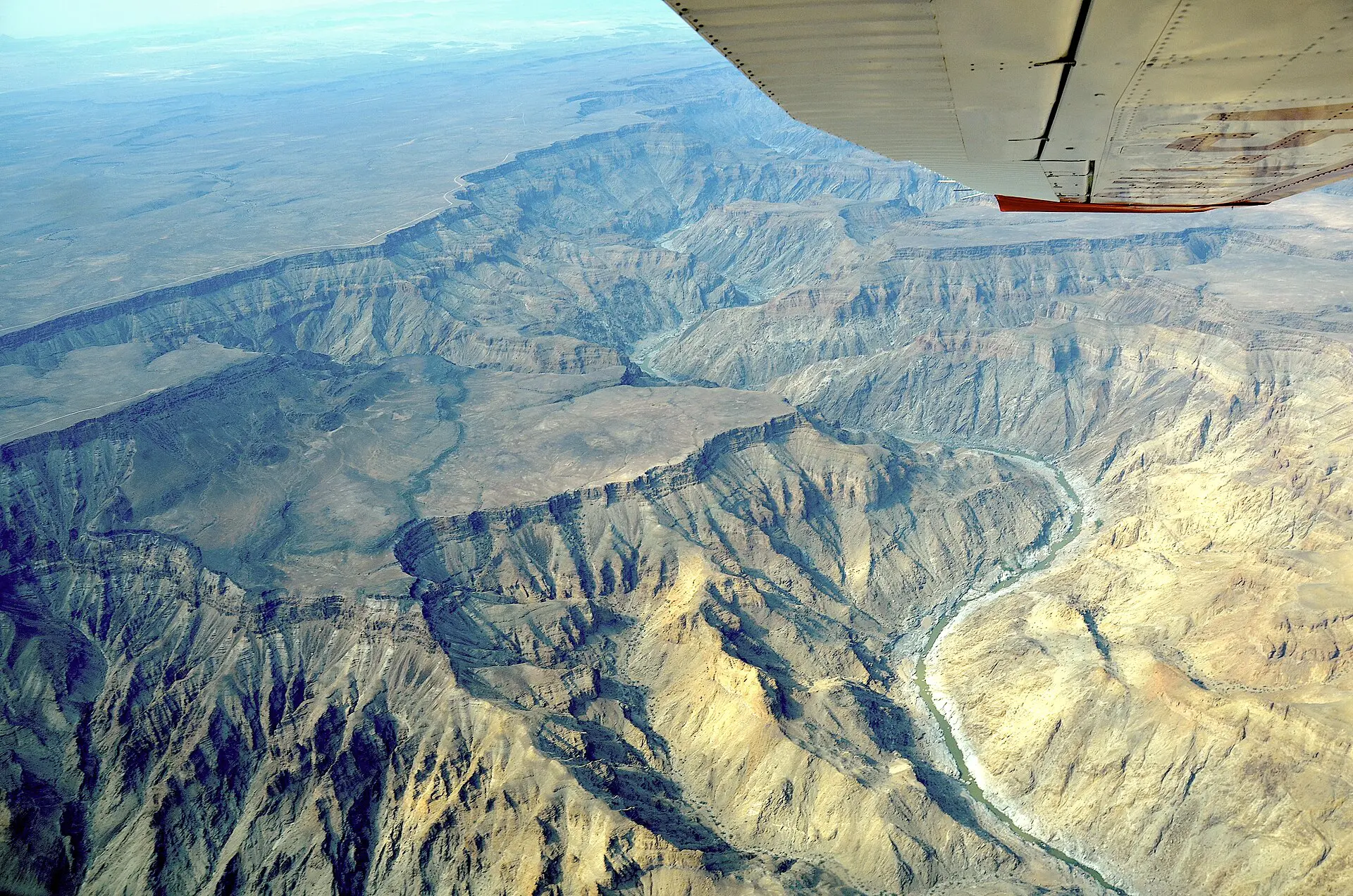
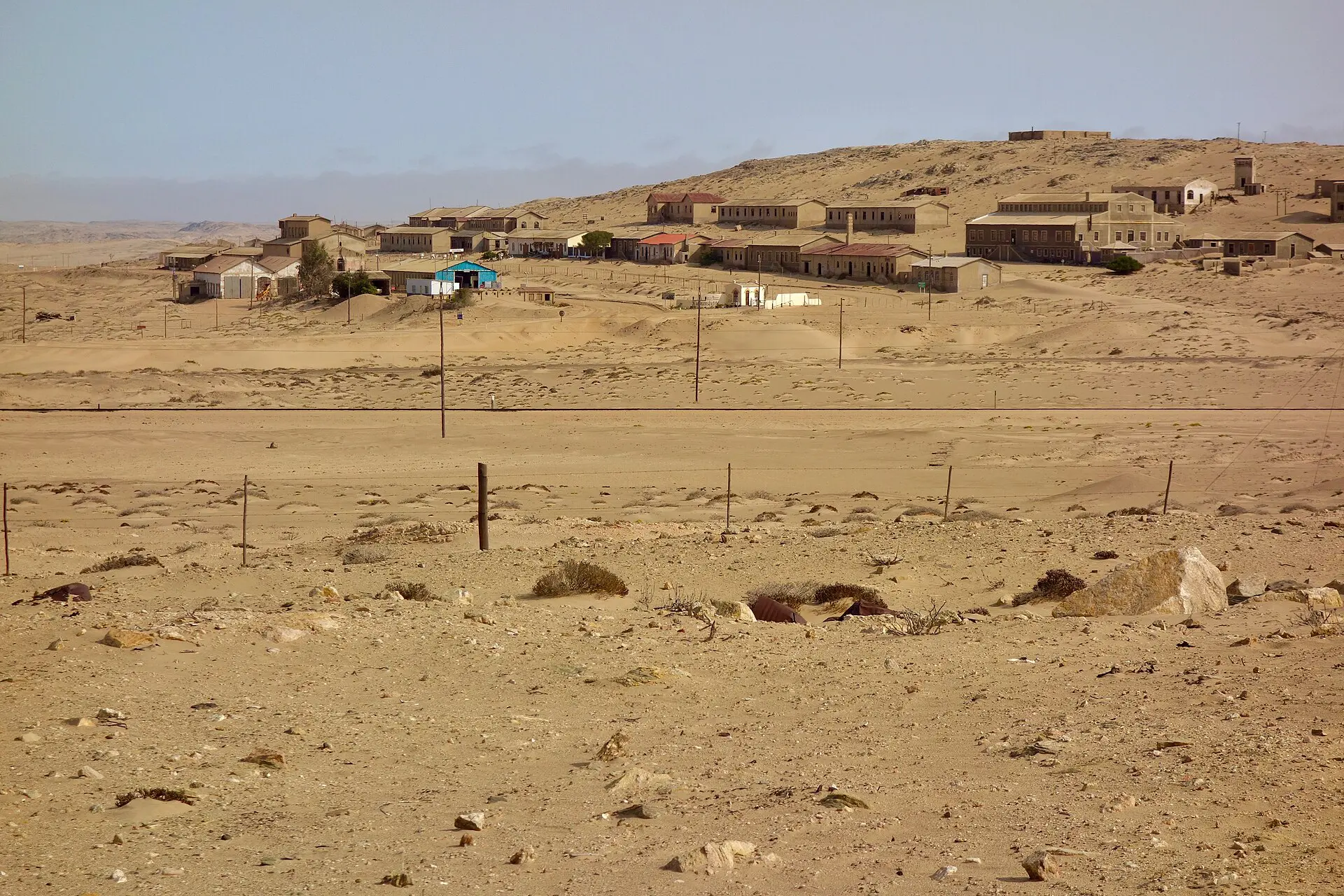
One of the largest canyons in the world lies in the south. Lüderitz is a coastal town with Art Nouveau buildings, and the ghost town of Kolmanskop is nearby.
Windhoek
The capital is the main entry point, with museums, restaurants and car hire.
Top things to do in Namibia
The top things to do in Namibia are outdoors, and most require a vehicle or a guided excursion.
- Climb a dune at sunrise: Dune 45 near Sossusvlei is a steady climb with a long view over the desert.
- Walk Deadvlei: blackened camel thorn trees stand in a white clay pan beneath red dunes.
- Self-drive Etosha: visit different waterholes through the day and finish at a floodlit camp waterhole at night.
- See Twyfelfontein rock art: a guided walk shows engravings thousands of years old.
- Try sandboarding in Swakopmund: operators offer lessons on the dunes behind the town.
- Take a boat trip from Walvis Bay: seals, pelicans and sometimes dolphins come close to the boats.
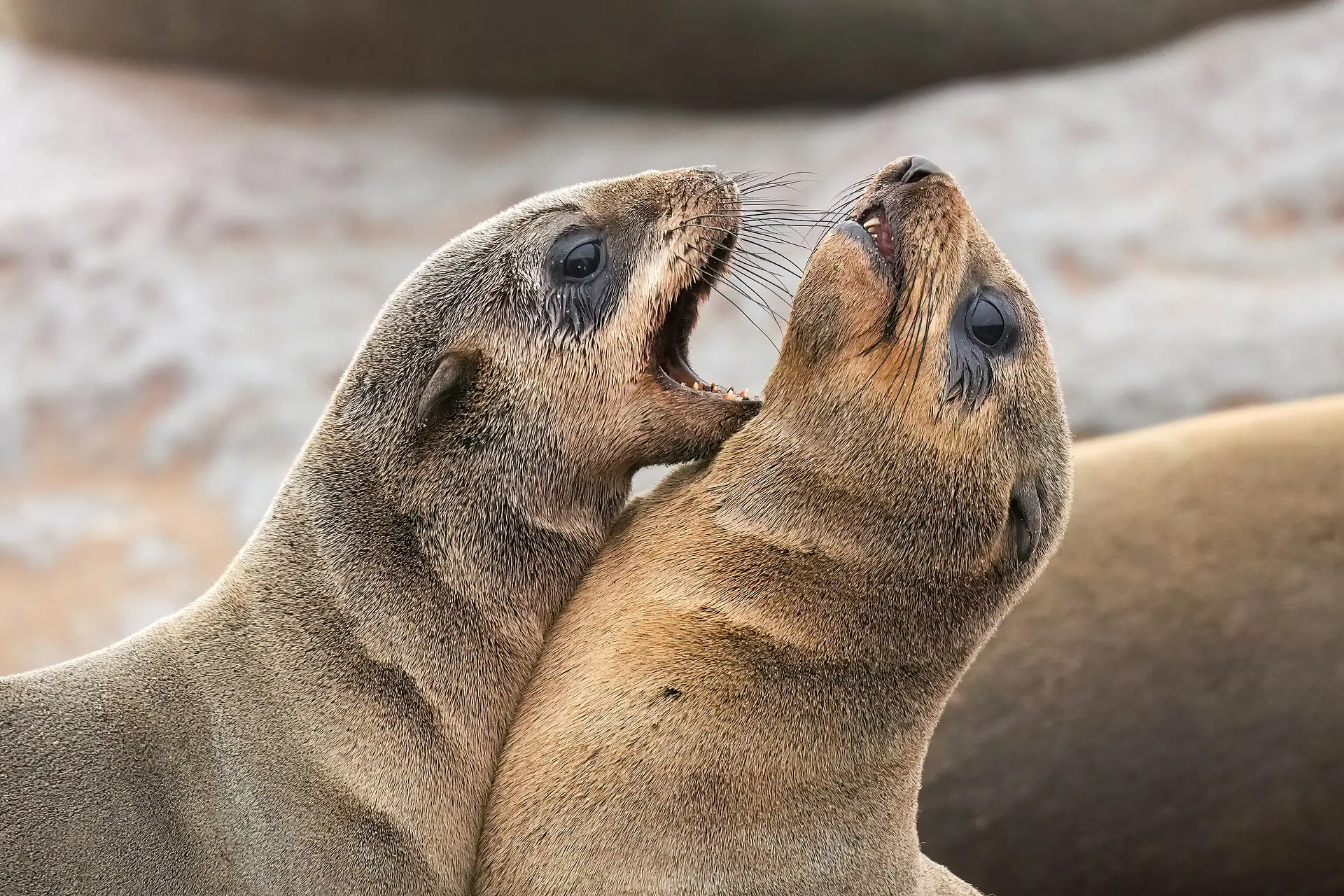
- Visit Cape Cross seal reserve: thousands of Cape fur seals crowd the shore north of Swakopmund.
- Walk through Kolmanskop: sand fills the abandoned diamond-era houses near Lüderitz.
- View Fish River Canyon: viewpoints near Hobas are open year-round, and the multi-day hike runs in the cooler months.
- Meet a Himba community: visits in the north-west should be arranged through responsible local operators.
- Stargaze: the NamibRand reserve and many lodges are known for very dark skies.
Best time to visit Namibia
The best time to visit Namibia is the dry season from May to October. Days are warm and sunny, nights can be cold in the desert, and wildlife gathers at waterholes, which makes Etosha easy to see. November to April is hot, with rains mainly from January to March, and the landscape turns green.
| Season | Weather | Crowds and prices | Good for |
|---|---|---|---|
| Dry season (May-Oct) | Sunny, cool nights, very dry | Busiest; high prices June-September | Etosha game viewing, dunes, Skeleton Coast |
| Hot and early rains (Nov-Dec) | Hot, afternoon storms start | Moderate | Birds, quieter lodges |
| Rains (Jan-Apr) | Hot, humid in the north; storms | Lowest; lodge discounts | Green landscapes, bird watching, photography |
The coast stays cool and foggy all year, even when the interior is hot. Book lodges and Etosha camps early for July to September, and check road conditions after heavy rain, as gravel roads can flood.
Is Namibia safe to visit?
Yes, Namibia is generally safe and politically stable, and most visitors have trouble-free trips. Is Namibia safe to visit is mostly a question about roads, remoteness and common-sense city precautions. Check your government’s current travel advice, such as the UK FCDO or US State Department pages, before booking.
Roads. Road accidents are the biggest risk. Distances are long, gravel roads are loose, and vehicles roll more easily than drivers expect. Keep to the speed limit, avoid driving at dusk and night because of livestock and wildlife, and carry a spare tyre, since punctures are common.
Crime. Petty theft and opportunistic crime occur in Windhoek, Swakopmund and Walvis Bay. Do not leave valuables in a parked car, avoid walking alone at night and use registered taxis.
Remote travel. Mobile coverage disappears quickly. Carry plenty of water and fuel, tell your lodge your route and do not leave a broken-down car in the desert.
Wildlife. Stay in your vehicle in game parks except at marked places, and never approach elephants or lions.
Health. Malaria risk exists in the north, mainly in the rainy season, so ask a travel clinic. Sun and dehydration are a real risk in the desert.
Namibia visa and entry requirements
Namibia visa rules depend on your nationality, and the system has changed in recent years, so check before you book. Some nationalities have been able to enter visa-free for short tourist stays, while others have needed a visa, an e-visa or an electronic travel authorisation arranged ahead. Confirm the current rule with the Namibian immigration authority, or the nearest embassy.
You will need a passport valid for at least six months from arrival and with enough blank pages. Border officers may ask for proof of onward travel and accommodation. Travellers arriving from a yellow fever risk country may need a vaccination certificate.
If you drive in from South Africa, Botswana or Zambia with a rental car, the rental company must allow cross-border travel and provide the right paperwork. Land borders can be slow in peak season. Park entry fees, which are separate from any visa, are paid at the gate for most state parks. The UNESCO page for Namibia lists heritage sites such as Twyfelfontein and the Namib Sand Sea.
Getting to and around Namibia
Most visitors arrive at Windhoek Hosea Kutako International Airport, about 45 kilometres east of the city, with flights from Johannesburg, Cape Town, Doha, Frankfurt and other hubs. Walvis Bay airport also has some flights. Overland routes from South Africa, Botswana, Zambia and Angola are open at set border posts.
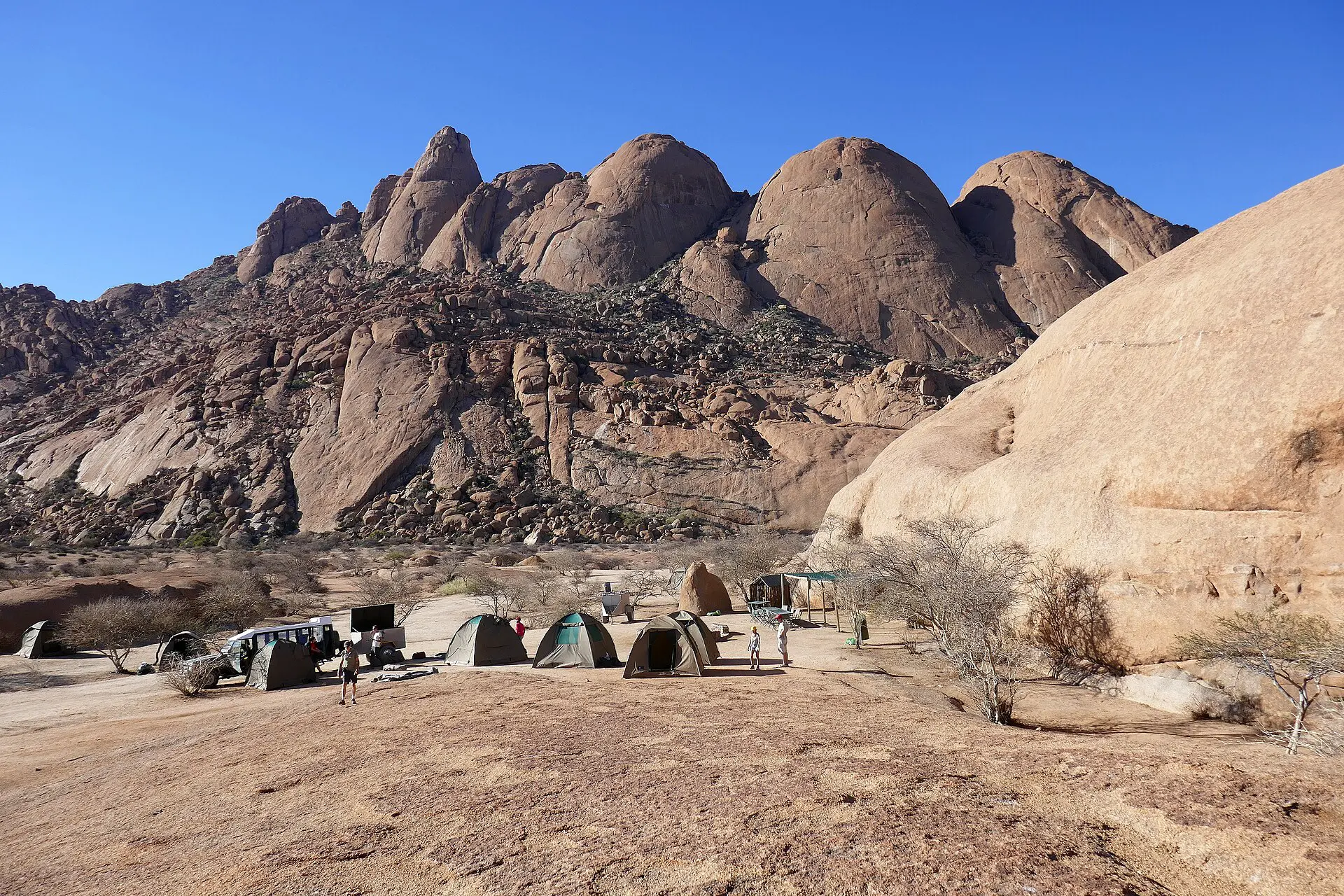
Self-drive is the standard way to see Namibia. Traffic drives on the left, a 4×4 is not essential for the main loop but is useful on rough gravel, and a high-clearance vehicle is recommended for remote routes. Windhoek to Sossusvlei takes around five to six hours, Windhoek to Swakopmund about four, and Windhoek to Etosha about four to five. Allow more time on gravel roads, and fill up with fuel at every opportunity.
Public transport is limited. Intercity buses link main towns, and a fly-in safari or small-group guided tour is the alternative to hiring a car. Domestic charter flights serve remote lodges. In towns, taxis are the usual choice.
How much does a trip to Namibia cost?
Namibia is not a budget destination, mainly because of distances, car hire and lodge prices. The Namibian dollar (NAD) is pegged to the South African rand, and rand is also accepted. The figures below are rough per-person guides for 2026 and rise in the dry season.
- Budget: around USD 60 to 100 per day, camping or basic guesthouses, self-catering and shared car hire.
- Mid-range: around USD 100 to 220 per day, with comfortable lodges, a rental 4×4 and park fees.
- High-end: from around USD 400 per day, with luxury lodges, fly-in safaris and guided activities.
Car hire with camping gear or a rooftop tent is a common way to cut costs. Park entry fees are charged per person and per vehicle, and activities such as sky diving or quad biking add up. Food in supermarkets is reasonable, and a restaurant meal in town is inexpensive compared to Europe. Fuel is relatively cheap. Shoulder-season rates in November and April can reduce lodge bills noticeably.
Namibia food and drink
Namibia food is meat-centred, with German, Afrikaner and southern African influences. Meals are hearty, and braais (barbecues) are a social ritual. Namibia food on the coast leans towards fresh seafood, and you can often find game meat on lodge menus.
- Biltong and droëwors: air-dried beef or game and dried sausage, sold everywhere as snacks.
- Game meat: oryx, kudu and springbok steaks, grilled or in stews.
- Braai: grilled meat and boerewors sausage with pap, a maize porridge.
- Oysters: farmed in Walvis Bay and served in Swakopmund restaurants.
- Kapana: grilled strips of beef sold at street stalls, especially in northern towns.
- German bakeries: pretzels, cakes, Black Forest gateau and strudel in Windhoek and Swakopmund.
- Namibian beer: Windhoek Lager and Tafel are brewed under a German purity law tradition.
Vegetarian options are limited outside cities but growing, so tell the lodge ahead. Tap water is generally safe in cities and many lodges, but ask in remote areas. Supermarkets in towns are good places to stock up for self-drive trips.
Culture, language and etiquette in Namibia
English is the official language, and Afrikaans, German, Oshiwambo, Herero, Nama and other languages are widely spoken. Namibia has about a dozen ethnic groups, including Owambo, Kavango, Herero, Damara, Nama, San and Himba, and a colonial history shaped by German rule and South African administration. Independence came in 1990.
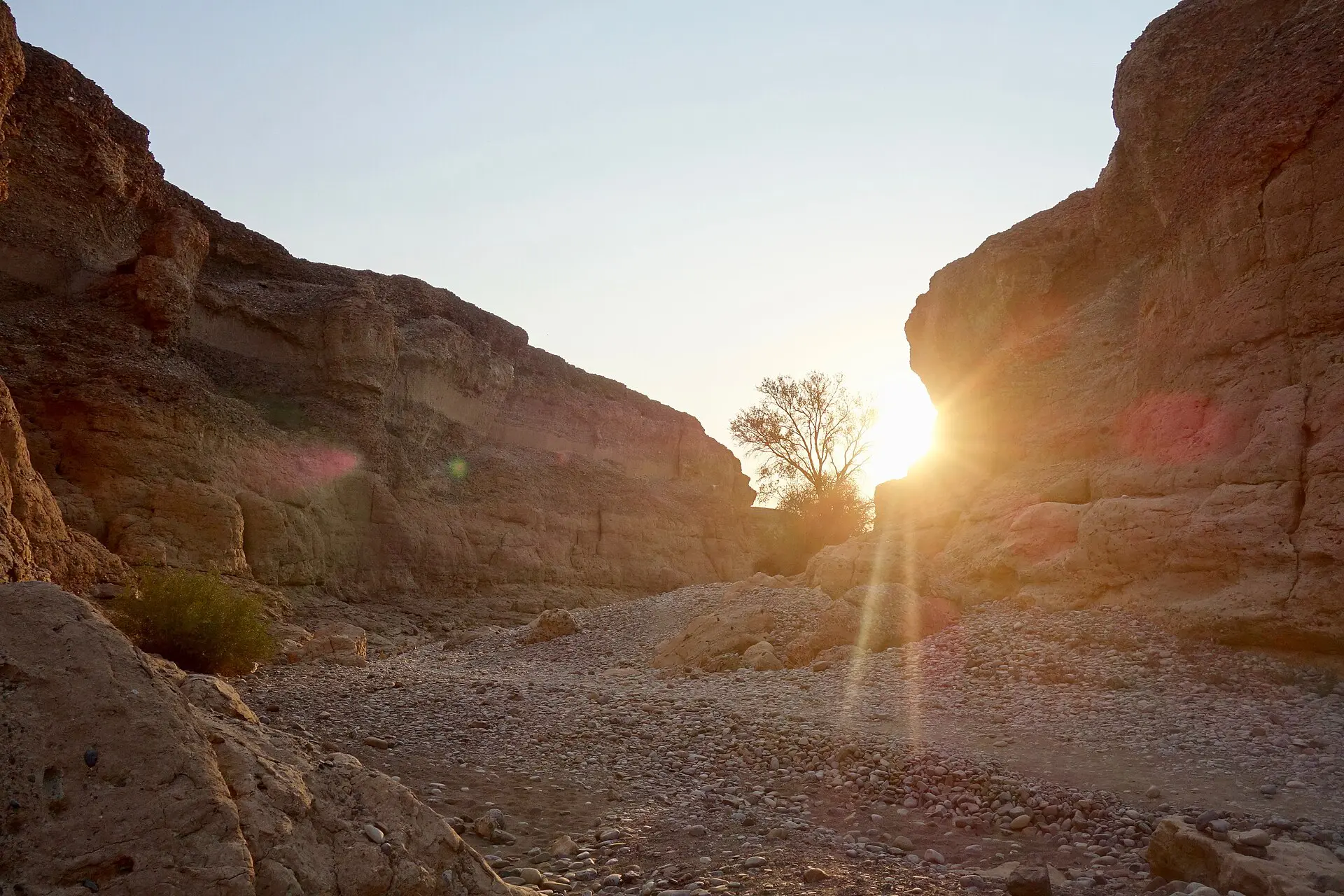
Greetings matter. A handshake and a few words of greeting before asking a question are good manners, and people are generally relaxed and friendly. Dress is casual, though modest clothing is wise in villages.
Ask permission before photographing people, and treat visits to Himba, San or other communities as paid cultural experiences arranged with a reputable operator, not as photo stops. Avoid giving sweets or money to children by the road. Wildlife etiquette matters too: keep your distance, stay on tracks, do not feed animals and carry rubbish out of the desert.
The legacy of colonial violence, including the genocide of the Herero and Nama peoples, is acknowledged in public memory, and visitors should approach the topic respectfully.
Namibia itinerary: a 7-day route
This self-drive loop from Windhoek is ambitious, with long driving days. It focuses on the dunes, coast and Etosha.
- Day 1, Windhoek to Sesriem: collect the car and drive around five to six hours to the Sossusvlei area.
- Day 2, Sossusvlei: climb Dune 45 at sunrise, walk Deadvlei and visit Sesriem Canyon.
- Day 3, Swakopmund: drive about five hours via the Kuiseb Canyon and the coast road, with time for a stroll in town.
- Day 4, Walvis Bay and Swakopmund: take a boat trip, sandboard or visit the Cape Cross seals.
- Day 5, Damaraland: drive about four hours inland and visit Twyfelfontein.
- Day 6, Etosha: continue about four hours to the park and drive waterhole routes until sunset.
- Day 7, Etosha to Windhoek: a morning game drive, then about five hours back to the capital.
With more days add Fish River Canyon and Lüderitz in the south, or a fly-in stay in the north-west. Keep all driving to daylight hours.
Practical tips for Namibia
- Money: the Namibian dollar is tied to the South African rand. Cards work in towns and most lodges, but carry cash for fuel stops and park gates in remote areas.
- SIM and eSIM: local prepaid SIMs are inexpensive and coverage is good in towns, but patchy in the desert. Download offline maps before you leave Windhoek.
- Plugs: types D and M at 230 V, the same three-round-pin type as in South Africa, so bring the right adapter.
- Tipping: around 10 percent in restaurants, and small tips for fuel attendants, guides and lodge staff.
- Driving: drive on the left, carry a full-size spare and a puncture repair kit, check tyre pressure for gravel and keep fuel above half a tank.
- Health: bring sun protection, plenty of water and any malaria advice from your clinic if heading to the north-east.
- Packing: warm layers for desert mornings, a hat, closed shoes, binoculars and a dust-proof camera bag.
- Booking: reserve lodges and Etosha camps months ahead for July to September.
For more background, see the Wikivoyage Namibia guide.
FAQ
Q1What are the best things to do in Namibia?
Top picks are climbing the dunes at Sossusvlei, self-driving Etosha National Park, seeing Twyfelfontein rock art, boat trips and sandboarding at Swakopmund and Walvis Bay, the Cape Cross seals and viewpoints at Fish River Canyon. A self-drive loop from Windhoek links most of these.
Q2Is Namibia safe?
Yes, Namibia is generally safe and stable. Road accidents, remote breakdowns and petty theft in towns are the main risks. Avoid driving at night, keep valuables out of sight, carry water and a spare tyre, and check your government's current travel advice.
Q3What is the best time to visit Namibia?
May to October is best, with dry weather and strong wildlife viewing at Etosha's waterholes. November to April is hot and has summer rains, but it is greener, cheaper and good for birds. The coast is cool and foggy throughout the year.
Q4What is Namibia food like?
Namibia food is meat-focused: game steaks, braai and boerewors, biltong snacks and kapana street beef. German bakeries and Swakopmund oysters add variety. Vegetarian choices are limited outside cities, so tell lodges in advance, and beer such as Windhoek Lager is widely available.
Q5Is Namibia safe to visit for solo travellers?
Namibia is considered one of the safer countries in Africa for solo travellers, but distances and remote roads matter. Stay in towns after dark, use registered taxis, tell lodges your route and avoid driving alone through the desert in the evening or without enough fuel.
Q6Do I need a visa for Namibia?
It depends on your nationality. Some visitors can enter visa-free for short stays, while others need a visa or electronic travel authorisation arranged in advance. Your passport needs to be valid for at least six months. Check the official Namibian immigration source before you book.
Q7How many days do you need in Namibia?
Seven days covers Sossusvlei, Swakopmund and Etosha, but with long drives. Ten to fourteen days is more comfortable and lets you add Damaraland, Fish River Canyon and Lüderitz. Plan on four to six hours of driving between major sights.