Why visit Lesotho
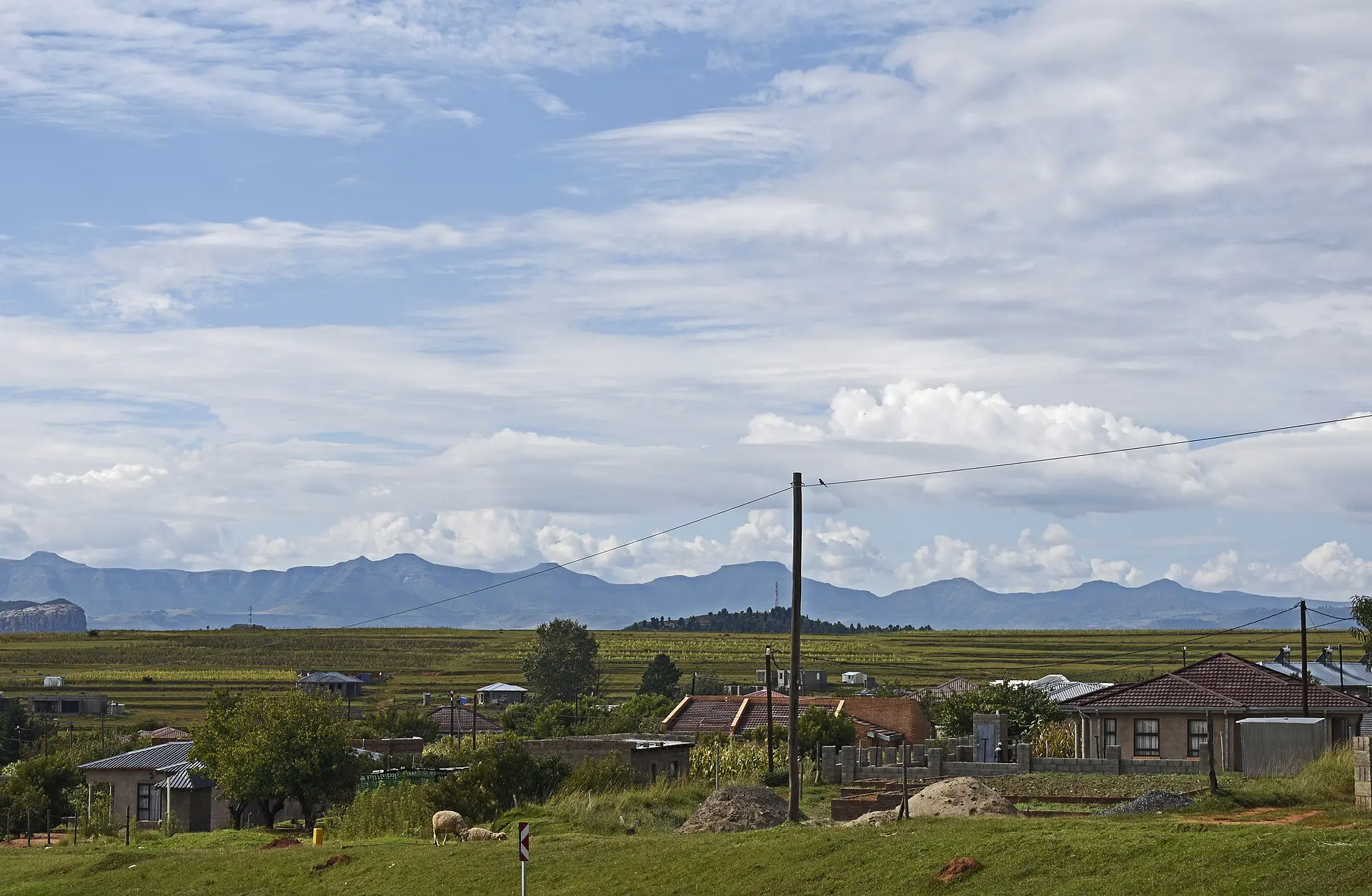
The best things to do in Lesotho take place at altitude: the whole country lies above 1,000 metres, and its lowest point is the highest of any country in the world (see the Wikipedia overview for background). Covering about 30,355 square kilometres and entirely surrounded by South Africa, the kingdom is a landscape of plateaus, steep valleys, high passes and villages where herders wear woollen blankets and ride ponies.
Lesotho suits travellers who want empty scenery, long hikes and a slower pace, and who are happy with basic facilities in remote areas. It works as a three- to seven-day trip from South Africa’s Free State, KwaZulu-Natal or Eastern Cape, or as a stop on a longer road trip. Sotho and English are the official languages, and the people are known as the Basotho. The country is a constitutional monarchy, and its capital is Maseru.
Best places to visit in Lesotho
The best places to visit in Lesotho are scattered across the mountains, with a few anchor towns and national parks. Distances look short on the map but take time on mountain roads.
Maseru
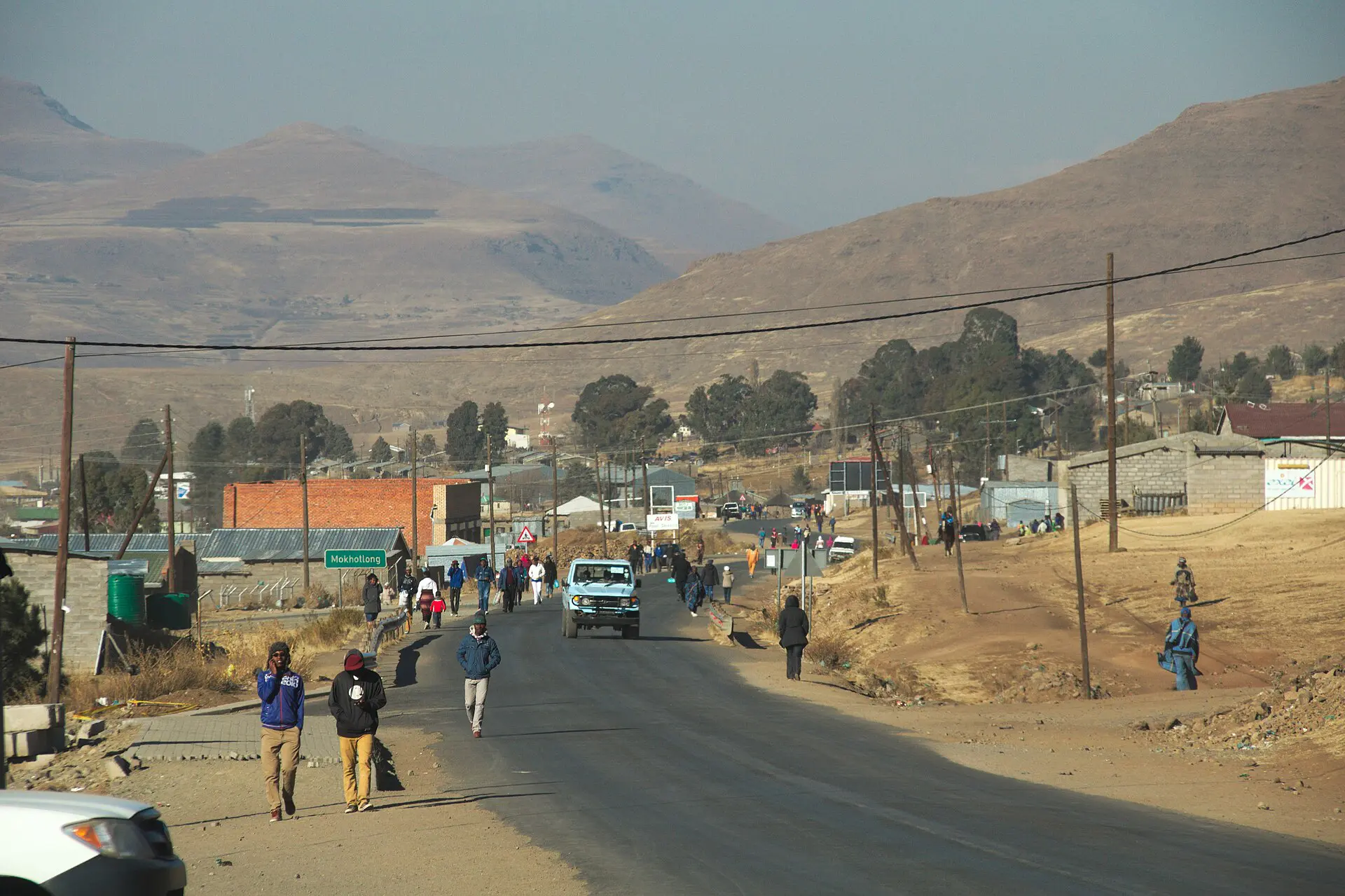
The capital sits on the western border with South Africa. It is a functional, low-key city with craft shops, markets and restaurants, most travellers use it as a gateway rather than a destination.
Thaba Bosiu
This flat-topped sandstone hill near Maseru was the stronghold of King Moshoeshoe I in the 19th century and is the country’s most important historic site. A short guided walk covers the ruins and the king’s grave.
Semonkong and Maletsunyane Falls
The village of Semonkong lies deep in the mountains. Nearby, the Maletsunyane Falls drop about 192 metres in a single plunge, among the tallest single-drop waterfalls in Southern Africa. Pony treks and a commercial abseil descent are offered here.
Malealea
A small village in the southwest with a lodge, pony treks, viewpoints and rock art. It is one of the most established bases for first-time visitors.
Katse Dam and the highlands
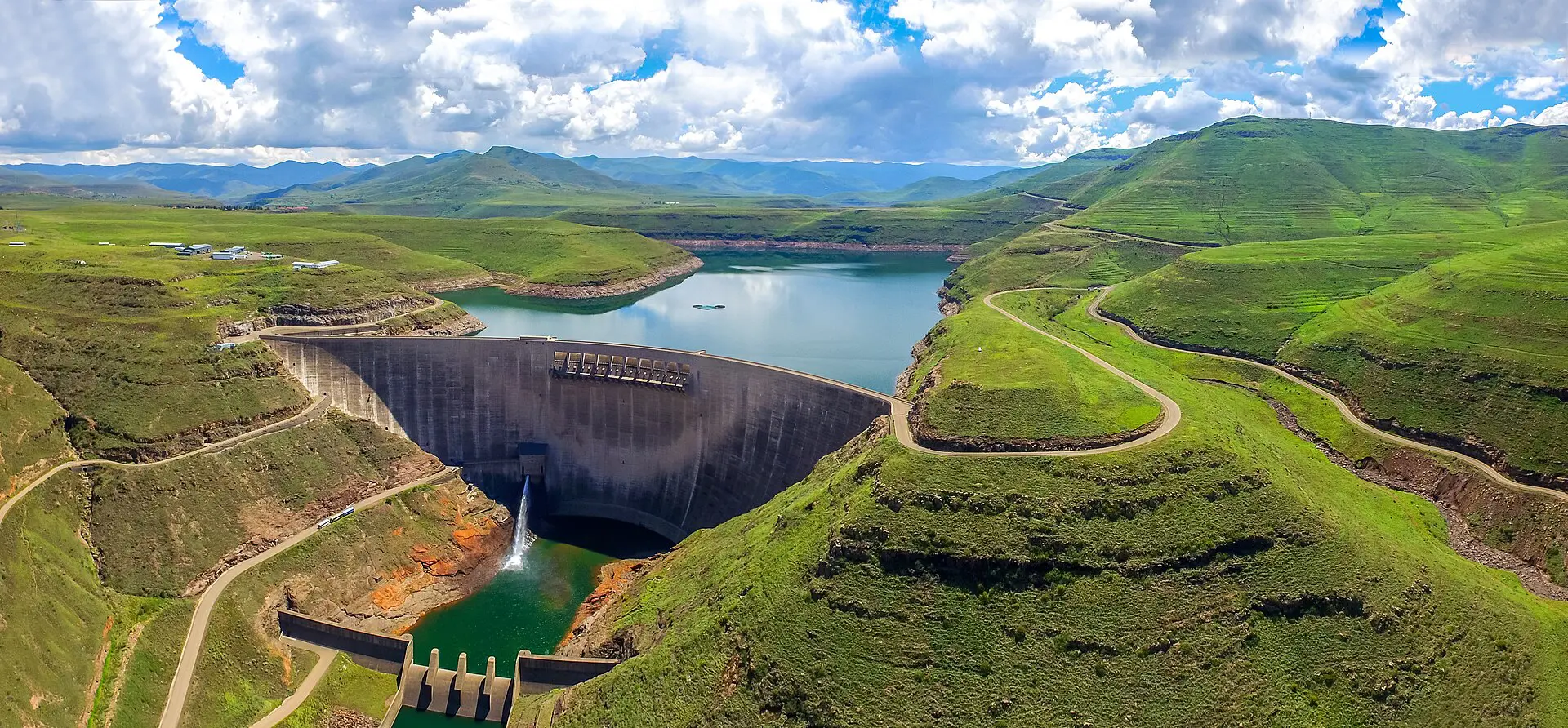
The Lesotho Highlands Water Project created huge reservoirs, and Katse Dam is the most visited, with boat trips and mountain views. Near it is the Bokong Nature Reserve and the Mafika Lisiu Pass.
Sani Pass and Sehlabathebe
The Sani Pass climbs from KwaZulu-Natal to about 2,870 metres on a rough gravel road. Sehlabathebe National Park, in the southeast, is a remote wilderness of rock formations and streams.
Top things to do in Lesotho
The top things to do in Lesotho are outdoor activities and cultural visits, and most are best arranged through a local lodge or operator.
- Go pony trekking: the Basotho pony is sure-footed, and treks run from a couple of hours to several days from Malealea and Semonkong.
- Drive or hike the Sani Pass: the gravel road needs a 4×4, and guided tours run from the South African side.
- See Maletsunyane Falls: view from the rim, hike to the base or join the abseil.
- Walk to the top of Thaba Bosiu: the summit has views and tells the story of the Basotho nation.
- Hike in Sehlabathebe National Park: remote trails pass pools, arches and rock shelters.
- Visit Katse Dam: take a boat trip or a viewpoint tour.
- Ski at Afriski: in winter, the resort offers one of the few ski slopes in Southern Africa, and in summer, mountain biking.
- Try birdwatching: the bearded vulture and Cape vulture soar over the highlands.
- Stay in a village homestay: several community lodges let you meet herders and families.
- Visit Morija Museum and Archives: it explains the history of the Basotho and the early missionaries.
Best time to visit Lesotho
The best time to visit Lesotho is March to May and September to November, when days are mild and roads are mostly dry. December to February is summer, with green valleys and afternoon thunderstorms that can flood tracks. June to August brings cold, snow and ski conditions at Afriski, and some mountain roads and passes can close.
| Season | Weather | Crowds and prices | Good for |
|---|---|---|---|
| Autumn (Mar-May) | Mild days, cool nights, mostly dry | Low | Hiking, pony trekking, photography |
| Winter (Jun-Aug) | Cold, snow at altitude, freezing nights | Low, higher at ski resort | Skiing, clear views |
| Spring (Sep-Nov) | Warming, wildflowers, some wind | Low to moderate | Trekking, waterfalls |
| Summer (Dec-Feb) | Warm, afternoon storms | Moderate; South African holidays | Green landscapes, waterfalls |
Mountain weather changes fast at any time of year, so carry warm and waterproof layers even in summer.
Is Lesotho safe to visit?
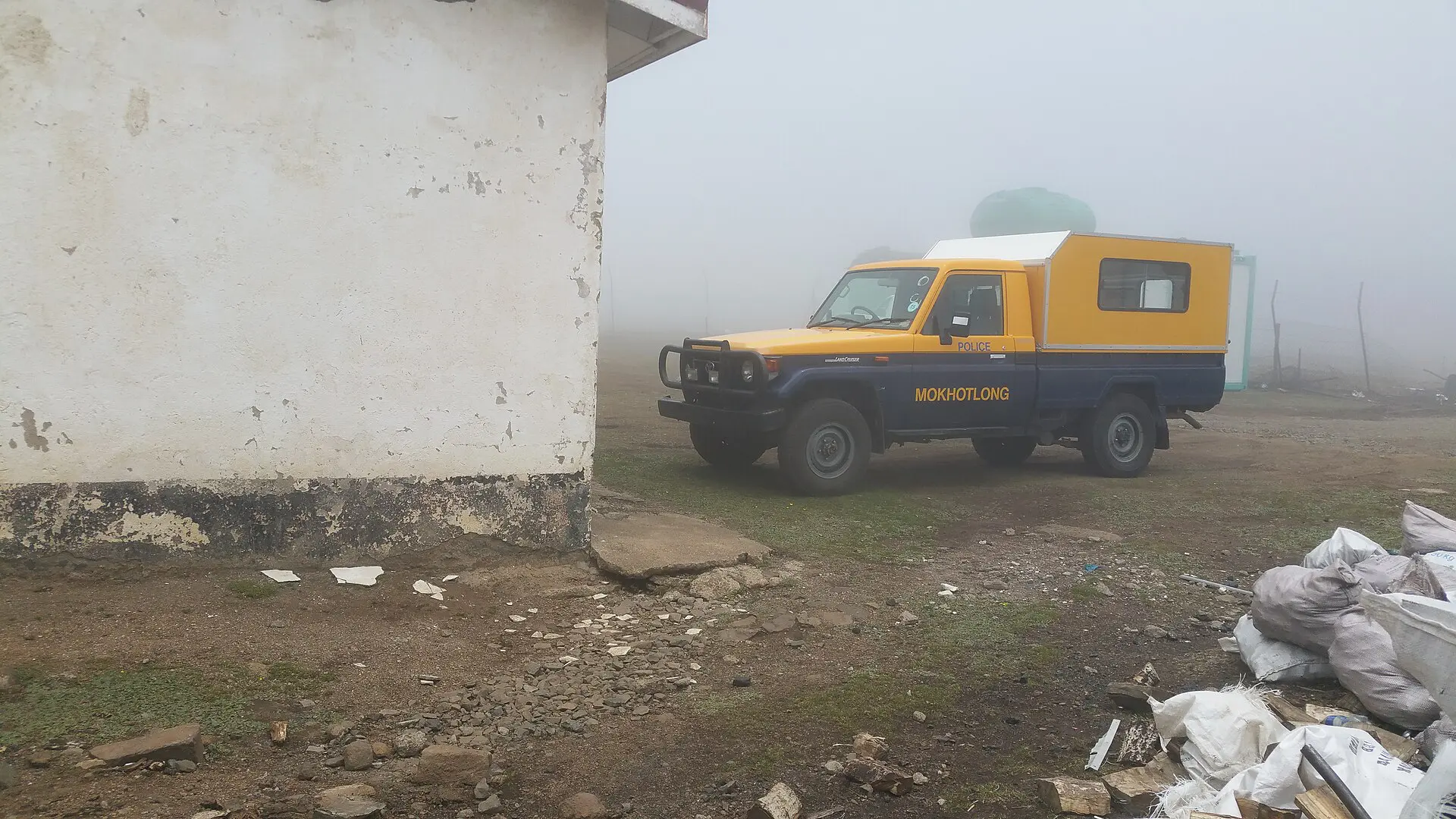
Yes, Lesotho is generally safe for visitors in the places they normally go, but it has real risks, mostly practical. Petty theft and occasional robberies occur in Maseru, especially after dark, and travel advice from governments such as the UK FCDO and US State Department notes crime and political tension. Check current advice before you travel.
Crime. Avoid walking alone at night in Maseru and in remote areas, do not display valuables, and lock your vehicle. Rural areas and lodge villages are usually relaxed and welcoming.
Roads and mountains. Mountain roads can be steep, unpaved and washed out after rain. Cars drive on the left, livestock is common on the roads and fuel stations are few in the highlands. Fill up in towns.
Weather and health. Snow, fog and lightning are real hazards, so check forecasts and use a guide for hikes. Altitude can cause headaches. Lesotho has one of the world’s highest HIV prevalence rates, so take standard precautions. Medical facilities outside Maseru are basic, and travel insurance with evacuation cover is strongly advised.
Visa and entry requirements for Lesotho
Lesotho’s entry rules depend on nationality. Citizens of many countries, including the UK, the US, Canada, Australia and most EU states, have usually been able to enter visa-free for short stays, while others need a visa in advance. Rules and permitted stay lengths change, so confirm with the Lesotho immigration authorities or the nearest Lesotho diplomatic mission before you go.
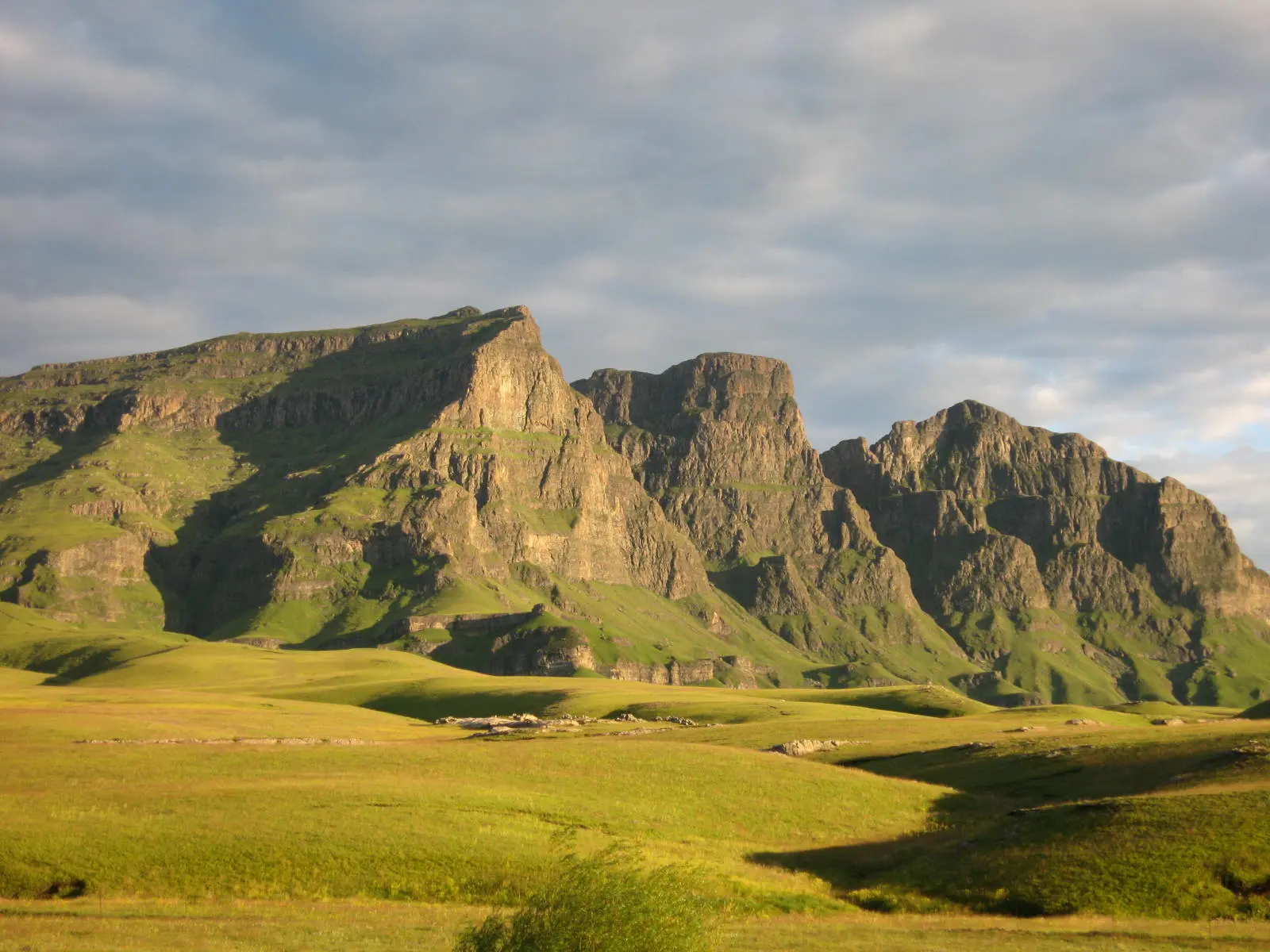
You need a passport valid for at least six months. Because the country is surrounded by South Africa, almost all visitors arrive by land and pass through both countries’ border posts. Check your South African entry status and visa as well, particularly if you will cross more than once, and carry proof of onward travel and your accommodation booking.
If you drive a rental car from South Africa, ask the rental company in advance whether it permits cross-border travel and what paperwork it provides. Some border posts close in the evening, so time your arrival for daylight.
Getting to and around Lesotho
Most visitors arrive overland from South Africa. The main crossing is Maseru Bridge, near Ladybrand in the Free State, about a 3.5-hour drive from Johannesburg. Other border posts connect with KwaZulu-Natal, the Free State and the Eastern Cape, and some, such as Sani Pass, require a 4×4. Moshoeshoe I International Airport near Maseru has limited regional flights, so travellers often fly into Johannesburg or Bloemfontein.
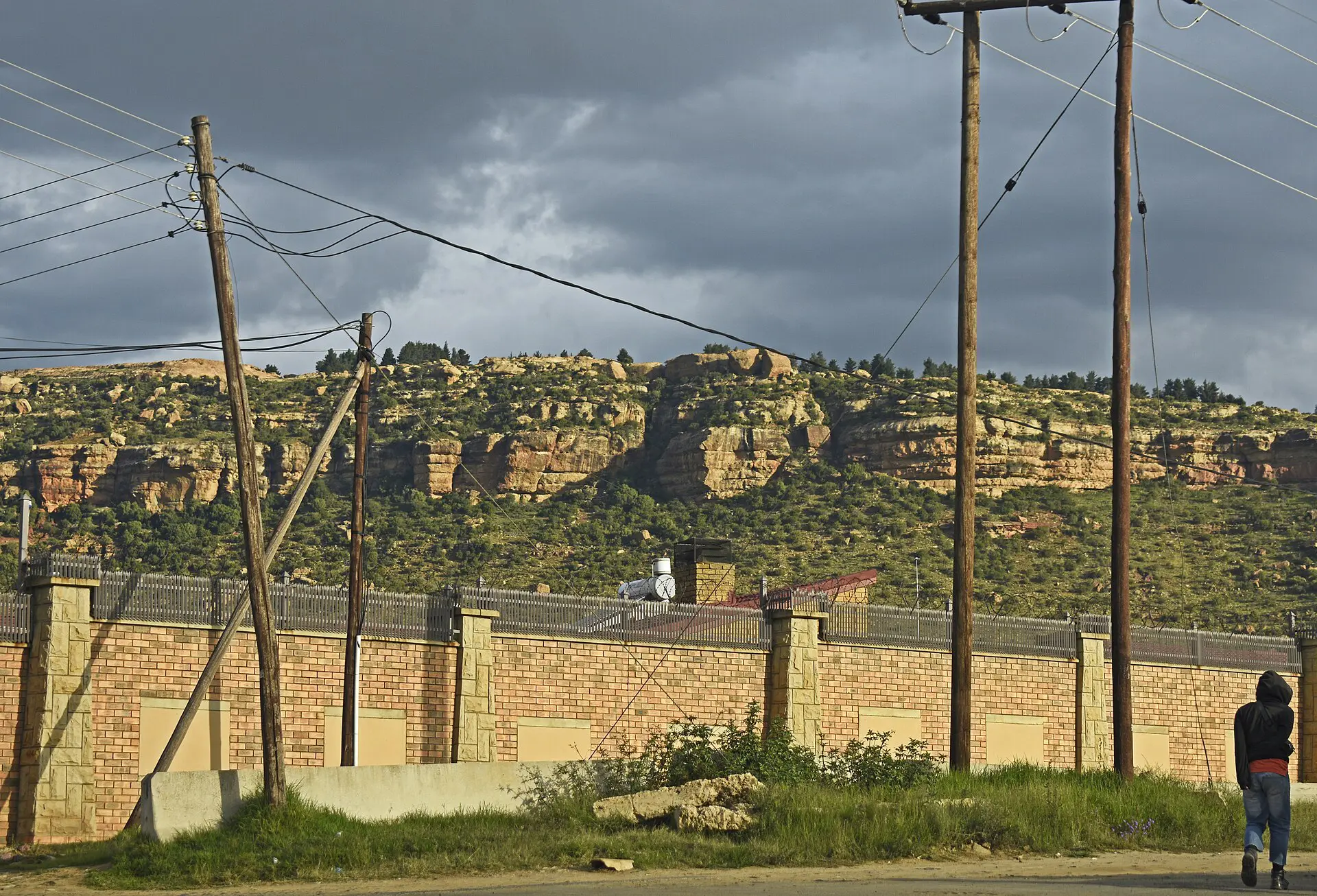
Driving. Cars drive on the left. Main roads between Maseru and larger towns are paved, while many mountain roads are gravel and need high clearance. Allow far more time than the distance suggests. A rental car from South Africa is the most flexible option.
Minibus taxis. These shared vans link towns and are the main public transport. They are cheap, but they leave when full and are crowded, so they are hard to use on a tight schedule.
Tours and transfers. Lodges, tour operators and guides in Malealea, Semonkong and Sani arrange transfers and treks. For remote areas, this is often the easiest choice.
How much does a trip to Lesotho cost?
The Lesotho loti (LSL) is pegged one to one to the South African rand, and rand notes are accepted almost everywhere. Costs are low for guesthouses and food, but activities, guides and fuel add up. These are rough estimates per person per day and can change.
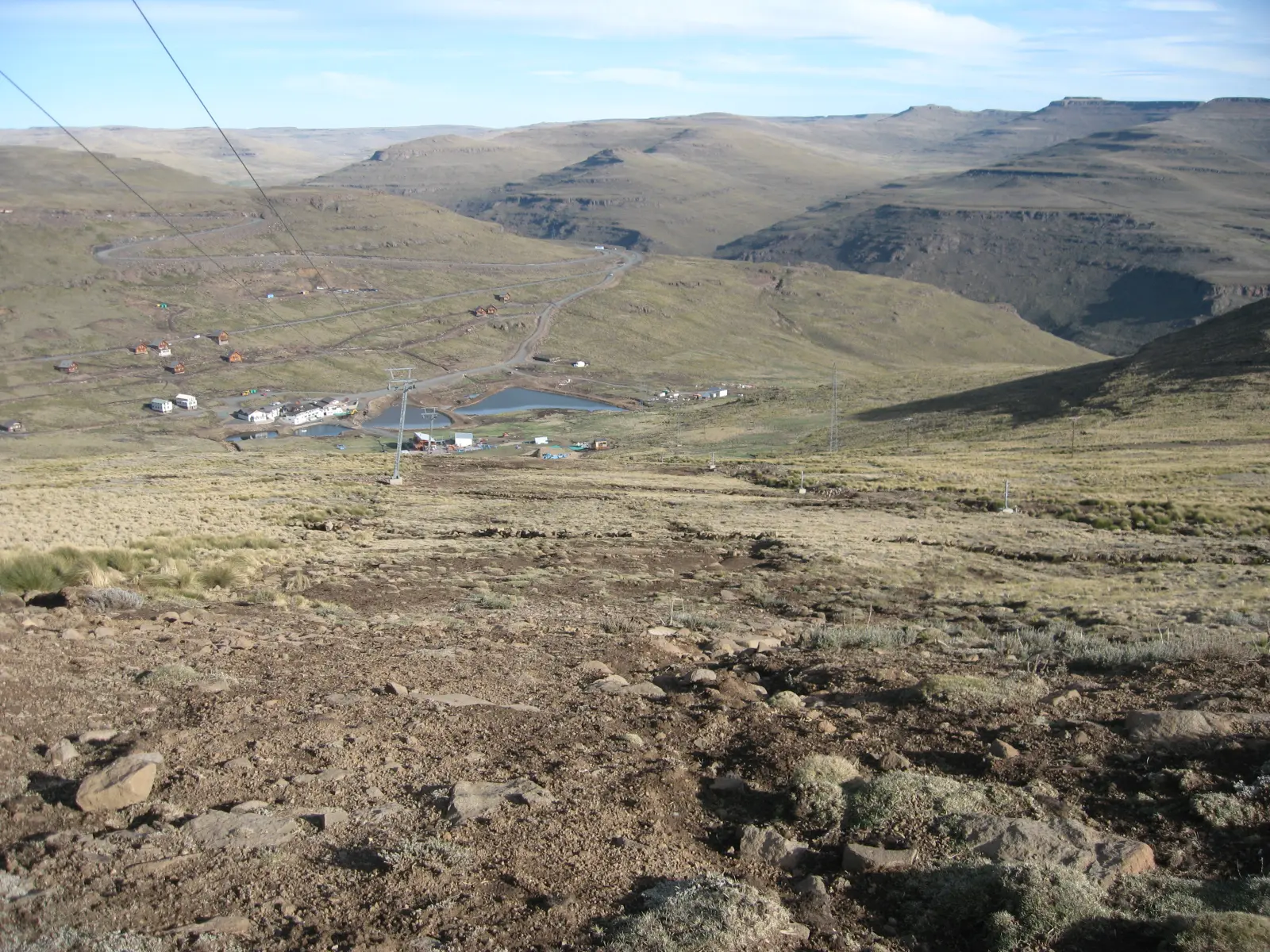
- Budget, USD 30 to 60: basic guesthouse or camping, minibus taxis, simple meals.
- Mid-range, USD 60 to 110: lodge with meals, a rental car, a guided pony trek.
- High, USD 150 and up: upmarket lodges, private guides and 4×4 transfers.
The main cost drivers are your transport and where you stay. Hiring a 4×4 is the biggest single expense, and remote lodges often charge for meals and guides on top of the room. Costs are lower outside school holidays. Carry cash, since ATMs are few outside Maseru and card payments are not accepted in many villages. Check current prices with your lodge.
Lesotho food and drink
Lesotho food is simple, filling and built around maize, beans, greens and mutton, which suits the cold highland climate.
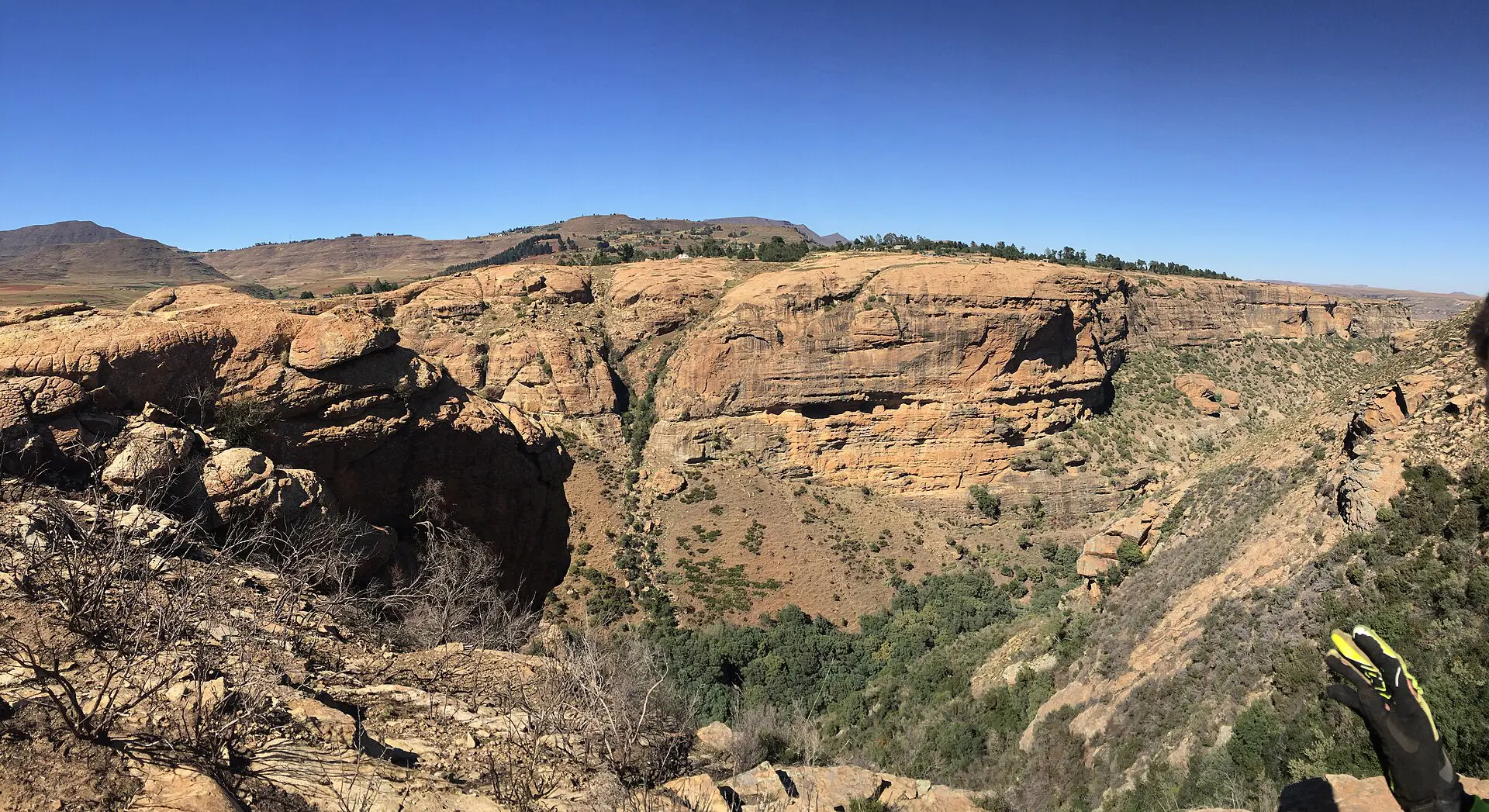
- Papa: stiff maize porridge, the staple, eaten with meat, vegetables or sauce.
- Moroho: cooked leafy greens, often served with papa.
- Likhobe: a stew of dried maize and beans.
- Motoho: a fermented sorghum or maize porridge, served sour as a drink or breakfast.
- Mutton and chicken stews: often slow cooked on wood stoves, with a relish.
- Steamed bread: known as borotho, made in a pot over a fire.
- Trout: farmed in highland rivers and dams, and served in some lodges.
- Maluti beer and sorghum beer: a local lager, and a traditional home-brewed beer.
In Maseru you can find South African-style braai, pizza and Chinese restaurants. In villages, meals are served at lodges, so book ahead. Vegetarian options exist, mostly vegetable and bean dishes, but ask early. Bring snacks if you plan long hikes.
Culture, language and etiquette in Lesotho
Sesotho and English are the official languages. English is widely spoken in towns and at lodges, while rural areas mostly use Sesotho. Learning a few greetings, such as Lumela (hello) and Khotso (peace), is appreciated.
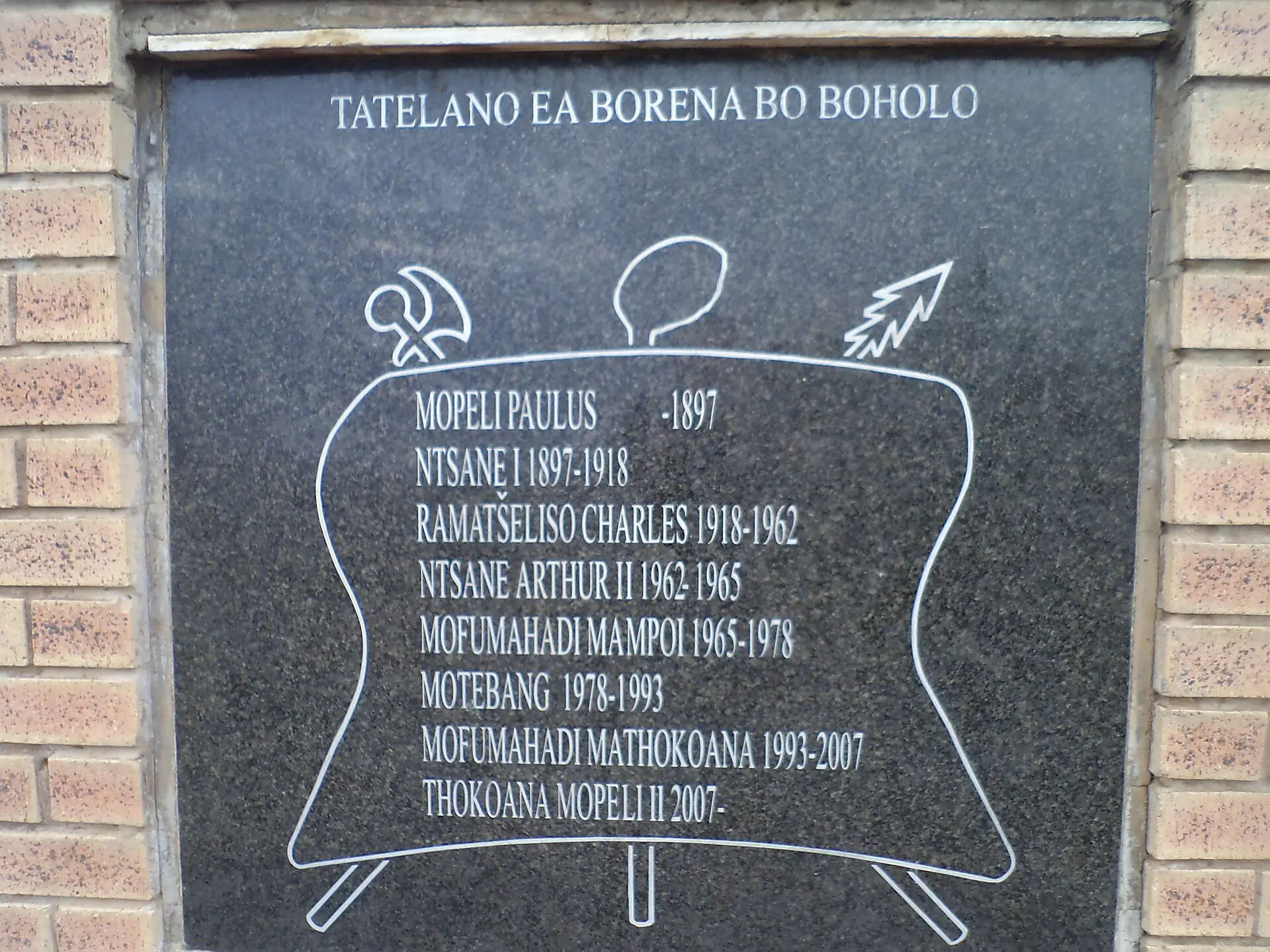
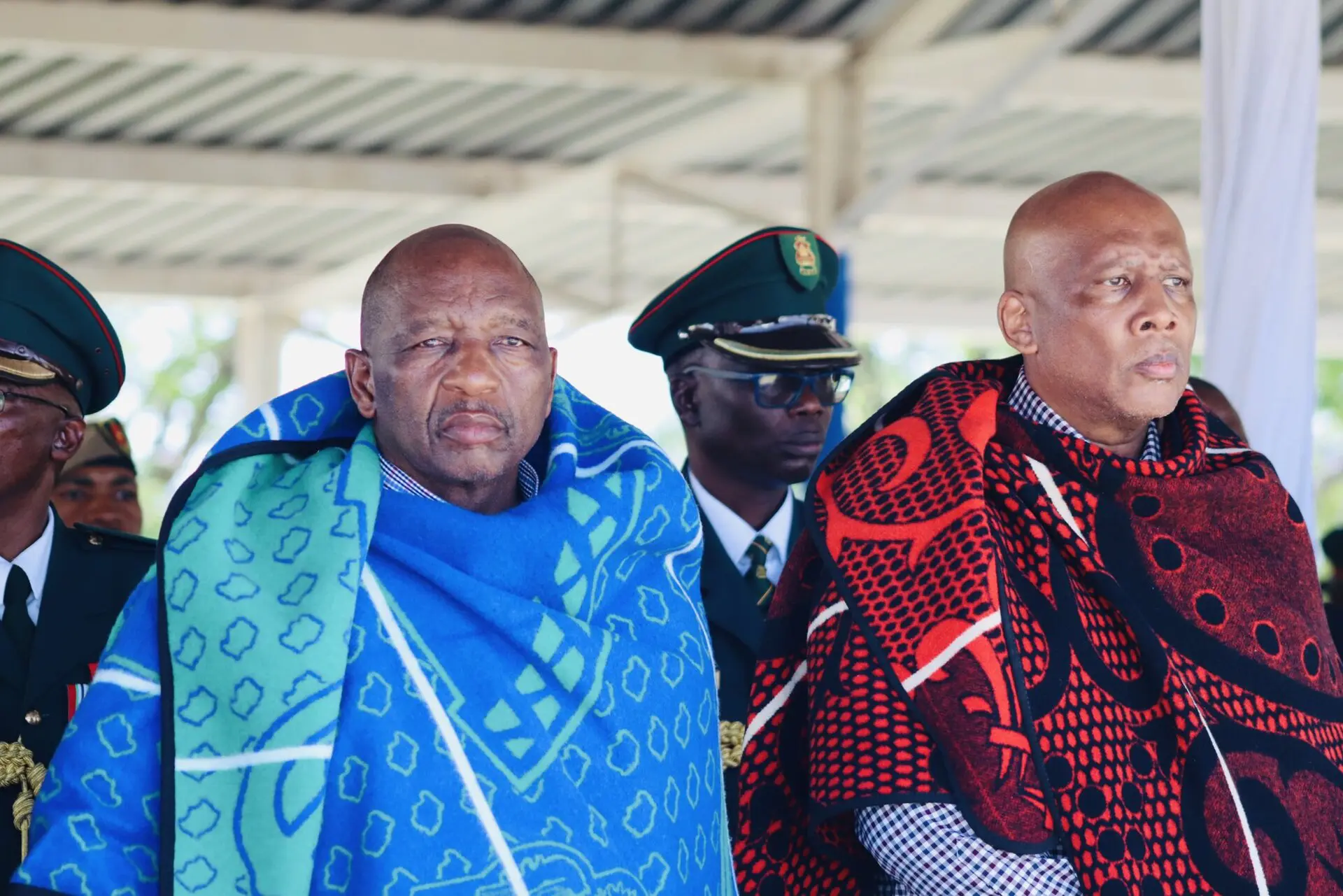
The Basotho blanket, a thick woollen wrap with bold patterns, is both everyday clothing and a symbol of identity. Many herders wear it with a conical straw hat called the mokorotlo, which is also the national symbol. Horses and ponies are central to travel and herding in the mountains.
Greet people before asking questions, and shake hands. Ask before taking photos of people, and do not photograph the royal family, military sites or border posts. When visiting villages, bring small gifts for the host, or buy crafts directly. Dress modestly in rural areas. The king is a respected figure, and Moshoeshoe I, who founded the nation in the 19th century, is a national hero. Politics can be sensitive, so listen more than you comment.
Lesotho itinerary: a 7-day route
This route starts from Johannesburg or Bloemfontein and uses a rental car. A 4×4 is needed only for the Sani Pass option.
- Day 1, Maseru: cross at Maseru Bridge, visit craft shops and a restaurant, and stay in the capital.
- Day 2, Thaba Bosiu and Morija: walk up Thaba Bosiu in the morning, then visit the Morija Museum and continue to Malealea.
- Day 3, Malealea: take a half-day pony trek to a viewpoint or rock art site, and spend the evening at the village lodge.
- Day 4, Malealea to Semonkong: drive for most of the day on mountain roads, arriving at the village in the afternoon.
- Day 5, Maletsunyane Falls: walk to the rim, hike down the gorge or join a pony trek, and relax at the lodge.
- Day 6, Semonkong to Katse: take the long road to the highlands, with a stop at Mafika Lisiu Pass and Bokong if time allows.
- Day 7, Katse and return: take a morning boat or viewpoint at the dam, then drive back toward Maseru and the border.
Allow an extra day for each of the longer drives, and check road conditions locally before leaving. Add Sehlabathebe or Sani Pass if you have more days and a 4×4.
Practical tips for Lesotho
A few practical details make a trip smoother.
- Money: the loti and the South African rand are both accepted, but change loti back before leaving since it is hard to exchange abroad. Carry cash, and use ATMs in Maseru and larger towns.
- SIM and eSIM: local SIMs from Vodacom Lesotho and Econet Telecom are available in Maseru. Coverage is good in towns and patchy in the mountains. Some South African SIMs roam, with high fees.
- Plugs: type M at 230 V. Bring an adaptor, since the plugs are large and round-pinned.
- Tipping: not obligatory. About 10% in restaurants, and a small tip for guides and lodge staff, is appreciated.
- Health: take any needed medicines with you, drink bottled or treated water, and use sun protection at altitude. Travel insurance with evacuation cover is advisable.
- Packing: warm layers, a waterproof jacket, sturdy boots, sun hat and a head torch. Nights can be near freezing even outside winter.
- Fuel and supplies: fill your tank in towns, and carry water and snacks for remote drives.
- Emergencies: ask your lodge for local numbers, and note that response times can be long in remote areas.
The Wikivoyage Lesotho page lists lodges and routes, and the UNESCO list for Lesotho covers heritage sites.
FAQ
Q1Is Lesotho safe?
Lesotho is generally safe in the rural areas and lodges most visitors use. Petty theft and robbery occur in Maseru, especially at night, so avoid walking alone after dark. Mountain roads, weather and basic medical care are bigger risks, so use guides and carry insurance.
Q2What food is Lesotho known for?
Lesotho food centres on papa, a stiff maize porridge, served with moroho (cooked greens), beans, mutton or chicken stew. Motoho is a sour fermented porridge, and highland trout is served at some lodges. Maluti beer is the main local lager.
Q3What are the best things to do in Lesotho?
Go pony trekking from Malealea or Semonkong, see Maletsunyane Falls, climb Thaba Bosiu, drive or hike the Sani Pass and visit Katse Dam. In winter you can ski at Afriski. Birdwatching and village homestays are also popular.
Q4What is the best time to visit Lesotho?
March to May and September to November have mild weather and mostly dry roads, so they are best for hiking and pony trekking. Summer has green scenery but storms, and winter brings snow and skiing. Pack warm layers in every season.
Q5Do I need a visa for Lesotho?
It depends on your nationality. Citizens of many countries, including the UK, US and EU states, have been able to enter visa-free for short stays, while others need a visa. Also check South Africa's rules, since you will cross its territory. Confirm with official sources.
Q6How do you get to Lesotho?
Most people drive from South Africa, crossing at Maseru Bridge about 3.5 hours from Johannesburg, or at mountain posts such as Sani Pass with a 4x4. Moshoeshoe I International Airport has limited flights, so many travellers fly into Johannesburg or Bloemfontein.
Q7What currency is used in Lesotho?
The Lesotho loti (LSL) is the official currency and is pegged one to one with the South African rand, which is accepted almost everywhere. Change leftover loti before leaving, because it is hard to exchange abroad. Carry cash for remote areas.