Why visit Eswatini
The best things to do in Eswatini pack wildlife, mountains and living tradition into a country smaller than New Jersey, about 17,400 square kilometres (see the Wikipedia overview). The kingdom was known as Swaziland until 2018, when King Mswati III renamed it Eswatini, and many travellers still search for the old name. It is one of the last absolute monarchies in the world, and royal ceremonies remain part of national life.
Eswatini suits travellers who want an easy, friendly introduction to Southern Africa: you can walk or cycle among zebra and antelope in small reserves, track white rhinos on foot, hike mountain trails, shop for crafts and still reach any region in a few hours by car. It is a good add-on to a South Africa or Mozambique trip, but it also works as a short stand-alone visit for wildlife, culture and scenery, with fewer crowds than larger parks in neighbouring countries.
Best places to visit in Eswatini
The best places to visit in Eswatini sit in a compact loop of valleys, parks and highland towns, with the Ezulwini Valley as the usual base.
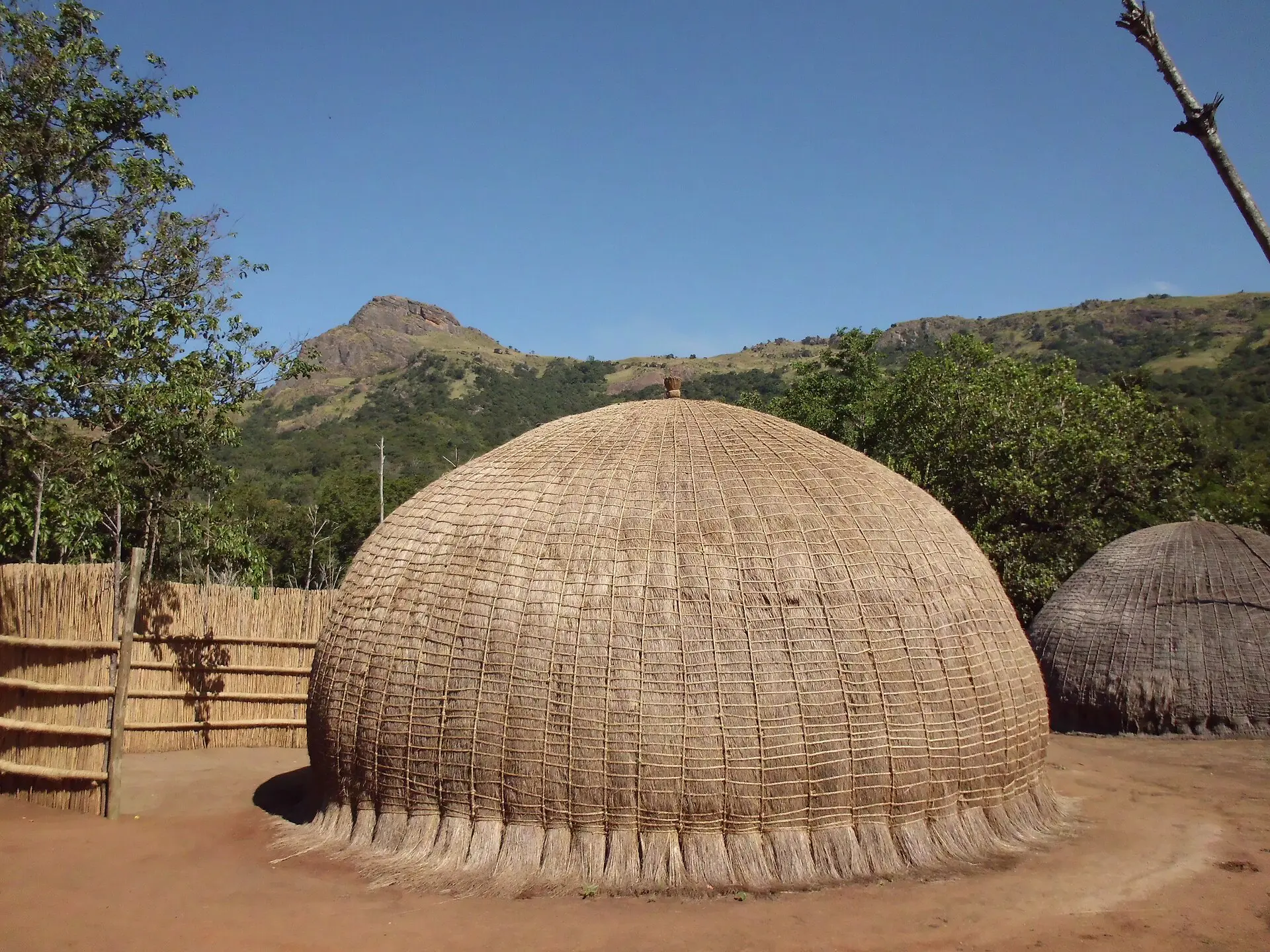
Ezulwini Valley
The Valley of Heaven runs between Mbabane and Manzini and is the tourism hub. It has the royal village of Lobamba, the Mantenga Cultural Village and Nature Reserve, craft shops, hotels and Mlilwane Wildlife Sanctuary, where you can walk, cycle or ride among wildlife.
Mkhaya Game Reserve
A small reserve in the middle veld known for black and white rhino, elephants and the chance of guided walks. Visits are by organised game drive and overnight stays in tented camps.
Hlane Royal National Park
The largest protected area in the country has lions, elephants, rhinos and many birds, with a waterhole viewing hide and self-drive roads.
Malolotja Nature Reserve
In the northwest, Malolotja has high grassland, waterfalls, rare plants and long hiking trails. It also holds the ancient Lion Cavern mine at Ngwenya, said to be among the oldest known in the world.
Mbabane and Piggs Peak
The capital has shops and restaurants, while Sibebe Rock, a granite dome, is a popular hike. Piggs Peak is a gateway to forest and craft centres in the north.
Top things to do in Eswatini
The top things to do in Eswatini centre on wildlife, culture and hiking, and most are within an hour or two of the Ezulwini Valley.
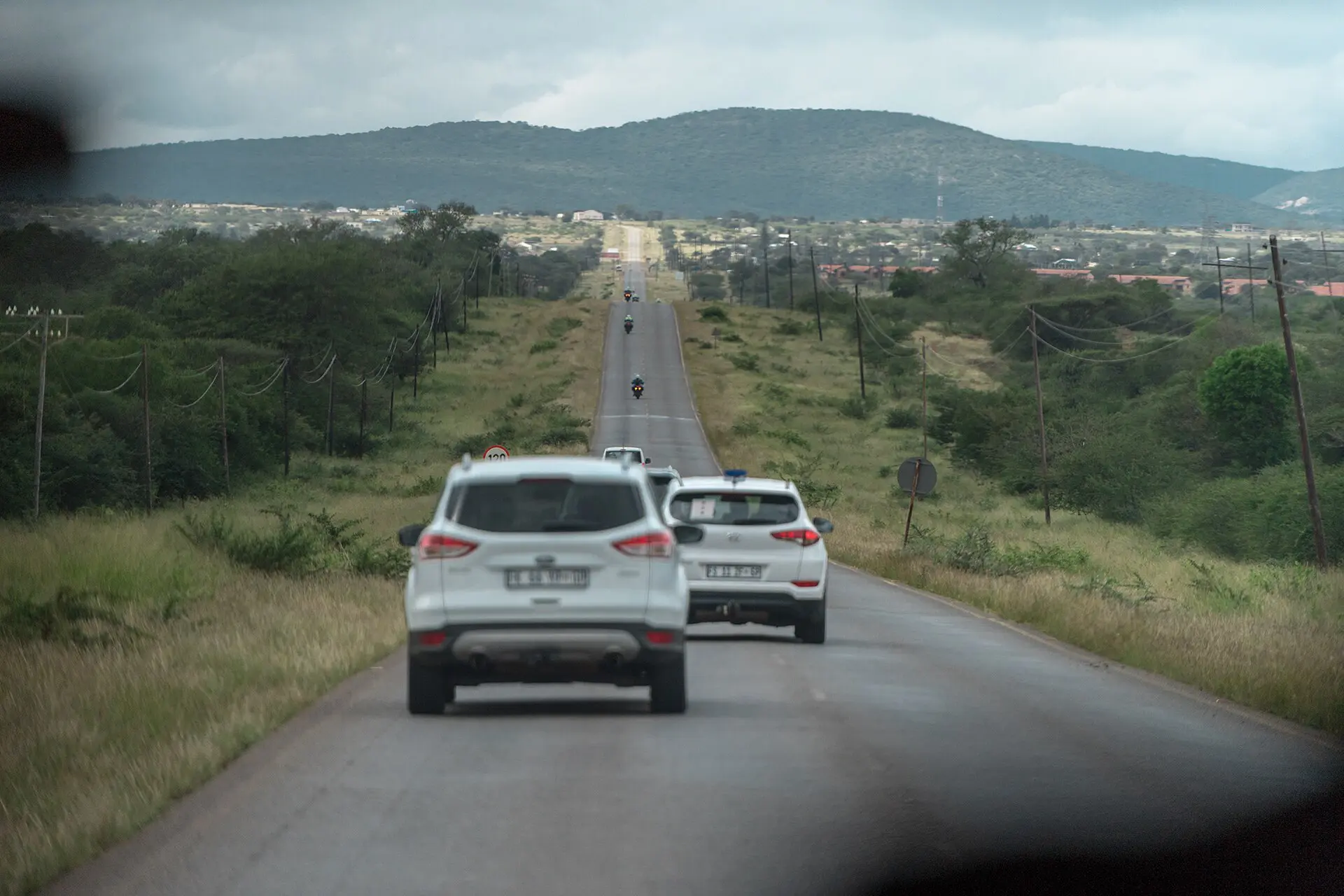
- Walk or cycle at Mlilwane: the sanctuary allows visitors to travel on foot or by bike among zebra, impala and warthog.
- Track rhinos at Mkhaya: a guided walk or game drive offers close encounters with black and white rhino.
- See big game at Hlane: lions, elephants and white rhino can be viewed from vehicles and hides.
- Visit Mantenga Cultural Village: daily dance performances and a village tour explain Swazi customs.
- Hike Sibebe Rock: the granite dome near Mbabane is among the largest in the world, with views across the highlands.
- Hike Malolotja: trails lead to waterfalls and high ridges, with camping options for long walks.
- Shop for crafts: candles, glass, baskets and wood carvings are sold at the Malkerns Valley and Ezulwini markets.
- Go white-water rafting: operators run trips on the Usutu River seasonally.
- Attend a ceremony: the Umhlanga Reed Dance, typically in late August or September, and the Incwala festival in December or January draw large crowds.
- Try a bush braai: grilled meat and fireside dinners are part of most lodge stays.
Best time to visit Eswatini
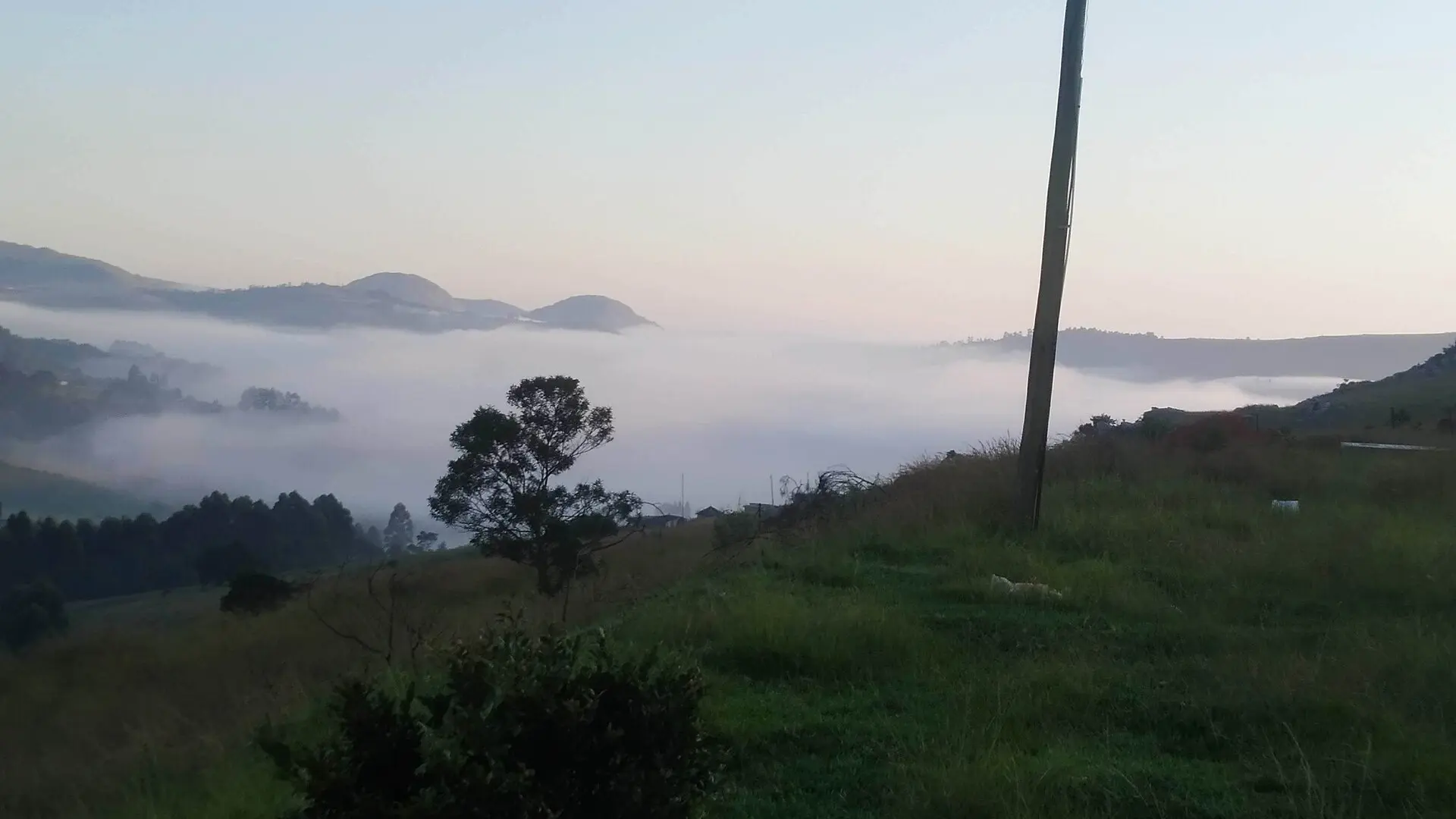
The best time to visit Eswatini is May to September, the dry winter, when days are sunny and mild, the grass is thin and wildlife is easier to see at waterholes. Summer, from October to March, is hot and green with afternoon thunderstorms, and the lowveld can be very hot and humid. Mountain mornings can be cold in winter, so pack layers.
| Season | Weather | Crowds and prices | Good for |
|---|---|---|---|
| Autumn (Mar-May) | Warm days, cooler nights, drying out | Moderate | Hiking, culture, bird watching |
| Winter (Jun-Aug) | Dry, sunny, cold nights in the highlands | Moderate; peaks for ceremonies in late Aug | Wildlife, walking, Reed Dance |
| Spring (Sep-Oct) | Warming, first rains arriving | Moderate | Wildlife, rafting, flowers |
| Summer (Nov-Feb) | Hot, humid, afternoon storms | Lower rates in some lodges | Birds, green landscapes, Incwala |
Malaria risk is mainly in the lowveld in the hot, wet months, so discuss precautions with a doctor.
Is Eswatini safe to visit?
Yes, Eswatini is generally safe for visitors, and most trips pass without problems. The most common issues are petty crime and theft from vehicles, road hazards and occasional political tension. Check the current travel advice from your government, such as the UK FCDO or US State Department, before you book.
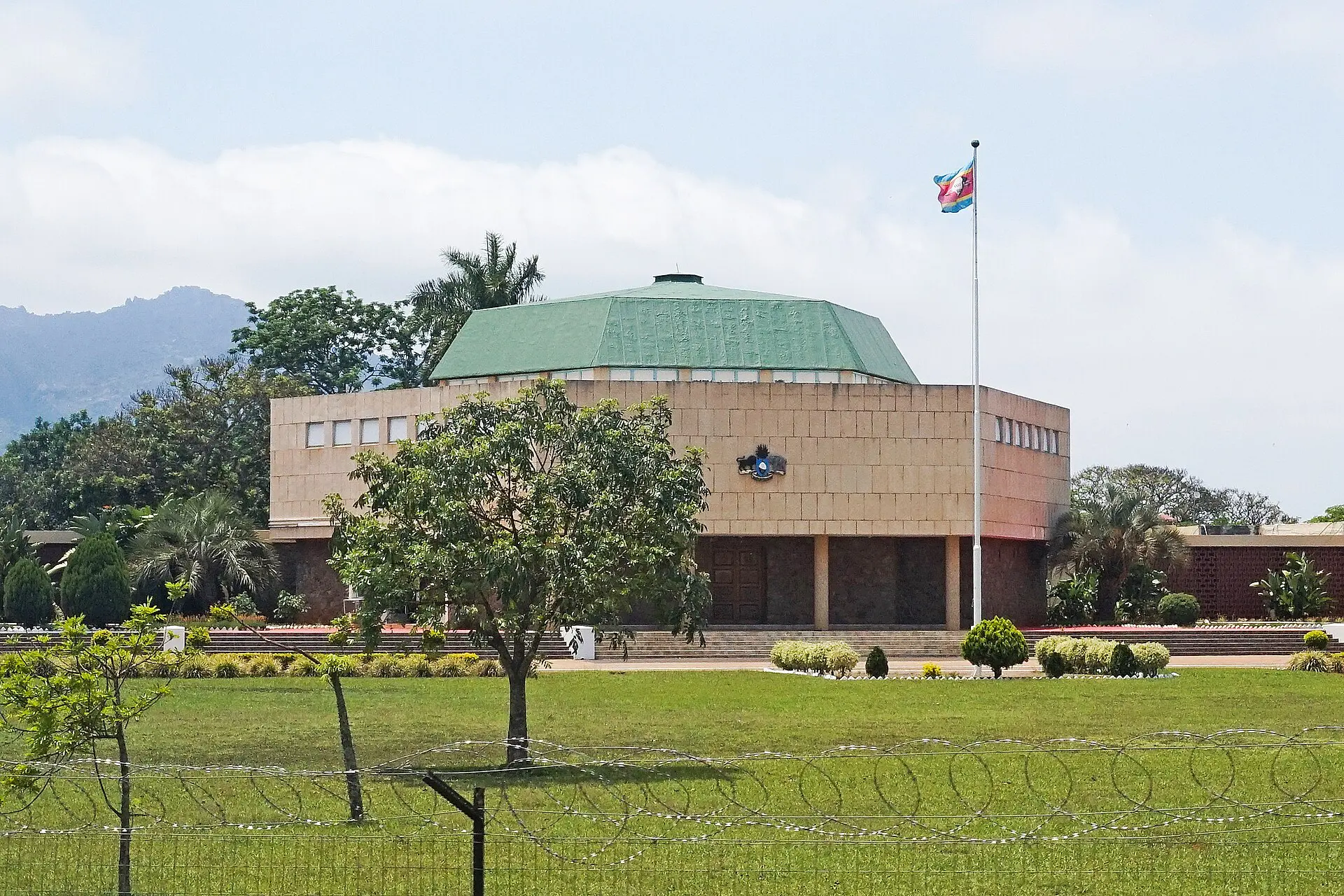
Crime. Keep valuables out of sight, avoid walking alone after dark in towns such as Manzini and Mbabane, and never leave bags in parked cars. Use lodge-arranged transport or reputable taxis at night.
Politics. Eswatini is an absolute monarchy, and in 2021 there were protests and unrest that led to curfews and restrictions. Situations can change quickly, so follow local news and official advice, and avoid demonstrations.
Roads and wildlife. Drive on the left, watch for pedestrians and livestock and avoid driving at night. In parks, follow guides’ instructions and never approach wildlife on foot unless accompanied.
Health. Eswatini has one of the highest HIV rates in the world, so practise safe sex. Malaria occurs in the lowveld, and bilharzia can be present in fresh water, so avoid swimming in rivers and dams unless locals confirm it is safe. Carry travel insurance with medical cover.
Visa and entry requirements for Eswatini
Entry rules depend on your nationality. Citizens of many countries, including the US, UK, EU states, Canada and Australia, have generally been able to visit visa-free for short tourist stays, often up to 30 days, while others need a visa in advance. Confirm the current rule for your passport with the Eswatini Ministry of Home Affairs or your nearest embassy, because rules change.
Bring a passport valid for at least six months with blank pages, and keep proof of accommodation and onward travel. Entry fees or health requirements may apply, including yellow fever certificates if you arrive from an affected country. If you travel by land from South Africa or Mozambique, expect passport checks at both sides of the border, with queues at busy times and on weekends.
If you rent a car in South Africa, check that the rental agreement allows crossing into Eswatini, and carry the paperwork the company gives you. For heritage planning, see the UNESCO page for Eswatini, although it does not cover entry requirements.
Getting to and around Eswatini
Most visitors reach Eswatini by road from South Africa. Johannesburg is the usual gateway, and the drive to the Oshoek border takes around four to five hours, with Mbabane about 30 minutes beyond. Matsapha International Airport near Manzini has limited flights, mainly to Johannesburg, and flight schedules change often. Land borders also connect Eswatini with Mozambique, and several crossings are open daily, though hours vary.
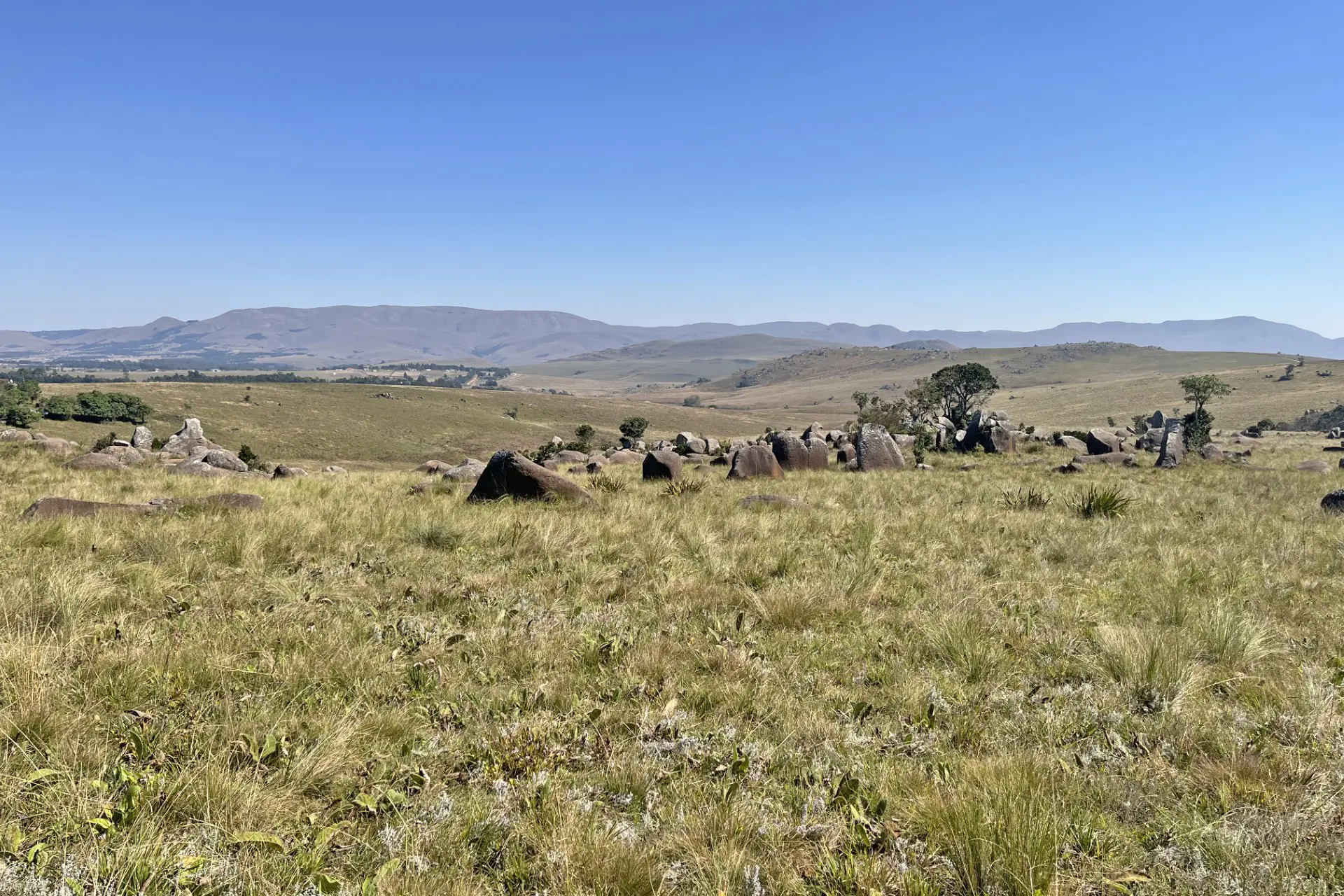
Within the country, minibus taxis and buses connect towns cheaply but are crowded, and are not well suited to reaching parks. A rental car is the best option for independent travellers, and the main roads are usually in good condition. Drive on the left, keep speed low, and watch for animals and pedestrians. Mbabane to Manzini takes about 40 minutes, and the Ezulwini Valley lies in between.
For parks, many lodges arrange transfers, and Mkhaya Game Reserve offers a pick-up for guests. Taxis are available in towns but should be agreed on a price beforehand. Distances are small, and most places can be reached in under three hours.
How much does a trip to Eswatini cost?
Eswatini is cheaper than many Southern African safari destinations, although park lodges and guided activities add up. The currency is the lilangeni (SZL), pegged to the South African rand, and the rand is widely accepted. Figures below are rough per-person guides for the 2026 season, and costs vary by lodge and season.
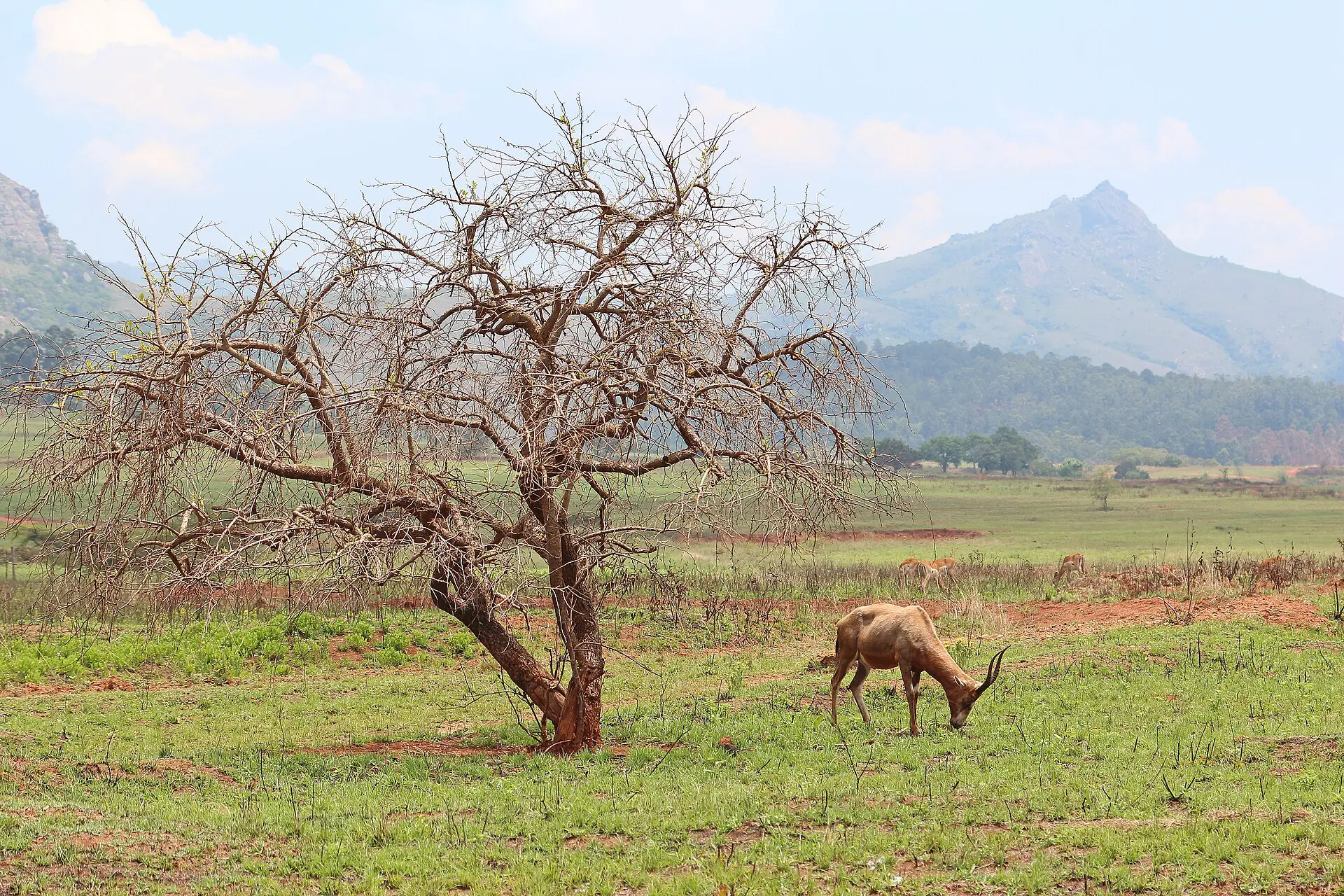
- Budget: around USD 40 to 70 per day, with camping or hostel beds, self-catering and shared transport.
- Mid-range: around USD 80 to 150 per day, with comfortable lodges, restaurant meals, park fees and a rental car.
- High-end: from around USD 250 per day, with luxury game lodges, guided walks and private transfers.
The biggest variable is accommodation and activities in parks, followed by car rental and fuel. Park entry fees are modest, and many lodges include meals and drives in their rates. Craft shopping and food are generally inexpensive, and cash is useful for small purchases and rural areas.
Eswatini food and drink
Eswatini food is built on maize, beef, vegetables and fresh dairy, and you will find both traditional Swazi dishes and South African staples such as braai and biltong.

- Sishwala: a thick maize porridge, similar to pap, eaten with stews and relishes.
- Emasi: fermented milk, often served with porridge or on its own.
- Sidvudvu: a pumpkin porridge that is often sweetened or served as a side.
- Ligusha: cooked wild green leaves, commonly served with groundnuts.
- Inyama: beef or goat stew, or grilled meat cooked on a braai.
- Biltong and boerewors: dried meat and spiced sausage, popular across the region.
- Drinks: marula-based drinks, traditional sorghum beer, local lager and fruit juices.
In the Ezulwini Valley and Mbabane there are cafes, grills, and international restaurants, and many lodges serve a three-course dinner. Vegetarians can eat well, though menus often centre on meat, so mention dietary needs in advance. Tap water in towns is usually treated, but bottled water is common for visitors.
Culture, language and etiquette in Eswatini
Eswatini has two official languages, English and siSwati. English is widely used in business, schools and tourism, and learning a few siSwati greetings, such as sawubona (hello) and ngiyabonga (thank you), is warmly received. The Swazi people share a strong national identity, and the monarchy, led by King Mswati III and the Queen Mother, remains central to public life.
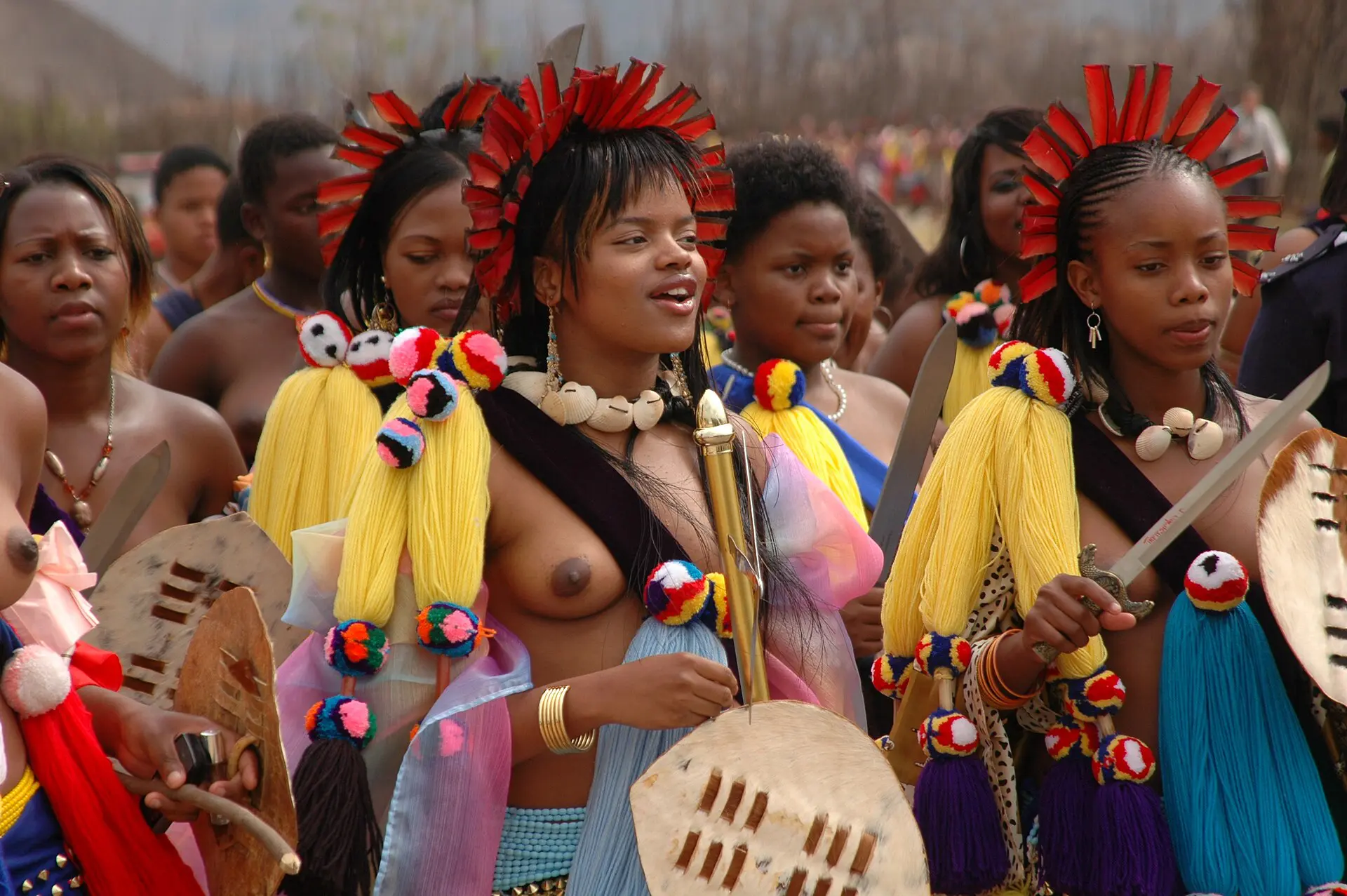
The annual Umhlanga Reed Dance, usually in late August or September, sees thousands of young women cut reeds and dance before the royal family. Incwala, the first fruits ceremony, takes place around the end of the year. These are sacred events, and photography may be restricted, so follow local guidance and ask before taking pictures.
Dress modestly in rural areas, greet people politely before asking for help, and use your right hand for giving and receiving. Avoid criticising the monarchy or discussing political opposition in public, and do not photograph royal buildings, police or military sites. Respect local customs at cultural villages and sacred places, and ask permission before photographing people.
Eswatini itinerary: a 7-day route
This route begins at the border from South Africa and loops through the main parks, with short driving days.
- Day 1, Ezulwini Valley: cross at Oshoek, check in near Mlilwane and take an evening walk or cycle.
- Day 2, Mlilwane and Mantenga: spend the morning among wildlife, then watch the dance show at Mantenga Cultural Village.
- Day 3, Malkerns and Mbabane: browse craft markets, eat lunch in Mbabane and hike Sibebe Rock if conditions allow.
- Day 4, Malolotja: drive about 90 minutes to the reserve, walk to a waterfall and stay overnight.
- Day 5, Hlane: travel about three hours east, then take an afternoon game drive and visit the hide at dusk.
- Day 6, Mkhaya: take a morning rhino-tracking drive or walk, then relax in camp.
- Day 7, return: allow four to five hours to Johannesburg airport, or an easier crossing to Mozambique.
With extra days, add rafting on the Usutu River or a longer hike at Malolotja. If your visit is in late August, plan around the Reed Dance.
Practical tips for Eswatini
- Money: the lilangeni is the local currency, pegged one to one to the rand, and rand notes are widely accepted. ATMs are common in towns, and cards work in most lodges and larger shops.
- SIM and eSIM: prepaid SIMs are available at the border and in towns, and mobile coverage is good along main roads but weak in remote reserves.
- Plugs: sockets are commonly type M, and sometimes D, at 230 V, so bring a universal adapter.
- Tipping: around 10 percent in restaurants unless service is included, and small tips for guides and drivers.
- Health: bring insurance, sun protection and repellent, and ask a travel clinic about malaria prevention for the lowveld.
- Packing: layers for cool mornings, sturdy walking shoes, binoculars and neutral clothes for game viewing.
- Driving: fill up in towns, because fuel stations are less common near parks.
For wider background, see the Wikivoyage Eswatini guide.
FAQ
Q1Is Eswatini safe?
Generally yes for visitors. The main risks are petty theft, theft from vehicles, road hazards and occasional unrest, such as the protests in 2021. Avoid night driving and demonstrations, keep valuables hidden and check your government's current travel advice before you go.
Q2What is Eswatini food like?
Eswatini food is built on maize porridge (sishwala), beef or goat stew, fermented milk (emasi), pumpkin and wild greens, with South African braai and biltong widely available. Lodges and cafes in the Ezulwini Valley offer international dishes, and vegetarians can eat well with notice.
Q3What are the things to do in Eswatini?
Top activities are walking or cycling among wildlife at Mlilwane, tracking rhinos at Mkhaya, seeing big game at Hlane, hiking Malolotja and Sibebe Rock, visiting Mantenga Cultural Village and shopping for crafts. Ceremonies like the Reed Dance add culture.
Q4Is Eswatini the same as Swaziland?
Yes. King Mswati III renamed Swaziland as the Kingdom of Eswatini in 2018, meaning land of the Swazi. Many sources and travellers still use the old name, but Eswatini is the official name on signs, flights and government documents.
Q5What is the best time to visit Eswatini?
May to September is best: dry, sunny days make wildlife easier to see and hiking comfortable. Summer is hot, humid and green, with storms and lower lodge rates. Late August or September suits the Umhlanga Reed Dance, and December or January suits Incwala.
Q6Do I need a visa for Eswatini?
It depends on your nationality. Citizens of many countries, including the US, UK and EU, have generally entered visa-free for short stays, often up to 30 days. Confirm the current rule and passport validity requirements with official Eswatini immigration sources before you travel.
Q7How many days do you need in Eswatini?
Four to five days cover the main parks and the Ezulwini Valley, and seven days allow Malolotja, Hlane and Mkhaya at a relaxed pace. Many visitors add two or three nights as part of a longer South Africa or Mozambique trip.