Why visit Botswana
Botswana travel stands out because so much of the country is wild and protected, with fewer vehicles at sightings than in many safari destinations. It holds the Okavango Delta, a river that ends in the Kalahari instead of the sea, and the largest elephant population in Africa. It is a peaceful, stable country (see the Wikivoyage Botswana guide).
Botswana suits wildlife enthusiasts, photographers, self-drive adventurers and anyone who values quiet over crowds. English and Setswana are the main languages, and the people, known as Batswana, are known for politeness. The price is high, and travel needs planning, as camps are remote and often book up a year ahead.
Best places to visit in Botswana
The best places to visit in Botswana are the northern wildlife areas, linked by the safari hubs of Maun and Kasane.
Okavango Delta
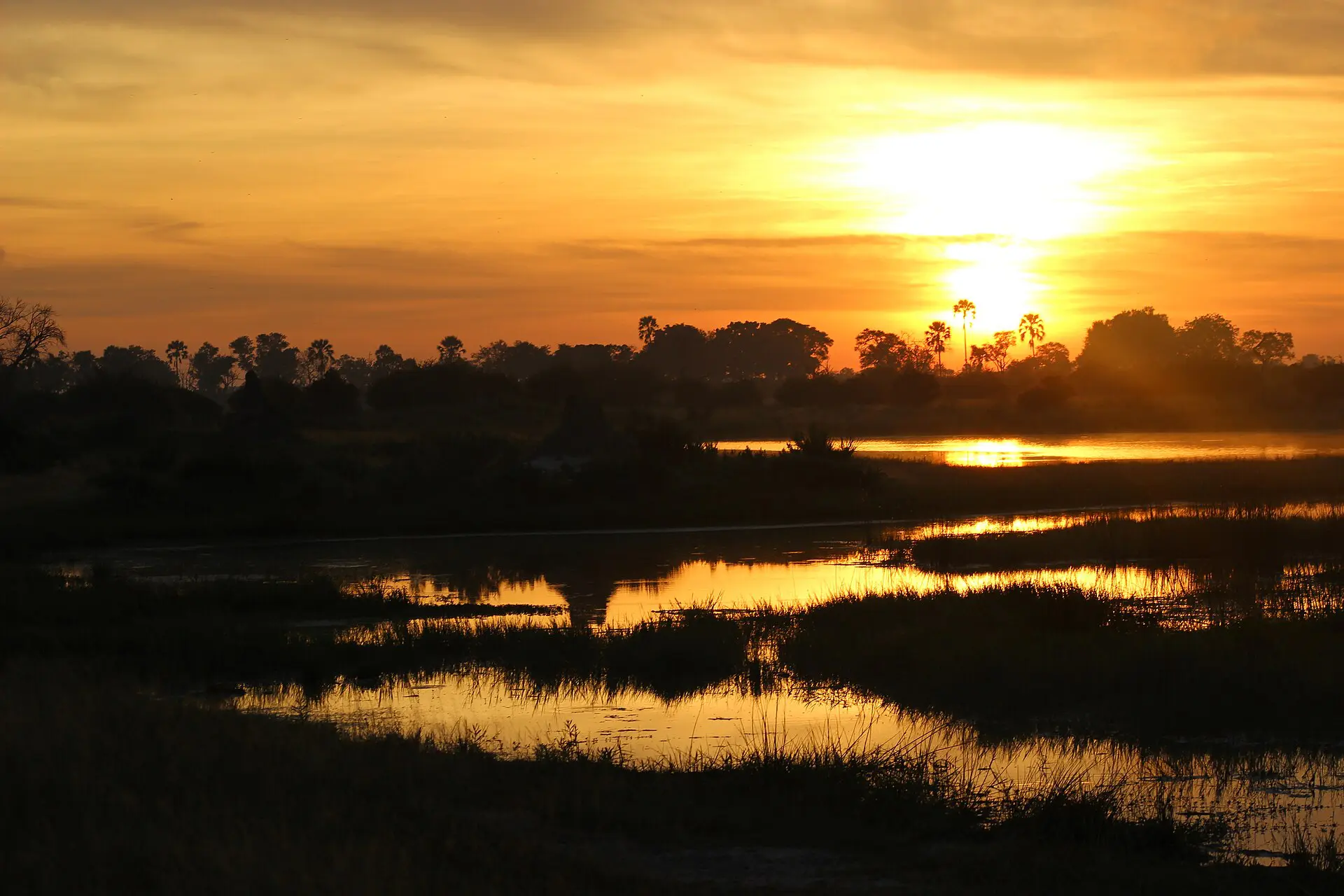
A UNESCO World Heritage Site, the delta floods from about May to August, fed by Angolan rains. Visits are by mokoro canoe, boat, walking safari or game drive from lodges, most reached by light aircraft.
Chobe National Park
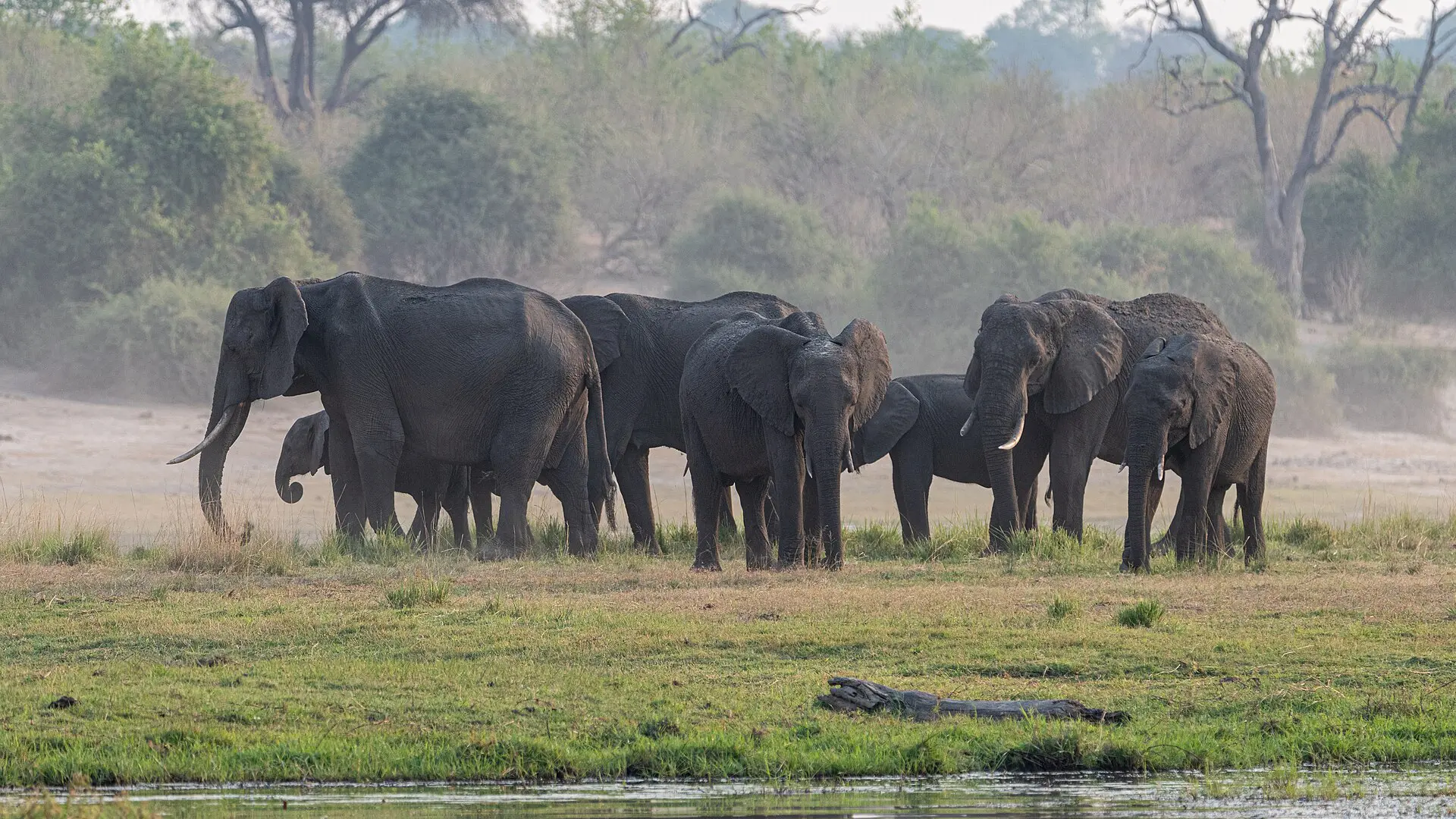
Based at Kasane on the Chobe River, the park has some of Africa’s largest elephant herds and river cruises that bring close views.
Moremi Game Reserve
Covering part of the delta, Moremi has lions, leopards, wild dogs and varied habitats, with options for camping or lodges.
Makgadikgadi and Nxai Pan
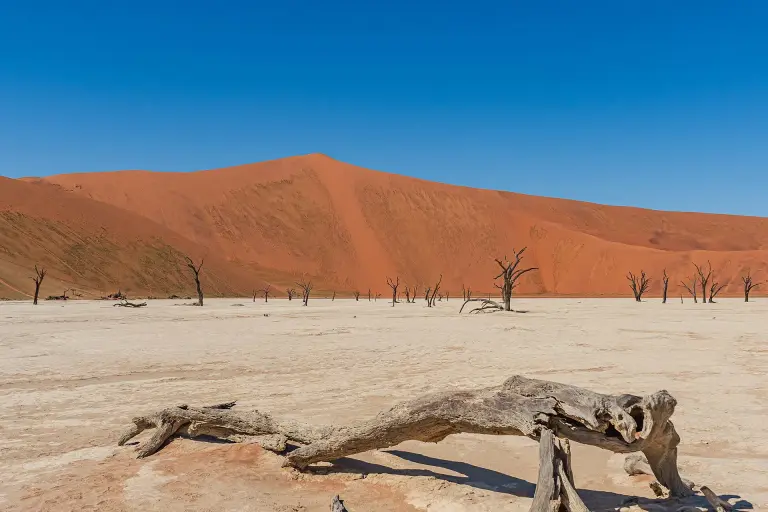
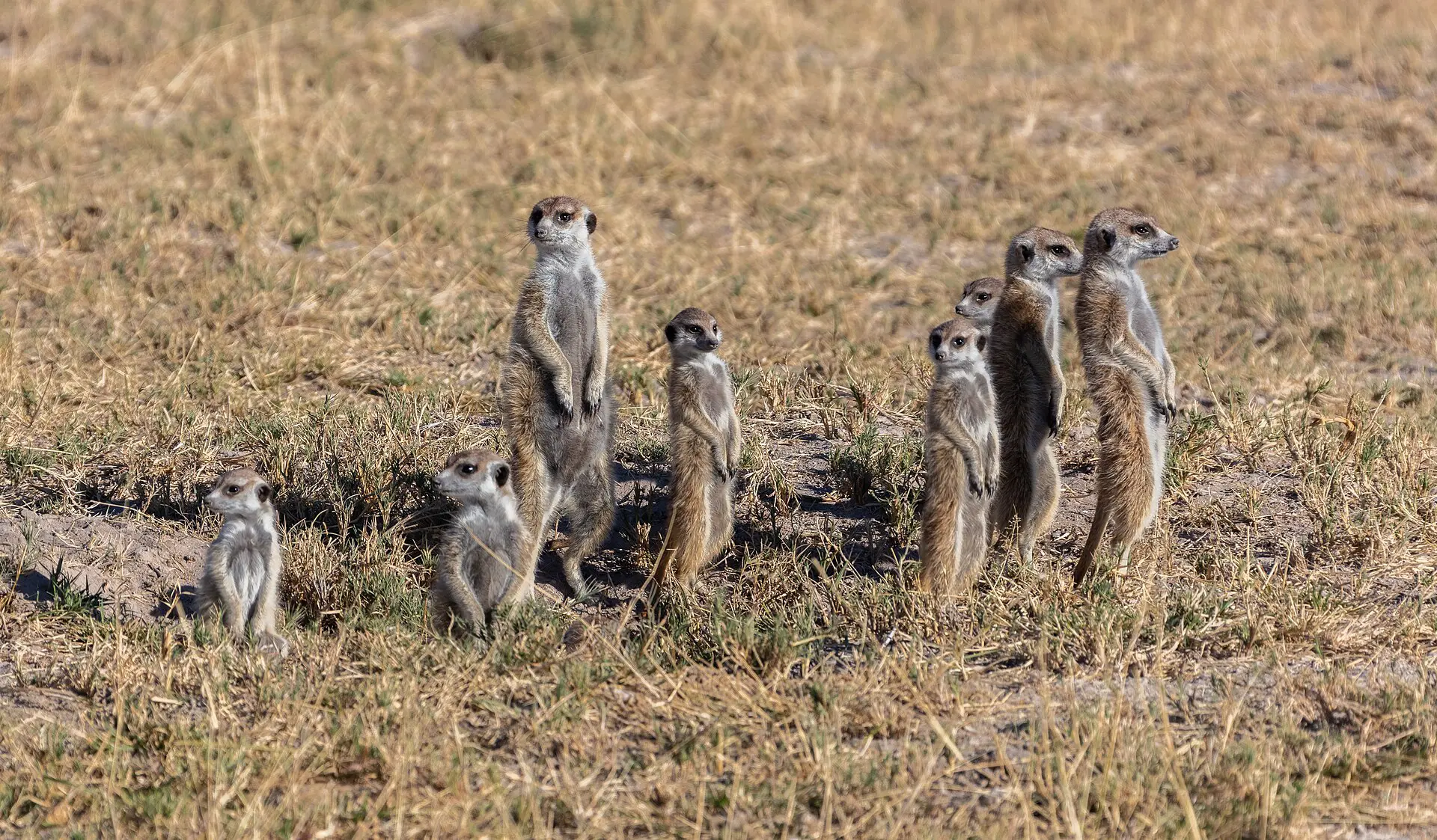
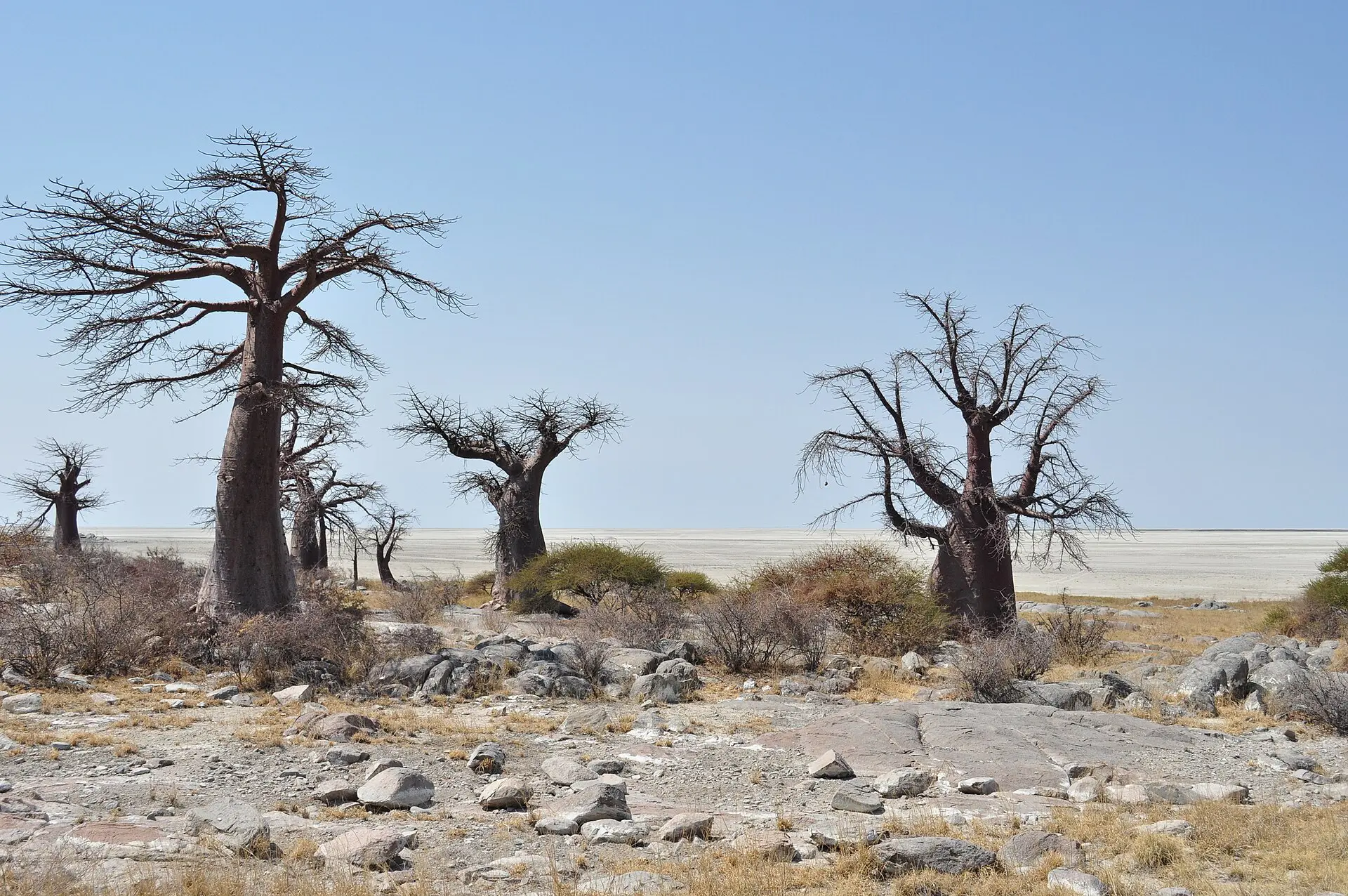
These huge salt pans are best for quad biking, meerkat visits and zebra migrations in the green season.
Central Kalahari and Tsodilo
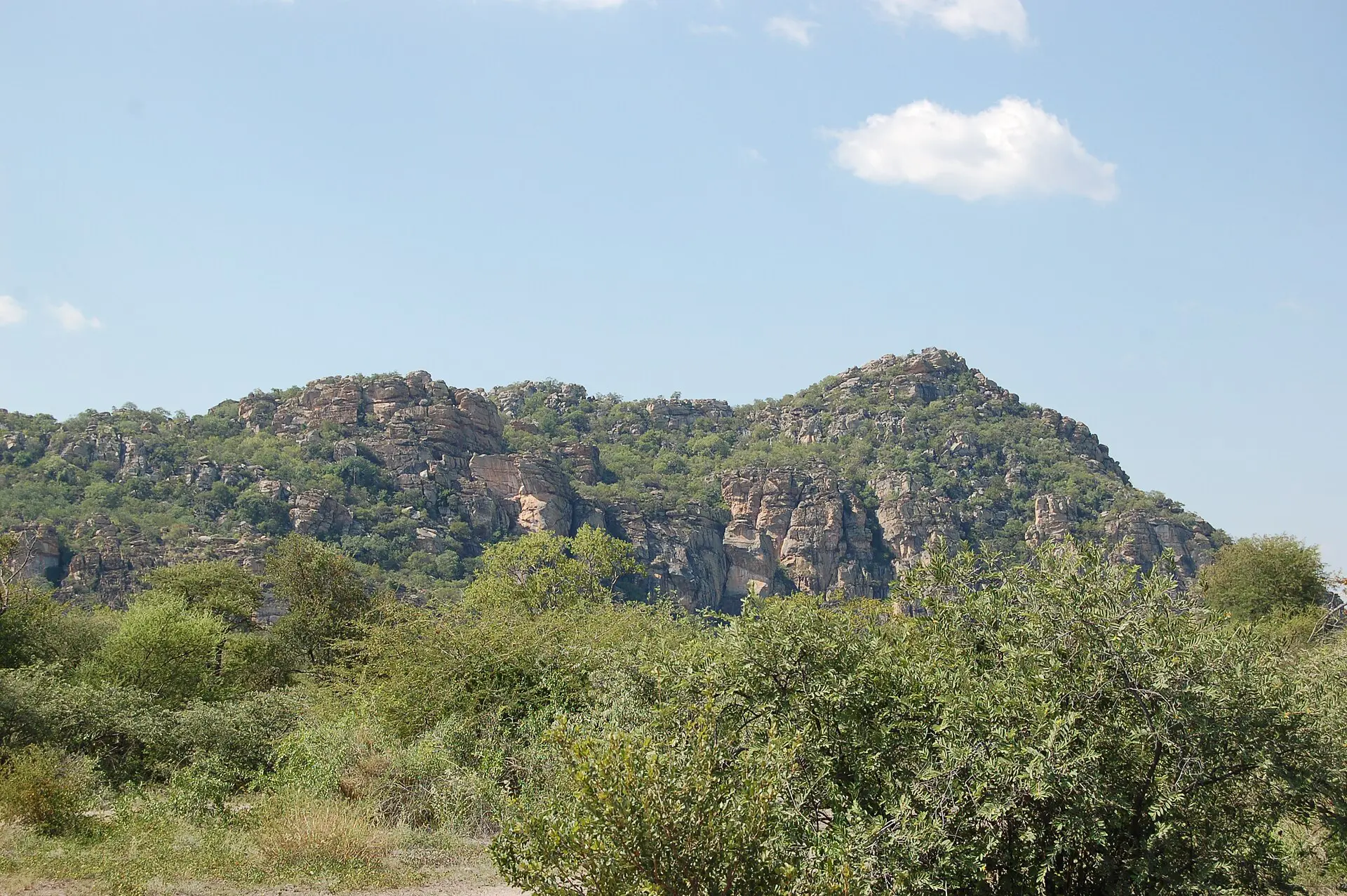
The Central Kalahari Game Reserve is a remote self-drive destination, and Tsodilo Hills in the northwest hold thousands of rock paintings.
Top things to do in Botswana
The top things to do in Botswana revolve around wildlife and landscapes, most of them in the north.
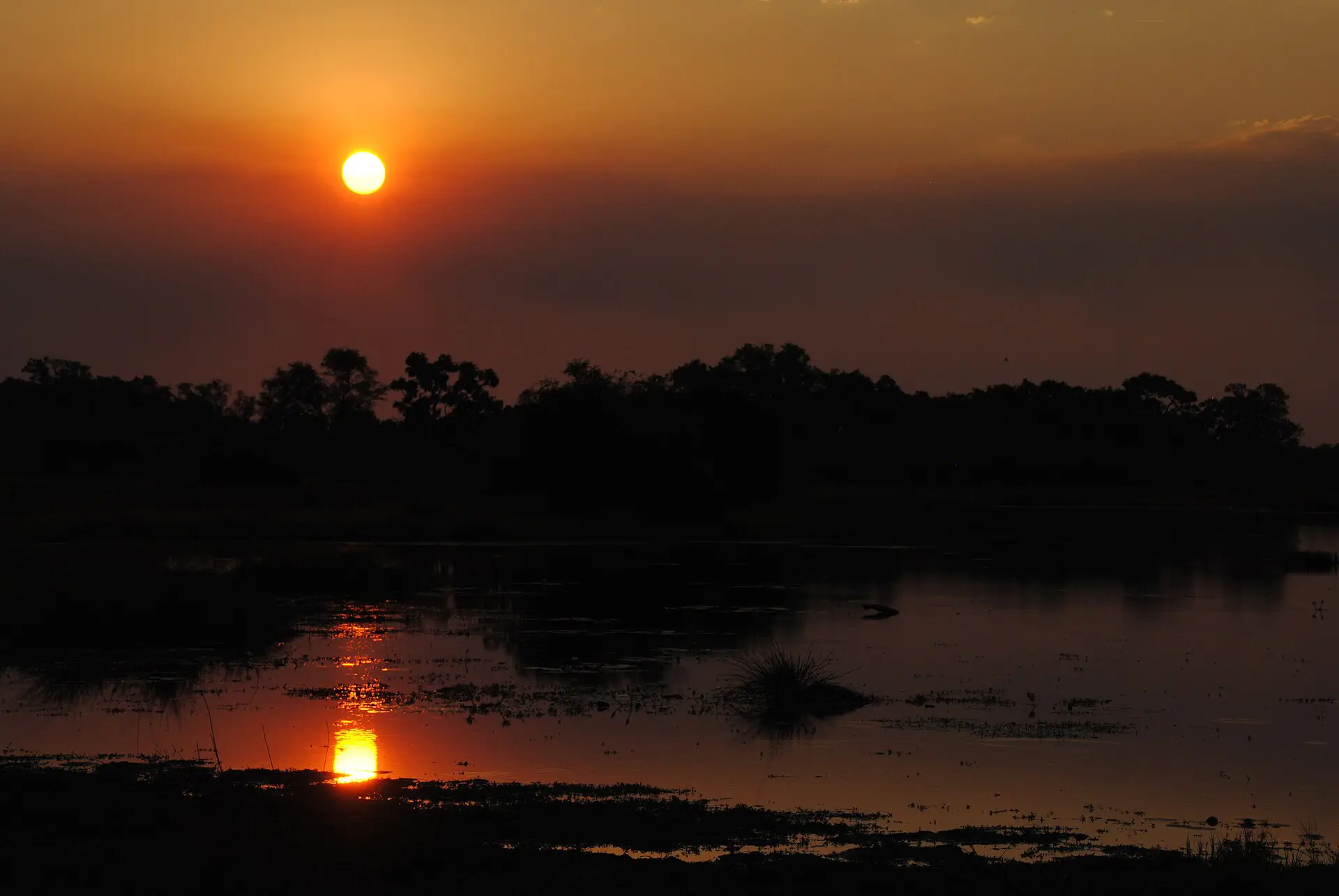
- Glide through the Okavango in a mokoro: a poler steers a dugout-style canoe through quiet channels.
- Take a Chobe river cruise: boats approach elephants and hippos along the bank.
- Drive Moremi Game Reserve: big cats and wild dogs are regular sightings.
- Go on a walking safari: guided walks teach tracking and small details.
- Visit the Makgadikgadi Pans: sunrise over the white flats is memorable.
- See meerkats at Makgadikgadi: habituated colonies are visited at dawn.
- Fly over the Delta: a scenic flight from Maun shows channels and herds.
- View Tsodilo rock art: hills with more than 4,000 paintings.
- Day trip to Victoria Falls: an easy add-on from Kasane, with a separate border crossing.
Best time to visit Botswana
The best time to visit Botswana for wildlife is May to October. Water becomes scarce, animals gather at rivers and the delta floods, while skies are clear and malaria risk is lower. July to October is peak season and the most expensive. November to March is the hot, green rainy season with birdlife, newborn animals and lower prices, but some roads become impassable.
| Season | Weather | Crowds and prices | Good for |
|---|---|---|---|
| May-Jun | Dry, cooling, cold nights | Moderate, rates rising | Delta flood arrival, wildlife |
| Jul-Oct | Dry, warm to very hot by October | Highest prices and bookings | Big game, rivers, pans |
| Nov-Mar | Hot, afternoon storms | Lowest, bargains | Birding, births, Makgadikgadi migrations |
| Apr | Rains ending, green | Low to moderate | Photography, quiet camps |
Nights from June to August can fall near freezing, so pack warm layers for game drives.
Is Botswana safe to visit?
Is Botswana safe? Yes, it is one of the safest countries in Africa for visitors, with low violent crime and a stable government. The main risks come from wildlife, malaria and driving. Check your government’s current travel advice, such as the UK FCDO or US State Department, before booking.
Wildlife. Never walk at night in camps or leave tents open, keep a safe distance from elephants, and follow your guide’s instructions at all times. Unfenced camps have animals walking through.
Malaria. The north, including the Delta and Chobe, has malaria risk, particularly from November to May. Ask a doctor about prophylaxis and use repellent.
Roads. Cattle, donkeys and wildlife stray onto roads, and night driving is dangerous. Sand and flooded tracks demand a 4×4.
Petty crime. Gaborone and Maun have occasional theft, so keep valuables locked away.
Botswana visa and entry requirements
Botswana visa rules depend on nationality. Citizens of the EU, UK, US and many Commonwealth and African countries have generally been able to enter visa-free for stays of up to 90 days, while others need a visa or an electronic authorisation in advance. The system has been updated in recent years, so confirm the current rule for your passport with the Botswana Department of Immigration or an embassy.
Carry a passport with at least six months validity and blank pages, a return or onward ticket and proof of accommodation. Yellow fever certificates may be required if you arrive from an affected country. Driving visitors need a valid licence and vehicle papers, and rental cars crossing into Zimbabwe, Zambia or Namibia need written permission.
For heritage context, see the UNESCO page for Botswana, which does not cover entry rules.
Getting to and around Botswana
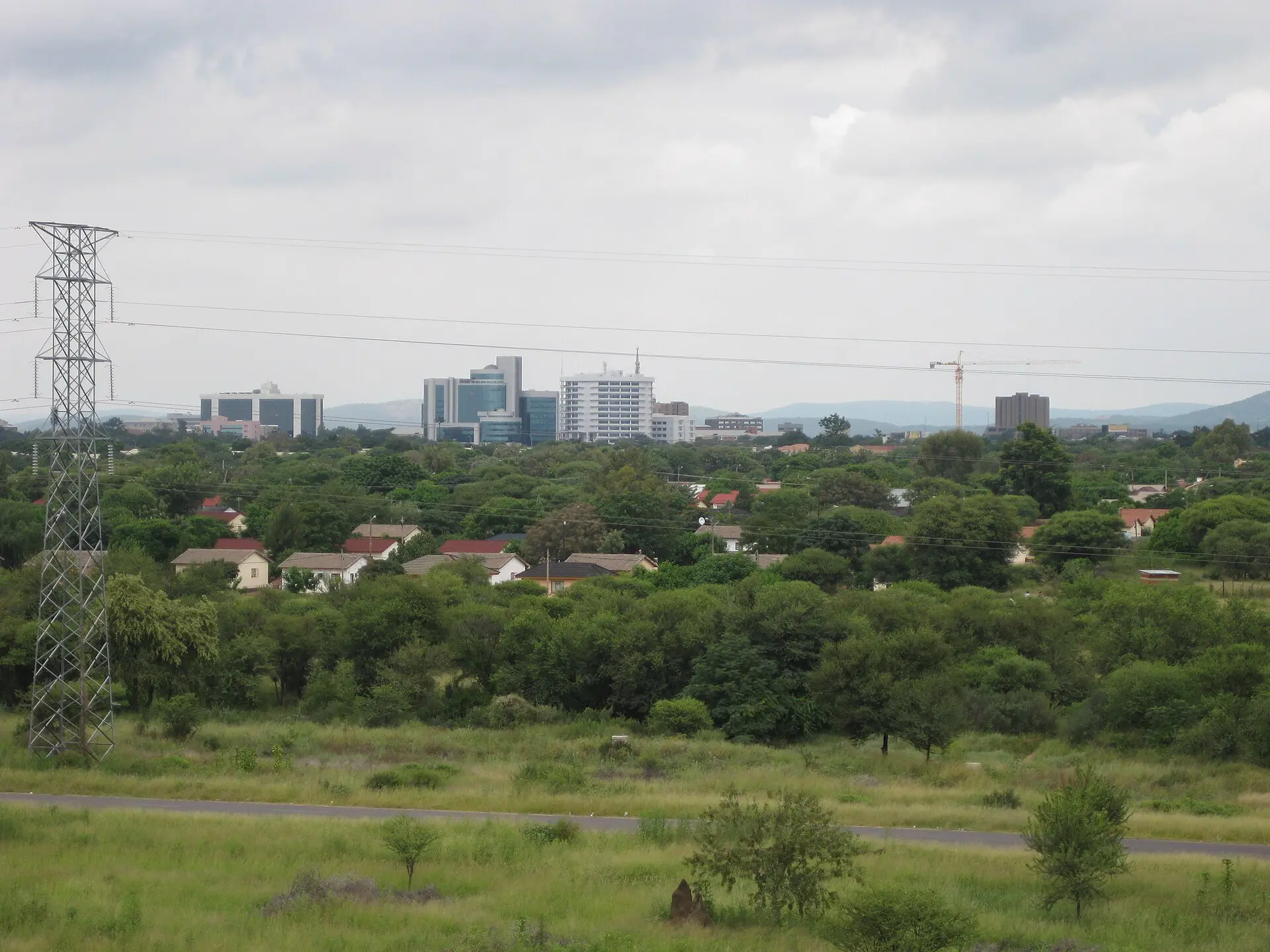
Sir Seretse Khama International Airport in Gaborone is the main gateway, with flights from Johannesburg and regional hubs, and Maun and Kasane have regional airports for safari trips. Many visitors reach Kasane via Victoria Falls in Zimbabwe or by road from Namibia and South Africa.
Distances are long. Gaborone to Francistown takes about 5 hours by road, Francistown to Nata about 2 hours, Nata to Maun about 3, and Maun to Kasane roughly 6 to 7 hours through Chobe’s edge. Light aircraft link remote camps with Maun and Kasane, and they save days. Self-drive in the Kalahari and Moremi needs a 4×4, spare fuel, and recovery gear. Driving is on the left, and tourist buses are limited.
How much does a trip to Botswana cost?
Botswana is expensive because the government favours low-volume, high-value tourism, with high park fees and remote camps. The currency is the pula (BWP). Figures are rough per-person guides, and fixed-departure and self-drive options cost less than fly-in lodges.
- Budget: around USD 100 to 150 per day, with camping, self-drive, shared costs and self-catering.
- Mid-range: around USD 150 to 350 per day, with guest houses, mobile camps and guided tours.
- High-end: USD 700 to 1,500 or more per person per night at fly-in luxury camps, usually including meals and activities.
Park fees, vehicle hire and light aircraft transfers are the largest extras. Green season rates can be much lower than peak season.
Botswana food and drink
Botswana food is built on beef, sorghum and maize, and meals are simple and filling. Camps often serve high-quality international menus.
- Seswaa: slow-cooked, pounded beef or goat, a ceremonial dish.
- Bogobe: sorghum or maize porridge served with meat or sour milk.
- Pap (phaleche): stiff maize porridge eaten with stew and vegetables.
- Morogo: cooked wild greens, usually with pap.
- Magwenya: fried dough balls sold as street snacks, with fillings.
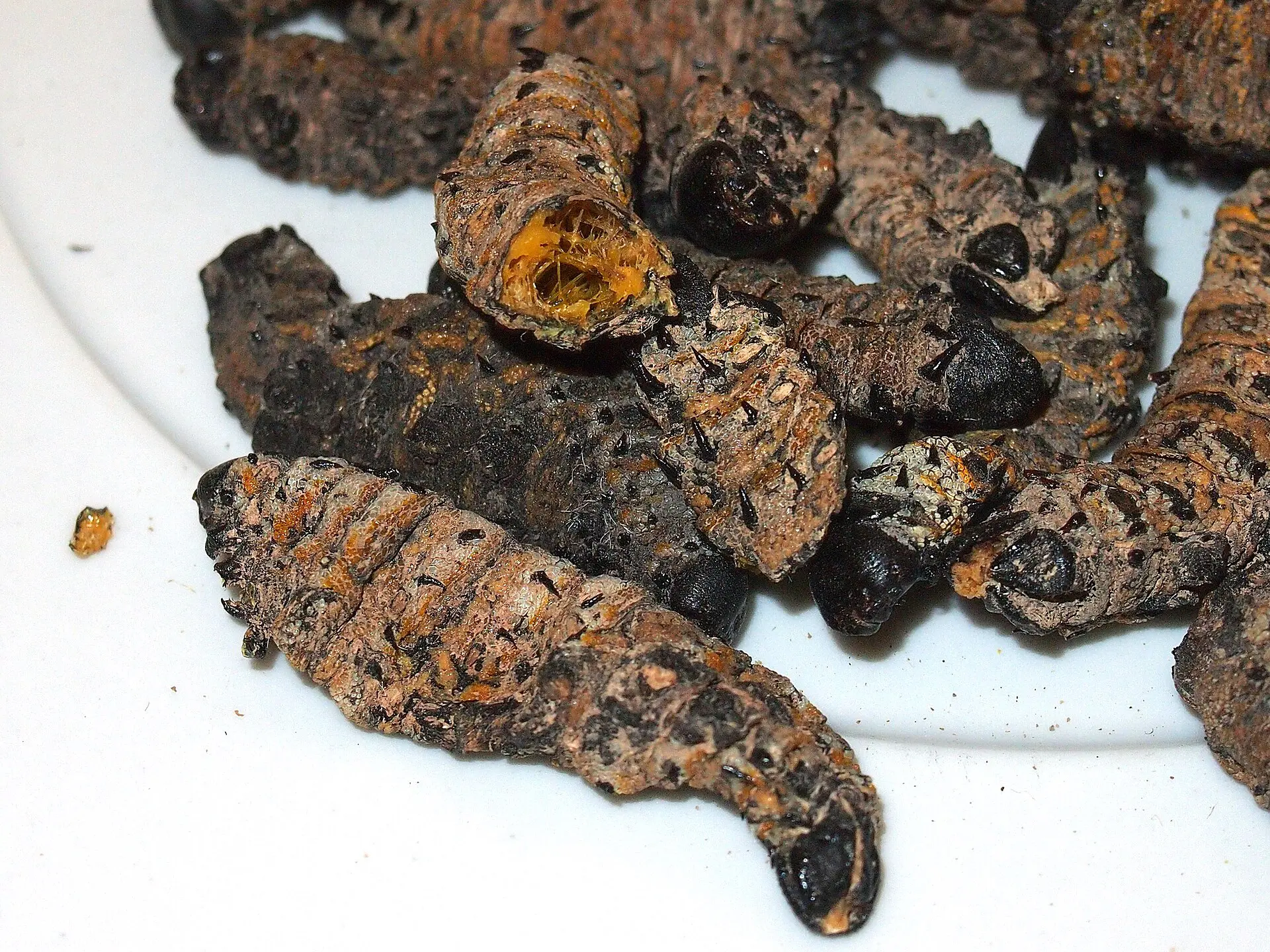
- Mopane worms (phane): dried or fried caterpillars, high in protein.
- Biltong: air-dried meat, widely sold as a snack.
- Chibuku and bojalwa: traditional sorghum beers.
Vegetarians can eat pap, greens and beans, though meat is central in restaurants. Tap water is generally treated in towns but bottled water is common in the bush.
Culture, language and etiquette in Botswana
English and Setswana are the official languages, and English is widely understood. Greetings matter: say dumela rra to a man and dumela mma to a woman, and ask how someone is before making a request. Handshakes are common, often held for a moment, and supported by the left hand on the right forearm as a sign of respect.
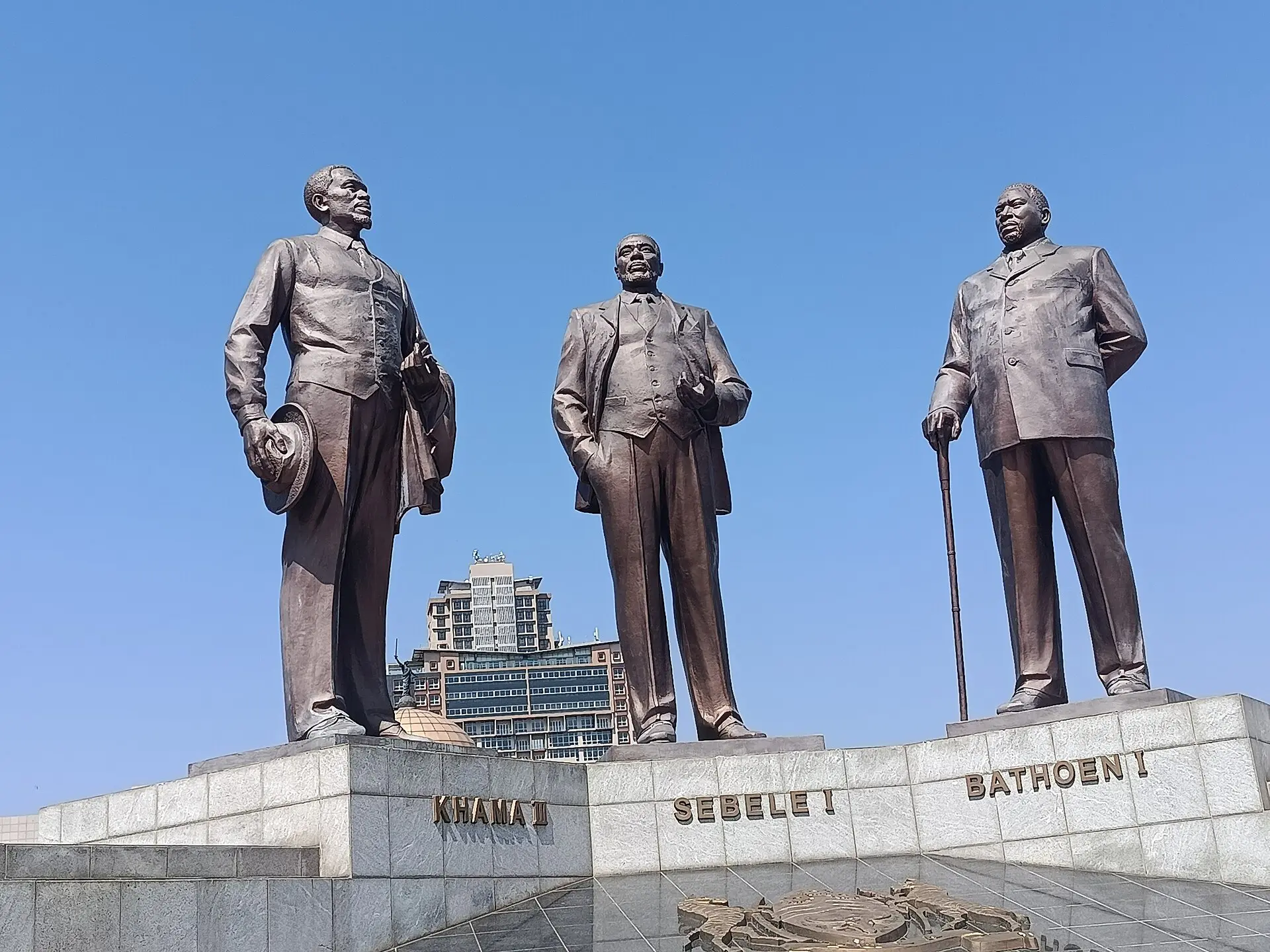
Dress modestly in villages, and ask before photographing people, cattle posts or homes. The kgotla, the traditional village meeting place, is central to community decisions. Cattle are valued, so do not joke about them. At camps, tip guides and staff, as tips form a large part of their income. Do not feed wildlife, and keep your voice low on walking safaris.
Botswana itinerary: a 7-day route
This Botswana itinerary focuses on the north and uses flights to save time. Camps and flights should be booked months ahead for peak season.
- Day 1, Maun: arrive, collect any rental gear and prepare for the Delta.
- Days 2 and 3, Okavango Delta: fly to a camp for mokoro trips, boat rides and a walking safari.
- Day 4, Moremi or Khwai: game drives for big cats and wild dogs, then a night in a camp.
- Day 5, transfer to Kasane: fly from Maun, or drive about 6 to 7 hours via Nata.
- Day 6, Chobe: take a morning game drive and an afternoon river cruise.
- Day 7, Victoria Falls or departure: either cross to Zimbabwe for a day trip or fly out of Kasane.
Add the Makgadikgadi Pans or a Central Kalahari self-drive if you have more days, and skip Chobe in the wet season if roads are poor.
Practical tips for Botswana
- Money: the pula is the local currency; ATMs exist in towns, and cards work in most lodges, but carry cash for fuel and small shops.
- SIM and eSIM: prepaid SIMs are cheap, and coverage is good in towns but absent in much of the bush.
- Plugs: types D, G and M at 230 V; bring an adapter.
- Tipping: expected at safari camps, usually a daily amount for guides and staff.
- Health: arrange malaria advice, insurance with evacuation cover and sun protection.
- Packing: neutral-coloured clothing, warm layers, binoculars, a hat and soft bags for light aircraft weight limits.
- Driving: traffic drives on the left, and soft bags fit small planes better than hard cases.
For more background, see the Wikipedia article on Botswana.
FAQ
Q1Is Botswana safe?
Yes, it is one of Africa's safest destinations, with low violent crime and a stable government. The main risks are wildlife, malaria in the north and driving on roads shared with animals. Follow guides' instructions and check government travel advice.
Q2What is Botswana food like?
Botswana food is based on beef, sorghum and maize. Try seswaa (pounded beef), bogobe porridge, pap with stew, morogo greens and magwenya fried dough. Mopane worms are a local snack, and safari camps serve international menus.
Q3What is the best time to visit Botswana?
May to October is best for wildlife, with dry weather, animals at water and the delta in flood. July to October is the busiest and priciest. November to March is green, hot and wet, good for birds and lower prices.
Q4What are the best things to do in Botswana?
Take a mokoro trip in the Okavango Delta, cruise the Chobe River, drive Moremi, visit the Makgadikgadi Pans and see Tsodilo rock art. A walking safari and a day trip to Victoria Falls from Kasane are also popular.
Q5Is Botswana safe to visit for solo travellers?
Generally yes, since crime is low, but remote travel needs planning. Solo self-drivers need a 4x4, recovery gear and satellite communication in the Kalahari. Many solo visitors join group tours. Avoid walking at night in camps and towns.
Q6Do I need a visa for Botswana?
Citizens of the EU, UK, US and many other countries have generally entered visa-free for short stays, while others need a visa or e-authorisation. Rules change, so confirm with the Botswana immigration authority or an embassy before booking.
Q7Why is Botswana so expensive?
The government promotes low-volume, high-value tourism, with high park fees and remote fly-in camps. Self-drive camping and green season travel cut costs sharply. Budget around USD 100 to 150 per day self-driving, and far more at luxury camps.