Why visit Seattle
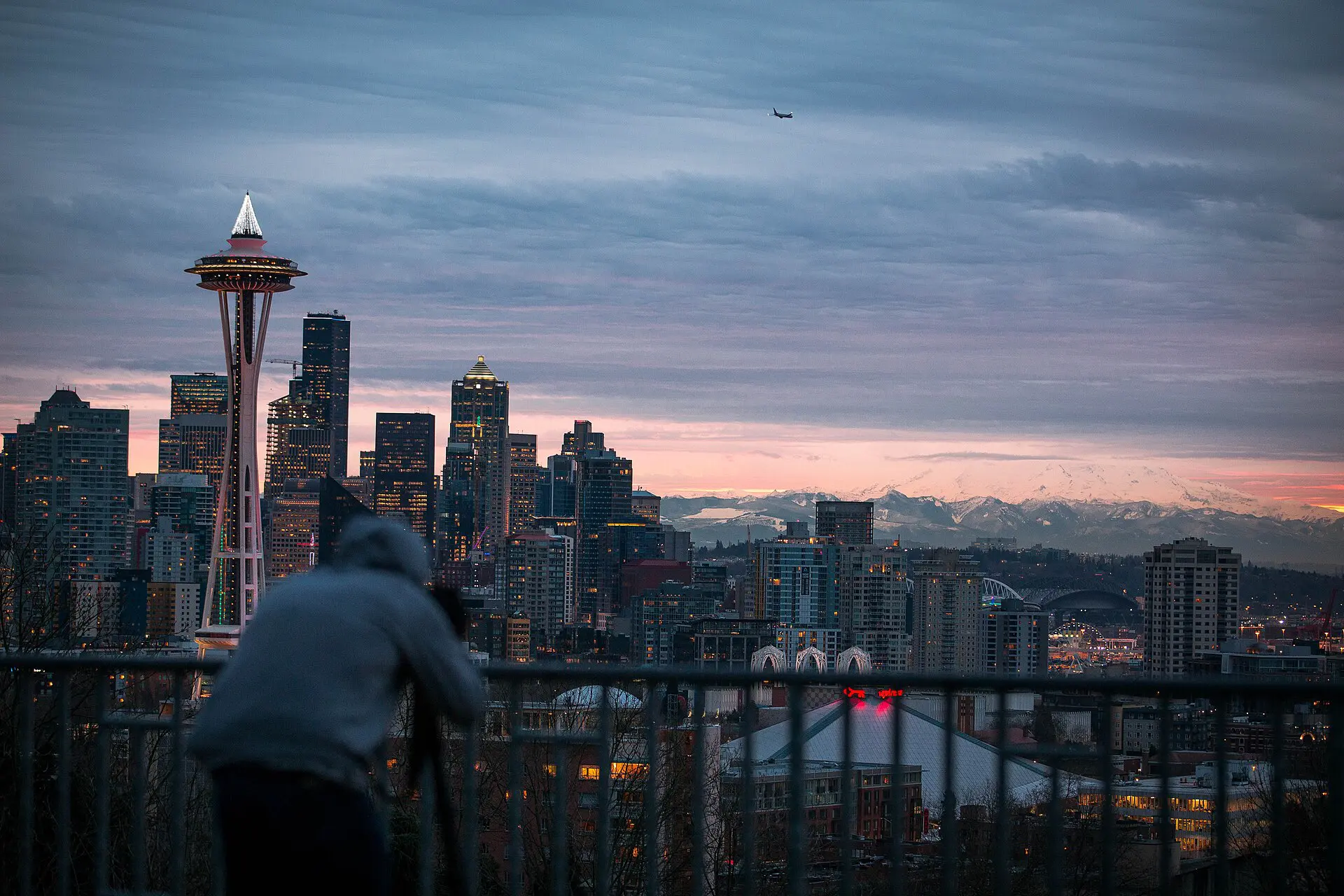
People planning things to do in Seattle often start with the waterfront and the market, but the setting is the real draw. The city sits on a narrow strip of land between Puget Sound and Lake Washington, with views of the Olympic Mountains and, on clear days, Mount Rainier.
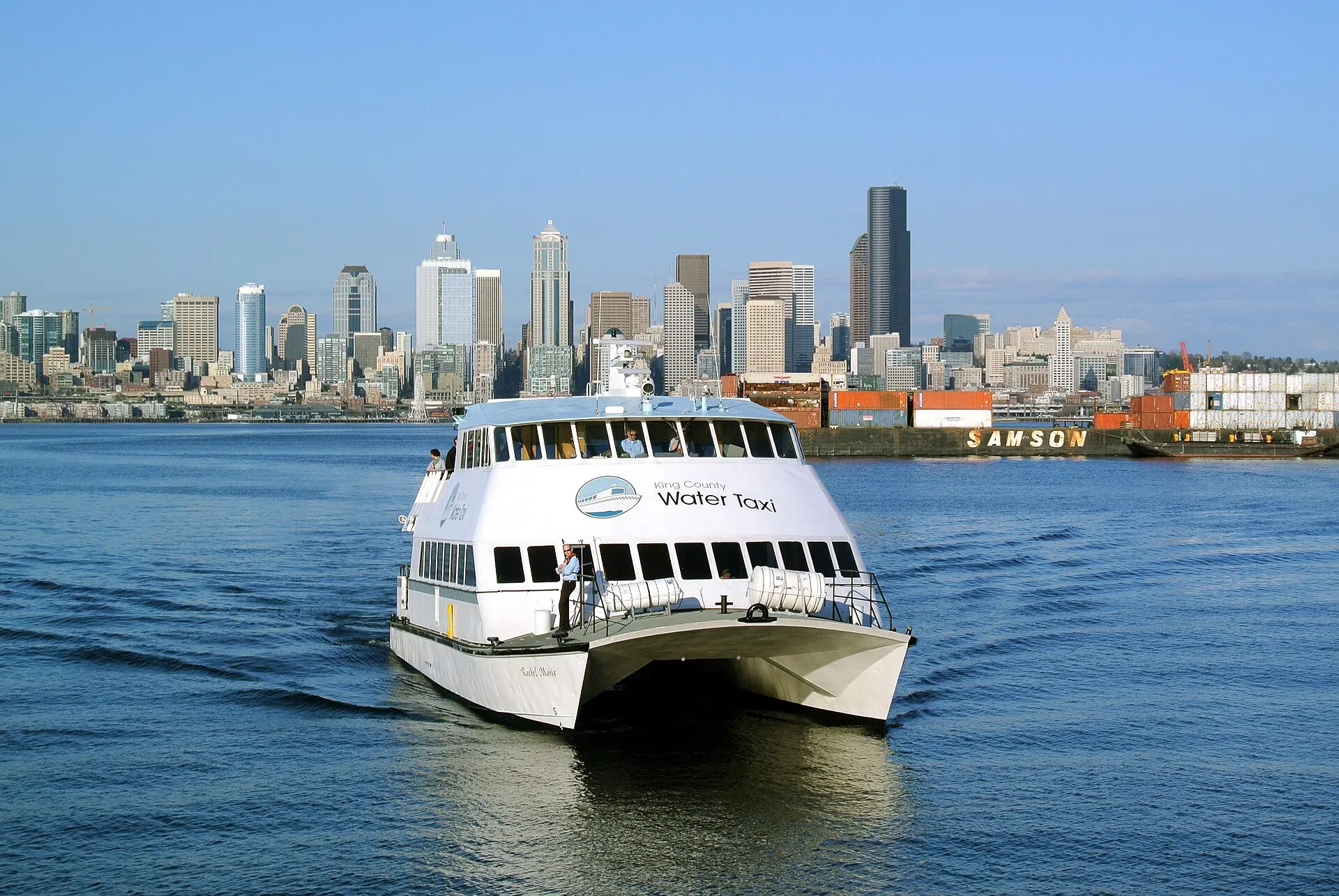
It is the largest city in Washington state and a base for outdoor trips. Ferries cross the sound to islands, trails start within an hour of downtown, and national parks are within a day’s drive. In the city itself, you get a famous public market, museums, a lively food scene and a long coffee tradition.
Seattle has a reputation for rain, though summers are often dry and bright. It is hilly, so some walks are steeper than they look. A few days here balance city sights with fresh air.
Top things to do in Seattle
These are the usual highlights for a first visit. Check opening hours and any timed-entry rules ahead of time.
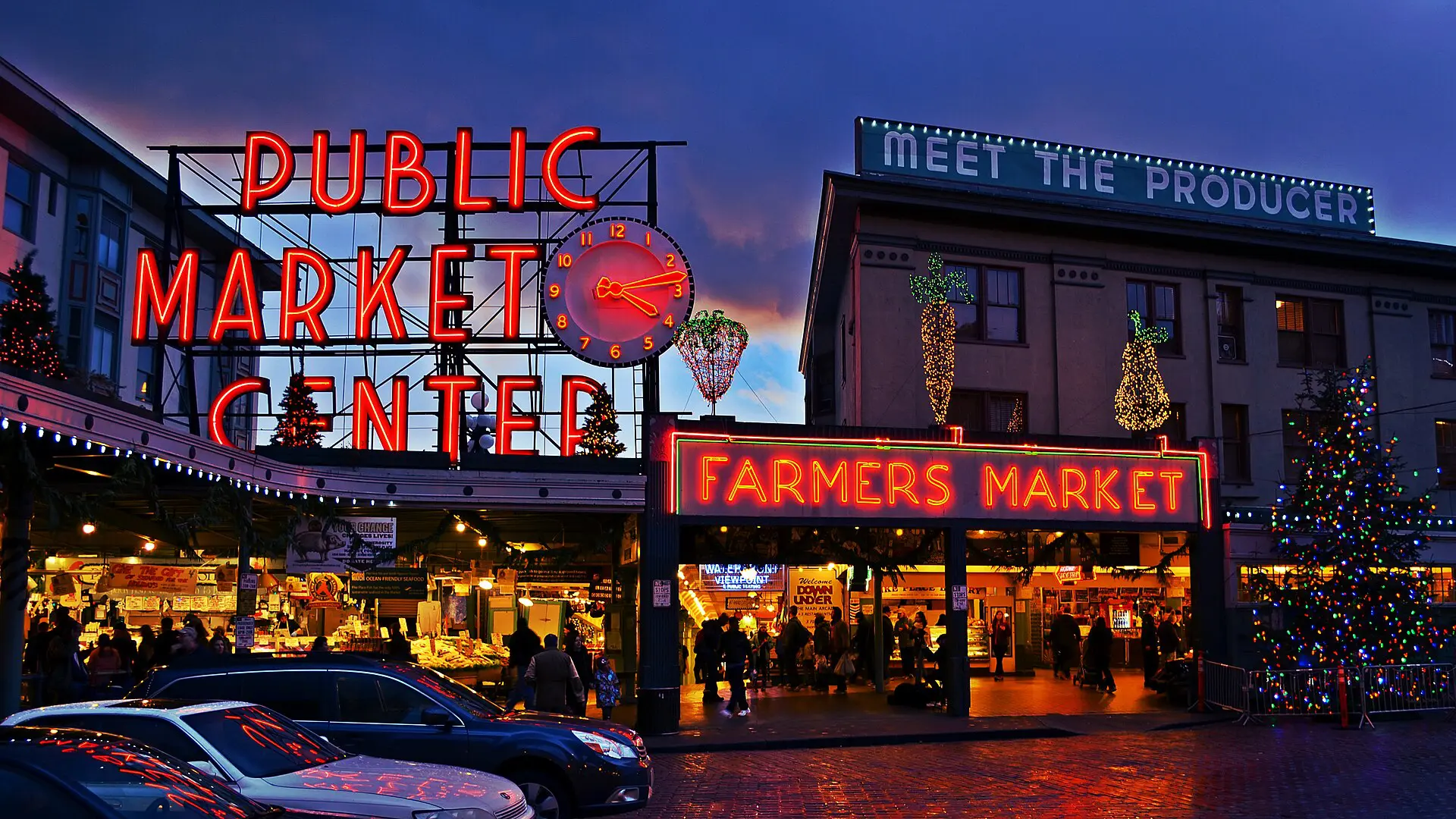
Pike Place Market
The long-running public market has fish stalls, produce, crafts and food counters. Allow two to three hours. Go early on weekday mornings to avoid the biggest crowds, and bring a bag for purchases. Some stalls are cash-friendly, but most accept cards.
The Space Needle and Seattle Center
The tower has an observation deck with views over the city and sound. Allow one to two hours, more if you add nearby museums. Book ahead for popular times, and choose a clear day, since cloud can block the view.
Waterfront and the ferries
The waterfront has walking routes, a large Ferris wheel and an aquarium. A ferry ride to Bainbridge Island takes around 35 minutes each way and gives a skyline view. Bring a jacket, as it is breezy on deck.
Museum of Pop Culture and Chihuly Garden and Glass
Both sit near the Space Needle. One covers music, film and popular culture, the other glass art in gardens. Allow one to two hours each, and check whether combined tickets are available.
Neighbourhoods: Capitol Hill and Fremont
Capitol Hill has cafes, bars and shops, while Fremont has public art and a canal setting. Allow a few hours for each. Use the light rail or a bus to reach them, and visit during the day for the broadest choice of cafes.
Discovery Park
A large park with beaches, a lighthouse and trails, with views across the sound. Allow two to three hours. Wear walking shoes, as paths can be uneven, and check the weather before you go.
Coffee and food
Seattle is known as a coffee city, with plenty of independent roasters as well as large chains that began here. Seafood and Pacific Northwest produce are strengths. Reserve for dinner at popular places, especially on weekends.
Best time to visit Seattle
July to September is the driest and sunniest period, with long days and the best chance of mountain views. It is also the busiest, with cruise traffic and higher hotel prices, so book early.
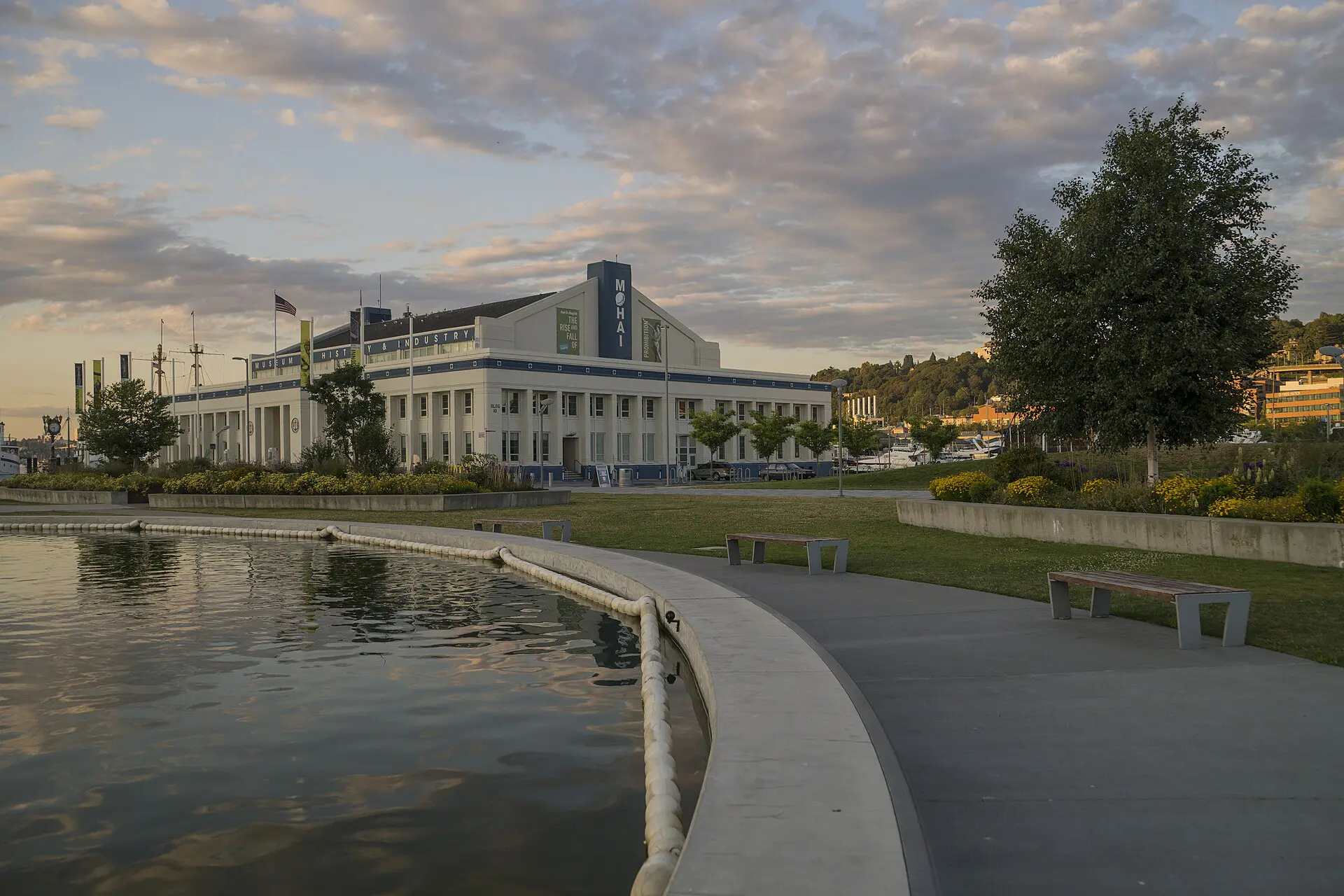
Spring brings blossom and changeable weather, and May and June can be pleasant, though grey mornings are common. Autumn is mild and increasingly rainy by November. Winter is cool, wet and often overcast, but prices are lower and the museums and cafes are comfortable. Pack a waterproof jacket in any season, as showers can arrive quickly.
| Season | Weather | Crowds and prices |
|---|---|---|
| Spring (Mar-May) | Mild, changeable, showers | Moderate |
| Summer (Jun-Aug) | Dry, warm, long days | Busiest, highest prices |
| Autumn (Sep-Nov) | Mild, becoming wet | Moderate, good value later |
| Winter (Dec-Feb) | Cool, wet, overcast | Quieter, lower prices |
How to get to Seattle and around
Most visitors arrive at Seattle-Tacoma International Airport, which is connected to downtown by a light rail line, usually taking around 40 minutes, so check current times. Amtrak runs services along the Pacific coast and from Vancouver, and ferries link the city to nearby islands and peninsulas.
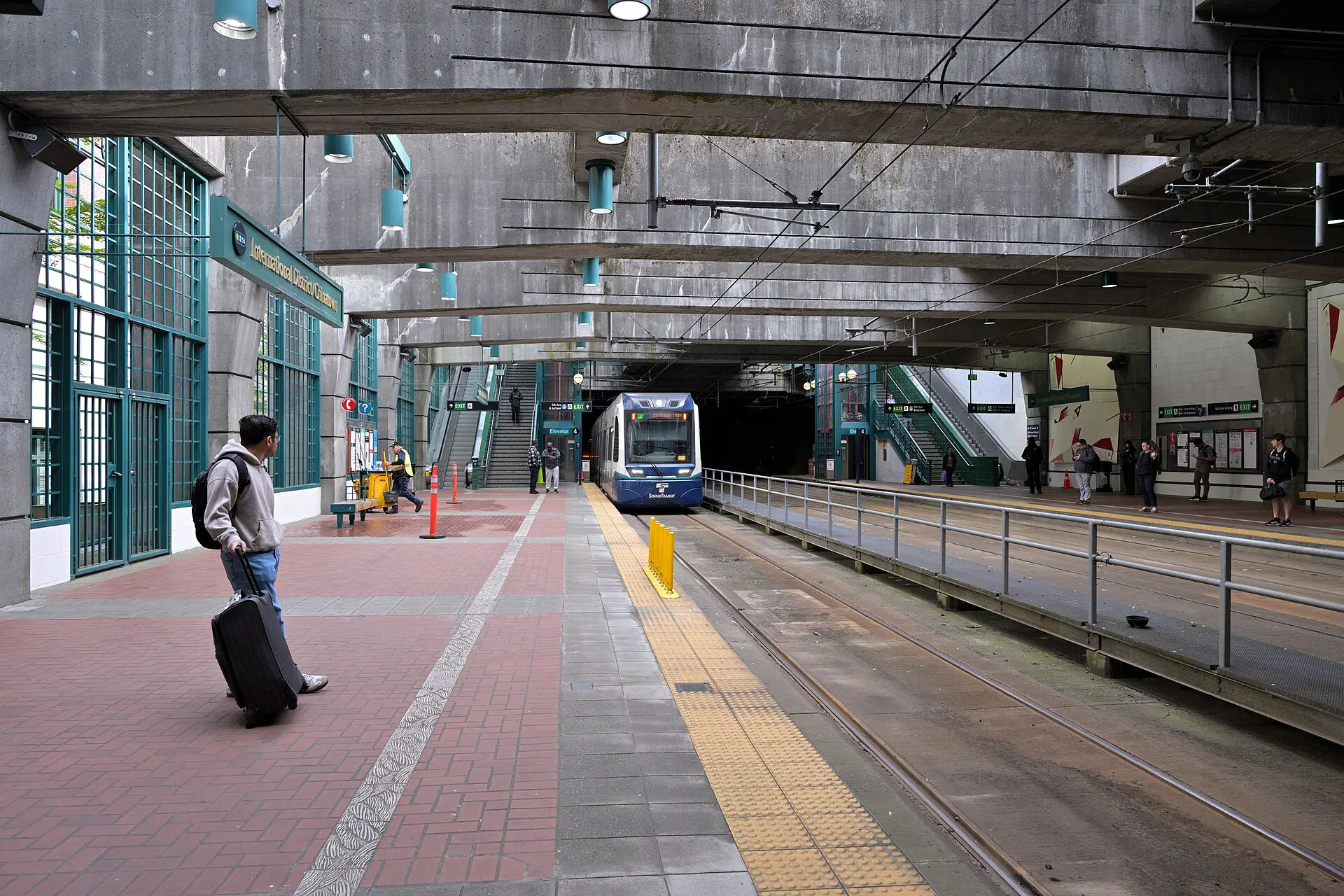
Downtown and the waterfront are walkable, though the hills can be steep. Light rail runs to several neighbourhoods and the university, while buses fill other routes. A monorail links downtown to Seattle Center. A car helps for the national parks and trails, but parking in the centre is costly. Rideshares are common, and check ferry schedules if you take a car across.
Where to stay in Seattle
Seattle has hotels across downtown and several neighbourhoods. Prices rise sharply in summer, so book early.
- Downtown and the waterfront: the most convenient for the market, ferries and light rail. Suits first-time visitors and short stays.
- South Lake Union and Seattle Center: close to the Space Needle and museums, with a modern feel. Good for families and business travellers.
- Capitol Hill: a lively area with bars, cafes and independent shops, and a short light rail ride to downtown. Suits younger travellers and those who like nightlife.
- Queen Anne and Ballard: quieter and more residential, with local restaurants. Good for repeat visitors.
How many days do you need?
Three days is enough for the main sights and one outdoor excursion. Two days works for a short city break, and four or five days lets you add a longer day trip to a national park or the islands. Pick a clear day for the viewpoints and keep a flexible plan for the weather.
- Day 1: Pike Place Market, the waterfront and a ferry ride to Bainbridge Island.
- Day 2: The Space Needle, Seattle Center museums and an evening in Capitol Hill.
- Day 3: Discovery Park or Fremont, then a coffee crawl and dinner in Ballard.
Day trips and nearby
Seattle is a good base for outdoor trips in the Pacific Northwest.
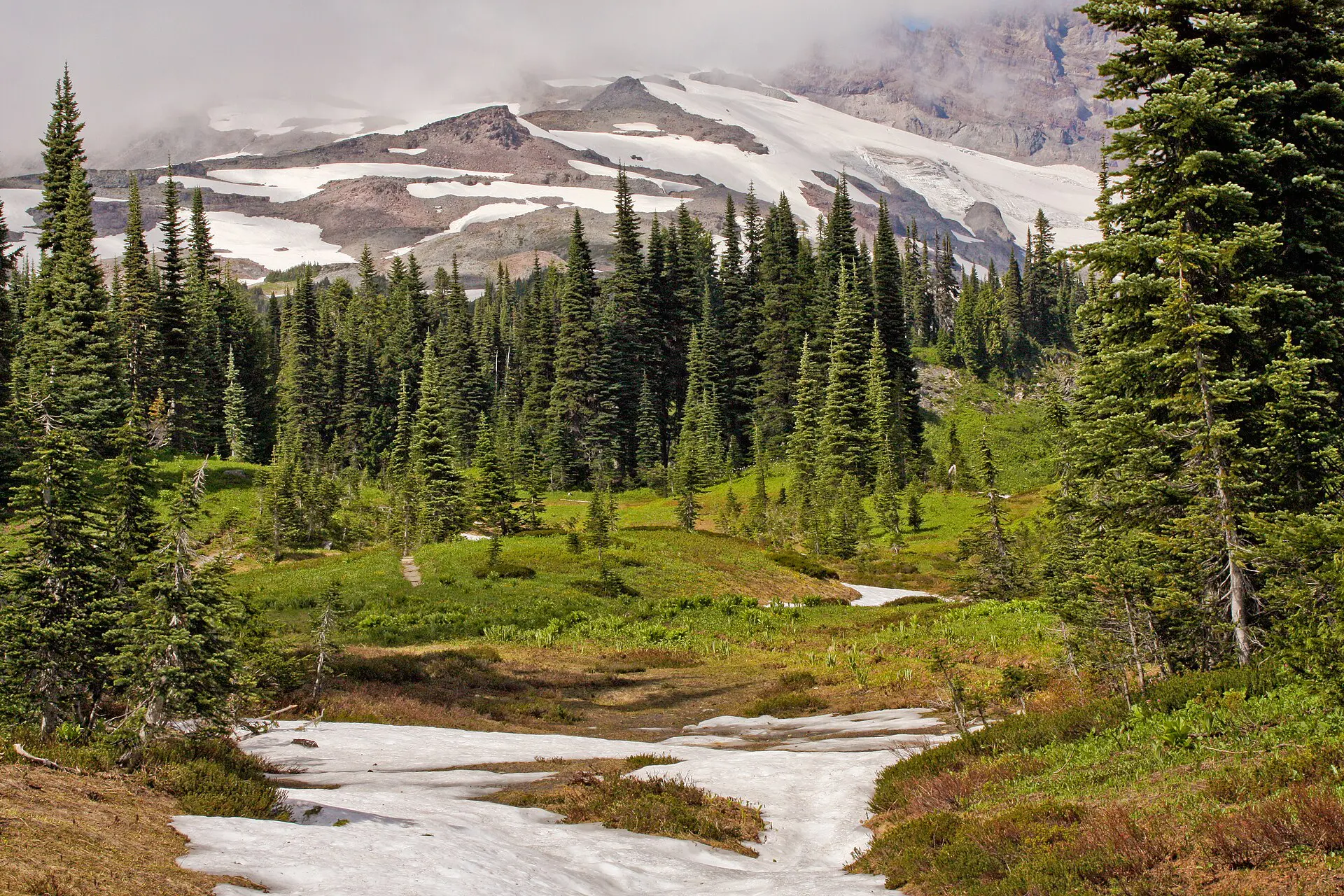
Mount Rainier National Park
Around two hours south by car, with wildflower meadows in summer and snow at other times. Allow a full day. Check road and entry conditions, as some access is seasonal.
Bainbridge Island
A ferry ride of about 35 minutes, with a small town, waterfront and a relaxed feel. Allow half a day. Check ferry schedules, and take the walk-on option if you do not need a car.
Olympic Peninsula
Reached by ferry and road, the peninsula has forests, coast and mountains. It suits an overnight stay rather than a rushed day. Check conditions and any park entry rules.
Portland
Around three hours south by car or train, with its own food and coffee scene. It works better as an overnight or as part of a wider Pacific Northwest trip.
FAQ
Q1When is the best time to visit Seattle?
July to September is the driest and sunniest period, with the clearest mountain views, but also the busiest and most expensive. May, June and early autumn can be good value. Winter is wet and overcast, with lower prices.
Q2How many days do you need in Seattle?
Three days is enough for Pike Place Market, the Space Needle, the waterfront and a couple of neighbourhoods. Two days work for a short break, and four or five let you add Mount Rainier, a ferry trip or the Olympic Peninsula.
Q3How do you get from Seattle airport to the city?
Link light rail runs from Seattle-Tacoma International Airport to downtown, usually in around 40 minutes. Taxis and rideshares are also available, though cost more and depend on traffic. Check current schedules and fares before you travel.
Q4Does it rain all the time in Seattle?
No. Rain is frequent from autumn to spring, often as drizzle, but summers are typically dry and sunny. Pack a waterproof jacket in any season and keep a flexible plan, since showers can arrive quickly and clear just as fast.
Prices, schedules and entry rules change. Check current details with official sources before you travel. Read the United States travel guide.