Why visit Oahu
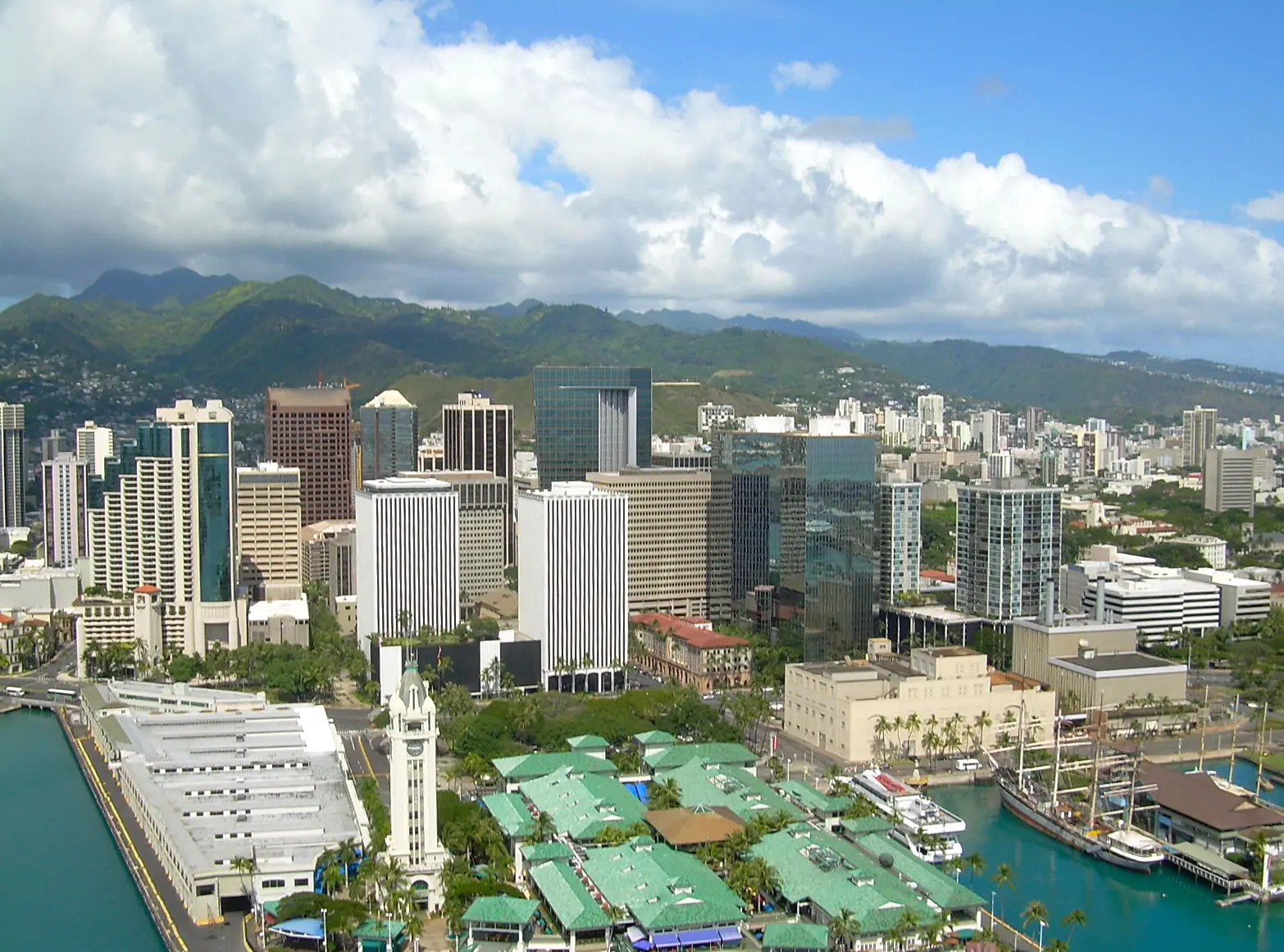
Searches for things to do in Oahu often start with Waikiki, but the island offers far more variety than one beach. It is the most populated of the Hawaiian Islands and home to the state capital, Honolulu, so you get city comforts alongside surf, valleys and rural coastline within a short drive.
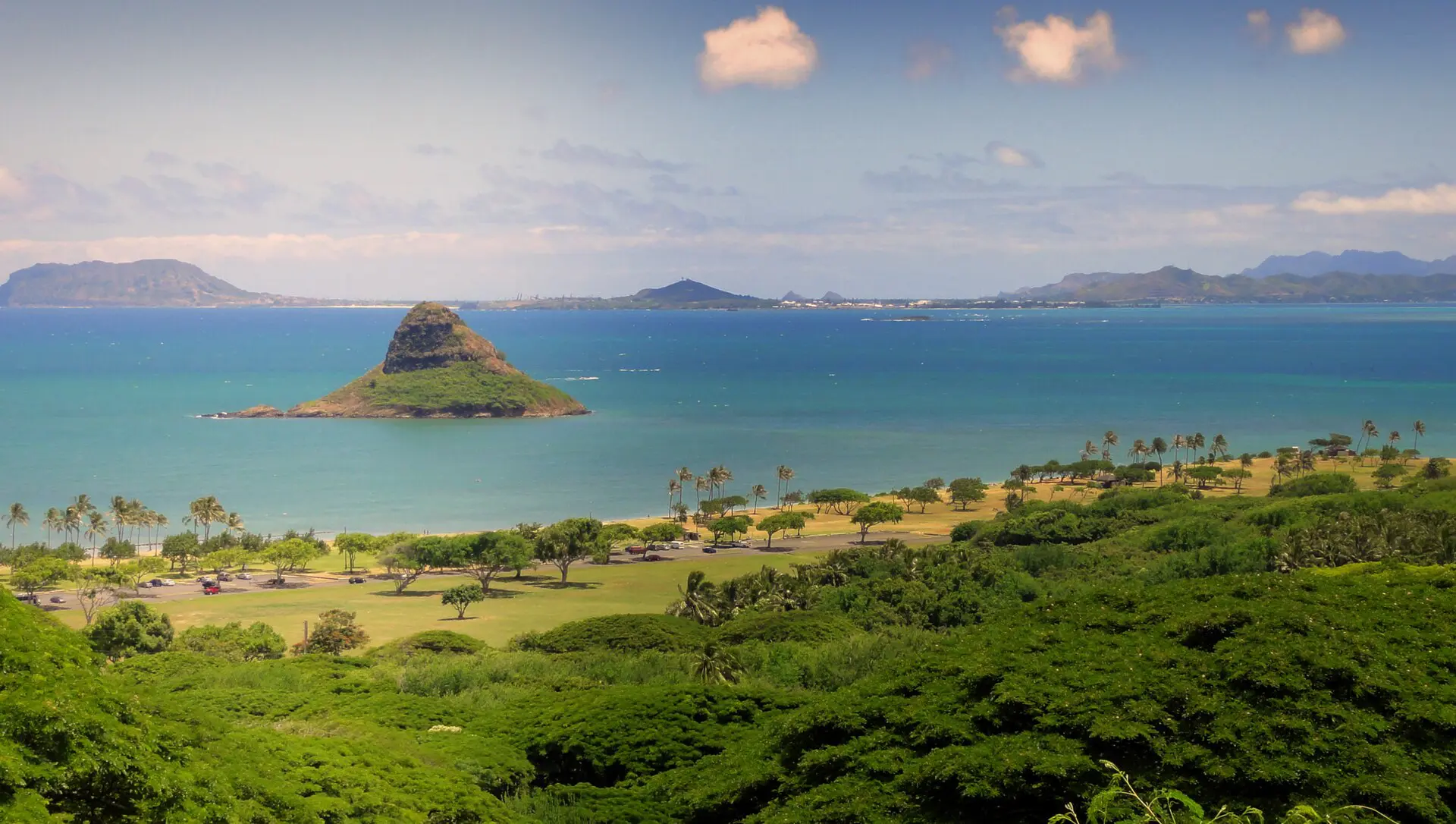
The south shore has Waikiki, Diamond Head and Pearl Harbor. The North Shore is known for large winter waves and a laid-back surf town atmosphere, while the windward side has calmer bays, reef lagoons and steep green cliffs. Inland, ridge trails give views across the island.
Oahu also suits travellers who want practical conditions. Flights are frequent, roads are good and there is a wide choice of places to stay. The trade-offs are traffic around Honolulu, high prices and busy sights in peak months, so reserve key activities ahead and plan early starts.
Top things to do in Oahu
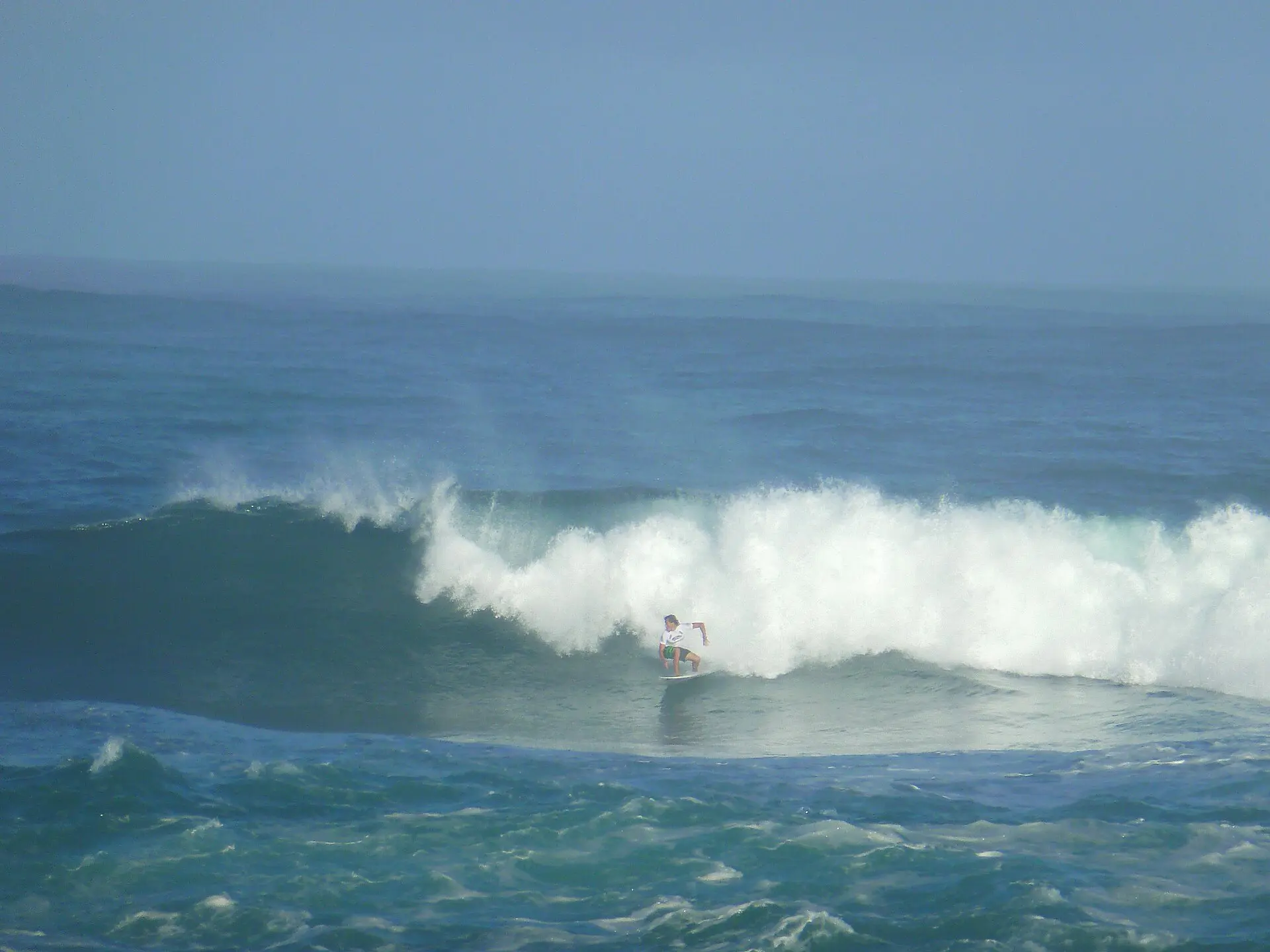
North Shore beaches
Beaches such as Waimea Bay and Sunset Beach are famous for winter surf and relatively calm summer swimming. Allow a full day with a stop in Haleiwa for food trucks. Respect lifeguard warnings, since winter shore breaks and rip currents can be dangerous, and avoid leaving valuables in a parked car.
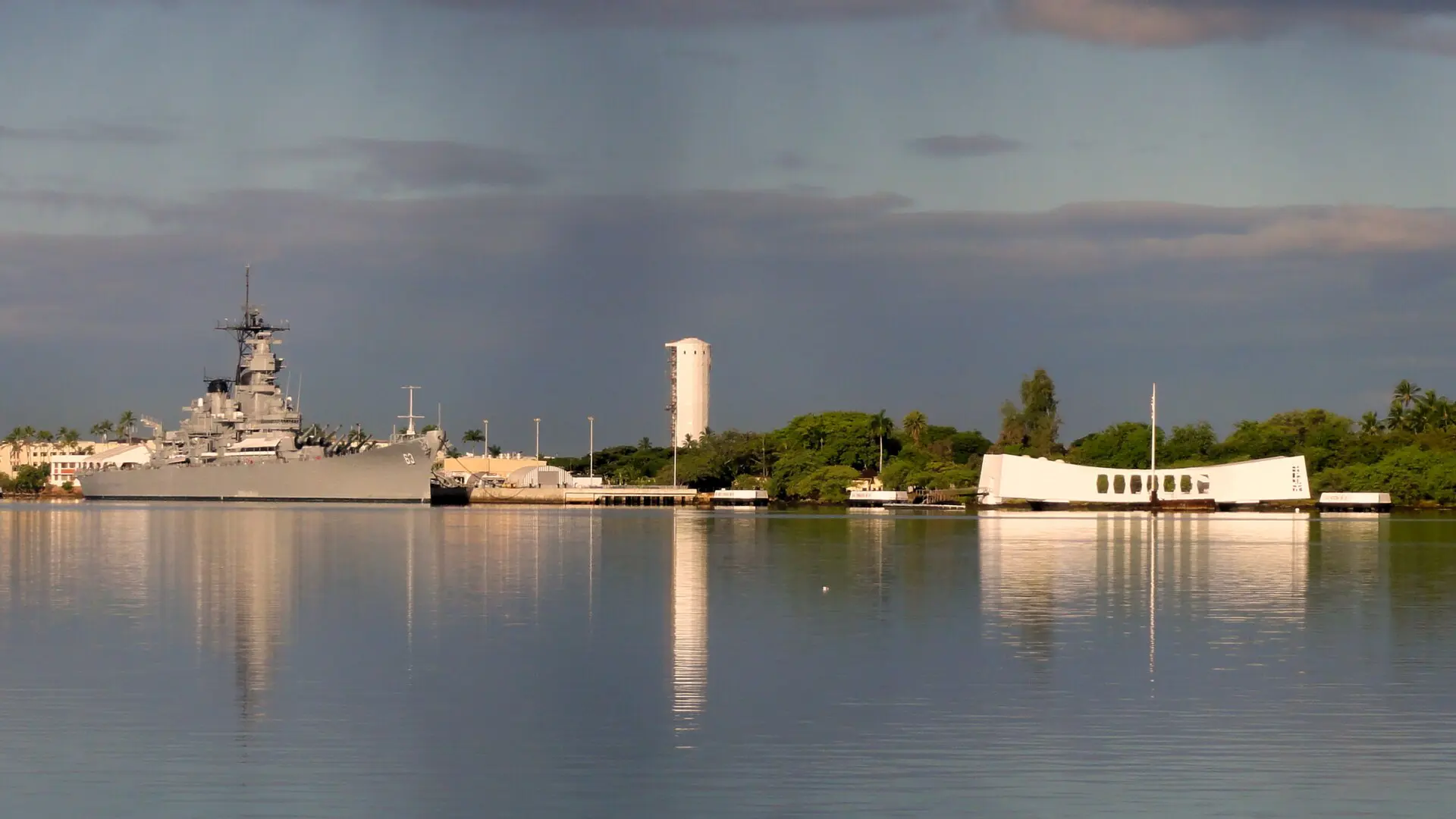
Pearl Harbor National Memorial
The memorial site includes the USS Arizona Memorial, a battleship and museums on the harbor where the 1941 attack took place. Allow at least half a day. Reserve tickets ahead where possible, and check the current bag policy and entry rules before you travel.
Diamond Head hike
The crater trail climbs to a viewpoint over Waikiki and the coastline in roughly 1.5 to 2 hours return. Visits are managed with timed entry and parking reservations as of recent years, so book online and start early to avoid heat and crowds.
Hanauma Bay
This protected bay offers some of the island’s easiest snorkelling, with reef fish in calm water. Reservations are required, the reserve is closed on certain days, and visitors watch a short educational video first. Allow around three hours, and use reef-safe sunscreen.
Kailua and Lanikai
On the windward coast, wide pale beaches and calm turquoise water suit swimming, paddling and kayaking. Allow half a day. Parking near Lanikai is limited and strictly signed, so follow local rules and consider arriving by bike or early in the day.
Kualoa Ranch and the windward coast
The valley is known for film-location tours and ranch activities, with steep ridgelines as a backdrop. Book a tour in advance for busy months. Combine it with a drive along the coast, stopping at beaches and fruit stands. Allow a full day.
Waimea Valley and Polynesian culture
Waimea Valley has botanical gardens and a waterfall walk on the North Shore. Cultural centres on the island also offer Polynesian shows and demonstrations, but they differ in style and price. Read recent reviews, and allow two to four hours per visit.
Best time to visit Oahu
Oahu has a warm climate all year, with a drier summer and a wetter winter. The windward side and mountains get more rain than the leeward south and west coasts. Temperatures change little, so timing is mainly about waves, crowds and prices.
| Season | Weather | Crowds and prices |
|---|---|---|
| Dec to Mar | Showers, big North Shore surf | High, especially holidays |
| Apr to Jun | Warm and mostly dry | Moderate |
| Jul to Aug | Hot, calmer seas on the north | High with school holidays |
| Sep to Nov | Warm, settled weather | Moderate to low |
April to June and September to October balance weather and cost. If you want to see huge waves, winter is best, and whales are often seen from winter into early spring, though ocean conditions can be hazardous.
How to get to Oahu and around
Daniel K. Inouye International Airport (HNL) in Honolulu is the main gateway, with direct flights from the US mainland, Asia and the Pacific, and frequent inter-island flights. Taxis, shuttles and ride-hailing run to Waikiki in around 20 to 30 minutes in normal traffic.
A rental car gives the most freedom for the North Shore and windward coast. Traffic is heavy around Honolulu at rush hour, and parking in Waikiki is costly, so some visitors rent for only part of the stay. Check hotel parking charges in advance.
TheBus covers much of the island at low fares but is slow for long trips. The Skyline rail line serves part of the west and central areas and may expand, so check current routes. Organised tours leave from Waikiki to the major sights, and some areas, such as the North Shore on weekends, are easier on a tour than by car.
Where to stay in Oahu
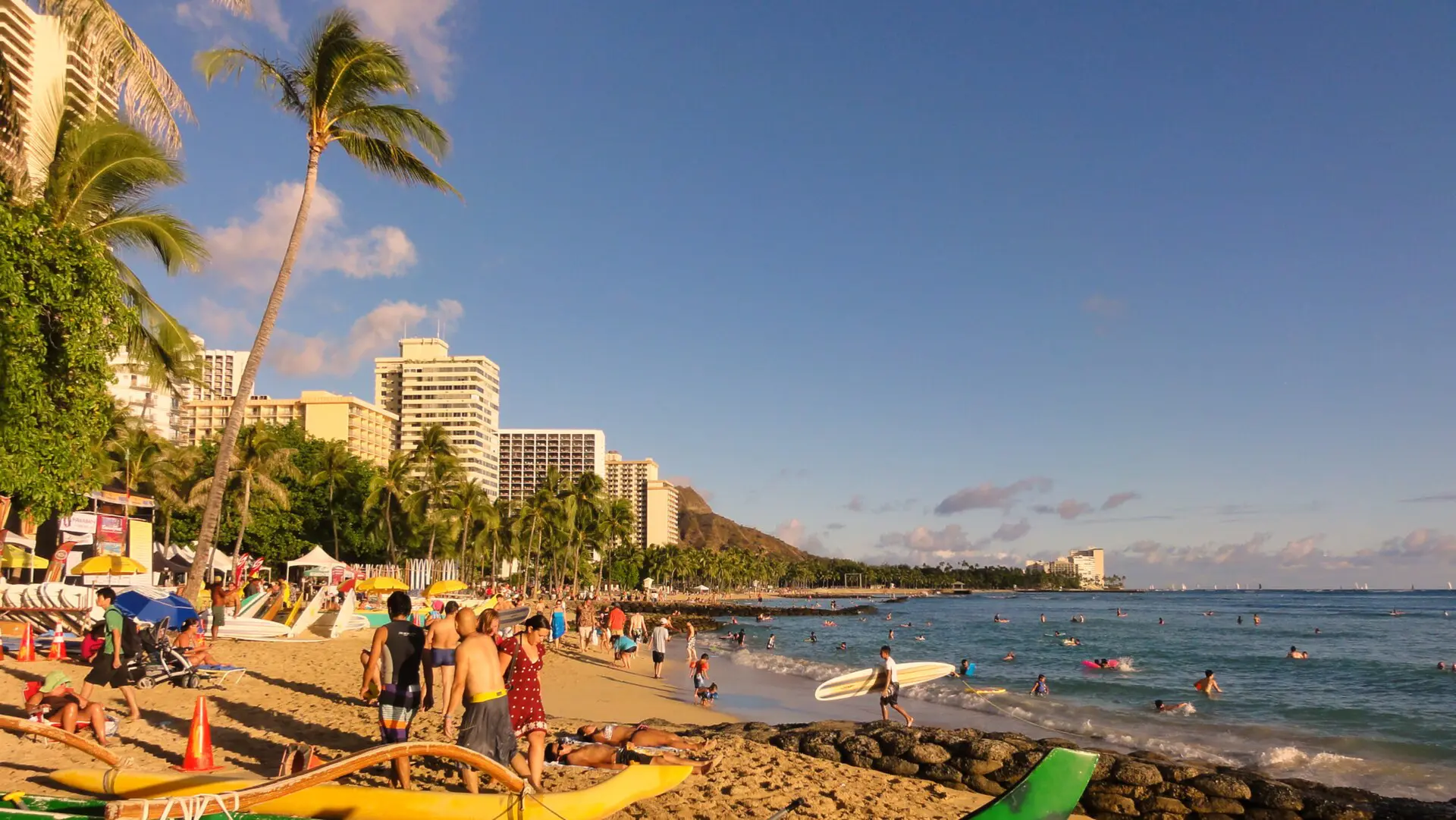
Waikiki is the easiest base, with the greatest choice of hotels and apartments, restaurants and public transport. It suits first-time visitors and anyone who prefers not to drive, but it is crowded and costs more, with resort fees at many hotels.
The North Shore offers a slower, rural feel with beach rentals and small lodges, ideal for surfers and those who want quiet evenings. Options are limited and fill quickly, and some places are far from nightlife and larger supermarkets.
Kailua and the windward coast have vacation rentals and bed-and-breakfast style stays, close to calm beaches, and suit families and couples. Ko Olina, on the west side, has large resorts with lagoons, convenient for a relaxed beach stay. Compare total costs including parking and fees, and book early for peak periods.
How many days do you need?
Five days is a good minimum for seeing Honolulu, the North Shore and the windward coast without rushing. A week allows beach time and a hike. If Oahu is a stopover, three days covers the essentials.
- Day 1: Diamond Head hike early, then Waikiki Beach and downtown Honolulu.
- Day 2: Pearl Harbor in the morning, then Iolani Palace or a museum in the afternoon.
- Day 3: Drive the North Shore with beach stops and lunch in Haleiwa.
With more time, add Hanauma Bay, Kailua and the windward coast, and keep one day unplanned for beach time.
Day trips and nearby
Honolulu
The island’s capital is the base for many trips and has its own sights, including Iolani Palace, Chinatown and the beaches of Waikiki. Allow a full day to see the city properly, and use the bus or walk between nearby stops.
Maui
Maui is a short inter-island flight, around 40 minutes, and has beaches, whale watching and the Road to Hana. It is better as a separate stay of several nights than a day trip. Check airline schedules and checked bag fees.
Kauai
Kauai has green mountains, the Na Pali coast and quieter beaches. It takes around 30 to 40 minutes to reach by air from Honolulu. Treat it as a multi-night trip, and check current access rules for popular trails.
Hawaii Island
The Big Island has volcanoes, black sand beaches and star-gazing on Mauna Kea. Flights take roughly 50 minutes to an hour. Allow at least three nights, and check Hawaii Volcanoes National Park conditions before you plan.
FAQ
Q1When is the best time to visit Oahu?
April to June and September to October usually combine warm weather with lower prices and lighter crowds. Winter brings bigger North Shore waves and more rain, while July and August are busy with families. Check conditions on the day for swimming.
Q2How many days do you need in Oahu?
Five days is enough for Honolulu, Pearl Harbor, the North Shore and the windward coast at an easy pace. A week allows more beach time and hiking. Three days works for a short stopover if you focus on a few sights.
Q3How do you get to Oahu?
Fly into Daniel K. Inouye International Airport (HNL) in Honolulu, which has direct flights from the US mainland, Asia and the Pacific. Inter-island flights connect to Maui, Kauai and Hawaii Island. From the airport, Waikiki is typically 20 to 30 minutes away.
Q4Do you need a car on Oahu?
Not in Waikiki and Honolulu, where buses and walking are enough. A car is useful for the North Shore and windward coast, though parking can be limited. Many visitors rent for two or three days or join organised tours.
Prices, schedules and entry rules change. Check current details with official sources before you travel. Read the United States travel guide.