Why visit New Orleans
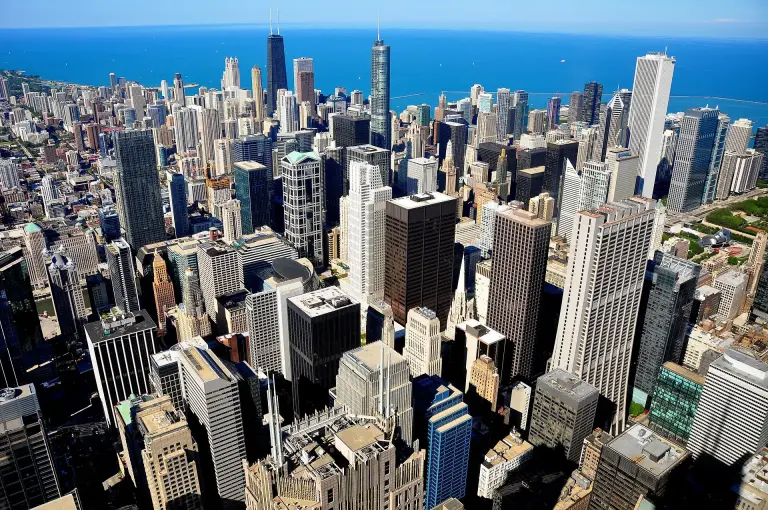
Anyone planning things to do in New Orleans will quickly find that the city is about atmosphere as much as sights. It sits on a bend of the Mississippi River in Louisiana, with a layered history of French, Spanish, African and Caribbean influence that shows in its music, food and architecture.
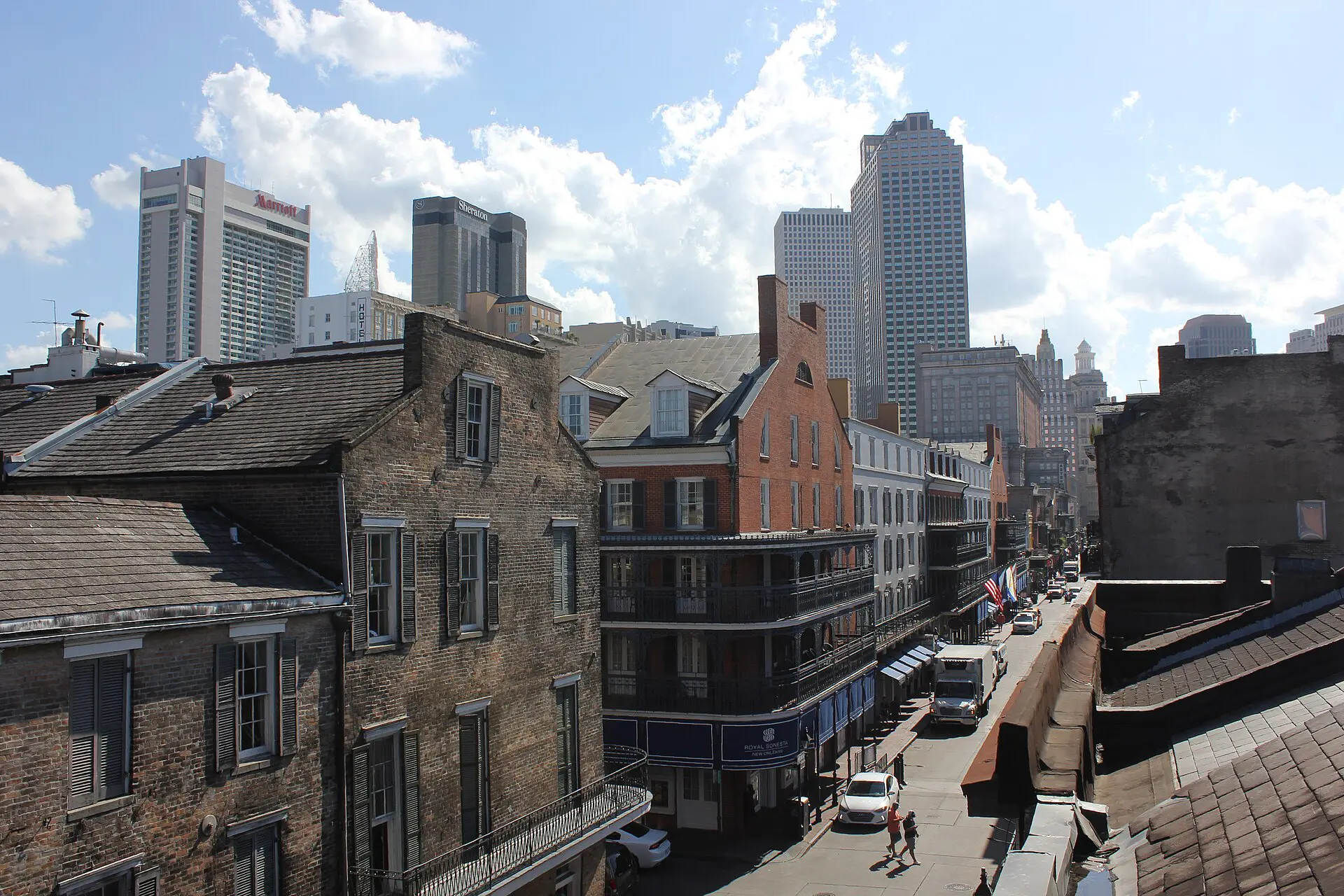
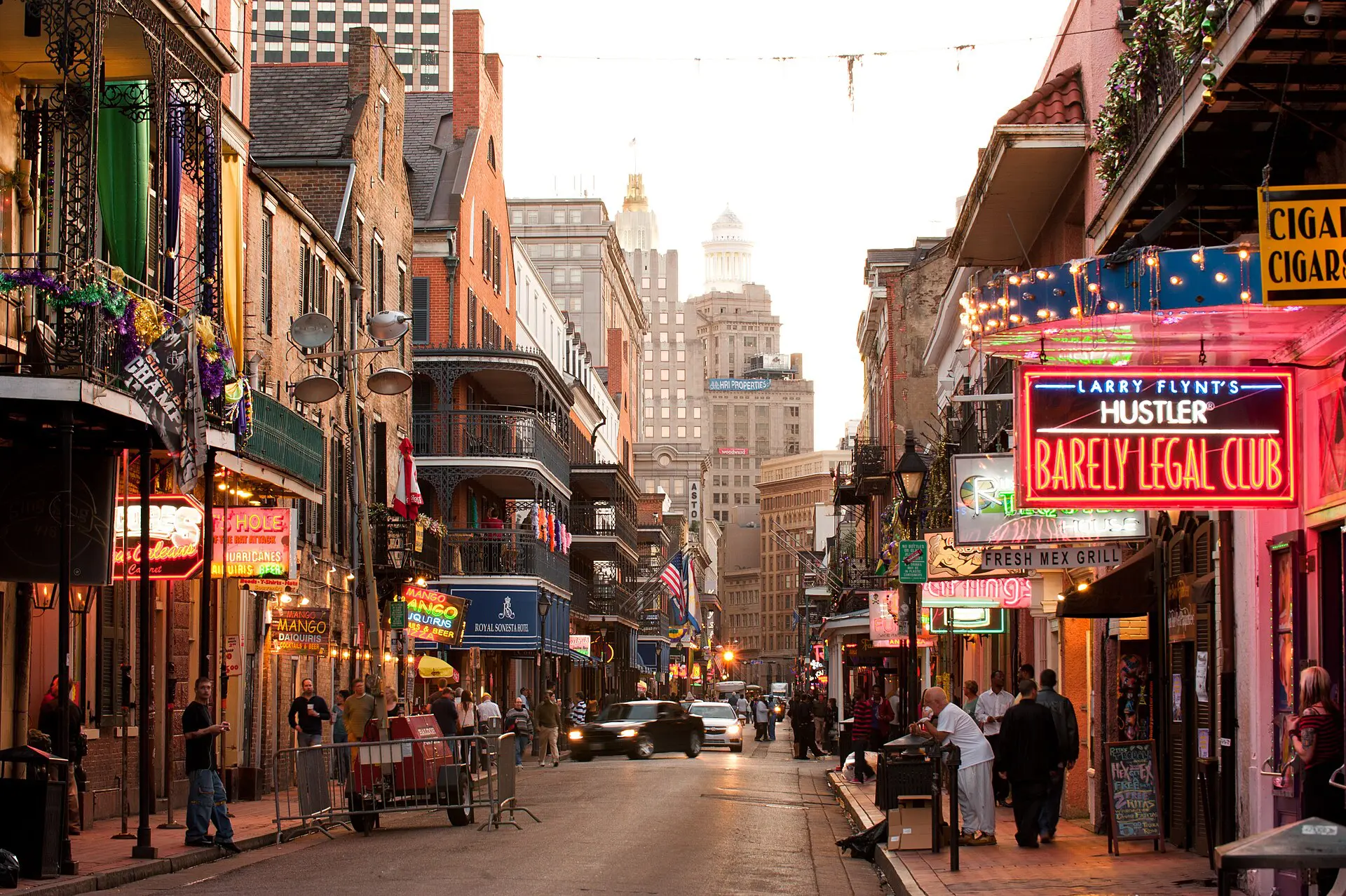
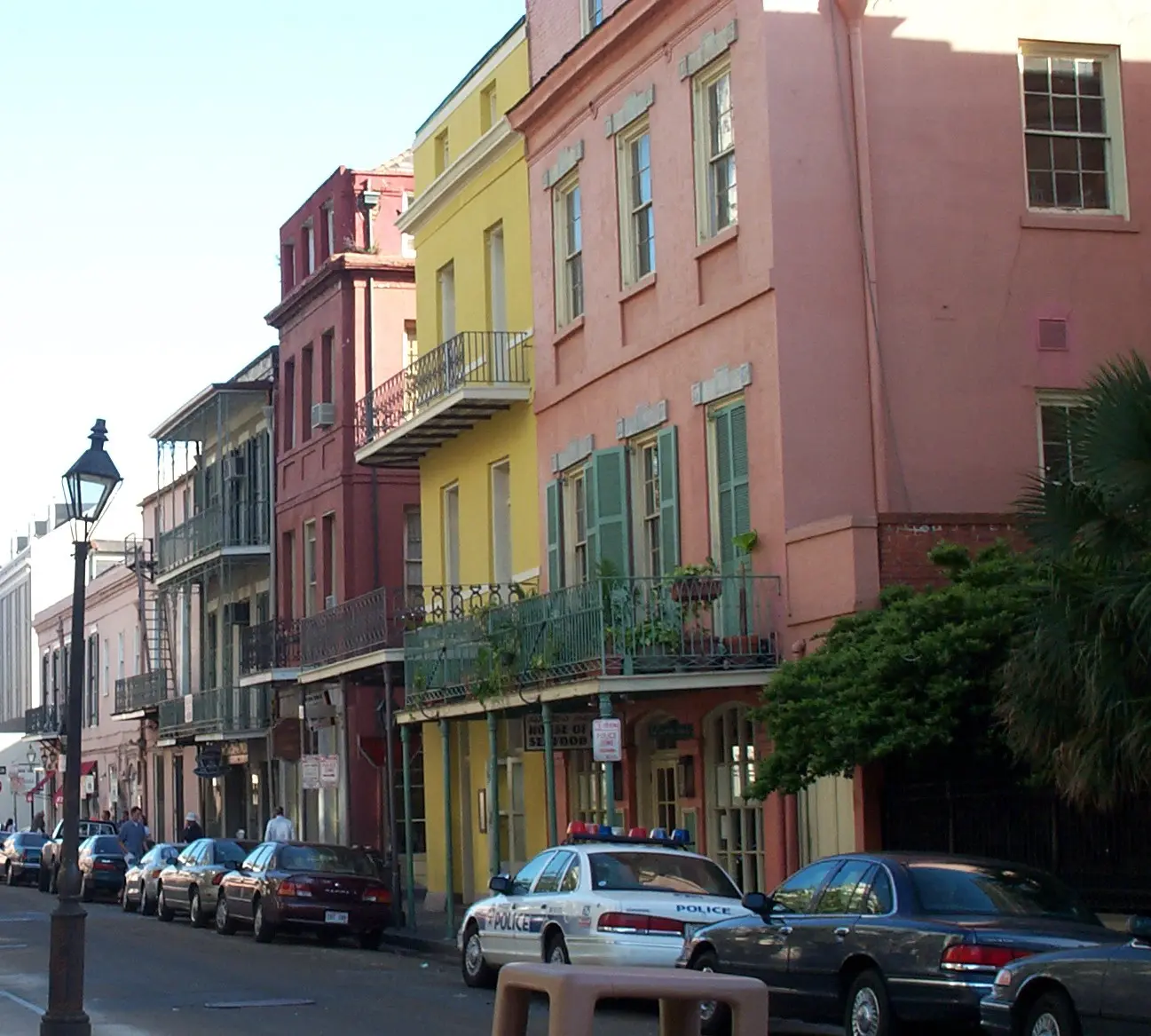
The French Quarter, with its balconied buildings and lively streets, is the best known district, but there is much more. Streetcars run through the leafy Garden District, live jazz fills clubs on Frenchmen Street, and neighbourhood restaurants serve Creole and Cajun dishes that are hard to find elsewhere.
New Orleans is also a city of festivals, with Mardi Gras the most famous. The climate is hot and humid for much of the year, and parts of the city are low-lying, so plan around weather and be mindful in busy areas at night.
Top things to do in New Orleans
These are the most popular places for visitors. Check opening hours, as some small venues and restaurants keep irregular schedules.
The French Quarter
The historic core has cast-iron balconies, courtyards and Jackson Square next to the cathedral. Allow half a day. Walk in the morning, when it is quieter, and keep to well-lit streets at night. Bourbon Street is loud and busy, while side streets are calmer.
Live jazz on Frenchmen Street
A short walk from the Quarter, this street has a row of music venues with live jazz, brass and blues. Allow an evening. Many places charge no entry but expect you to buy a drink or tip the musicians, so check before you sit.
Streetcar and the Garden District
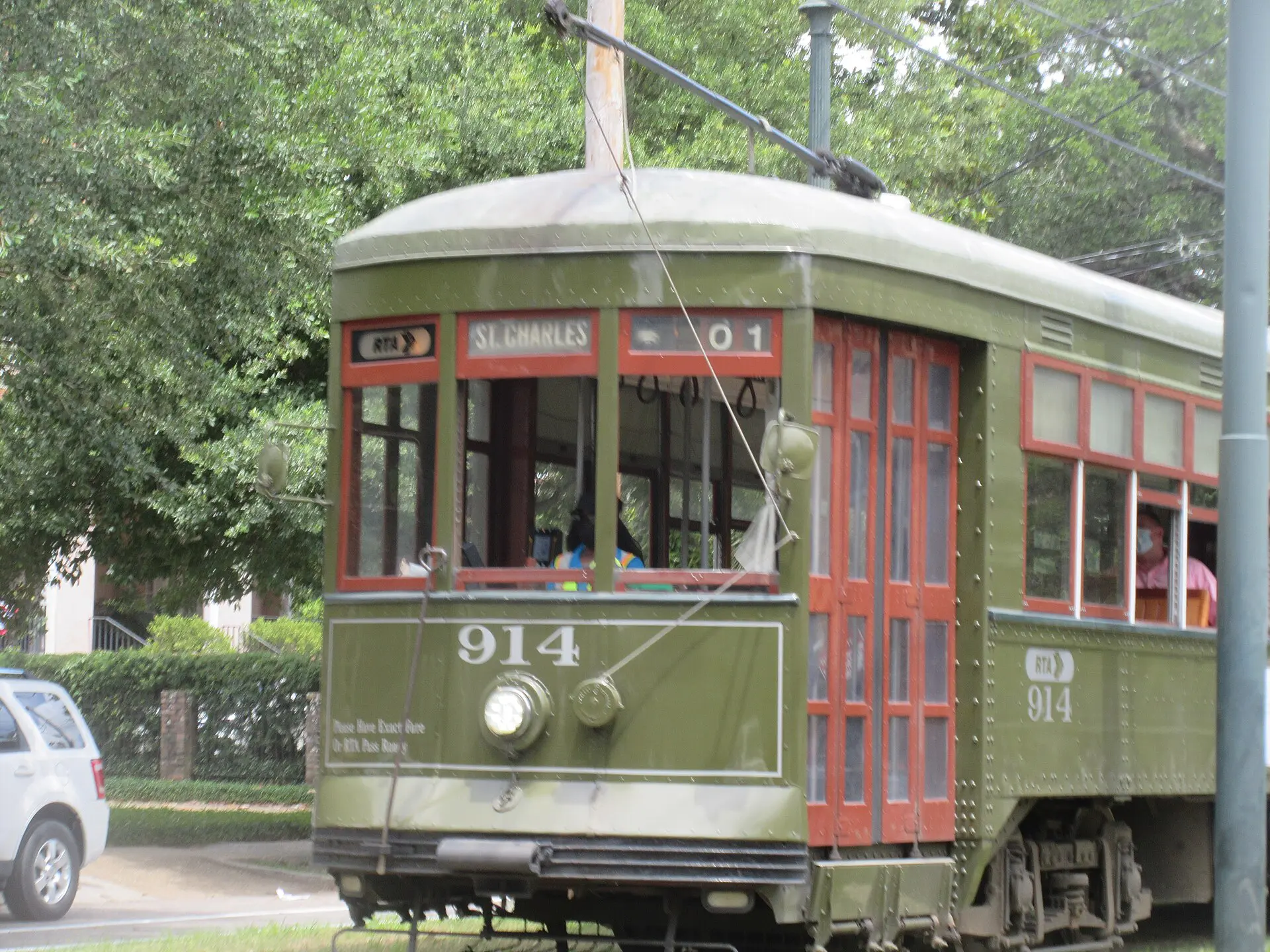
The historic St. Charles streetcar line runs past large old houses and oak trees. Allow two to three hours for the ride and a walk. Bring exact change or check current payment options, and take a guided walk if you want to learn about the architecture.
Beignets and Creole food
Beignets, gumbo, po’boys and red beans and rice are local staples. Allow time for at least two meals out. Queues are common at famous cafes, so go early, and check opening hours, as some close on certain days.
The National WWII Museum
A large museum covering the Second World War, with galleries and immersive exhibits. Allow three to four hours or more. Buy tickets in advance, and consider a morning visit before it gets busy.
City Park and the art museum
A large park with oak trees, gardens and a sculpture garden beside an art museum. Allow two to three hours. Reach it by streetcar and bus, and check opening times for the museum.
Swamp and plantation tours
Organised tours leave from the city to nearby bayous and historic plantation houses. Allow half a day. Choose a reputable operator and check what the tour covers, as quality and approach vary, particularly in how history is presented.
Best time to visit New Orleans
February to May and October to November are the most comfortable periods, with milder temperatures and many events. Spring is lively, with Mardi Gras in late winter, and large festivals fill hotels, so book well ahead if you plan around them.
Summer is hot, humid and stormy, with fewer visitors and lower prices, though midday heat can be draining. Hurricane season runs from June to November, so check forecasts and consider flexible bookings. Winter is mild with some cool spells, and prices rise around Mardi Gras and the holidays.
| Season | Weather | Crowds and prices |
|---|---|---|
| Spring (Mar-May) | Warm, pleasant, some rain | Busy, festivals raise prices |
| Summer (Jun-Aug) | Hot, humid, storms | Quieter, lower prices |
| Autumn (Sep-Nov) | Warm, hurricane risk early | Moderate, busy in Oct-Nov |
| Winter (Dec-Feb) | Mild with cool spells | Very busy around Mardi Gras |
How to get to New Orleans and around
Most visitors fly into Louis Armstrong New Orleans International Airport, roughly 30 minutes from the French Quarter by taxi or rideshare, though traffic varies. Amtrak serves the city’s central station, and long-distance buses and road routes also arrive. Cruise ships dock on the river.
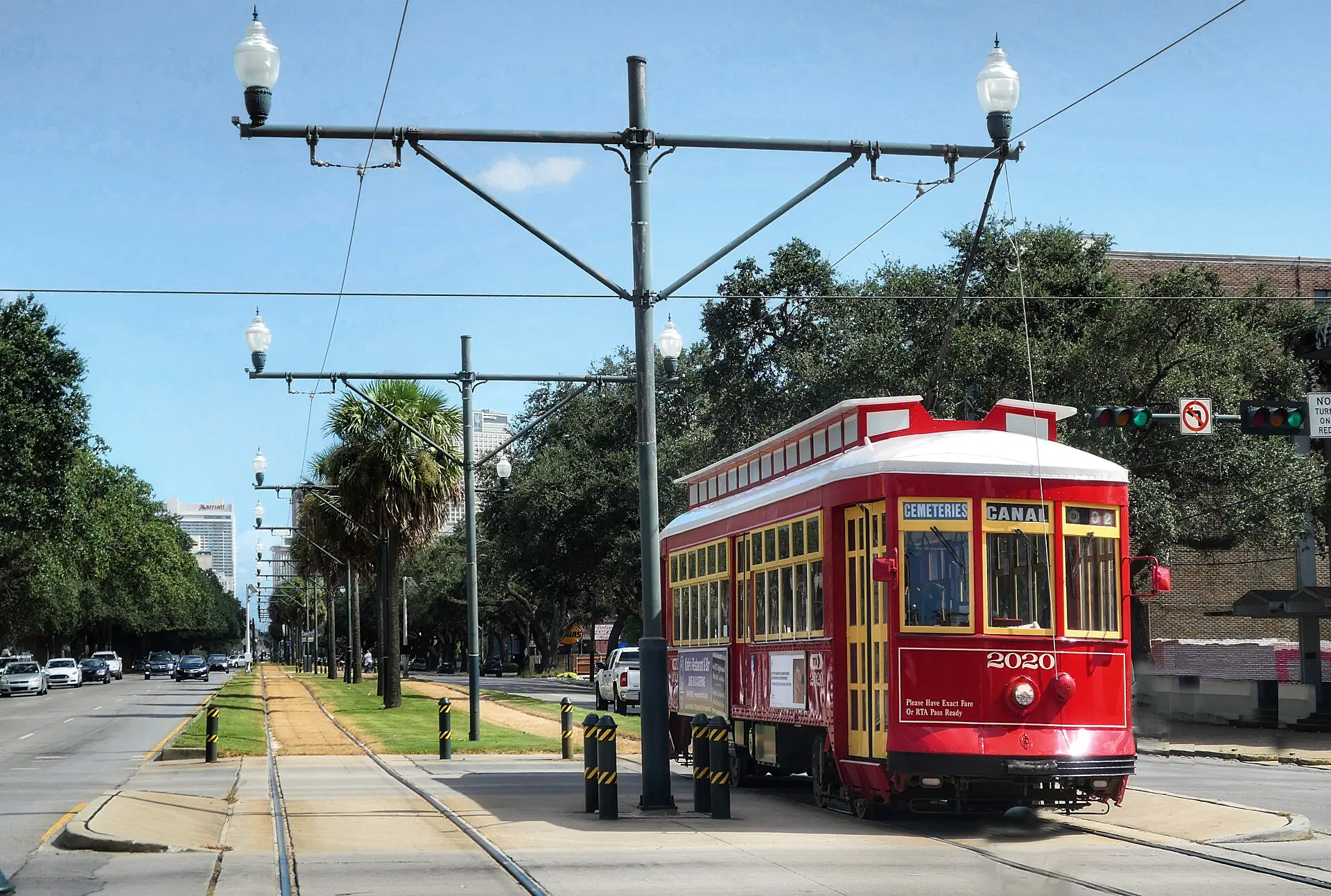
The French Quarter and nearby districts are walkable, and the historic streetcars and buses cover more ground, so check current fares and routes. A car is not needed for most visits, and parking is limited. Rideshares are useful late at night. Walk carefully on uneven pavements and avoid isolated streets after dark, as with any busy city centre.
Where to stay in New Orleans
The best base depends on how much you want music and nightlife at your door. Book early for festivals and Mardi Gras, as prices rise sharply.
- French Quarter: atmospheric and central, with historic hotels and guesthouses. It suits first-time visitors, though it can be noisy at night.
- Central Business District and Warehouse District: modern hotels near the museums and the convention centre, a short walk from the Quarter. Good for short stays and business travellers.
- Garden District and Uptown: quieter and leafy, close to the streetcar. Suits couples and those who want a calmer base.
- Marigny and Bywater: creative neighbourhoods with colourful houses and small guesthouses, close to Frenchmen Street. Suits repeat visitors.
How many days do you need?
Three days is a good length for most visitors. Two days covers the French Quarter and one other area, while four or five lets you add a swamp tour or a day trip at a slower pace. The city is best enjoyed without rushing, with long meals and late evenings.
- Day 1: The French Quarter in the morning, beignets, Jackson Square and an evening of jazz on Frenchmen Street.
- Day 2: A streetcar ride to the Garden District, lunch in a local restaurant and the National WWII Museum.
- Day 3: City Park or a swamp tour, then a final dinner in Marigny or Bywater.
Day trips and nearby
The area around New Orleans offers swamps, historic houses and Gulf Coast beaches, and other Southern cities are within reach for a longer trip.
Louisiana bayous and swamps
Boat tours leave from towns near the city, usually within 30 to 60 minutes’ drive. You may see wildlife such as alligators and birds. Allow half a day, and choose a reputable operator.
Baton Rouge
The state capital is around an hour and a half away by car. It has a historic capitol and nearby historic houses. Allow a full day, and check hours for sites you want to visit.
Gulf Coast beaches
Beaches in Mississippi are within a couple of hours by car. They suit a relaxed day in warm months, but check water and weather conditions before you go.
Nashville, Austin and Miami
These cities are a long drive or a short flight away, so they fit into a longer trip through the South rather than a day out. Check flight and drive times for your dates.
FAQ
Q1When is the best time to visit New Orleans?
February to May and October to November are usually the most comfortable, with plenty of festivals. Summer is hot and humid, with lower prices, and hurricane season runs June to November. Mardi Gras in late winter is very busy and expensive.
Q2How many days do you need in New Orleans?
Three days is enough for the French Quarter, live jazz, a streetcar ride, the Garden District and a museum. Two days work for a short trip, and four or five let you add a swamp tour or a day trip at an easy pace.
Q3How do you get around New Orleans?
The French Quarter and nearby areas are walkable, and historic streetcars and buses cover more of the city. Rideshares help late at night. A car is not necessary for most visits, and parking is limited. Check current fares and routes.
Q4Is New Orleans safe for visitors?
Most visitors have no problems, especially in busy tourist areas. As in any big city, stay aware at night, keep to well-lit and busy streets, avoid isolated areas and keep valuables out of sight. Check local advice before you travel.
Prices, schedules and entry rules change. Check current details with official sources before you travel. Read the United States travel guide.