Why visit Maui
Planning things to do in Maui starts with the island’s layout. Maui is one of the islands of Hawaii, the second-largest of the eight major islands and the third-most populous. It is divided into distinct areas, each with its own character, so a good trip depends on choosing where to base yourself.
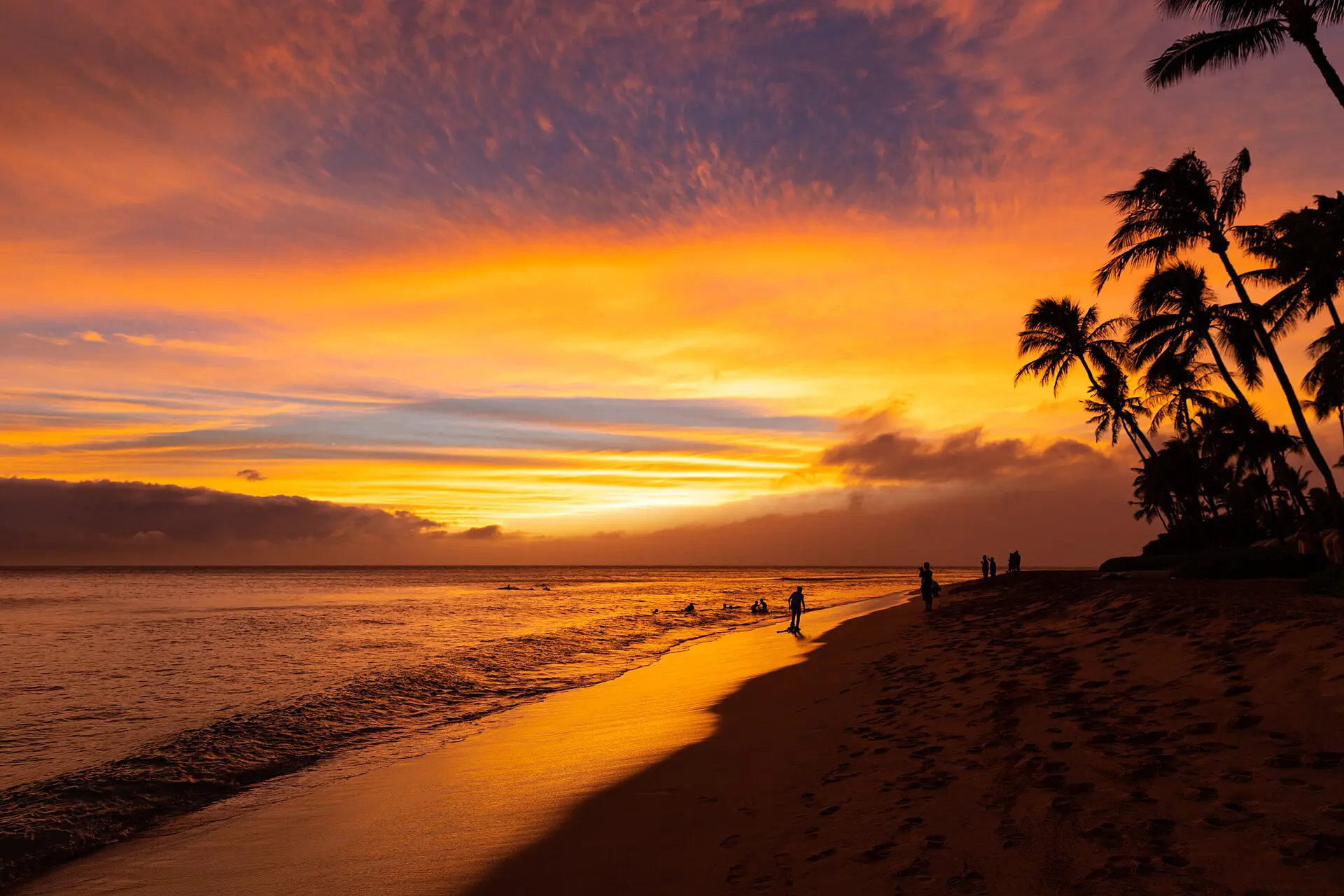
Kahului is the commercial and transport centre, with the main airport and harbour. Kaanapali, on the western shore, is a resort area. Upcountry towns such as Makawao have a ranch history and now offer shopping, eating and art. At the far eastern tip, Hana is an isolated community surrounded by dense rainforest, reached by the famous winding highway.
Visitors come for beaches, snorkelling, whale-watching in winter, volcano views and scenic drives. Maui is also a place where respect matters: follow local guidance, stay on marked trails and check current conditions and closures before travelling.
Top things to do in Maui
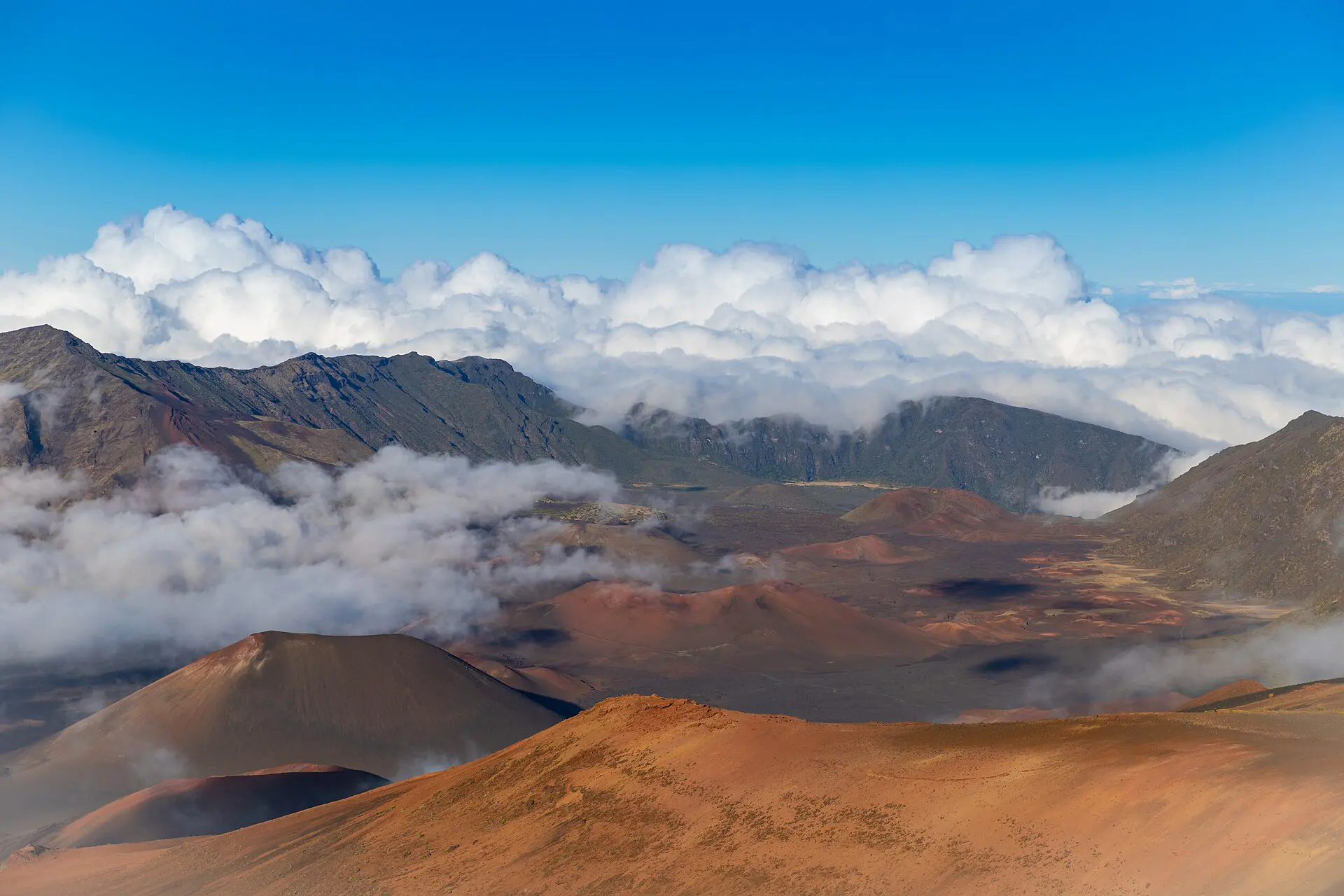
Haleakala National Park
The volcano’s summit crater offers a dramatic landscape and sunrise or sunset views. Sunrise visits typically require advance reservations, so check the park’s current rules. The summit is cold and high, so bring warm layers. Allow half a day.
The Road to Hana
The highway to Hana winds along the north-east coast, with waterfalls, bridges and rainforest. It is more about the drive than the destination. Allow a full day, start early, drive carefully on narrow bends and respect private property.
Snorkelling at Molokini and the coast
Boat trips to the crescent-shaped Molokini crater are popular, and several beaches along the coast also offer easy snorkelling. Morning is usually calmer. Use reef-safe sunscreen and check conditions with a local operator.
Whale-watching
Humpback whales visit Hawaiian waters in winter, typically from around December to April. Boat tours depart from several harbours, and whales can sometimes be seen from shore. Choose an operator that follows wildlife rules.
Lahaina and West Maui
West Maui includes the Kaanapali resort area and the historic town of Lahaina, which was badly affected by the 2023 wildfire. Check current access, recovery and visitor guidance before planning a visit, and be respectful of the community.
Makawao and Upcountry
This old cowboy ranch town now offers shopping, eating and an arts scene, with cooler air and farms nearby. Allow a half day. It combines well with a visit to Haleakala.
Beaches at Kaanapali and Wailea
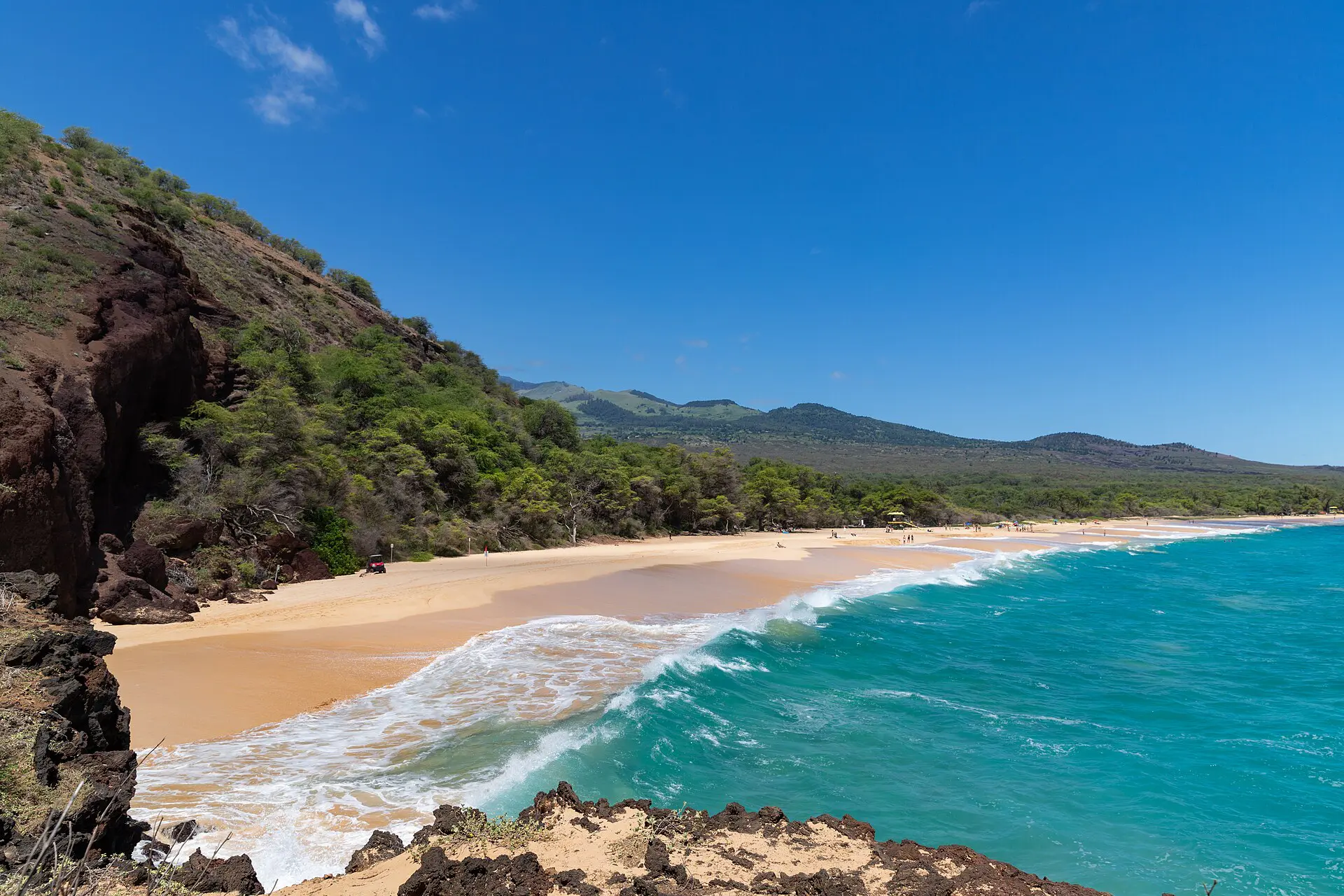
Maui’s beaches range from long resort stretches to quieter coves. Allow a relaxed half day. Check surf and shorebreak conditions, which can be strong, and follow lifeguard advice.
Best time to visit Maui
Maui has a warm tropical climate year round, with a drier summer and a wetter winter. Winter brings whales and bigger surf on north shores, while summer is calmer. Sunshine varies by region, with the west and south sides drier and the east and windward sides rainier.
| Season | Weather | Crowds and prices |
|---|---|---|
| Winter (Dec-Mar) | Warm, some rain, big north-shore surf | Busiest, highest prices |
| Spring (Apr-Jun) | Warm, drier | Moderate, good value |
| Summer (Jul-Aug) | Warm and dry, calmer seas | Busy with families |
| Autumn (Sep-Nov) | Warm, generally dry | Quieter, lower rates |
April to June and September to October often offer the best balance of weather, crowds and cost. Holiday weeks are expensive, so book early.
How to get to Maui and around
Most visitors arrive at Kahului Airport, the main airport on the island. There are flights from the US mainland and inter-island connections from Honolulu and other islands. Smaller airports exist in other parts of the island, with limited service. Check current options and routes.
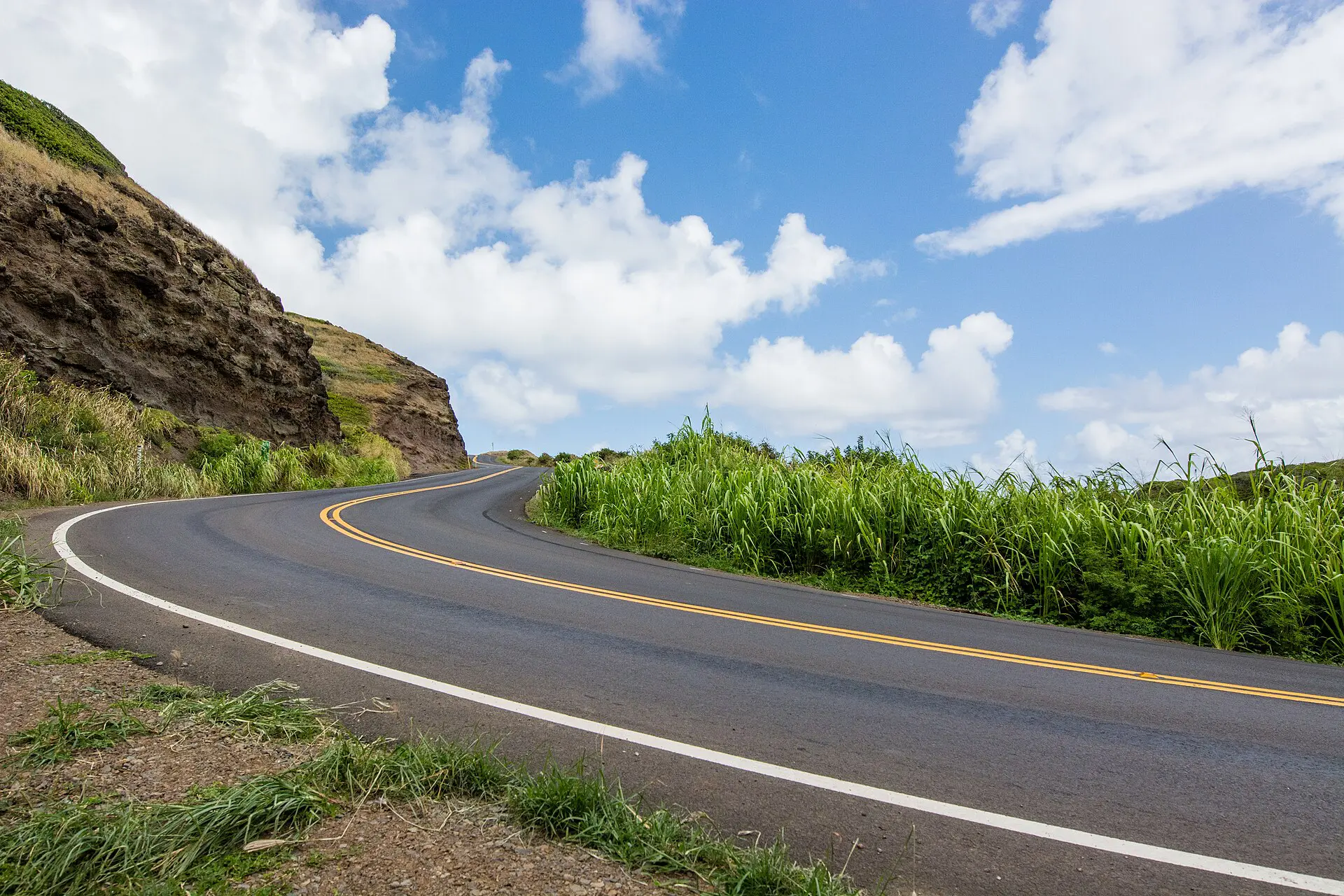
A rental car is the most practical way to see Maui, because public transport is limited and sights are spread out. Book the car early, as availability can be tight. Taxis and ride-hailing exist, mainly near resort areas. Driving times are longer than distances suggest, with winding roads and traffic, so allow extra time, especially for Hana.
Where to stay in Maui
Where you stay shapes your trip, since driving between regions takes time. Compare current rates and any lodging rules.
- Kaanapali and West Maui: resort area on the western shore with beaches and restaurants. Check current recovery and visitor guidance for the Lahaina area.
- Wailea and Kihei (South Maui): sunny, beach-focused areas, with a mix of resorts and condos.
- Upcountry and Makawao: cooler, quieter and closer to Haleakala, suiting travellers who prefer a local feel.
- Hana: a remote base for those who want the Road to Hana without a long same-day drive, with limited options.
How many days do you need?
Five to seven days is a good length, allowing time for beaches and a few day-long outings. A long weekend works if you base yourself in one area. If you want both Haleakala and the Road to Hana, plan a few days to avoid rushing. Remember travel times along winding roads.
- Day 1: Settle in and spend time on the nearest beach or a short snorkelling spot.
- Day 2: Haleakala National Park for sunrise or sunset, then Upcountry towns.
- Day 3: The Road to Hana, starting early, with stops at waterfalls and viewpoints.
Day trips and nearby
Molokini
A crescent-shaped islet off the south coast, popular for snorkelling and diving. Boat trips leave from nearby harbours and take half a day. Book ahead and check weather conditions.
Lanai
A smaller island reached by ferry from Lahaina area harbours, depending on current service. It has quiet beaches and a small town. Check schedules before planning.
Molokai
Quieter and less developed, Molokai suits travellers seeking a slower pace. Access is by small plane or ferry, with limited services. Check current options.
Hawaii Island and Oahu
Other islands are reached by short inter-island flights. They suit separate trips rather than day trips, and most visitors treat them as a multi-island itinerary.
FAQ
Q1When is the best time to visit Maui?
April to June and September to October often balance good weather, fewer crowds and lower prices. Winter is the busiest and most expensive, though it is whale season. Summer is dry and calm. Check conditions and book early in peak months.
Q2How many days do you need in Maui?
Five to seven days is a comfortable length for beaches, Haleakala and the Road to Hana. A long weekend suits a single-area trip. Allow extra time, since winding roads and traffic make driving between regions slower than the distances suggest.
Q3Do you need a rental car in Maui?
Most visitors find a car the most practical way to explore, because public transport is limited and sights are spread out. Book early, as supply can be tight. Ride-hailing and taxis exist, but are mostly near resorts and cost more.
Q4Is Maui expensive?
Maui is one of the more costly destinations, mainly due to lodging, rental cars and tours. Booking early, travelling in shoulder seasons and choosing condos or Upcountry stays can reduce costs. Beaches and many scenic drives are free.
Prices, schedules and entry rules change. Check current details with official sources before you travel. Read the United States travel guide.